What Is a Garden Hoe Used for? 8 Essential Uses and Care Tips
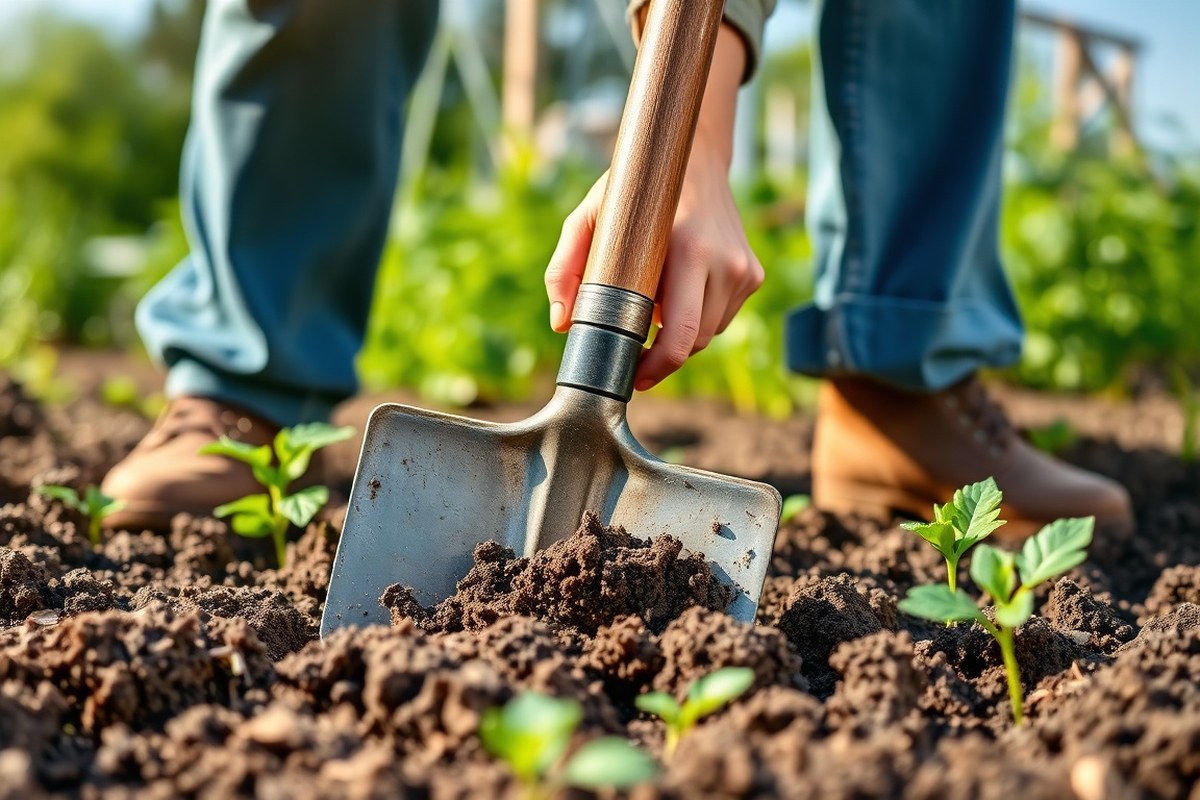
What is a garden hoe used for? It’s mainly for shaping soil, removing weeds, and preparing beds. The hoe head attaches to the handle at a 90-degree angle.
This setup helps you work the soil easily. It makes digging and weeding more efficient. You can chop weeds, pull roots, or make furrows with the right motion.
The garden hoe has a sharp blade designed for soil tasks like breaking up hard dirt or smoothing surfaces. It works well without making you bend too much, saving strain on your back. This design combines ease and function for better garden work.
Choosing a hoe that fits your garden size and soil type also matters. For example, wider blades suit bigger beds while narrow ones reach tight spaces.
Watch out for digging too close to plant roots, which can hurt your plants. Proper use keeps your garden healthy and tidy.
Key Takeaways
- Use a hoe to slice weeds just below the soil surface for quick removal.
- Pull or push the hoe depending on its blade angle for effective soil work.
- Choose a narrow blade for tight rows and crowded plants to avoid damage.
- Employ a flat blade hoe for breaking clods and making shallow furrows.
- A hoe with a pivoting blade scrapes soil gently, minimizing plant harm.
- Check your soil type; rocky soil needs a sturdier hoe blade.
What Is a Garden Hoe Used for in Gardening?
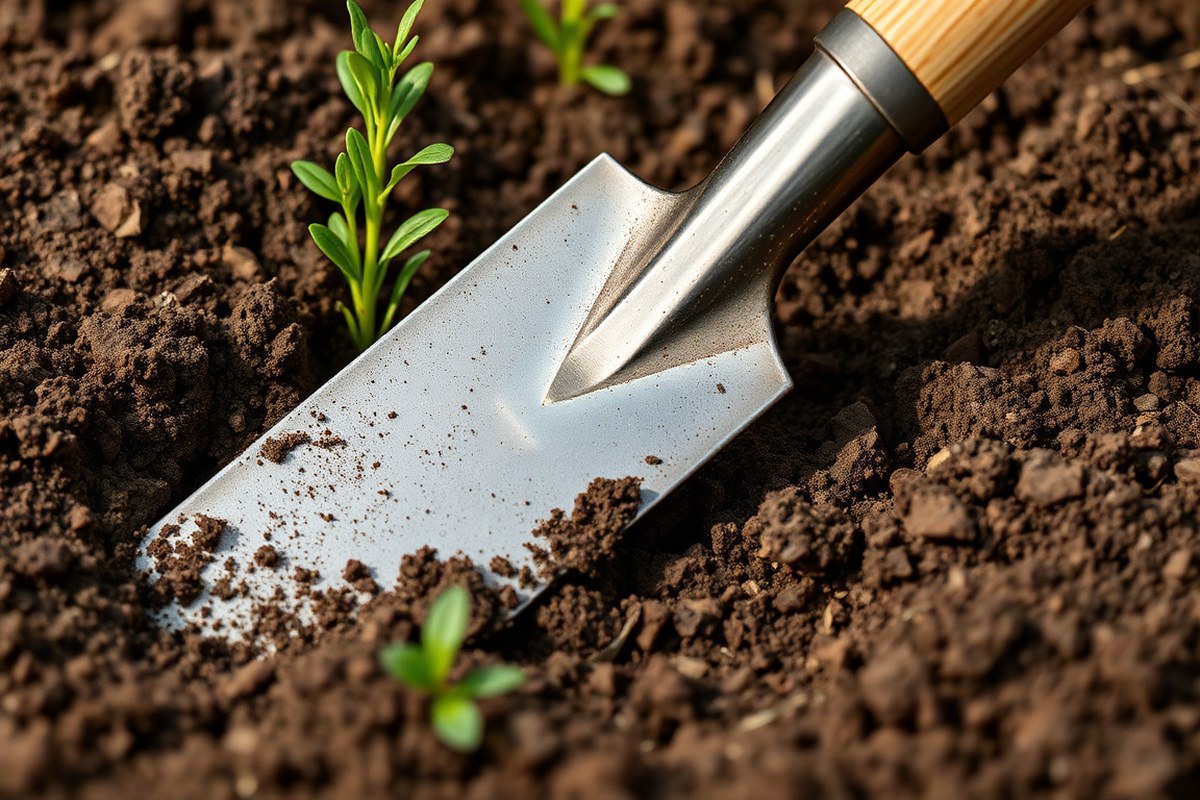
A garden hoe is mainly used for cultivating soil and removing weeds. It loosens and breaks up soil clumps, which helps air and water reach plant roots. This makes it easier for young plants to grow strong and healthy.
Using a hoe to cut weeds at the root line helps control them before they spread. You push or pull the hoe blade just under the soil surface to slice the weeds.
This quick action disturbs weeds early. So they don’t compete with your vegetables or flowers.
You can also shape garden beds with a hoe. It helps create rows or shallow furrows for planting seeds evenly. For raised beds, a hoe can hill soil around plants to support stems and prevent erosion.
A hoe lets you work while standing, saving your back from bending too much. This makes garden tasks less tiring, especially in larger areas. Pick a hoe type that suits your task and soil to get the best results.
Different Types of Garden Hoes and Their Specific Uses
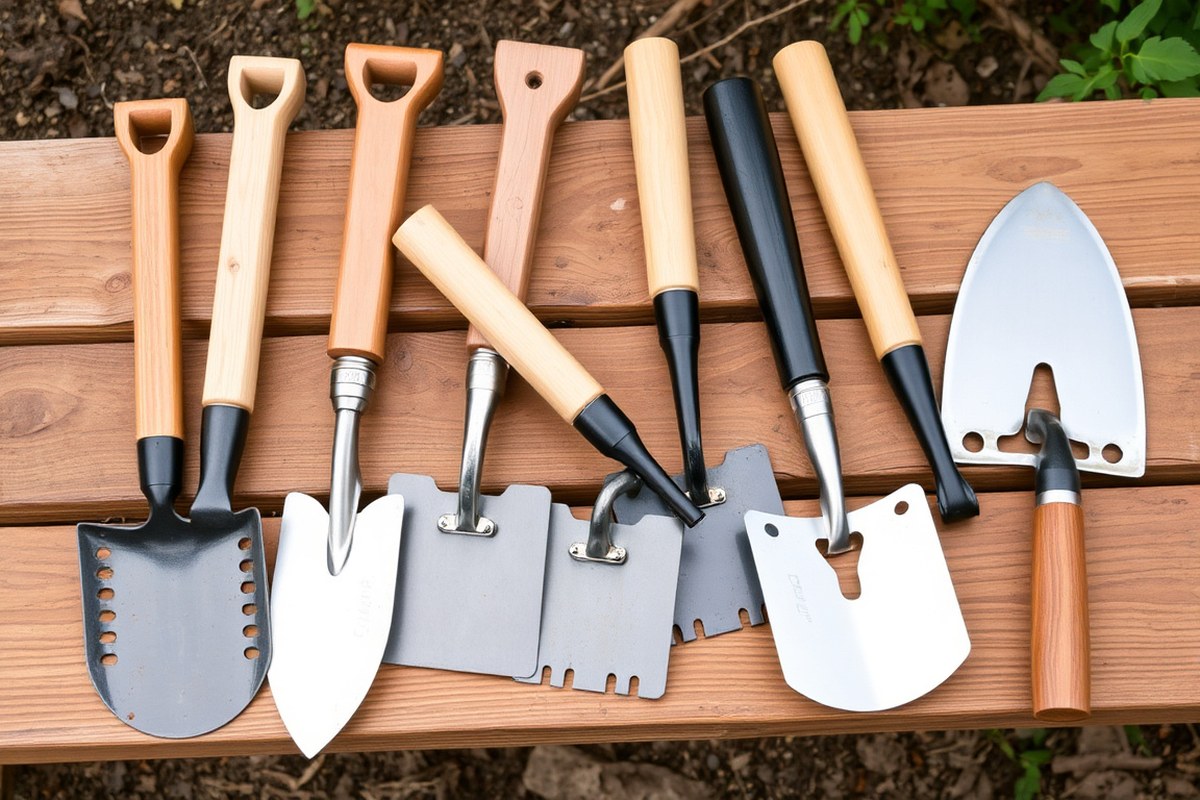
Garden hoes come in several types, each suited for different gardening jobs. The blade design and how you move it decide its effectiveness. These blades help break soil or pull weeds.
Your motion affects how well they work for tasks. Choosing the right type helps you save effort and protect your plants better.
Draw Hoe: Tough Soil and Root Removal
The draw hoe has a wide, flat blade. You pull it toward you to chop soil. This action breaks up clumps and weeds.
It’s great for tough jobs like breaking hard soil and cutting through deep roots. Use it in mixed beds, edges, or rows.
It’s best where soil is hard or packed tight. This hoe loosens the crusty, compacted ground well.
This hoe’s blade angle helps it dig in deeply while you use a chopping motion. It’s slower but delivers raw power for preparing beds or making furrows. Pull the hoe toward you with steady pressure.
This breaks soil clumps gently. Avoid tearing roots of nearby plants.
Use the draw hoe when soil feels hard or root-bound to loosen it gently but effectively.
Stirrup (Scuffle) Hoe: Fast Surface Weeding
A stirrup hoe has a blade shaped like a loop. You push it back and forth to work the soil. This motion sweeps through weeds easily.
This design cuts weeds just under the surface without disturbing the soil much. It’s perfect for clearing many small weeds quickly in a large bed.
The blade slices both on the push and pull. So light, fast strokes work best.
You’ll save time by covering big patches fast, especially in beds with loose or softened soil. Avoid heavy chopping, which can damage the blade or soil structure.
Move the stirrup hoe lightly to slice weed roots without digging up too much soil.
Dutch Hoe: Slicing Weeds in Loose Soil
The Dutch hoe has a flat blade set at an angle. You push or pull it through soil. It slices weeds near the surface.
It works well in soil that is loose and well-tilled. A quick push cuts weed roots effectively.
This motion keeps weeds from growing back. It’s ideal for open rows and large beds where you want efficiency.
Use controlled strokes to cut weeds just below soil level. The angle of the blade lets you work without much bending. Keep soil loose before using the Dutch hoe.
Loose soil helps the blade slice better. This also stops weeds from growing again fast.
Use the Dutch hoe in beds with soft soil. It quickly cuts weeds before they get tall. This tool is best for soft, loose ground.
Collinear Hoe: Precision Weeding in Tight Spaces
The collinear hoe has a long, narrow blade that scrapes soil and weeds with precision. It’s excellent for tight spaces between plants and around delicate seedlings. This hoe uses short, careful strokes to cut roots just below soil level.
Its design allows you to work close to stems without damage. Use slow, light scraping motions to remove single weeds or thin rows of plants. The thin blade keeps disturbance minimal, preserving soil structure around roots.
Use the collinear hoe when you need careful weeding close to fragile plants or narrow beds.
How Different Hoe Motions Affect Soil and Weeds
Garden hoes move in four main ways: pull, push, chop, and sweep. Each motion treats soil and weeds differently. Choosing the right motion helps you control weeds without hurting your plants or soil.
Pull (Draw) Motion for Breaking Soil and Furrowing
The pull motion means dragging the hoe blade toward you. It works well for loosening soil and making furrows for seeds or irrigation. You use this with a draw hoe or warren hoe, which have angled blades.
Pull slowly to break up hard soil without disturbing nearby plants. Pulling digs deeper than skimming, about an inch or more. This lets you expose deep-rooted weeds and create neat rows for planting.
Push Motion for Surface Weed Removal
Pushing the hoe blade away from you is common with Dutch hoes and similar types. This motion slices weeds right at the surface and cuts seedlings before they grow. It’s best on loose, dry soil where weeds are young and shallow.
Keep the blade at a 15 to 20-degree angle to the soil while pushing. This reduces damage to roots of nearby plants. Push forward steadily and then draw the hoe back gently to finish cutting.
Chop Motion for Tough Weeds and Soil Clods
Chopping means driving the hoe blade straight down into soil. Then, lever it up or slice through the dirt.
This motion breaks clods and cuts tough weeds with big roots. Grab a grub hoe or heavy-duty chop hoe for this job.
Use this on moist soil to make chopping easier and prevent blade damage. Chop close to deep-rooted perennials and pull them out after loosening. Be careful near plants to avoid uprooting them.
Sweep (Skimming) Motion for Fast Surface Clearing
Sweeping moves the hoe blade back and forth just under the soil surface. It scrapes small weeds and moss without flipping soil. Stirrup hoes work well this way, clearing large beds quickly and easily.
Hold the handle at a slight angle and keep the blade skimming lightly. This scrapes weed roots and prevents their growth while disturbing soil minimal. Sweep on dry, sunny days when soil is dry for best results.
How to Use a Garden Hoe Effectively Without Hurting Plants
Use a garden hoe carefully to protect your plants and control weeds. Move the blade close to crops without touching roots. Adjust the depth and technique to match soil and weed types for best results.
Keeping Safe Distance Near Young Plants
Hoe as close as 1 to 2 inches from young plants without harming them. The vertical sides of the blade help you see the stems and avoid cutting them. Work slowly around seedlings and small plants to keep roots safe.
Avoid digging straight toward the plant base where roots gather. Moving parallel to rows lets you weed without disturbing roots. Use lightweight hoes for better control near fragile plants.
Choosing the Right Depth for Hoeing
Cut just under the soil surface for weeds, about 1 inch deep. This shallow depth slices weed roots without disrupting crop roots below. For soil preparation, dig 2 to 4 inches deep.
Loosen the soil gently. Be careful not to cut the main roots.
Shallow hoeing prevents exposing weed seeds buried deep in soil layers. Deeper strokes help air reach roots and make planting beds ready. Change depth based on soil type: harder soils may require more effort and shallower strokes.
Adjusting Technique for Different Weeds and Soil
Use quick pushing or slicing motions for young, tender weeds. Older weeds may need repeated chopping or lifting with the hoe blade. In dry soil, loosen the surface first to reduce hoe resistance and get cleaner cuts.
On rocky or compacted soil, use chopping motions to break up clumps before hoeing. Wet soils need gentler strokes to prevent smearing or piling soil onto plants. Switch between pushing and pulling based on hoe type and soil texture.
Step-by-Step Hoeing to Protect Crops
Follow these steps for safe, precise hoeing near your crops. Adjust your blade angle and depth for different tasks to protect roots and maximize efficiency.
- Identify the area needing weeding or soil preparation around your plants.
- Set the hoe blade shallow, about 1 inch deep for weeds, deeper for soil loosening.
- Position the blade close to the weed base without touching your plants.
- Use smooth, controlled strokes, moving parallel to plant rows to avoid roots.
- Adjust stroke speed and pressure depending on soil type and weed toughness.
- Clear cut weeds promptly to stop them from growing back quickly.
- Repeat gently if roots remain during the first pass, avoiding soil disruption.
Signs of Proper and Poor Hoeing
Proper hoeing leaves soil loose without exposed roots or damaged crops. Weed roots get sliced off cleanly, reducing regrowth. You should see a crumbly soil surface with no compacted clods.
Hoe too deep or close, and plants may wilt or look stunted. Damaged roots show as brown or broken tissues in soil. Excess soil removal around crops can stress roots and slow growth.
Choosing the Right Garden Hoe for Your Soil and Garden Size
Soil type shapes your hoe choice by how tough your digging job is. Loose or sandy soils need lighter hoes with thinner blades to avoid overworking the ground. Compact or rocky soils need heavier hoes.
Look for strong, thick blades. These break tough clumps without bending.
Handle length matters more when considering your garden layout. For raised beds, a shorter handle around 36 inches helps you maintain control in tight spaces. Larger garden plots need longer handles.
Handles usually range from 48 to 60 inches. They help you stand upright and reach more ground.
A heavy-duty hoe is a smart pick for tough soil. It has a thick blade that holds an edge and a strong, rot-proof handle.
Look for secure head-to-handle connections that won’t loosen with forceful use. These hoes last longer and save effort when breaking hard soil or moving rocks.
- Choose a lightweight draw hoe with a 36-inch handle for raised beds.
- Pick a heavy-duty field hoe for tough soil. It should have a 48 to 60-inch handle. This suits open plots well.
- Use a Warren hoe with a triangular blade for shaping beds in tight spots.
- Opt for rot-resistant wood, fiberglass, or metal handles based on durability needs.
- Raise your hoe choice if you plan heavy weeding or hard digging tasks.
Balance the blade and handle weight so your arm won’t tire quickly. Heavier hoes require more strength but can cut through soil better.
Lighter hoes save energy but might not last as long in rough conditions. Try holding several models to find what feels best in your hands before buying.
Check for a comfortable grip and good blade angle to avoid wrist strain during use.
Maintenance Tips: Sharpening and Caring for Your Garden Hoe
Keeping your garden hoe sharp and clean makes it easier to use and lasts longer. A sharp blade cuts through soil and weeds quickly, saving your energy. Cleaning dirt and sap off the blade after each use also prevents rust and damage.
Sharpening is best done at an angle close to 45 degrees. This angle keeps the edge sharp without wearing it down too fast. Use a metal file or sharpening stone for the best results.
Oil the hoe blade regularly to stop rust from forming. After cleaning and sharpening, wipe the blade with a light coating of machine or vegetable oil. Store the hoe wrapped in an oily rag to keep moisture away during winter.
- Remove dirt and debris from the hoe blade with a stiff brush.
- Secure the hoe blade in a vise or hold it firmly for safety.
- Use a metal file or sharpening stone to sharpen the blade edge.
- Keep the sharpening angle around 45 degrees for a durable edge.
- Sharpen with smooth, even strokes, working from one end to the other.
- Rinse off metal filings and dry the blade completely to prevent rust.
- Apply a thin layer of oil to the blade and wipe off excess.
- Wrap the blade in an oily rag and hang the hoe in a dry spot.
Sharpen your garden hoe after every few uses, or when it starts to feel dull. Cleaning and oiling after each use can stretch time between sharpenings. Proper care stops you from struggling with the tool.
A dull blade can damage plants if you force it. Keep your blade sharp and handle it gently.
Some hoes come with handles and blades that are easier to maintain. Choosing one with a comfortable handle helps you work longer without hand strain. Hand-forged blades are tough and last longer.
They hold their sharpness better than stamped metal ones. This means you sharpen them less often.
Common Mistakes to Avoid When Using a Garden Hoe
Using a garden hoe the wrong way can hurt your plants or soil. You might damage roots or stir up too much soil, letting weed seeds spread. Pulling weeds too deep can also disturb nearby plants and slow their growth.
To avoid injuries to plants, work slowly and stay close to the surface. Slice weeds off just below the soil’s top layer. This way, you remove the weeds without digging up nearby roots or bulbs.
Hoeing won’t work if weeds are already well rooted. It also fails when soil is too dry or too wet.
Hard soil can break your hoe blade or make you work harder with few gains. Wet soil clogs and compacts easily, which hurts soil health and plant roots.
- Don’t push your hoe blade too deep, keep it shallow, about 1 to 2 inches.
- Hoe when soil is dry enough to crumble but not dusty dry.
- Use a sharp blade for clean cuts through weeds; dull blades tear or pull.
- Work steadily and avoid quick, harsh swings that break soil structure.
- Clear plant bases carefully, leaving a gap to protect roots.
- Replace or oil the blade regularly to prevent rust and wear.
Shallow hoeing removes weeds early, saving water and nutrients for your plants. You guard your garden’s growing parts and let new plants thrive.
Keeping your blade sharp and clean costs a few minutes and a small bottle of oil. But it helps the tool last years.
When to Use a Heavy-Duty Garden Hoe and Specialty Hoes
A heavy-duty garden hoe usually has a thicker, stronger blade made from hardened steel. Its handle is often sturdier, sometimes made from reinforced wood or metal. These features let it break tough soil easily.
It cuts thick roots. The tool won’t bend or break under force.
Consider upgrading to a heavy-duty hoe if your soil is compacted or has lots of clay. Standard hoes struggle with hard ground and may wear out quickly. You’ll know it’s time when your current hoe bends, chips, or leaves soil uneven after working.
Specialty hoes exist for raised beds and root crops. For raised beds, narrow or angled hoes help work soil in tight spaces without damaging plants. Root crop hoes have a pointed tip or fork.
This helps dig gently around carrots or potatoes. It avoids cutting the crops.
Using the right hoe matters. For tough soil, press the blade firmly but don’t force it all at once.
Use shorter, controlled pulls to break clods. Root crop hoes let you loosen soil carefully before harvesting to avoid cutting the roots.
Don’t use a light garden hoe in clay soil. It will wear out fast and frustrate you.
Heavy-duty hoes can cost $30 to $60 depending on size and brand. Prices vary by blade quality and handle materials. Expect to spend more for specialized hoes designed for root harvesting or confined spaces.
Signs of a good job include smooth, broken-up soil without strain on your arms. For root crops, make sure roots come out whole and undamaged. The right hoe saves time, energy, and protects your garden’s health.
Step-by-Step Action Plan to Master Your Garden Hoe
This plan helps you get the most from your garden hoe. Follow these steps to keep your garden healthy and weed-free.
- Before You Start: Choose the right hoe for your soil type and garden size. Your hoe should feel comfortable and suited to your garden’s needs.
- Week 1: Practice different hoeing motions in a small test patch. You’ll see how shallow slicing removes weeds without harming roots.
- Week 2: Hoe around plants, keeping a safe distance from roots. Your plants stay healthy, and weeds are under control.
- Week 3: Use a heavy-duty hoe on compacted areas or tough weeds. Watch the soil loosen and check that you’re not damaging plants.
- After 4 Weeks: Sharpen your hoe blade regularly. A sharp blade cuts weeds more easily and makes work faster.
- After 6 Weeks: Inspect your hoe for damage and clean dirt off after each use. This extends your hoe’s life and keeps the blade effective.
- After 2 Months: Review your hoeing technique and adjust your motions for better weed control. Check if the soil feels loose and plants look vibrant.
Frequently Asked Questions
What Tools Can Replace a Garden Hoe for Small Spaces?
Hand trowels and cultivators work well in tight garden beds. These tools let you loosen soil and remove weeds without large motions. They suit small or container gardens better than big hoes.
How Do You Store a Garden Hoe to Keep It in Good Shape?
Hang it up off the ground in a dry spot. This prevents rust on the blade and keeps the handle from warping. Avoid leaving it outside overnight or in damp soil.
Can a Garden Hoe Be Used in Raised Beds?
Yes, it works great to shape soil and remove weeds there. Just use gentler strokes to avoid damaging the wooden edges. It helps keep raised beds tidy and aerated.
What Safety Gear Should You Wear When Hoeing?
Gloves protect your hands from blisters and possible cuts. Closed-toe shoes prevent injuries from accidental tool slips. Eye protection is wise if soil or debris might fly.
Can a Garden Hoe Help with Compost Mixing?
Yes, you can use it to turn and mix compost piles. It helps aerate the material, speeding up decomposition. Just be careful not to hit your shovel or pitchfork.
Is a Garden Hoe Useful in Rocky Soil?
Hoeing can be tough in rocky spots but still helps loosen soil. Use a heavy-duty hoe with a strong blade for this task. Remove larger rocks by hand to avoid handle damage.
The Bottom Line
A garden hoe is a simple tool that makes gardening easier. Start by picking the right type and using it gently around plants. Now grab your hoe and get to work clearing your garden bed today.