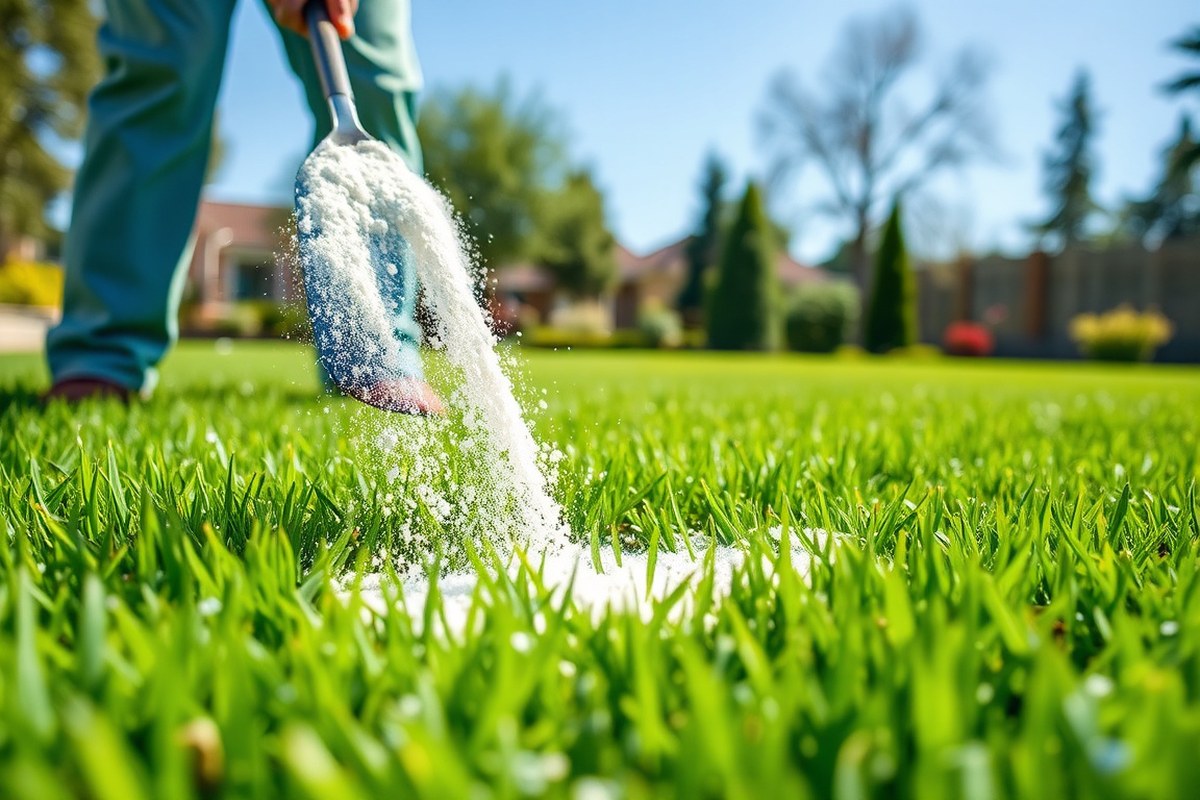
What Does Lime Do for Grass Lawn? A Complete Guide for Healthy Soil and Grass
What does lime do for grass lawn? Lime raises the soil’s pH level.
This helps reduce soil acidity and gives grass better access to nutrients. When soil isn’t too acidic, grass roots can grow stronger and healthier.
Lime also improves soil structure by adding calcium. This opens up compacted soil so water and air move freely.
That makes it easier for grass to absorb moisture and nutrients. Better soil means a lawn that recovers faster from drought or heavy use.
You can spread lime about 10 days after fertilizing and seeding. It works slowly, with effects showing in two to three months. Regular liming every two to three years helps keep your lawn healthy by maintaining proper soil balance and nutrient availability.
Key Takeaways
- Test your soil pH before adding lime to know if it’s necessary.
- Lime is needed when soil pH drops below about 6.5 for most grasses.
- Pulverized lime typically raises pH by 0.5 per 12 pounds per 1,000 sq. Ft.
- Adjust lime amount based on its calcium carbonate equivalent (CCE) rating.
- Apply lime 10 to 12 days after fertilizing to boost nutrient uptake.
- Pelletized lime works well for most lawn applications and is easy to spread.
How Lime Improves Grass and Soil Health
Lime raises the soil pH, making it less acidic and more neutral. When soil pH is below 6.0, grass struggles because essential nutrients become hard to absorb. Applying lime moves the pH closer to 6.5 or 7.0, where nutrients like nitrogen, phosphorus, and potassium are more available.
Improved nutrient availability lets your grass take in more food from the soil. That makes your lawn greener, thicker, and more resistant to stress and disease. Lime adds calcium and magnesium, two key nutrients your lawn needs for healthy growth.
It doesn’t work like fertilizer, which feeds the grass directly and faster. Lime works slowly, usually taking two to three months to change soil pH noticeably. You can put lime down about 10 days after fertilizing and seeding.
This wait helps avoid conflicts between the treatments. It also gives roots time to soak up nutrients.
Lime mainly adjusts pH. It doesn’t break up compacted soil or change soil texture much.
However, it helps soften tough soil over time by improving chemical conditions. Healthy pH supports beneficial soil microbes that keep soil loose and rich.
Applying too much lime can tip your lawn to an alkaline side higher than 7.0, which isn’t healthy either. That makes nutrients less available and can cause yellow spots or thinning grass. Usually, 12 pounds of pulverized lime treats 1,000 square feet of lawn.
This amount usually raises the soil pH slightly. The exact pH change varies by lawn.5 over a few months.
Once your soil pH reaches the target range, liming every two years keeps the balance steady. Maintaining proper pH helps grass fight diseases and pests. Using lime properly encourages a strong, healthy lawn.
It helps grass bounce back from foot traffic. Lime also aids lawn recovery after weather changes.
How to Know If Your Lawn Needs Lime

Lime helps raise soil pH, making it less acidic. Testing your soil pH is the best way to know if lime is needed. You should test before applying to avoid over-liming.
Visual Lawn Signs Indicating Lime Need
Your grass may look yellow or patchy if soil is too acidic. Slow growth and weak roots can also signal a pH problem. Some weeds like sorrel or plantain thrive in acidic soil, showing lime might help.
Check lawn areas where grass struggles more. Uneven green color or bare spots often mean soil imbalance. These visible signs give a clue but always confirm with a soil test.
Conducting a Soil pH Test at Home
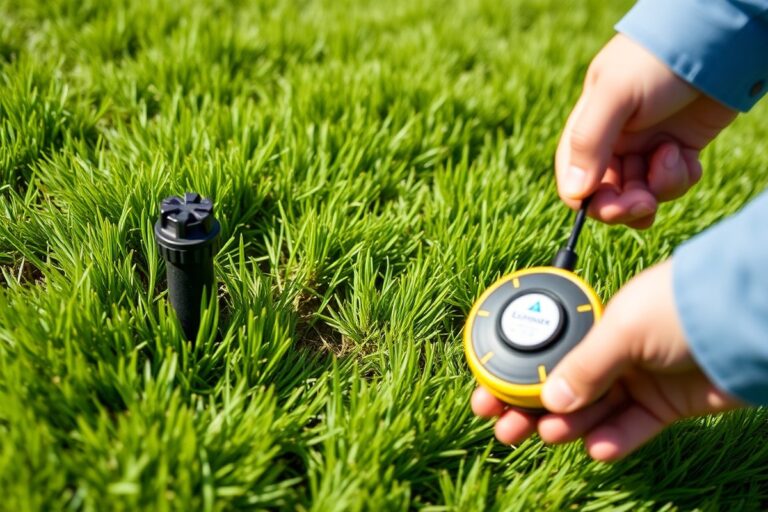
Using a soil test kit is affordable and fast for pH checking. Kits cost about $10 to $30 and come with simple instructions. Collect soil samples from several lawn spots to test thoroughly.
Here’s how to do a pH test in your yard:
- Take soil samples from 4-6 locations, about 3 to 6 inches deep.
- Mix samples together in a clean container for an average reading.
- Follow the kit directions to prepare soil and test solution.
- Place soil in the test container and add any liquids as instructed.
- Wait the recommended time, usually minutes, for color change.
- Compare the color to the kit chart to find the pH number.
- Note the pH results to decide on lime needs.
Test soil in fall for cool-season grass and spring for warm-season grass.
Understanding Soil Test Reports for Lime
For the most accurate guidance, send a soil sample to a lab. The report shows your soil’s pH and lime requirement in pounds per 1,000 square feet. This helps you apply just the right amount.
Typical lawn pH goals range from 6.0 to 7.0 depending on grass type. For example, cool-season grasses prefer closer to 6.5. The lab usually gives instructions on when to apply lime.
They also tell you how much lime to use. The directions depend on your lawn size.
Follow these labs’ recommendations to avoid problems from too much lime. Overliming can cause nutrient issues and damage grass growth. Test again after six months if you apply lime to see if pH is balanced.
Types of Lime and Choosing the Right One for Your Lawn
Lime comes in several types for lawn use, each fit for different needs. Calcitic and dolomitic lime are the two main types made from ground rock. You pick dolomitic if your soil needs magnesium along with calcium.
Pelletized lime is the easiest lime to spread on lawns. It spreads evenly and is less dusty than powdered types. It breaks down faster than powdered lime, helping change pH more quickly.
Liquid lime can work, but it costs more and doesn’t last as long. So it’s less common for lawns.
Here’s a quick comparison of lime types. This will help you pick the best one for your lawn. Also consider the tools you have.
| Material | Calcium Carbonate Equivalent (CCE) | Rate of pH Change | Max Application Rate (lbs./1000 sq ft) | Notes |
|---|---|---|---|---|
| Burned lime | 180 | Fast | 10 | Hazardous and hard to apply |
| Dolomitic limestone | 70, 95 | Slow | 50 | Supplies magnesium as well |
| Ground limestone | 70, 95 | Slow | 50 | Plain lime, no magnesium |
| Hydrated lime | 140 | Fast | 20 | Hazardous, not for lawns |
| Pelletized limestone | 70, 95 | Fast | 50 | Easy to spread, more expensive |
For most lawns, pelletized lime makes spreading simple and even. Check your soil test before buying lime. It helps you pick dolomitic or calcitic lime.
That way, you get the right nutrients. Use dolomitic lime if your magnesium is low and calcitic if it isn’t.
Liquid lime might seem convenient, but it acts quickly and fades fast. It suits small spots or quick fixes but needs reapplication. Pelletized lime lasts longer and changes soil pH steadily over several months.
Calculating and Applying the Right Amount of Lime
You should use a soil test to find out how much lime your lawn needs. The test shows your soil’s pH and lime requirement. Apply lime carefully, following the test and product details.
Reading Soil Test Recommendations
Your soil test report tells you the current pH and the lime needed to fix it. The “lime requirement” shows how many pounds of lime you must add per 1,000 square feet. For example, if your soil pH is 5.5 and your grass prefers 6.5, the test might suggest 30 pounds of lime.
Many tests recommend a split application when the lime amount is over 50 pounds. In this case, spread half in spring and half in fall. This approach limits stress on grass and helps lime absorb better.
Calculating Lime Quantity with CCE Adjustment
Most lime bags don’t contain 100 percent pure calcium carbonate (CCE). Check the bag label for the CCE value, which tells you lime purity. This lets you adjust how much to spread to get the right effect.
To calculate the amount to apply, divide the recommended lime by the CCE decimal. For example, if the test says 25 pounds per 1,000 square feet. But your lime has 90 percent CCE, divide 25 by 0.9.
This adjusts the amount you actually need to apply. It ensures you use the right lime quantity for your soil.9. That means you actually need around 28 pounds of your lime per 1,000 square feet.
Best Practices for Lime Application
Using a spreader ensures even coverage over your lawn. Broadcast spreaders work well for larger areas.
Drop spreaders work best in small spaces. Avoid piles or thin patches, as uneven lime damages grass roots and soil balance.
Apply lime when the grass is dry and the soil is moist, not soaking wet. Spread lime during calm weather to avoid wind drift. After spreading, water your lawn lightly to help lime begin working its way into the soil.
Follow these steps to calculate and apply lime accurately and safely:
- Test your soil with a professional or reliable home soil kit.
- Read the soil report for the recommended lime amount per 1,000 sq ft.
- Find your lime product’s CCE percentage on the label.
- Divide the recommended lime by the CCE decimal to adjust the amount.
- Decide if you need to split the application (over 50 pounds total).
- Choose a spreader to apply lime evenly across your lawn.
- Spread lime on dry grass when soil is slightly moist and weather is calm.
- Water your lawn lightly after application to help lime start working.
When and How Often Should You Apply Lime to Your Lawn
Applying lime works best in the fall when the sun is less intense. Cooler weather lowers the chance of burning your grass. Lime has more time to break down.
For cool-season grasses, aim for September. Warm-season grasses respond best to lime applied in June.
Many homeowners apply lime once a year. Fall is ideal because it lets the lime adjust the soil pH before winter’s rest.
You can also apply lime in early spring if fall was not possible. Avoid liming during frost, drought, or extreme heat to protect your lawn.
Lime should usually go down a few weeks before fertilizing. This timing helps the soil chemistry settle, so your fertilizer works better. Your soil’s pH below 5 means you should add lime early.
Apply lime before you seed or fertilize your lawn. This adjustment helps improve soil health. Liming is not a substitute for fertilizer; it just improves soil conditions.
| Grass Type | Best Time to Apply Lime | Reason |
|---|---|---|
| Cool-season grass | September (fall) | Cool weather and ample time to break down |
| Warm-season grass | June (summer) | Growing season, soil actively absorbs lime |
| General recommendation | Fall or early spring | Prevents lime burn and follows soil prep timing |
| Before fertilizing | 2-4 weeks prior | Allows soil pH to adjust for better fertilizer uptake |
| When soil pH < 5 | Before seeding or fertilizing | Corrects acidity for new grass or nutrients |
Lime spreads evenly with a broadcast or drop spreader. Watering after applying helps it soak into the soil.
Avoid applying lime if your lawn is wilted or frosty. Waiting for the right time protects your grass from extra stress.
Avoid applying lime on frozen ground. Don’t spread lime during dry spells. These conditions waste lime and can hurt grass.
The cost varies but expect $20 to $50 for enough lime to cover 1,000 square feet. Soil tests help you decide frequency, but once a year is common.
Overliming can raise pH too high. So measure soil acidity before each application for best results.
What to Expect After Applying Lime and How Long It Takes to Work
Lime adjusts soil pH slowly, so expect gradual changes over time. It usually takes one to two years to see noticeable shifts in soil acidity. The full reaction with soil can take up to three years.
Grass will improve as soil pH moves toward the ideal range of about 6.0 to 7.0. Healthier grass lets nutrients absorb better, which helps strengthen roots. Changes won’t be quick or dramatic but should become visible season to season.
You might notice your lawn looks greener and thicker after the first growing season. A steady, slow lime breakdown maintains soil balance.
This keeps your grass growing healthy for a long time. It stops sharp changes in pH that can harm your lawn.
Lime does not directly increase drought resistance. But improved soil health can help grass tolerate dry spells better.
Well-nourished grass with strong roots holds water more efficiently. The effect on drought stress shows up gradually after soil conditions improve.
Applying lime in early spring or fall helps it begin working with moisture and soil microbes. Water the lawn lightly after spreading lime to activate it.
Use the right amount of lime based on your soil test. Avoid adding too much lime because it can disrupt the balance.
Remember, lime is a slow fixer. Your lawn won’t transform overnight, so patience pays off.
Retest your soil every two years to see if you need another application. This routine keeps your soil in good shape and supports steady lawn health.
Risks, Safety Tips, and Common Mistakes When Using Lime
Putting too much lime on your lawn can raise the soil pH too high. This creates an alkaline environment that harms grass and soil life. Always test your soil before liming to avoid overdoing it.
Apply only the amount the test recommends. Usually, this is a few pounds per 1,000 square feet.
Lime works on the soil, not the grass itself. Applying it unnecessarily can cause nutrient imbalances.
This can stunt grass growth or lead to yellow patches. Always apply lime only when a soil test shows your lawn is too acidic.
Lime is generally safe for pets and children once it’s mixed into the soil. Keep pets and kids off the lawn right after spreading lime. This method helps rain or watering soak in the lime.
It lowers risks of skin and eye irritation. That keeps you safer while working.
Wear gloves and avoid breathing in lime dust during application. Lime powder can irritate skin and lungs. Use a dust mask and long sleeves to stay safe during spreadings.
A common mistake is failing to water in lime after applying. This can leave lime on grass blades and create white spots. Water your lawn lightly right after applying lime to help it absorb into the soil.
Another mistake is applying lime too close to new grass seed. Lime can alter nutrients and slow seed germination. Wait at least a month after seeding before liming, or lime well before planting.
Using the wrong type of lime for your soil test can waste money and time. Agricultural lime is best for most lawns.
But pelletized lime spreads easier on small areas. Match the lime type to your lawn size and soil needs.
Poor soil drainage can reduce liming effectiveness. Other soil problems might cause little to no change too. These issues need different fixes.
Fixing drainage and aerating soil is important before liming. Otherwise, lime won’t spread or work well.
In short, test your soil, apply the right amount, and water it in well. Keep kids and pets away until the lime soaks into the ground. Follow these steps to avoid problems and get the best results from your lime.
Tools, Preparation, and When to Hire a Professional
You need some basic tools and steady preparation to spread lime evenly on your lawn. Timing and lawn condition matter a lot to get the best results. A professional can help if the job looks too big or tricky to handle.
Essential Tools for Lime Application
Start with a spreader designed for granular materials. A broadcast or drop spreader works well for applying lime evenly. You also need gloves and a dust mask to handle lime safely.
Fill the spreader with the right amount of lime based on your lawn size. Keep a watering hose ready to rinse lime off grass blades after spreading. A rake can help if you need to loosen soil or remove dead grass before application.
Preparing Your Lawn for Liming
Prepare your lawn by mowing it to about 2.5 to 3 inches tall. Clear away leaves, sticks, and debris that block lime from reaching the soil.
Check soil moisture. Liming works best when soil is slightly damp but not soaking wet.
Do the job in fall or early spring for the best effect. Fall rain helps lime break down and mix into soil. Avoid liming during summer heat, as lime may stress grass.
- Measure your lawn to calculate how much lime you need.
- Mow your lawn and remove debris for better lime contact with soil.
- Fill your spreader with lime, following the recommended rate.
- Spread lime evenly in two passes if you need more than 50 lbs/1,000 sq ft.
- Water your lawn lightly to wash lime off grass blades and start soil absorption.
- Avoid applying lime before herbicides; apply lime first and wait a few days.
Water the lawn soon after liming to prevent lime burns on grass blades.
Signs It’s Time to Hire a Professional
Call a lawn care pro if your lawn is very large. Some areas may have different soil types. These spots need special attention.
Professionals have the right spreaders and know how to apply lime without damaging plants. They save you time and reduce the risk of uneven application or overuse.
You might also hire a pro if you’re not sure how much lime your soil needs. Soil testing and expert advice can guide the best liming schedule. Hiring a pro might cost $60 to $150 for liming.
This price is for basic treatment. Pros can improve your lawn health safely.
Step-by-Step Action Plan for Applying Lime to Your Lawn
Follow these steps to safely apply lime and improve your lawn’s health. This plan helps you see results without overdoing it.
- Before you start: Test your soil’s pH using a soil test kit or service. You’ll know lime is needed if pH is below 6.0.
- Day 1: Choose the right type of lime based on your soil needs, calcitic or dolomitic. Check lime product labels for details.
- Day 2: Calculate how much lime to apply based on your test results and lawn size. Use the recommended pounds per 1,000 square feet.
- Day 3: Spread lime evenly using a broadcast spreader or drop spreader. Avoid clumps to prevent uneven pH changes.
- After 1 week: Water your lawn lightly to help lime soak into the soil. Look for improved grass colour over time.
- After 3 months: Retest soil pH to check progress. A pH between 6.0 and 7.0 supports healthier grass growth.
- Every 2-3 years: Plan lime reapplication based on soil test results and grass condition. Avoid applying too often to prevent harm.
Frequently Asked Questions
Can You Apply Lime and Fertilizer at the Same Time?
It’s best to fertilize your lawn before applying lime. This helps the grass absorb nutrients better and encourages stronger seed growth.
Does Lime Help Lawns Recover from Drought Damage?
Lime can improve soil health but won’t fix drought damage directly. It helps grass grow thicker, making it more drought-resistant over time.
Is Lime Safe to Use on Lawns with Pets or Kids?
Lime is generally safe once it settles into the soil. Keep pets and kids off the lawn until after watering it in to avoid irritation.
Can Lime Change the Color of My Grass Immediately?
Lime won’t change grass color instantly. It works slowly by fixing soil pH, which helps grass look greener over several weeks.
How Does Soil Type Affect How Much Lime My Lawn Needs?
Sandy soils need lime less often. Clay soils hold acidity longer.
Clay soils may need more lime. Test your soil to be sure.
Does Lime Help Control Lawn Weeds?
Lime doesn’t kill weeds but can make your grass stronger. A healthy lawn naturally crowds out many common weeds.
Final Thoughts
Lime helps balance your soil’s pH, creating healthier conditions for grass. Applying the right amount safely promotes strong root growth. Start by testing your soil and then apply lime carefully for best results.