How to Plant Hyacinth Bulbs: Simple Steps for Successful Blooming
Learning how to plant hyacinth bulbs is simple and rewarding. Plant hyacinth bulbs in fall as soil cools down. Nighttime temperatures should drop to the 40s or 50s Fahrenheit.
This timing helps bulbs establish roots before winter. This chilling triggers strong root growth, so bulbs bloom well in spring.
Plant your hyacinth bulbs about 6 inches deep with the pointed end up. Keep bulbs 4 to 6 inches apart for easy growth and root space. Choose a spot with at least six hours of sun daily for the best blooms.
Start planting 6 to 8 weeks before the ground freezes to allow roots to establish. Water right after planting, then keep soil moist but not soggy. These steps help your hyacinths sprout healthy flowers each year.
Key Takeaways
- Plant hyacinth bulbs in fall when soil cools to 50, 55°F (10, 13°C).
- Set bulbs 6 inches deep with the pointed side facing up.
- Space bulbs 4 to 6 inches apart to avoid overcrowding roots.
- Choose full sun spots with at least six hours of daylight daily.
- Plant bulbs 6, 8 weeks before the first hard frost hits your area.
- Water bulbs after planting, then keep soil evenly moist, not soaked.
When and How to Plant Hyacinth Bulbs Outdoors
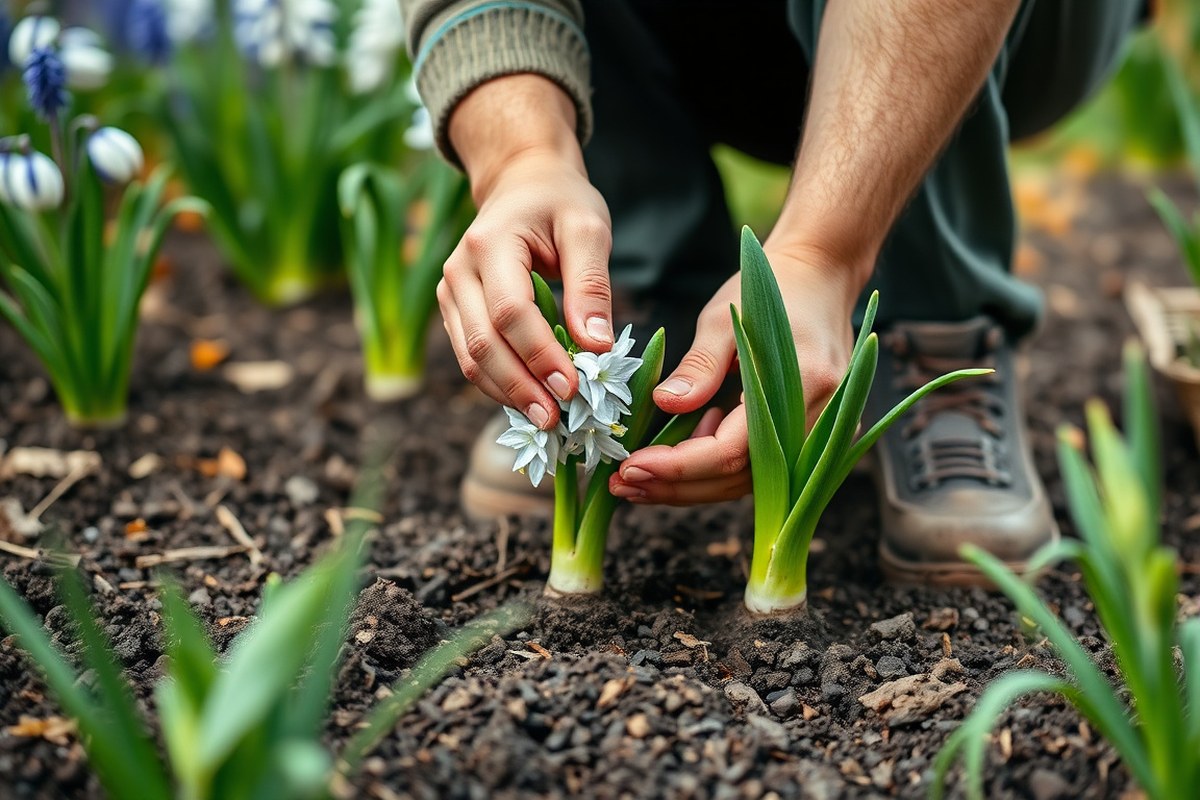
Plant hyacinth bulbs outdoors in early fall when soil starts to cool. Prepare the soil for good drainage and loosen it well. Plant bulbs pointed end up, about 6 inches deep and 3 inches apart.
Ideal Planting Time for Outdoors
Plant hyacinth bulbs 6 to 8 weeks before the first hard frost. This timing usually falls between September and November. The soil temperature should be around 50 to 55°F for best results.
The bulbs need 12 to 16 weeks of cold to bloom properly. Planting when temperatures drop prevents premature growth. Check your local frost dates to pick the best planting window.
Preparing the Soil Properly
Start with well-draining soil to avoid bulb rot. Loosen the soil to a depth of 8 to 10 inches to help roots spread easily. Adding organic matter improves drainage and soil texture.
Hyacinths prefer neutral to slightly acidic soil with a pH of 6.0 to 7.0. Test your soil pH if possible and adjust with lime or sulfur if needed. Avoid heavy clay that stays wet or sandy soils that drain too fast.
Correct Bulb Depth and Spacing
Plant bulbs three times their height deep, usually about 6 inches. The pointed end should face up, and roots down for proper growth. Leave about 3 inches of space between each bulb for airflow and growth.
Cover the bulbs with loose, free-draining soil and add a 2-3 inch mulch layer. This setup gives bulbs enough room and protection from frost. Bulbs planted too shallow may dry out or be damaged by cold.
Follow these steps for planting hyacinth bulbs outdoors:
- Check your local frost date and prepare to plant 6-8 weeks before it.
- Test soil and adjust pH to between 6.0 and 7.0 if needed.
- Loosen soil to 8-10 inches deep and mix in organic matter.
- Dig holes about 6 inches deep and 3 inches apart.
- Place bulbs pointed end up with roots facing down.
- Cover bulbs with soil, firm gently, and add mulch on top.
How to Plant Hyacinth Bulbs in Containers

Plant hyacinth bulbs in containers to grow flowers indoors or in tight spots. This method works well when garden space is small or unavailable.
Pick a pot with good drainage and use loose, well-draining soil. Place bulbs correctly so roots can grow and flowers bloom well.
Choosing the Right Pot and Soil
Choose a pot with drainage holes to prevent water buildup, which rots bulbs. A container about 6 to 8 inches deep is best for hyacinth bulbs. It lets roots grow deep enough without crowding.
Fill the pot with a potting mix that drains well but holds moisture. Use a mix of peat moss, sand, and perlite for your soil.
You can also buy a potting mix made especially for bulbs. Avoid garden soil since it can stay too wet.
- Select a container with at least one drainage hole
- Pick a pot 6 to 8 inches deep and wide enough for several bulbs
- Use well-draining potting soil or bulb fiber if no drainage holes
- Fill pot halfway with moistened soil before planting bulbs
- Leave 2 times the bulb height of soil above bulbs when covered
Never plant bulbs in containers without drainage unless using special bulb fiber soil.
Planting Steps for Container Bulbs
Start by filling the pot halfway with moistened soil. Arrange bulbs upright with the pointed end facing up. Space bulbs 1 to 2 inches apart so leaves and roots don’t crowd each other.
Cover the bulbs with soil until you reach 2 times the bulb height above them. Press soil slightly to remove air pockets but don’t pack it down hard. Water gently to moisten the soil.
- Fill container halfway with moist potting mix
- Place bulbs upright with points facing upward
- Arrange bulbs with 1 to 2 inches space between them
- Cover bulbs with soil, leaving at least twice bulb height above
- Lightly press soil and water evenly without soaking
Too much water right after planting can cause bulbs to rot.
Indoor Light and Temperature Tips
Hyacinths grow well indoors if given bright, indirect light. Put your pot near an east or west window for good light.
Avoid direct sunlight because it can burn the leaves. Maintain room temperatures near 60°F to 65°F (15°C to 18°C).
Keep soil moist but not soggy while bulbs grow roots and shoots. After flowers fade, reduce watering to let bulbs go dormant. You can move bulbed pots outdoors in spring after frost risk passes.
Why and How to Chill Hyacinth Bulbs Before Planting
Hyacinth bulbs need chilling before planting if your winters are mild. Chilling mimics the cold they need to break dormancy and bloom well. You can chill bulbs in your refrigerator for about 12 to 14 weeks.
Why Chilling Is Required
Hyacinths naturally spend winter dormant in cold soil. This cold period triggers them to start growing roots and produce flowers. Without enough chill, bulbs often fail to bloom or produce weak flowers.
The cold replicates the winter months they evolved with in Europe and the Mediterranean. Your bulbs won’t know it is time to bloom unless they get this chilly pause.
Duration and Temperature Guidelines
Keeping bulbs between 35°F and 45°F (2°C to 7°C) works best to meet their chill requirement. You should chill the bulbs for around 12 to 14 weeks. A shorter or longer time risks poor flowering or rot.
Refrigerators are a reliable way to maintain this temperature when winters are too warm. Start chilling the bulbs about 12 weeks before you plant them. You can chill them up to 16 weeks before planting outdoors or in containers.
Safe Storage Practices
Store bulbs in a paper bag or mesh bag in the fridge. Keep bulbs far from fruits like apples and pears. They release ethylene gas.
Ethylene gas can harm the bulbs. Avoid plastic bags that trap moisture and cause rot.
Check on the bulbs every few weeks for softness or mold. Remove any bulbs showing signs of rot right away.
This prevents damage to others. Proper ventilation and cool, dry conditions help bulbs stay healthy through chilling.
Step-by-Step Care for Hyacinths After Planting
Water hyacinths need moderate watering right after you plant them. Give a thorough watering first.
Later, water only when the top inch of soil feels dry. Avoid too much water, or the bulbs can rot in soggy soil.
Hyacinths need full sun to grow strong. They thrive with at least 6 hours of direct sunlight every day.
Temperatures above 85°F can harm the leaves. Giving the plants some afternoon shade helps prevent leaf scorch.
Feed hyacinths with a balanced fertilizer once shoots appear. A 10-10-10 or 14-14-14 fertilizer works well. Apply fertilizer every 4 weeks.
Continue until the leaves turn yellow. Yellow leaves mean the plant stores nutrients in the bulb.
- Water deeply once a week, more in hot weather
- Provide 6+ hours of full sun daily
- Use partial shade on very hot days
- Apply balanced fertilizer monthly during growth
- Stop fertilizing when leaves start yellowing
- Support flower stems with small stakes if needed
Hyacinth flower stems are about ½ inch thick and might lean or fall over. Use small stakes to support tall stems if wind or rain is strong. This keeps blooms upright and looking fresh.
Hyacinths grow in USDA zones 4 to 8 and are hardy plants. Blooms appear around 3 to 4 weeks after planting bulbs.
This also applies if bulbs are taken out from cold storage. Keep caring for them until leaves wither for best blooms next year.
How to Manage Hyacinth Bulbs After Flowering
Once hyacinth blooms finish, cut the flower stalks to prevent seed pods. Keep leaves until they turn yellow and die back on their own. These leaves provide energy to the bulb for next spring’s flowers.
Wait for the leaves to brown fully before cutting them back. You can then dig up the bulbs if you want to store or replant them.
Bulbs left in the ground often bloom again the next spring. But their vigor might lessen over time.
Storing bulbs needs a cool, dry place for a few months after the leaves die. Keep them around 60°F or cooler to avoid sprouting too soon. Check bulbs for softness or mold and discard any damaged ones.
- Cut off flower stalks immediately after blooming to prevent seed formation.
- Let leaves stay until fully yellow and wilted to help refill the bulb.
- Remove dead leaves once they dry to avoid disease and tidy the area.
- Decide if you want to leave bulbs in the ground or dig them up.
- Dig up bulbs gently several weeks after the leaves have completely died.
- Clean off soil and let bulbs dry in a shaded, airy spot for a week.
- Store bulbs in a paper bag or mesh container in a cool, dry place.
- Replant bulbs in the fall for the next blooming season, pointing the tip upward.
Never cut hyacinth leaves before they wilt. It weakens the bulb and lowers next year’s bloom.
Differences Between Growing Hyacinths Indoors and Outdoors
Hyacinths can be grown indoors or outdoors, but their care needs differ. Indoors, you often force bulbs to bloom early, usually in water or soil. Outdoors, bulbs go through natural cycles in well-drained, fertile soil under the sun.
Growing hyacinths indoors without soil is possible using the forcing method. This involves suspending bulbs over water to encourage root growth before flowers bloom. Outdoors, bulbs require soil for nutrients and stable growth through spring.
The bloom quality depends on growing conditions. Outdoor hyacinths get more light than indoor ones. They also experience natural temperature changes.
These conditions usually make their stems stronger and flowers fuller. Indoor blooms can be quite vibrant but might need more monitoring for temperature and light.
| Aspect | Growing Indoors | Growing Outdoors |
|---|---|---|
| Planting Medium | Water (forcing) or potting mix | Fertile, well-drained soil |
| Light | Bright, indirect light | Full sun to partial shade |
| Temperature | Cool, balanced; 60, 70°F ideal | Natural outdoor temperature; cool in winter |
| Watering | Keep water level consistent; don’t soak | Moderate watering; avoid waterlogged soil |
| Bloom Timing | Forced to bloom in late winter or early spring | Natural bloom in mid-spring |
| Care Routine | Controlled environment; watch temperature and light | Less hands-on; relies on seasonal changes |
Outdoors, hyacinths mature naturally with weather and soil, developing strong stalks and rich fragrance. Indoor hyacinths give you a jump-start on bloom season, letting you enjoy flowers earlier.
Indoors, keep bulbs away from direct heat or drafts. Outdoors, plant bulbs in fall, then harden off any tender leaves before fully exposing the plants. This protects leaves that are softer from indoor growing conditions.
Both methods need attention to watering and light. Too much water indoors can cause bulb rot.
Outdoors, poor drainage or soggy soil risks root damage. Good blooms require managing these details carefully.
Common Problems When Planting Hyacinths and How to Fix Them
Bulb rot happens when hyacinths sit in soggy soil. Make sure to plant bulbs in well-drained spots and avoid heavy clay soil. Adding sand or compost helps improve drainage for your bulbs.
This keeps water from collecting around them. It also stops rot from starting.
Poor blooming usually comes from overcrowding or wrong planting times. Bulblets and offsets can crowd the mother bulb, which means less energy for blooms. Dig up and separate bulbs every few years to give each enough space for strong flowers.
Not chilling hyacinth bulbs or storing them improperly before planting also stops blooming. Hyacinths need cool temperatures around 35, 48°F for 10, 12 weeks before planting in fall. Store bulbs in a paper bag in a fridge if your climate isn’t cold enough naturally.
Pests like aphids or diseases such as fungal leaf spots can damage hyacinths. Watch for discoloured leaves and sticky honeydew on plants.
Remove affected leaves and use insecticidal soap for pests. Avoid overhead watering to reduce fungal problems.
- Plant bulbs 4 to 6 inches apart in well-drained soil
- Check bulbs for firmness before planting, discard soft or moldy ones
- Space bulbs to prevent overcrowding and improve air circulation
- Provide 6 hours of sunlight daily for best blooming
- Use insecticidal soap to treat aphids early
- Keep soil moist but not wet during growth
Keeping a close eye on soil and spacing helps avoid common troubles. Regularly separate crowded bulbs every 3 to 4 years.
Always plant in fall for best results. Following these practices will let your hyacinths bloom their fullest with fewer issues.
How to Plant Hyacinth Bulbs at Different Times and Seasons
Hyacinth bulbs usually need a cold period before they grow. Planting them in fall or early winter gives them this chill in the soil. This helps the bulbs bloom strongly once spring comes and temperatures rise.
You can plant hyacinth bulbs in spring, but blooms may be weak or delayed. Without enough cold, bulbs may not develop roots properly.
Bulbs planted in spring often flower later than fall-planted ones. So they miss the early spring bloom window.
Forced flowering lets you enjoy hyacinths off-season by chilling bulbs indoors. Keep bulbs at 35°F to 45°F for 10 to 12 weeks. Store them in a cool, dark place during this time.
After chilling, plant bulbs in pots and keep them cool. Wait until shoots appear. Then, move pots to a sunny spot.
In Zone 8, hyacinths planted in fall or winter may struggle. Mild winters cause problems for these plants. They might bloom less or not at all.
You can plant bulbs in late winter after chilling indoors. This helps improve the chances of flowering.
Adjust your planting method based on your area’s climate. In cold zones, plant bulbs outside from October through December to allow enough chill.
In mild zones, chill bulbs inside for two to three months. Then plant them in pots for spring blooms.
Don’t plant hyacinth bulbs in frozen or waterlogged soil. Wait until soil is workable but still cold.
Step-by-Step Action Plan for Hyacinth Bulbs
Follow these clear steps to plant and care for your hyacinth bulbs effectively. You’ll see healthy growth and bright blooms when done right.
- Before Planting: Chill your bulbs for 10 to 12 weeks. Keep them at 35 to 48°F. This mimics winter conditions. This helps bulbs bloom on time.
- Planting Day: Pick a sunny spot with well-drained soil or use a container with drainage. Plant bulbs 4 to 6 inches deep, pointed end up.
- Right After Planting: Water bulbs well to settle the soil. Check moisture weekly to keep soil lightly damp, not soaked.
- During Growth (Weeks 2 to 6): Watch for leaf and flower spikes. Support tall stems with stakes if needed to prevent bending.
- Flowering Peak (Week 7 or 8): Enjoy the blooms but avoid cutting flowers early. Let the plant gather energy for next year.
- After Flowering: Remove spent blooms but keep the leaves. Let leaves turn yellow naturally before trimming to store bulbs.
- Storage Time: After leaves die, dig up the bulbs. Dry them for one week. Use a cool, shady spot. Store in a dry, cool spot until next planting.
- Next Season Preparation: Check bulbs for soft spots or rot before replanting. Use healthy bulbs to ensure good blooms next year.
Frequently Asked Questions
What Is the Best Month to Plant Hyacinth?
Plant hyacinth bulbs in fall, between September and November. This lets bulbs chill sufficiently before spring bloom.
Can I Plant Already Bloomed Hyacinth?
You shouldn’t plant hyacinths that already bloomed outside. They usually won’t bloom again well outdoors without special care.
Are Hyacinths Better Planted in Pots or in the Ground?
Both work well; pots need less space but need more watering. Garden beds let bulbs naturalize and grow back reliably year after year.
How Many Hyacinth Bulbs Do You Plant Together?
Plant bulbs close but avoid touching each other in the pot. About 6 to 8 bulbs fit nicely in a normal pot.
Keep some space to help bulbs grow well. This spacing helps them bloom fully without crowding.
How Deep Should You Plant Hyacinth Bulbs?
Plant bulbs 4 to 6 inches deep with the pointed end up. Proper depth protects bulbs through cold and encourages strong growth.
Can Hyacinths Grow Well Indoors Without Soil?
Yes, hyacinths can grow in water with special bulbs and containers. This method needs regular water changes and cool indoor temperatures.
Final Thoughts
Planting hyacinth bulbs carefully and following simple care steps brings beautiful spring flowers. Start chilling your bulbs soon to prepare for planting. Then enjoy watching your hyacinths grow and brighten your garden for seasons ahead.