How to Use Edge Trimmer for Lawn Edging: A Complete Step-by-Step Guide
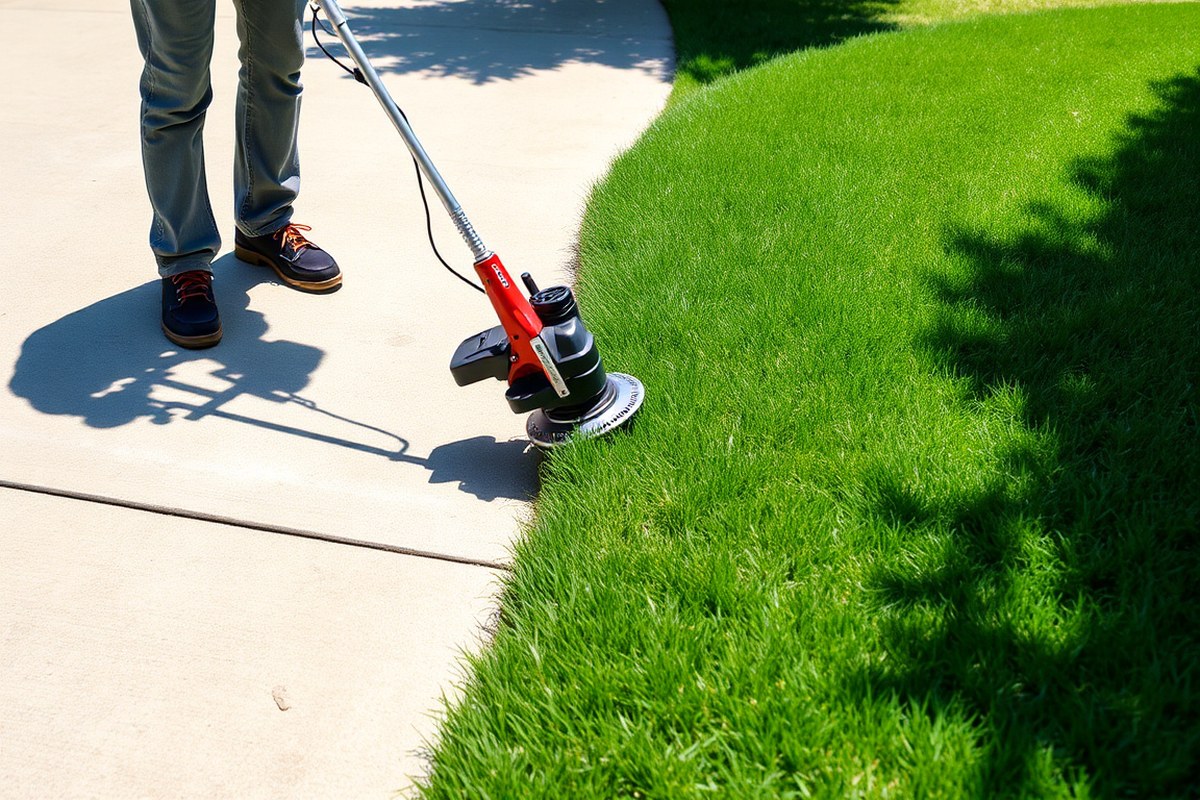
Figuring out how to use edge trimmer for lawn edging takes just one key adjustment. You tilt the trimmer head about 90 degrees so the string spins vertically. This creates a clean, sharp edge along your lawn without tearing the grass.
Begin by cutting your grass to about 2.5 inches tall. This height lets the trimmer line cut grass smoothly, not tear it. Extend the trimmer line about 3 to 4 inches from the head for best results.
Make sure children and pets stay inside while you work. Make sure no one is standing nearby while you trim.
Keep people at least 49 feet away to avoid flying debris. This keeps everyone safe during trimming.
Key Takeaways
- Rotate the trimmer head 90 degrees so the line spins vertically for edging.
- Cut your lawn to about 2.5 inches before you start edging.
- Keep the trimmer line length between 3 and 4 inches for best results.
- Use the deflector shield facing your body to protect against flying debris.
- Clear the area of children, pets, and bystanders before starting work.
- Once the edge is cut, use horizontal trimming to clean up overhanging grass.
How to Use an Edge Trimmer to Create Clean Lawn Edges

Switching Your Trimmer into Edging Mode
To create a clean lawn edge, flip your trimmer head to a vertical position. This turns the cutting line to spin upright, the best angle for edging. Most trimmers have a collar or button to lock the head in place for edging mode.
Turn the tool upside down and hold the side handle firmly. The guard should face your body to shield you from debris. This setup helps you guide the line right along lawn edges or walkways.
Here’s how to switch your trimmer to edging mode:
- Mow your lawn to about 2.5 inches to avoid scalping.
- Check the edge line you want to follow with a stick or tape.
- Flip the trimmer head 90 degrees so it stands vertically.
- Lock the collar or mechanism to keep the head fixed in edging position.
- Turn the trimmer upside down and grip the side handle.
- Make sure the guard faces your body for safety.
- You’re now set to edge cleanly with better control.
Holding the Correct Angle for the Edge
Hold the trimmer line at a 90-degree angle to the ground. This means the line spins straight up and down, cutting a clean vertical edge. Angles less than 90 degrees lead to uneven edges or create deep gouges.
Keep the trimmer at this perpendicular angle so you don’t “dig” into the soil. Let the string gently slice through the grass edge without pushing too hard. Holding the tool too low can scalp the lawn, damaging grass roots.
Adjusting Line Length and Speed
Set your trimmer line length to about 3 to 4 inches outside the spool housing. Lines shorter than 3 inches don’t cut well. Lines longer than 4 inches whip unevenly and wear down faster.
Cutting speed matters too. Walk slowly with your trimmer at the right angle.
Quick or long sweeps cause uneven cuts and can gouge the turf. Taking small passes gives you better control over the edge shape.
Walking and Guiding the Trimmer
Walk opposite the direction your trimmer line spins. This approach pushes clippings and debris away from your clean edge, not onto it. Keep your movements steady and slow, taking 2, 3 foot passes along the lawn edge.
Move the trimmer smoothly, avoiding jerky shifts or digging motions. Sweep the line only enough to kiss the turf edge.
Pushing too hard will scalp the lawn or create rough trenches. Follow your marked edge as a guide for neat results.
Essential Safety Precautions When Using an Edge Trimmer

Using an edge trimmer safely means wearing protective gear. Keep others far from the work area while working. Always stay alert and aware of your surroundings.
You also need to handle the tool properly to avoid flying debris. These steps help prevent injuries and damage while you get clean lawn edges.
Wear the Right Protective Gear
Always put on safety glasses or goggles before starting. These protect your eyes from flying grass and dirt. Gloves and sturdy shoes help protect your hands and feet from accidental contact or debris.
Hearing protection is a good idea too, especially with gas-powered trimmers. A long-sleeve shirt can shield your arms from scratches. Don’t operate the trimmer without these basic protections.
Keep Pets, Children, and Bystanders Safe
Everyone should stay far away from the edging area. Kids and pets need to be inside the house or at least 50 feet away. This distance helps avoid injuries from flying debris and trimmer line fragments.
Warn neighbors if the work is near property lines. Clear the area of toys, lawn furniture, and garden tools. That way no one accidentally steps into the work zone.
Control Flying Debris and Tool Positioning
Flying debris comes mainly from the spinning line hitting dirt or hard surfaces. Always attach and use the debris guard on your trimmer. Position it between you and the cutting line to block clippings.
Hold the trimmer upright and walk forward while edging. Rotate the cutting head so the line spins vertically along the edge you’re cutting. This helps direct debris away from your body and nearby surfaces.
Safe Work Practices Checklist
Follow these points before and during edging to stay safe:
- Wear safety glasses or goggles every time
- Keep pets and children at least 50 feet away
- Attach and use the debris guard properly
- Hold the trimmer upright and steady
- Work in daylight or a well-lit area
- Walk slowly to keep control of the tool
- Clear the area of obstacles and bystanders
Doing these protects you and your property. It also keeps trimmer parts from breaking prematurely.
Watch for Common Safety Mistakes
Don’t edge without the guard because debris can hit your legs. Avoid forcing the string into concrete or hard surfaces to prevent breakage. Also, don’t cut too deep on the first pass to avoid uneven trenches or motor stalls.
Avoid working on wet grass, which can cause clumping and slippery footing. Take breaks if you feel tired to keep your grip firm. A steady hand produces better cuts and helps prevent accidents.
Keep the debris guard between you and the cutting line. This helps block flying clippings. Never remove the guard while trimming.
Preparing Your Lawn and Tools Before Edging
Mowing the lawn first helps set a clear line for edging. You need the right tools and safety gear to work well and stay protected. Planning your edge line before you start saves time and gives neat results.
Mowing Height and Timing
Cut your lawn to about 2.5 inches before edging. This height makes the grass easier to trim cleanly without ragged patches. Mow the entire lawn first, so the edge line stays uniform around your yard.
Do edging on a dry day. Wet grass can clump and clog your trimmer. Mowing first also lets you see exactly where you want the edge line.
Clearing Lawn Debris
Remove sticks, stones, and toys from your edge line. They can damage your trimmer or fly up and hurt you. A clean border spot helps you keep control and avoid breaks.
Walk around and pick up any large items. Sometimes small debris lands on driveways or paths when edging. So plan to blow it away with a garden blower afterward.
Inspecting Your Edge Trimmer
Check your trimmer before using it. Make sure the guard is secure and the cutting line is at the right length. Replace any worn or broken trimming line.
This prevents uneven cuts and tool problems mid-job. Before using a gas model, check fuel and oil levels and start it outdoors to avoid carbon monoxide risk.
Setting Up Protective Gear
Wear safety glasses to protect your eyes from flying debris. Gloves offer grip and guard your hands. Long pants keep your legs safe from clippings and possible cuts.
Hearing protection helps if your trimmer is loud. Closed-toe shoes with good grip keep your feet safe and steady.
Planning Your Edge Line
Decide where you want your edge lines before you start. Follow sidewalks, flower beds, or driveways for a neat look. Visualize smooth curves or straight lines depending on your yard design.
Use flags or garden hoses to mark tricky spots. This stops you from guessing the edge line as you go. Clear lines lead to faster work and better results.
- Mow lawn to 2.5 inches first
- Clear stones and debris from edges
- Inspect trimmer guard and line length
- Wear safety glasses, gloves, and sturdy shoes
- Use garden blower for clean-up
- Mark edge lines with flags or hoses
Common Edge Trimmer Mistakes and How to Fix Them
One common error is holding the trimmer at an uneven angle. This leads to wavy or uneven edges and can wear out the tool faster. Hold the trimmer so the cutting line is straight up.
Keep it steady as you walk slowly in one direction. This helps keep your edge neat and even.
Another mistake is trying to edge through wet grass. Wet grass tears and clumps instead of cutting cleanly. Wait for the grass and soil to dry out first.
Dry conditions give you a cleaner cut. They also keep edges sharp and soil loose for later.
You can dig too deep if your trimming line is too short. Pushing the guard into the ground causes this too. Both make cutting harder and uneven.
Keep the trimming line around 3 inches long to maintain good cutting power. Walk from left to right if your trimmer spins clockwise.
This pushes clippings away from you while trimming. It also helps prevent digging into the soil.
| Mistake | Cause | How to Fix It |
|---|---|---|
| Uneven edges | Trimmer angle varies while edging | Hold trimmer vertical and steady at one angle |
| Ragged edges | Edging wet grass or soil | Edge only when grass and soil are dry |
| Digs too deep/damages concrete | Line too short or trimmer guard in soil | Keep line 3 inches, do not push guard into ground |
| Rough, shallow edge lines | Using string trimmer alone for compacted soil | Use a dedicated edger for deep trenches |
| Scalped grass | Cutting too close or holding trimmer low | Maintain consistent height, avoid cutting grass too short |
Walking direction matters too. A clockwise-spinning trimmer works best if you walk left to right.
This helps keep the edge clean and avoids pushing clippings back into the lawn. Check your edges after trimming and reseed any bare spots for a healthy lawn edge.
Differences Between String Trimmers and Dedicated Edgers
String trimmers and dedicated edgers have different strengths. Choosing one comes down to your needs. String trimmers use a nylon string to cut grass and weeds.
They work well for light edging and general yard trimming but don’t create very sharp edges. Dedicated edgers use a metal blade to cut vertical edges.
They create cleaner, more defined borders that last longer. They don’t handle weeds or grass away from edges.
Using a string trimmer as an edger can save money and add convenience. Almost all cordless string trimmers let you rotate the head 90 degrees. This helps you edge along sidewalks and garden beds.
This makes the trimmer more versatile but can take more effort to get a neat edge. Dedicated edgers cut a groove with controlled blade depth.
So the edges hold their shape well. They make quick work of new edges and heavy, overgrown borders.
| Feature | String Trimmer | Dedicated Edger |
|---|---|---|
| Cuts with | Nylon string | Metal blade |
| Can trim grass/weeds | Yes | No |
| Creates new edges | Yes, but less cleanly | Yes |
| Maintains existing edges | Yes | Yes |
| Average cost | $95, $350 | $30, $300 |
| Best for | All-around yard maintenance | Ultra-crisp, defined borders |
For lighter, weekly touch-ups, string trimmers do well and cost less overall. The head flips and locks vertically, turning your trimmer into a basic edger.
That feature helps keep patios and flower beds neat without extra tools. Professional landscapers often carry straight-shaft string trimmers on their shoulders for edging, helping reduce back strain.
Dedicated edgers handle thick, overgrown edges better. They include blade-depth controls and cut grooves that maintain a crisp line longer. This tool costs about the same as string trimmers on average but focuses on edge quality.
Use it to reshape lawn borders or fix irregular edges. This gives a polished look.
Always keep the cutting head vertical when edging and avoid digging into the soil.
How Deep and How Often Should You Edge Your Lawn?
Cut about 1 inch deep into the soil when creating a new edge. This deeper cut reshapes overgrown edges and removes extra grass roots. It takes more effort.
You get a clear, lasting boundary. This separates your lawn from walkway or garden bed.
For regular maintenance, just shave the grass flush with the pavement or edging surface. A shallow cut is enough to keep the lines sharp without stressing your grass. This usually means cutting less than half an inch deep.
It mostly cuts grass blades. It does not cut much soil.
Edge your lawn about once a week for the best look and lawn health. Frequent edging prevents grass from growing over sidewalks or flowerbeds. It also keeps the soil line neat and easier to manage with less work.
Always edge your lawn after mowing it down to your desired grass length. Mowing first helps you see the edges clearly and trim evenly with the edge trimmer. It also reduces the heavy grass load on your tool, making edging smoother and more effective.
Moist soil helps your edge trimmer cut cleaner lines with less strain on the tool. Water your lawn or edge after a rain before cutting for better results.
Avoid edging during very dry or hard soil conditions. It can dull blades faster and roughen edges.
Tips for Edging Different Lawn Boundaries and Conditions
When edging next to driveways or sidewalks, ease the spinning line down slowly. Let it just touch where the grass meets the concrete. This prevents cutting too deep and keeps the edges sharp without damaging the surface.
Flower beds need a gentler approach. Always work from the grass side, not the soil side. This avoids pulling soil onto your lawn and keeps flowers safe from stray trimmer lines.
You can create tapered edges by tilting the trimmer shaft about 45 degrees. This angle cuts the grass softly instead of creating a harsh, vertical line. Tapered edges look natural and blend better with landscaping.
Edging in wet grass takes more care. The line can clog with wet clippings, and the cut may be uneven. Wait until the surface dries, if you can, to get a cleaner edge.
Dry conditions let the line cut smoothly, but watch for brittle or brown grass. These spots trim differently, so adjust your speed and line height to avoid tearing.
- Driveways and sidewalks: lower line to just skim grass edge
- Flower beds: trim from the grass side, avoid soil
- Taper edges: rotate shaft to about 45 degrees angle
- Wet grass: better to edge when dry to avoid clumping
- Dry grass: adjust speed to prevent rough cuts
- Keep a steady pace to maintain a consistent edge
- Check your line length and replace it if frayed
Following these tips helps you maintain clean, neat borders all around your lawn. Adjust your technique depending on where you’re working and how wet the grass is. This makes trimming easier and protects your lawn edges well.
When to Call a Professional for Lawn Edging Help
Call a professional when your lawn edging needs trenching deeper than 2 inches. Before you dig, dial 811 or check your utility maps to avoid hitting underground lines. These deeper trenches often require special tools and experience to handle safely and effectively.
Uneven terrain is another reason to bring in a pro. Your lawn’s steep slope or uneven ground makes trimming edges hard.
Pros use special tools to handle slopes and drops well. They get edges neat and even every time.
Curves around flower beds or patios can be tricky to trim. You might need expert help on odd shapes. Pros cut sharp angles and rounded corners with care.
They avoid tearing grass or hurting roots. They use square or diamond blades for sharper cuts than round lines. Round lines can tear instead of cut cleanly.
Watch your lawn edges for rough patches or too much growth. These need more than just simple trimming. Rough, uneven, or thick edges are hard to cut cleanly.
A pro can reshape them to look sharp again. Reshaping means cutting back overgrown grass nicely. Sometimes they recut old trenches to show the border clear.
Expert help costs about $50 to $150 per hour. It depends on your area and how hard the job is. Most yards take about one to two hours to edge.
It takes longer for bigger or tricky lawns. Professionals deliver cleaner, crisper edges that last longer and boost your lawn’s curb appeal.
Call 811 before digging deeper than 2 inches to stay safe. They check for underground utilities first.
Step-by-Step Action Plan to Start Using Your Edge Trimmer
Follow these steps to begin edging your lawn safely and neatly. Take your time with each step to get the best results.
- Before you start: Check your edge trimmer’s condition. Make sure the blade or string is sharp and not worn out.
- Day 1: Clear the area of debris like sticks and rocks to avoid damage. Watch for clean cuts along a test patch.
- Day 1: Put on safety gear, gloves, eye protection, and sturdy shoes. Feel comfortable and protected before switching on.
- Day 1: Hold the trimmer at a steady angle of about 90 degrees to the ground. See even, straight edges form easily as you move.
- After trimming a small section: Stop and inspect your work for missed spots or uneven edges. Make small adjustments for cleaner lines next.
- Week 1: Edge your entire lawn boundary slowly and steadily. The edges should look crisp and consistent.
- Week 2 and beyond: Edge your lawn every 2 to 4 weeks depending on growth. Keep edges sharp and the lawn looking tidy all season.
Frequently Asked Questions
What Angle Should I Hold the Edge Trimmer for the Best Cut?
Hold the trimmer head at a 90-degree angle to the ground. This vertical position helps you carve a clean, sharp lawn edge.
Is It Safe to Use My String Trimmer Upside Down for Edging?
It’s safe but reduces debris protection. Hold the trimmer confidently and wear safety gear like goggles.
How Often Should I Replace the Trimmer Line When Edging?
Replace the line every few edges or when it gets too short. A 3 to 4-inch line works best for clean cuts.
Can I Use a String Trimmer to Edge Right After Mowing?
Yes, mow first to about 2.5 inches, then edge to get tidy borders. This order makes trimming easier.
What’s the Best Way to Control Debris When Edging?
Walk opposite the line’s spin direction. This helps throw grass clippings back into the lawn, not on your walk paths.
How Do I Know If My Trimmer Head Locks Properly for Edging?
Check the collar locks firmly in vertical edging mode. A loose head can cause uneven edges or safety hazards.
Final Thoughts
Using an edge trimmer well gives your lawn a neat, professional look. Take safety seriously and maintain your tools regularly. Start edging today with care and see the difference it makes to your yard.