What Size Pot for Tomatoes: How to Pick the Perfect Container
Picking a good pot size for your tomatoes matters. Start with a pot at least 12 inches wide and deep.
Bigger tomato plants, like indeterminate types, do best in 15 to 25 gallon pots. Their pots should be 18 to 24 inches deep for healthy growth.
Smaller pots limit root growth and reduce fruit production. Use a pot at least 5 gallons for determinate tomatoes. For indeterminate tomatoes, pick pots that hold 10 to 15 gallons or more.
This helps your plants grow strong and healthy. Watch out for common traps like 10-inch pots labeled 2 to 3 gallons. They’re usually too small to support big growth.
Choosing the right pot size means matching it to your tomato type and space. Bigger pots mean fewer waterings but need more soil and fertilizer. Keep this in mind when planning your container garden for healthy, productive tomato plants.
Key Takeaways
- Use at least a 5-gallon pot for determinate tomato varieties.
- Choose 15, 25 gallon pots for indeterminate tomatoes for best yield.
- Pick pots that are 12 inches or more in depth and width.
- Avoid 10-inch pots labeled 2, 3 gallons; they usually stunt growth.
- Cherry tomatoes do well in smaller pots, around 2, 3 gallons.
- Bigger pots reduce watering frequency but need more fertilizer.
What Size Pot Do Tomatoes Actually Need?
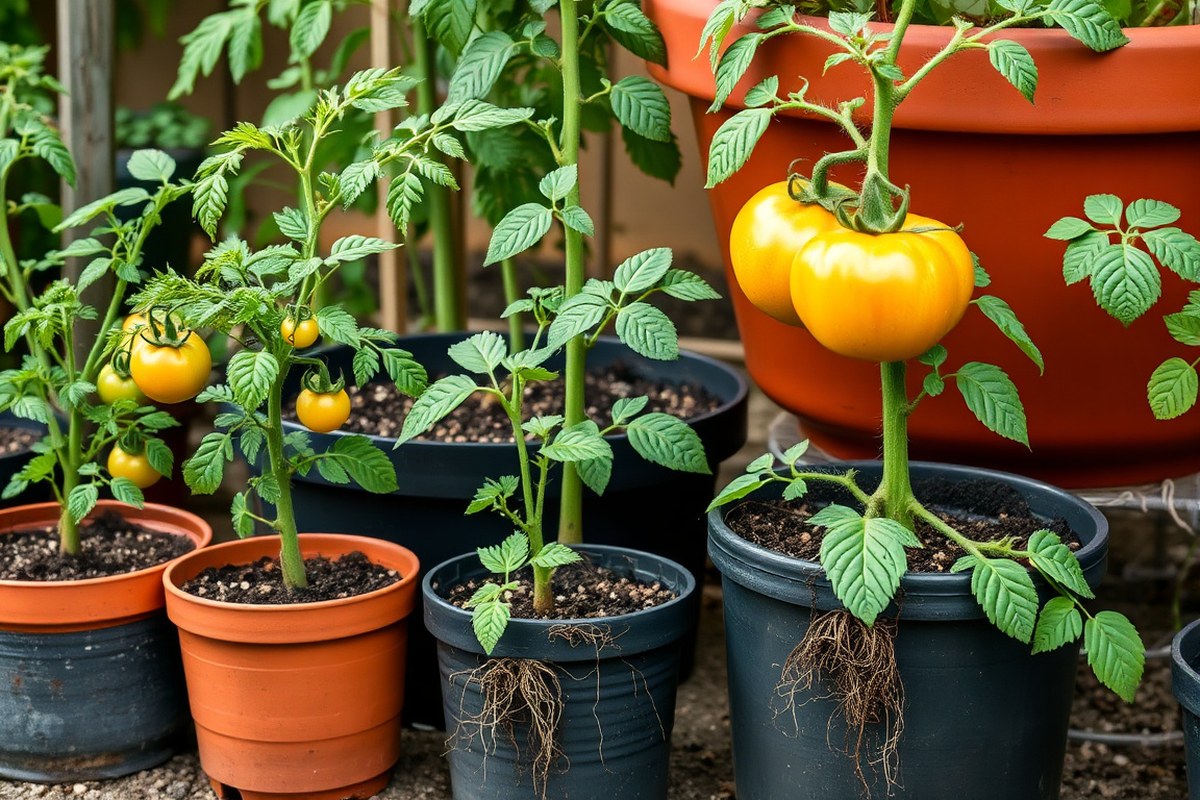
Determinate or bush tomatoes need pots at least 7 to 10 gallons. A 5-gallon pot can work but limits root growth and fruit production. You get better harvests with pots holding about 10 gallons or more.
That means roughly 14 to 18 inches wide. Bigger pots help plants grow stronger roots.
Indeterminate tomatoes demand much bigger pots, ideally 15 to 20 gallons. These plants have deep, spreading roots that reach 18 to 24 inches down. A pot less than 10 gallons usually stunts roots and reduces yields significantly.
Cherry tomatoes vary by growth type but generally need 5 gallons minimum. Vining cherry tomatoes need 7 to 10 gallons for their roots. Their roots spread like other indeterminate tomatoes.
This size keeps them healthy and productive. Compact or dwarf types do well in 3 to 5 gallons, enough for their small roots.
Depth matters more than width for tomatoes. Soil at least 12 to 18 inches deep lets roots grow fully. Narrow, shallow containers can cause root crowding and stress.
Use pots at least 14 inches wide for determinate types. Indeterminate tomatoes do better in 20 to 24-inch pots. Bigger pots give these types more room to grow.
A 5-gallon pot is the smallest size for most tomato plants. It usually suits only compact or dwarf types. Larger plants need bigger pots to thrive.
Larger pots take more soil and water but improve root space, nutrient uptake, and fruit size. Indeterminate tomatoes can yield up to 40% more fruit with pots over 15 gallons.
Smaller 5-gallon pots limit their fruit production. Bigger pots let these plants produce more.
How Pot Size Differs for Determinate, Indeterminate, and Cherry Tomatoes

Tomato pot sizes vary by the plant’s type and growth habit. Determinate, indeterminate, and cherry tomatoes each need different pot volumes. Choosing the right pot helps roots grow well and boosts tomato yields.
Determinate Tomato Pot Needs
Determinate tomatoes grow as compact bushes and stop growing after fruiting. They usually need a pot about 10 to 15 gallons in size. A 14-inch wide container works well to prevent root crowding and to hold enough soil moisture.
These plants benefit from short stakes or cages to support their branches. A pot smaller than 10 gallons often restricts root growth and lowers the harvest. Determinate types like ’Early Girl’ or ’Mighty Red’ fit this size range best.
Indeterminate Tomato Pot Requirements
Indeterminate tomatoes vine and keep growing all season long. They need bigger pots, typically around 20 gallons or more.
Pots about 20 inches wide give roots plenty of space. This size helps reduce heat stress near the roots.
Tall cages or strong stakes are needed for support. Plants grow big and heavy with fruit.
Varieties like ‘Brandywine’ or ‘Beefsteak’ thrive in these large containers. Smaller pots cause stunted growth and lower fruit quality.
Cherry Tomato Container Guidelines
Cherry tomatoes can grow well in smaller pots than larger types. Small varieties such as ’Tiny Tim’ often do fine in 2 to 3-gallon pots. Larger cherry types might need 5 to 7 gallons to produce well.
Pots smaller than 5 gallons can still work. You must watch water and fertilizer closely. For good yields, choose pots about 7 to 10 gallons wide for most cherry varieties.
Two cherry plants can share a 15-gallon pot. But one plant usually produces more fruit.
Selecting Based on Variety and Growth Habit
Match your pot size to the tomato’s mature size and growth. Compact determinate or dwarf types do well in smaller pots from 5 to 10 gallons. Larger determinate and most indeterminate tomatoes require 15 gallons or more.
Think about patio or balcony space too. Smaller pots save room but may mean more frequent watering.
Bigger containers hold water longer and cut root heat stress. But they cost more and need more space.
Using too small a pot causes wilting and stunted growth even with regular watering.
Does Pot Depth or Width Matter More for Tomatoes?
Tomatoes need pots that are both deep and wide enough for healthy roots. Depth and width matter because tomatoes spread roots down and out. A pot should be at least 12 inches deep.
It should also be 12 inches wide. This lets roots grow well and keeps soil moist longer.
Understanding Tomato Root Structure
Tomato roots grow deep and spread wide, reaching 12 to 18 inches down. Roots also branch out about 12 inches horizontally for good support. This root system helps the plant absorb water and nutrients evenly.
Roots need space to spread down and sideways. Without enough room, the plant struggles to grow.
Limited root space reduces stability and makes the tomato less able to resist drought. Healthy root spread means stronger plants and bigger harvests.
Ideal Pot Depth for Tomatoes
Choose pots at least 12 inches deep to give roots room to grow vertically. Deep roots anchor the plant and find water below the surface. Shallow pots limit root depth and reduce nutrient uptake.
For large, vining tomatoes, pots 18 inches deep or more work best. Deep pots hold more soil and moisture between waterings, which tomatoes need. Avoid shallow pots under 12 inches, as roots will become crowded quickly.
When planting, bury two-thirds of the tomato stem to encourage extra root growth. This practice relies on having enough pot depth to cover the stem safely. Without depth, the plant won’t develop a strong root system.
Importance of Pot Width for Root Expansion
Tomato roots spread sideways around 12 inches. So pot width is just as important as depth.
Narrow pots with small diameters limit how far roots can grow out. Wide pots help roots branch and support larger plants.
For the best results, pick pots about 12 inches or wider for one plant. Wide pots reduce root crowding and provide space for healthier growth. Tomatoes in narrow pots may still grow but often yield less fruit.
Wide pots also improve airflow through the soil, which helps roots breathe. This can reduce root diseases common in tight soil spots. So, ensure your pot has enough horizontal space for the root ball.
Balancing Pot Shape for Water and Stability
Tall narrow pots might hold the same gallons as wide shallow ones but limit root spread. Roots pack into the narrow space and may dry out faster near the surface. Tall pots often dry unevenly, causing stress.
Wide squat pots hold soil moisture better and offer stable support against wind or plant weight. They balance water retention and air circulation around roots. Tomatoes like a pot shape that keeps soil evenly moist.
Put simply, avoid pots that are tall and thin or very shallow and wide. Use a pot shaped like a cube. It should have similar depth and width.
This helps roots grow strong. This shape also makes watering easier and reduces tipping risk.
Which Pot Materials Work Best for Tomato Growing?
For growing tomatoes in pots, fabric grow bags generally work best. Plastic pots and glazed resin are convenient but retain more moisture, which can cause root problems. Terra cotta is breathable but heavy and less durable in cold climates.
Terra Cotta Pots: Benefits and Drawbacks
Terra cotta pots breathe well, letting air reach the roots. This helps prevent root rot by allowing excess moisture to evaporate. Still, these pots dry out faster, so you need to water tomatoes more often.
Large pots filled with soil tend to be heavy. They can weigh over 60 pounds. This weight makes moving them difficult.
This weight limits moving or rearranging your tomatoes. Also, terra cotta cracks easily in hard freezes, reducing their lifespan in colder areas.
The sizes available for terra cotta pots are more limited compared to plastic or fabric options. This can restrict choosing the perfect pot size for your tomato variety. Avoid using terra cotta pots in unpredictable cold weather to protect your investment.
Plastic Pots: Lightweight and Versatile
Plastic pots are light and easy to move. This makes them great for patios. You can rearrange them often.
They retain moisture better than terra cotta. So you won’t need to water as often. This moisture retention reduces the risk of underwatering your tomatoes.
Make sure plastic pots have drainage holes to stop waterlogging and root rot. Some plastic pots come with built-in reservoirs, which can slow watering frequency further. Watch for signs of overwatering like wilting despite wet soil.
Plastic can heat up soil more quickly in the sun, which can stress tomato roots. Using a light-colored pot or placing some shade around the container helps keep soil temps stable.
Plastic options come in a wide range of sizes. So you can find one that fits your tomato type.
Fabric Grow Bags: Air Pruning and Drainage
Fabric grow bags allow air to prune roots, preventing circling and boosting root health. Their excellent drainage cuts down risk of root rot while promoting strong tomato growth. However, they dry out faster than hard pots, so expect to water more frequently.
Since fabric pots breathe, they don’t need drainage holes and avoid waterlogged soil naturally. A 15-gallon pot suits indeterminate tomatoes well. It gives enough root space.
It also keeps watering manageable. Regular deep watering and mulching help keep the soil moist longer in these bags.
They are lighter than terra cotta but less rigid. So they may tip easily if the tomato grows large and top-heavy.
Choose a stable location or place the grow bag inside a bigger container for support. Fabric bags cost about $10 to $20 for 15 gallons, a reasonable price for healthy tomatoes.
Glazed Resin Options for Aesthetics
Glazed resin pots combine the look of ceramic with lightweight plastic durability. They hold moisture well, so tomatoes may need less frequent watering. This material also withstands freezes better than terra cotta but is lighter than clay pots.
The smooth glaze keeps soil from drying too quickly, reducing daily watering chores. Make sure the pot has sufficient drainage holes or a reservoir to avoid soggy roots.
Resin options come in many colors and styles. So they fit nicely in decorative container gardens.
One downside is they cost more than plastic pots. Large ones can be $30 or more. This might not fit every budget.
Still, they offer a long-lasting option that supports healthy roots and attractive display. Keep resin pots off direct scorching sun to avoid soil overheating.
How to Choose the Right Pot Size by Tomato Variety and Space
Start by picking a pot size that matches your tomato variety’s typical growth. Patio or dwarf tomatoes do well in smaller containers. Use 2 to 3 gallons pots.
These pots are around 8 to 12 inches wide. A 5-gallon pot offers extra room for roots if you want to give them a boost.
For bush tomatoes, pick pots of 7 to 10 gallons. These are about 14 to 18 inches wide. Cherry and indeterminate tomatoes need bigger pots.
Use 10 to 15 gallons pots. They should be 18 to 24 inches wide or more. These sizes allow enough soil to keep moisture steady and room for roots to spread.
Your space might be tight on a balcony or greenhouse. Choose pots that fit well without crowding. Thin or tall pots save floor space.
Make sure the pot holds enough soil. This prevents the soil from drying out too fast.
Weight is also a factor on balconies. Lightweight plastic pots help if you can’t lift heavy containers.
- Match pot size to the tomato variety and its root growth.
- Leave 12 to 18 inches space between pots for airflow and sun.
- Choose wider pots rather than narrow ones for better root spread.
- Use lighter materials if you need to move pots often or face weight limits.
- Allow extra room if you want to grow tomatoes alongside herbs or flowers.
- Make sure your pot has drainage holes to avoid waterlogging.
- Remember bigger pots mean more soil to water and feed properly.
Try planting just one tomato per pot to avoid root crowding and nutrient competition. For small varieties, one plant fits nicely into a 2 to 3-gallon pot. Large pots are best for one tomato plant.
Use really big pots, like 20 gallons, for multiple plants. This keeps plants healthy.
Use quality potting mix with nutrients. Keep watering consistent. This lowers stress on container tomatoes.
Adjust pot sizes if weight or space limits your options. For balcony growers, a 5- or 7-gallon pot often fits well and supports medium tomatoes. You can prune roots slightly to manage growth.
Use support cages to keep plants steady. This is key, especially in small containers.
Choosing the right pot size for your growing area means balancing space, weight, and variety. Sketch out your planting spot to see what fits best. This simple planning helps you enjoy better yields and makes care easier throughout the season.
How Pot Size Influences Watering and Fertilizing Needs
Bigger pots hold more soil and keep moisture longer. This means you won’t have to water your tomatoes as often. A 15-gallon pot lets roots spread out comfortably.
It holds more soil and moisture. This helps cut down watering to less than daily.
In contrast, a 5-gallon pot dries out faster. Tomato plants use about 2 gallons of water on hot days. Small pots can’t hold that much water.
So, plants in small pots dry out fast. Check your soil every day in the pot.
Water the plant when the soil feels dry about an inch down. This keeps the plant healthy.
Watering small pots often is key. Tomatoes in 2- or 5-gallon pots may need watering every day or two, especially in summer. Water deeply so it reaches the whole root ball.
But avoid leaving the soil soggy. For bigger pots, watering two or three times a week usually works well.
Pot size also affects fertilizer. Smaller pots need more frequent feeding because nutrients wash out faster with watering. Feed tomatoes in pots 5 gallons or smaller every 7 to 10 days.
Use a balanced, water-soluble fertilizer. This gives plants needed nutrients. With larger pots, you can feed every 2 to 3 weeks since soil holds nutrients longer.
Tomatoes in big containers grow better with less stress. Their roots have space. So they absorb water and nutrients steadily, keeping leaf and fruit health strong.
Small pots crowd roots quickly and cause wilting. Nutrients run out fast in tight spaces. Plants may produce fewer tomatoes as a result.
Adjust your routine by pot size. Water a 5-gallon pot about once or twice daily in the heat. Give close to one quart of water each time.
This keeps the soil moist enough. Feed every week with diluted fertilizer. Switching to a 10- or 15-gallon pot means watering less often.
Water every few days instead of daily. Fertilize your plants less frequently as well.
Transplanting and Potting Steps for Best Tomato Growth
Transplant your tomato seedlings when they have 2 to 3 sets of true leaves. This usually takes about 4 to 6 weeks after germination. The seedlings look healthy and sturdy, not stretched or leggy.
Choose pots sized for the tomato type you’re growing. Avoid jumping from tiny seedling pots directly into very large containers.
Large pots with small root balls keep soil too wet and cause root rot. For example, move from a 1-gallon pot to a 5-gallon pot, not straight to 20 gallons.
- Prepare the pots. Use clean containers with drainage holes. Check the litre or gallon capacity on the label to confirm size. Wash reused pots with soap and water if you plan to grow tomatoes again.
- Mix the soil. Fill pots with a blend of 2 parts potting soil and 1 part compost. Add worm castings or a slow-release fertilizer for nutrients. This mix keeps moisture steady without getting soggy.
- Plant the seedling. Dig a hole deep enough to bury the stem up to the lowest leaves. Tomatoes grow new roots along buried stems, boosting root spread and strength.
- Add support. Place tomato cages or stakes before filling soil all around the plant. Secure plants early to avoid disturbing roots later.
- Water gently. Give the soil a thorough but gentle soak right after transplanting. Keep soil moist but not soaked to help roots settle.
- Check root health. After a week, gently slide the plant out. Healthy roots look white and spread out, not dark or mushy. If roots look weak, water less or improve drainage.
- Space plants well. Leave enough room between pots for air flow. Crowding raises humidity and disease risk around leaves and roots.
Avoiding Common Pot Size Mistakes with Tomatoes
Using a pot that’s too small causes most tomato problems. The roots crowd quickly, leading to root binding. The plant has trouble taking up water and nutrients.
This causes leaves to drop. Growth also slows down.
Root binding happens when the roots circle inside the pot space. When it gets bad, roots may break off and rot. You’ll see yellowing leaves or wilting even if you water enough.
Move the tomato to a bigger pot right away. Do this when you see these signs. It helps the plant.
On the flip side, very large pots can cause trouble too. Too much soil keeps moisture longer, which can lead to root rot if you overwater.
Use a pot big enough for roots but avoid huge containers unless you have strong drainage. For example, a 10 to 15-gallon pot usually works well for most plants.
Watch your tomato plant’s leaves and stem for pot stress signs. Drooping leaves, slow growth, or odd yellow spots mean it’s time to check roots. Gently pull the plant out to see if roots circle the bottom or sides.
Repot it into a container that is 4 inches wider and deeper. Use a pot bigger than the old one. That will give the roots room.
Regular inspection helps. Check the plant every two weeks during the growing season. Repotting takes about 20 minutes and costs only the new pot and fresh soil.
It saves your tomato from stunt and poor yield later. Avoid using the same soil without replacing it; fresh soil reduces disease risk too.
Move your tomato before it looks sick. Doing it early stops root binding. This helps the plant grow better.
Your Step-by-Step Action Plan for Growing Tomatoes in the Right Pot
Follow these steps to pick the best pot. Help your tomato plants grow strong. Set them up for success early on.
- Before planting: Select a pot at least 12 inches wide and deep for determinate tomatoes. For indeterminate types, go 18 inches or larger. Check the pot holds enough soil for good root growth.
- Day 1: Fill the pot with rich, well-draining soil mixed with compost. Plant your tomato seedling deep, burying some stem. This helps roots grow stronger.
- Week 1: Water the plant deeply. Let the top inch of soil dry out. Then water again. The plant should look healthy and not wilt.
- Week 2: Start feeding with a balanced liquid fertilizer every two weeks. Watch for steady new leaf growth as a success sign.
- Week 4: Check if the tomato plant looks crowded. Look for root-bound signs too. If yes, move it to a bigger pot. Roots circling the bottom means it needs more space.
- Monthly: Check that the pot’s drainage holes are clear and water drains well. Standing water can cause root rot.
- Throughout growing season: Support indeterminate plants with stakes or cages. Ensure they have enough room to spread out within the pot.
- Before harvest: Reduce fertilizer slightly to help fruit ripen. The plant should still look vigorous and leafy.
Frequently Asked Questions
Do Tomatoes Prefer Deep or Wide Pots?
Tomatoes need pots that are both deep and wide. Roots grow 12 to 18 inches deep and about 12 inches wide.
Your pot should let roots spread enough for healthy growth. A depth and width of at least 12 inches works well for most kinds.
What Size Pot Should I Put Tomatoes In?
At least 5 gallons for a small tomato. 15 to 20 gallons for big types.
Bigger pots help roots spread and keep moisture longer. This helps plants stay healthy.
It also improves fruit production. Adjust size based on tomato variety.
Is a 5 Gallon Bucket Big Enough to Grow a Tomato Plant In?
Yes, a 5 gallon bucket can hold a small or compact tomato plant. It fits the minimum root space needed but can dry out quickly. Use for cherry or determinates and water regularly.
Is a 3 Gallon Pot Big Enough for a Tomato Plant?
A 3 gallon pot can work for smaller tomatoes but limits growth and fruit size. Using pots of 5 gallons or more shows better results. These pots support stronger roots and hold more water.
Can I Grow Multiple Tomato Plants in One Large Pot?
Growing more than one tomato in a big pot is not recommended. Each tomato needs about 5 gallons minimum. Crowding roots causes competition and weak growth.
Does Pot Size Affect How Often I Need to Water Tomatoes?
Yes, smaller pots dry out faster and need watering more often. Larger pots hold moisture longer, reducing how often you water. Keep soil consistently moist but not soaked.
The Bottom Line
Picking the right pot size makes a big difference for your tomato’s health and yield. Start with a pot that fits your tomato’s type and space you have. Start by choosing the right pot today.
It helps your plants grow better. Give them a great start now.