How Many Potatoes Grow from One Potato: A Complete Guide for Gardeners
Wondering how many potatoes grow from one potato? Usually, one seed potato grows into one plant. That plant then produces about 8 to 10 potatoes, depending on care and conditions.
Each plant typically yields between 3 and 5 pounds of potatoes. The final harvest depends on how well you prepare and maintain the plants. Good soil, proper spacing, and watering make a big difference.
You should plant your seed potato about 4 to 6 inches deep. Keep them spaced around 12 inches apart to give roots room to grow. This setup helps maximize your potato harvest.
Using certified seed potatoes reduces disease risk and improves yield. Cutting larger seed potatoes into pieces with at least one eye helps increase plants. Avoid planting damaged or rotten potatoes to ensure healthy growth.
Key Takeaways
- One seed potato usually grows into one plant that yields 8 to 10 tubers.
- A single plant can produce 3 to 5 pounds of potatoes.
- Plant seed potatoes 4 to 6 inches deep for optimal growth.
- Space plants about 12 inches apart to avoid crowding roots.
- Healthy soil and consistent watering increase tuber size and quantity.
- Hilling soil around growing plants encourages more tuber formation.
How Many Potatoes Typically Grow from One Seed Potato?
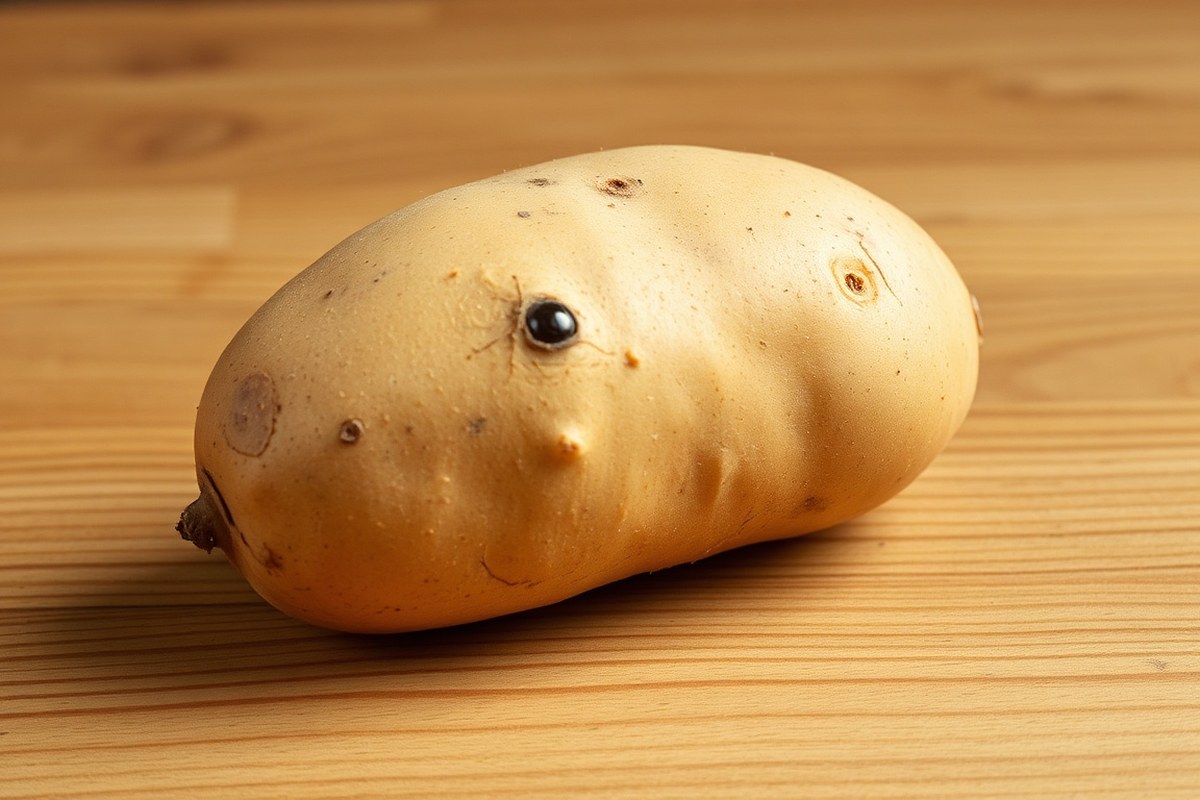
One seed potato usually grows one potato plant. That plant typically produces between 5 and 10 new potatoes under average conditions. The exact number depends on variety, soil quality, and weather throughout the season.
Potatoes grow from the eyes on seed potatoes. Certified seed potatoes have about 6 to 12 eyes.
But only 3 to 5 eyes usually sprout well. Each good eye can turn into one stem, which often means one plant and more tubers.
Large seed potatoes with many eyes can yield more tubers. A big seed potato with 8 eyes can produce many potatoes. Each eye can grow into 1 to 1.5 potatoes.
So, 8 eyes might give you 8 to 12 potatoes. Cutting large potatoes is common. But each piece must have two or more eyes to survive and grow well.
Weight is another way to gauge yield. Each potato often weighs around 5 to 6 ounces for medium sizes.
So, one plant’s 8 potatoes can add up to 2.5 to 3 pounds of harvest. This helps home gardeners plan how much to plant for meals.
Growing conditions affect how many potatoes you get. For example, raised beds with loose soil boost tuber growth.
Poor soil, drought, or pests cut your harvest, so healthy care is key. Home gardeners often see 8 to 10 potatoes from one seed with good care.
Small certified seed potatoes weighing about 1.2 to 1.8 ounces often produce two or three sturdy plants. This works well for limited spaces like containers or small raised beds. Investing in certified seed potatoes, costing about $0.15 to $0.30 each, helps ensure healthy sprouts and better yields.
Large seed potatoes over 8 ounces can produce up to 20 potatoes in perfect conditions. However, such high yields don’t happen every year. Expecting about 5 to 10 potatoes per plant gives a realistic idea for most home gardeners.
Whole Seed Potatoes vs Cut Seed Pieces: What’s Better?
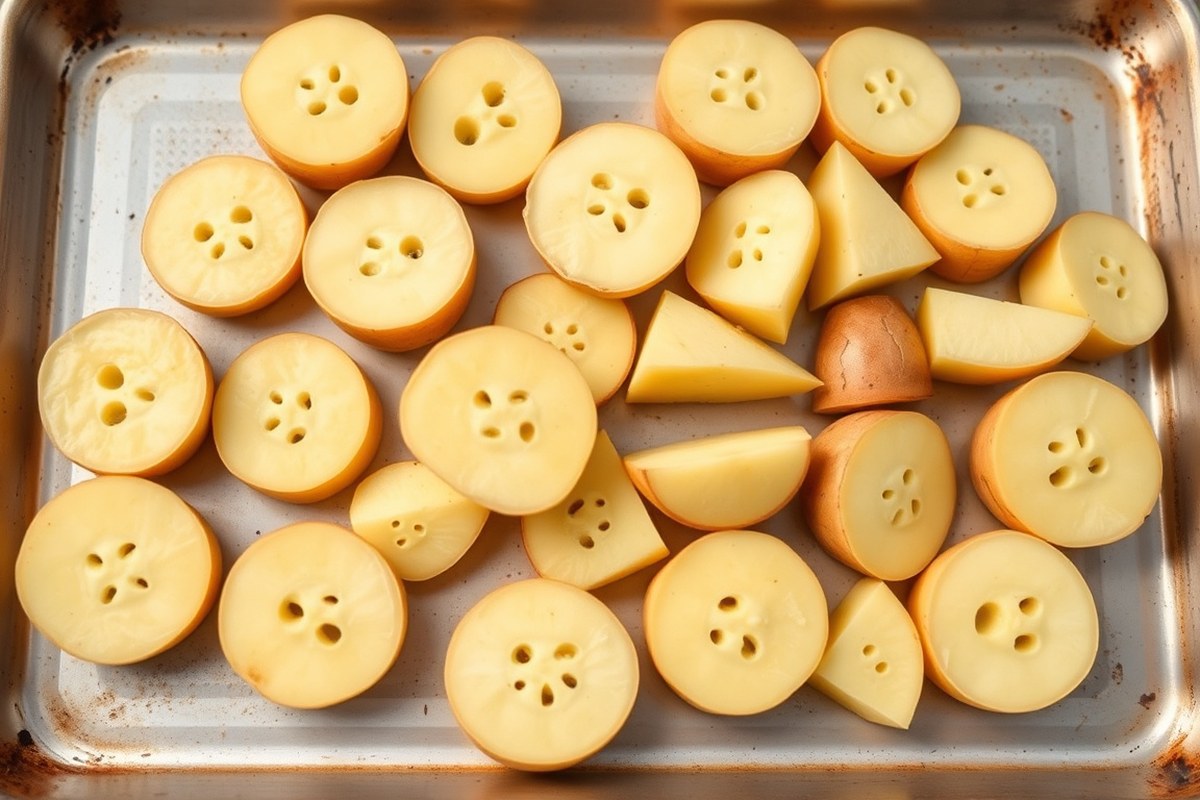
Planting whole potatoes usually means each tuber grows one plant. But cutting seed pieces lets you grow multiple plants from one potato.
Cutting increases plant numbers but risks disease if not done right. You can choose based on your space, time, and seed potato size.
Optimal Seed Piece Size and Eye Count
Cut pieces should be about 2 inches in diameter, roughly 1.5 to 2.5 ounces. Each piece needs at least one healthy eye.
But two sprouted eyes are better for faster sprouting. Plump, firm eyes sprout more reliably than shriveled ones.
Too few eyes mean fewer stems and smaller yields. More eyes produce more stems but crowding reduces tuber size. Balance your goal by choosing how many eyes per piece to plant.
Too many eyes grow more plants. Fewer eyes mean bigger tubers.
Cutting and Curing Seed Pieces Safely
First, cut the seed potato into pieces, each with at least one eye. Avoid cutting too small or with damaged eyes, which lowers sprouting success.
Next, cure the pieces by spreading them on ventilated trays in darkness. Keep temperature near 55°F and humidity above 85% for 5 to 7 days. This dries the cut surfaces and helps prevent rot and disease.
After curing, plant the pieces when soil temperature reaches 45°F or higher. Cut pieces take less time to prepare but need careful handling to avoid infection. Whole tubers are lower risk but slower to emerge.
Risks of Using Grocery Store Potatoes
Grocery store potatoes often carry sprout inhibitors to stop sprouting. This reduces your chance of good sprout development and delays growth. Avoid them if you want a healthy start.
Also, grocery potatoes may transmit diseases or carry chemical residues. Certified seed potatoes cost more but have better sprouting success and lower illness risk. That pay-off often means a bigger, healthier harvest.
Cut seed pieces dry well before planting to avoid rot and disease infections at the start.
How Planting Depth and Spacing Affect Potato Yield
Plant seed potatoes 3 to 4 inches deep for most types. Too shallow, under 2 inches, limits tuber growth. Planting deeper than 5 inches can slow sprout and cut yields.
Place seed pieces with the eyes facing up at this depth. Use a sharp spade or trowel to make planting holes. Cover them gently with loose soil so sprouts can break through easily.
Space plants 12 to 15 inches apart in rows that are 30 to 36 inches wide. Closer spacing may increase the number of plants but often shrinks tubers. Too tight spacing leads to crowding, less sunlight, and smaller potatoes.
This spacing gives each plant enough room for roots and tubers to spread. It also allows sunlight to reach leaves, boosting energy for growth. Wider rows let you hill soil around stems multiple times, which helps tuber production.
In heavy clay soil, loosen the ground or use raised beds to improve drainage. This helps tubers grow larger and more numerous. Wait until soil warms above 45 degrees Fahrenheit before planting to avoid rot.
Soil that dries quickly needs about 1 inch of water weekly. Water this amount during the flowering phase. Keep the soil moist but not soggy.
Good watering protects tuber set and increases yield. Avoid overwatering, which can cause rot and disease.
Spacing and depth must fit your soil type and weather. Sandy soil holds less moisture than other types. Plant seed potatoes 4 to 6 inches deep in sandy soil.
This helps keep moisture near the roots. In cold, wet soils, delay planting until it’s warmer to prevent weak plants.
Dig holes 3 to 4 inches deep with eyes facing up. Space plants 12 to 15 inches apart in a row. Keep rows 30 to 36 inches wide for easy growth.
Adjust by soil type and temperature. Water consistently during flowering. Hill plants when stems reach 8, 16, and 24 inches tall.
Impact of Potato Variety and Growth Cycle on Yield
Different potato varieties produce varying numbers and sizes of tubers. Russets usually yield more tubers per plant but of larger size. Waxy salad types like Yukon Gold produce fewer, smaller tubers.
These tubers work well in salads. They don’t grow as many as other potatoes.
The length of the growing season strongly affects both tuber count and size. Early varieties mature in under 110 days but often have fewer, smaller tubers. Longer season types can bulk up tubers better, resulting in heavier total yields per plant.
Choosing the right variety depends on your goals. Choose a high-yielding russet to get more potatoes overall.
Yukon Gold offers moderate yields with easier growing. Red Pontiac produces fewer, smaller tubers but is easier for beginners.
| Variety | Average Tubers/Plant | Average Size (oz) | Difficulty |
|---|---|---|---|
| Russet | 8-12 | 6-10 | Medium |
| Yukon Gold | 10-14 | 4-8 | Easy |
| Red Pontiac | 6-10 | 3-6 | Easy |
Growing season length allows tubers to bulk up and mature fully. Keep plants in the ground longer for bigger potatoes but watch for frost risk.
Mound soil three times during the season to protect tubers from sun. This helps steady tuber growth too.
Mature tubers weighing 1.5 to 2.5 ounces tend to maximize the number of potatoes per plant. Tubers under 1 ounce often fail to produce multiple sprouts.
Plant in good soil with 6 to 8 hours of daily sun. This helps tubers reach ideal sizes and amounts.
Soil, Water, and Sunlight: Essential Conditions for Maximum Potatoes
The best potatoes grow in well-drained soil with a slightly acidic pH. Aim for a soil pH between 5.5 and 6.5 to help tubers form well. Avoid clay-heavy or compacted soil because it slows tuber expansion and reduces your yield.
Consistent moisture is key, especially when tubers start to bulk up. Water your plants regularly so the soil stays evenly damp, not soggy. Dry spells during tuber growth can cause odd shapes and fewer potatoes.
Potatoes need at least six hours of direct sunlight daily to thrive. More sun helps plants make energy to produce more tubers.
Shady spots often lead to leggy plants and smaller yields. So pick the sunniest place you have.
Mulching around your potato plants helps keep soil moisture steady and controls weeds. Straw or grass clippings work well and cost little. This trick helps you water less often.
It also protects young tubers from sunlight. Sunlight can make potatoes green and bitter.
Check soil moisture by touching it. If the top 2 inches are dry, water your potatoes. This helps them grow better.
Adjust your watering amount based on weather and soil type. On sandy soils, water more often but with less each time. Clay soils hold moisture longer but drain poorly.
So water carefully to avoid root rot. Cool weather means slower growth and less water needed. Hot, dry spells require more attention.
A simple soil test costs around $10 to $20 and quickly shows pH and fertility. Fixing your soil with lime or sulfur based on that test helps tubers grow bigger. Adding organic matter like compost improves drainage.
It also boosts soil fertility. This helps you grow more potatoes from one seed.
How to Turn One Potato into Multiple Healthy Plants
Start by selecting healthy seed potatoes and prepare them well before planting. Cutting seed potatoes into pieces with at least two eyes works well. This helps you grow several plants from one potato.
Let the cut pieces dry and cure before planting. This stops rot and protects against disease.
Preparing Seed Potatoes for Planting
Begin by sorting your seed potatoes carefully. Choose firm, disease-free potatoes with no soft spots. These give your plants the best start and reduce the chance of disease spreading.
Wash off dirt gently but do not soak or bruise the potatoes. Dry them completely to avoid moisture that might cause rot.
- Pick seed potatoes that are firm and free from disease or soft spots.
- Brush off or rinse dirt without soaking the potatoes.
- Dry the cleaned potatoes thoroughly in a cool, shady spot.
- Check the potatoes again for any signs of damage after drying.
Cutting Seed Potatoes Properly
Cut larger seed potatoes into pieces each with at least two eyes. Each piece should weigh about 1.5 ounces or more. This weight supports strong sprouting and root development.
Use a sharp knife to make clean cuts and avoid crushing the potato. Cutting into halves or quarters is common, depending on the size of your seed potato.
- Place seed potatoes on a clean cutting board.
- Use a sharp knife to cut into halves or quarters.
- Make sure each piece has at least two eyes.
- Weigh pieces to confirm at least 1.5 ounces per piece.
- Discard any pieces that are too small or damaged.
Curing Seed Pieces to Prevent Rot
After cutting, let the seed pieces dry in a cool, dark, and well-ventilated place. This step, called curing, helps the cuts form a protective layer. It usually takes 2 to 3 days to prevent rot and disease when planted.
Do not expose seed pieces to direct sunlight or moisture during this time. Proper curing reduces infection risks and improves sprout success.
- Lay out cut seed pieces on racks or trays in one layer.
- Keep them in a cool (50, 60°F), dark place with good air circulation.
- Let the pieces dry for 2 to 3 days until the cuts are firm.
- Check daily to avoid any moisture buildup or mold.
- Store cured seed pieces until planting, avoiding freezing or overheating.
Common Issues That Reduce Potato Yield and How to Fix Them
Pests like the Colorado potato beetle frequently lower potato yields. These beetles eat potato leaves, stunting plant growth and reducing tuber size. Check your plants every day.
Pick off adults and larvae by hand. Use insecticidal soap if there are many bugs.
Diseases such as late blight can drastically reduce tuber production. Late blight causes dark brown spots on leaves and tubers, often leading to rot.
To avoid this, plant certified disease-free seed potatoes and remove any infected plants immediately. Crop rotation helps prevent soil-borne diseases, reducing losses over time.
Planting mistakes also hurt your harvest. Planting seed potatoes too deep or crowded squeezes out space the tubers need to grow.
Keep your seed pieces about 12 inches apart and plant them 3 to 5 inches deep. This setup allows plenty of room for tubers to form and mature properly.
Poor soil preparation can lead to weak plants and fewer potatoes. Always amend your soil with compost or aged manure at least six weeks before planting. This timing provides nutrients and improves soil structure, resulting in healthier plants and bigger yields.
Watering is another common pitfall. Too little water stunts tuber growth, and too much encourages rot and disease. Keep soil moist, about 1 to 2 inches each week.
Water deeply for best results. Do this early in the morning. Well-drained soil helps prevent water logging and protects roots and tubers.
Cold or late planting reduces your harvest size. Potatoes prefer soil temperatures above 45°F. Plant when the soil warms consistently to avoid slow growth and rot. Late planting shortens the growing season, shrinking the number and size of potatoes.
Monitoring your plants regularly catches issues early. Check leaves, stems, and soil every week.
Remove any weeds competing with your potato plants for resources. Healthy foliage allows more energy to reach the tubers under the ground.
Some soil varies on salinity or pH, impacting growth and yield. Most potatoes grow best in slightly acidic soil, pH 5.0 to 6.5. Test garden soil every few years.
This helps you fix soil nutrients. It keeps conditions good for potato growth.
Estimating Your Harvest: Calculations for Potato Yield Prediction
You can find potato yield from one seed tuber. Know the average number of potatoes per plant. Also, find the average weight of each potato.
Use the variety’s typical yield range and multiply it by the average size of each tuber. This helps plan how many seed potatoes to buy and how much harvest to expect.
Average Potato Weight per Tuber
Most home garden potatoes weigh between 4 and 8 ounces each. About half a pound per tuber is a safe average to use. This weight varies with variety and growing conditions like soil quality and moisture.
Denser soils or less water usually produce smaller potatoes. Good sunlight and loose soil help potatoes grow bigger. Rich soil gives tubers closer to 6 or 7 ounces.
These conditions raise your potato yield. You can weigh a few harvested potatoes for a better idea before your full harvest.
Worked Yield Calculation Example
For example, a Yukon Gold potato plant produces 5 to 10 tubers. Use 0.5 pounds as an average tuber weight, one plant will yield between 2.5 and 5 pounds. With good growing conditions, plan on about 4 pounds per seed tuber.
Here’s the calculation: Average tubers × average weight per tuber = total pounds per plant. For Yukon Gold, that’s 7 tubers × 0.5 pounds = 3.5 pounds. Expect 7 tubers on average in good soil and water.
Use this formula with your variety’s yield range to predict your harvest. Adjust the tuber weight based on your garden’s experience. This prediction guides decisions on how many seed potatoes to buy.
Estimating Seed Potato Quantity for Garden Size
Decide your garden’s area and desired spacing between plants first. For example, space plants 12 inches apart in rows 30 inches wide. Each plant requires about 2 square feet of space.
Divide your garden square footage by 2 to find how many seed potatoes you need. Multiply the number of plants by your estimated yield. That shows the expected weight in pounds.
This helps with planning your harvest. You want 40 pounds of potatoes. Each seed produces 4 pounds, plant 10 seed potatoes.
Buy slightly more seed potatoes than calculated to allow for any that don’t sprout well. Planning this way aligns your garden’s size, seed count, and expected harvest clearly.
Choose seed potatoes carefully to match your garden spacing and yield goals.
Step-by-Step Action Plan to Maximize Your Potato Harvest
Follow these steps to grow the most potatoes from one seed potato. Check your progress at each stage to keep your garden on track.
- Before planting: Choose a certified seed potato with several eyes. Select whole or cut pieces with at least one eye each.
- Planting day: Cut large seed potatoes into pieces about 2 ounces with eyes facing up. Let them dry for 2 days before planting.
- Day 1: Plant seed pieces 4 inches deep and space them about 12 inches apart. Ensure soil is loose and well-drained.
- Week 1: Water the soil lightly but keep it moist. Check for sprouting in about 7 to 10 days.
- Weeks 3-4: Hill soil around stems when plants grow to protect tubers from sunlight. Check that plants are vigorous and green.
- Week 6: Maintain steady watering, especially during flowering, to maximize tuber size. Monitor for pests and remove any damaged leaves.
- Week 10: Stop watering when plants yellow and die back naturally. Let soil dry for 1 to 2 weeks before harvesting.
- Harvest day: Carefully dig up potatoes without damaging them. Count your yield to compare with your estimate.
Frequently Asked Questions
How Many Potatoes Grow from One Whole Seed Potato?
One whole seed potato usually grows one plant, which produces 8 to 10 potatoes. This depends on variety and growing conditions.
Does Cutting Seed Potatoes Affect How Many Potatoes Grow?
Cutting seed potatoes lets you plant more pieces, but each piece grows fewer potatoes. Make sure each piece has at least one eye.
How Does Soil Type Impact the Number of Potatoes Grown?
Good, loose soil helps potato plants grow more tubers. Clay or compacted soil reduces yield.
Can I Get More Potatoes by Planting Seed Potatoes Closer Together?
Planting too close reduces airflow and can cause disease. Stick to recommended spacing for better yield.
Why Do Different Potato Varieties Produce Different Amounts of Potatoes?
Some varieties are bred to produce more tubers or larger tubers. Choose those suited to your region and needs.
How Does the Length of the Growing Season Affect Potato Yield?
Longer growing seasons allow potatoes more time to grow bigger and multiply. Short seasons might limit yield.
Before You Go
You can grow many potatoes from one seed potato. Pick good pieces to start. Take care of them well while growing.
Plant with proper spacing, water regularly, and watch for pests. Start digging after plants die back to enjoy your fresh harvest soon.