Is Parsley a Perennial Herb? What You Need to Know About Growing It
Is parsley a perennial herb? Parsley is actually a biennial plant. In the first year, it grows leaves.
In the second year, it flowers. Then it dies back. This means parsley can last more than one growing season under the right conditions.
You can harvest parsley leaves in its first year. After that, it will flower and produce seeds in year two.
Living in USDA zones 3 or warmer means parsley roots survive winters. They regrow each spring.
To help parsley survive winter, add a thin layer of mulch over the soil. Also, avoid harvesting more than one-third of the plant at a time to keep it healthy. This way, it might continue growing for you each year.
===
Key Takeaways
- Parsley is a biennial, growing leaves in year one and flowers in year two.
- You can harvest parsley leaves about 70 to 100 days after planting.
- In USDA zones 3 or warmer, parsley roots often survive winter and regrow.
- Use mulch to protect parsley roots from harsh winter temperatures.
- Never harvest more than a third of the parsley plant at once.
- Parsley’s flower stalk can grow up to 30 inches tall during bolting.
Is Parsley a Perennial Herb or a Biennial Plant?
Parsley is a biennial plant, not a perennial herb or an annual. It completes its life cycle in two growing seasons.
In the first year, it grows leaves and builds energy. The second year, it flowers and produces seeds before dying.
This biennial nature causes confusion since many gardeners treat parsley as an annual. They grow it for one season, then start new plants the next year. This approach works well when winters are harsh or when gardeners want fresh leaves yearly.
Knowing parsley’s biennial cycle helps you plan your garden better. Parsley can survive winter when left outside in mild climates. The second year’s growth gets tough and bitter.
This happens as the plant bolts to flower. The leaves become less tasty then.
How Parsley Grows in Its First and Second Years
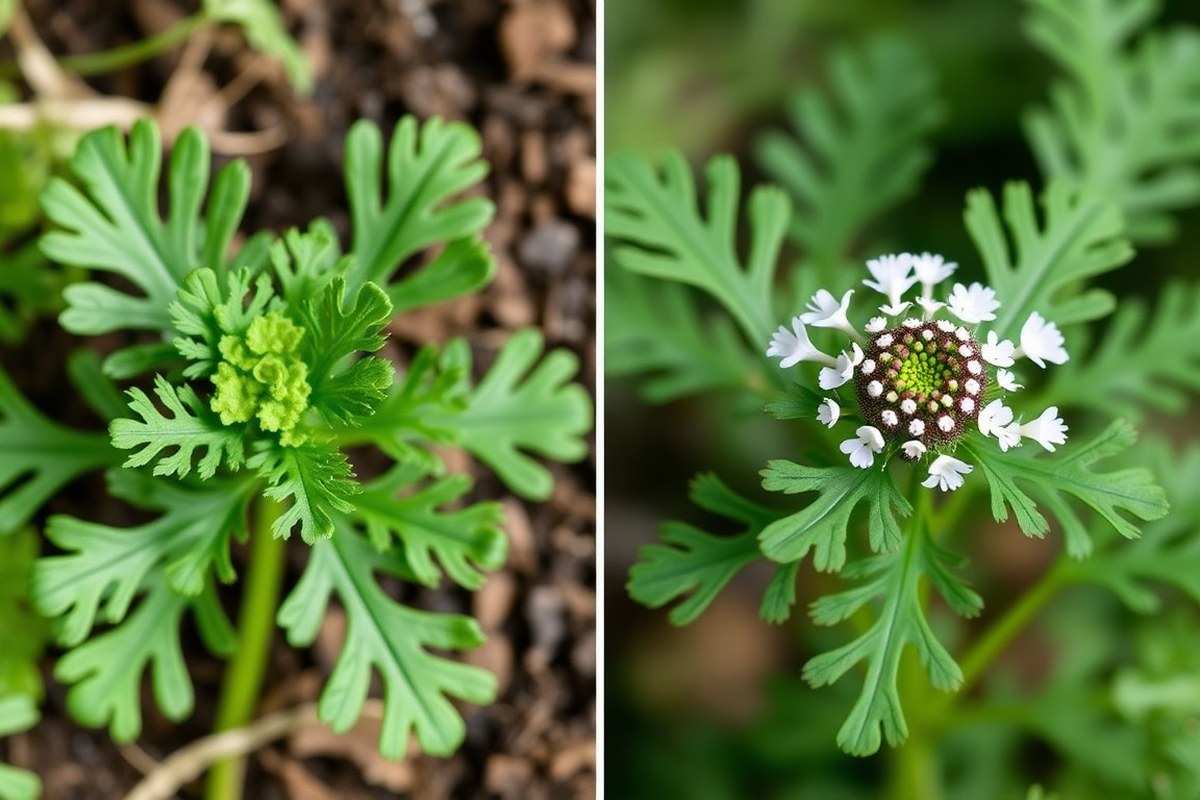
How Parsley Grows in Its First and Second Years
Parsley grows very differently in its first and second years. The first year fills out with tasty leaves.
The second year focuses on flowers and seed production. This change means the plant stops making good leaves and starts reproducing instead.
First-Year Growth and Leaf Production
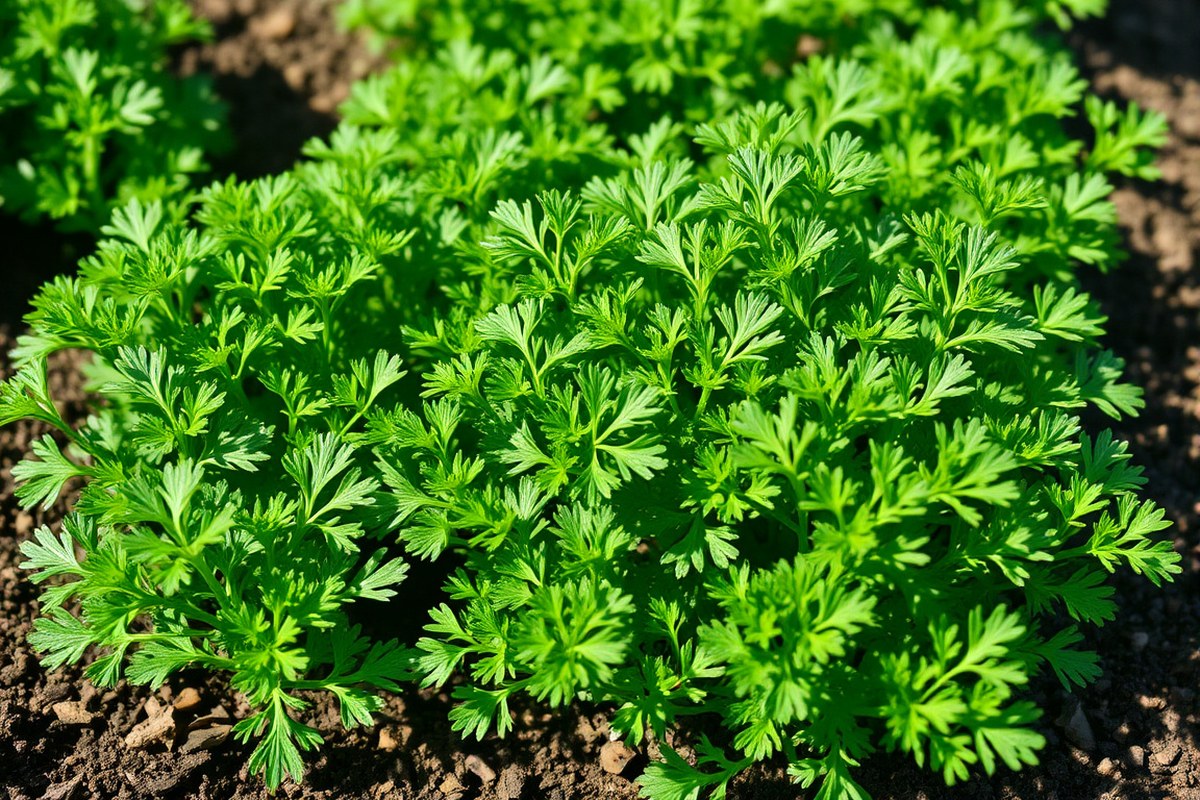
During the first year, parsley seeds germinate and produce a dense rosette of green leaves. This stage takes about 70 to 100 days after planting in spring. The plant grows strong leaves and roots.
This creates the best parsley. You want it fresh in your kitchen.
Most gardeners harvest parsley leaves lightly during the first year to keep the plant healthy. Cutting only up to 1/3 of the plant at once encourages more leaf growth. Keeping parsley lush and green requires regular picking without overharvesting.
- Plant seeds in well-drained soil in early spring.
- Keep the soil evenly moist during germination for about two to three weeks.
- Thin seedlings to about 6 to 8 inches apart for room to grow.
- Harvest small amounts of leaves regularly; never take more than one-third at a time.
- Water parsley deeply once or twice a week depending on weather.
- Remove dead or yellowing leaves to keep plants vigorous.
Only pick up to a third of the leaves during harvest to avoid stressing parsley plants.
Second-Year Flowering and Seed Setting
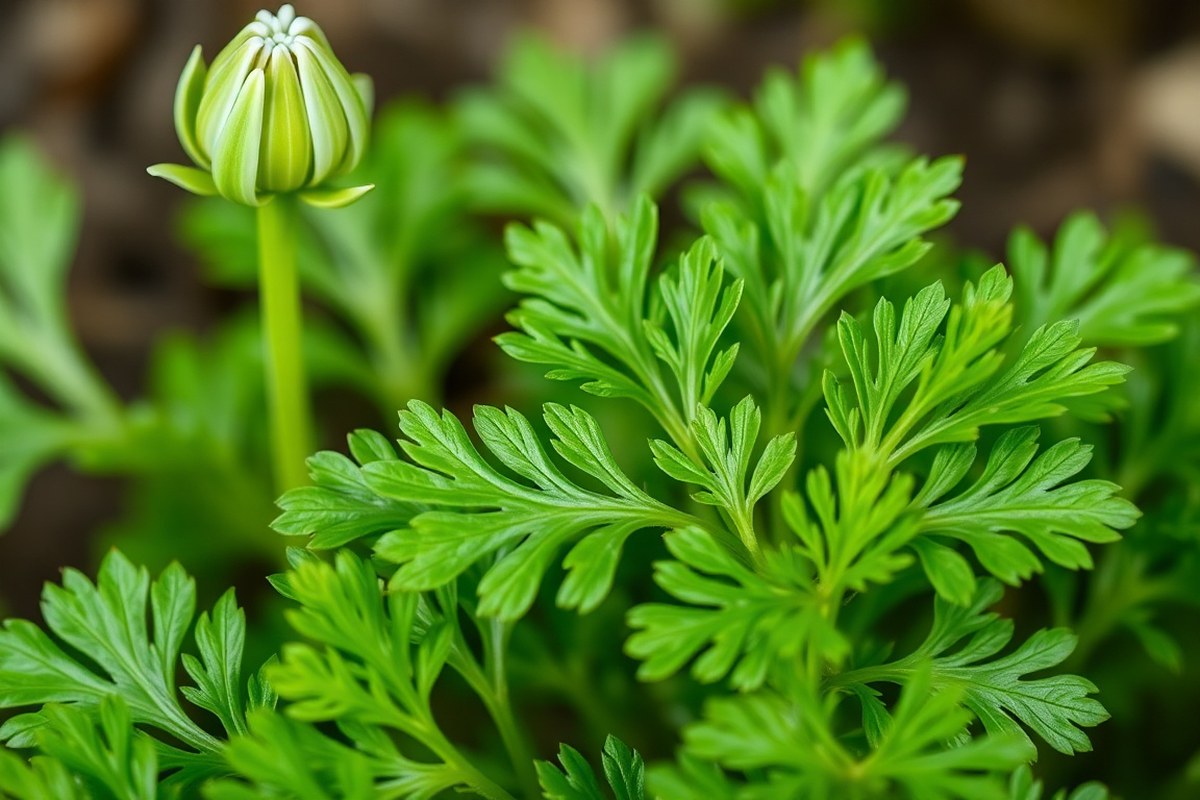
In the second year, parsley shifts its energy from leaf growth to growing flowers. Flower stalks will emerge, followed by umbrella-like clusters of tiny yellow or green flowers. This stage signals fruit and seed production are soon to come.
Once parsley flowers, it loses its rich flavor and produces fewer leaves. The plant uses stored nutrients to bloom, make seeds, and then die. Some gardeners keep second-year plants just to collect seeds for next year’s planting.
You can harvest parsley roots in the second year. This gives you more uses for the plant. Many gardeners try this for extra flavor.
It’s best to harvest fresh leaves in the first year. This keeps the flavor mild and fresh. Later leaves can taste stronger or bitter.
Effects of Bolting on Leaf Flavor and Harvest
Bolting means parsley bolts or sends up flower stalks prematurely. This often happens in hot weather or when the plant is older. Bolting quickly spoils leaf flavor, turning it bitter and tough.
You should stop harvesting leaves from bolting plants since they won’t improve. Instead, let the flowers grow if you want seeds for the next season. Start fresh parsley seeds for a new crop if leaf quality matters most.
Keeping parsley cool and shaded can delay bolting. Regular harvesting also tricks the plant into focusing on leaf growth longer, delaying flowers.
Can Parsley Survive Winters and Regrow Each Season?
Parsley can survive winter in USDA zones 3 to 9. You need to leave its roots in the ground. It will regrow each spring.
You usually don’t need much protection beyond cutting the stems back and adding mulch. In colder zones or if you want fresh parsley all winter, you can overwinter it indoors.
Hardiness Zones and Parsley Overwintering
Parsley is hardy in USDA zones 3 to 9. This means its roots survive winter cold. It can come back in spring.
The plant dies back to a few inches above the soil as temperatures drop. Its roots stay alive underground and start growing again when spring arrives.
Gardeners in zone 3 and warmer can leave parsley outside during winter without major issues. Parsley doesn’t usually tolerate soggy, frozen soil well, so well-drained soil helps it survive. Parsley is biennial.
It grows leaves the first year. It flowers the second year and then dies.
Outside overwintering works best where temperatures don’t stay below 10°F (-12°C) for long. When it gets colder, parsley roots still survive.
They might need extra care, like mulching. Mulch helps protect the roots.
Mulching and Soil Protection Techniques
Mulching parsley in fall helps keep soil temperature steady and protects roots from freezing. You only need a thin 2-3 inch layer of organic mulch like straw, leaves, or compost. Avoid heavy mulch that traps moisture and causes root rot.
Before adding mulch, cut parsley stems down to 2-3 inches above the soil line. This reduces plant damage and prepares it for winter dormancy. Mulch keeps the ground from freezing deeply and helps roots stay healthy until spring.
Here’s a quick checklist for winterizing parsley outdoors:
- Trim stalks to 2, 3 inches tall
- Apply 2, 3 inches of organic mulch
- Ensure soil is well-drained to avoid soggy roots
- Avoid compacting mulch or piling it on too thick
- Check mulch layer and dry out soil if needed
These simple steps protect parsley roots from frost and let plants sprout again in spring. Mulching costs almost nothing if you use garden waste. It takes just 10-15 minutes.
Indoor Overwintering on Windowsills
You can keep parsley growing indoors during winter to have fresh herbs all season. Start by potting a healthy outdoor plant or sowing parsley seeds inside in late summer. Parsley likes a sunny spot.
A kitchen windowsill with 6 or more hours of light works well. This helps it grow strong.
Water parsley regularly to keep soil moist but not soggy. Indoor temperatures around 65-70°F (18-21°C) work well. Low light or inconsistent watering can cause leggy, weak plants.
To continue growing parsley indoors all winter:
- Use a pot with good drainage and fresh potting soil
- Place near a south- or west-facing window for best light
- Water when top inch of soil feels dry
- Trim leaves regularly to encourage bushiness
- Rotate the pot weekly for even growth
Indoor parsley provides fresh leaves for cooking and can live several months. Pots are usually small and affordable under $10, making indoor growing easy and low cost.
Best Parsley Varieties for Flavor and Hardiness
Parsley comes mainly in two leaf types: flat-leaf and curly-leaf. Flat-leaf parsley has a stronger flavor and grows a bit quicker.
Curly-leaf parsley looks nice and has a mild taste. It takes a bit longer to grow fully.
Root parsley is a different type used mostly in Eastern European cooking. It’s grown for its edible roots, which can take longer to develop than leaf types. Most home gardeners focus on flat or curly for fresh herbs.
| Parsley Variety | Flavor | Growth Speed (days) | Hardiness | Best Use |
|---|---|---|---|---|
| Flat-leaf (Italian) | Strong, bold | 70-80 | Cold-tolerant, good in mild winters | Cooking where strong flavor needed |
| Curly-leaf (Moss-curled) | Mild, decorative | 75-100 | Cold-tolerant but slightly slower growth | Garnishing and light flavor use |
| Root parsley | Mild, earthy | 100+ | Moderate, slower to mature | Root vegetable dishes, rare in US cooking |
Picking a parsley variety depends on taste and garden conditions. Flat-leaf grows faster and has a punchier flavor, great for cooking. Curly-leaf parsley makes food look better on your plate.
It grows well in pots. Snails and other pests have a harder time reaching it there.
The RHS recommends varieties with the Award of Garden Merit for better success. Parsley grows best in moist soil and tolerates mild cold.
So choose the type that suits your climate. Container growing helps protect parsley from slug damage and keeps it mobile for ideal sunlight.
How to Sow and Plant Parsley Seeds Indoors and Outdoors
Parsley seeds need shallow soil and bright light to grow well. Sow indoors in early spring for an early start. Outdoors, plant from mid-spring to late summer in sun or partial shade.
Starting Parsley Seeds Indoors
Begin parsley seeds indoors from early spring to get a head start on the garden. Choose a sunny windowsill or use a greenhouse with plenty of bright, direct light. Plan to keep soil moist but not soaked to avoid seed rot.
Follow these steps to start parsley seeds inside:
- Fill modular trays with peat-free, moist seed-starting mix.
- Sow seeds thinly, scattering them lightly across the surface.
- Cover seeds with about ½ inch (1 cm) of soil.
- Water gently to moisten without washing seeds away.
- Place trays in a bright spot with temperatures around 65 to 70°F.
- Keep soil moist, checking daily for dryness.
- Watch for seedlings in 2 to 3 weeks. Thin to one seedling every 2 inches.
Parsley seeds can take up to 21 days to sprout, so be patient.
Direct Sowing Parsley Outdoors
Plant parsley outdoors from mid-spring to late summer after the last frost date. Parsley does not like to be moved.
So sow seeds directly where the plants will grow. Choose a spot with full sun or partial shade.
Plant seeds about ½ inch (1 cm) deep in a shallow furrow. Water the soil near the seeds right after sowing. Thin seedlings when a few inches tall.
Leave 6 to 8 inches between each. This helps air flow and plant growth.
Transplanting parsley outdoors often harms roots, so avoid it when possible.
Spacing and Soil Preparation Tips
Good spacing helps parsley grow strong and reduces diseases. Space plants 6 to 8 inches apart in rows that are 12 inches wide. This gives enough room for air circulation and easy harvesting.
Prepare soil by loosening it and mixing in organic matter like compost. Parsley prefers moist, well-drained soil with a neutral to slightly acidic pH. Avoid heavy, clay soils that hold too much water.
Water parsley regularly, but do not let soil stay soggy to prevent root problems.
Harvesting Parsley to Encourage Continuous Growth
To keep parsley growing well, avoid cutting the inner stalks. Focus your harvest on the outer leaves and stalks, which encourages new growth. Cutting the inner parts stops the plant from making more leaves.
Harvest parsley by snipping the outer stems near their base with scissors. Don’t pull the leaves off by hand because this can damage the roots.
Trim parsley regularly every 2 to 3 weeks in the growing season. This keeps the leaves fresh and encourages new growth.
Gardeners often pick too many parsley leaves at once. They might cut too close to the ground.
Some harvest all the inner leaves too. These reduce the plant’s ability to stay healthy and produce more shoots.
- Always leave at least one-third of the plant intact.
- Cut stems 1 to 2 inches above the soil line.
- Use clean, sharp scissors or pruning shears.
- Harvest in the morning after dew dries for best flavor.
- Succession plant parsley each spring to keep fresh green appearing.
Parsley stores energy in its roots, so healthy leaves also mean good root development. Vigorous leaf production lasts as long as you harvest carefully without stripping the plant.
Overcrowded pots from supermarkets often have weaker plants. So avoid cutting too many thin stalks at once.
Italian flat leaf parsley usually has stronger flavor and can handle more frequent harvesting. Trim it lightly and regularly.
French curly parsley looks nice and tastes good but grows slower. So be gentler when you harvest those leaves.
Managing Parsley Flowering and Seed Production
Parsley must experience a cold period near 40°F for several weeks. This process, called vernalization, triggers flowering. Afterward, it sends up a tall flower stalk known as bolting, which may reach 30 inches.
Flowering changes the plant’s focus from leafy growth to seed production. This shift often makes the leaves taste bitter or less sweet. Pinch off flower stalks as soon as you see them for tastier parsley leaves.
However, letting parsley flower and go to seed has its benefits. Flower blooms attract beneficial insects and support wildlife in your garden.
You can also save seeds for future planting. This is useful if you want to grow parsley from seed each year.
Once parsley sets seed, it won’t regrow new leaves like a true perennial. The plant usually dies after producing seeds in its second year.
You won’t see fresh parsley from the same plant the following spring. So plan to replant if you want continuous harvests.
You can decide whether to let parsley flower based on your garden needs. Pinch off flower stalks early to keep fresh herbs coming regularly.
But if you’re interested in saving seeds or encouraging pollinators, allow some plants to bloom. Balance this by leaving some parsley for leaf harvest and some for flowering.
Companion Planting and Pest Safety with Parsley
Parsley helps some garden plants by attracting beneficial insects. Its small yellow-green flowers bring pollinators like bees and predatory insects that fight pests. Plant parsley near roses to improve rose health and boost blooms naturally.
Keep parsley away from lettuce, as it can stunt lettuce growth. Space parsley about 8 to 10 inches apart so it doesn’t crowd other plants. You can start parsley indoors in small pots about 3½ inches wide.
Sow seeds outdoors directly in spring. Both methods work well for growing parsley.
- Plant parsley near roses for natural pest control
- Space parsley 8-10 inches from other plants
- Do not plant parsley too close to lettuce
- Use 3½-inch pots if starting indoors
- Attract pollinators with parsley’s flowers
Parsley is safe around pets in small amounts. So it won’t harm cats or dogs if they nibble a leaf. Still, keep an eye on your pets to avoid overconsumption, which could cause mild stomach upset.
Growing parsley adds beauty to your garden. It also helps keep pests away. This happens without risking your animals’ safety.
Watch out for parsley near young lettuce seedlings because it may slow their growth.
Step-by-Step Action Plan to Grow Parsley Successfully
Follow these steps to plant and care for parsley so it thrives year after year.
- Before you start: Choose a sunny spot with well-drained soil. Good soil means healthier parsley with better flavor.
- Day 1: Soak parsley seeds overnight. This helps speed up germination and boosts sprouts.
- Week 1: Plant seeds ¼ inch deep, about six inches apart. Keep soil moist but not wet to see green shoots.
- After 4 weeks: Thin seedlings to 8-10 inches apart. This prevents crowding and gives plants room to grow strong.
- After 8 weeks: Start harvesting outer leaves regularly. This encourages fresh growth and stops the plant from flowering too soon.
- Fall: Mulch around plants to protect roots from frost. Good mulch helps parsley survive mild winters.
- Early next spring: Check for new growth. Cut back any dead parts to invite fresh leaves and keep parsley perennial in warm zones.
Frequently Asked Questions
Is Parsley Considered a Perennial in All Climates?
Parsley acts as a perennial mostly in mild climates. In colder zones, it often dies after its second year.
Can Parsley Plants Survive Being Cut Back Hard?
Yes, parsley can regrow well after cutting back. Trim leaves to the base to encourage fresh growth.
Does Parsley Grown Indoors Behave Like a Perennial?
Indoors, parsley can live longer than outside due to stable conditions. You can keep it growing year-round on a sunny sill.
Is Parsley Prone to Diseases When Grown Year After Year?
Parsley can get diseases if soil conditions don’t improve yearly. Rotate its planting spot to keep plants healthy.
How Long Does It Take Parsley to Flower If Left Unharvested?
Parsley usually flowers in its second year if not harvested. Flowering signals the plant is moving to seed production.
Can You Propagate Parsley from Cuttings to Get a Perennial?
Parsley rarely roots well from cuttings, so propagation is tricky. Starting fresh from seeds is usually better.
The Bottom Line
Parsley can live for several years if you protect it in cold weather and harvest properly. Try growing it in a sheltered spot or indoors during winter. Start by picking a handful of fresh leaves today to use in your cooking.