What Is a Good Humidity Level for a Home: A Complete Guide with Practical Tips
Wondering what is a good humidity level for a home? The ideal range usually falls between 30% and 50% relative humidity.
Keeping humidity in this range makes your home feel comfortable and fresh. It also helps protect your belongings from moisture-related damage like warping or cracking.
Humidity levels below 30% can dry out your skin, nose, and throat. They can also cause wood furniture and floors to shrink and crack over time. On the other hand, humidity above 50% encourages mold, mildew, and dust mites, which can worsen allergies and asthma.
Start by measuring your indoor humidity with a reliable digital hygrometer placed in common areas. Check the readings regularly, especially during changing seasons, since humidity fluctuates. Adjust levels using a humidifier in dry winter months or a dehumidifier during damp summer periods.
Key Takeaways
- Keep indoor humidity between 30% and 50% for comfort and health.
- Use a digital hygrometer to monitor humidity accurately at home.
- Too low humidity can dry skin and damage wooden furniture.
- Humidity above 50% raises mold and dust mite risks indoors.
- Adjust humidity seasonally using humidifiers or dehumidifiers.
- Opening windows can quickly reduce indoor humidity if it’s too high.
What Is the Ideal Humidity Level for a Comfortable Home?

The best indoor humidity level for most homes should stay between 30% and 50%. This range balances comfort, health, and protection for your home’s structure. It stops issues like dry skin.
It also helps prevent mold growth. These happen when humidity moves outside this range.
Relative humidity shows how much moisture is in the air. It compares this to the maximum the air can hold. Temperature affects how much moisture air can keep.
Your home’s RH below 30% feels too dry inside. You might notice static shocks, dry skin, cracked wood, or irritated airways.
High humidity over 60% leads to mold growth and dust mites. It also causes condensation on walls and windows.
The American Society of Heating, Refrigerating and Air-Conditioning Engineers advises keeping indoor relative humidity between 30% and 60%. They suggest maintaining about 45% to 55% throughout the year for best results. The EPA and other authorities caution against exceeding 60% to avoid moisture issues and allergens.
During winter, you should keep RH between 30% and 40%. This range helps your home stay warm. It also prevents condensation on windows.
Lower humidity can make the air too dry. So slight boosting may prevent dry skin and respiratory discomfort.
Warmer months often raise indoor humidity. So maintaining close to 50% can stop mold and dust mites from thriving.
Maintaining this humidity range may require humidifiers or dehumidifiers to adjust the moisture level. These devices usually cost between $50 and $300 depending on size and features. Installing or running them regularly can help keep your living space stable and comfortable.
Finding this balance protects both your home and your health. You avoid mold damage or cracked wood while keeping airways and skin comfortable. Controlling humidity better means fewer allergy triggers and a more pleasant indoor climate all year long.
How Humidity Levels Affect Health and Home Conditions
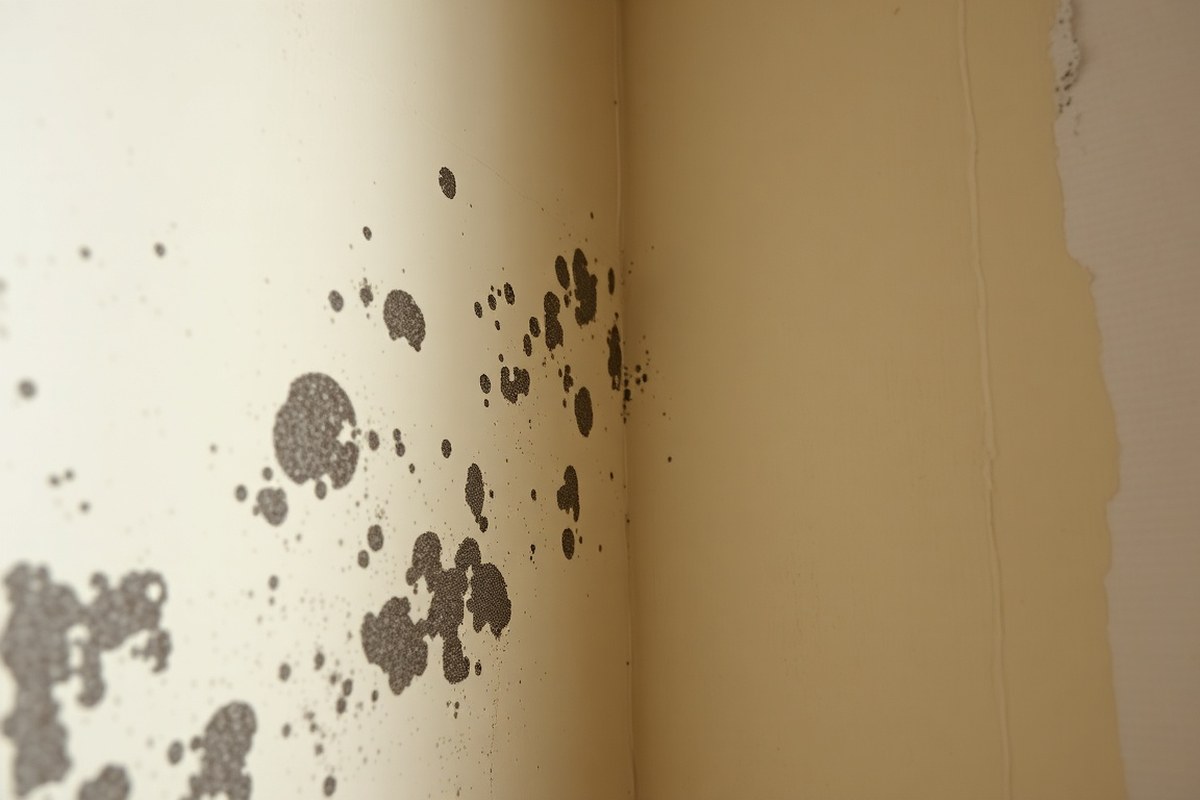
Humidity levels above 55% can encourage mold to grow. Mold grows when humidity indoors goes over 60%. This causes moisture to build on walls, ceilings, and furniture.
The dampness creates a good place for mold to thrive. A musty smell can develop if humidity stays high too long.
You might see spots on damp surfaces after days or weeks. These signs show that moisture is a problem indoors.
Low humidity can dry out your skin and sinuses. Dry air causes itchy skin, chapped lips, and irritated eyes. High humidity dries out your nasal passages.
This makes breathing harder and causes discomfort. People with allergies feel these effects the most.
Excess humidity worsens asthma symptoms. When humidity is too high, dust mites and mold increase, both of which trigger asthma attacks.
Dust mites can’t survive below 50% humidity for long. So keeping it under that limit helps reduce allergens.
Improper humidity causes many home problems besides health issues. It leads to condensation on windows and walls, promoting mold and mildew growth.
Wood flooring, furniture, and paint can warp, crack, or peel due to moisture swings. Over time, structural damage like weakened framing or drywall can develop from constant dampness.
- Mold and mildew growth on walls and ceilings
- Increased dust mites triggering allergies and asthma
- Dry, flaky skin and irritated sinuses from low humidity
- Condensation causing moisture damage and peeling paint
- Warped wood floors, doors, and furniture
- Structural damage from ongoing moisture exposure
Keep indoor humidity between 30% and 50% to minimize these risks. This range reduces mold and dust mite growth while preventing dryness.
You can use a hygrometer from your local hardware store to track humidity. Check areas like bathrooms and kitchens often, as these get more damp.
Wet materials should dry within 24 to 48 hours to avoid mold growth. Fix leaks promptly and ventilate damp areas well.
Homes in humid climates may need a whole-house dehumidifier to maintain safe levels. In winter, use humidifiers cautiously to avoid raising humidity above 50%, which might lead to condensation. Watching humidity closely helps protect your health and your home’s structure.
Best Humidity Levels for Sleeping and Nighttime Comfort
A good humidity level for sleeping is between 30% and 50% relative humidity. This range keeps your nasal passages moist and comfortable. It also reduces dust mites, which become more common above 50% humidity and can trigger allergies.
Sleeping in 70% humidity is usually too high. High humidity makes the air feel heavy and sticky, which can cause sweating and discomfort. It also raises the risk of mold growth in your bedroom, affecting sleep quality and health.
Bedroom temperature interacts closely with humidity. The Sleep Foundation says keep your bedroom 2 to 5 degrees cooler. Cooler bedrooms help you sleep better.
Cooler air holds less moisture. A cooler room with 30-50% humidity helps your body cool down. It also makes breathing easier while you sleep.
To reduce allergies during sleep, keep humidity closer to 40%. That level controls dust mites and limits mold spores without drying out your skin or airways.
Waking up coughing or sneezing often means humidity is too high. Try reducing it below 50%.
Adjusting humidity at night can be simple with a humidistat or smart thermostat to monitor it. Set portable humidifiers or dehumidifiers to maintain the target range. You might also crack a window slightly if outdoor humidity is low, helping balance indoor moisture.
In cold climates, lower indoor humidity during winter. Keep it between 30 and 40% to prevent window condensation. This also helps avoid mold.
In warm months, keep humidity between 40 and 50%. Don’t let it go above 60% to stop moisture problems. Using a humidifier on very dry nights can also ease breathing and prevent dry skin.
How to Measure and Monitor Indoor Humidity Accurately
Use a digital hygrometer to measure indoor humidity accurately. Place it where you spend time, then check readings regularly. A device with ±2% accuracy gives reliable information.
Types of Hygrometers Explained
Hygrometers measure moisture in the air. Digital models show relative humidity as a number, making them easy to read. Mechanical or analog types use a dial but may be less precise.
Some smart thermostats include built-in hygrometers. They track humidity and temperature but can cost over $100. Separate digital hygrometers are affordable, around $10 to $50, found at hardware stores.
Best Locations to Measure Indoor Humidity
Place your hygrometer in a main living space or bedroom. Avoid kitchens, bathrooms, and near windows that could skew results. Sensors work best about 3 to 6 feet above the floor.
Check multiple rooms if you want a full picture of your home’s humidity. That helps find problem spots where moisture builds up. Keep devices away from direct sunlight and heating vents for accurate readings.
How to Calibrate and Maintain Your Hygrometer
Calibration keeps readings accurate over time. You can do a simple salt test at home to check your device’s accuracy. Clean sensors gently to avoid damage or false readings.
Measure humidity at least once a week, more often during weather changes. Replace batteries or devices every few years to maintain performance. Follow the manufacturer’s instructions for the best results.
Follow these steps to use a digital hygrometer properly:
- Remove the hygrometer from packaging and insert batteries.
- Let the device warm up for 15 to 30 minutes off direct sunlight.
- Place it in the room at least 3 feet above the floor.
- Check the humidity reading on the display screen.
- Record the reading or use the device’s memory function if available.
- Repeat readings at different times of day for accuracy.
- Perform a salt calibration test every six months.
- Clean the sensor area with a dry cloth as needed.
Controlling Indoor Humidity: Humidifiers vs. Dehumidifiers
Use a humidifier when indoor air gets too dry, especially below 30% humidity. Choose a dehumidifier if moisture builds up above 50%, causing dampness or mold. Check your local climate and home size before buying to decide which device fits best.
Whole-house units usually connect to your home’s HVAC system. They cover all rooms evenly and need professional installation.
Portable units sit in one room; you move them as needed. They are cheaper but less consistent across large spaces.
| Type | Coverage | Installation | Cost (Approx.) | Energy Use |
|---|---|---|---|---|
| Whole-House Humidifier | Entire home via HVAC | Professional, ductwork | $400, $1,500 installed | Moderate |
| Portable Humidifier | Single room | Plug and use | $30, $200 | Low to moderate |
| Whole-House Dehumidifier | Entire home via ducted system | Professional, drain line | $1,500, $3,000 installed | Moderate to high |
| Portable Dehumidifier | Single room | Plug and use; empty water | $150, $400 | Moderate |
The right choice depends on your home’s size and climate. Bigger homes in humid climates benefit from whole-house systems for even control. Smaller homes or dry climates can use portable units effectively to test and adjust humidity.
Whole-house devices need dedicated circuits and drain lines, raising upfront costs. Portable units cost less but may run longer to cover the same space. Their energy use depends on how long they run daily and local humidity levels.
Setting humidity between 30% and 50% helps avoid mold and dryness problems.
Energy Star recommends keeping indoor humidity at 30 to 40% during cold months to reduce condensation. Whole-house dehumidifiers use refrigerant cycles to pull moisture outside your home, preventing damp indoor air. Portable units trap water inside for you to empty manually.
Adjusting Humidity by Season and Outdoor Temperature
Humidity levels should change with the seasons and outdoor temperature. In winter, you need lower humidity to avoid condensation and mold.
Summer needs more humidity but managing it still keeps you comfy. It also protects your home’s surfaces from damage.
Ideal Humidity Settings by Outdoor Temperature
Adjust your indoor humidity based on the temperature outside every day. Colder weather means lower indoor humidity to prevent window and wall moisture. Warmer days allow a higher setting without risk of condensation or mold.
Use this quick chart for humidity levels in your home. It helps you set your humidistat right. It also lets you watch your air quality.
| Outdoor Temperature (°F) | Recommended Indoor Humidity (%) |
|---|---|
| Above 10 | 30 to 50 |
| 0 to 10 | 25 to 30 |
| 0 to -10 | 20 to 25 |
| Below -10 | 15 to 20 |
These ranges help you avoid issues like condensation when it’s cold. Sticking to them protects your walls, ceilings, and window frames from moisture damage.
Winter Humidity Management Tips
Keep indoor humidity low during winter, often 25% or less. This is especially true when it’s colder than 10°F outside. Lower humidity helps stop moisture from settling on cold window glass and walls.
Watch your home’s ventilation closely. Drafts and air leaks can raise humidity levels unexpectedly, causing condensation and mold growth. Use a humidistat to automate adjustments instead of guessing.
Summer Humidity Control Strategies
Summer allows more humidity indoors, but keep it below 50%. High humidity makes your home feel muggy and stuffy inside.
It also raises the risk of mold growth and dust mites. Use air conditioning or a dehumidifier when needed.
Maintain good airflow with fans and open windows on dry days. This simple step helps reduce humidity without heavy energy use or expensive equipment.
Preventing Window Condensation in Cold Weather
Condensation forms when warm, moist indoor air hits cold window panes. To prevent this, keep humidity below 40% on cold days, especially under 10°F outside. Use window insulation kits or thermal curtains to reduce surface coldness.
Regularly check and seal gaps around windows. Sealing prevents cold drafts and moisture buildup.
Set your humidistat lower during cold snaps to reduce moisture. This helps stop problems on windows and walls nearby.
Common Mistakes in Humidity Control and How to Fix Them
Using a humidifier too much can raise moisture and lead to mold. The EPA recommends keeping indoor humidity under 60% to stop mold. Mold grows on damp surfaces in just 24 to 48 hours if humidity is high.
Sometimes rooms feel dry even with a humidifier because of poor airflow or uneven distribution. Air that doesn’t circulate traps dry spots. Fix this by using fans or opening doors to balance humidity across rooms.
Ignoring humidity monitoring means you might miss harmful swings causing damage or discomfort. High humidity leads to mold and wood damage.
Low humidity causes dry skin and static shocks. A smart hygrometer costs around $30 and sends app alerts to catch changes early.
Humidity swings between rooms often happen in tightly sealed homes or ones with uneven HVAC ductwork. A duct sealing service can help by improving airflow and reducing humidity gaps. You can also adjust humidifier and dehumidifier settings to keep levels balanced.
- Don’t run humidifiers nonstop; use auto control to keep 30, 50% humidity.
- Use fans or move portable devices to spread moisture evenly.
- Dry wet materials quickly, within 24 to 48 hours, to avoid mold.
- Check humidity levels daily with a hygrometer for quick corrections.
- Seal ducts and cracks to prevent uneven airflow and moisture build-up.
- Limit indoor activities that raise moisture, like boiling water or drying clothes indoors.
Balancing humidifiers and dehumidifiers depends on the season and outdoor conditions. For example, in dry winters, a whole-house humidifier can keep comfort near 30 to 50% humidity. In humid summers, a smart dehumidifier automatically reduces moisture up to one gallon per day.
Working air conditioning also helps by removing 5 to 10 percent humidity each hour. You need to monitor and adjust humidifiers regularly.
This helps avoid issues with moisture and mold. It also keeps your home’s air safe and comfy.
When to Call a Professional for Humidity Problems
Call a professional when your home shows ongoing dampness or mold despite trying to control humidity. Experts can fix hidden moisture issues and adjust your HVAC system to keep humidity steady. Persistent problems usually need whole-home solutions to protect your health and house.
Red Flags for Professional Intervention
Visible mold, strong damp odors, or steady condensation on windows all signal serious moisture problems. These signs lasting more than a few days need expert help.
Unexplained allergies or breathing issues mean you need a professional. A pro should check your home’s humidity and air quality.
Humidity above 60% can cause mold growth and damage wood, drywall, and furnishings fast. Excess moisture can hide in insulation or crawlspaces, making DIY fixes less effective. Calling a pro before damage spreads saves money and health risks.
Specialist Services for Humidity Control
Humidity specialists offer services beyond simple equipment installation. They inspect your home’s ventilation, insulation, and HVAC system to find moisture sources.
After checking, they may suggest whole-home humidifiers or dehumidifiers. These connect to your ductwork to keep humidity steady all year.
Professionals also provide ongoing maintenance like routine HVAC filter changes and system tuning. Some offer abatement services to remove mold safely. These services help prevent future problems and improve overall indoor air quality.
How HVAC Professionals Help Manage Moisture
HVAC contractors can adjust your system to control moisture by integrating humidity devices. These systems work with your heating and cooling systems. They add or remove moisture from every room efficiently.
They program your system to keep humidity between 30 and 50%. The level depends on weather outside and how you use your home.
Whole-home dehumidifiers connect to the return air handler, pulling excess moisture from your house at once. Humidifiers add moisture through ductwork when indoor air gets too dry. HVAC pros also check insulation and ventilation to prevent moisture buildup in walls and basements.
Don’t delay professional help if you detect mold or persistent dampness. These issues can worsen quickly.
Step-by-Step Action Plan to Manage Your Home Humidity
Follow these steps to get your home’s humidity in the right range. Check each one to make sure you feel and see the difference.
- Day 1: Buy a reliable hygrometer and place it in your main living area. Check the reading after 24 hours.
- Day 2: Compare indoor humidity with outdoor levels using the hygrometer and a weather app. Note big differences.
- Week 1: Use a humidifier or dehumidifier to reach 30% to 50% humidity. You’ll know it’s working when the hygrometer shows this range.
- Week 2: Adjust settings based on comfort and health signs like dry skin or stuffy air. Keep the hygrometer handy.
- Week 3: Check air vents, windows, and doors for leaks or drafts that affect humidity. Fix any you find.
- Ongoing: Monitor seasonal changes and adjust your humidifier or dehumidifier accordingly. Note when you feel most comfortable.
- Monthly: Clean your humidifier or dehumidifier to prevent mold and bacteria. Look for less dust and no bad smells.
- Anytime: Call a professional if humidity stays too high or low. Do this if your efforts don’t help. Also call if you see mold growth.
Frequently Asked Questions
Can Mold Grow at 55 Humidity?
Yes, mold can grow when humidity is above 50%. It thrives in damp areas, so keep indoor humidity below 50% to prevent it.
What Is the Best Humidity Level for Sinus Problems?
The best level is between 30% and 50% RH. This range helps keep nasal passages moist without causing irritation or mold growth.
Is It Okay to Sleep in 70 Humidity?
No, 70% humidity is too high for sleeping. It can cause discomfort and promote mold and dust mites.
Is 35% Humidity Too Low?
No, 35% humidity is comfortable and safe indoors. It avoids dryness while preventing condensation and mold in winter.
Does Indoor Humidity Affect Dust Mites?
Yes, dust mites thrive above 50% humidity and can worsen allergies. Keep humidity under 50% to limit them.
Can High Humidity Damage Wooden Furniture?
Yes, high humidity can cause wood to warp or crack. Keep humidity between 30% and 50% to protect your furniture.
Key Points to Remember
Keeping your home humidity between 30% and 50% improves comfort and protects your health. Start by checking your indoor humidity now with a simple meter. Take action today to breathe easier and keep your home in better shape.