How to Get Rid of Humidity in House: 9 Proven Methods for Fast, Lasting Relief
How to get rid of humidity in house fast usually starts with cutting moisture sources. Running exhaust fans during and after cooking or showers is a simple, low-cost way to start. Also, vent your clothes dryer outside to avoid adding humidity inside.
Another effective step is fixing drainage problems around your foundation. Water pooling near your home can seep inside and cause high indoor humidity. That’s why stopping leaks and improving drainage helps keep your house dry longer.
Seal gaps around windows and doors to prevent moist air from entering. Use weather stripping or caulk to close these leaks for better results.
Use a hygrometer to check indoor humidity levels before and after actions. Your goal is a relative humidity (RH) between 30% and 50%. Staying in this range prevents mold growth and improves comfort.
Key Takeaways
- Run bathroom and kitchen exhaust fans during and for 20 minutes after use.
- Always vent your clothes dryer outdoors to reduce indoor moisture.
- Fix any drainage issues near your home’s foundation promptly.
- Use a hygrometer to monitor your home’s humidity levels accurately.
- Keep indoor humidity between 30% and 50% for health and comfort.
- High indoor humidity can make your home feel hotter than it is.
1. How to Get Rid of Humidity in House Quickly and Effectively
Lowering humidity fast in your home means focusing on practical, cost-effective fixes. You want to stop moisture from building up during daily activities. Running exhaust fans helps lower indoor moisture.
Proper dryer venting stops humidity buildup. Fix water drainage to prevent water damage inside your home.
These steps help remove moist air and prevent water from soaking into your foundation. Daily habits like using exhaust fans during showers or cooking help keep moisture down.
Letting a dryer vent outdoors stops extra dampness in laundry areas. Fixing drainage and downspouts keeps rainwater away from your basement.
Here are the step-by-step actions to lower indoor humidity quickly and effectively:
- Run exhaust fans during activities that create moisture, such as showers and cooking. Keep them on for 20 minutes after you finish. This pulls out humid air immediately without costing anything extra.
- Vent your clothes dryer to the outside, not indoors. Use a flexible metal vent hose and check for leaks. This prevents damp air buildup in laundry spaces and costs around $0 to $25 for parts.
- Extend downspouts and improve grading around your foundation. Make sure water flows at least 3 to 6 feet away from your house. This helps stop water from seeping into basements and crawl spaces. Expenses can range from $50 to $200 depending on material and work.
- Open windows when outdoor humidity is lower than indoors. This allows moist air to escape and fresh air to enter. Use this especially after cooking or showering on dry days for quick relief.
- Avoid indoor line-drying clothes. Drying laundry inside adds a lot of moisture to the air. Use your dryer vented to the outside or dry clothes outdoors instead.
- Seal air leaks around doors and windows. This stops warm, moist air from coming in. It helps keep your home cooler in summer. This also helps lower cooling costs and keeps indoor humidity stable. Costs usually range from $50 to $150.
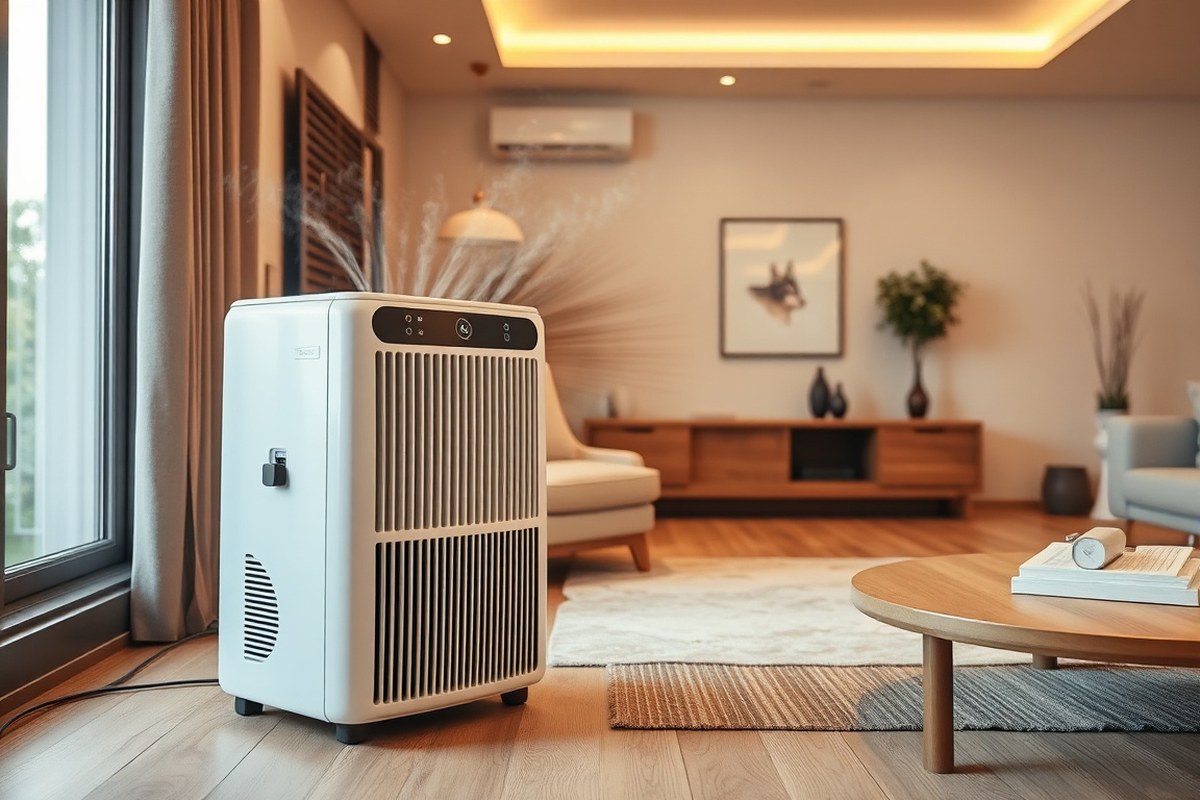
- Use a dehumidifier if humidity stays above 50%. Choose one sized for your room or basement. Running it at 45-50% relative humidity is a good target for comfort and preventing mold. Prices range from $150 to $300 for most home units.
2. What Are Ideal Indoor Humidity Levels and Why They Matter

Indoor humidity should stay between 30% and 50% for the best balance. The EPA recommends this range to keep your home comfortable. This is especially true when outdoor temperatures stay above freezing.
It also helps keep your home healthy. During warmer months, humidity near 50% feels cooler.
It can also reduce your energy bills. This happens by lowering air conditioner use.
Humidity above 60% quickly creates problems. You might notice your home feels hotter than it really is. You may sweat more.
High humidity encourages mold, dust mites, and mildew, which worsen allergies and asthma. These allergens trigger respiratory issues and can make breathing difficult for sensitive people.
High humidity also damages your home. It leads to damp spots and condensation on walls or windows. Over time, these wet areas can cause peeling paint and black mold growth.
Mold ruins wood and drywall and brings musty smells. Act fast to keep humidity in the safe range.
This protects your home’s structure. Don’t let it get too high or low.
Use a $10 hygrometer to check indoor humidity instead of guessing. Keep it in the main living space to track levels day and night. See regular humidity readings above 50%?
Start by controlling moisture sources. Improve ventilation to lower humidity levels. Keeping humidity under 50% stops dust mites and bacteria from growing.
It also helps your home feel fresh. This is good for your health.
Humidity affects your heating and cooling costs. High moisture makes air conditioners work harder since moist air feels warmer. This inefficiency raises your energy bills.
Managing humidity around 40% to 50% keeps your system running well. It saves money on cooling electric bills. This balance is easier on your equipment.
Don’t ignore indoor humidity above 60%. Mold growth can start within 24 to 48 hours.
3. How to Identify and Fix Major Sources of Indoor Humidity
Checking for Leaks and Roof Issues
Leaks from pipes, roofs, and windows add moisture to your home’s air. Check all indoor plumbing for dripping or pooling water, especially under sinks and behind appliances. Fix leaks immediately to prevent more humidity inside.
Inspect your roof for missing shingles or damaged flashing. Water can seep in during rain and raise indoor moisture. Also, make sure gutters and downspouts aren’t clogged or broken.
Improving Exterior Drainage and Grading
Poor drainage near your foundation allows water to pool and soak into the ground. This moisture then moves through the foundation walls into your home. Clear gutters often.
Make sure downspouts send water 5 feet away. This helps stop water from pooling near your house.
Check how the soil slopes around your home. The ground should slope away from the foundation. Slope at least 6 inches over 10 feet.
This helps water drain away properly. Fix any areas where soil slopes toward the building to keep water away.
- Clear leaves and debris from gutters every spring and fall
- Extend downspouts with splash blocks or pipe extensions
- Regrade soil if it slopes toward your foundation
- Install French drains if needed for heavy water problems
- Seal cracks in the foundation to prevent water entry
These steps reduce water near your home and lower humidity by stopping moisture entry. Costs vary; regrading can be a few hundred dollars while drains cost more.
Crawl Space Encapsulation and Ventilation
Damp crawl spaces release moisture vapor that raises indoor humidity. This often happens in vented dirt-floor crawl spaces. The ground constantly evaporates water, and foundation vents pull that humid air inside.
Sealing your crawl space with a heavy plastic vapor barrier blocks most moisture. Combine it with sealing vents and using a crawl space dehumidifier for the best results. This method can cost $1,500 to $10,000 depending on size and work needed.
Without encapsulation, crawl space moisture may cause mold and musty smells. A dry, sealed crawl space helps protect your home and lowers overall humidity.
Sealing Windows, Doors, and Duct Leaks
Check windows and doors for gaps or cracked seals where moist air can enter. Use weatherstripping or caulk to block leaks, especially in older homes. These spots often let outdoor humidity inside.
Inspect dryer vents and ducts for disconnections or crushes. A broken dryer duct can dump moist air into your home instead of outside. Make sure ducts run outdoors and have working flaps to vent moisture correctly.
- Look for cracked or dried-out caulking around doors and windows
- Install weatherstripping on door frames and window sashes
- Check dryer vents for blockages and secure connections
- Seal gaps around plumbing penetrations with foam sealant
- Test for drafts by holding a lit candle near windows or doors
Fixing these leaks keeps humid outdoor air out and dry indoor air in. It costs little but can make a big difference in your home’s comfort.
4. Using Ventilation and Exhaust Fans to Control Humidity
Mechanical ventilation and exhaust fans remove moisture from your home during activities like cooking and showering. They pull humid air outside before it settles on walls or furniture. Running these fans properly helps stop humidity from building up and causing damage.
Timing and Duration for Exhaust Fans
Turn on your bathroom exhaust fan before starting a shower to catch rising steam right away. Keep the fan on during the shower.
Leave it running 15 to 20 minutes after. This helps clear leftover moisture that can soak drywall or paint.
Turn on kitchen exhaust fans as soon as you start cooking. Use it when boiling water too.
Keep them running at least five minutes after cooking, especially if you use boiling or frying. This moves humid air outside quickly and prevents moisture from lingering.
Managing Ventilation When It’s Humid Outside
High outdoor humidity makes airing out the house tricky. Opening windows can bring in moist air, which may raise indoor humidity. Turn on exhaust fans without opening windows.
This moves humid air outside. It avoids adding more moisture.
You need fresh air during humid weather. Open windows briefly and only one room at a time. Ceiling and floor fans help move air inside.
They don’t pull in too much moist air outdoors. This way, you control humidity better without feeling stuffy.
Using Whole-Home Mechanical Ventilation Systems
Some homes use whole-house ventilation systems to manage indoor air quality and humidity. These systems bring fresh air inside.
They push out humid air from kitchens and bathrooms. They run continuously or on a schedule to keep humidity balanced.
Installing these systems costs $1,000 to $3,000 or more depending on size and features. They work well in tightly sealed homes where natural airflow is limited.
Ask a licensed HVAC pro to see if your home benefits. They handle safe installation too.
Use exhaust and ventilation fans step-by-step. Run them during and after moisture activities.
- Turn on the bathroom fan before starting your shower.
- Keep the fan running throughout the shower time.
- Leave the bathroom fan on for 15 to 20 minutes after showering.
- Start the kitchen exhaust fan as soon as you begin cooking.
- Use the kitchen fan for at least five minutes after cooking.
- Avoid opening windows during high outdoor humidity; rely on fans.
- You need fresh air? Open windows briefly. Open only one window at a time.
- Consider adding whole-house ventilation if your home traps moisture.
5. When and How to Use Dehumidifiers for Maximum Effect
Start by measuring your home’s humidity with a hygrometer. This small gadget shows you exact moisture levels and helps track improvement. Dehumidifiers draw in air and remove excess moisture, lowering humidity effectively and stopping mold growth.
Pick a dehumidifier sized to your room. For spaces up to 1,500 square feet, look for a unit designed for that range. A 30- to 35-pint model often suits average living rooms or basements well.
Larger areas or very damp rooms need bigger units or multiple devices. Run the dehumidifier continuously until the hygrometer reads between 40% and 60%.
Expect to see humidity drop 10 to 20 points within a few hours under normal conditions. It may take a few days to hold those lower levels, depending on moisture sources. If humidity stays above 50% after drying, try a bigger dehumidifier or extra ventilation to help hold it near 45% to 50%.
| Dehumidifier Size | Area Covered (sq. Ft.) | Typical Moisture Removal |
|---|---|---|
| Small | Up to 300 | 10-20 pints/day |
| Medium | 300 to 1,000 | 20-30 pints/day |
| Large | 1,000 to 1,500 | 30-35 pints/day |
| Extra Large | Above 1,500 | 35+ pints/day or multiple units |
Check and clean your dehumidifier filter every 2 to 3 months as dirt builds up quickly. A clogged filter reduces performance and can encourage mold inside the unit. Follow manufacturer directions on wiping down coils and emptying water parts for best results.
Using the right size dehumidifier and keeping filters clean makes moisture removal all day effective. A well-maintained unit running steadily helps keep your home comfortable and mold-free during humid weather.
Check your dehumidifier’s filter monthly at first. Early cleaning prevents smells and keeps the device efficient.
6. How Air Conditioning Helps Reduce Humidity Inside
Your air conditioner can help reduce indoor humidity but does not remove moisture by itself. AC units cool air by removing heat, which also condenses water vapor on the coils. This helps lower humidity, especially on hot summer days.
Running the AC fan continuously helps circulate air and feel cooler. But it won’t dry out your house without proper moisture removal. Proper system sizing is key.
An oversized AC unit cools your home quickly. But it stops before removing enough moisture. This leaves the air feeling damp and uncomfortable.
Leaky ductwork causes humid outdoor air to enter your home. This adds moisture that your AC must work harder to remove.
Sealing ducts and air leaks reduces extra humidity and lowers your energy bills. It is a smart upgrade if you notice persistent dampness inside.
Regular AC maintenance keeps the system running efficiently and controls humidity better. Changing dirty filters and cleaning coils costs about $100 to $300 yearly. It helps prevent poor performance.
This small step saves you money in the long run. A clean, well-functioning AC cools and dehumidifies more effectively.
Some AC models include variable-speed fans and smart humidity sensors. These features run the system longer at low speeds to remove more moisture without overcooling. Though they cost more upfront, they improve comfort and reduce sticky air in humid climates.
Remember, the AC alone cannot fix all humidity problems. Your home needs a way for damp air to leave, like proper ventilation. Without this, moisture builds up inside, no matter how much the AC runs.
7. Daily Habits and Lifestyle Changes to Minimize Humidity
Drying clothes indoors raises humidity because wet fabric releases moisture into the air. That can add a lot of moisture to one room in just a few hours. Hang your laundry outside on a line instead of inside your home.
Use a dryer that vents outside to keep humidity in check. This prevents too much moisture from building up indoors.
Cooking and bathing also add steam, which raises moisture levels fast. Boiling water, simmering, and frying send water vapor into the air. Hot showers create the same effect with steam filling your bathroom and spreading to other rooms.
To reduce cooking and bathing humidity, run exhaust fans while using the kitchen or bathroom. Don’t have fans?
Open windows for a short time to let steam out. Cooking with lids on pots also limits steam release inside.
- Hang clothes outdoors or use a vented dryer indoors
- Run exhaust fans during cooking and showers
- Keep lids on pots when boiling or simmering
- Take shorter, cooler showers to cut steam
- Avoid drying clothes on radiators to keep heat moving
- Move plants if many, but a few don’t add much moisture
- Seal leaks and cracks to stop outside humidity coming in
Houseplants release some water vapor during transpiration, but they rarely cause big humidity problems. Moving a few plants won’t stop dampness caused by showers or cooking. Focus on reducing steam from water use instead and keep windows or fans running.
Sealing your home tightly with waterproof caulk or weather stripping blocks moisture from outside air. That helps control humidity indoors better. Keeping your room temperature steady helps control moisture levels.
Avoid making rooms too hot to reduce condensation. This keeps the air from getting too damp.
8. Seasonal Strategies for Maintaining Optimal Indoor Humidity
Indoor humidity targets should change with the seasons to keep your home comfortable and mold-free. In winter, keep humidity between 30% and 40% to prevent condensation on cold windows and walls.
Excess moisture in winter leads to mold growth. So controlling humidity helps avoid that problem.
Use your HVAC system or a humidifier carefully in winter. Running a humidifier too high can cause damp spots and condensation.
Ventilation matters, too. Opening windows briefly helps exchange moist indoor air for drier outside air on cold days.
During summer, aim for 40% to 60% humidity to avoid discomfort and mold risks. High humidity feels sticky and worsens allergies.
Use air conditioning or whole-house dehumidifiers to control moisture. These systems remove excess water vapor efficiently and keep rooms cooler.
Fans and ventilation also help in summer by moving humid air outside. Exhaust fans in kitchens and bathrooms must run during and after cooking or showering. Keep windows closed on rainy or humid days to stop moist air from entering your home.
Check for leaks and cracks year-round, since even small gaps allow moist air inside. Seal them with weatherstripping or caulk to reduce humidity problems. A well-maintained HVAC unit sized for your home is a big help across all seasons.
Never let indoor humidity rise above 60% to prevent mold and dust mite growth.
9. Common Humidity Control Mistakes and When to Call a Professional
Many homeowners try quick fixes or overlook deeper issues with humidity. Doing wrong projects adds expense and stops real improvement. It’s best to spot common mistakes and know when experts must step in.
Overusing DIY Methods Like Rice or Charcoal
Some people put bowls of rice or charcoal to absorb moisture. These tricks work in very small spaces only, like closets or cabinets. Using them in large rooms won’t lower humidity enough.
Other DIY fixes, like running fans constantly, can backfire. Fans move air but don’t remove moisture, so humidity stays high. Relying on these short-term hacks wastes effort and money.
Ignoring Structural or Mechanical Issues
Leaks in pipes or roof cause hidden water that raises indoor humidity. Poor insulation lets moist air seep in and cool surfaces form condensation. Skipping repairs lets mold and wood rot start growing.
HVAC systems that are too big don’t remove enough humidity. Downsizing or upgrading to a system with a humidistat can help a lot. Whole-house dehumidifiers are another option to protect your home’s structure.
Signs It’s Time to Call an HVAC or Home Moisture Expert
Keep an eye out for these red flags that need professional help:
- Condensation regularly forms on windows or walls
- Musty smells appear or mold growth shows up
- Humidity stays above 60% despite your efforts
- Water stains or soft spots on walls, ceilings, or floors
- Wear or malfunction of your HVAC or dehumidifier
- Hidden leaks you can’t find or fix yourself
Professionals can test for moisture and suggest targeted repairs. Getting an expert avoids wasting money on wrong tools or temporary actions. Custom solutions save time and stop damage from spreading.
Step-by-Step Action Plan to Reduce Indoor Humidity
Follow these steps to cut down humidity in your home quickly. Check results as you go to stay on track.
- Day 1: Start by fixing leaks or standing water around your house. Dry spots quickly and check for any new dampness after 24 hours.
- Day 2: Turn on all exhaust fans in bathrooms and kitchens while using them. Notice if the moist, stuffy smell decreases after use.
- Week 1: Set up a dehumidifier in the most humid room. Track the humidity level daily, aiming for 30, 50% on a hygrometer.
- Week 2: Use your air conditioner regularly when it’s warm. Feel if the air feels less sticky and more comfortable indoors.
- Week 3: Open windows briefly during dry weather to air out your home. Ask yourself if the rooms smell fresher afterward.
- Week 4: Reduce moisture from daily activities. Dry clothes outside or use a vented dryer. Watch for less condensation on windows.
- After 1 month: Take note of any mold or musty smells. If they persist, consider calling a professional for a detailed check.
Frequently Asked Questions
What Household Materials Can Help Absorb Excess Moisture Quickly?
Silica gel packets, activated charcoal, and baking soda absorb moisture well. Place these in damp areas to catch humidity fast and reduce musty smells.
Does Sealing Basement Walls Prevent Dampness and Humidity Effectively?
Yes, sealing basement walls blocks moisture from seeping through cracks or porous surfaces. This keeps humidity down and stops mold growth near floors and walls.
Can Hanging Wet Clothes Indoors Increase House Humidity Dramatically?
Yes, drying wet clothes inside adds lots of moisture to the air. Use a dryer vented to the outdoors.
Hang clothes in a well-ventilated room. Choose a spot near a window or fan.
Are Humidifiers Bad for Indoor Humidity Control During Winter?
Yes, humidifiers add moisture and can raise indoor humidity above 50%. Use them carefully in winter to avoid condensation on windows and mold risks.
Is Using a Range Hood Better Than a Window Fan During Cooking?
Range hoods vent steam and odors directly outside, making them more effective. Window fans can help but may not remove as much moisture efficiently.
How Often Should You Clean or Replace HVAC Filters to Control Humidity?
Clean or replace the filters every 1 to 3 months for optimal airflow. Good air circulation helps your system reduce humidity and prevent mold buildup.
The Bottom Line
Controlling humidity protects your home and boosts your comfort. Start with simple fixes, and build good habits. Take your first step today by checking for leaks or leaks and drying wet areas fast.