How Often to Water Petunias in Hanging Baskets: A Complete Guide for Healthy Blooms
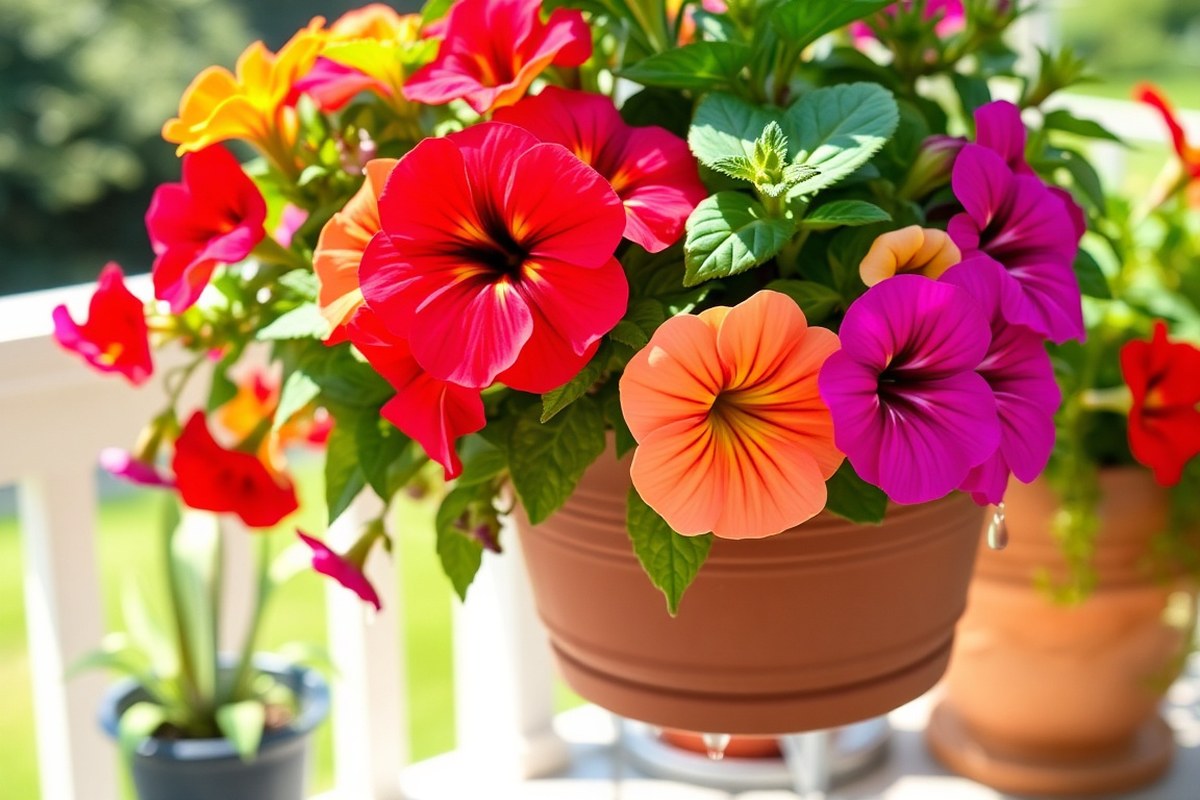
How often to water petunias in hanging baskets depends on the weather and soil moisture. Usually, watering every two to three days works well in moderate weather. Check the soil and adjust the schedule if it feels dry sooner or later.
Water petunias until the top six to eight inches of soil are moist. This depth ensures roots get enough water without staying soggy. Start by feeling the soil one to two inches deep to decide if watering is needed.
In hot weather above 90°F, you may need to water daily or even twice a day. Petunias in small baskets dry out faster, so watch for quick moisture loss. Always use well-draining potting mix to keep roots healthy and avoid waterlogging.
Key Takeaways
- Water petunias every 2 to 3 days in mild weather to keep soil moist.
- Check soil moisture 1 to 2 inches deep before watering your hanging basket.
- Water deeply until the top 6 to 8 inches of soil feel damp.
- Increase watering frequency to once or twice daily in hot weather over 90°F.
- Use a rich, well-draining potting mix for healthy petunias in baskets.
- Smaller baskets dry out faster, so check soil moisture more often.
How Often to Water Petunias in Hanging Baskets

Petunias in hanging baskets usually need watering once a day in warm weather. On hot days above 85°F, they might need water twice daily to keep soil moist.
Cooler temperatures slow evaporation. So watering every 2 to 4 days may be enough then.
Knowing your local temperature and sun exposure helps decide how often to water your petunias. Check soil moisture by feeling the top inch; only water when dry.
Overwatering can hurt roots and cause fewer flowers. So don’t just follow a strict daily schedule.
| Condition (approx.) | Typical Watering Frequency |
|---|---|
| > 85 °F with full sun (6+ hrs) | Water when top inch is dry; may water twice a day |
| Petunias prefer temperatures between 75 and 85 °F and need 3 to 5 hours of partial shade each day. | Water once daily when top inch feels dry |
| 60, 75 °F with full sun | Water every 2, 3 days; check soil before watering |
| < 60 °F (any exposure) | Water every 3, 4 days; reduce if humidity is high |
Daily decisions to water petunias are quick if you feel the soil first. Use this checklist:
- Touch the soil’s top inch.
- Water the basket thoroughly when the soil feels dry to the touch.
- Wait another day before examining moisture levels again if the soil still feels damp.
This method fits the plant’s actual need and prevents water stress. Hot, sunny days usually mean watering once or twice a day. During cool or cloudy weather, your petunias can wait two or more days between waterings.
How to Check Soil Moisture Before Watering

Check the soil moisture before watering petunias to avoid overwatering or drying out. The top one or two inches of soil should feel dry. This shows your plants need water.
Check this regularly to avoid overwatering. Using your finger or a moisture meter makes this quick and easy.
Using Finger Tests to Check Soil
Push your finger 1 to 2 inches into the soil. See if the soil feels dry or moist. This helps you decide when to water.
Dry soil at this depth means it’s time to water your petunias. Wet or cool soil means the plants still have enough moisture.
Follow these steps to check soil moisture by feel:
- Remove the basket from direct sun and hold it steady.
- Insert your index finger about 1 inch deep into the soil.
- Feel for moisture: light and crumbly means dry; cool and sticky means wet.
- Check several spots for even soil moisture.
- Plan to water your petunias soon when the soil is dry.
- Wait a day or two before checking again if the soil feels moist.
Finger testing is best done daily during hot weather to catch drying early.
Interpreting Moisture Meter Readings
Moisture meters can show how wet or dry your soil is without guessing. Push the probe about 2 inches into the soil for a good reading.
This depth shows the moisture level inside the root zone. Look for a reading below 40 percent to decide it’s time to water.
Digital meters cost about $10 to $30 online or in garden centers and last for years. Don’t push the probe too deep into the soil.
Avoid leaving it in too long. This prevents damage and wrong moisture readings.
Here’s how to use a moisture meter properly:
- Insert the probe gently 1 to 2 inches into the soil near petunia roots.
- Wait a few seconds for the meter to show the moisture percentage.
- Compare the number to dry (<40%), moist (40-70%), or wet (>70%) ranges.
- Water your plants only if the soil is dry under 40% moisture.
- Clean the probe after use to avoid soil buildup.
Read the meter at several points because soil moisture can vary even within one basket.
Visual Plant Signs to Confirm Water Needs
You can also watch your petunia plant for clues about water. Wilting leaves, drooping stems, or dull leaf color often point to dry soil. But shiny wet leaves or soft stems can mean overwatering.
Check the weight of hanging baskets to help confirm soil moisture. Dry soil feels light, while moist soil makes the basket heavier. Lift the basket before and after watering to learn the difference.
Factors That Influence How Often Petunias Need Water
How often you water petunias in hanging baskets depends on several factors. Sunlight, wind, humidity, petunia type, and pot size all change how fast the soil dries. Knowing these helps you avoid watering too much or too little.
Impact of Sunlight and Temperature
Petunias in full sun need water more often because heat speeds up soil drying. Hanging baskets with at least 6 hours of direct sun dry fast.
They can dry out in just one day. Cooler temperatures slow evaporation and reduce watering frequency.
Hot days above 85°F (29°C) make petunias thirsty quickly. You might water daily if your basket is small or the soil mix is well-draining. Keep an eye on the soil moisture to match the temperature and sun levels.
Effect of Wind and Humidity
Wind increases water loss by drying out the soil and leaves faster. Hanging baskets in breezy spots need water more often than sheltered ones. Low humidity also speeds evaporation, making soil dry quicker.
The air feels dry. You’ll probably need to water daily or every other day.
On humid, calm days, watering can slow to every two or three days. Watch for droopy leaves which show the plants need water sooner.
Variety Differences: Milliflora vs Grandiflora
Grandiflora petunias have larger blooms and leaf surface, which lose water faster. They usually need daily watering in hot weather and smaller pots. Milliflora varieties have smaller leaves and tolerate drier soil a bit better.
Choose Milliflora for less frequent watering or if you can’t water daily. Grandiflora flowers look big but don’t hold moisture as well. Knowing your variety helps avoid underwatering or root rot from overwatering.
Pot Size and Soil Volume Considerations
Smaller pots hold less soil and dry out faster, requiring more frequent watering. Large hanging baskets contain more soil that can retain moisture longer. Adjust your watering schedule accordingly.
A 10-inch basket dries in one day under strong sun. A 14-inch basket lasts about two days.
Adding water-retentive soil mixes helps keep moisture longer. Always check moisture before watering to avoid mistakes.
Table: How Different Factors Affect Petunia Watering Frequency
| Factor | Effect on Watering | Typical Frequency |
|---|---|---|
| Full sun (6+ hours) | Speeds soil drying | Daily to every 2 days |
| High temperature (above 85°F) | Increases water needs | Daily |
| Windy location | Raises evaporation | Daily or every 2 days |
| Low humidity | Faster soil dry out | Daily or every 2 days |
| Grandiflora variety | Larger leaves, needs more water | Daily in hot weather |
| Milliflora variety | Tolerates drier soil | Every 2 to 3 days |
| Small pot (10-inch diameter) | Less soil, dries fast | Daily to every 2 days |
| Large pot (14-inch diameter) | More soil, retains moisture | Every 2 to 3 days |
Look at your basket’s size, location, and petunia type to pick the right watering plan. A grandiflora in a small pot under sun and wind needs daily water most summer days. A milliflora in a large basket and partial shade might only need water every few days.
How Much Water to Apply Each Time
Petunias need enough water to moisten their roots thoroughly without drowning them. Too little water leaves roots dry.
Too much causes soggy soil and root rot. You want the soil moist but not soaked.
Water until the root zone gets wet through, avoiding heavy runoff. Hanging baskets vary in size. A good rule is to use about 1 cup of water.
Use 1 cup (8 ounces) per 4 inches of basket diameter. Water this amount each time you water your petunias. This volume wets the root ball without wasting water or flushing nutrients away.
Use these steps to apply the right amount of water:
- Place your watering can or hose nozzle at the soil surface.
- Slowly pour water to wet the soil evenly around the roots.
- Apply about 1 cup of water per 4-inch diameter of the basket.
- Pause a moment to let water soak in before adding more.
- Stop adding water when you see a few drops arriving at drainage holes.
- Check for any dry spots and water those areas lightly if needed.
- Wait 10 minutes and check the basket’s weight to sense moisture.
- Adjust volume next time based on how fast the soil dries out.
Stopping when droplets appear means roots are fully moistened without waterlogging soil. Water too fast or too much, and water runs out before roots absorb it. That wastes water and nutrients.
Remember that root-bound petunias use water faster. They may need more frequent watering or slightly higher volume. Watch leaves and soil closely to keep moisture in the right range.
Watering Techniques for Hanging Baskets
Watering petunias in hanging baskets is best when water reaches roots. Avoid just wetting the leaves. The roots need water to grow strong.
Avoid watering from overhead because wet leaves can lead to fungal problems and root rot. Bottom watering or drip irrigation helps keep soil moist without soaking leaves.
Drip irrigation suits hanging baskets well. It delivers water slowly, reducing waste and preventing soil from drying out unevenly. You can buy small drip kits for under $20 at garden stores.
Attach the tubing near the basket’s rim. Set a timer for 10 to 15 minutes daily. Adjust watering based on the weather conditions.
Self-watering containers use a reservoir below the soil to supply moisture as the plant needs it. They save time and reduce over- or underwatering risks. Place a water reservoir below your hanging basket.
Or buy baskets with built-in reservoirs. These help keep water handy for roots. Fill the reservoir and check weekly.
| Watering Method | Pros | Cons |
|---|---|---|
| Overhead watering | Easy and quick | Leaves stay wet, causes root rot risk |
| Bottom watering | Water goes directly to roots, less leaf wetting | Needs set-up time, may overwater if not careful |
| Drip irrigation | Efficient, controlled flow, prevents soil drying | Initial cost, installation needed |
| Self-watering pots | Consistent moisture, less daily effort | More expensive, must monitor reservoir |
Bottom watering works well for petunias. You may need a tray under your basket. The tray holds water for the soil to soak up.
Let soil soak water for 15 to 30 minutes. Then drain excess water to avoid soggy roots. Too much water can harm your petunias.
With drip irrigation, set the water flow slow enough to avoid puddling on the soil surface. Timers help control watering frequency without guesswork.
When using self-watering pots, watch for algae growth in the reservoir, which can clog water passage. Change or clean the water every few weeks. Self-watering systems suit busy gardeners or spots with hot, dry weather that dries soil fast.
Never let water sit on top of the soil or soak leaves. It invites root rot.
Recognizing Signs of Overwatering and Underwatering
Overwatering petunias in hanging baskets often shows up as yellowing leaves and soggy soil. The roots can start to rot. This makes the plant droop a lot.
It happens even when the soil feels wet. You might see fewer flowers.
The stems may become soft and limp. This shows the plant is drowning from too much water.
Underwatering looks different. Leaves turn dry, brown, or crispy, especially on the edges.
The whole plant may wilt and feel light if you gently lift the basket. Dry soil that pulls from the pot’s sides shows watering is too low.
Here are some typical signs to watch for:
- Yellow or wilting leaves with wet soil, overwatering
- Brown, dry leaf edges and drooping with dry soil, underwatering
- Foul smell from soil or root rot, overwatering
- Slow growth and few blooms, can be from both issues
- Crispy, brittle stems or leaves, underwatering
- Consistently moist but well-drained soil, healthy balance
Adjust your watering schedule when these signs show up. Stop watering if soil stays soggy too long.
Let the soil dry out for a couple of days before watering again. Give the basket a good soak until water comes out the bottom.
Fix overwatering by improving drainage or moving the basket to a less shaded spot. For underwatering, increase watering frequency and check soil daily.
Watch your petunias closely for these signs after any change. The right amount of water keeps them vibrant, blooming, and full of color.
Adjusting Watering Through Seasons and Weather Changes
Hot summers require you to water petunias more often. Use less water during cool or rainy weather. Adjust watering based on temperature changes.
Rain and humidity slow soil drying, so watering less helps prevent root rot. Adjusting your schedule keeps petunias healthy and blooming without stress.
Summer Hot Weather Watering Tips
During high temperatures, petunias dry out fast and may need watering twice a day. Morning and early evening watering help avoid water loss from heat and sun. Check soil moisture frequently to catch drying before leaves wilt.
Heatwaves push plants to lose water quickly, so increase watering amounts slightly. Watch how leaves respond: fast recovery after watering means you’re watering just right. Here’s a simple summer watering checklist to keep your petunias hydrated:
- Water petunias early morning and again late afternoon during heatwaves.
- Apply water enough to soak through soil until it drains from the basket.
- Check soil moisture by sticking your finger one inch deep daily.
- Look for wilting leaves and water immediately if they droop.
- Use a saucer to catch excess water and avoid waterlogging.
- Adjust water amounts if temperatures stay above 85°F for several days.
- Increase airflow around baskets to help leaves dry after watering.
Watering During Cool and Rainy Periods
Cool weather slows soil drying. So water petunias less often, every few days is often enough. Overwatering during these times can lead to yellow leaves or root issues.
Rainy or humid days reduce watering needs even more. Check if rain is keeping soil moist. Avoid adding water if the soil feels wet or soggy to touch.
Moisture and rainfall can vary widely, so monitor soil every two to three days. Limp or yellow leaves show overwatering or poor drainage.
Cut back on watering or remove excess water. Check soil drainage to keep petunias healthy.
Winter and Dormancy Watering Adjustments
In late fall and winter, petunias grow slower and need much less water. Soil should stay barely moist, not wet.
Only water petunias once the top inch of soil dries. Cooler months often need watering once a week or less. Let soil dry to avoid overwatering.
Too much water in dormancy can cause root rot and yellow leaves. Use smaller watering amounts and avoid watering on rainy days.
Combining Watering with Fertilizing for Optimal Growth
Fertilizing petunias in hanging baskets every two weeks keeps them healthy and blooming. Using a water-soluble fertilizer mixed with your watering schedule helps prevent nutrient loss. This method feeds petunias steadily without overwhelming their roots or washing nutrients away.
Too much water without fertilizer can weaken petunias. Overfertilizing causes salt build-up and leaf burn. Plan to feed them with each deep watering session.
But only every 10 to 14 days. This approach balances hydration with nutrition properly.
Here’s a simple step-by-step schedule to combine watering and fertilizing for your petunias:
- Check soil moisture before watering to avoid overwatering.
- Mix water-soluble fertilizer according to package instructions.
- Water your petunias deeply until water drains from the basket’s bottom.
- Apply the fertilizer solution instead of plain water every two weeks.
- On non-fertilizing days, water with plain water only, as needed.
- Flush the soil once a month with plain water to prevent salt buildup.
- Adjust frequency during hot weather when watering needs increase.
This schedule feeds petunias steadily while keeping soil moist but not soggy. It also reduces nutrient leaching.
Heavy watering often washes nutrients out fast. Small hanging baskets lose nutrients quickly this way.
Keep your water’s pH balanced to avoid nutrient problems. Your tap water may have a high pH. Use filtered water or add an acidifier.
These steps help balance water for petunias. Balanced water supports better nutrient uptake and stronger blooms.
Use fertilizer made for flowering plants. Never go over the label’s dosage. Too much fertilizer can harm petunia roots.
Step-by-Step Action Plan for Watering Petunias in Hanging Baskets
Follow these easy steps to keep your petunias happy and blooming. Check your plants regularly as you go along.
- Before planting: Pick a well-draining basket and prepare fresh potting mix. Good drainage prevents overwatering issues.
- Day 1: Water thoroughly until water drips from the basket holes. This makes sure roots are fully moist.
- Week 1: Check soil daily. Water again only when top inch of soil feels dry. This avoids waterlogging.
- Week 2: Water every 2 to 3 days if soil dries quickly. Adjust more often in hot, windy weather.
- After 2 weeks: Apply water until runoff drains. Too little means shallow roots; too much washes out nutrients.
- Monthly: Add balanced liquid fertilizer when watering. This boosts blooms and supports steady growth.
- During hot spells: Water daily in the morning or early evening. Keep soil moist but avoid sogginess.
- In cooler, cloudy weather: Water less often. Let soil dry between watering to avoid root rot.
Frequently Asked Questions
How Often Should I Water Petunias in Hanging Baskets During Hot Weather?
Water petunias daily in hot, sunny weather. Daily watering keeps their soil moist and supports continuous blooming without drying out the roots.
Can I Use a Moisture Meter to Decide When to Water My Petunias?
Yes, a moisture meter helps gauge the soil moisture precisely. It stops guesswork when watering your petunias.
It shows you when the soil’s top inch feels dry. This helps avoid watering too much or too little.
What Time of Day Is Best for Watering Petunias in Hanging Baskets?
Water petunias early in the morning or late afternoon. This timing reduces evaporation and gives plants time to absorb water before heat stresses them.
Should I Mist the Leaves of Petunias in Hanging Baskets?
Misting leaves isn’t necessary and may increase disease risk. Focus on watering soil directly to keep roots healthy and avoid fungal problems.
How Can I Tell If My Hanging Basket Petunias Are Underwatered?
Wilted, dry, or crispy leaves suggest underwatering. Check soil moisture and water immediately if the top inch feels dry.
Do Petunias Need Less Water During Cooler Months in Hanging Baskets?
Yes, petunias need water every two to three days in cooler weather. Cooler temperatures reduce evaporation and soil dries out more slowly.
Key Points to Remember
Petunias need regular watering but only when soil feels dry to the touch. Use enough water to moisten deeply without soaking. Check your baskets often in warm weather.
Adjust watering as needed. Keep your petunias blooming strong.