How to Locate Buried Sprinkler Heads: 8 Proven Methods for Fast Results
Knowing how to locate buried sprinkler heads stops lawn damage and wasted water. Turn on one irrigation zone at a time.
Watch or listen for the heads that pop up. This narrows the search area and saves digging.
Sprinkler heads usually sit flush with the ground or just a few inches deep. Gentle probing works well for heads 1 to 3 inches below the surface.
Raking can help reveal them too. These surface methods are simple and effective.
For heads deeper than 6 inches, use electronic tools to avoid damage. A metal detector might find heads with metal parts but misses plastic ones.
A wire tracer tracks solenoid wires underground. This leads you right to hidden sprinklers safely and accurately.
Key Takeaways
- Turn on one irrigation zone at a time to pinpoint sprinkler locations.
- Start with gentle probing and raking for shallow heads buried 1, 3 inches deep.
- Use a wire tracer to find heads buried 6 inches or deeper reliably.
- A metal detector can find buried sprinkler heads if they contain metal parts.
- Sprinkler heads should be installed flush with the ground to avoid getting buried.
- Dig carefully to avoid damaging pipes or springs around sprinkler heads.
1. Effective Ways to Locate Buried Sprinkler Heads Quickly
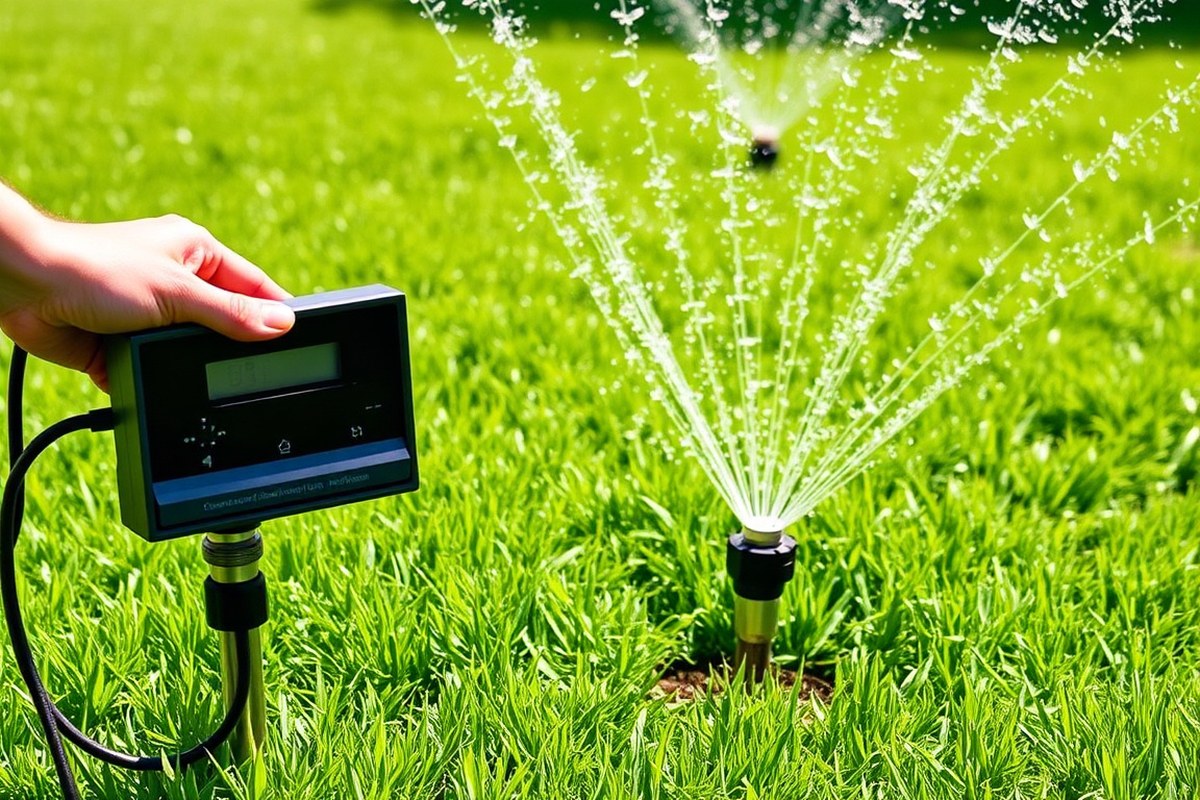
Finding buried sprinkler heads without a map is possible with a few simple methods. These approaches save time and avoid damage to your lawn. Using basic tools and some observation, you can quickly locate the heads yourself.
Start by looking for mounds or dips in the grass. Look closely where the grass looks uneven. These spots might hide sprinkler heads.
Turn on your sprinkler zone to spot any water spraying above ground. Listening for the sound of water flowing can also help pinpoint hidden heads.
- Turn on the irrigation system. Activate one zone at a time and watch for water spraying. Sprinkler heads buried under soil will still spray some water, often making a wet spot.
- Look for soggy areas or greener grass. These spots usually show where water is coming out underground. Walk around and notice any unusual wet patches or dark soil.
- Use a metal detector. Many sprinkler heads have metal parts. Use a metal detector set to shallow depth to find heads. It works well on heads buried deeper than 2 inches. This tool helps you find metal parts below ground.
- Gently poke the ground with a thin tool where soil is wet or metal is found. Use a long screwdriver or special soil probe for this. Avoid using shovels to stop damaging the irrigation pipes or heads.
- Check near control valves and water supply lines. Sprinkler heads typically run in straight lines or circles from valves. Knowing your system layout helps narrow your search area quickly.
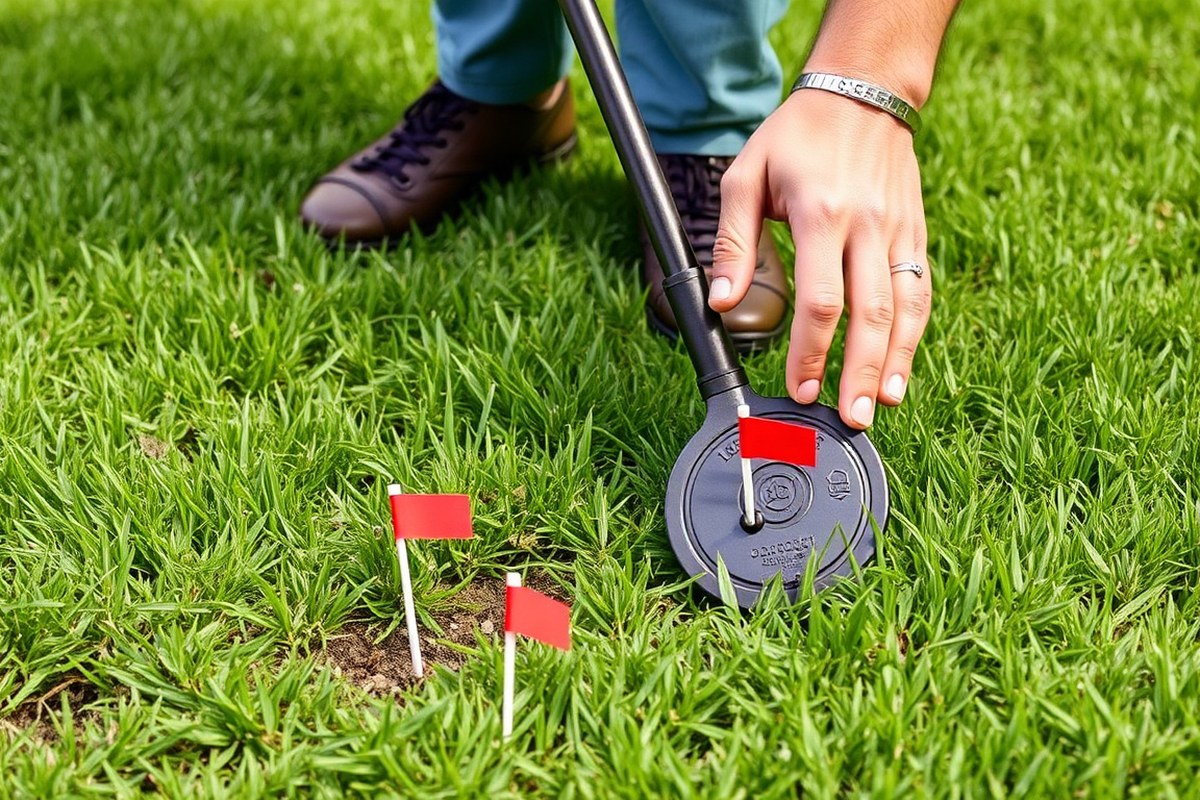
- Mark found heads immediately.Mark sprinkler head locations with flags or stakes so you don’t lose them. This is handy if you want to fix or move them later. Keeping track helps save time in the future.
- Repeat for remaining zones. Locating heads one zone at a time reduces confusion and damage risk. It also confirms which sprinkler zone each head belongs to.
You might need better tools if heads go deeper than 6 inches. It also helps if you can’t find the heads after trying these steps. More advanced equipment can find hard-to-see heads underground.
For most home lawns, these straightforward steps are effective. Avoid digging blindly, as that can break pipes or cause expensive repairs.
2. Tools and Equipment Required for Finding Hidden Sprinkler Heads

You need a few key tools to find buried sprinkler heads. A metal detector helps because most sprinkler heads have metal parts. A measuring tape, shovel, and some flags also speed up the search.
Regular metal detectors can find metal pieces inside sprinkler heads or fittings. They may not detect the plastic body itself. Often, they work better for finding valve manifolds beneath the lawn rather than each head.
Specialized sprinkler head locators or ground-penetrating radar can improve accuracy. These cost more and require practice but work well in tricky yards. You might only need them if metal detectors and probing fail.
| Tool | How It Helps | Best When |
|---|---|---|
| Metal Detector | Finds metal parts in heads or pipes | Heads with metal springs or fittings |
| Measuring Tape | Checks spacing for head layout | Heads are evenly spaced by design |
| Handheld Locator | Detects plastic or metal parts under ground | Hard-to-detect heads or deep placements |
| Shovel or Probe | Gently digs or taps to confirm nozzle location | You have narrowed the spot by other methods |
| Small Flags | Marks located sprinkler heads | Multiple heads found to map layout |
You start by running a metal detector over the lawn slowly. Focus near known valve boxes or visible sprinkler heads. Use measuring tape to check typical spacing, about 10 to 20 feet apart.
Mark suspected spots with flags. Then gently probe with a screwdriver or small shovel.
Feel for the plastic cap under the turf. Dig carefully to avoid breaking springs or pipes.
Adding small magnets beside heads before you cover them keeps them easy to find later.
3. How Sprinkler System Design Helps Pinpoint Buried Heads
Knowing how your sprinkler system is designed makes finding buried heads easier. Spacing between heads, irrigation zones, and system maps narrow down the search area. You can pinpoint spots more accurately without guesswork or digging everywhere.
Understanding Standard Head Spacing
Spray heads usually sit 6 to 10 feet apart for full coverage. Rotor heads space farther, often 15 to 30 feet, depending on spray radius. Measuring between visible heads lets you estimate where missing ones should be.
For example, two spray heads might be 8 feet apart. If you see a section without a visible head, the missing one likely sits in the middle. You can check by measuring halfway between the two heads.
Check spots at regular intervals based on head type spacing. This approach saves time instead of guessing randomly.
Tracing Valve Boxes and Pipes
Valve boxes mark irrigation zones and control multiple sprinkler heads. Locate these boxes by sight or by following underground wire paths with a metal detector. Each valve runs pipes that feed a group of heads downstream.
After finding a valve box, follow the pipes from it gently. Use a probe to trace the pipe runs along the line. Take care not to damage the pipes while probing.
Follow this line to find heads, even if some are buried. Pipes rarely change direction abruptly, helping you anticipate where hidden heads lie.
Using Your System Map Effectively
Keep your irrigation system map handy if you have one. It shows exact head locations, pipe runs, and valve boxes for each zone. Cross-reference visible heads with the map to spot missing or buried ones easily.
Start by turning on one zone and watch which heads pop up or spray. Use the map to identify the missing head’s spot between visible ones. This method reduces unnecessary digging and guides you straight to buried heads.
4. How to Safely Probe and Excavate Without Damaging Springs or Pipes
- Check for underground utilities by calling 811 or your local utility notification center.
- Locate the valve box for the sprinkler zone near where you suspect a buried head.
- Clear away surface debris and overgrown grass gently to expose slight ground bumps.
- Use a garden rake to probe with light pressure around the suspected area.
- Gently dig with a hand trowel only when probing finds soil that moves easily.
- Stop digging immediately if you hear or feel a hard object to avoid pipe damage.
- Brush soil away carefully to reveal the sprinkler head without pulling or twisting it.
Damaging sprinkler pipes or heads can happen if you dig randomly or too forcefully. Pipes usually lie close to the lawn surface.
You can break them with a shovel quite easily. Breaking a pipe means water leaks or the whole zone stops working.
Start digging only after finding clear signs of the buried head or pipe route. A valve box shows where pipes go underground, so work outwards from there. Probing with a garden rake helps feel where soil is loose without hitting pipes hard.
Digging slowly with hand tools prevents sudden hits on underground parts. Avoid heavy tools or mechanical digging, which can harm pipes or the sprinkler mechanism.
Keep track of soil removed. So you can fill it back in without harming the lawn.
Taking time and care saves you from costly repairs and wasted water. Expect the process to take about 15 to 30 minutes around each suspected head. You’ll know you’re done when the sprinkler head is visible and can rise freely during watering.
5. Advanced Detection Methods for Deep or Invisible Sprinkler Heads
Sprinkler heads buried 6 inches or more are hard to find. Visual checks and shallow probing often won’t work. You need deeper methods for detection.
You’ll want advanced tools such as wire tracers, ground penetrating radar, or specialized sprinkler locators. These tools help you find buried heads without risking damage or excessive digging.
Using Wire Tracers to Follow Solenoid Wires
Wire tracers pick up electrical signals in the solenoid wires that run to each sprinkler head. You connect the tracer to control wires of the irrigation system. Then, sweep the ground above to follow the buried wires.
This tracks the path beneath the soil. This method works well for heads buried deeper than 6 inches or hidden under thick soil.
Since the wires lead directly to each valve and head, the tracer reveals their location precisely. Wire tracers are especially useful when the heads use plastic parts, which metal detectors can miss. Professional irrigation technicians often use them to locate heads in less than an hour.
Always turn off the irrigation system before using a wire tracer to prevent false signals.
Ground Penetrating Radar Options
Ground penetrating radar sends radar pulses deep into the soil. It spots buried objects based on differences in density. This helps locate hidden sprinkler heads.
It can spot plastic sprinkler heads, PVC pipes, and other non-metal parts invisible to metal detectors. GPR works best for deep or “invisible” heads below 6 inches.
This method requires renting specialized equipment or hiring a professional. It scans a larger area quickly and helps map buried lines for better planning.
However, soil types like heavy clay can reduce radar effectiveness. So results vary by yard conditions.
Dry, sandy soil improves GPR accuracy. Wet or clay soils can cause false readings.
Renting or Buying Sprinkler Head Locators
Specialized sprinkler head locators combine metal detection with electrical capacitance sensing to find buried heads. These handheld tools cost between $100 and $500 to rent or buy. They detect metal parts and respond to plastic components by sensing small electrical changes.
Such locators require some practice to interpret signals correctly. Wave the device slowly over the target area on the ground. The tool signals when it finds a hidden sprinkler head.
Mark these spots clearly. This approach helps avoid expensive soil damage from blind digging.
Try your locator on a visible sprinkler head first. This helps you learn the signals it gives out. Knowing the signals avoids mistakes later.
6. Recognizing Signs That Sprinkler Heads Are Buried or Malfunctioning
Sprinkler heads can sink below ground or get stuck. This often makes parts of your lawn look different. You might notice uneven spots or bare patches.
You may see dry patches where the water doesn’t reach well. Some spots might be soaking wet or have puddles.
This shows water leaks or heads stuck open. You could see pools of water after watering.
Watching the sprinkler system run helps find these issues. Check if all heads pop up fully and spray water evenly. Missing or weak sprays hint at buried or clogged heads.
Uneven watering wastes water and leaves your lawn uneven. So spotting these signs early helps you fix problems efficiently.
Look around your lawn for these common clues your sprinkler heads are buried or malfunctioning:
- Dry spots that don’t green up after watering
- Overly soggy or puddled patches indicating leaks or stuck heads
- Grass growing unevenly, with some areas taller or lusher than others
- Slight dips or raised areas in the ground covering a buried sprinkler
- Sprinkler heads that don’t extend or retract when active
- Water spraying in the wrong direction or missing target spots
- Low water pressure or weak spray from some heads
Checking these signs costs no more than your time and careful observation. Turn on your irrigation and watch closely.
Worry mostly about spots that get too dry or too wet. Those mean some heads aren’t popping up or spraying right.
Also, feel the soil after watering. Damp soil beyond the usual depth suggests leaks underground.
Dry, cracked soil in the zone points to poor coverage from buried or stuck heads. Noticing these signs early can prevent bigger lawn problems and save water.
7. Documenting and Marking Located Sprinkler Heads Effectively
Marking each located sprinkler head and measuring its position helps you avoid confusion later. Clear marks and recorded distances make future repairs or adjustments much easier. Use durable markers, take exact measurements, and keep a detailed map for your reference.
Choosing Markers and Flags
Pick markers that stand out but won’t damage your lawn. Plastic flags, small stakes, or coloured spray paint work well outdoors. Make sure they won’t fade or blow away after several weeks.
Spray paint shows the exact spot on grass or soil without digging holes. Flags or stakes work better if you want something visible above ground for a longer time. Avoid metal nails or sharp objects that can hurt mower blades or feet.
Measuring Distances Between Heads
Use a tape measure or 50-foot reel tape to gauge distances between sprinkler heads. Measure from fixed points like corners of your house, sidewalks, or known landmarks. Note these distances in feet and inches for accuracy.
Mark each sprinkler head’s offset from two reference points to plot their position on your map. This method helps you locate heads precisely even if markers get lost. Double-check your measurements right after marking.
Recording Data for Your Irrigation Map
Keep track of the positions using a notebook or a smartphone app with map features. Write down the zone number and distance from your reference points.
Also, note the marker’s condition. This detailed record will save time during maintenance or repairs.
Take photos of marked spots for extra proof of location. Add these pictures to your digital records or print them to store with your notes. Back up your data regularly to avoid losing it during updates.
Follow these steps to document and mark your sprinkler heads effectively:
- Locate a buried sprinkler head carefully and expose the top.
- Choose a suitable marker like a plastic flag or spray paint.
- Place the marker exactly over or next to the head without covering it.
- Measure the distance from two fixed landmarks to the sprinkler head.
- Write down the sprinkler zone, measurement details, and type of marker.
- Take a close-up photo for visual reference.
- Repeat for all sprinkler heads in the lawn.
- Compile all measurements and photos into a notebook or app.
8. Preventing Sprinkler Heads from Becoming Buried in the Future
Regular maintenance prevents sprinkler heads from sinking under soil or grass. Trim plants and grass nearby to keep heads fully visible and clear of obstruction.
Aerate compacted soil every few months, especially in high-traffic areas. So water drains properly and soil doesn’t build up around the heads.
Sprinkler head depth can change after yard work like tilling or reseeding. Adding soil also affects how deep they sit. Check heads after any major lawn changes.
After such projects, check if sprinkler heads are still flush with the ground surface. Loosen the collar to adjust the sprinkler head’s height.
Pull the head up to the right level. Tighten the collar again to keep it secure.
Installing sprinkler heads at the right depth is key to avoiding burying. Set sprinkler heads about ¼ inch above the soil surface. This height helps stop dirt and grass from covering them.
It prevents blockages and keeps heads visible. This placement lets heads spray correctly and makes detection easier in the future.
- Trim grass and weeds near sprinkler heads once a month during the growing season
- Aerate lawn soil twice a year, spring and fall, to reduce compaction
- After landscaping, inspect and adjust sprinkler head height as needed
- Install heads with a small gap above soil to resist dirt buildup
- Mark each head location with a small stake or brightly colored cap
- Check heads seasonally for signs of sinking or clogging
Keep a simple map showing your sprinkler layout. Use it to track any changes to the system. This helps you avoid covering heads during yard work.
Professional installation usually includes setting heads with soil movement in mind. Remind your installer about correct depth and placement if you add or replace heads later. Adjusting sprinkler head height prevents them from sinking below the soil.
It helps after heavy rain or settling over time. This keeps heads easy to find and working well.
Seasonal checks also help spot early signs of buried or damaged heads. Look for uneven wet spots or dry patches in your watering zone. Fixing these issues quickly saves you from digging deeper and costly repairs.
Step-by-Step Action Plan to Locate Buried Sprinkler Heads
Follow these steps in order to find buried sprinkler heads safely and quickly. Each step helps confirm you’re on the right track.
- Before you start: Get small tools like a flat screwdriver. Bring a soil probe and a metal detector too. Confirm your tools work and are ready.
- Day 1: Walk your lawn while the sprinkler system is running. Look for wet spots or water spray to spot hidden heads.
- Day 2: Use your map or sprinkler system design to mark expected sprinkler locations. Check those spots carefully with your probe.
- Day 3: Use soft tools to gently probe soil where you marked. Look for plastic heads or pipe covers. Stop if you feel resistance.
- Day 4: Use a metal detector if heads are still missing. Focus on common head locations near lawn edges and flower beds.
- Day 5: Dig carefully around any suspect spots to expose buried heads without damaging pipes. Keep excavation small and slow.
- Day 6: Mark each uncovered sprinkler head with a visible stake or flag. Note locations on your map for future reference.
- After 1 week: Check all marked heads again during system operation. Confirm durability and adjust any heads buried by dirt.
Frequently Asked Questions
What Is the Safest Way to Mark Found Sprinkler Heads?
Use coloured flags or spray paint near heads. This helps you avoid digging there again or missing them during maintenance.
How Often Should You Check for Buried Sprinkler Heads in Your Lawn?
Check your lawn at least twice a year for buried heads. Doing it in spring and fall helps you catch problems early and keep the system efficient.
Can Heavy Lawnmowers Bury Sprinkler Heads Deeper?
Yes, heavy or large mowers can push heads deeper into the soil. Adjust mower height and clear debris to help prevent heads from getting buried further.
Are There Risks to Trying to Locate Sprinkler Heads After Dark?
Yes, working in the dark can cause injuries and damage. Use bright lights or wait for daylight to safely find buried sprinkler heads.
How Does Winter Affect Buried Sprinkler Heads?
Winter frost can cause soil to expand and shift sprinkler heads. Check and clear heads after winter to make sure they pop up properly again.
Is It Necessary to Shut Off the Water When Probing for Sprinkler Heads?
Yes, turn off your irrigation system before digging around heads. This prevents water spray and pipe damage during your search.
Wrapping Up
Your lawn’s sprinkler heads stay easy to find by spotting wet areas and using probes gently. Mark each found head right away to avoid future trouble. Start by running your sprinkler system and note any unexpected wet spots today.