How to Protect Plants from Freezing: 8 Proven Ways That Really Work
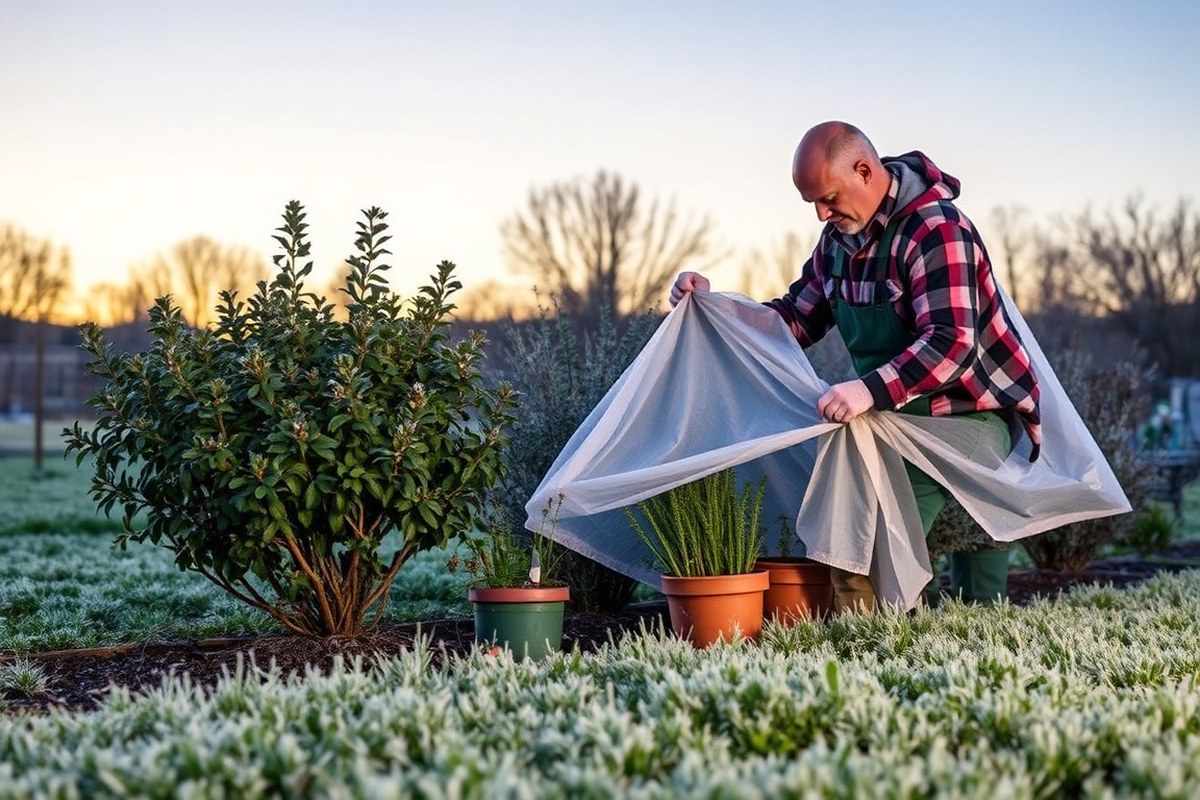
Knowing how to protect plants from freezing saves your garden each cold season. Cover plants before temperatures hit freezing to prevent frost damage. Aim to cover them once the forecast shows 32°F (0°C) at night.
Pay extra attention on clear, calm nights because frost risk increases then. Frost can form even if the air temperature reads about 38°F. Use frost blankets, cloths, or plastic to shield sensitive leaves and stems.
Cover plants in the late afternoon to trap overnight heat. Remove covers in the morning to avoid overheating. This method protects plants while allowing them to breathe.
Mulching keeps soil temperature steady and guards roots from the cold. Use 2 to 4 inches of mulch around small plants. For trees and shrubs, spread 3 to 5 inches but keep it away from stems to stop rot and pests.
Key Takeaways
- Cover plants when temperatures approach 32°F or lower, focusing on clear, calm nights.
- Expect frost even if air temperatures rise above freezing, near 38°F.
- Use frost blankets or cloth to protect plants before temperature drops overnight.
- Apply mulch 2, 4 inches deep around small plants and 3, 5 inches for larger ones.
- Keep mulch a few inches away from plant stems to avoid rot and rodents.
- Cover plants in late afternoon and uncover in the morning for best results.
1. How to Prevent Freeze Damage to Plants Effectively

Act before temperatures fall into the mid-30s to stop freeze damage. Watch weather forecasts closely and prepare your garden when nights threaten 32°F or lower. You should act early to protect plants from freezing damage.
Plants can suffer even if the air temperature is just above freezing. This happens because their surfaces lose heat through radiative cooling.
Start by moving any container plants indoors or into a protected area like a garage. For shrubs and perennials, give the soil a good watering before the freeze. Moist soil holds heat better, helping roots survive colder nights.
Put down a thick layer of organic mulch, pine straw, bark, or wood chips. This helps trap heat around the roots. It keeps plants warmer during cold nights.
- Bring potted plants inside or to a warm sheltered spot.
- Water the soil around shrubs and perennials before sunset.
- Cover tender plants with frost cloth or breathable garden fabric.
- Place covers over plants before temperatures hit the mid-30s.
- Remove covers during the day to let sunlight in and prevent overheating.
- Add 3 to 4 inches of mulch around plant bases.
- Group smaller plants together to share warmth.
Use breathable frost cloth instead of plastic to avoid trapping moisture. Plastic can freeze on plants and cause damage. Plant covers work best on calm, clear nights.
Wind cools the air and stops heat from settling near plants. You get less protection when it’s windy.
Act once temperatures start dropping toward freezing, especially before sunset. Letting soil dry out or waiting until freezing happens reduces your chance of saving plants. For seedlings, covering them with a small cold frame or cloche helps.
Shrubs closer to building walls often get natural warmth. But fragile plants away from structures need more attention.
2. Understanding Freeze and Frost: Temperature Thresholds Explained
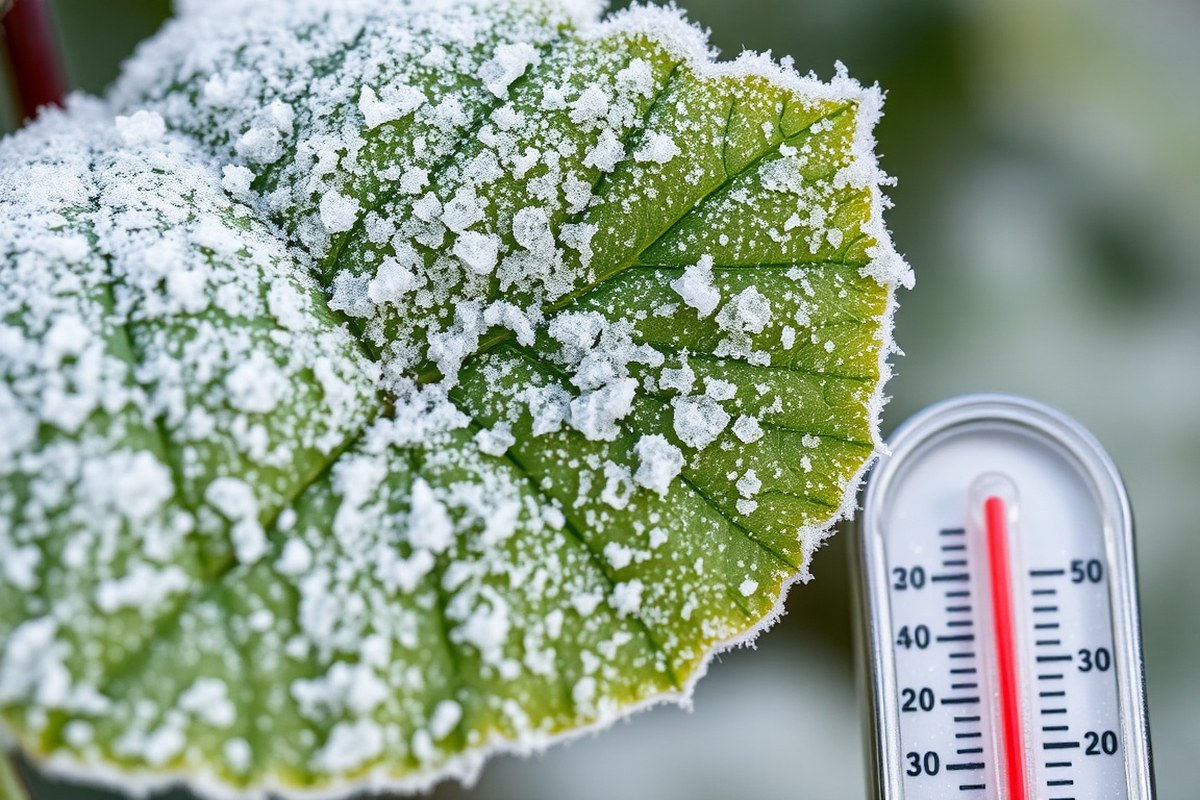
Frost and freeze sound similar, but they damage plants differently. Frost forms when moisture in the air turns into ice crystals on cold surfaces. It often occurs when temperatures dip just below 32°F, even if the air feels warmer.
Freeze happens when the air temperature falls to 32°F or below. This causes plant tissues to freeze. Cells inside the plants burst because of the cold.
Plants can handle frost better than a freeze. Leafy greens like spinach and kale handle light frost okay. They get damaged if the temperature reaches 28°F or lower.
This colder weather harms their leaves. Hard freezes happen below 28°F and cause more serious damage, killing tender and many semi-hardy plants.
The length of cold exposure matters too. A short dip to freezing can harm plants less than several hours below freezing.
The table below shows basic temperature thresholds and typical damage:
| Temperature (°F) | Effect on Plants |
|---|---|
| Above 38°F | No frost or freeze risk |
| 32°F to 38°F | Possible frost, especially on ground or plants |
| 28°F to 32°F | Light freeze, damage to tender plants |
| Below 28°F | Hard freeze, widespread plant cell damage |
Frost forms when moist air contacts surfaces below freezing. This leads to ice crystals that can cause minor cell damage. Freeze kills plants by freezing water inside cells, making them rupture.
Soil temperature also matters; soil releases some heat overnight, helping protect roots. But long freezes freeze the soil too, which can kill roots.
Water your plants in the afternoon before frost; moist soil holds heat better.
3. Choosing and Using Covers: Frost Blankets, Cloth, and Plastic
Choosing the right material and covering your plants properly helps protect them from freezing. Use frost blankets for light breathability, or plastic for extreme cold but only with care. Remove covers as temperatures rise to avoid heat buildup and let plants adjust gradually.
Types of Plant Covers
Frost blankets are lightweight fabrics that keep cold air off plants. They let moisture pass through so plants don’t stay wet. These covers help plants avoid frost damage in cool weather.
They help prevent ice damage without suffocating the foliage. Burlap offers good insulation and blocks wind but is less breathable than frost blankets.
Plastic sheeting traps heat well but can cause moisture buildup and damage if it touches foliage. Use it only over a frame or with a loose drape. Old sheets or blankets can cover plants quickly.
They don’t protect well against strong freezes, though. Use them only for mild cold snaps or quick frost.
| Cover Material | Best Use | Cost Range | Breathability |
|---|---|---|---|
| Frost Blanket | Tender plants and shrubs | $15, $30 per 10×20 ft | High |
| Burlap | Wind protection, insulation | $10, $25 per roll | Medium |
| Plastic Sheeting | Severe freeze over frames | $5, $20 per 10×10 ft | Low |
| Old Sheets/Blankets | Short-term frost defence | Free to low cost | Variable |
How to Secure Covers Properly
Cover plants completely but avoid direct contact with leaves and stems if possible. Use rocks, bricks, or stakes to hold covers down against wind. Layering a frost blanket beneath plastic can improve warmth and reduce condensation risk.
Keep air pockets under the cover for insulation. For potted plants, wrap the containers in burlap or bubble wrap before covering. Use Christmas lights under covers to add gentle heat during very cold nights.
Follow these steps to cover plants well before frost strikes:
- Check the forecast to plan covering before temperatures drop into mid-30s.
- Water plants deeply a day before; moist soil holds heat better.
- Lay mulch around bases of perennials for extra root warmth.
- Place burlap or bubble wrap around pots if covering containers.
- Drape frost blanket or chosen cover loosely over plants.
- Weigh down edges with bricks, stones, or garden staples.
- Add plastic only if creating a frame or if temperature drops below 28°F.
- Turn on incandescent Christmas lights beneath covers for extra heat, if available.
Timing for Cover Removal
Remove covers during daytime or when temperatures rise above 40°F. Opening covers lets plants breathe and prevents overheating. Avoid leaving covers on all day; trapped heat and moisture can stress plants.
After multiple freeze nights, gradually increase uncovered time. Leave covers off for a few hours midday first, then longer periods as frost risk ends. This helps plants adjust and resume normal growth without shock.
4. Watering and Mulching: Soil Moisture and Root Protection
Water your plants a day or two before a freeze hits. This keeps the soil moist but not soaked.
Moist soil holds heat better than dry soil. So it helps protect roots from freezing.
Don’t water right before the freeze. Wet soil can freeze solid and harm roots.
Water gently and evenly to soak soil at least 6 inches deep. Avoid creating puddles that can harm plant roots.
Mulching is one of the best ways to shield roots from cold. Apply 2 to 4 inches of organic mulch around your garden plants. Trees and shrubs can use 3 to 5 inches for better insulation.
Materials like straw, dried leaves, compost, or leaf mold work well for mulch. They stabilize soil temperature and stop freeze, thaw cycles from pushing roots upward. Mulch also cuts down water evaporation caused by chilly winds.
During cool autumn days, rake mulch away from the plants to let sunlight warm the soil. Once freezing weather arrives, cover the roots again with the mulch layer. You can leave this mulch in place until the cold spell ends.
Root vegetables benefit from a thick mulch layer to keep soil warmer. When the ground will stay frozen for days, dig up crops.
Store them somewhere safe from frost to protect them. This avoids damage from frozen soil that stops water reaching roots.
Keep an eye on your mulch throughout winter. It can break down or blow away. So add more if the layer thins below 2 inches.
Mulch keeps soil warm during the day by holding heat. It releases heat slowly at night to shield plants.
5. Using Heat Sources and Cold Frames to Keep Plants Warm
Using lamps or Christmas lights can raise the temperature near plants. This small heat can stop frost damage. It’s a simple way to protect your plants.
Cold frames provide a protective shelter, trapping warmth and blocking wind. These options help you keep tender plants safe when temperatures dip near freezing.
Popular Heat Sources for Plants
Outdoor heat lamps can increase temperatures by 5 to 10 degrees Fahrenheit. They work best placed near plants. This helps keep the plants warmer during cold nights.
Strings of outdoor Christmas lights produce a small steady warmth. This warmth can prevent frost from settling on plants.
They are an easy frost protection method. Water jugs heated by sunlight also slowly release warmth overnight, offering a natural heat source.
Only use heat sources designed for outdoor use to avoid fire or electric hazards. These items typically cost between $20 and $50, depending on size and power. Put heat lamps or lights close to plants but avoid touching leaves.
Direct contact can burn the plants. Keep a small distance for safety.
Building and Using Cold Frames
Cold frames act like tiny greenhouses by trapping soil heat. They shield plants from wind and frost. This creates a warmer microclimate around your plants.
You can build one using a wooden frame with clear plastic or glass on top. Warmth from the sun gets trapped during the day inside cold frames.
Heat loss slows at night, keeping temperatures 5 to 10 degrees higher. This helps plants survive cold weather.
Follow these steps to set up a cold frame:
- Choose a south-facing spot that gets plenty of sunlight.
- Build a wooden frame about 2 to 3 feet tall and wide. The frame should fit around your plants comfortably. This size offers good protection from frost.
- Cover the frame with clear glass or heavy-duty plastic, securing it tightly.
- Place rocks or bricks inside to act as thermal mass that stores heat.
- Ventilate the frame on warm days by opening the top slightly.
- Close it securely at night or when frost is expected.
- Remove the cover when outdoor temperatures stay above freezing consistently.
Cold frames let you start seedlings earlier and protect mature plants during sudden cold snaps.
Heating Safety Tips
Electrical heat sources carry fire risks if misused. Always use outdoor-rated equipment with grounded plugs and proper insulation.
Avoid placing cords where water or soil can soak them. Never leave heat lamps on unattended for long periods.
Water jugs or bricks warmed by the sun are safer but provide less heat. Check your heat source regularly for signs of overheating or damage. Place a thermometer near your plants to check the temperature.
Keep it above 32°F to avoid freeze damage. Temperature below 85°F is usually safe for growth.
Never cover electrical heat sources directly with plastic or cloth. It can cause fire hazards.
6. Preparing Plants and Garden Layout to Minimize Freeze Risk
Start hardening off your plants about two weeks before frost hits. Each day, move them outdoors in a sheltered spot for a few hours. Slowly raise their outdoor time by one or two hours each day.
1 | Keep doing this until they can stay outside all night. This routine toughens plants up for cold weather without shock.
Pick cold-hardy varieties that suit your USDA zone to lower freeze risks. For example, kale, Brussels sprouts, and broccoli handle temperatures down to about 20°F. Root crops like carrots and beets also survive well in cold. Avoid frost-tender types such as cucumbers, peppers, and squash if freezing temps are common.
Place your garden and plants strategically to reduce freeze damage. Plant taller shrubs or fence lines on the north side to block cold winds.
Use south-facing walls or slopes; they catch more sun and stay warmer. Avoid low spots where cold air settles and freezes first.
Check your garden’s layout by spotting wind direction and sun exposure. Ensure plants needing more warmth are near heat-absorbing surfaces like stone or brick.
Group tender plants close together to create a microclimate that holds heat better. These moves cut the chill around sensitive growth.
Proper preparation costs little besides time and attention. Hardening off uses natural sunlight and temperatures, requiring no equipment.
Choosing cold-hardy seeds might cost more upfront but saves plants and money later. Strategic garden placement needs planning, not spending, yet yields big freeze protection benefits.
7. When Covers Aren’t Enough: Recognizing Limits and Post-Freeze Care
Covering stops working well when temperatures fall below 28°F. At that point, frost blankets and cloths usually can’t stop freezing inside. Covers still help shield plants from blowing cold winds. But the freeze damage risk rises.
Check plants for freeze damage after cold nights. Look for blackened or dark brown leaves and stems.
Soft, mushy tissue or leaf drop also signals freezing injury. Some damage shows later, like brittle stems or no new growth in days.
A quick damage check helps decide if plants can bounce back. Gently scratch stems to see if green shows underneath.
Wood that looks brown or dry inside means the branch probably won’t survive. Leaves that dry up and fall off may drop on their own if the plant recovers.
After a freeze, remove damaged leaves and stems carefully. Use clean pruning shears to stop disease spread.
Avoid cutting too soon and harming healthy parts still recovering. Wait two weeks after the frost for clear signs of living tissue before heavy pruning.
Keep plants watered but don’t soak them for a few days after the freeze. Dry soil stresses frozen roots more.
Mulching around roots will help hold moisture and temperature steady. Avoid fertilizing until plants show new growth because feeding stressed plants may harm them.
Slow recovery is common. Plants may look dead at first yet still grow back. Watch for fresh buds or leaf shoots over the next couple weeks.
When the main plant stem died, try rooting cuttings or replace next season. Removing dead parts helps reduce pests and disease.
Use a simple survival guide: scrape stems, check for green tissue, then prune carefully. Water mildly, mulch well, and wait a few weeks before fertilizing. This approach saves many plants and cuts losses after cold snaps that covers alone can’t prevent.
8. Monitoring Weather and Frost Prediction Tools for Preventive Action
Use weather forecasts and frost dates to time your plant protection. Check these regularly during colder months to stay ready. Early warnings give you hours to prepare coverings or heaters.
Tracking Local Frost Dates
Find average frost dates for your USDA zone online. These dates show a 50 percent chance of frost, so they’re a general guide. Sites like the National Gardening Association provide frost calendars by zone and zip code.
Remember, these dates don’t account for microclimates in your garden. Low areas, spots near pavement or water freeze differently. Use local weather station data but watch your yard closely for colder spots.
Using Weather Alerts
Get frost alerts from apps like AccuWeather or NOAA Weather Radar. They predict frost based on temperature drops near your location. Sign up for push notifications or emails on your phone for easy updates.
Pay attention to forecasts showing lows near 32°F (0°C) or below overnight. These signals usually mean frost risk that morning. Morning watering before frost can help by releasing heat as it freezes.
Check weather updates late afternoon before nightfall to catch frost warnings early.
Planning Preparation Timing
Plan to protect plants in the late afternoon when frost threats appear in forecasts. Cover plants before sunset to trap warmth overnight. Remove covers once temperatures rise after sunrise to avoid heat buildup.
Create a checklist: check forecast, gather covers, prepare water or heaters. This saves time when a frost alert happens suddenly. Preparation well before the freeze reduces plant stress and damage.
For winter growers, adjust timing depending on how cold it gets. Below 28°F (-2°C), consider adding heat sources like bulbs or cold frames.
If frost is marginal, covers alone might do. Track results to refine your timing next season.
Step-by-Step Action Plan to Protect Plants from Freezing
Start protecting your plants today with clear steps. Follow this plan and check for results as you go.
- Before the frost hits: Cover sensitive plants with frost blankets or cloth. Check if leaves look intact next morning.
- Day 1: Water the soil around plants thoroughly but avoid soaking. Soil should feel moist, not waterlogged.
- Evening of Day 1: Put a heat source near your plants. Use outdoor-rated Christmas lights for this. Place the lights close enough to warm the area. Notice if plants feel warmer the next morning.
- Week 1: Add 2 to 4 inches of mulch around plant bases. Roots should stay snug and not freeze overnight.
- Every evening during freeze alerts: Check weather predictions using apps or local reports. Adjust covers or heat sources based on updates.
- After a freeze: Remove covers carefully when temperatures rise above freezing. Inspect leaves and stems for damage to plan next care steps.
- Following freeze events: Prune damaged parts only after they dry out. Watch for new growth over the next two weeks.
Frequently Asked Questions
How Early Should I Start Protecting Plants from Freezing Temperatures?
Start protecting plants before temperatures drop to the mid-30s Fahrenheit. This timing helps prevent freeze damage to tender plants effectively. Waiting too long may risk irreversible damage.
Can I Use Plastic Covers Directly on Plants During a Freeze?
Avoid using plastic directly on plants; it can cause frost damage. Use cloth or frost blankets with plastic as an outer layer only. This method traps warmth without freezing plant surfaces.
What Are the Best Mulch Materials to Protect Plant Roots from Freezing?
Organic mulches like pine straw, bark, or wood chips work best for root protection. They insulate roots by holding soil warmth and moisture during cold snaps. Avoid synthetic mulches as they don’t retain heat well.
How Does Soil Moisture Affect the Risk of Freezing Damage to Plants?
Moist soil holds more heat than dry soil, protecting roots from freezing. Water plants during the day before a frost advisory when soil isn’t frozen. Don’t water when temperatures are at or below freezing.
Is It Helpful to Group Plants Together for Freeze Protection?
Grouping plants together can help retain heat and reduce exposure to cold winds. It’s especially useful for potted plants and tender species. Make sure air can circulate to avoid mold or mildew.
How Can I Tell If a Plant Is Hardy Enough to Survive a Freeze?
Hardy plants tolerate short freezes without damage; tender plants often die or get hurt. Research your plant’s USDA hardiness zone for better assessment. Watch local frost warnings as an extra guide for risk.
Wrapping Up
Protecting plants from freezing takes planning and patience. Start by covering them and checking the weather every day. Keep an eye on your plants’ health and adjust as needed to keep them safe.