How to Protect Trees from Frost: 8 Essential Methods That Really Work
How to protect trees from frost starts with knowing when frost hits and why it matters. Frost happens when tree surfaces fall below 32°F, turning the water vapor into ice crystals. This ice can damage leaves, buds, and branches, so acting fast protects your trees.
Begin by spreading 3 to 4 inches of mulch around the roots of young trees. Make sure the mulch stays roughly 6 inches away from the trunk to avoid rot. Watch the forecast for temps near 32°F and cover trees with burlap or guards before it gets cold.
Frost usually happens between 32°F and 36°F. But true freezes below 32°F for hours cause the worst damage. Start protecting trees when you see consistent temps below 30°F. This helps protect shallow roots and thin bark.
Young or new trees need extra care. Avoid damage by covering them properly.
Key Takeaways
- Cover roots of new trees with 3-4 inches of mulch, keep it 6 inches from trunks.
- Start protection when temperatures stay below 30°F to prevent freeze damage.
- Use tree guards or burlap to shield fragile bark and buds early on.
- Take care with frost when temperatures drop to between 32°F and 36°F.
- Protect young trees with thin bark for 2 to 5 years as they harden off.
- Frost forms ice crystals on tree surfaces, damaging leaves and buds.
1. When and Why You Need to Protect Trees from Frost
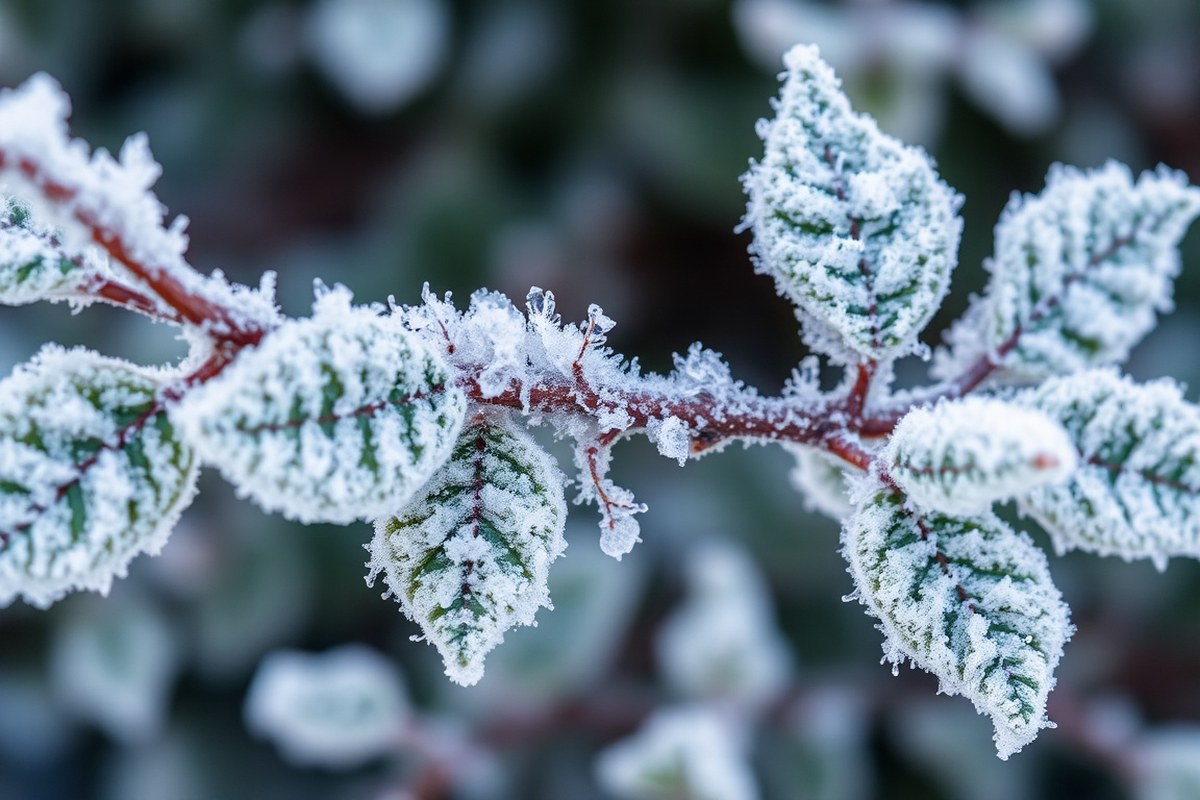
Frost happens when surfaces like tree leaves cool to 32°F or below. At this point, water vapor turns into ice crystals on the trees. This can cause cell walls in the plants to burst, leading to tissue death and damage.
The key difference between frost and a freeze is temperature depth. Frost forms between 32°F and 36°F, mainly affecting surface tissues.
A freeze happens when temperatures go below 32°F. It causes harm inside the tree. This damage is more serious and risky.
Fruit trees, especially stone fruits, suffer damage below 27°F. This temperature freezes water inside cells, killing buds and branches. Soil usually stays warmer. So roots rarely freeze unless temperatures plunge below 10°F for a long time.
Frost usually happens in early spring or late fall. Nights are cold, but days may warm.
This mix causes frost to form. You should act once temperatures forecast to hit between 32°F and 36°F. Frost advisories usually warn at these temperatures, so prepare then.
Freeze warnings come when temps are likely under 32°F with at least an 80% chance. Protect your trees before this, especially young or thin-barked ones.
Consistency is key. Starting protection at first frost signs can save buds and prevent costly damage.
2. Which Trees and Conditions Require the Most Frost Protection
Trees with thin bark, like maple, ash, linden, apple, and peach, need special frost protection. Their bark doesn’t shield well during quick temperature changes. This makes them prone to sunscald and frost cracks in cold weather.
Young and newly planted trees suffer more than mature ones. Their roots aren’t as deep or strong. This condition stops them from getting enough water.
It also blocks nutrients. Trees need water and nutrients to fight frost damage.
Trees planted in dry or sandy soils face higher frost risks. These soils lose heat quickly at night and drain moisture fast. Moist soil helps hold heat and reduces frost damage.
- Thin bark trees show cracks on south or southwest sides
- Keep soil moist but not waterlogged around all tree types
- Newly planted fruit trees need mulch and trunk wraps
- Evergreens may experience browning from moisture loss
- Deciduous trees risk frost cracks and root heaving
- Protect trees when temperatures drop below 30 degrees Fahrenheit
- Use tree guards or burlap for thin-barked and young trees
Evergreens mainly lose moisture through needles, causing browning in dry winter air. Deciduous trees can have frost cracks where bark splits from freezing and thawing. Watch for soil heaving, which pushes roots up and harms stability.
Protect trees starting before frosts hit. Wrap trunks of vulnerable types with tree wraps to prevent sunscald. Apply 3 to 4 inches of mulch around roots.
But stay 6 inches from the trunk. This keeps roots insulated and moist.
Don’t wait until frost hits. Apply protective wraps and mulch early to avoid bark damage and root stress.
3. Effective Watering and Soil Care to Prevent Frost Damage
Proper watering and mulching keep tree roots insulated and hydrated. This helps trees resist frost damage by reducing stress on their root systems. Both watering and soil care improve tree health before cold weather hits.
When to Water for Frost Protection
Water trees deeply before a frost event to keep the soil moist and warm. Dry soil freezes faster, which stresses roots and can cause damage. You should water 24 to 48 hours before temperatures drop near freezing.
Water around the tree’s drip line, not close to the trunk, to encourage deep root growth. Avoid soaking the soil to prevent ice forming inside and harming the roots. Use a soil moisture meter to check if your tree needs water before adding more.
- Check soil moisture 2 days before expected frost using a soil moisture meter.
- Water trees thoroughly if soil is dry below the surface but avoid puddling.
- Focus water application just outside the tree’s drip line to reach roots.
- Finish watering at least 24 hours before the frost to let moisture settle.
- Repeat watering if multiple frost nights are forecasted, maintaining soil moisture.
- Stop watering during heavy rain or already wet conditions to avoid root rot.
Choosing and Applying Mulch Correctly
A 1- to 2-inch layer of mulch helps keep soil temperatures steady around roots. Mulch reduces moisture loss in the soil around your tree roots. It also guards against frost heaving, which can lift roots when the soil freezes.
This keeps roots safer and helps your trees grow strong. Spread mulch to cover at least 3 feet in diameter around the tree base.
To keep tree roots warm, choose organic mulches like shredded bark or straw. Wood chips work well, too.
Coconut fiber mats and sheep’s wool offer natural insulation choices. Leave some space between the mulch and the tree trunk to avoid rot and wetness buildup.
Apply mulch evenly and check during winter for compression or displacement. Adding mulch every fall helps build a stable layer of insulation. Avoid piling mulch directly against the bark since wet conditions can lead to disease.
Avoiding Common Soil Care Mistakes
Don’t water too frequently or excessively in cold weather because frozen soil harms roots. Overwatering leads to poor oxygen flow and may cause root rot. A moisture meter can prevent this mistake by measuring soil wetness accurately.
Avoid piling mulch or debris right against the tree trunk, which traps moisture and invites pests. Check mulch layers yearly and replace any that have decomposed too much. Keep the soil surface free of heavy compaction to help air and water reach roots.
Prevent frost heaving by maintaining steady soil conditions with mulch and moderate watering. Don’t let the soil dry out completely or freeze solid, both cause root damage. Proper soil care keeps trees healthier through winter’s freeze-thaw cycles.
4. Choosing and Using Tree Covers for Frost Protection
Choose covers that trap warmth from the soil and shield trees from wind. Burlap, sheets, and tarps are common options, especially for small or young trees.
Use materials that let air in but keep frost out. Avoid plastic bags as they can harm trees.
Common Tree Cover Materials and Features
Different covers vary in breathability, cost, and ease of use. Burlap is natural and eco-friendly but not waterproof.
Sheets work well and are affordable, though they may absorb moisture. Tarps block wind and rain but need a frame to avoid crushing branches.
| Material | Breathability | Cost Range | Key Features | Best Use |
|---|---|---|---|---|
| Burlap | Good | $10, $20 per yard | Natural, allows air, eco-friendly | Young/small trees, eco-conscious gardeners |
| Sheets (cotton or fleece) | Fair | $5, $15 each | Inexpensive, traps warmth, absorbs moisture | Small trees, temporary frost protection |
| Tarps (polyethylene) | Poor | $10, $25 each | Waterproof, windproof, requires support frame | Windy, wet conditions, sturdy trees only |
| Sheep’s wool & coconut fiber mats | Good | Varies ($15+) | Eco-friendly, breathable, natural insulation | Small, sensitive trees, sustainable gardening |
Try covers that reach the ground to trap earth’s heat. Use stakes or frames to keep material off leaves and branches.
How to Safely Cover Different Tree Sizes
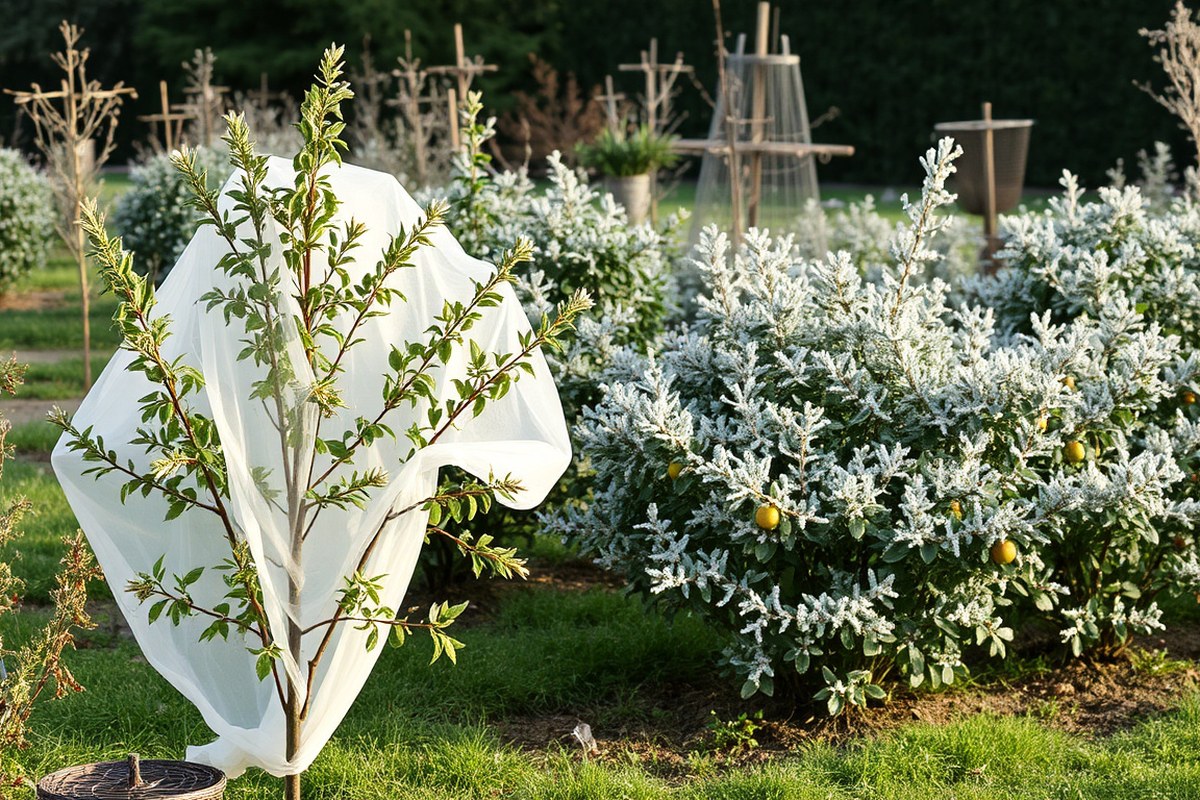
Small trees work best with full drapes of burlap or sheets. Extend the material to the ground to hold heat near roots and soil. Place stakes or frames to prevent contact with branches, reducing freeze damage.
For medium trees, use umbrella-shaped frost covers to trap warmth under the canopy. This lets the tree breathe and protects the leaves. Avoid plastic directly on leaves to stop freezing and moisture buildup.
Large trees are harder to cover and usually need heat lamps under covers or irrigation protections. Only cover if the canopy is small and already pruned. Otherwise, focus on soil moisture and wind protection.
Timing Your Cover Application and Removal
Put covers on before temperatures drop below 40°F, or when frost risks begin in late fall. Cover your trees at night to trap earth’s natural heat.
Remove covers during the day to stop overheating. This keeps trees safe and comfortable.
Remove covers after the last frost passes and when daily highs reach about 50°F. Leaving covers too long traps moisture, inviting insects and disease. Check local frost dates and watch weather forecasts closely.
Avoid covering trees when they are wet. Wet covers hold cold against the tree and cause damage. Cover dry trees in dry conditions right before the cold snaps.
5. Using Heat and Irrigation to Guard Against Hard Freezes
Sprinklers can protect trees during frost by releasing water that freezes on the branches. This layer of ice releases latent heat, which keeps the tree surfaces from dropping below freezing.
Turn sprinklers on before the temperature reaches 32°F. Keep them running all night. Stop only when the ice starts melting in the morning.
Run water slowly and continuously with sprinklers. Start irrigation when temperatures approach freezing overnight. Use enough water to cover the entire tree, including limbs and trunks.
For small trees, use a gentle spray. Larger trees might need overhead sprinklers with full coverage.
Turn off sprinklers after sunlight appears or temperatures rise above 32°F. Avoid stopping them too early. Sudden ice melting can harm your trees.
Heat lamps and other heat sources can help during severe freezes but come with risks. Place heat lamps safely, away from flammable materials like dry leaves or bark. Use low-watt bulbs designed for outdoor use, and do not leave them unattended.
Avoid placing heat sources directly against the tree bark, which can cause heat burns. Heat works best for young, vulnerable trees rather than mature ones, which handle cold better.
These methods suit certain trees and situations. Sprinkler irrigation fits fruit trees and young orchards, especially in groups. Sprinkler systems can be costly and require water access, plus higher water use.
Heat sources help protect small or potted plants from frost. They don’t work well for big trees.
Using them on many trees is impractical. Avoid irrigation on frozen soil, as it can increase root damage.
Don’t run sprinklers only briefly; constant water flow is key to freeze protection.
6. How to Protect Young and Newly Planted Trees Differently
Young Tree Vulnerability Factors
Young trees have thin bark and shallow roots, making them more susceptible to frost. Their bark is less protective against cold cracks and sunscald. Newly planted trees also have less soil insulation around their roots, increasing freeze risk.
Tender new shoots on young and tropical trees like citrus suffer frost injury more easily. Trees like cherry, maple, and plum stay vulnerable for 2 to 5 years. Their bark takes time to grow thick enough to protect them.
During this period, they need extra care against frost damage. Pest damage can worsen bark injuries in winter.
Applying Protective Wraps and Mulch
Protect the trunk by wrapping it with a breathable tree wrap or similar cover. Avoid plastic wraps as they trap moisture and cause rot. Wrap loosely from the base to the lower branches.
This protects thin bark from frost and sunscald. Make sure the wrap isn’t tight to avoid damage.
Adding mulch helps insulate roots from freezing temperatures. Use 3 to 6 inches of dry organic mulch like wood chips or pine needles. Spread mulch in a wide ring up to the drip line.
Leave 6 inches of space around the trunk to stop rot. This helps moisture stay balanced while protecting roots.
Newly planted trees demand more careful root protection because their soil cover is thin. Mulch keeps soil temperature steady and retains moisture. It also blocks weed growth that competes for water and nutrients.
Follow these steps to properly protect young trees:
- Check local frost forecasts regularly, especially before predicted freezes.
- Water newly planted trees deeply a day or two before a frost event.
- Wrap the trunk with a breathable tree wrap, starting at the base.
- Apply 3 to 6 inches of dry mulch in a ring reaching the drip line.
- Keep mulch 6 inches away from the tree trunk to avoid moisture buildup.
- Inspect wraps and mulch weekly and after strong winds or rain.
- Remove wraps in spring once frost danger ends to prevent pest issues.
Maintenance and Monitoring During Frost Season
Keep a close eye on wrapped young trees throughout the frost season. Weekly checkups help catch moisture buildup or pest damage early. Remove wet or damaged wraps promptly to allow bark to dry.
Newly planted trees need watering every week if weather is dry. Avoid overwatering as soggy soil can freeze and damage roots. Adjust watering based on local rainfall and soil drainage.
Look for signs of frost injury like bark splitting or wilting leaves. Early detection lets you adjust protection methods or add more mulch. Protect vulnerable trees especially during sudden temperature drops below 32°F.
7. Common Frost Protection Mistakes and How to Avoid Them
Covering trees too early or too tightly causes moisture buildup and can harm them. Trapped moisture invites mold and pests, which makes damage worse instead of better. Use breathable frost cloths and remove covers in the morning to avoid these problems.
Leaving covers on through sunny days risks overheating, stressing the tree just after the freeze. Check the weather forecast regularly. Remove covers once it is above 40 °F (4 °C).
Doing this helps your trees breathe and avoid damage. This prevents heat damage and fungal growth under the cover.
Late pruning is another mistake that worsens frost damage. Cutting branches in late summer or fall encourages new growth.
This new growth won’t toughen up before winter, leaving it vulnerable. Avoid pruning after midsummer to help trees harden off naturally.
- Don’t use plastic sheeting; it’s not breathable and traps moisture.
- Apply 2-4 inches of mulch around the tree base to seal soil moisture.
- Check covers daily during frost season and remove them by late morning.
- Use anti-desiccant sprays before frost to protect leaves from drying.
- Avoid frost protection that blocks airflow entirely; trees need oxygen.
- Choose natural fiber cloths like burlap or frost blankets over synthetic ones.
- Never prune trees late in the growing season; wait until dormant season.
Frost may still harm branches. Prune dead tips to stop disease from spreading.
Cut back to healthy wood, leaving a clean cut at an angle. This cleanup helps the tree heal and reduces pest problems in spring.
After frost, prevent water stress by watering trees once temperatures rise above freezing. Moist soil holds heat better, protecting roots. Look for pests under damaged bark.
Treat infestations early with sprays or pruning. This keeps your tree healthier.
8. Planning Frost Protection Based on Local Weather and Frost Dates
Find your area’s average last frost date from a nearby weather station. This date estimates when frost usually stops in spring and starts in fall. Use reliable sources like the Old Farmer’s Almanac or local extension services to get this data.
Plan your frost protection steps around these dates. Start covering vulnerable trees a week before the average last frost in spring. Keep protections in place through a week after the expected last frost.
For fall, prepare one week before the first frost. Cover your trees then. Remove covers only after frost danger is gone.
Check nightly temperature forecasts during frost season. Lows near 32°F (0°C) mean cover your trees anytime. Do this no matter the date.
Remove coverings during the day when temperatures rise above freezing to prevent moisture buildup. This timing minimizes frost damage and prevents overheating.
Adjust timing for local microclimates in your yard. Low spots and places near water freeze earlier than other spots. These areas often get colder at night.
They freeze sooner than urban or improved land. Add a few extra days of frost protection for these spots. Trees near pavement or buildings face less frost risk.
The frost protection time for them is shorter. Pavement and buildings keep the air warmer nearby.
Protect your trees early if forecasts near freezing. Do this even before your average frost date. This helps avoid unexpected damage.
Remove tree covers only once overnight temperatures remain above 36°F (2°C) for several days. This extra buffer helps avoid damage from unexpected late frosts. Keep an eye on longer-range weather forecasts during this time to plan accordingly.
Using the average frost dates combined with local temperature forecasts helps you act only when necessary. This method saves time, effort, and materials. Gardening planners that incorporate frost data can help you schedule these steps year after year.
Step-by-Step Action Plan for Protecting Trees from Frost
Follow this plan to protect your trees during frost threats and track your success. Each step includes a way to check if you’re doing it right.
- Before Frost Season: Identify which trees need protection. Check them for signs of vulnerability like thin bark or young branches.
- Two Days Before Frost: Water your trees thoroughly in the afternoon. Check soil moisture to confirm it’s damp but not soggy.
- Night Before Frost: Cover sensitive trees with cloths or frost blankets. Make sure covers reach the ground and are weighted down.
- During Hard Freeze: Use heat sources if you can. Outdoor-safe string lights or a small heater work well near trees. Watch that heat stays steady, not too hot or too cold.
- Early Morning After Frost: Remove covers after temperatures rise above freezing. Check branches for frost damage and note any wilting or discoloration.
- Next Morning: Slowly water trees again if frost caused dryness. Confirm soil is moist but drains well to prevent root rot.
- Ongoing: Watch weather forecasts for new frost warnings. Repeat watering and covering steps as needed.
Frequently Asked Questions
How Do I Know If Overnight Frost Will Damage My Trees?
Check local weather forecasts for temperatures near or below 27°F, especially for stone fruits. Watch for cold snaps during flowering or leaf-out stages, when trees are most vulnerable.
What’s the Best Mulch Depth to Protect Tree Roots from Frost?
Spread 3 to 4 inches of mulch around the tree roots. Keep 6 inches of ground bare near the trunk.
This helps protect roots but prevents moisture buildup by the trunk. This insulation keeps soil warmer while preventing moisture issues near the bark.
Can Windbreaks Help Protect Trees from Frost Damage?
Yes, planting shrubs or fences can block cold winds and reduce frost risk. They slow freezing air flow, which helps keep temperatures slightly higher near your trees.
Is It Harmful to Cover Trees with Plastic for Frost Protection?
Yes, plastic can trap moisture and cause bark damage or freezing injury. Use breathable fabric tree covers designed for frost protection instead of plastic sheets.
How Long Should Frost Covers Stay on Trees After a Freeze?
Keep covers on until daytime temperatures reach above freezing consistently. Removing covers too soon exposes trees to sudden cold shock.
Are Frost-Resistant Fruit Trees Easier to Manage in Cold Climates?
Yes, frost-resistant varieties handle low temperatures better and need less frequent protection. Choose these trees to reduce yearly frost damage risks.
Before You Go
Frost can cause serious damage. But you can stop it with good planning and care.
Start by checking your trees’ needs today. Protecting your trees now helps them thrive through cold spells.