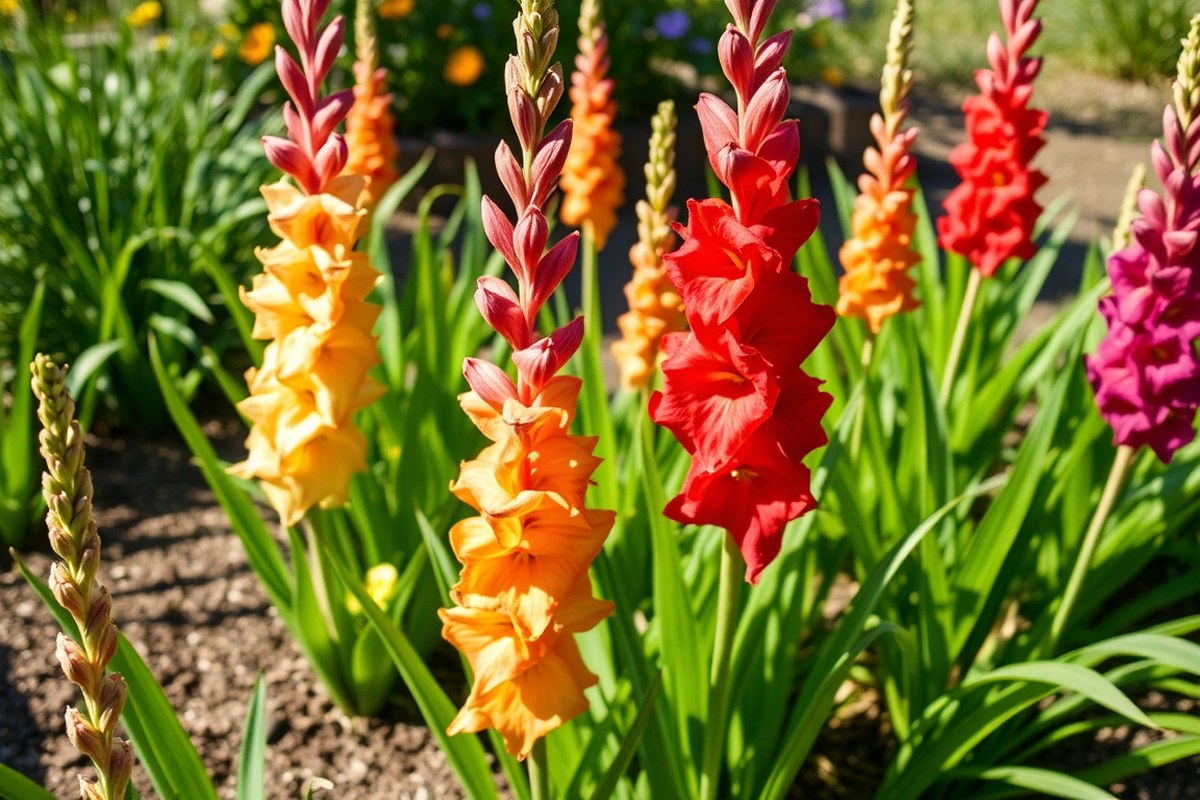
Do Gladiolus Spread? A Complete Guide to Growing and Multiplying Glads
Do gladiolus spread naturally in your garden? They don’t spread by runners or roots like some plants. Instead, they multiply mainly by producing new bulbs called cormels next to the parent corm.
You can expect one gladiolus corm to produce several small cormels underground. These cormels develop during the growing season and store energy for the next year.
Dig them up after the growing season, usually in the fall. Then replant the cormels in fresh soil to grow new plants.
Plant gladiolus bulbs about 6 inches deep. Space them 3 to 5 inches apart for room to develop healthy roots.
This spacing helps reduce competition and ensures good airflow. Keep an eye on crowded clumps because too many corms can lower bloom quality and cause disease problems.
Key Takeaways
- Gladiolus spread by producing new cormels beside the parent bulb, not runners.
- One corm can produce up to 20 fist-sized florets in ideal conditions.
- Plant bulbs 6 inches deep and 3 to 5 inches apart for best growth.
- Dig up cormels after blooming to prevent overcrowding in your garden.
- Gladiolus need full sun, at least 6 to 8 hours daily, to thrive.
- Stagger planting every 1 to 2 weeks to extend blooming periods.
Do Gladiolus Spread Naturally in the Garden?

Gladiolus plants do spread, but not very fast in your garden. They grow from corms, which are underground bulbs, and develop smaller versions called cormels.
These cormels grow at the base of the old corm. Over time, they develop into new plants.
The main corm is like the parent bulb, while cormels are tiny offshoot bulbs. Cormels look like mini corms and can produce new gladiolus plants. It usually takes about two to three years for these cormels to grow into flowering plants.
You might notice gladiolus forming clumps as cormels mature and multiply nearby. One corm can create up to 20 florets under perfect conditions.
But it doesn’t mean the bulbs spread quickly across the garden. The spread happens slowly because new cormels grow below ground before popping up as new plants.
Since gladiolus takes time to multiply naturally, you won’t see rapid expansion like some ground covers. Planting them around 6 inches apart helps control how dense these clumps get. Keeping them spaced well also lowers pest problems and makes maintenance easier.
Gladiolus corms and cormels need the right climate and soil. These conditions help them survive winter. Then they grow back each year.
Gardeners in colder zones should mulch deeply around the corms. This protects the cormels and keeps them healthy. It helps new plants form next season.
How Gladiolus Multiply: Corms, Cormels, and Seeds

Gladiolus multiply mainly through corms and their smaller offshoots, called cormels. Growing them from seed happens but is much less common in home gardens. Using cormels is the easiest and most effective way to grow more gladiolus.
Mother Corm and Daughter Cormels Explained
The gladiolus plant grows from a corm, a thick underground stem that stores nutrients. This main corm is called the mother corm.
By the end of the growing season, the mother corm produces small growths. These are called daughter cormels and form around the mother corm.
These cormels look like tiny versions of the main corm. They can grow into new plants next year.
A single mother corm can produce from 30 to 100 cormels in one growing season. Separating and replanting these cormels helps you multiply your gladiolus collection easily.
Seed Propagation: Rarity and Limitations
Growing gladiolus from seed is rare and slow in home gardens. While gladiolus do produce seeds, hybrid varieties don’t spread much this way. Seed germination takes longer, and the resulting plants may not resemble the parent.
Most gardeners avoid seeds because they take years to bloom and need careful care. Unlike cormels, seeds don’t multiply rapidly or reliably. So they play a minor role in most garden settings.
Best Propagation Practices for Gardeners
| Propagation Method | How It Works | Time to Bloom | Ease for Gardeners |
|---|---|---|---|
| Mother Corms | Plant whole corms to grow flowers that season | 1 year | Easy and reliable |
| Daughter Cormels | Separate small cormels and plant them to grow new plants | 1-2 years | Very effective for multiplying plants |
| Seeds | Grow from flower seeds; slower and less predictable | 2-3 years | Harder, less common for home gardeners |
To multiply gladiolus, dig up corms in fall, dry them, then separate cormels. Store corms in a cool, dry place over winter in cold zones. Plant cormels in the spring after frost for best success.
Remove spent flower stalks to stop seeds from spreading. This helps the plant focus energy on corm and cormel growth.
The Best Planting Depth and Spacing to Control Spread
Planting gladiolus at the right depth and spacing helps them grow strong without crowding. Place bulbs deep enough to hold tall spikes upright. Avoid planting too deep.
Bulbs may struggle to sprout if buried too far. Spacing controls how much they clump, keeping your garden neat and healthy.
Recommended Planting Depth for Gladiolus
Plant gladiolus bulbs about 6 inches (10 cm) deep. This depth anchors the tall flower spikes firmly in the soil. Stalks may fall from wind or rain when bulbs are shallow.
For smaller cormels, dig 4 to 5 inches deep. This allows space for the bulb to grow upward and produce strong roots below. Cover the bulb with soil and gently firm it to remove air pockets.
Plant with the pointed side up to help the shoot break through the soil easily. Use a trowel to make the hole, then cover and water lightly.
Ideal Spacing to Balance Density and Spread
Space gladiolus bulbs 3 to 5 inches apart. Spacing closer than 3 inches causes overcrowding, which reduces air flow and raises disease risk. Too wide spacing wastes garden space and looks sparse.
Plant cormels about 5 to 6 inches apart if you want controlled clumping. Clumps should have enough room to avoid fighting for nutrients. Proper spacing also helps you dig them up for dividing later.
- Plant bulbs 6 inches deep, pointy side up
- Keep 3 to 5 inches between bulbs for most gardens
- Space cormels 5 to 6 inches apart to encourage clumping
- Use rows or groups for easy access and maintenance
- Water well after planting and avoid overly dense grouping
- Consider containers for very controlled growth
- Monitor regularly to spot overcrowding or disease early
Plants spaced this way grow steadily without excessive spread. Overcrowded clumps slow flowering and invite pests. Outsized gaps make the bed look patchy and reduce your blooms.
Adjusting Planting by Variety and Climate
Some gladiolus varieties grow taller and need deeper planting for support. Heavy-flowered types might benefit from an extra inch of soil to stabilize the stalk.
In warmer zones, plant a bit deeper to protect bulbs from fluctuating surface temperatures. In cooler areas, shallow planting helps bulbs warm earlier in spring.
You can stagger planting dates about a week apart to spread blooms through the season. This keeps your display full without crowding and controls how clumps develop.
How Sunlight, Soil, and Water Affect Gladiolus Growth
Gladiolus thrive with six to eight hours of full sun daily. This sunlight fuels flower growth and new corms. Plant them in sunny spots away from trees and buildings.
Soil type matters a lot for gladiolus health. They prefer warm, well-drained soil with a temperature of at least 55 degrees Fahrenheit. Your soil holding water can cause problems for gladiolus.
Adding compost improves drainage. It also keeps the soil moist without waterlogging. Compost also provides nutrients that support strong growth and corm development.
Watering affects how well gladiolus multiply their corms and cormels. They need regular watering during the growing season, but not too much.
Only water when the top inch of soil feels dry to the touch. Overwatering moist soil can lead to rotting corms, which stops multiplication.
Keep in mind that gladiolus don’t spread as quickly as plants with runners or rhizomes. Good sunlight, warm soil, and careful watering encourage healthy corm formation instead. Good drainage and enough sunlight help gladiolus grow well.
One corm can then produce about 20 florets. This shows the plant stores enough energy to multiply.
Choosing the right location and watering routine also reduces weed competition. Weeds steal nutrients, water, and light, which can hurt your gladiolus spread. Mulching around your plants can keep weeds down while helping retain soil moisture for steady growth.
Practical Steps for Harvesting and Replanting Cormels
Digging up gladiolus corms at the right time protects them and helps you collect baby cormels. Carefully separating, drying, and storing cormels lets you grow new plants next season. Timing replanting ensures the cormels develop well and bloom beautifully.
When to Lift Gladiolus Corms
Lift gladiolus corms after the foliage has fully died back in late fall. This usually happens after the first frost in colder zones. Wait until leaves turn yellow and dry, so the corms have stored enough nutrients.
Digging before frost avoids rotting corms in wet soil. In warmer regions without frost, you can leave corms in the ground but avoid overwatering. Soil should be dry to prevent damage during lifting.
Separating Mother Corms from Cormels
After lifting, gently brush away soil from the clump using your hands or a soft brush. Cut or pull the dried stalks off carefully.
Keeping them attached too long risks rot or disease. Separate the large mother corms from the small baby cormels attached around them.
Cormels look like tiny bulbs and grow on the mother corm. Removing the cormels without damaging them avoids crushing or bruising that can invite rot. Store cormels for planting next year to multiply your gladiolus efficiently.
Drying, Storing, and Preparing to Replant
Let both corms and cormels dry in a warm, airy spot. Keep them there for about 1 to 2 weeks.
This drying toughens their skin and reduces rot risks during storage. Check them regularly and discard any that show mold or mushy spots.
Keep dry corms in paper bags, boxes, or mesh baskets. Store them in a cool, frost-free place. The ideal temperature is 50 to 60°F. Avoid plastic bags.
They trap moisture and cause rot. Replant baby cormels the following spring after all risk of frost passes.
- Dig up gladiolus clumps after foliage fully dies back in late fall.
- Brush off soil gently from corms and cormels without washing them.
- Remove dried stalks carefully to avoid damaging corms.
- Separate mother corms from baby cormels by hand.
- Dry the corms and cormels in a warm, ventilated spot for 1-2 weeks.
- Store dried corms and cormels in paper bags in a cool, frost-free area.
- Inspect corms occasionally and discard any that rot or mold.
- Replant baby cormels in spring after frost danger ends for best growth.
Keep corms dry and well ventilated during storage to prevent rot and mold.
Managing Overcrowded Gladiolus Clumps and Common Mistakes
Planting gladiolus too close causes overcrowded clumps that struggle to bloom well. The bulbs compete for water, nutrients, and sunlight, which weakens flower production. Overcrowding also raises the chance of fungal diseases, as air doesn’t flow well.
To fix this, thin gladiolus every few years by digging up the clumps in fall. Gently separate the corms and cormels.
Replant the healthiest bulbs about 6 inches apart in well-draining soil. This gives them space to grow bigger flowers and stay healthier.
Some common mistakes reduce gladiolus blooming or spread. Avoid planting bulbs in poorly draining soil or overwatering, which can cause bulb rot.
Don’t plant in shade; gladiolus need full sun for good bloom. Also, skipping the yearly clump division lets bulbs get too crowded and weak.
- Forget to space bulbs at least 6 inches apart
- Fail to dig and divide clumps every 2 to 3 years
- Use heavy or soggy soil that traps water
- Water too often or after soil is still wet
- Plant in partial shade, reducing flower strength
- Ignore signs of disease like discolored leaves or mushy corms
Divide crowded gladiolus in fall after leaves yellow and die back. Use a small garden fork or shovel to lift the plants.
Shake off excess soil and carefully pull apart corms and small cormels. Pick healthy bulbs for replanting and discard damaged ones.
Give your gladiolus fresh soil and proper spacing. Water moderately when planted, then reduce once they establish.
Healthy bulbs produce strong stalks and plenty of vibrant flowers from midsummer to early fall. Watch for overcrowding and thin again as needed to keep blooms strong.
How Climate and USDA Zones Affect Gladiolus Winter Survival
Gladiolus corms survive winter differently depending on your USDA hardiness zone. In zones 8 through 10, winters are mild. Gladiolus can stay in the ground all year.
They don’t need to be dug up. Here, they act like perennials, coming back each spring without lifting or storage.
Colder zones like 7 and below have hard frosts. These frosts kill corms left in soil. You need to protect corms in these zones.
Freezing temperatures damage the bulbs and reduce spring blooms. Dig up corms before the first hard frost arrives.
This usually happens in late fall. This protects them from freezing damage.
Miniature gladiolus, such as Gladiolus nanus, can survive winters in colder zones like 5 and 6. Still, most gladiolus types won’t make it through winter without lifting their corms in these zones. Digging, drying, and storing corms indoors keeps them safe until spring planting.
Leaving corms in the ground in warmer zones can lead to spreading. Over time, gladiolus multiply through new cormels forming around the main corm.
But after three or four years, blooms may decline if you don’t dig and divide them. Regularly lifting and replanting can keep flowers healthy and strong.
To decide what to do, check your zone and local frost dates. In zone 7 and warmer, gladiolus can stay in soil. But watch out for hard freezes.
Take action if a freeze is expected. Dig corms before frost in zone 6 and colder. Store them in a cool, dry place around 50°F to 60°F.
Protecting corms from frost means waiting until leaves die off naturally, then digging them up gently. After cleaning, store corms in paper bags or mesh netting to avoid rot. Plan to replant in spring once soil temperatures reach at least 55°F for good growth.
The main rule: in zones 8 to 10, gladiolus winters underground. In zones 7 and cooler, dig and store corms to avoid frost damage.
Gladiolus can spread naturally if left in the ground in warm zones. But lifting helps maintain healthy blooms and prevents overcrowding.
Extending Gladiolus Blooming with Succession Planting
To keep gladiolus blooming all summer, plant corms every two to three weeks. This staggering helps you enjoy continuous flowers from mid-summer into fall. Planting in this way avoids a sudden burst of blooms, spreading out the show nicely.
Spacing plays a big role too. Plant each corm about 6 inches apart. So each has room to grow tall without crowding.
You can group small corms into clusters before planting. Plant these clusters a few weeks apart from spring to early summer. This spreads out your gladiolus blooms over time.
- Start planting gladiolus corms in late spring once soil warms above 55°F
- Plant additional corms every 10 to 14 days for up to 6 weeks
- Space corms 6 inches apart to manage plant density
- Plant in well-drained soil with full sun exposure
- Dig up and divide corms after winter to prepare for next season
This method won’t make gladiolus spread across your garden. But it creates the effect of an ongoing display. You get several waves of flowers, which helps cover any gaps and extends your garden’s color.
With this plan, watch for tall stems that can flop over. You might need to add support or plant near sturdier plants. Also, planting too close or too frequently may crowd plants, causing weaker blooms.
Plant new gladiolus corms every 10 to 14 days in spring to maintain long-lasting blooms.
Step-by-Step Action Plan for Growing and Spreading Gladiolus
Follow this plan to grow gladiolus well and manage how they spread in your garden.
- Before Planting: Choose healthy corms free of soft spots. This ensures strong plants and fewer diseases.
- Planting Time: Plant corms 4 inches deep and 6 inches apart. Check if soil covers them properly and spacing allows good air flow.
- After 2 Weeks: Water newly planted corms deeply once a week, unless it rains. Look for green shoots as a sign of growth.
- Mid-Growing Season: Check for crowded cormels forming around parent corms. Plan to dig and separate them after bloom.
- After Blooming: Dig up corms carefully and remove loose cormels. Store them dry and cool, then replant the next season to grow more plants.
- Fall Before Frost: Mulch gladiolus well to protect corms in cooler USDA zones. Mulch should be about 3 inches deep.
- Succession Planting Every 2 Weeks: Plant new corms to extend the blooming period. You’ll know it worked when new flowers appear in stages.
- Every Season’s End: Divide and replant crowded clumps. This keeps plants healthy and prevents limited flowering.
Frequently Asked Questions
Do Gladiolus Spread on Their Own in Ideal Climates?
Yes, gladiolus corms can naturally expand in the right climate where they survive winter. This leads to new plants growing nearby over time.
Can Gladiolus Seeds Cause Spread in a Garden?
Gladiolus seeds spread slowly and not as much as corms do. Most gardeners rely on corms rather than seeds for propagation.
How Can I Contain Gladiolus Spread Using Containers?
Growing gladiolus in pots limits where they can spread. Containers prevent corms and seeds from moving across the garden.
Why Do Dense Gladiolus Clumps Sometimes Stop Blooming?
Overcrowding causes gladiolus to stop blooming as they compete for nutrients and space. Dividing clumps can encourage better flowering.
Does Planting Gladiolus Close Together Affect Pest Spread?
Yes, tight planting can help thrips spread faster between gladiolus stems. Proper spacing reduces pest buildup and damage.
How Do Cold Winters Impact Gladiolus Spread?
Harsh winters kill gladiolus corms, stopping spread in cold zones. They spread better in mild climates where corms survive underground.
Key Points to Remember
Gladiolus don’t spread aggressively but multiply through cormels you can manage. Start by planting at the right depth and spacing to control growth. Try digging and dividing corms yearly for healthier, longer-lasting blooms.