How to Water Staghorn Fern Correctly: A Complete Guide with Tips and Timelines
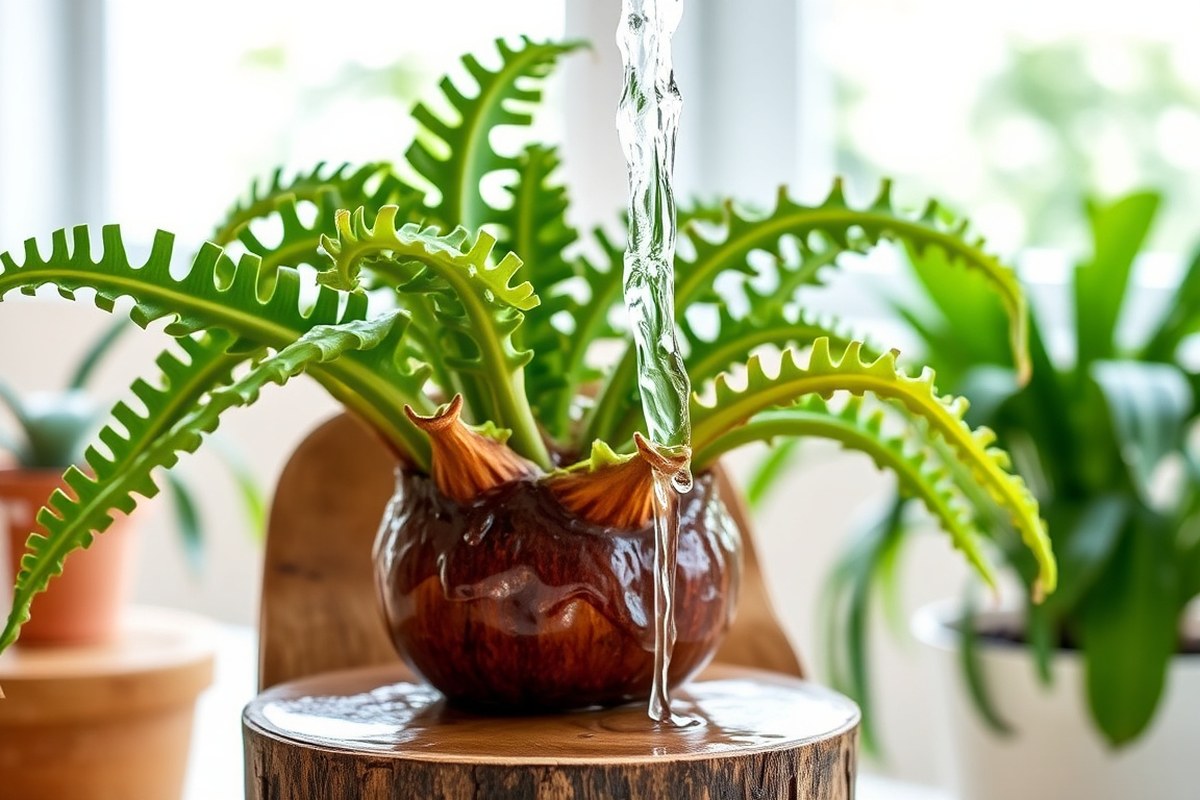
How to water staghorn fern is simpler than you think. The best way is to soak your fern in lukewarm water. Make sure the roots get fully wet this way.
This helps keep the plant healthy and hydrated. This gives it a deep drink, so the plant stays healthy and happy.
Mounted staghorn ferns need soaking about once a week. Potted ones soak every 10 days. Soak your fern facedown in a sink for 5 minutes.
Or dunk it for up to 20 minutes. This ensures the root ball gets fully wet.
After soaking, let your fern drain well for 30 minutes. This stops extra water from sitting by the roots.
Always do this before rehanging or putting it back. Avoid leaving it wet too long, because soggy roots can cause issues you want to skip.
Key Takeaways
- Soak mounted staghorn ferns for 10 to 30 minutes in lukewarm water.
- Water potted ferns by bottom soaking for 15 to 30 minutes.
- Let your fern drain fully for 30 minutes to an hour after watering.
- Water weekly in warm months, and every 2 to 3 weeks in cooler months.
- Use water left out 24 hours to let chlorine evaporate from tap water.
- Lower shield fronds turning brown is normal and not a watering issue.
How to Water a Staghorn Fern: Soaking and Frequency Guidelines
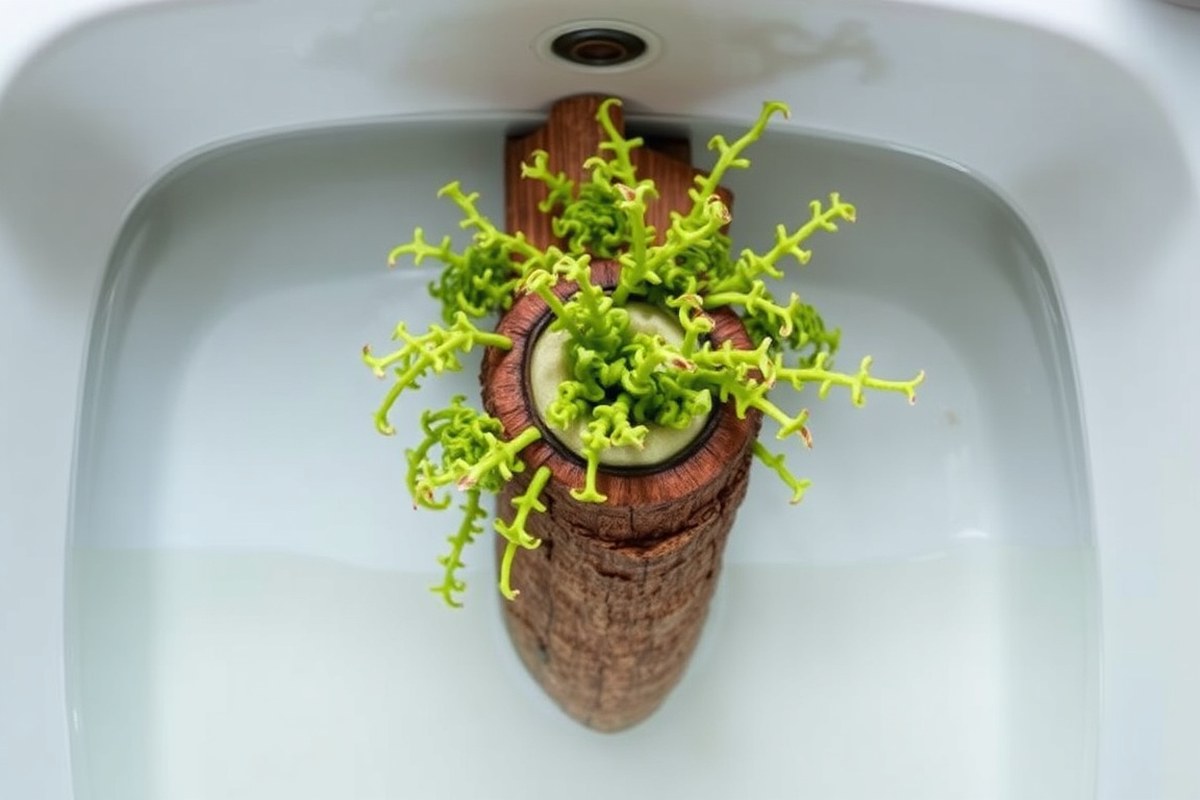
To soak your staghorn fern properly, submerge it in lukewarm water. Soaking lets the root ball fully absorb moisture, which keeps the plant healthy. The length and frequency of soaking depend on your fern’s mounting style, season, and environment.
Mounted staghorn ferns need soaking about once a week. Potted ones soak every 10 days. When it’s cooler, wait two or three weeks before watering again.
Your home being drier also means watering less often. Stretch the time between waterings to save your plant.
Soaking too often can cause root rot. Missing watering lets your fern dry out.
Here’s how to soak a mounted staghorn fern correctly:
- Fill a sink or basin with lukewarm water around 70°F to 75°F.
- Turn your fern facedown and fully submerge the root ball and fronds.
- Soak the fern for 5 to 15 minutes, depending on how dry it feels.
- Lift the fern and gently shake off excess water to avoid dripping.
- Let it air dry in a bright spot with indirect light before rehanging.
For potted staghorn ferns, set the pot in a bowl of water. Let the plant soak up water from the bottom for about 15 to 30 minutes. This helps water reach the roots thoroughly without over-saturating the soil surface.
In warmer months, soak your fern weekly if temperatures hover above 55°F and humidity is moderate. Cooler weather slows growth, so cut watering to every two or three weeks.
Keep an eye on your fern’s fronds. Slight wilting signals it’s time to soak again.
Watering Differences for Mounted vs. Potted Staghorn Ferns

Mounted and potted staghorn ferns need different watering approaches because of how they grow. Mounted ferns sit on bark or wood, soaking water like rain.
Potted ferns grow in soil or moss, which holds water longer. Knowing these differences helps you avoid overwatering or underwatering.
Mounted staghorn ferns require soaking the whole mount thoroughly. Use water warm to room temperature and soak the fern for 10 to 20 minutes. Let it drain fully before rehanging.
This mimics natural rain soaking. Potted ferns need watering that soaks the soil completely.
Water until it drains from the pot’s bottom. This ensures the roots get enough moisture.
| Watering Aspect | Mounted Staghorn Fern | Potted Staghorn Fern |
|---|---|---|
| Watering Method | Soak mount in water for 10-20 mins | Water soil until excess drains |
| Water Retention | Quick draining, dries faster | Medium holds water 2-3 times longer |
| Watering Frequency | About once a week | Once a week but check soil moisture |
| Bottom Watering | Not applicable | Use to hydrate without wetting fronds |
| Drainage | Must dry fully before next watering | Prevent waterlogging by draining excess |
Bottom watering potted staghorn ferns helps avoid wetting their delicate fronds. Place the pot in a shallow tray filled with water for 10 to 15 minutes.
Let the soil soak up water from below. Remove the pot to drain afterward to prevent soggy roots.
Avoid waterlogging by always letting mounted ferns dry fully before watering again. Excess water traps cause rot.
For potted ferns, good drainage in the pot and medium is key. Too much standing water damages roots and fronds alike.
Water mounted staghorn ferns by soaking the entire mount. But use bottom watering for potted ones to keep fronds dry and roots hydrated.
Recognizing Overwatering and Underwatering Signs in Staghorn Ferns
Staghorn ferns show clear signs when they get too much or too little water. Knowing these signs helps you adjust your watering to keep the fern healthy. Watch for changes in the shield and antler fronds, which tell you what the plant needs.
Common Signs of Overwatering
The shield fronds, also called basal fronds, are the first to show overwatering problems. They can turn black, soft, or mushy, which means the plant is probably suffering from rot. Black or gray spots on antler fronds are a bad sign.
Soggy mounting material that stays wet too long is also a problem. These issues need your attention quickly.
Overwatering slows down the plant’s health and can kill roots fast. You might also notice antler fronds browning at the base or curling slightly. These signs appear because the roots can’t breathe when soaked, causing decay.
How to Spot Underwatering in Your Fern
Underwatering staghorn ferns dries out the shield fronds, making them brown and papery. But this is mostly normal aging.
The more noticeable signs are curled or limp antler fronds that look dry and feel crispy. The plant may also feel lighter on its mounting or pot as it loses moisture.
Staghorn ferns take in water through fronds and roots. Dry fronds mean the whole plant lacks water. That means you must check the plant’s needs.
Underwatering causes fronds to become brittle over time. They can also drop off earlier than usual. This signals you should water more often.
Dealing with Brown Shield Fronds
Brown shield fronds are common and usually not a problem. They protect the roots and help the fern attach to the mounting surface. Never cut off the brown shield fronds; doing so can harm your plant’s health.
Dead shield fronds form a natural base that collects nutrients and moisture. Removing them disrupts this protective layer and slows recovery when watering goes wrong.
Steps to Fix Overwatering Problems
Spot black, mushy fronds or damp mounting? Cut back on watering fast. Excess moisture invites damage and rot to your plant.
Let the fern dry out completely before watering again to stop rot. Increasing air flow by moving the fern to a ventilated spot helps dry the base.
Check the mounting material to ensure it drains well. Avoid watering again until the top inch of the mounting or soil feels dry. It might take a week or more of drying to fix overwatering damage.
How to Recover from Underwatering
Brown and curled fronds need consistent moisture to bounce back. Soak the whole fern well, including the shield and antler fronds, using lukewarm water. This helps hydrate both roots and fronds.
After watering, mist the fronds daily to keep humidity high and prevent fast drying. Keep the fern away from direct heat or air vents that can worsen dryness. With good watering and humidity, the fern should regain firmness within two weeks.
- Signs of overwatering: black, mushy shield fronds, brown antler bases
- Signs of underwatering: brown, papery shield fronds, curled or limp antler fronds
- Do not remove brown shield fronds; they protect roots
- Fix overwatering by letting the plant dry fully before watering again
- Recover underwatering by soaking and daily misting
- Improve air flow to help dry out soggy mounts
- Keep fern away from direct heat during recovery
Adjusting Watering by Season, Temperature, and Humidity
Temperature and humidity greatly affect how often to water your staghorn fern. Higher temperatures and lower humidity dry out the plant faster, needing more water.
Cooler months slow growth and reduce water needs. So watering frequency should drop by 30, 50%.
During summer or warm indoor conditions above 70°F, water your fern every 5 to 7 days. When temperatures fall below 60°F in winter, water less often. Cut back to once every 2 or 3 weeks.
This helps prevent overwatering in cold months. Keep the moss damp during winter but not soaking wet.
Avoid excess moisture because it can cause rot. Check often to keep the right balance.
Humidity is just as important. Staghorn ferns come from tropical forests, preferring humidity near or above 60%. Dry indoor air, especially in winter, can harm your fern’s health.
Use a humidifier or place plants close together. This raises humidity high enough to help your fern. This shared moisture zone reduces how often you need to soak your fern.
| Condition | Temperature Range (°F) | Humidity Level (%) | Watering Frequency |
|---|---|---|---|
| Summer or Warm Indoor | Above 70 | 40, 60 or lower | Every 5, 7 days |
| Summer or Warm & High Humidity | Above 70 | 60 or higher | Every 7, 10 days |
| Winter or Cool Indoor | 60, 70 | Any | Every 2 weeks |
| Winter or Cold & Dry | Below 60 | Below 40 | Every 3 weeks |
This timeline helps you adjust watering. Check moss dampness after one week in warm months.
But wait 2 to 3 weeks in cold months. Feel the moss core; it should remain slightly moist, not dry or wet.
For maintaining ideal indoor climate, place your fern where air circulates and gets bright, indirect light. Avoid spots near heaters, vents, or open windows that cause quick drying. Use a small humidifier if your home feels dry in winter.
You can also group other houseplants close to the fern. This naturally boosts the humidity around your plant.
By matching your watering routine to temperature and humidity, your staghorn fern thrives. Watch for drooping or yellow leaves from under- or over-watering, then tweak watering intervals as needed.
Choosing the Best Water Type and Avoiding Common Mistakes
Your staghorn fern prefers rainwater or filtered water, which keeps fronds healthy. Tap water often contains chlorine and minerals that can build up in the base moss. Letting tap water sit for 24 hours helps chlorine evaporate, making it safer.
Distilled water avoids minerals but lacks nutrients your fern benefits from. Rainwater is free if you collect it. But filtered water from a home system costs about $0.10 to $0.30 per gallon.
These choices help stop chemical damage and salt buildup. They protect the fern’s fronds. The fronds are very sensitive to water quality.
- Using heavily chlorinated or softened tap water without resting it
- Watering the fern too often without letting its base dry
- Soaking the plant improperly when mounted versus potted
- Ignoring mineral buildup in moss, which blocks water absorption
- Watering with cold water that shocks the roots and fronds
- Neglecting to adjust watering habits with indoor air dryness
Avoid these pitfalls by watering only when the base is dry and using room-temperature filtered water. Flushing mineral buildup from the moss is needed every few months. This helps the fern breathe better.
It also helps the fern absorb moisture more easily. Make sure water does not pool under the fern to prevent rot.
Let tap water rest for at least 24 hours before use. This reduces chlorine levels. Lower chlorine protects your fern’s growth.
How to Tell When Your Staghorn Fern Needs Water Again
Check the moisture in your staghorn fern’s moss or mounting material daily. Feel behind the shield fronds by gently lifting the board or mounting plate. When the moss feels dry or only a bit damp, water it again.
Use both touch and sight to guide your watering schedule. Fresh moss may lose moisture quickly, so check it more often at first. Dry moss pulls away from the mounting surface or looks lighter in color.
These signs usually mean the plant needs water. Wait if the moss feels moist or the mounting board feels heavy with water.
- Touch the moss to check for dryness; dry or slightly damp means water now
- Lift the mounting board to feel the moisture level inside
- Look for moss pulling away from the mounting surface as a dryness sign
- Watch for lightweight mounting material as it usually signals dry moss
- Hold off watering if the moss feels wet or the board feels heavy
- Check moisture every few days when learning your fern’s rhythm
Water consistently but make sure the moss has time to dry between sessions. This balance helps keep roots healthy and encourages faster growth.
Overwatering happens if you water before the moss dries. You could see root rot or wilting from that.
Check how the moss feels and looks before watering. Don’t just water on a fixed schedule. Base your watering on the moss’s condition.
Some environments dry moss faster, like dry air or warm temperatures. Frequent checks can help you avoid overwatering or underwatering your staghorn fern.
Misting, Humidity, and Supplemental Watering Techniques
Misting your staghorn fern adds humidity but can’t replace soaking. You need to soak the entire root ball or mount to hydrate fully. Misting helps especially in dry environments and keeps the fern’s fronds from drying out too fast.
Why Misting Is Supplemental Only
Misting moistens the surface of the fronds and nearby air. It does not give enough water for the fern’s core roots or shield from drought stress. Soaking ensures the plant’s root base absorbs water deeply, which misting alone can’t do.
Staghorn ferns hold water mainly in their root ball. Misting only wets the outside of the plant. It does not reach the roots or mounting medium.
Without soaking, the fern risks drying even if misted often. You should see misting simply as an add-on, not a replacement.
How to Mist Correctly Without Causing Rot
Use a spray bottle to mist the fronds lightly. Do this once or twice a day. It works best in dry air.
Focus mist on the fronds but avoid soaking the base too much. Water droplets lingering on the base or inside the mounting board can cause rot.
Mist during mornings so water evaporates by evening. Avoid misting at night since trapped moisture raises rot risk. Make sure the fern has good airflow after misting to help it dry quickly.
Best Locations and Tools for Humidity Control
Place your staghorn fern in kitchens or bathrooms where humidity naturally stays higher. A humidity level of 50% or more suits most species, especially tropical ones like P. Ridleyi and P. Grande. Rooms with regular condensation or steam support this well.
Use a room humidifier or group your fern with other plants to raise humidity. Pebble trays filled with water under the plant help. Keep the mount from sitting in water.
Too much water can cause damage. Opening windows briefly or using a fan can avoid stagnant, overly wet air that causes rot.
Correct Draining and Drying After Watering Your Fern
Proper draining and drying after watering stops your staghorn fern from staying too wet. Too much moisture leads to root and crown rot. You need to let the fern drain fully and get enough airflow until it dries.
Ideal Draining Duration and Signs of Readiness
After soaking your staghorn fern, let it drain for 30 minutes to an hour. This time allows excess water to stop dripping heavily. Water may still drip, so keep draining until no big drops show.
The fern is ready when moisture feels damp, not soggy. Check the moss or root ball by touch; it should not feel waterlogged. Avoid putting the fern back too soon if it still drips or feels heavy.
Locations Suitable for Drying After Watering
Drain the fern in a sink, shower, or outdoors where water can fall away cleanly. The place should have good airflow to speed drying. Avoid closed or humid spots that trap moisture around the fern.
Keep your fern out of direct cold drafts or hot sun while drying. A shaded area with moving air is best. Make sure the base and roots have room to breathe while they dry.
How to Prevent Rot with Proper Drying
Remove the fern from its mount or pot to let water drain completely before rehanging. Excess moisture that stays too long can cause root or crown rot. Rot develops when water pools in the root ball or the crown stays wet too long.
Airflow around the base and mounting material helps prevent rot. Avoid daily misting that leaves the plant wet for hours; this encourages crown rot. Let moss or the growing medium dry fully between waterings to keep roots healthy.
Follow these steps for proper draining and drying:
- Remove the staghorn fern carefully from its wall mount or pot.
- Submerge the fern’s root ball and mounting in water. Use room temperature water. Keep it underwater for 10 to 30 minutes.
- Lift the fern and hold it over your sink or shower. Let extra water drip off freely.
- Place the fern horizontally in a well-ventilated, shaded spot for 30 to 60 minutes.
- Check for dripping, if it still drips, extend the drying time before rehanging.
- Once dripping stops and the moss feels damp but not soaked, remount or repot the fern.
- Ensure good airflow where the fern hangs to encourage complete drying between waterings.
Don’t put your fern back on the wall while it’s still dripping. That causes rot fast.
Step-by-Step Action Plan for Watering Your Staghorn Fern
Follow these steps to water your staghorn fern just right. This plan fits both mounted and potted plants.
- Before watering: Check the base or root ball to see if it feels dry. Wait a day or two if the fern still feels moist.
- Day 1: Soak your fern by dipping the root or mounting board. Keep it in water for 10 to 20 minutes. The fern should feel heavy afterward, showing enough water.
- Day 2: Hang or set your fern where it can drain well. Avoid letting it sit in standing water to prevent rot.
- Week 1: Mist the fronds daily if the air feels dry, especially indoors. Watch for glossy fronds, which show they enjoy the humidity.
- Week 2: Check your fern’s leaves for signs of dryness or yellowing. Increase soaking to every 5 days when you see these signs.
- After 3 weeks: Adjust watering to the season and household humidity. Water more in warm, dry months and less in cool, humid months.
- Monthly: Use filtered or rainwater when possible. It keeps your fern healthy and prevents mineral buildup on its roots.
Frequently Asked Questions
Can I Water My Staghorn Fern with Tap Water?
You can use tap water if it’s low in chemicals. Let it sit for 24 hours to help chlorine evaporate before watering your fern.
How Often Should I Soak a Mounted Staghorn Fern?
Soak a mounted staghorn fern about once a week. If your home is dry, especially in winter, soak it more frequently.
What’s the Best Water Temperature for Watering Staghorn Ferns?
Use lukewarm water when soaking or watering your fern. Cold water can shock the plant and inhibit absorption.
Can I Water My Staghorn Fern by Spraying Only?
Spraying helps with humidity but does not replace soaking. Your fern needs deep watering through soaking for healthy roots.
How Do I Prevent Root Rot When Watering Staghorn Ferns?
Avoid letting water sit in the crown or base of the plant. Always allow the plant to dry thoroughly after watering.
Is It Okay to Water My Staghorn Fern More During Summer?
Yes, increase watering if temperatures rise or humidity drops. Warmer air dries the plant faster, needing more frequent hydration.
The Bottom Line
Your staghorn fern will stay happy with proper soaking and regular checks. Pay attention to your plant’s signals, like leaf texture and weight. Start with watering when the base feels dry, that’s your best move today.