How Long Do Tulips Take to Grow a Complete Timeline and Expert Tips for Success
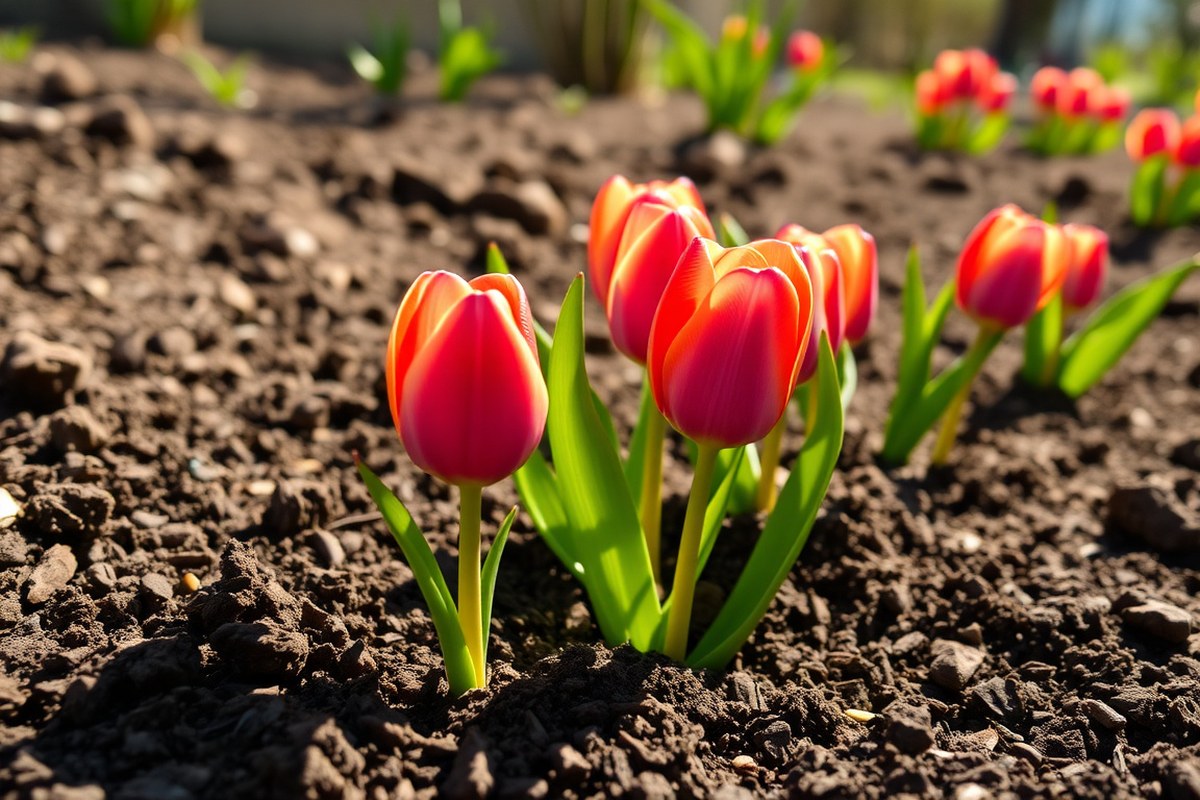
How long do tulips take to grow from planting to bloom? Usually, tulips take about 10 to 16 weeks from seed or bulb to flower. This range depends on the tulip variety and growing conditions like temperature and soil.
Once planted, tulip bulbs need around 4 to 6 weeks to grow strong roots. After rooting, they usually take another 15 to 30 days before the flowers open. Cooler temperatures around 50°F to 55°F help bulbs grow steadily without rushing.
Planting depth and spacing affect how tulips develop too. Bulbs planted 4 to 6 inches deep usually develop better roots and bloom on time. Crowding bulbs can slow growth and cause smaller flowers.
Soil quality also plays an important role. Well-drained, sandy soil helps tulips avoid rot and grow healthy roots. Adding organic matter before planting improves soil structure and nutrient availability.
Key Takeaways
- Tulips take between 10 and 16 weeks to bloom after planting.
- Root growth takes 4 to 6 weeks before buds form.
- Cool, steady temperatures around 50°F to 55°F promote steady growth.
- Plant bulbs 4 to 6 inches deep for the best root development.
- Space bulbs properly to avoid competition and delayed blooming.
- Species tulip offsets bloom faster than hybrid tulip offsets.
How Long Do Tulips Take to Grow from Planting to Bloom
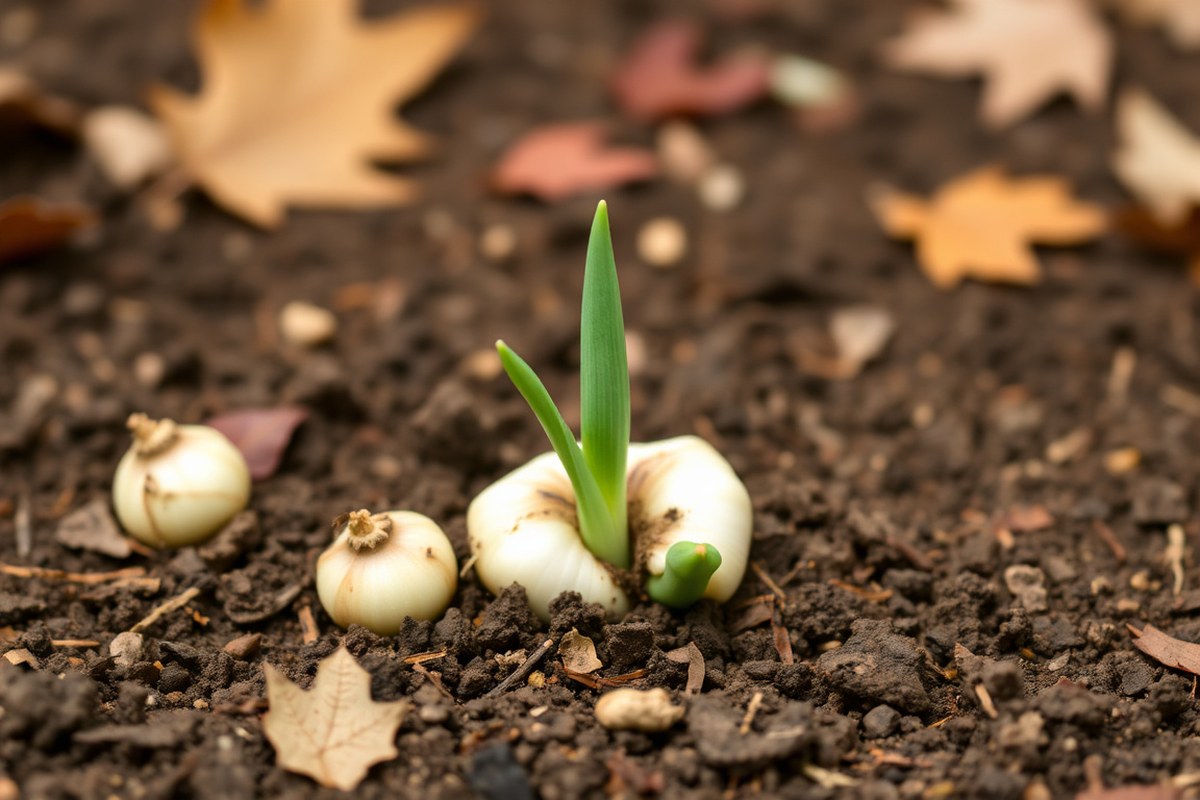
Tulips usually bloom 18 to 22 weeks after you plant the bulb. Planting happens in fall to give bulbs time to root and gather energy. Root growth and energy storage happen before green shoots appear.
Tulips take 8 to 16 weeks after planting to show above the ground. During this time, the shoots grow taller. Flowering starts after shoots appear.
The exact timing depends on the variety and local climate. Early-season tulips bloom closer to 10 weeks. Late-season types can take up to 16 weeks or longer.
Different tulip varieties affect the growth time. For example, hybrid offsets may take 2 to 3 years to bloom after planting. Species tulip offsets often bloom the following spring.
To enjoy flowers the first year, use mature bulbs for planting. Seeds or offsets take longer to bloom. Mature bulbs speed up flowering.
Temperature also influences this timeline. Chilling the bulbs before planting helps trigger flowering at the right time. Bulbs missing enough cold weeks might bloom late or not at all.
Cold is needed to wake the bulb for growth. Lack of chill delays or stops blooming. Planting at the recommended depth of about 6 inches supports steady growth.
Tulips in pots can flower about 15 weeks after planting. Keep pots at the right temperature for a healthy bloom. Timing is similar to planting in soil.
Moving pots to warmer spots once shoots appear can speed up bloom time slightly. This method lets you control bloom timing better, especially in cooler areas.
The Tulip Growth Phases Explained with Timelines
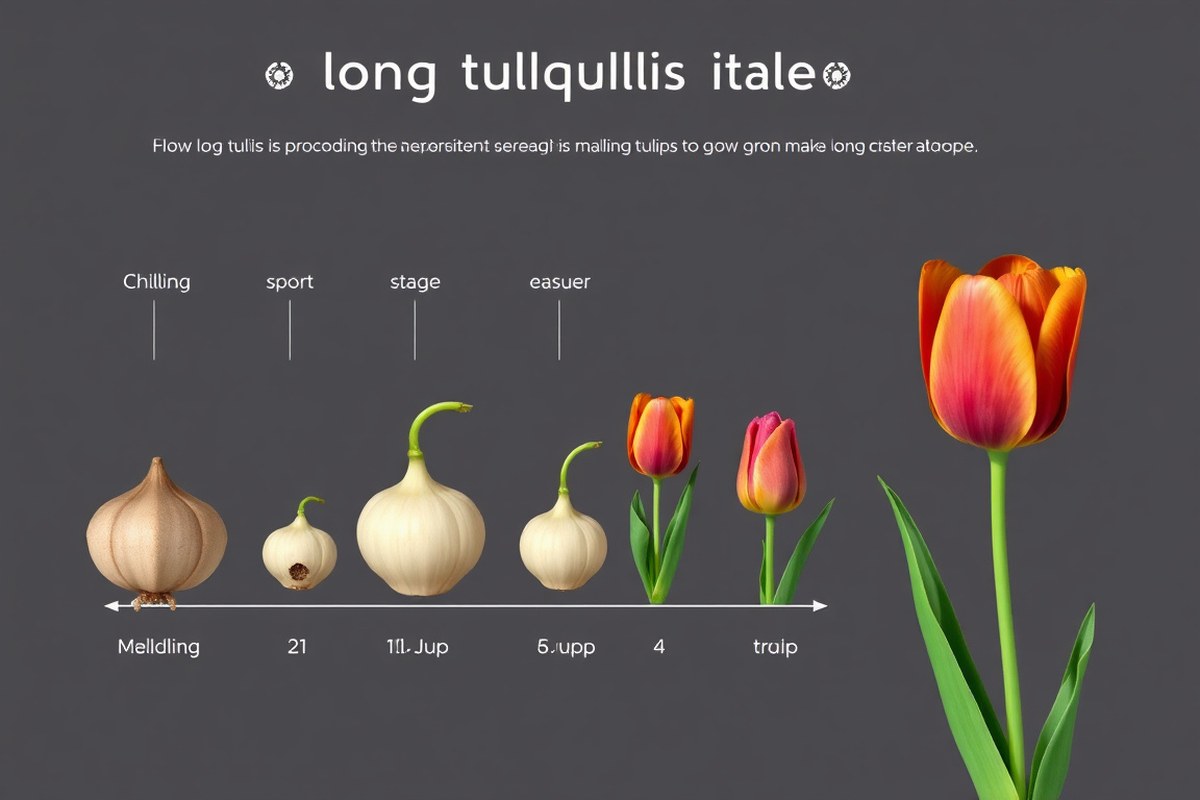
Tulip growth starts with a long cold period underground. Then roots grow before shoots appear above soil. Visible sprouting happens about 12 to 14 weeks after chilling, followed by flowering and leaf growth.
The Chilling Period and Its Importance
Tulip bulbs need a chilling period of 12 to 14 weeks at 35-45°F (2-7°C). This cold time triggers strong stems and consistent bloom times. Without enough cold, flowers may not form or bloom will be delayed.
The chill activates hormones inside the bulb that prepare it for spring growth. Gardeners plant bulbs in fall to ensure they get natural chilling before soil warms. Artificial refrigeration can work in warm climates if the temperature stays steady in the right range.
Root Growth and Establishment Phase
Once chilling is complete, roots start growing underground even before shoots appear. This phase lasts from a few weeks to the first signs of sprouting. Healthy root development means better nutrient uptake for the plant.
Plant bulbs 6 to 8 inches deep in well-drained soil during fall. This gives roots time to establish before winter ends.
Dry conditions during this phase can stress bulbs and weaken growth. So watering helps if rain is scarce.
Visible Sprouting and Flowering Timing
You usually see green shoots emerge once soil warms past 50°F (10°C), often in early spring. From sprouting to bloom takes around 4 to 6 weeks. Flowering depends on variety but typically arrives after roots fully form and leaves grow.
Tulips can bloom anywhere from late March to early May. Planting deeper or choosing late-flowering types can push bloom dates later. Expect tall stems in hybrids after sprouting, growing quickly into bright, colorful flowers.
Foliage Growth and Post-Bloom Phase
Leaves continue growing after flowers fade, usually lasting 4 to 6 weeks. This foliage refills bulb energy for next year’s bloom. Water plants during this stage when the soil feels dry.
Lack of moisture will shorten leaf life. This also weakens the bulbs.
Let leaves yellow and die back naturally before removing them. Cutting leaves too soon stops bulbs from storing food for the next cycle. Healthy post-bloom foliage improves chances for strong flowers the following spring.
Follow these steps to time tulip growth successfully:
- Plant bulbs in fall at 6 to 8 inches depth in well-drained soil.
- Ensure bulbs experience 12 to 14 weeks chilling at 35-45°F (2-7°C).
- Keep soil moist but not wet during root establishment and sprouting.
- Watch for green shoots after soil warms above 50°F (10°C).
- Water regularly once shoots appear, especially during dry spells.
- Enjoy flowers about 4 to 6 weeks after sprouting begins.
- Allow foliage to grow fully and die back naturally after bloom.
Don’t cut the leaves too early; they feed bulbs for next year.
How Planting Depth and Spacing Influence Tulip Growth Timing
Tulip bulbs need planting at the right depth to grow well. A depth of 6 to 8 inches from the bulb’s base works best for most tulips. This depth keeps bulbs safe from cold temperature swings and frost.
It helps roots grow evenly. Shoots then grow right on schedule.
Plant bulbs deeper than 4 inches to protect them. Bulbs planted too shallow dry out more. Shallow bulbs also risk frost heave damage.
Bulbs planted too shallow start growing early during warm winter spells. Early sprouts might get hurt by cold snaps later. This can stop growth.
On the other hand, planting bulbs deeper than 10 inches slows growth and delays blooming. The soil insulates bulbs too much, which means your tulips take longer to emerge above ground.
Spacing also affects growth speed and stem length. Plant bulbs about 2 inches apart when you want a thick cluster of blooms. For a more open lawn or formal border, space bulbs around 8 inches (20 cm) apart.
Closer spacing can cause crowding, making bulbs compete for nutrients and water. This can weaken stems and cause uneven bloom times. Giving tulips more space helps them get enough nutrients.
They grow taller and bloom on time. Crowded tulips may struggle to thrive.
- Dig holes twice the bulb’s height deep (6 to 8 inches)
- Check soil is cool, between 32 and 55 degrees Fahrenheit
- Keep bulbs 2 to 8 inches apart, based on crowding preference
- Place bulb base down to help root direction
- Plant firm, healthy bulbs only for best growth results
Planting tulips on time in autumn is key for root setup before winter. Well-set roots and proper spacing let stems grow tall and strong. This timing helps tulips bloom fully and on schedule come spring.
You might go a little deeper near wildlife-prone spots. Bulbs planted 12 inches deep can resist squirrel digging and still bloom well for several years. Change planting depth based on your soil and climate.
Still, focus on planting bulbs 6 to 8 inches deep. This tends to work best.
Temperature and Chilling: Key Factors in Tulip Growth Speed
Tulip bulbs need 12 to 16 weeks of chilling at 35°F to 50°F. This helps them grow roots. It also helps them flower properly. Soil temperature should stay below 45°F during chilling time.
If not, refrigerate the bulbs. This stops early growth. Use a fridge or cool basement when soil is too warm.
This is important in zones 8 and 9. It helps bulbs chill correctly.
Plant tulips outdoors when soil temperatures drop to around 55°F (13°C), usually in fall. Don’t plant if the ground is warmer than 60°F. Warm ground stops root growth. It also delays blooming.
Keep bulbs away from drafts while chilling. Sudden temperature changes confuse the bulbs. This slows their development.
Chill potted tulip bulbs indoors for 12 to 16 weeks. Keep them in a dark place inside the fridge.
Maintain 35°F to 48°F. This method works well if you don’t experience a true cold winter. Remember to check the bulbs regularly to avoid moisture buildup, which can cause rot during chilling.
Growing Tulips in Pots vs. In-Ground: Timing and Care Differences
Potted tulips usually bloom slightly later than those planted in the ground. You need to chill bulbs properly before potting and watch soil moisture closely. Compared to garden beds, potted tulips demand more frequent watering and careful light exposure.
Chilling Requirements for Potted Tulips
Tulip bulbs must chill before they grow buds. This chilling period lasts about 12 to 16 weeks at 35-48°F. Potted tulips need the same chill time as outdoor bulbs to bloom properly.
Chilling indoors is common for potted tulips. You can refrigerate bulbs in dry peat moss or sand inside a paper bag. Avoid storing them near fruits to prevent mold growth on bulbs.
Watering and Soil Conditions Differences
Potted tulips dry out faster than those planted outside. Check soil moisture every 3 to 7 days during spring growth. Use a well-draining soil mix with added sand or perlite to prevent root rot.
In-ground tulips usually don’t need extra watering if it rains enough. Poor drainage in pots can cause bulbs to rot.
So proper container drainage holes are key. Terracotta pots help keep soil evenly moist without overheating roots.
| Feature | Potted Tulips | In-Ground Tulips |
|---|---|---|
| Chill Time | 12 to 16 weeks in fridge or cold spot | Natural cold in winter soil |
| Watering | Check weekly, keep soil moist but not soggy | Usually rain suffices; supplement in drought |
| Soil Type | Well-draining mix, sandy or with perlite | Well-draining, sandy loam soil |
| Pot Material | Terracotta preferred over plastic | Not applicable |
| Light | 6+ hours direct sun or grow light | Full sun, some afternoon shade in hot climates |
| Typical Bloom Time | Starts 1-2 weeks later than outdoors | Early to mid spring |
Good pot drainage and soil mix prevent overwatering problems. Outdoor soil often holds moisture better, reducing daily care.
Lighting Needs and Growth Timeline Indoors
Indoors, tulips need full sun for at least six hours daily. A sunny windowsill that faces south or west usually works best. You can use a fluorescent grow light if sunlight is limited to extend bloom length.
Potted tulips take about 1 to 2 weeks longer to bloom after chilling. Indoor temperatures around 60 to 68°F encourage steady growth. Too warm or poor light slows development and shortens bloom lifespan.
Place pots away from heaters or drafts to avoid quick drying and bud drop.
Common Causes of Delayed Blooming and How to Fix Them
Slow or missing tulip blooms often come from planting or care mistakes. Too shallow planting is common and causes weak growth or no flowers. Bulbs need to sit 6 to 8 inches deep to protect them and support tall stems.
Soil drainage matters a lot. Heavy, wet soil keeps bulbs soggy and leads to rot or fungal problems like tulip fire.
Overwatering or poor drainage stops bulbs from storing energy for blooming. Use sandy or loamy soil with good drainage and water only when the soil feels dry.
Chilling time affects bloom timing, especially in warmer climates. Tulips require 12 to 16 weeks below 50°F to bloom on time. Planting in early fall usually means nature gives enough cold for bulbs.
In warm places, plant bulbs late in fall. You might need to refrigerate them. Keep them cold for 12 to 16 weeks before planting.
- Plant bulbs 6 to 8 inches deep in well-draining soil
- Avoid watering more than once a week; check soil moisture
- Refrigerate bulbs 12 to 16 weeks before planting if in warm zones
- Inspect bulbs for rot or disease before planting
- Remove infected plants immediately to stop fungal spread
- Choose a sunny spot with at least 6 hours of light daily
To test soil drainage, dig a hole and fill it with water. Watch how fast the water drains. It should drain within an hour.
Water standing means the soil needs better drainage. Add sand or organic matter to fix this.
Healthy bulbs produce shoots 4 to 8 inches high before blooming, signaling good roots and energy. Plants thinner than 4 inches might need better planting or care next season.
Address problems quickly. Move bulbs to sunnier spots, fix soil drainage, and adjust watering routines. These steps help tulips bloom on time and grow fuller stems.
Extending Tulip Bloom Duration and After-Bloom Care
Most tulip flowers stay open for about 7 to 14 days. This short bloom period is normal.
So expect the colors to fade quickly after opening. Warm temperatures and strong sun can speed up the fading and make flowers close sooner.
High heat, windy days, or heavy rain shorten bloom time by stressing the flowers. Too much direct sun also causes petals to wilt faster. Plant tulips where they get morning sun and afternoon shade for longer blooms.
After blooming, don’t cut the foliage right away. The green leaves keep gathering sunlight for the bulbs to store energy.
Let the leaves stay on until they turn yellow or brown. This usually takes 6 to 8 weeks after the flowers fade.
Once foliage yellows, gently cut it away near the soil line. This stops droopy leaves from looking messy while bulbs rest. Avoid pulling leaves off early; this can weaken bulbs and reduce next year’s flowers.
Make sure pots drain well for tulips in containers. Move pots to cooler spots after they bloom. This slows leaf decay and helps bulbs store energy.
After leaves die back, let pots dry a little. Then store bulbs in a cool, dry place until fall.
Check for bulb fatigue if tulip buds don’t open despite good care. Old bulbs may need replacing because they lose energy over time. Adding fresh compost and balanced fertilizer in fall supports healthier blooms next spring.
Tulip Varieties and Their Impact on Growth Timing and Reblooming
Tulip varieties affect how fast they grow and if they bloom again. Species tulips usually take less time to naturalize and can rebloom yearly.
Hybrids bloom strong once but often don’t come back the next year. Offsets bloom faster than seeds but still need time to grow.
Growth Duration by Tulip Type
Species tulips are closer to wild types and finish growth quicker than hybrids. Early bloomers, like Single Early tulips, show flowers in March or early April. Hybrids like Darwin or Parrot tulips grow slower.
They bloom weeks later than other types. It takes more time for them to fully flower.
Because species are hardier, they handle colder temperatures better and tend to naturalize. Hybrids often focus energy on larger blooms instead of reblooming. Your choice depends on whether you want quick flowers or plants that return year after year.
| Tulip Type | Typical Bloom Time | Growth Speed | Naturalizing |
|---|---|---|---|
| Species Tulips | Early Spring (March-April) | Faster | High |
| Single Early Hybrids | Early Spring (March-April) | Fast | Medium |
| Darwin Hybrids | Mid-Late Spring (April-May) | Slower | Medium to High |
| Parrot Tulips | Late Spring (April-May) | Slow | Low |
Species tulips suit gardeners wanting plants that grow quickly and come back yearly. Hybrids offer bold colors but usually last one season. Darwin Hybrids stand out for second-year blooms despite their slower growth.
Offset vs Seed-Grown Tulip Timing
Offsets, or daughter bulbs, bloom sooner than seed-grown tulips. Seeds need about five or more years of care before maturity and the first flower. Offsets produce blooms in 1 to 3 years but usually smaller at first.
Growing from seed demands patience and attention every year, like weeding and watering. Offsets provide an easier, quicker way to increase your tulip numbers. Both methods suit different timelines and effort levels.
Starting tulips from seed requires years of care before you see flowers.
Rebloom Likelihood and Care by Variety
Only some varieties reliably rebloom in one season, especially species and Darwin Hybrids. Hybrids grown as annuals don’t benefit much from fertilizing. Species tulips, however, perform better with spring feeding to support growth and next year’s flowers.
Rebloom depends on bulb health, soil quality, and climate after the first bloom. Naturalizing species or Darwin types often flower again without major fuss. Choose varieties known for rebloom if you want flowers year after year with less effort.
Step-by-Step Action Plan for Growing Tulips
Follow this plan to grow tulips that bloom on time. Your tulips will look great in your garden or pots. These steps help you get the best results.
- Before planting: Choose a well-drained site or pot with full sun. Good soil and light mean stronger growth.
- Planting time: Plant bulbs 6 to 8 inches deep and 4 to 6 inches apart. Check planting depth by measuring with a ruler.
- After planting: Water bulbs well to start root growth. Soil should be moist but not soggy.
- During chilling: Keep soil temperature between 35°F and 50°F for 12 to 16 weeks. Use a refrigerator for potted bulbs if needed.
- Early growth: When shoots appear in spring, check that soil stays moist. Leaves should look healthy and green.
- Bloom time: Expect flowers 8 to 16 weeks after shoots emerge. Tulips should stand upright with bright petals.
- After bloom: Cut flowers but keep leaves until they yellow. This lets the bulb store energy for next year.
- End of season: Take off the dead leaves from your tulips. Store bulbs in a cool, dry place for next fall. This helps you save bulbs for replanting.
Frequently Asked Questions
How Long Do Tulips Take to Grow?
Tulips take around 18 to 22 weeks to grow from planting to bloom. This timing depends on your climate and the tulip variety you choose.
Can You Leave Tulip Bulbs in the Ground All Year?
Most tulip bulbs don’t do well if left in the ground all year. Some varieties last longer.
Usually, you must lift bulbs every 2 to 3 years. This helps stop rot from developing.
Will Tulips Bloom Twice in One Year?
Tulips usually bloom once per year in spring. They rarely bloom again the same year.
Some special types might flower in fall. This happens only in perfect conditions.
How Long Will Potted Tulips Stay Alive?
Potted tulips live for several weeks while blooming, often around 2 to 3 weeks. After flowering, they need rest and proper care to last for another season.
Will Tulips Spread on Their Own?
Tulips spread by making offsets slowly. It can take 2 or 3 years for new bulbs to bloom. Species tulips spread faster than hybrids.
How Deep Should You Plant Tulip Bulbs for Best Growth?
Plant tulip bulbs about 6 to 8 inches deep for best results. This depth protects bulbs from frost and helps them develop strong roots.
Final Thoughts
Tulips take several months from planting to bloom, needing cold and good care. You can time your planting to enjoy spring flowers on schedule. Start by choosing healthy bulbs and planting them at the right depth for best results.