Are Marigolds Perennial Flowers? A Complete Guide to Types and Growing Tips
Marigolds’ lifespan depends on their type and your climate zone. Common ones like French and African marigolds only live for one growing season. They don’t return after that season ends.
Some marigold varieties, such as the Mexican marigold, are true perennials but only in warmer climates. These marigolds can live through winters in USDA zones 8 to 11. They bloom again in the following years if your climate fits.
That makes them perennials in those zones. In colder areas, even perennial types won’t survive outside without protection.
To help marigolds grow as perennials, start their seeds early indoors. Do this 6 to 8 weeks before the last frost date arrives. Then plant them outside when the weather warms up.
Also, plant them in full sun and give enough space for larger types. These practices help them grow strong and survive seasonal changes better.
Key Takeaways
- Most marigolds are annuals, meaning they live for just one season.
- Mexican marigolds can survive as perennials in USDA zones 8-11.
- Begin marigold seeds inside about 6 to 8 weeks before the frost ends. This early start helps seedlings develop well before planting outside. It gives them a good head start in spring.
- Plant marigolds in full sun with at least 6-8 hours of direct light.
- Give perennial marigolds 18-24 inches of space to accommodate their size.
- Protect perennial marigolds from frost to help them survive the winter.
Are Marigolds Perennial or Annual Flowers?
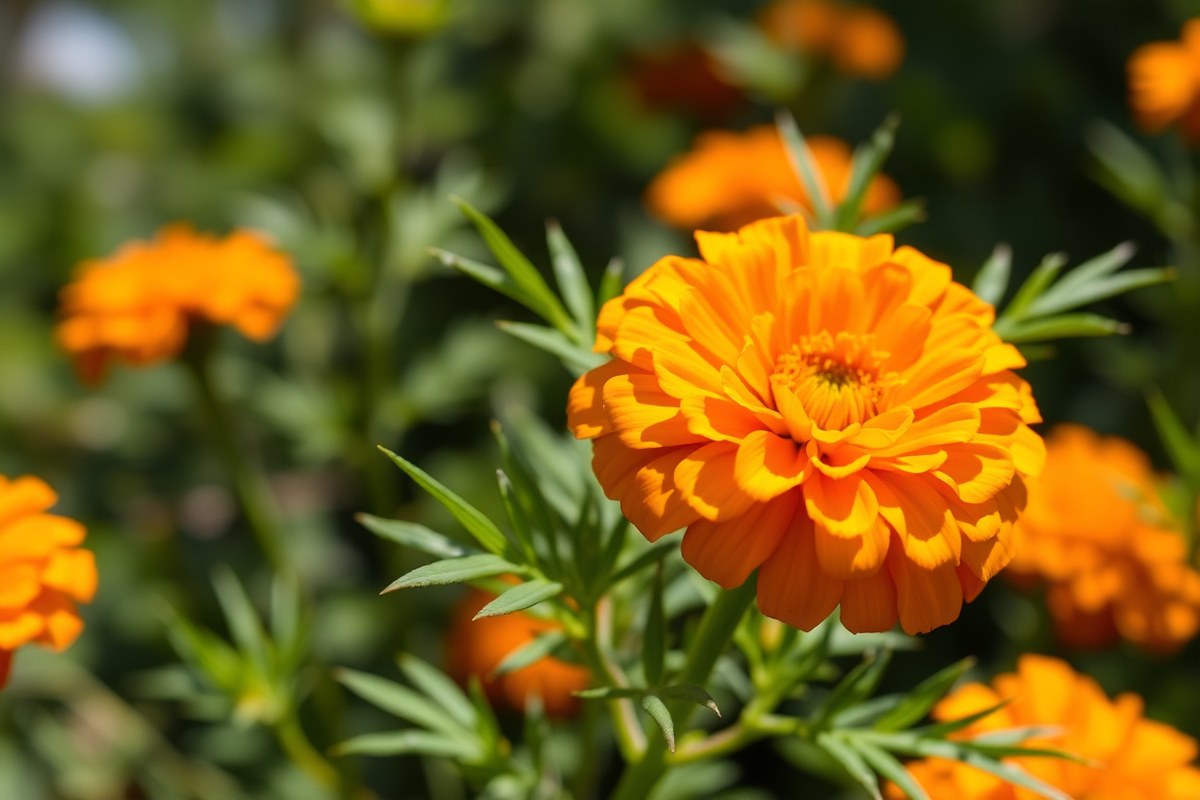
Most marigolds in garden centers are annuals, lasting one season. You plant them, see flowers all summer, then they die after frost. They finish their full life cycle within one year.
Because of this, many people treat marigolds like annuals and replant them every year. It’s simpler to start fresh in spring than to overwinter the plants indoors or outdoors. The common African and French marigolds fall into this category.
Still, some marigold species are true perennials that can live and bloom for several years. Mexican marigolds (Tagetes lemmonii) are one example. They usually survive winters in USDA Hardiness Zones 8 to 11 if the climate stays mild.
These perennial marigolds have woody stems and can come back on their own each year. That means you don’t need to replant them every spring where conditions are right. However, they take longer to establish than annual types.
Also, many annual marigolds self-seed in the garden. They drop seeds that grow new plants the next season. This self-seeding gives the appearance of a perennial because marigolds return without replanting.
Still, relying on self-seeding isn’t the same as having a true perennial. Seedlings may be patchy or grow in unwanted places. This method also depends on your climate and garden conditions.
So, most marigolds are annuals that don’t come back naturally after frost. But a few species are perennials if grown in suitable warm zones. You can get blooms all year with perennials.
Save seeds or plant new annuals each spring. These methods help you enjoy flowers all year.
Which Marigold Varieties Are Perennial and Which Are Annual?
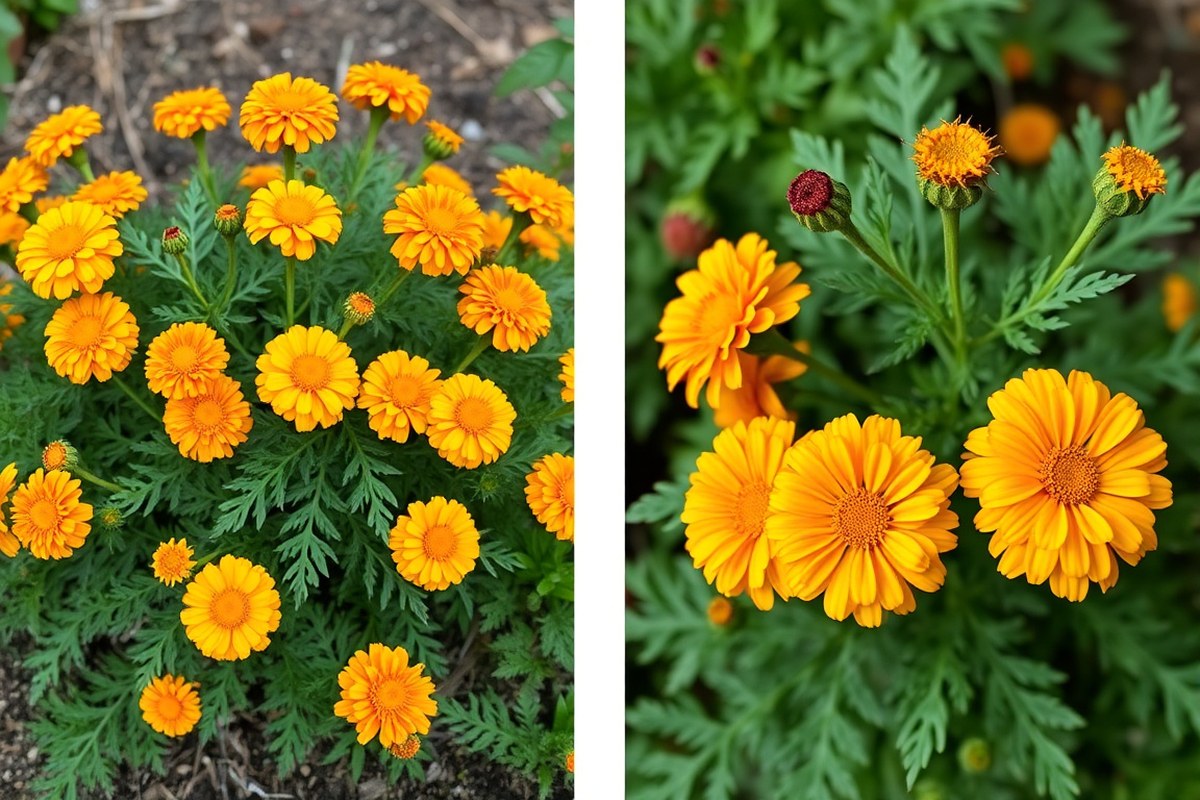
Most marigolds you find at nurseries are Mexican, African, French, or Signet. They differ in growth as annuals or perennials. Mexican marigolds can be perennials in warm areas.
African, French, and Signet marigolds usually grow as annuals. These types also vary in size and flower shape.
Mexican Marigolds (Tagetes Lemmonii and Others)
Mexican marigolds, like Tagetes lemmonii, are evergreen shrubs and true perennials. They thrive in USDA Zones 8 to 10, growing year after year in warmer climates.
These marigolds usually grow 3 to 6 feet tall. They have narrow, aromatic leaves and bright yellow flowers.
This type does best with some winter protection if your local climate dips below zone 8. These marigolds don’t die back each year.
They keep their leaves and form woody stems. Their blooms are less rounded and more loosely arranged than African or French marigolds.
African Marigolds (Tagetes Erecta)
African marigolds, Tagetes erecta, are large annual plants often topping 3 feet in height. They have big, full pom-pom or globe-shaped flowers that come mostly in yellow and orange shades. These marigolds are the tallest and have the most substantial flower heads among the common types.
Although sometimes called Mexican marigolds, Tagetes erecta are grown as annuals in most climates. They need spacing of about 12 inches apart to give their large blooms room.
These marigolds finish growing in one season. They don’t come back next year unless they reseed.
French and Signet Marigolds (Tagetes Patula and T. Tenuifolia)
French and Signet marigolds are smaller annual plants. French types grow 6 to 12 inches tall with dense flowers. Signet marigolds reach only 4 to 6 inches and have lacy leaves with small flowers.
French marigolds have many colors and ruffled petals. Signet marigolds have single petals in yellow and orange shades. French marigolds need about 6 inches of space between plants.
Signet marigolds do best with 4 to 6 inches spacing. Both suit borders or containers. They last one season and don’t return after frost kills them.
This table shows key features of popular marigold types. It also covers how they grow throughout the year.
| Marigold Type | Botanical Name | Growth Habit | Height | Flower Type | Typical Spacing | Perennial Zones |
|---|---|---|---|---|---|---|
| Mexican Marigold | Tagetes lemmonii | Evergreen Shrub, Perennial | 3-6 ft | Loose, Yellow Flowers | 18-24 in | 8-10 |
| African Marigold | Tagetes erecta | Annual | Up to 3 ft | Pom-Pom, Large | 12 in | None (annual) |
| French Marigold | Tagetes patula | Annual | 6-12 in | Ruffled, Dense Clusters | 6 in | None (annual) |
| Signet Marigold | Tagetes tenuifolia | Annual | 4-6 in | Single, Small Flowers | 4-6 in | None (annual) |
You can plan your garden better using these details. Mexican marigolds need space and milder winters to survive past one season. African, French, and Signet marigolds grow fast but complete their life cycle in months.
African and French marigolds won’t return next year on their own. You need to reseed or plant new ones.
How Climate and Hardiness Zones Affect Marigold Lifespan
Marigolds survive as perennials mainly in USDA hardiness zones 8 through 11. These zones have mild winters where temperatures rarely drop below 10 to 20°F. Mexican marigolds can live for several years.
They thrive in warmer zones. They handle typical winter lows well.
In zones colder than 8, marigolds usually don’t survive winter outdoors. Temperatures in zones 2 through 7 often dip well below freezing, killing marigold plants.
Gardeners in colder zones must treat marigolds as annuals. They plant new ones each spring.
The difference in lifespan comes down to frost tolerance. Marigolds can’t survive a hard frost or extended freezing weather. Zones 8 to 11 stay warm enough in winter.
Perennials like Mexican marigolds can survive there. Zones below 8 are too cold, so the plants die after one growing season.
Here’s an easy way to decide. Grow marigolds as perennials if your zone is 8 or warmer. These plants will come back year after year if you protect them from any occasional freezes.
Your zone is colder than 8. Grow marigolds as annuals because they won’t survive winter.
A gardener in zone 9 can plant Mexican marigolds. They expect blooms again next year.
A gardener in zone 5 must start fresh marigold seeds or seedlings each spring. This means extra work and cost, but marigolds are affordable and easy to replace.
Starting and Growing Marigolds for Perennial Success
Start marigold seeds indoors 6 to 8 weeks before the last frost date. Use seeds meant for perennial types if you want a lasting garden. Keep the seedlings warm and in full light to encourage strong growth.
Seed Starting Timeline and Conditions
Begin sowing seeds indoors 6 to 8 weeks before your area’s last frost. This timing helps seedlings grow sturdy before moving outside. Place them where they get 6 to 8 hours of sunlight daily.
Use well-drained seed-starting mix and keep it moist but not soggy. The ideal soil temperature is around 70°F (21°C) for the seeds to sprout quickly. Thin seedlings once they grow their second set of leaves to avoid overcrowding.
Transplanting Steps and Timing
Transplant marigolds outdoors after the last frost, when soil temperature hits about 70°F (21°C). The seedlings should be 3 to 4 inches tall and have several true leaves. Harden them off by gradually exposing them to outdoor conditions over 7 days.
Follow these steps for successful transplanting:
- Choose a sunny, well-drained spot for planting.
- Prepare soil by loosening it and mixing in compost.
- Dig holes slightly larger than the seedling pots.
- Lift seedlings gently from their containers, keeping roots intact.
- Place each seedling in a hole and cover roots with soil.
- Press soil lightly to remove air pockets and water immediately.
- Space marigolds 8 to 12 inches apart to allow air circulation.
Ideal Soil, Sunlight, and Watering
Marigolds thrive in moderately fertile, well-draining soil with a neutral pH. They prefer full sun and at least 6 hours of direct sunlight a day. This promotes strong stems and vibrant blooms.
Water marigolds at the base, letting soil dry out between watering. Avoid wetting foliage to prevent fungal issues. Fertilize your plants lightly once a month.
Use a balanced fertilizer. This helps keep plants healthy without too much leaf growth.
Pruning, Deadheading, and Overwintering Marigolds
Deadheading and pruning marigolds can help these flowers bloom longer and survive mild winters. You can also overwinter marigolds indoors or prepare them for winter outside in colder climates. These actions improve plant health and extend flowering times.
Deadheading to Promote Blooming
Removing dead flowers stops the plant from making seeds. This allows the marigold to redirect energy toward growing new blooms. You should deadhead marigolds frequently throughout the growing season to keep flowers coming.
Deadheading is simple and quick. Check for faded or dried flower heads. Pinch or snip them off.
Cut where the flower stem meets the plant base. This prevents disease and helps the plant look neater.
- Check the plant every few days for spent flowers.
- Use fingers or small scissors to remove old blooms. Cut just above the first leaf set.
- Discard the removed flowers away from the garden bed to avoid pests.
- Repeat throughout spring to fall to maintain new growth and blooms.
Don’t leave dead flowers on the plant; they waste energy and invite pests.
Pruning for Health and Perennial Growth
Pruning marigolds encourages bushier growth and more flowers. Cut them back in early spring when new shoots start. Regular pinching of leggy stems during the season can also help keep plants compact.
For perennial types in mild climates, pruning removes weak or damaged stems. This keeps the plant strong and better prepared to survive winter. Avoid cutting too much at once, or the plant may stress.
- Wait for new growth in early spring before pruning.
- Use clean, sharp shears to cut back stems by about one-third.
- Remove any dead or weak branches to improve airflow.
- Pinch back leggy tips during the growing season to encourage bushiness.
- Fertilize lightly after pruning to support new growth.
Pruning too late in the season can reduce the next flowering cycle.
Overwintering Techniques for Colder Zones
Marigolds do not survive harsh winters outdoors in cold zones below USDA zone 8. You can overwinter them indoors by digging up and potting healthy plants before frost. Keep them in a cool, bright spot.
In mild climates, planting marigolds in sheltered areas helps them survive the winter outside. Mulching around the base provides extra protection from occasional frost. Avoid heavy pruning before winter.
- Dig up marigolds a few weeks before the first frost in cold areas.
- Trim back foliage by one-third to reduce water loss.
- Pot plants in well-draining soil and water lightly.
- Place pots indoors near a sunny window at about 50, 60°F.
- Check soil moisture weekly; avoid overwatering to prevent rot.
- In milder climates, apply a 2-inch mulch layer around plants outside.
- Protect from strong winds and heavy frost with garden fabric if needed.
Keep overwintered marigolds cool but bright to slow growth and maintain health.
Common Challenges and Mistakes That Affect Marigold Perennial Growth
Marigolds usually resist many pests and diseases. However, spider mites, aphids, and whiteflies sometimes attack leaves and stems.
Spray affected plants every few days with gentle insecticidal soap. Do this until the bugs disappear.
Damping-off disease and powdery mildew also cause trouble. Damping-off kills seedlings early; powdery mildew leaves a white powder on leaves. Avoid these by planting in well-drained soil and watering the base, not leaves.
Powdery mildew means pruning infected parts. Then use a fungicide as directed.
Care mistakes often shorten marigold life. Overwatering causes root rot and wilting.
Marigolds prefer soil that stays moist but dries between waterings. Let the top inch of soil dry before watering again to prevent soggy roots.
Poor sunlight slows growth and flowering. Marigolds need at least six hours of full sun daily.
Plant in spots with direct sunlight to keep stems strong and flowers bright. A shady location leads to leggy, weak plants losing vigor.
Crowding is another common issue. Perennial marigolds need 18 to 24 inches of space for healthy roots and air flow.
Crowded plants suffer from poor air circulation, inviting fungal diseases. Thin them or space new plants properly to avoid this problem.
Keep an eye on growth habits for early signs of stress. Compact growth without buds might mean too much shade, less water, or poor soil nutrition.
Feed marigolds with balanced slow-release fertilizer every four to six weeks. This helps them bloom longer and stay hardy.
A quick daily check for pests, damaged leaves, or fading color can save your marigolds. Remove affected leaves, treat pests early, and adjust watering or sunlight as needed. This simple care prevents many problems and extends your marigolds’ lifespan.
Self-Seeding Behavior and Yearly Return of Marigolds
Marigolds often seem to come back year after year because they self-seed. When the flowers finish blooming, they drop seeds that sprout the next spring.
These new plants are not the original ones. But they look like the garden returned.
Self-seeding is different from being perennial. Perennials live for several years and keep growing from the same roots. Marigolds mostly die after one season.
They come back only if new seedlings grow. These seedlings come from dropped seeds.
To help marigolds self-seed, leave some flower heads to dry on the plant. Don’t deadhead all the flowers off. This gives seeds time to mature and fall onto the soil.
No special care is needed. Just leave some spent blooms alone in late summer or early fall.
Remove all dead flowers before they set seed to control reseeding. Pull out new seedlings before they get established in early spring. This stops marigolds from popping up where you don’t want them.
Self-seeding marigolds can pop up even where you didn’t plant them. Seeds often spread by wind, birds, or watering.
New plants bloom later in the season. They may grow a bit different in size or shape.
Some types, like garden or French marigolds, depend on self-seeding. They are annual plants. The tree marigold, called Japanese sunflower sometimes, acts as annual or perennial.
This depends on the climate. It may survive winters in warmer places. Then it comes back from the same root in spring.
Planning for self-seeding requires some patience. Seeds take about one to two months to mature once flowers fade. The next year’s plants grow from those seeds, making it look like perennials in your garden.
Start seeds indoors in late winter to get flowers early. Move them outside after the last frost.
Letting marigolds self-seed saves you money and effort buying new plants every year. But it might also cause too many seedlings in some spots, so thinning becomes necessary.
Thin seedlings by snapping off the weakest when they reach a few inches tall. This keeps the strongest plants healthy and blooming well.
Growing Marigolds in Containers for Multiple Seasons
Marigolds can live for multiple seasons in containers if you care for them properly. Choose a pot at least 12 inches wide. It should be 10 inches deep.
This size gives the roots room to grow well. Use well-draining potting soil mixed with some compost to keep the plant healthy and nourished.
Water marigolds when the top inch of soil feels dry, usually once or twice a week. Avoid soggy soil because it can cause root rot. Put your container where marigolds get 6 to 8 hours of sun.
They need full sunlight each day. This helps them bloom well.
To keep marigolds going through winter, bring container plants indoors before the first frost. Put them near a sunny window or under grow lights. Cut back plants by half during late fall to reduce stress.
Water them sparingly until spring comes. This helps them stay healthy when dormant.
Always check the pot’s drainage holes to prevent standing water, which harms marigolds’ roots.
In warmer climates, marigolds might survive outdoors in containers all year with some protection. Cover the pot on cold nights or move it under eaves during winter. Adding mulch on top of the soil helps retain moisture and keep roots warm.
Repot your marigolds every two years or when you see roots growing through drainage holes. Fresh potting mix refreshes nutrients and encourages new blooms. Trim dead flowers regularly when marigolds start to fade.
Pinch back leggy growth to encourage bushier plants. This keeps them looking fresh.
Step-by-Step Action Plan to Keep Marigolds Coming Back
Follow these steps to enjoy marigolds beyond one season. This plan helps you grow them as perennials or get them to self-seed reliably.
- Before Planting: Choose perennial marigold varieties for your climate zone. Check your USDA zone and seed packet labels to make sure.
- Planting Time: Begin sowing seeds indoors about 6 to 8 weeks before frost. Choose seedlings that show sturdy stems and good health for transplanting.
- After Transplanting: Plant marigolds in full sun with well-drained soil. Watch for new growth and no wilting in the first week.
- Throughout Growing Season: Deadhead spent flowers weekly to encourage more blooms. You’ll see buds replace old flowers quickly.
- Late Summer: Begin pruning to control size and shape. Plants should stay sturdy with less flopping over after pruning.
- Fall Preparation: Mulch around marigolds before the first frost. Mulch helps protect roots and encourages perennial growth.
- Winter Care: For container plants, bring them indoors or into a greenhouse. Check plants monthly and water only when soil dries out.
- Early Spring: Remove winter mulch gradually and start light fertilizing. Healthy new shoots signal your marigolds are ready for another year.
Frequently Asked Questions
Are Marigolds Evergreen Perennials?
No, most marigolds are not evergreen. They die back in winter and regrow from seeds or roots in suitable climates. Only some types, like Mexican marigolds, keep leaves year-round in warm zones.
Do Marigold Perennials Need Different Soil Than Annuals?
No, both prefer well-drained, moderately fertile soil. Perennials might benefit from added compost to support their longer growth cycle. Avoid soggy soil to prevent root rot.
Can Marigold Perennials Grow Indoors Year-Round?
Yes, with enough sunlight and care, they can grow inside. Provide at least 6 hours of light daily and avoid overwatering. Indoor conditions help in colder climates to keep perennials alive.
Will Marigold Perennials Attract Fewer Pests Than Annuals?
Not necessarily. Both types attract pests like aphids and spider mites.
Healthy soil and proper spacing reduce infestations. Use natural pest controls to avoid harming the plant.
How Large Do Perennial Marigolds Usually Grow?
Perennial marigolds generally reach 18 to 24 inches tall. Some varieties, like Tagetes lemmonii, can grow up to 4 feet with wide spacing. Bigger plants need more room to spread.
Are Marigolds Toxic to Pets and Wildlife?
Marigolds are mildly toxic to cats and dogs if eaten. They can cause stomach upset but are not highly poisonous. Keep pets from chewing on them to avoid issues.
The Bottom Line
Marigolds can live longer than a single season, especially in warm zones. Growing the right types and caring for them well makes the biggest difference. Try starting now with perennial varieties to enjoy marigolds year after year.