Do Peonies Need Sun? Expert Tips for Optimal Growth and Bloom
Do peonies need sun? Yes, they do, but not full blazing sun all day. Most peonies thrive with 6 to 8 hours of direct sunlight daily for best blooms.
Morning sun is important. Aim for 4 to 5 hours of it. Then provide some afternoon shade to prevent heat stress.
Peonies shouldn’t be planted where they get less than 4 hours of sun. Spots with filtered afternoon shade work well, especially in warmer climates. Plant them at the right depth and in good sunlight.
Too deep or too shady spots hurt flower growth. Green leaves alone don’t mean flowers will do well.
In colder zones with shorter seasons, peonies need as much sun as possible. This helps them produce bigger and more frequent flowers. Use rich, well-drained soil.
Give them enough room so light reaches every side. This helps them grow strong and healthy.
Key Takeaways
- Peonies need at least 6 hours of direct sun for strong blooms.
- Morning sun is better than harsh afternoon sun in warm areas.
- Plant peony eyes about 2 inches below soil for best flowering.
- Avoid spots with less than 4 hours of daily sun for peonies.
- Give peonies 3 to 4 feet of space for proper light and air.
- In zones 3 to 6, maximize sun exposure due to shorter growing seasons.
How Much Sun Do Peonies Actually Need?

Peonies require at least six hours of direct sun daily to thrive. This full sun amount promotes more blooms and bigger flowers. Try to give your peonies close to eight hours of sunlight for best results.
Some peony types, like tree peonies, can tolerate partial shade, especially in hot climates. Places with hot afternoons do better with sun in the morning.
Then, peonies benefit from afternoon shade to stay cool. This setup keeps plants from overheating while still giving them enough light to flower.
Peonies won’t do well in full shade since they need sunlight to bloom. They survive with four to six hours of sun but blooming will suffer. Plants in partial shade need four to six hours of morning sun.
This helps them grow stronger and bloom better. Choose spots with this amount of sun for best results.
Differences in Sunlight Needs Among Peony Types
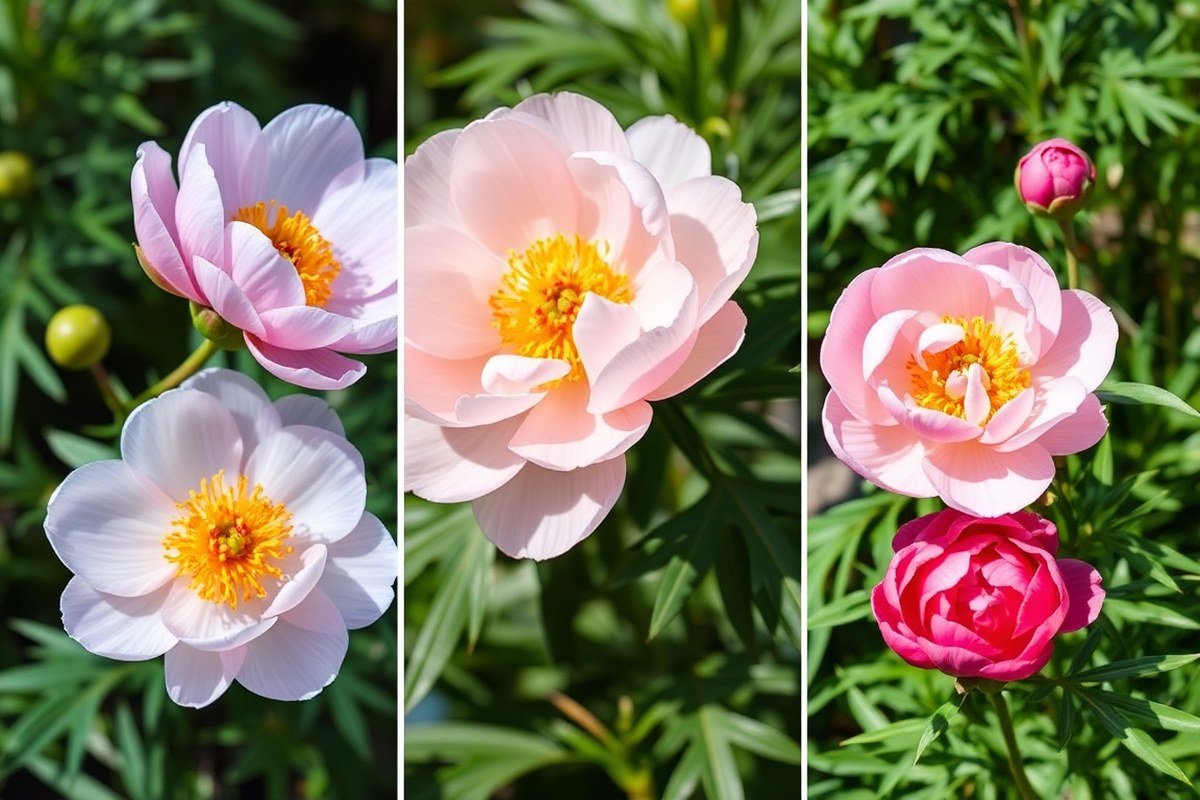
Herbaceous, tree, and intersectional peonies each have different sunlight needs. Herbaceous and intersectional peonies usually need six or more hours of direct sun. Tree peonies handle less light and tolerate dappled or filtered sun better.
Herbaceous Peonies Sun Preferences
Herbaceous peonies grow best with six to eight hours of full sun daily. They bloom more abundantly and develop strong stems when they get enough direct sunlight. Overly shady spots cause weak blooms and increase fungal risks like botrytis blight.
Some herbaceous cultivars like ‘Sarah Bernhardt’ or ‘Coral Charm’ tolerate less sun better. Still, they thrive with a minimum of six hours of direct sun. These varieties suit gardens with partial afternoon shade in hot climates.
Tree Peonies and Shade Tolerance
Tree peonies prefer about five hours of direct sun combined with dappled or filtered light. They tolerate more shade than herbaceous types and often do well in semi‑shade conditions. Avoid deep shade because it lowers flower production and impairs growth.
This variety handles morning sun well and thrives in spots with light afternoon shade. Tree peonies grow better where the sun feels softer. They like spots under tall trees with filtered light.
This kind of shade suits them well. They suit gardeners who want blooms with less sun exposure.
Intersectional (Itoh) Peonies Light Needs
Intersectional peonies are a cross between herbaceous and tree types. They require at least six hours of direct sun daily to perform well. Like herbaceous peonies, more sun leads to more flowers and sturdier stems.
Intersectional peonies can handle some shade. But they struggle in heavy shade or areas with little sun. They prefer more light.
Plant them in open spaces with plenty of morning and midday sun. This helps avoid fungal diseases from damp, shaded spots.
Here’s a table comparing sunlight needs for peony types. It shows their shade tolerance and bloom quality. You can see how light affects them.
| Peony Type | Minimum Direct Sun | Shade Tolerance | Best Location | Bloom Quality in Shade |
|---|---|---|---|---|
| Herbaceous | 6, 8 hours | Low | Full sun, partial shade in hot zones | Reduced, weak stems in shade |
| Tree | 5 hours + filtered light | High | Dappled sun, morning sun with afternoon shade | Good with filtered sun, poor in deep shade |
| Intersectional (Itoh) | 6 hours | Medium | Open sunny spots, morning and midday sun | Reduced if heavy shade |
Choosing the right peony type depends on your garden’s sun availability. For less sunny spots, tree peonies or shade-tolerant herbaceous cultivars work best. Herbaceous and Itoh peonies do best where they get strong, direct sunlight most of the day.
Plant peonies where they get at least five hours of unfiltered sun to prevent fungal disease.
How Climate Zones Affect Peony Sun Exposure
Climate zones guide how much sun your peonies need. In cooler zones like 3 to 6, peonies enjoy full sun all day.
Peonies need about five to six hours of solid sun daily. This sun helps them build energy for blooms before frost.
In these cool areas, plant peonies in open spots without shade. This helps them grow stronger and produce more flowers.
When growing seasons are short, give them as much sun as possible. This helps make up for less warm time.
Hotter regions, roughly zones 7 and above, need a different approach. These peonies still like six to eight hours of sun.
But too much afternoon heat can harm them. You should position peonies where they get morning sun and afternoon shade.
For example, plant them on east-facing spots to enjoy gentle morning light. This setup protects delicate buds from scorching afternoon rays. Afternoon shade keeps your peonies from getting heat stress.
It still lets in enough light for healthy leaves. This balance helps flowers grow well.
Take note of your yard’s sun angle and where shade falls during the day. Seasonal daylight changes also shift sun exposure.
So pick a spot with consistent sun through the growing season. In warmer zones, varieties needing fewer chilling hours are a better fit too.
Adjust planting depth in autumn if you move peonies to a new spot. Keep buds covered with only about 1 inch of soil to avoid stress. This simple care tweak helps peonies adapt to the sun and temperature changes in your zone.
What Happens When Peonies Don’t Get Enough Sun?
Peonies without enough sunlight often fail to bloom or produce small, weak flowers. You’ll notice thin, spindly stems and sparse leaf growth. The plant may survive but looks leggy and unhealthy.
Low light also causes fewer flower buds to form. This means your peony might have only a few blooms or none at all. Underperforming flowers with faded colors can signal insufficient sun exposure.
- Weak or missing flower buds
- Thin, tall stems that bend easily
- Leaves that are smaller and pale green
- Delayed or no blooming despite good soil and water
- Leggy, stretched-out growth is common in peonies lacking enough light.
Move your peony to a spot with six hours of sun. Full sunlight helps keep stems strong and leaves healthy.
Morning sun is best if your garden gets hot afternoons. In cooler areas, full sun helps peonies thrive and bloom well.
You can also trim back plants that block the sun from your peony. Check for trees or shrubs blocking sun and trim them back. You can also try a reflective surface nearby to boost light.
For peonies grown indoors, supply six to eight hours of bright light daily. Invest in a grow light designed for flowering plants if natural light falls short. Keep the light about 12 inches above the plant for best results.
Problems from Too Much Sun and Heat Stress
Peonies in too much sun often show heat stress signs. Leaves may wilt. Flowers often fade fast.
The leaves may develop brown edges or look bleached from sun scorch. These symptoms occur when intense afternoon sun beats down without enough moisture to cool the plant.
In hot places, plant peonies where they get morning sun. Give them afternoon shade. This helps protect them.
Trees or shade cloth work well to block the harshest light after noon. Planting in fall helps.
Roots start before heat arrives. This lowers summer stress.
Planting depth also matters. Keep the bright red flower buds under no more than 1 inch (2.5 cm) of soil. Too deep, and peonies might fail to bloom.
Check soil moisture during heat waves. Dry soil worsens leaf scorch. It also fades flowers.
Give peonies at least six hours of sun in warm areas. But shield them from hot afternoon rays to avoid damage.
How Planting Depth and Location Affect Sun Impact
Planting depth and location both influence how well peonies absorb sunlight. Setting your peony too deep stops light from reaching it well. Planting it too close to other plants blocks light, too.
Both can make your peony grow weaker and smaller. You need clear guidelines for depth and spacing to support healthy flowering.
Optimal Depth for Planting Peonies
Peonies bloom best when their roots are planted at the right depth. The shallow eye buds on roots should sit about 1 to 2 inches below soil.
Planting deeper than 2 inches often delays or prevents flowering. Shallower planting can expose roots and cause drying, reducing vigor.
Before planting, spread the roots gently in the hole. Cover the eye buds with soil only, not too deep.
Make sure the roots have room to grow. Firm soil lightly without packing it hard.
Proper Spacing for Maximum Sunlight
Peonies need plenty of space to get enough light and air. Space plants about 3 to 4 feet apart to avoid crowding.
This keeps stems strong and encourages more flowers by allowing sunlight to reach lower leaves. Crowded plants get less sun and flower poorly.
Spacing also helps airflow around the plant, lowering disease risk. Plan for at least a square yard per peony for best results.
Choosing the Best Location in Your Garden
Pick a spot with full sun, which means at least six hours of direct light. South or west-facing locations work well in cooler climates.
Good air circulation prevents dampness that harms peonies and stops fungal problems. Avoid planting near taller bushes or trees that shade them.
Intense afternoon heat can hurt your peony’s growth. Add a taller plant on the west side for shade.
This protects your peony from harsh sun. This lowers heat stress without blocking sun.
Use these steps when planting your peony to help it thrive:
- Dig a hole 12 to 18 inches wide and about 12 inches deep, loosening soil well.
- Place the roots so the eye buds sit 1 to 2 inches below soil surface.
- Backfill gently with soil and firm lightly to avoid air pockets.
- Set plants 3 to 4 feet apart, measuring from crown to crown.
- Choose a location with 6+ hours of direct sun daily for strong growth.
- Avoid spots shaded by fences, trees, or buildings during prime light hours.
- Add a nearby taller perennial on the west side if afternoon sun is very hot.
Soil, Water, and Maintenance Tips Supporting Sun Needs
Peonies thrive best in well-draining soil that doesn’t stay soggy. Avoid planting in spots prone to “wet feet” since too much water harms roots. Loosen the soil before planting.
Add compost or manure if soil is heavy. This helps your peony grow better.
Water plenty right after planting to settle the soil around roots. Continue watering weekly during dry spells in summer, especially the first year.
After that, the deep roots usually find their own moisture. So routine watering isn’t needed.
Use mulch to keep moisture steady and help the soil stay cool under direct sun. Morning sun for 4 to 5 hours with some afternoon shade works well.
So plants don’t get harsh heat all day. Careful watering and soil prep let peonies soak up sun energy without stress.
- Pick a sunny spot with at least 4 hours of morning sun.
- Plant in loose, well-drained soil, amend with compost if needed.
- Water thoroughly after planting and weekly in dry weather the first year.
- Use organic mulch to keep soil moist and protect roots.
- Avoid soggy areas that hold water all day.
- After year one, check soil moisture but avoid overwatering.
- Place plants where afternoon sun is filtered or mild.
Applying bonemeal or fertilizer after blooms finish supports growth but wait until deadheading is done. This timing prevents burning sensitive new shoots. Stick your finger two inches into the soil.
Check if the soil feels dry. Water your peony in hot weather if needed.
Heavy soil or too much water blocks air from the roots. This can harm the roots. It also lowers the peony’s sun benefits.
Good drainage and steady moisture let roots breathe and help leaves turn sunlight into healthy blooms. Smart soil and watering work with the sun to keep peonies healthy year after year.
Avoiding Common Sun-Related Mistakes When Growing Peonies
Common mistakes with peony sun needs hurt their growth and blooming. Planting too deep, picking a shady spot, or ignoring climate zones cause problems. You can fix these by understanding the right sun, timing, and placement.
Mistake: Planting Too Deep
Peony roots must be shallow for good blooms. The eyes, or growing buds, should stay no more than 2 inches under soil. Digging deeper buries them too far, leading to fewer or no flowers the next spring.
Planting too deep often happens when gardeners rush or don’t check carefully. Early to mid-fall, from September to October, is best for planting. This timing lets roots settle in before winter, avoiding poor establishment.
Check the depth by measuring with a ruler before covering the roots.
Mistake: Choosing a Shade-Heavy Location
Peonies need sun for at least 6 hours daily to flower well. Shade-heavy areas cause weak stems and sparse blooms. They often look leggy and spindly, with lots of leaves but little color.
Pick a spot with morning sun to avoid harsh afternoon heat that can stress the plant. Proper drainage also matters here; sun and well-drained soil help peonies thrive. Avoid spots shaded by tall trees or buildings during most daylight hours.
- Locate peonies where they get 6 to 8 hours of sun
- Choose a site with well-drained soil to prevent root rot
- Plant away from large trees that block light
- Allow morning sun to reduce afternoon heat stress
- Avoid northwest corners where shadows linger late
- Check shadow paths through the day during planting season
Mistake: Ignoring Climate Zone Differences
Sun needs vary with climate zones. Cooler zones give less intense sun but longer days. Warmer zones have stronger sun and risk heat damage if plants get no shade relief.
Adjust sun exposure and time of planting to your zone. Cooler areas can tolerate full sun, but hot regions benefit from some afternoon shade. Getting it wrong can cause poor growth or scorched plants.
Match planting time and sun exposure to your local weather for best results.
Step-by-Step Action Plan for Healthy Sunlit Peonies
Follow these steps to ensure your peonies get the right sun and stay healthy. Each step helps you check if the peonies thrive under your care.
- Before planting: Choose a spot with at least 6 hours of direct sunlight. Healthy buds and strong stems show this spot works.
- Planting day: Set peony roots 2 inches below the soil surface. Leaves emerging evenly means you planted at the right depth.
- First month: Water deeply once a week during dry spells. Leaves that stay bright and firm show you’re watering enough.
- After 6 weeks: Watch for flower buds forming. Plenty of buds means your sunlight level suits the peonies.
- Late spring: Remove any faded flowers to save energy. Healthy new growth should keep coming for fall preparation.
- Summer: Provide shade if afternoon heat exceeds 85°F and leaves look scorched. Leaf health improving means shading helps.
- Fall: Cut back stems after leaves die back. Clean soil reduces pests and supports next year’s growth.
Frequently Asked Questions
Do Peonies Need Direct Sunlight to Bloom Well?
Yes, peonies need at least 4 hours of direct sunlight. Without enough sun, their blooms can be small and fewer in number.
Can Peonies Tolerate Some Shade During Part of the Day?
Yes, peonies can handle morning sun and afternoon shade. This works well in hot regions to prevent heat stress on the plants.
Is Full Afternoon Sun Harmful to Peonies in Warmer Zones?
It can be. In warm zones, too much afternoon sun may cause leaf scorch. Providing some shade during the hottest part of the day helps peonies stay healthy.
Should Peonies Be Planted Facing South or East for Best Sun?
South-facing spots work best for most peonies for maximum bloom. East-facing locations give morning sun and afternoon shade, which suits heat-sensitive varieties.
Do Tree Peonies Have Different Sun Needs Than Herbaceous Peonies?
Tree peonies tolerate partial shade better than herbaceous types. They do well under dappled shade, especially in zones 7 and higher.
Can Peonies Grow Well in Containers with Sun Exposure?
Yes, containers in full sun can grow peonies well. Just ensure they get good drainage and enough water on hot days.
Key Points to Remember
Peonies need good sun but can struggle with too much heat. Give them at least six hours of sunlight, watch how they grow, and adjust care. Start by picking the right spot and planting depth today for the best blooms next season.