When to Fertilize Lemon Trees: Complete Timing & Methods for Best Growth
When to fertilize lemon trees depends on their growth stage and climate. Most lemon trees benefit from feeding during their active growing season. Start fertilizing in late winter or early spring to support new growth and fruit development.
For trees in colder zones, begin feeding once new growth appears and stop by late summer. Warmer zones like Southern California or South Florida need earlier and often more frequent feedings. Always avoid fertilizing late in the season to prevent stressing trees before cold weather.
Begin with a balanced citrus fertilizer and apply it according to label instructions. Lemon trees need at least 8 hours of direct sun each day. Plan their spot to get plenty of sunlight.
This helps them grow strong and healthy. Proper timing helps maximize fruit yield without overfeeding.
Key Takeaways
- Start fertilizing lemon trees in late winter or early spring when growth resumes.
- Stop feeding by late summer in cold climates to avoid cold damage.
- Feed earlier and more often in warm zones like Southern California.
- Use a balanced fertilizer, such as 8-8-8 or 12-12-12, for best results.
- Mature lemon trees benefit from about 1 pound of fertilizer monthly per trunk inch. Spread the fertilizer evenly around the base of the tree. Proper fertilizing supports good fruit production and growth.
- Ensure lemon trees get at least 8 hours of full sun daily for proper growth.
Optimal Timing to Fertilize Lemon Trees

The best time to fertilize lemon trees is early spring, once you see new growth. For example, in USDA Zone 9, start feeding when buds begin to open, usually March. Stop by late summer to avoid pushing growth that cold weather can damage.
In warmer zones like Florida, you can begin fertilizing as early as January or February. Keep feeding during active growth months, roughly every 4 to 6 weeks until the summer ends. This helps lemon trees build strong branches and produce fruit before winter.
California growers should fertilize three times a year: around mid-February, late May, and early September. This schedule matches the tree’s growth phases, supporting healthy leaves, blossoms, and fruit set. Use less fertilizer with the second feeding to avoid too much leafy growth over fruit.
Lemon trees in Texas do best with fertilizing from February through late spring. Stop by early summer to reduce freeze risk from late-season growth.
Trees growing through a mild winter need fewer feedings. Potted trees resting indoors should pause feeding altogether.
Feed lemon trees every 4 to 6 weeks during active growth stages. Use about 2 tablespoons of balanced fertilizer like 8-8-8. Mix it in a gallon of water.
Feed your tree by spraying leaves or watering soil. Water the soil before and after applying fertilizer to prevent root burn and encourage nutrient uptake.
Stop fertilizing as growth slows in late summer or early fall. This pause lets your tree toughen up before winter. It stops stress from new shoots exposed to cold.
This way, your tree stays healthier. Taking a break protects your tree and helps ensure a strong start the next spring season.
Choosing the Right Fertilizer for Lemon Trees

The best fertilizer for lemon trees has more nitrogen than the other nutrients. A typical ratio is around 7-3-3 or 6-3-3. This ratio meets the tree’s needs for leaf growth and fruiting.
Micronutrients like magnesium, iron, manganese, zinc, boron, and copper matter a lot for lemons. They help with chlorophyll, nutrient absorption, and disease resistance. Fertilizers that include these give your trees a solid nutrient base.
Organic fertilizers work well if you want a natural option. They release nutrients slowly and improve soil health. Compost or organic citrus blends can be part of your feeding routine, especially for home gardens.
| Type | When It Makes Sense | What to Keep in Mind |
|---|---|---|
| Liquid | Great for potted trees and quick feeding | Needs regular application every 4-6 weeks during growth |
| Granular | Best for in-ground trees and slow nutrient release | Apply evenly around the tree and water in well |
| Slow-Release | Good for low-maintenance feeding and steady nutrient supply | Apply once or twice per growing season as label directs |
| Organic | Ideal for soil health and natural feeding | Use complete citrus blends or compost amendments regularly |
Young lemon trees need less fertilizer and a mild mix. Use mixes like 3-1-1 or 2-1-1 with micronutrients. These help the tree grow without overfeeding it.
Mature trees need more, about 1 pound of fertilizer for each inch of trunk diameter. Soil testing helps you pick the right fertilizer and avoid overfeeding.
Don’t overload your lemon tree with fertilizer. It can burn roots and reduce fruit quality.
How to Fertilize Lemon Trees Correctly
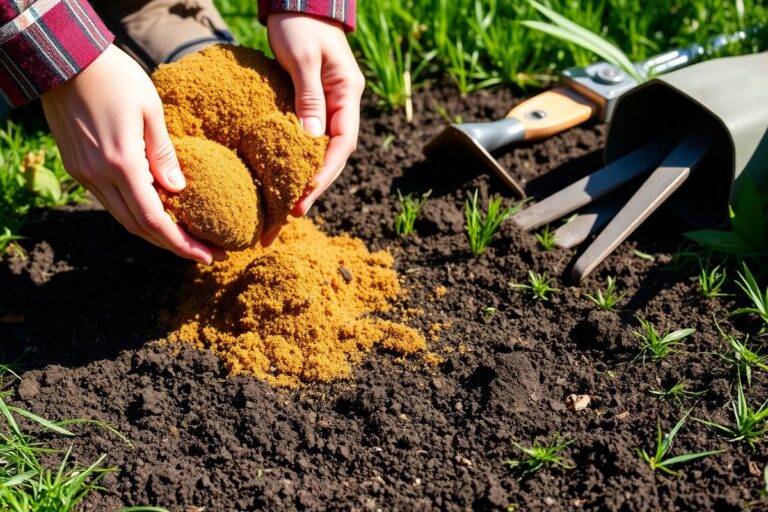
Apply fertilizer evenly around the lemon tree’s canopy, starting about a foot from the trunk. Use the right amount based on tree size, and always water well after. Avoid placing fertilizer too close to the trunk to protect the roots.
Measuring and Calculating Fertilizer Amount
Check your tree’s trunk diameter to decide how much fertilizer to use. Young trees need less, while mature trees require more.
But not over 12 years old. Follow package directions carefully based on your tree’s size or age.
For example, measure the trunk diameter at about 12 inches above the soil. Use one pound of nitrogen per year of age up to 12 years. Do not increase the amount after your tree is 12 years old.
This helps avoid damage to the tree. Keep feeding it the same amount as before.
Proper Placement Around the Tree Canopy
Always keep fertilizer away from the trunk by at least 12 inches to prevent root damage. Put the fertilizer in a band around your tree’s roots. Spread it out to the drip line where the branches stop.
The drip line marks the edge of the tree’s shade. This covers the active root zone most effectively.
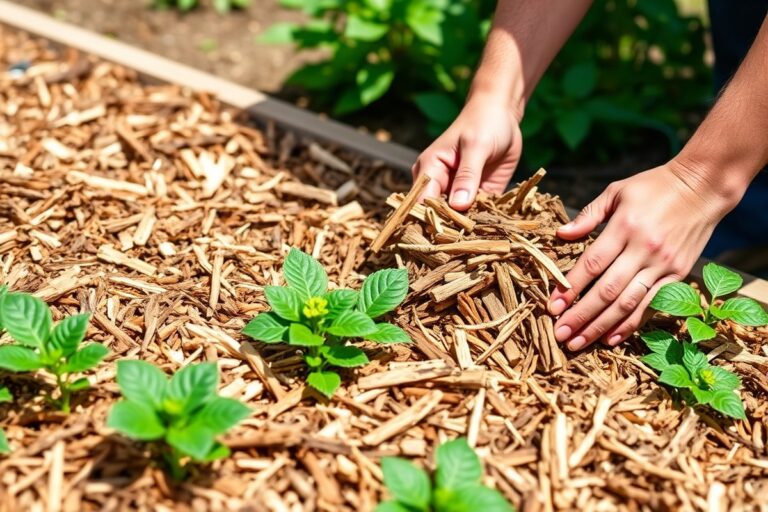
Applying fertilizer evenly in this zone helps the roots absorb nutrients without burning them. Mulch around the tree can help.
But make sure it stays a few inches from the trunk. Avoid clumps of fertilizer to prevent concentrated root burn.
Watering After Fertilizing
After spreading fertilizer, water the area thoroughly to help it soak into the soil. This prevents fertilizer salt from building up and hurting roots. A deep watering helps nutrients reach the active root zone below the surface.
Watering right after application ensures the nutrients dissolve and become available. For potted lemon trees, use diluted liquid fertilizer and water as usual. Avoid drying out the soil, as that reduces fertilizer effectiveness.
Follow these steps to fertilize your lemon tree correctly:
- Measure the trunk diameter about 12 inches above the soil.
- Calculate fertilizer amount based on tree age or size, capping at 12 years.
- Clear debris and dry mulch away from the trunk.
- Spread fertilizer evenly in a 12- to 18-inch-wide ring around the tree.
- Extend the fertilizer zone to the drip line under the canopy.
- Water deeply right after applying fertilizer to soak it into the root zone.
- Keep mulch about 3 inches thick but a few inches away from the trunk.
Fertilizing Potted vs In-Ground Lemon Trees
Potted lemon trees need more frequent feeding than those planted in the ground. Their smaller root zones lose nutrients faster due to regular watering. The type of fertilizer and feeding schedule should match these differences for best results.
Feeding Frequency Comparison
Lemon trees planted in the ground get fed less often than potted ones. Their roots take nutrients slowly from lots of soil around them. Potted trees lose nutrients fast.
So you feed them more often but in smaller amounts. Feed container lemons little amounts often during the growing season.
| Growth Stage / Trigger | In-Ground (Zones 9, 11) | Potted or Indoors (Zones 8 and colder) |
|---|---|---|
| New spring growth begins | Start regular feeding with new shoots | Resume feeding once active growth appears |
| Active spring and summer growth | Feed every 1, 2 weeks at label strength | Feed every 1, 2 weeks at the label rate |
| Growth slows in fall | Reduce frequency following label guidance | Feed less often as growth slows |
Choosing Fertilizer Types for Potted Trees
Slow-release nitrogen citrus fertilizer works well for container lemons. It releases nutrients steadily and reduces overfeeding risk.
You can also use liquid feeds at weaker concentrations every week or two. Liquid feeds give faster nutrients but need more frequent application.
One good strategy is mixing a slow-release fertilizer with occasional liquid boosts. This maintains steady nutrition without overloading the roots. Use slow-release fertilizer pellets every 8 to 12 weeks.
Also, give liquid fertilizer once every 2 weeks. This helps your lemon tree get steady nutrients.
How to Feed Container-Grown Lemons
Spread feeding over the root zone evenly to avoid burn spots. Use a half to three-quarters label strength for liquid feeds. This prevents shock inside smaller pots.
Start feeding when new leaves grow at the season’s start. Keep feeding regularly through spring. Continue feeding during summer to support growth.
To flush excess salts and prevent buildup, water the soil deeply every month. This helps nutrients stay balanced and roots healthy. Hold off feeding during the winter when growth slows down.
Tips for Maintaining Healthy Potted Lemon Trees
Potted trees have limited soil, so consistent care helps them thrive year-round. Watch for yellowing leaves or leaf drop as signs of nutrient imbalance or overfeeding. Repotting every 2 to 3 years refreshes soil and nutrients, supporting strong growth.
- Feed small amounts every 1 to 2 weeks during growth.
- Use slow-release fertilizer plus liquid feed boosters.
- Flush container soil with extra water monthly.
- Reduce feeding in fall and winter as growth slows.
- Repot with fresh soil every 2, 3 years to prevent nutrient depletion.
- Monitor leaf color and drop to catch feeding issues early.
Adjust feeding based on how fast the tree grows and the season. Potted lemons in cooler zones need more indoor care and careful monitoring. Keeping nutrients balanced prevents root damage and messy pruning later on.
Recognizing Nutrient Deficiencies and Overfeeding Signs
Watch your lemon tree for signs like yellow leaves or slow growth. These often mean the tree lacks key nutrients. Leaves that turn pale green with yellow veins point to iron deficiency.
General yellowing suggests nitrogen is missing. Brown leaf edges might mean potassium is low.
Small or poor fruit results also signal a problem. Spot these early to avoid hurting your tree’s health.
Yellow leaves or stunted growth mean you should adjust fertilizing now. Apply a balanced citrus fertilizer with nitrogen, phosphorus, and potassium according to the label directions. When feeding, avoid cold or wet weather, as the roots take up nutrients poorly then.
Use specific supplements when just one or two nutrients are low. For example, sulfur can correct iron deficiency. Let the soil dry between feedings to prevent overfeeding damage.
Foliar feeding can quickly fix some micronutrient shortages. Spraying leaves with liquid iron or zinc helps when soil absorption is slow. Use a sprayer to mist the leaves early in the morning or late afternoon.
This method is cheaper and faster, costing about $10 to $20 for small tree sprays. Repeat every 7 to 10 days until leaves improve. Avoid spraying during hot parts of the day to stop leaf burn.
A strong action plan starts with careful observation. Note leaf colors and growth changes weekly after fertilizing. Keep a simple chart if you like.
For ongoing issues, test your soil or send leaf samples to a local lab. This helps catch hidden nutrient problems. Overfeeding shows as leaf burn, curled edges, or weak shoot growth.
Scale back fertilizer if you see these. Your goal is steady, healthy growth without stress.
Don’t fertilize while the tree blooms or during cold, wet weather to avoid harming the roots.
Adjusting Fertilizer for Tree Age and Growth Stage
Young lemon trees need smaller doses of fertilizer more often. Their roots are still developing, so they absorb nutrients slowly. You should increase the fertilizer gradually as the tree grows older.
Mature, fruit-bearing lemon trees require more fertilizer at first. This helps them support fruit production. But once growth slows, cut back on feeding to avoid wasting fertilizer or hurting the tree.
The table below shows suggested fertilizer amounts based on tree age. Start with about half a pound for seedlings and rise to 1.5 pounds by year three.
After five years, keep fertilizer steady or slightly less. This supports healthy fruit growth without overfeeding.
| Tree Age | Fertilizer Amount per Year (lbs) |
|---|---|
| Seedling (1 year) | 0.5 |
| Young tree (2 years) | 1.0 |
| Young tree (3 years) | 1.5 |
| Mature tree (4-5 years) | 1.5 |
| Older tree (6+ years) | 1.0, 1.5 (cap at 1.5) |
Feed young trees monthly during the growing season. For mature trees, apply fertilizer less often, up to three times a year. Offer the nutrients in spring and early summer for best results.
As trees age past six years, keep fertilizer amounts steady or reduce slightly. Stop increasing to avoid excess salt build-up or nutrient imbalances. This cap helps the tree maintain good health without stress.
Soil and Environmental Factors Influencing Fertilizing
Soil pH plays a big role in how lemon trees absorb nutrients. Aim for a pH between 5.8 and 6.5 to let roots access fertilizer efficiently. Outside this range, nutrients may lock up in the soil and not feed your tree well.
Good soil drainage prevents roots from sitting in water, which can stop nutrient uptake. Water pooling can cause roots to rot or not absorb food right. Add a 2- to 3-inch layer of organic mulch around the canopy edge.
Mulch helps improve drainage. It also keeps nutrients near the roots.
Sun exposure affects how much food lemon trees need. Trees need at least 8 hours of direct sunlight daily. This sunlight supports strong growth.
It also helps with fruit production. Less sun means slower growth and reduced nutrient demand. So fertilize less if your tree is in shade.
Climate impacts when and how often to fertilize lemon trees. In warmer regions, like California, fertilizing around Valentine’s Day, Memorial Day, and Labor Day works well. These timings match the tree’s growth cycles and nutrient absorption.
In colder zones, fertilize later in spring or stop earlier in fall. This avoids feeding when the tree slows its growth. Watch for local frost dates and temperature changes to adjust your feeding schedule.
Test your soil every few years to check pH and nutrients. This helps you adjust feeding exactly as needed.
Add garden sulfur to lower soil pH or lime to raise it. Make these changes slowly to avoid harming the tree. It can take months for changes to settle into soil.
Use raised beds or add compost and sand to improve drainage. This stops water from pooling around the roots.
Maintaining Healthy Feeding for Potted Lemon Trees
Potted lemon trees need careful feeding to stay healthy. You should fertilize them often but avoid nutrient buildup. Regular flushing helps clear excess salts and protects the roots from stress.
Flushing Frequency and Method
Flushing rinses out fertilizer salts that can build up in pots. Do this every three months or if the soil looks crusty or the leaves yellow.
Use room-temperature water to flush the pot thoroughly without shocking the roots. The process moves harmful minerals out and prevents root burn.
- Place the pot in a sink or outdoors on a saucer to catch runoff.
- Water the soil slowly until water runs freely from the drainage holes.
- Continue adding water in 1-quart amounts until about 10% of the pot volume has passed through.
- Let the pot drain completely, then remove excess water from the saucer.
- Repeat the flush if water still appears cloudy or smells sour.
Don’t skip flushing; ignoring it can lead to root damage and poor growth.
Choosing Fertilizer for Containers
Slow-release fertilizers work well for potted lemon trees to reduce feeding frequency. Apply once a month from March through September or three to four times annually.
Liquid fertilizers give faster results but require feeding every two to four weeks. Use a balanced citrus-specific formula for best nutrient mix.
Organic brands like Espoma Organic Citrus-Tone cost about $15 for 4 lbs. They provide steady nutrients for your lemons. These fertilizers don’t use harsh chemicals.
Monitoring and Adjusting Feeding
Watch for signs of root or nutrient stress such as leaf yellowing or dropping. Root-bound roots can struggle to take nutrients properly.
Feed more cautiously if the tree shows slowed new growth or pale leaves. Too much fertilizer can scorch roots or cause salt buildup.
Adjust feeding based on the season and growth. Cut back in winter when the tree rests, increase in spring and summer during active growth.
Step-by-Step Action Plan for Fertilizing Lemon Trees
Follow these steps to feed your lemon tree at the right time. You’ll see healthier leaves and more fruit in no time.
- Early spring: Apply a balanced fertilizer designed for citrus before new growth begins. Look for fresh, bright green leaves after two weeks.
- Every 6 weeks during growing season: Feed your tree with fertilizer. Use one high in nitrogen and trace minerals. This helps your tree grow strong. Watch for steady leaf growth and no yellowing.
- Summer pause: Stop fertilizing when growth slows in hot weather. Check soil moisture and leaf firmness to ensure the tree isn’t stressed.
- Early fall: Switch to fertilizer with less nitrogen. This helps fruit mature fully. It also prepares the tree for winter. Firm fruit that’s changing color signals the right timing.
- Late fall to winter: Halt feeding to let your lemon tree rest. Avoid fertilizing during frost risks seen in your area.
- Monthly for potted trees: Use a weaker liquid fertilizer to avoid salt build-up. Watch potted leaves for browning edges or wilting.
- Check soil every season: Test pH and nutrient levels. Adjust fertilizer type or amount if you spot deficiencies.
- Adjust by age: Feed young trees more often with less concentrated fertilizer. Mature trees need fewer feedings but steady nutrients.
Frequently Asked Questions
How Often Should I Fertilize My Lemon Tree During the Growing Season?
You should fertilize your lemon tree every 4 to 6 weeks while it grows actively. This helps supply steady nutrients to support healthy growth and fruit production throughout spring and summer.
Can I Fertilize My Lemon Tree in the Fall or Winter?
Avoid fertilizing during fall or winter when your lemon tree growth slows down. Feeding during dormancy can cause weak new growth that won’t survive cold weather.
How Much Fertilizer Should Mature Lemon Trees Get?
Trees older than 12 years need 12 to 18 pounds of balanced fertilizer in late winter. This amount ensures they get enough nutrients without risk of overfeeding.
Does Fertilizing Frequency Change If My Lemon Tree Is in a Pot?
Yes, potted lemon trees need more frequent, smaller feedings because roots have less soil. Feeding every 4 to 6 weeks or using half-strength liquid fertilizer works well.
Can I Use Any Fertilizer Type for My Lemon Tree?
It’s best to use a balanced citrus fertilizer with equal nitrogen, phosphorus, and potassium. This supports all aspects of lemon tree health, from leaves to fruit.
What Signs Show My Lemon Tree Needs Fertilizing?
Yellowing leaves or poor fruit size often mean nutrient shortages. Fertilize then to help your tree recover and produce well.
Before You Go
Feeding your lemon tree on a clear schedule helps it grow strong and fruit well. Watch your tree’s leaves and fruit to guide your care. Start your next feeding phase right now, based on where your tree is in its cycle.