When to Fertilize Lawn: A Complete Guide with Timelines and Tips
When to fertilize lawn is a common question for many gardeners and homeowners. The best time depends on your grass type and local climate.
Generally, fertilize during the growing season when temperatures near 70 degrees Fahrenheit. For cool-season grasses, early spring and fall are ideal times to apply fertilizer.
Start by using a light fertilizer with low nitrogen but high potassium. You should avoid fertilizing when the grass is dormant or during extreme heat.
Applying fertilizer every 8 to 10 weeks keeps your lawn healthy and green. Over-fertilizing can cause thatch buildup or burned grass blades.
Watch your grass height too. Don’t mow new grass until it reaches about 3 inches to avoid stressing growth.
Choosing the right timing helps your lawn absorb nutrients better and avoid damage. Water your lawn right after fertilizing to help nutrients soak into the soil.
Key Takeaways
- Fertilize lawns when grass grows actively, usually spring and fall.
- Use low-nitrogen fertilizer with high potassium for early fertilizing.
- Avoid fertilizing during peak summer heat or winter dormancy.
- Apply fertilizer every 8 to 10 weeks during the growing season.
- Wait until new grass is 3 inches tall before mowing.
- Adjust fertilizing based on whether your lawn is cool or warm season.
When Is the Best Time to Fertilize Your Lawn?
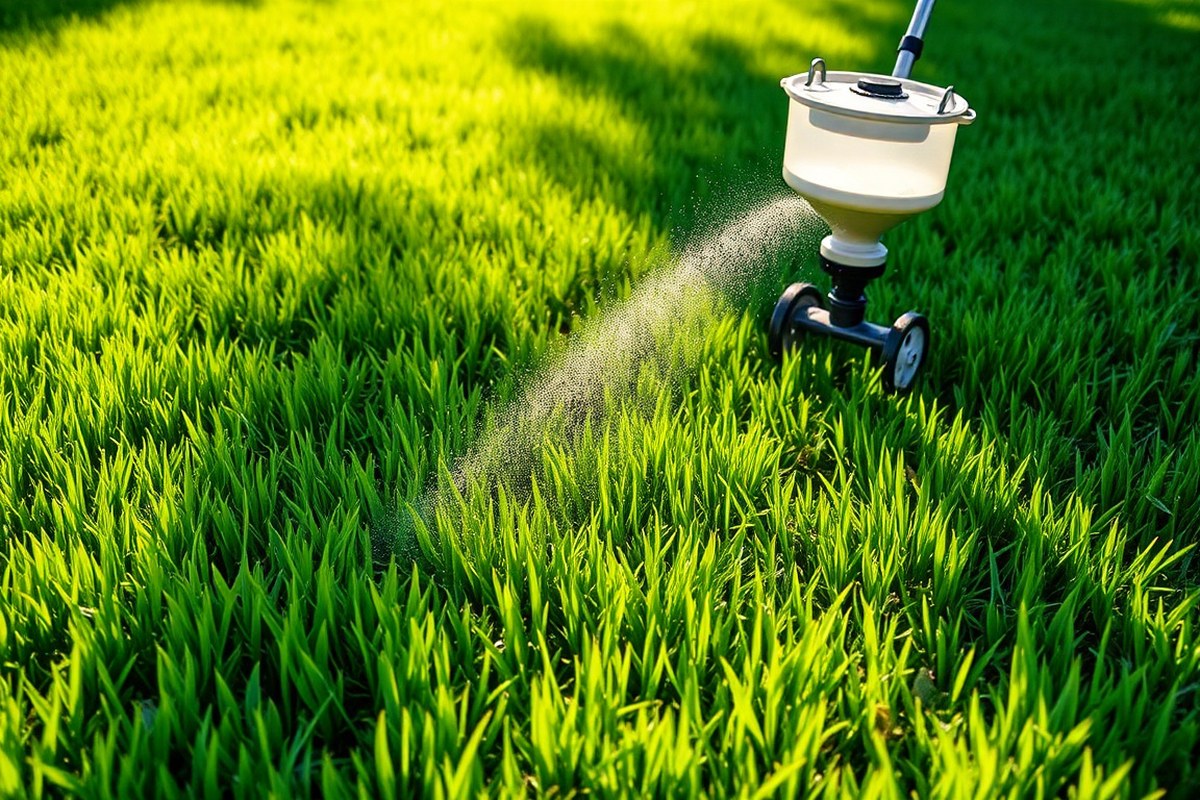
The best time to fertilize your lawn is when the grass is actively growing. For cool-season grasses, early spring and fall are ideal moments. This is usually when temperatures are mild.
The grass uses nutrients to build strong roots. Avoid heavy summer feeding, as heat stress can reduce fertilizer effectiveness.
Warm-season grasses begin growing later. So fertilize after the grass starts green-up in late spring. Continue feeding through the summer during active growth.
But hold off in early spring before the grass fully wakes. This timing supports healthy blade and root development aligned with the grass’s natural cycle.
Applying fertilizer about every 8 to 10 weeks during the growing season keeps nutrients steady. You can spread two 32-pound bags of fertilizer after three mowings. Apply it over 2,500 square feet.
This helps feed your lawn effectively. Then, follow your grass-specific schedule to avoid over- or under-fertilizing.
In fall, many lawns benefit from two rounds of fertilizer. Northern lawns especially do well with feedings around Labor Day and six to eight weeks later. This supports root growth during cooler and wetter weather.
It helps prepare the lawn for winter survival. It also aids spring green-up.
Try to fertilize when the soil is dry but not drought-stressed. Avoid times right after heavy rain. Fertilizing a wet lawn is usually okay, but waterlogged turf can cause nutrient runoff.
Mow your grass to the right height before fertilizing. This ensures even fertilizer coverage. It also improves nutrient absorption.
How Grass Type Influences Your Fertilizing Schedule
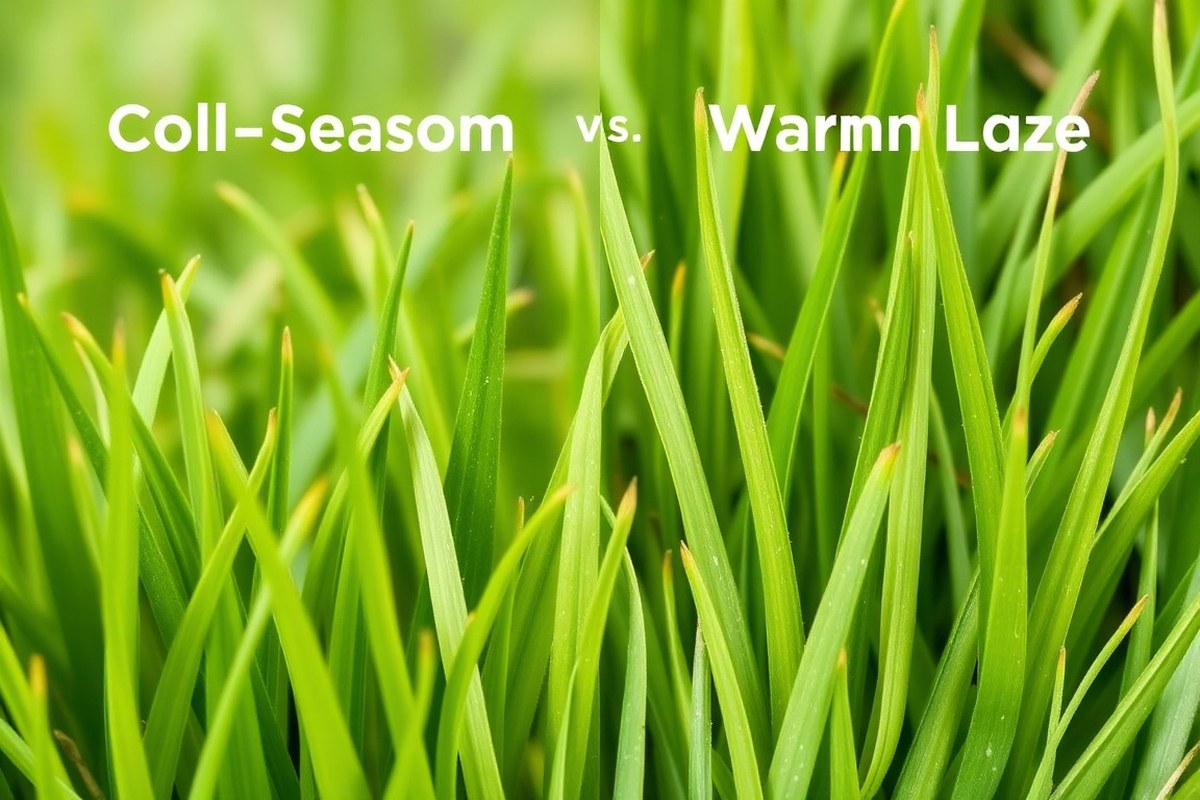
Your grass type affects when and how you fertilize your lawn. Cool-season grasses need feeding mostly in fall and spring. Warm-season grasses benefit from fertilizer during late spring and summer.
Knowing what grass you have helps you fertilize at the right time. This improves its growth and color. Timing matters for a healthy lawn.
Cool-Season Grass Fertilization Timing
Cool-season grasses, like Kentucky bluegrass, fescue, and ryegrass, grow best in cooler months. Fertilize your lawn heavily in early fall. Aim for September to early October.
This helps the grass recover from summer stress. Another key feeding happens in late October or early November to boost root growth before winter.
Apply your last fertilizer while the grass is green but growing slower. Use a nitrogen-rich fertilizer for best results. This helps keep your lawn greener longer and strong for spring.
Warm-Season Grass Fertilization Timing
Warm-season grasses like Bermuda and zoysia grow mainly in late spring and summer. Fertilize lightly with potassium once the heat lessens in August or September. This prepares the roots for winter dormancy.
Skipping late fall fertilization is common because these grasses go dormant earlier. For example, Bermuda grass usually stops growing by the end of September. Feeding in early fall sets the grass up for faster green-up next spring.
Mixed Turf and Transitional Zones
Some areas have a mix of cool- and warm-season grasses, or lie in transitional zones. Here, watch the temperature carefully and adjust feeding times to match the dominant grass type. Use soil thermometers to check if the soil temperature fits the grass’s growth period.
In mixed lawns, apply fertilizer separately or in smaller doses to avoid stressing either grass type. You might fertilize cool-season grass more in fall and warm-season grass less as dormancy approaches. This balance keeps both types healthy throughout the year.
Keep in mind that fertilizing at the wrong time can burn your grass or waste fertilizer.
Signs Your Lawn Is Ready for Fertilizer
A lawn shows several clear signs it’s ready for fertilizer. Look for grass that’s beginning to thin or fade in color, as these indicate nutrient depletion. Also, new grass blades growing slowly or unevenly suggest your lawn needs a nutrient boost.
You get better results applying fertilizer on dry grass. Wet grass makes granules stick unevenly. This affects feeding quality.
Fertilizer runs off wet grass easily, reducing effectiveness and risking lawn burn. Wait until early morning after dew dries or late afternoon when the grass feels dry. But avoid hot midday sun to prevent damage.
- Grass looks pale green or yellow, signaling nitrogen deficiency
- Soil feels dry at surface but moist a few inches down
- Grass growth feels slower than normal for your season
- Thinning patches or bare spots showing in your lawn
- New grass has been mowed at least two times after seeding
- Temperatures stay consistently between 55°F and 75°F
- Lawn is free of heavy debris, pine needles, or leaves
Checking soil moisture helps decide if your lawn will absorb fertilizer well. Apply fertilizer only when the soil isn’t waterlogged or completely dry. Your grass type also matters; cool-season grasses show growth in cooler temperatures.
Warm-season grasses thrive in warmer months. Avoid fertilizing when grass is under drought stress or frozen.
Most people fertilize once each season. Use 5 to 7 pounds per 1,000 square feet. Adjust for the nitrogen percent on the label.
For new lawns, use starter fertilizer right after seeding. Wait to mow a few times first.
This helps the grass establish before more feeding. This approach keeps your lawn healthy without overfeeding, which can invite weeds or diseases.
How Often and How Much Fertilizer Should You Apply?
Fertilize your lawn based on its size and the product’s instructions. For example, a 10,000-square-foot lawn typically needs 27 pounds of fertilizer per application. Always measure your lawn before buying fertilizer to avoid applying too much or too little.
Most lawns should get fertilizer two to four times a year. You can fertilize every two months. But spacing out applications by six to eight weeks works better.
Apply fertilizer once between April and June. Repeat six to eight weeks later. You can add one more in late summer if needed.
Follow the label’s recommended rates strictly to protect your lawn and local waterways. The label says to use over 100 pounds yearly per 1,000 sq ft?
Split the amount into several applications. Apply half in spring and the rest in fall to prevent burning or runoff.
Mowing before fertilizing helps spread the fertilizer evenly. Avoid fertilizing dry grass or before heavy rain to keep nutrients from washing away. Choose products that include weed and pest control.
These give extra benefits. An example is Scotts® Turf Builder® Southern Triple Action.
Adjust fertilizing frequency based on the grass type and soil condition. Cool-season grasses often need more frequent feeding in fall and spring.
Warm-season grasses benefit from feeding in late spring through summer. Getting help from local lawn care experts can tailor your schedule to your lawn’s needs.
Adjusting Fertilization for Weather and Regional Differences
Local climate and weather changes affect when and how you fertilize your lawn. Different regions have varying growing seasons and rainfall patterns. These factors shift the best timing and methods for fertilizing.
Northern and Cool Climate Regions
Cool-season grasses thrive in northern areas with cold winters. Fertilize after the last frost when soil temperatures reach about 55°F. Late September to early November works well for fall fertilization to boost root growth before winter.
The growing season here often starts in early spring and ends by late fall. You might apply 32 lbs.
Of fertilizer per 2,500 sq ft twice yearly. This timing helps nutrient uptake and delays dormancy.
Don’t fertilize too early in spring. Wait for your lawn to green up to avoid feed loss.
Southern and Warm Climate Regions
Warm-season grasses dominate in the south, starting growth in late spring as soil hits 65°F. Fertilize in late spring or early summer to support their active phase. Fall fertilization is usually done earlier, from late August to early October.
Because southern lawns grow longer, you can apply fertilizer up to four times a year. Use lighter, more frequent feedings to reduce stress during hot summer months. This approach keeps lawns healthier during extended growing periods.
Avoid fall fertilizers late in the season to prevent stimulating growth before winter dormancy.
Rainfall and Moisture Considerations
Water influences nutrient absorption and fertilizer effectiveness. Plan to fertilize when you expect rain within 24 hours or water your lawn lightly afterward. This helps nutrients soak into the soil and reduces runoff.
Too much rain after fertilizing can wash away nutrients and harm your lawn. On the other hand, dry soil makes fertilizer less effective because nutrients stay on the surface. Check soil moisture before applying fertilizer for better results.
Never fertilize just before heavy storms to avoid washing nutrients away and polluting water sources.
Choosing the Right Fertilizer for Your Lawn Needs
Picking the right fertilizer depends on your lawn’s needs and the season. Fertilizers release nutrients at different speeds. They also vary in nitrogen (N), phosphorus (P), and potassium (K) amounts.
These differences affect how they help your lawn. The NPK ratio influences how the fertilizer feeds your grass and supports growth or stress resistance.
Here is a table that compares common fertilizer types. It shows their benefits and typical NPK ratios. You can see when each type works best for your lawn.
| Fertilizer Type | Key Benefits | NPK Ratio | Best For |
|---|---|---|---|
| Slow-Release Fertilizers | Feeds gradually, lowers risk of overfeeding | 20-5-10, 16-4-8 | Most lawns, cool- and warm-season grasses |
| High-Nitrogen Fertilizers | Boosts root growth and nutrient storage | 20-5-10 or higher nitrogen | Lawns needing stronger roots |
| Winterizer Fertilizers | Improves cold tolerance, helps disease resistance | Lower nitrogen, higher potassium | Lawns preparing for winter |
A general NPK ratio for healthy lawns is about 3:1:2 (N:P₂O₅:K₂O). Nitrogen helps your grass grow, phosphorus encourages strong roots, and potassium supports stress and disease resistance. Using a fertilizer with this balance matches most lawn needs.
Slow-release fertilizers feed your grass over weeks, which avoids burn risks. Choose these for regular spring or summer fertilizing. When your lawn needs root strengthening, pick a high-nitrogen variety.
For fall applications, look for “winterizer” formulas, often 22-0-10 or 24-0-10. They help lawns survive cold weather.
Choosing the right fertilizer type and NPK ratio makes your lawn care better. It helps your lawn get the nutrients it needs. This leads to a healthier, greener lawn.
Using a product labeled for your grass type and season prevents waste and damage. For example, too much nitrogen in fall can loosen roots before winter. Using the right formula gives your lawn steady nutrients and keeps it healthy year-round.
Fertilizing After Lawn Seeding or Overseeding
Fertilize your lawn shortly after seeding or overseeding to support new grass growth. Applying the right fertilizer at the proper time helps roots develop strong and healthy. You should avoid fertilizing too early or late to prevent burning seedlings or wasting product.
Timing for Initial Fertilizer Application
Apply starter fertilizer as soon as possible after spreading seed. This typically means within 24 to 48 hours to give nutrients while seeds begin absorbing water. Wait four to six weeks after seeding before fertilizing again.
This gives the grassroots time to settle. Avoid rushing the next application.
For overseeding, mix grass seed with slow-release Milorganite fertilizer to feed seedlings gently. Avoid using weed control products at overseeding; they can hinder new grass growth. Use a fertilizer with a higher phosphorus number for root development, like a 10-20-10 ratio.
Fertilizer Types Suitable for New Lawns
Choose a starter fertilizer designed for new lawns with balanced nitrogen and phosphorus. Nitrogen feeds leaf growth; phosphorus promotes roots. Starter fertilizers often have an N-P-K ratio like 20-30-10 or 16-24-8.
For overseeding in fall, use Pennington Full Season Lawn Fertilizer 32-0-5 without weed control chemicals. It supports seedlings without harming them. Avoid heavy, fast-release fertilizers that can burn young plants.
Avoiding Common Post-Seeding Mistakes
Avoid overapplying fertilizer or seed on uneven patches. Too much can cause bare spots or burned grass. Apply carefully for good growth.
Spread fertilizer carefully to avoid sidewalks or driveways where runoff causes pollution. Sweep any fertilizer off hard surfaces back onto the lawn before watering.
Keep new seed moist but not soaked. Too much water can wash away seeds and fertilizer, while too little slows growth. Water lightly and frequently until grass is established, then gradually reduce watering.
Follow these steps to fertilize your new or overseeded lawn properly:
- Spread grass seed evenly across the prepared soil area.
- Apply starter fertilizer within 48 hours, focusing on seeded zones.
- Mix seed with Milorganite if overseeding for even slow feeding.
- Sweep fertilizer off sidewalks, driveways, and other hard surfaces.
- Water lightly immediately after fertilizing to soak nutrients into soil.
- Repeat fertilizer application 4 to 6 weeks after initial seeding.
- Avoid herbicides and weed control products while grass establishes.
Common Fertilizing Mistakes and How to Avoid Them
One common mistake is fertilizing a lawn that’s brown from drought or heat stress. Fertilizer pushed into stressed grass can burn it and cause more damage. Wait until the lawn is actively growing with enough moisture before applying any fertilizer.
Another error is fertilizing during winter dormancy or severe drought. Grass isn’t ready to use nutrients during these periods.
So feeding it wastes fertilizer and can harm the environment. Only fertilize when the grass shows stable green color and good growth.
- Never fertilize just before heavy rain to avoid nutrient runoff.
- Apply fertilizer in the morning or early evening, not midday.
- Avoid cutting grass shorter than 3 inches before fertilizing.
- Do not use high nitrogen fertilizer during summer heat stress.
- Fertilize newly laid sod only after it has settled in.
- Adjust fertilizer amounts during drought by reducing rates or skipping applications.
Don’t feed your lawn if it feels hot or dry. Heat and drought stress harm grass. Fertilizing then makes problems worse.
During these times, grass roots are weak and can’t absorb added nutrients. Instead, focus on deep watering and wait for cooler weather before fertilizing again.
Feed your lawn only when it’s green and growing well to avoid fertilizer burn and waste.
Water your lawn well if you fertilized in heat stress. Then cut grass higher than usual for a few weeks. This helps the lawn recover slowly.
This helps reduce stress and supports recovery. Adjust your schedule to match local weather and grass type to keep your lawn strong year-round.
Step-by-Step Action Plan for Fertilizing Your Lawn
Follow this plan to fertilize your lawn at the right times. Each step includes what to do and how to know it worked.
- Early spring: Apply a light fertilizer when grass begins to grow. Look for new green shoots showing after winter.
- Late spring: Use a balanced fertilizer to support leaf growth. Grass should look fuller and richer in color within two weeks.
- Summer pause: Avoid fertilizing during hot, dry periods unless you see signs of stress. Check soil moisture and grass color carefully.
- Early fall: Spread a fertilizer high in nitrogen. Watch for faster growth and a deeper green color as fall progresses.
- Late fall: Apply a winterizer fertilizer to strengthen roots. Grass growth will slow but roots should thicken before dormancy.
- After overseeding: Use a starter fertilizer rich in phosphorus. New seedlings need it for quick root development and survival.
- Regular monitoring: Check your lawn every 2 to 3 weeks for color and growth changes. Adjust fertilizing if grass looks pale or patchy.
Frequently Asked Questions
When Not to Fertilize a Lawn?
Avoid fertilizing during extreme heat or drought to protect your grass. Fertilizer can burn grass when soil is too dry or temperatures surpass 85°F.
Should You Fertilize Before or After It Rains?
It’s best to fertilize just before a light rain so nutrients soak in. Heavy rain after fertilizing can wash away nutrients and reduce effectiveness.
Do You Put Fertilizer on Wet or Dry Grass?
You can apply fertilizer on wet grass, but avoid when waterlogged. Wet grass helps granules stick, but saturated conditions cause runoff.
Can I Fertilize My Lawn Every 2 Months?
Fertilizing every 8-10 weeks fits growing season needs well. This supplies steady nutrients without overfeeding or harming your lawn.
When to Fertilize Lawn?
Fertilize cool-season grass in early spring and fall, warm-season grass from late spring through summer. This timing matches active growth phases.
Is It Okay to Fertilize a Lawn Right After Seeding?
Wait until new grass sprouts and grows a few inches. Feeding too soon can harm delicate seedlings or cause nutrient imbalances.
Final Thoughts
Timing and type of fertilizer matter most for a healthy lawn. Watch your grass closely and adjust as needed. Start with this plan and see better lawn health soon.