Do Leaves Decompose? How Long It Takes and Proven Ways to Speed It Up
Do leaves decompose? Yes, leaves naturally break down over time through a process called decomposition.
This happens as tiny organisms like bacteria and fungi break the leaf tissues into simpler parts. The process is slow at first but speeds up when conditions are right.
Leaves lose around 60 to 70 percent of their weight in months. This happens mainly in the first 3 to 6 months. During this time, most decomposition takes place.
Moisture, temperature, and how small the leaf pieces are all affect how fast this happens. Shredding leaves before composting helps them decompose much faster by increasing their surface area.
Understanding leaf decomposition helps you use fallen leaves in your garden better. Letting leaves break down turns them into valuable nutrients for your soil. Keeping them moist and turning them regularly also supports quicker breakdown, saving you time and effort.
Key Takeaways
- Leaves naturally decompose by bacteria and fungi breaking down tissues.
- Leaves lose 60-70% weight in the first 3-6 months of decomposition.
- Shred leaves before composting to speed up decomposition significantly.
- Keep leaf piles moist to encourage faster decomposition.
- Turning leaf piles exposes them to oxygen and boosts breakdown.
- Warmer temperatures between 20-30°C help speed up leaf decay.
How Do Leaves Decompose and What Does the Process Involve?
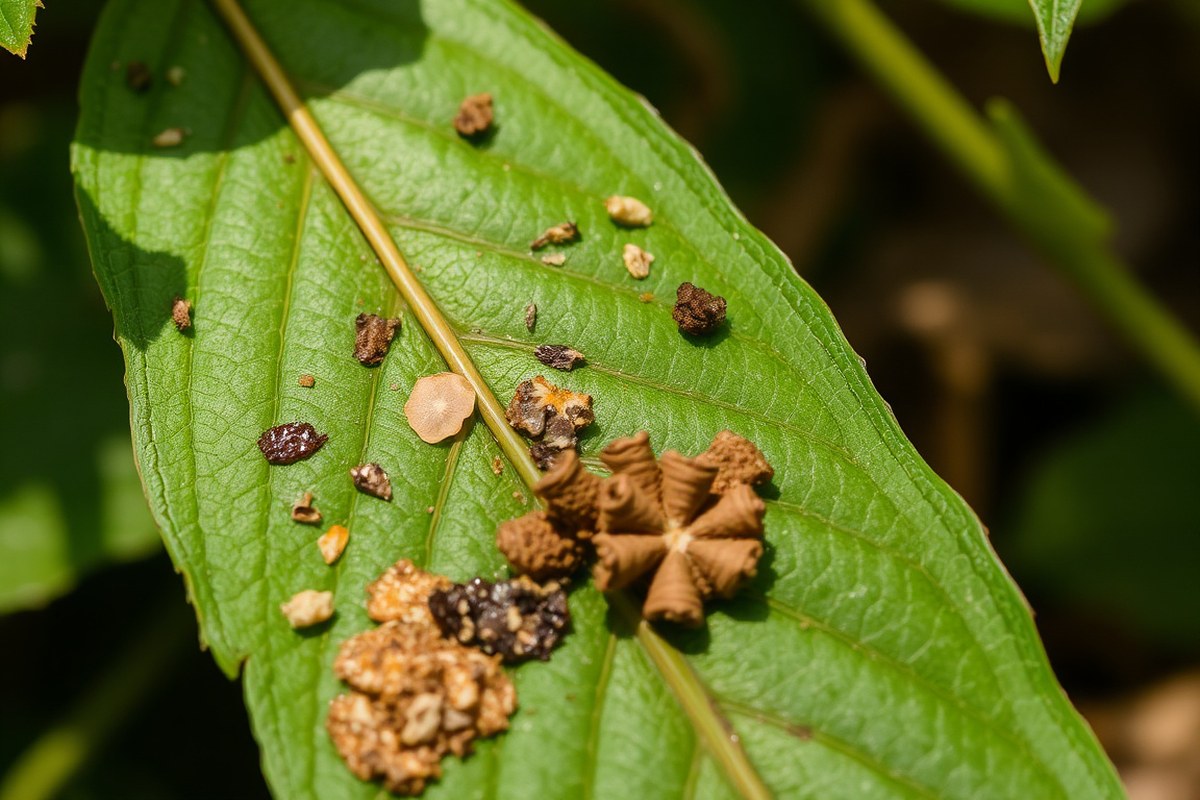
Leaves decompose naturally through a series of stages driven by tiny creatures. Microorganisms like bacteria and fungi begin by breaking down soft leaf tissues. They use enzymes to turn complex leaf material into simpler compounds like carbon dioxide and water.
In the first three to six months, fresh leaves lose much weight. Microorganisms eat the leaves and break them down slowly. They can reduce 60-70% of the leaves’ weight in this time.
Water helps by washing soluble nutrients from the leaves into the soil. Insects and earthworms arrive during this stage.
They feed on leaf fragments. These creatures help break the leaves down more.
As decomposition continues, fungi become more active, digesting tougher parts of the leaves. Fungi change the chemicals in the leaves. This affects which other organisms can live there.
The leaf material changes as fungi work on it. Insects, bacteria, and earthworms all play roles by mixing the soil and spreading microbes.
Throughout this process, leaves slowly turn into humus, a rich, crumbly soil material full of nutrients. This natural recycling enriches the soil, supporting plant growth. Making a leaf pile at home helps decomposers work faster.
It gives them a good place to live. This speeds up breaking down the leaves.
The size and type of leaves affect how long the process takes. Smaller pieces decompose quicker because microbes can access more surface area. Keeping leaves moist and airy also helps organisms stay active.
How Long Does It Take for Leaves to Fully Decompose?
Leaves usually take between a few months and several years to fully decompose. Softer leaves, like maple, break down faster. They usually decompose in 6 to 12 months.
Oak leaves take longer to break down. It can be 2 to 3 years. These leaves have lignin, which slows decay.
Shredding leaves cuts down decomposition time a lot. Shredded leaves can decompose in just 3 to 4 months. Whole leaves often last over a year.
Leaves break down fastest in warm, moist spots. Good airflow also helps.
Under these conditions, it takes 3 to 6 months. Poor conditions, like dry or cold weather, can stretch this to 2 or 3 years.
Cold temperatures slow down the microbes breaking leaves down. Even in winter, leaves decompose under snow. But the activity drops so much you’ll see little change until warmer weather.
Tough leaves last through several seasons. Cold, dry times slow fungi and bacteria. These microbes work slower then.
Keep leaves moist and shredded to speed decomposition, especially before winter. Dry, whole leaves last much longer and can slow your compost process.
Soft leaves lose mass quickly, often within one growing season. Meanwhile, oak and beech leaves can stay mostly intact through two or more seasons.
Leaves form a natural mulch that gradually fertilizes the soil as they break down. But don’t expect a quick finish unless you actively manage conditions.
Which Factors Affect the Speed of Leaf Decomposition?
Leaves decompose at different speeds mainly because of their type and environment. Thin leaves with low lignin and cellulose break down faster than thick, tough ones. Leaves high in lignin, like oak, resist decomposition and can take years to break down.
Temperature and moisture are key environmental factors. Warm, moist spots speed decomposition by helping microbes and fungi work.
When it’s cold or dry, these organisms slow down. So leaves take longer to decay.
Oxygen also matters. Leaves piled tightly create a barrier that blocks air and water.
This slows decomposition because microbes need oxygen. Turning leaf piles or shredding the leaves improves airflow and mixes in moisture.
| Factor | Effect on Leaf Decomposition | How to Manage |
|---|---|---|
| Leaf Type | Thin, soft leaves decompose faster than thick, waxy ones | Separate tougher leaves or shred all leaves to speed decay |
| Temperature | Warm (above 60°F) speeds up microbial activity | Keep piles in sunny areas or cover to retain heat |
| Moisture | Moderate moisture (40-60%) keeps microbes active | Spray water on dry leaves or cover piles during rain |
| Oxygen | Good air flow supports microbes, poor flow slows decomposition | Turn piles weekly or shred leaves for better airflow |
Shredding leaves cuts them into small pieces. This increases the surface area microbes can attack.
Use a leaf shredder or run over leaves with a mower. Shredded leaves usually break down in months, not years.
Adding nitrogen-rich materials like grass clippings balances the carbon in leaves. Leaves are mostly carbon and need nitrogen to decompose fast. Without nitrogen, the process slows and can smell bad.
Best Practices to Speed Up Leaf Decomposition at Home
Shred the leaves to help them break down faster. Keep the pile moist. Turn it often to speed up decomposition.
These steps create the right conditions for microbes and insects to break down leaves faster. Using simple tools and watching moisture closely helps you get compost quicker.
Shredding Leaves for Faster Breakdown
Shredding leaves before composting makes them break down much faster. Smaller pieces expose more surface area to microbes, which speeds up their work. Shred leaves with a lawn mower or leaf shredder.
Leaf shredders cost $50 to $150. This helps break leaves into smaller pieces.
Chopped leaves also pack better into your pile, creating more heat and speeding decomposition. Make leaf pieces about 1 to 2 inches wide. This size lets air move well inside the pile.
Good airflow helps the pile heat up. Avoid shredding wet leaves, as they can clump and slow the process.
Maintaining Moisture and Aeration
Leaves need to stay moist for microbes to thrive, but not soggy. Aim for moisture like a damp sponge, it should feel wet but not drip. Check the pile every few days.
Water it if the pile feels dry. Do this especially during warm weather.
Good air flow matters, too, since microbes need oxygen. Too much moisture can block air passages and slow decomposition. Cover the pile with a tarp during heavy rain.
This prevents soaking and keeps moisture steady. It also lets air move inside.
Turning and Mixing the Leaf Pile
Turn the leaf pile every two to three weeks. This adds oxygen and helps the pile heat up. It speeds composting.
Use a pitchfork or compost aerator to mix the leaves well. This also spreads moisture evenly, so the whole pile decomposes at a similar rate.
Add a little water if the pile gets too dry after turning. This keeps moisture balanced for composting. Turn the pile more often if it smells bad or is too wet.
More oxygen will dry it and reduce bad odors. A well-maintained pile should heat up to 130°F to 150°F during breakdown.
Differences Between Leaf Mold and Leaf Compost and Their Uses
Leaf mold and leaf compost both come from decomposed leaves. But they differ in how they form and how you can use them. Leaf mold is mostly broken-down leaves that have rotted slowly.
Leaf compost includes leaves mixed with other organic material and decomposed more fully. Each offers unique benefits for your garden depending on what you need.
What Is Leaf Mold?
Leaf mold forms when leaves decompose slowly, mostly through fungi, in a moist, shaded area. It usually takes six months to two years for leaves to decompose. When done, the leaves turn into a dark, crumbly material.
This material works well to improve soil. This mold retains moisture well and improves soil texture, making it soft and fluffy.
Because it breaks down gently, leaf mold doesn’t have much nitrogen or other nutrients. It mainly adds organic matter and helps soil hold water. Many gardeners use leaf mold to lighten heavy clay soils or improve dry sandy soils.
What Is Leaf Compost?
Leaf compost forms faster when you mix leaves with kitchen scraps. Adding grass clippings or manure helps break down leaves quicker. All this happens inside a compost pile.
Microorganisms break down all these materials together, creating a richer, darker compost full of nutrients. Ready leaf compost usually takes about two to four months with proper care.
This compost provides nitrogen, phosphorus, and potassium essential for plants. It also supports the soil food web by feeding helpful microbes. Leaf compost feeds plants better than leaf mold does.
Leaf mold mostly contains organic matter without many nutrients. Compost is more balanced for plant growth.
Uses and Benefits in Gardening
Leaf mold works well as mulch for your garden. It holds moisture and keeps soil from washing away. This helps soil stay healthy and plants happy.
Use leaf mold around trees and garden beds. It keeps roots cool and moist during dry weather.
This helps plants survive drought conditions. It’s also excellent mixed into potting soil to improve air flow and water retention.
Leaf compost is a nutrient-rich soil amendment. Mix it into garden beds or vegetable plots to boost fertility and support healthy plant growth. Leaf compost feeds flowers, vegetables, and lawns effectively.
It releases important nutrients as it breaks down. This supports healthy plant growth over time.
Don’t use leaf mold alone as fertilizer because it lacks nutrients. Combine it with compost or other amendments for best results.
Common Challenges When Composting Leaves and How to Fix Them
One common problem when composting leaves is slow decomposition. Leaves often have a high carbon-to-nitrogen (C:N) ratio, around 40:1 or higher, which slows nutrient breakdown.
To fix this, add nitrogen-rich materials like grass clippings or kitchen scraps. Mixing these in balances the C:N ratio near 30:1, speeding decomposition.
Another issue is wet or compacted leaves. They can become soggy and lack oxygen, which slows microbial activity. Spread shredded leaves in a thin, even layer instead of thick piles.
The leaf layer should stay moist but not drenched, ideally absorbing morning dew. Turning the pile every few weeks also keeps air flowing.
Sometimes leaves don’t decompose because of extreme temperatures. Soil microbes prefer 68-86°F (20-30°C). The pile’s microbes slow down when it gets too hot or cold.
In cold weather, decomposition slows or pauses. Try moving the leaf pile to a more sheltered place. Add kitchen scraps to keep it warm during fall and early winter.
Proper signs of leaf decomposition include a pleasant earthy smell and crumbly texture. You might see dark, broken-down leaf matter scattered with small soil particles. A sour or rotten smell usually means the pile is too wet or lacks air.
Adjust moisture or turn the pile to fix this. Dry, whole leaves that don’t change mean decomposition has stalled. This often happens because there isn’t enough nitrogen or moisture.
People often let leaves sit too long without mixing or shredding them. This slows down the composting process. Whole leaves take longer to decompose because microbes can’t access the inside.
Using a lawn mower or leaf shredder helps break leaves into small pieces. Smaller pieces expose more surface area and let microorganisms work faster.
Handling Different Types of Leaves: What to Compost and What to Avoid
Fast-Decomposing Leaves
Leaves low in lignin and high in calcium break down quickly. Examples include maple, birch, and elm. These leaves add nutrients fast and improve soil soon after composting.
Softwood leaves generally compost faster than hardwood ones. Their cellulose and lignin content is lower, making them easier for bacteria to digest. Shredding these leaves speeds decomposition even more, cutting time by up to 75%.
Slow-Decomposing or Resistant Leaves
Hardwood leaves like oak, hickory, and chestnut decompose slowly. They have more lignin, which resists bacterial breakdown. This means they stay intact longer in your compost pile.
High lignin levels slow compost time significantly, sometimes taking over a year. Breaking them into smaller pieces helps but doesn’t fully solve the delay. Plan for longer composting cycles if using these leaves.
Leaves to Avoid or Compost Carefully
Avoid composting leaves with natural herbicides, especially black walnut leaves. They contain juglone, which can harm plants. If used, compost them separately for at least two months before applying.
Conifer needles are also tricky because of their acidic makeup and high lignin. Composting these needles needs extra care and usually longer time. Mix them with other material to balance pH and speed up breakdown.
Environmental and Practical Benefits of Letting Leaves Decompose Naturally
Letting leaves break down naturally in your garden benefits soil health and supports local wildlife. As leaves decompose, they release nutrients like nitrogen, phosphorus, and trace minerals back into the soil. This adds valuable organic matter, which plants need to grow strong and healthy.
Decomposition also creates humus, a dark, stable material that holds water and nutrients well. Humus makes soil crumbly and airy. This helps roots spread out.
It also helps roots soak up moisture. This process works just like nature does in forests, feeding food webs beneath the soil surface.
Leaves protect bare soil from erosion during heavy rain and wind, especially in winter. Cover unused vegetable beds with leaves. This stops nutrients from washing away.
Leaves slowly blend into the soil. They add fertility and save you from chemical fertilizers.
Spread leaves in a thin layer on beds. Or gather leaves in garden corners. This helps start decomposition.
Keep the pile somewhat moist and turn it occasionally to help air flow. Fungi and bacteria break leaves down quickly.
This speeds nutrient recycling. It also helps good soil organisms.
Remove leaves that mat tightly together. They block air and water from reaching soil. This prevents mold problems.
Step-by-Step Action Plan for Managing Leaves in Your Garden
Follow this plan to handle leaves wisely and speed up their decomposition in your garden.
- Before You Start: Gather fallen leaves and check for large branches or sticks. Remove these to keep compost healthy.
- Day 1: Shred or tear leaves into small pieces. Smaller pieces break down faster and mix better in compost.
- Week 1: Mix shredded leaves with kitchen scraps or grass clippings in your compost bin. This balances nitrogen and carbon, helping microbes work.
- Week 2: Turn or stir the pile to add air. You should see some warmth as microbes get active, which shows it’s working.
- After 3 Weeks: Check moisture. The pile should feel like a wrung-out sponge. Add water if it’s too dry or more dry leaves if too wet.
- Month 2: Start using leaf mold or leaf compost on your garden beds. It improves soil structure and holds moisture well.
- Ongoing: Add fresh leaves regularly but balance with green materials. This keeps decomposition steady and prevents odor or pests.
Frequently Asked Questions
Can I Compost Freshly Fallen Leaves Directly?
Yes, you can compost fresh leaves, but shredding them first speeds up decomposition. Shredded leaves let air and water pass through better, which helps microbes break them down faster.
Do Leaves Decompose Faster If Exposed to Sunlight?
Leaves generally decompose faster in warm, moist conditions, often linked to sunlight. Sunlight warms the pile, boosting microbial activity, but moisture matters more than light itself.
Can Leaves Decompose Underwater or in Soggy Conditions?
Leaves decompose much slower if drenched in water because air can’t reach them. Without enough oxygen, microbes work slowly and decomposition takes much longer.
Does Freezing Weather Stop Leaf Decomposition?
No, leaves can still decompose under snow during winter. Microbial activity slows, but it never fully stops until warmer weather returns.
Are All Tree Leaves Equally Good for Composting?
No, some leaves like oak and beech decompose slower due to high lignin content. Better to mix fast-decomposing leaves for balance.
Is Leaf Mold the Same as Decomposed Leaves?
Leaf mold is decomposed leaves broken down mostly by fungi over a long time. It’s different from regular compost because it’s finer and holds water better.
Final Thoughts
Leaves decompose naturally and help your garden’s soil health. Handle them right to speed this up and get the best results. Begin today by shredding your leaves for faster breakdown and richer compost.