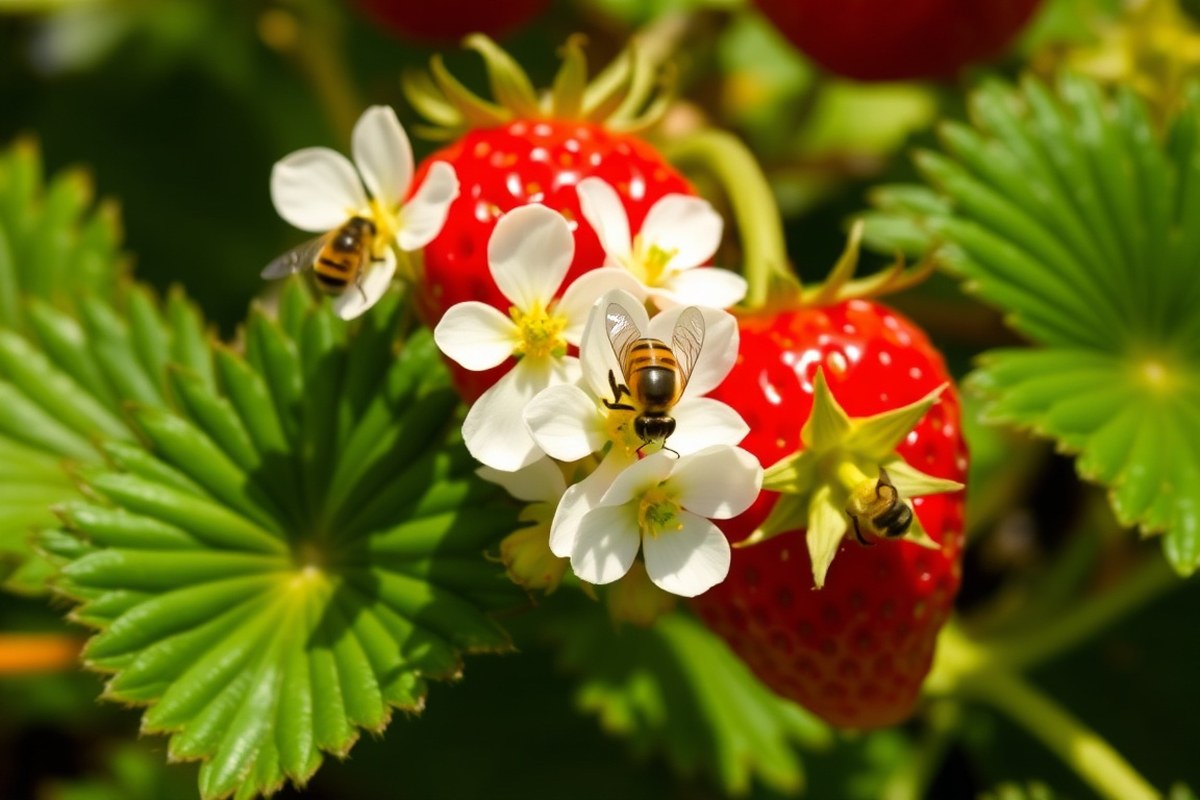
Do Strawberries Need Pollination? A Complete Guide with Proven Methods
Do strawberries need pollination to produce fruit? Yes, they do, but they can self-pollinate too.
About 80% of strawberry fruit production comes from gravity and wind moving pollen around. Still, insects like bees make pollination more efficient and boost fruit quality.
Bees help strawberries produce better-shaped and bigger fruit by improving pollination. The flowers stay open for seven to 10 days.
This gives a good window for pollen transfer. You want to make sure pollinators have access during this important time.
Strawberry plants produce flowers with both male and female parts. They can pollinate themselves but cross-pollination yields bigger berries. Cross-pollination happens when insects move pollen from one flower to another.
Poor pollination can make strawberries small or misshapen. Avoid spraying chemicals within 48 hours of flower opening because it can harm visiting insects. Giving pollinators a safe environment really helps your strawberries thrive.
Key Takeaways
- Strawberries need pollination but can also self-pollinate with some wind action.
- Bees improve strawberry fruit size and shape by increasing pollination efficiency.
- Strawberry flowers are open for pollen reception for seven to 10 days.
- Avoid pesticide sprays within 48 hours of flower bloom to protect pollinators.
- Misshapen strawberries often result from poor pollination.
- Encourage bees and natural pollinators for better strawberry quality.
Do Strawberries Need Pollination to Produce Fruit?

Strawberries need pollination to produce fruit that grows well and looks good. Their flowers have both male and female parts, so they can self-pollinate. But self-pollination alone often makes small, misshapen berries that don’t sell well.
Insect pollinators, mainly bees, help transfer pollen more fully between flowers. This insect-assisted pollination leads to bigger, rounder, and redder strawberries. You’ll see a big difference when bees visit often, with more uniform, market-quality fruit.
Strawberries are self-fertile, meaning one flower can produce fruit alone. Still, cross-pollination, where bees move pollen between different varieties, usually creates the best results. Growing multiple types and encouraging pollinators can boost berry size and yield noticeably.
Without pollinators, fruits can form but often stay small and misshapen. Pollination transfers pollen to all parts of the flower’s female section, letting seeds develop evenly. That even seed development gives strawberries their shape and firmness.
If you spot many small or oddly shaped berries, it’s a sign pollination wasn’t complete. Bee visits increase pollination efficiency by over 6% and reduce misshapen fruit. Hand pollination can work too, especially in small gardens or places with few bees.
How Insect and Wind Pollination Affect Strawberry Quality

Insects like bees play a bigger role than wind in pollinating strawberries. Their visits spread pollen well and boost fruit quality. Wind helps some, but not as much as insect activity does.
Common Strawberry Pollinators
Bees are the main visitors to strawberry flowers. They collect pollen and nectar, moving pollen between flowers in the process. Butterflies, ladybugs, hoverflies, beetles, and thrips also help pollinate, though less efficiently than bees.
These insects visit flowers repeatedly during blooming. Their constant visits spread pollen better and create more consistent fruit sets. Having a variety of pollinators improves the chances of good strawberry yields and quality.
Wind as a Pollination Agent
Wind can shake pollen loose from strawberry flowers and move it around. It doesn’t pollinate as directly as insects do, but still helps. If flowers stand still in a closed space with no wind or pollinators, pollen won’t reach pistils at all.
While wind can assist self-pollinating flowers, it works slower and less precisely. Relying only on wind usually lowers fruit set and results in smaller, misshapen berries. Strawberries perform better with some insect buzz and movement.
Comparison of Pollination Efficiency
| Pollinator Type | Pollination Effectiveness | Impact on Fruit Quality |
|---|---|---|
| Bees and other insects | High, frequent visits boost pollen spread | Improves size, shape, and shelf life |
| Wind | Moderate, pollen moved less precisely | Smaller fruit, more uneven ripening |
| No pollination (sealed environment) | None, pollen doesn’t reach pistils | No fruit development |
Studies show honey bees increase fruit set to 65.5% compared to 55% without them. Too many bumblebees can harm flowers by overharvesting pollen, causing misshapen fruit. Hand pollination matches insect results, but insects are easier if available.
Watch for excessive bee visits; too much pollen collecting can damage strawberry flowers.
What Happens When Strawberries Are Poorly Pollinated?
Poor pollination leads to small and misshapen strawberries. Each tiny seed on a strawberry needs pollen to develop fully.
When some seeds don’t get pollinated, the fruit shrinks on that side. This causes the fruit to look odd and uneven in size.
Incomplete pollination also reduces fruit size and market appeal. Without enough pollen, fruits fail to reach their full size or develop evenly. Uneven seed fertilization stops plant hormones like auxin from working right.
These hormones help the strawberry grow bigger. They also keep its color bright and even.
Misshapen fruit usually shows uneven bumps and soft spots, signaling poor pollination. This is common when pollinators like bees are absent or when environmental stresses hurt pollen transfer. Greenhouse growers often place honeybee hives inside.
Each hive brings thousands of bees to pollinate about 11,000 square feet. This leads to better pollination and fewer odd-shaped berries.
How to Hand-Pollinate Strawberries Effectively
Yes, you can hand-pollinate strawberry flowers to boost fruit production. Doing it right means picking the right tool. Choose the best time to do it.
Repeat the process often for best results. This helps produce larger, healthier berries.
Choosing the Right Tool for Hand Pollination
A small, soft paintbrush or cotton swab works best for transferring pollen. You want something gentle to avoid damaging the delicate flowers. Avoid using anything too stiff or big, as it can harm the stamens or stigma.
Some growers use electric toothbrushes or devices that vibrate flowers to shake out pollen. This mimics bee activity and can be effective indoors. However, a simple brush gives you more control over pollen transfer between flowers.
Timing Your Pollination Efforts
Pollinate strawberry flowers early in the morning when stigma is most receptive. The fresh pollen sticks better in cooler, less windy conditions.
Also, check that the flower is fully open before starting. Closed flowers don’t yet accept pollen well.
Plan your hand-pollination for sunrise or shortly after. This timing matches natural bee activity and increases your chance of successful fertilization. Avoid afternoons when flowers begin to close or get dry.
Frequency and Technique Tips
Hand-pollinate every two or three days during the bloom period to cover new flowers. This schedule fits most home garden strawberries well. Frequency matters because flowers only stay receptive a few days.
Dab gently or use a small circular motion with your brush. Take pollen from the anthers on donor flowers. Use light pressure while brushing.
Then, lightly apply it to the stigma in the center of your target flower. Repeat across multiple flowers to spread pollen widely.
Keep your brush clean to avoid disease spread. Wash it in warm water between uses. Consistent, gentle brushing encourages more fertilized flowers and better yield.
Follow these steps for hand-pollinating strawberries:
- Find fully open strawberry flowers early in the morning.
- Use a clean, soft brush or cotton swab to collect pollen.
- Gently brush the pollen onto the stigma of other flowers.
- Repeat the process every two to three days during bloom.
- Work across different plants to encourage cross-pollination.
- Keep tools clean to prevent spreading diseases.
- Observe fruit development to confirm successful pollination.
Optimizing Strawberry Pollination Indoors and in Greenhouses
Strawberries grown indoors or in greenhouses usually need help with pollination. Without natural pollinators like bees, manual or assisted pollination improves berry size and shape. You can introduce pollinators or hand-pollinate to get better fruit.
Introducing Pollinators to Greenhouses
Honey bees or native bees are good pollinators for greenhouse strawberries. Some growers release bumblebee hives inside the greenhouse during flowering. These bees work well because they stay active in small, enclosed spaces.
Adding native plants near strawberry beds inside greenhouses or conservatories can attract beneficial insects. Hoverflies and butterflies, though less efficient than bees, also help pollinate strawberry blossoms. Monitor flowers frequently to see if the pollinators are active enough to justify introducing hives.
Only bring bumblebee hives into greenhouses when strawberry flowers are fully open.
Keep in mind that your greenhouse temperature and light affect bee activity. Bees usually need daytime temps above 55°F and adequate light to pollinate effectively. Manage humidity and airflow so you don’t create a hostile environment for them.
Manual Pollination Methods Indoors
Hand-pollination compensates when natural pollinators can’t reach your indoor strawberries. Use a small, soft brush or a cotton swab to transfer pollen from flower to flower. This method takes only a few minutes daily during peak bloom.
Electric pollination tools like small vibrating wands simulate bee buzz, shaking pollen loose inside flowers. These tools cost about $20 to $40 and work well in greenhouses with many strawberries. Just run the device gently over open flowers every few days during bloom.
For strawberries in pots or containers indoors, pollination success depends on frequent, gentle pollen transfer. Rotate plants to expose flowers fully and avoid overcrowding. This setup often needs daily hand-pollination since it blocks outdoor pollinator access.
Environmental Considerations
Keep your greenhouse between 65°F and 75°F for best results. This temperature helps strawberries flower well and attracts pollinators.
Avoid temperatures below 55°F, which slow bees and reduce pollen release. Light levels should mimic daylight with 12 to 14 hours each day.
Good airflow helps spread pollen naturally and supports insect movement. Use fans set low to avoid drying out flowers or disturbing gentle pollinators.
High humidity over 80% can prevent pollen from drying, making pollination less effective. So keep humidity in check.
In winter or off-season greenhouse growing, fewer flowers outside mean pollinators depend more on your crop. This condition can actually help bee focus if you have introduced hives. Without pollinators, small or misshapen berries become common, so watch your plants closely.
How to Attract Natural Pollinators to Your Strawberry Patch
Attracting natural pollinators depends on giving them food, shelter, and safety. Plant flowers that bloom near your strawberry patch to offer nectar and pollen.
Good pollinators include bees, butterflies, and hoverflies. Providing these resources keeps them visiting during strawberry bloom time.
Companion plants work well for this. Lavender, borage, and daisies bring in many types of pollinators.
These plants occasionally bloom before and after strawberries to extend the feeding period. Clumping flowers near your patch makes it easier for insects to find your berries.
- Plant lavender, borage, and daisies near your strawberries
- Include native wildflowers to support local pollinators
- Offer shallow water sources for bees and butterflies
- Avoid removing weedy patches that host pollinator larvae
- Keep a mix of early and late bloomers to extend food availability
Pesticides can harm pollinators and reduce visits. Apply pesticides late in the evening after pollinators stop flying.
Use targeted spraying only around problem plants, not the entire patch. Organic options like neem oil are safer but still best used carefully.
Creating a pollinator-friendly habitat needs space and effort. It can really improve strawberry size and yield. This effort is worth it for better crops.
You might notice more insects and sunshine on your patch within weeks. Avoid heavy pesticide use to keep pollinators healthy and active through the season.
Cross-Pollination and Planting Strategies for Better Strawberries
Cross-pollination happens when pollen moves between different strawberry plants. While strawberries can self-pollinate, cross-pollination can boost fruit size and yield. Growing multiple strawberry varieties encourages better pollen transfer and stronger plants.
Planting different types near each other helps bees or hand pollination move pollen easier. Arrange plants so flowers from one variety are close to another, within 2 to 3 feet. This spacing lets pollinators visit flowers of various plants without flying far.
| Planting Strategy | How It Helps | When to Use |
|---|---|---|
| Mix different strawberry varieties | Increases cross-pollination, larger fruit | In garden beds or small plots |
| Plant in alternating rows | Ensures close flower proximity | For medium to large patches |
| Cluster small groups of each variety | Makes hand pollination easier indoors | Greenhouses or indoor growing |
Start by selecting two or more commercial varieties that flower simultaneously. Space plants 12 to 18 inches apart in rows or groups. This lets flowers overlap their bloom times.
Overlapping blooms keep your garden colorful longer. Regularly check flowering stages to time hand pollination or encourage bee visits.
This approach takes more planning but pays off with better yields. Cross-pollination improves fruit uniformity and seed development, so berries ripen evenly. Without it, fruit can be smaller or oddly shaped, reducing market or kitchen quality.
Step-by-Step Action Plan for Better Strawberry Pollination
Follow these simple steps to boost your strawberry harvest with good pollination. Watch your fruit size and shape improve as you go.
- Before planting: Choose strawberry varieties that bloom at similar times. This helps natural cross-pollination happen.
- Week 1 of flowering: Add flowers nearby, like clover or wildflowers. Look for bees visiting your patch.
- Week 2 of flowering: Check flowers for healthy pollen. If few insects visit, try hand-pollinating in the mornings for about 10 minutes.
- During the growing season: Keep plants watered and weed-free. Healthy plants attract more pollinators and yield better fruit.
- Harvest time: Inspect berries for full size and even shape. Poorly pollinated ones may look misshapen or small.
- After harvest: Clean up old plant debris to reduce pests. Prepare beds for the next season’s plants to boost flower health.
Frequently Asked Questions
What Happens If You Don’t Pollinate Strawberries?
Your strawberries may turn out small, misshapen, or incomplete. Good pollination helps the fruit develop fully and reduces deformities.
How Do I Pollinate My Strawberries?
You can hand-pollinate by gently brushing pollen from flower to flower every 2 to 3 days. This works well especially indoors or where bees are scarce.
What Is the Best Pollinator for Strawberries?
Honey bees are the most effective pollinators for strawberries, increasing fruit quality and size. They boost pollination efficiency by over 6%, lowering misshapen berries.
Should Strawberries Be Watered Every Day?
Strawberries benefit from consistent moisture, but daily watering isn’t always needed. Water deeply when the top soil feels dry to keep plants healthy without overwatering.
Do Strawberries Need Pollination?
Strawberries can self-pollinate, but they do best with insect pollination from bees and butterflies. Natural pollinators support fuller, bigger fruit with better shape and ripening.
Can Too Much Pollination Damage Strawberry Plants?
No, extra pollination won’t harm strawberry plants but helps fruit development. Frequent visits by pollinators improve fruit uniformity and size without harming the plants.
Before You Go
Strawberries do need pollination for better fruit size and taste. Try planting more flowers or hand-pollinating if your patch lacks bees. Start today by checking your strawberry flowers and inviting pollinators in.