What Is Hummus Soil? A Complete Guide to Fertile, Water-Retentive Soil
Hummus soil contains humus, which is dark and rich in nutrients. This material forms from organic matter breaking down over time.
It mainly remains within the top 4 to 12 inches of soil, storing nutrients and moisture. This makes the soil richer and simpler for you to manage.
Humus stores about 60% carbon, essential for good soil health. It also acts like a sponge, holding up to 90% of its weight in water. This property helps dry or sandy soil keep moisture longer and plants grow better.
Soils with as little as 2% humus are considered fertile and productive. To improve your soil, focus on adding organic matter like leaves or compost. Avoid disturbing the soil too much, as keeping humus intact helps maintain soil quality over time.
Key Takeaways
- Humus is the dark, stable organic matter in the upper soil layer.
- It stores nutrients and holds up to 90% of its weight in water.
- Soil with at least 2% humus is usually high-quality and fertile.
- Adding organic materials like compost boosts humus levels.
- Avoid excessive tilling to protect humus structure in soil.
- Humus develops mainly within the upper 4 to 12 inches of soil.
What Is Hummus Soil and Why Is It Important?

Hummus soil is a type of soil rich in organic matter called humus. This humus forms from decayed leaves, plants, and animal parts. It looks dark and crumbly, different from regular soil because of its softness and nutrition.
Humus makes soil fertile by holding water and nutrients plants need. It improves soil structure, making it easier for roots to grow and absorb what plants require. Without humus, soil can be hard, dusty, or poor in nutrients, which slows plant growth.
To get hummus soil, gardeners add decomposed plant material to their soil. Earthworms spread humus through the top 4 to 12 inches of soil. This soil layer holds most plant roots.
They help mix it evenly. Plants grown in soil with humus are stronger and healthier.
This happens because roots get better water and minerals. Humus helps soil hold these well.
How Does Hummus Form in the Soil?
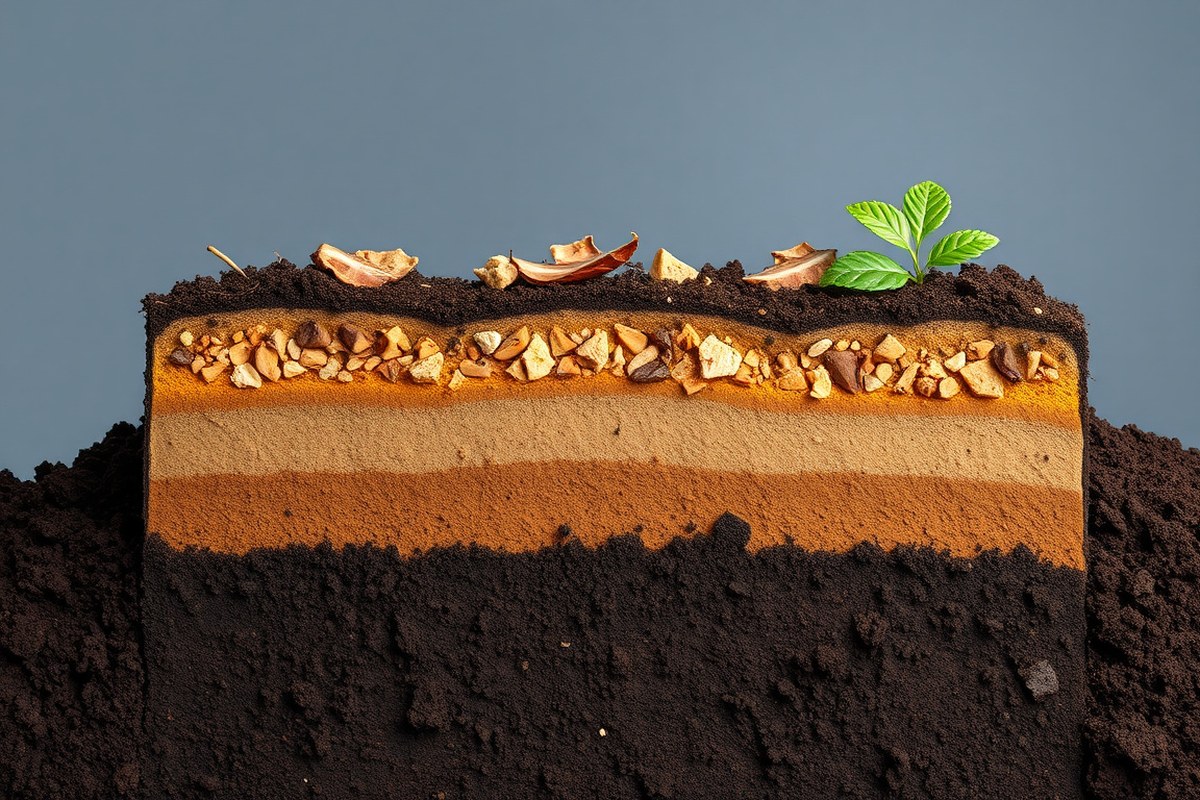
Humus forms in soil through the breakdown of dead plant and animal material. Soil microbes such as bacteria and fungi help this process. Earthworms and insects also play important roles.
They all work together in the soil. The result is a stable, dark organic matter that holds nutrients and water well.
Decomposition by Fungi and Bacteria
Fungi and bacteria are the main drivers of humus creation. They break down complex plant residues into smaller molecules. This happens as fungi start by decomposing tough materials like cellulose and lignin.
Bacteria then digest the simpler compounds fungi leave behind. These microorganisms transform organic residues into stable organic materials that mix with soil minerals. This forms humus which resists further decay and lasts for hundreds of years.
Microbial activity depends on available organic matter types and the soil environment. Different fungi and bacteria species specialize in breaking down certain residues.
Role of Earthworms and Soil Invertebrates
Earthworms and small soil creatures help by chewing and mixing decomposing material. Their digestion breaks down organic matter into fragments easier for microbes to process. Moving through soil, they spread microbes and organic matter evenly.
This physical mixing speeds up humus formation by creating better soil structure and airflow. It also helps bind organic matter to clay and minerals. These actions contribute to stable soil organic material buildup.
Without earthworms, humus would form slower, reducing soil fertility and water retention. Insects and other invertebrates similarly aid decomposition but on a smaller scale.
Environmental Conditions Influencing Humification
Warm temperatures between 70 and 95°F boost microbial activity and humus formation. Cold or very dry soils slow decomposition and reduce humus buildup. Moist, well-aerated soil helps microbes and soil animals work efficiently.
Excess water or poor drainage limits oxygen, favoring decay without humus production. Soil pH also affects microbial communities, with neutral to slightly acidic soils best for humus formation. Adding suitable organic material regularly keeps humus levels steady.
Crop rotations and adding diverse residues promote balanced microbial life that supports humus production over time. Humus forms through a stepwise process driven by organisms and the right soil conditions. You can speed this process on your property:
- Add different types of organic residue, like leaves and crop leftovers, to soil.
- Encourage fungal and bacterial growth by keeping soil moist but not wet.
- Introduce or protect earthworms and beneficial insects in your garden soil.
- Maintain soil temperature with mulching during cold months.
- Rotate crops to provide various organic inputs and prevent nutrient depletion.
- Test soil pH and keep it near neutral to favor microbial activity.
- Turn soil lightly to mix organic matter and improve oxygen flow.
- Avoid chemical overuse that can kill microbes and slow humus formation.
Keep soil moist but avoid standing water to help microbes break down matter fast. Excess water reduces oxygen needed for humus to form well.
What Nutrients and Properties Does Humus Soil Provide?
Humus supplies key nutrients like nitrogen, phosphorus, and potassium that plants need to grow. These nutrients become available slowly, feeding plants over time without causing shock. This slow release matches plant needs better than many synthetic fertilizers.
Humus makes soil less packed and changes its feel to better texture. It holds water equal to 90% of its own weight, aiding sandy and clay soils. This helps the soil keep moisture longer so plants survive dry times.
Humus works like a sponge, improving both drainage and water retention. In sandy soils, it holds water better. In clay soils, it stops clumping and improves aeration.
This balanced effect makes root growth easier. Plants get better access to nutrients, water, and oxygen.
The dark color and texture of humus also help protect soil from erosion. It binds soil particles into aggregates that resist washing or blowing away. This creates a stable environment for plants and soil organisms.
Humus keeps soil pH close to neutral, around 6 to 7. Most plants grow best in this pH range. This stable pH suits many types of gardens and farms.
It buffers the soil, preventing sharp swings in pH caused by fertilizers or rain. This balance means nutrients stay available instead of locking up or washing away.
To build humus in your garden, add organic matter like leaf litter or compost. Let it decompose naturally to form humus over months or years. This process restores soil fertility and structure without repeating costly fertilizer applications.
How to Identify Soil Rich in Hummus?
Soil rich in humus usually looks dark, almost black, which indicates plenty of organic matter. It feels spongy and crumbly in your hand, not dusty or hard. You can tell by touching and smelling it that humus is present.
Humus-rich soil has a pleasant earthy smell that most gardeners recognize. It doesn’t smell sour, chemical, or stale, which can signal poor quality or low organic content. The smell comes from decomposed plant and animal material found in healthy soil.
Color alone doesn’t give the full story. Some soils might appear dark but lack the proper crumbly texture or smell of good humus. Press the soil gently to check how soft it is.
Watch if it clumps or crumbles when squeezed. This shows how well the soil holds water.
- Dark, almost black color is a key sign of humus
- Soil feels loose, crumbly, and spongy, not dense or powdery
- A fresh, earthy smell signals healthy humus content
- Soil retains moisture but drains well without becoming muddy
- Soft to squeeze but doesn’t fall apart into fine dust
Gardens with at least 2% humus show better fertility and plant growth. Higher levels between 8 and 10 percent create the best crumb structure and nutrient availability.
Humus also helps soil resist erosion. So you’ll notice that loose soil holds plants well without washing away.
Checking soil for these signs takes just a few minutes with hands and nose. It cost nothing except some practice to know what feels right. The soil might feel heavy or smell sour.
This shows it probably doesn’t have enough humus. You should add organic matter to improve it.
Differences Between Humus, Compost, and Fresh Organic Matter
Humus is the most stable form of decomposed organic material. It differs from compost and fresh organic matter. Humus lasts longer in the soil than other forms.
Compost is still breaking down, while fresh organic matter is just beginning to decay. This means humus stays in soil longer and boosts fertility more steadily.
Definition and Composition
Humus is the final, stable product of decomposed plant and animal matter in soil. Compost is organic material partly broken down. It is ready to add to soil.
Compost continues breaking down once mixed with soil. Fresh organic matter includes leaves and grass clippings.
It also includes food scraps. This material has not started or just started decomposing.
Humus has a dark color and fine texture after all breakdown and microbial activity finishes. Compost can still have recognizable pieces of original material. Fresh organic matter looks like what it started as, not changed much.
Decomposition Stage and Stability
Compost is the initial stage where organic matter undergoes decomposition, often completing within weeks to months. Humus forms after compost breaks down further until there’s no more decomposition. It is stable and resists further breakdown for years to decades.
Fresh organic matter can attract pests or cause nitrogen loss before decomposing. Fully matured compost acts like stable humus. It does not generate heat anymore.
Its texture is crumbly and loose. That means it is safe to add to soil without harming plants.
Nutrient Availability and Benefits
Humus holds nutrients well and slowly releases them, improving soil fertility for a long time. It also improves water retention and soil structure. Fresh organic matter releases nutrients quickly but can temporarily tie up nitrogen, which harms plants.
Compost provides a quicker nutrient boost than stable humus but can vary in quality. Humus resists leaching and supports beneficial soil life better than fresh organic additions. Adding humus improves soil long-term, while fresh matter’s effects are short-lived.
Here’s a short table showing key differences:
| Feature | Fresh Organic Matter | Compost | Humus |
|---|---|---|---|
| Decomposition Stage | Initial or none | Partially decomposed | Fully decomposed and stable |
| Appearance | Original plant/animal material | Broken down, some recognizable parts | Dark, crumbly, fine texture |
| Decomposition Activity | Ongoing | Ongoing but slowing | None, stable |
| Nutrient Release | Rapid, can cause nitrogen tie-up | Moderate, balanced | Slow, steady release |
| Soil Benefit Duration | Short term | Medium term | Long term (years to decades) |
Compost can turn into humus naturally if left in soil long enough. But turning fresh organic waste straight into humus takes time. Adding compost speeds up the increase of humus in soil compared to fresh matter alone.
Add only fully matured compost to soil for best plant growth and to avoid nitrogen loss.
How Can You Increase Hummus Levels in Your Soil?
To add humus, regularly add organic material to your garden soil. Reduce how much you disturb the soil. Plant cover crops to help too.
These steps help soil organisms build and protect humus naturally. Each method fits different soil types and garden conditions.
Adding Organic Matter Regularly
Adding compost, manure, or crop residues boosts humus levels over time. Spread a thin layer of compost on top of soil. Do this as a top-dressing or mix it in.
Do it once or twice each year. Avoid adding lots of organic matter at once. Too much can harm the balance of your soil.
The goal is steady, moderate additions that feed soil life. These materials break down slowly, turning into stable humus that improves nutrient holding and soil texture. Well-made compost costs about $20 to $40 per cubic yard.
You can find this at garden centers. It’s a good deal for many gardeners.
Minimizing Soil Disturbance and Tillage
Frequent and deep tilling breaks down humus faster and disrupts soil organisms. Use conservation tillage or no-till methods to preserve organic matter in topsoil. This helps soil life flourish and makes humus form faster.
For clay soils, conservation tillage reduces erosion and keeps humus near roots. Sandy soils also benefit by retaining organic matter longer with less disturbance. Tilling once a year or less is a smart choice.
This is good when preparing beds for planting. It also helps build humus in your soil.
Using Cover Crops and Mulches
Cover crops like clover, rye, and legumes add organic material while protecting soil from erosion. They also support microbes that produce humus. Plant cover crops during off-seasons or between rows to keep soil covered and active.
Mulching with leaves or straw keeps moisture steady and feeds decomposers. This practice complements cover cropping, especially in sandy and clay soils where moisture control matters.
- Choose cover crops suited to your soil type and climate
- Plant in fall or early spring for best growth
- Use leaf mulch or straw to maintain moisture and temperature
- Cut cover crops before flowering to add green matter
- Rotate different cover crops to keep soil balanced
Combining mulches and cover crops creates a continuous supply of organic matter. That supports humus production throughout the year, building healthy, fertile soil.
Common Mistakes When Building Humus and How to Fix Them
Adding too much organic matter can cause soil to become waterlogged. That stops air from reaching roots and slows down decomposition. Balance your additions and mix materials like grass clippings, leaves, and wood chips gradually over months.
Soil compaction is another common mistake. It limits root growth and reduces pore space for air and water. To fix it, try aerating the soil with a garden fork.
Use organic mulches like straw to keep soil loose. This helps soil stay moist and airy.
Low nutrient levels often happen when fresh organic matter breaks down too fast or too slow. Avoid this by layering materials in thin layers about 2 to 3 inches. Turn the layers every few weeks.
This prevents problems from building up. This speeds up decomposition and keeps nutrients available.
- Don’t pile organic matter thicker than 4 inches, it can suffocate soil life.
- Use a mix of “green” (nitrogen-rich) and “brown” (carbon-rich) materials for balance.
- Avoid adding diseased plant material to prevent spreading problems.
- Keep soil moist but not soaked to help microbes thrive.
- Turn compost or organic layers monthly to improve breakdown and air flow.
- Aerate compacted soil in early spring or fall when soil is damp.
When organic matter breaks down slowly, soil may lack nutrients and humus builds up too little. Adding organic mulch helps fix this problem. Shredded leaves or wood chips work well.
They turn into humus over a year or two. Keep mulch layers about 3 inches thick and replace as they break down.
Soil that feels powdery or sandy may lack organic matter. Roots may have trouble spreading in this soil. This shows organic content might be low.
Build humus gradually by adding several small organic matter applications instead of one big pile. This gives soil organisms time to work and improves texture without harming soil structure.
How Does Soil Type and Climate Affect Hummus Retention?
Different soil types hold humus in varied ways. Sandy soil drains fast and loses humus quickly. Clay soil traps water and keeps humus stable for longer.
Peat soil already has high organic matter and holds humus very well. Climate changes how humus forms and lasts in soil.
Warm, moist climates speed up humus breakdown. Cold or dry places slow decay, so humus sticks around longer.
Adding humus helps all soils but benefits some more. Sandy soils get better water and nutrient holding. Clay soils improve in structure and aeration.
Peat soils usually need less humus added because they are rich already. Knowing your soil type and climate guides humus addition.
You need to know how much to add and when. This helps you plan because humus breaks down over time.
| Soil Type | Humus Retention | Effect of Climate | Benefit from Humus Addition |
|---|---|---|---|
| Sandy | Low retention, humus leaches fast | Humus breaks down faster in warm, wet areas | High benefit for water and nutrient holding |
| Clay | High retention, humus stays longer | Humus decay slower in cool or dry places | Moderate benefit, improves aeration and structure |
| Peat | Very high organic matter, humus abundant | Humus stable due to acidic and wet conditions | Low benefit unless soil depleted |
Humus content can even influence soil class, like fertile Mollisols or peat-heavy Histosols. Sandy soil needs more humus added often. It breaks down or washes away quickly.
You must add humus more often to keep soil healthy. Clay soils hold humus better but may need care to avoid becoming too dense.
You can improve humus by mixing in compost and plant residues. But how often depends on climate and soil type.
Test your soil’s texture and organic content before adding humus amendments to avoid over-application.
Step-by-Step Action Plan to Boost Your Soil’s Humus
Start improving humus in your soil with simple, stepwise steps. Follow these to see healthier soil and plants.
- Before planting: Test your soil’s current state with a simple kit. This shows nutrient and organic matter levels.
- Week 1: Spread a 2-3 inch layer of compost on your garden beds. Check that the compost looks dark and crumbly.
- Month 1: Add mulch such as shredded leaves or straw around plants. Mulch keeps moisture and feeds soil life slowly.
- Month 2: Plant cover crops like clover or rye in empty spots. These crops protect soil and add organic matter when tilled under.
- Ongoing: Water moderately and avoid digging deep each season. This preserves soil structure and humus layers.
- After 3 months: Re-test your soil’s organic content to track progress. Increase compost if levels haven’t improved.
- Every growing season: Rotate crops to prevent nutrient loss and support humus buildup. Diverse plants feed different soil microbes.
- Yearly: Add slow-release organic fertilizers as needed to feed plants without harming microbes. Healthy plants help create humus.
Frequently Asked Questions
How Does Hummus Soil Affect Soil pH Levels?
Hummus soil usually helps buffer soil pH toward neutral. It stabilizes pH, making nutrients easier for plants to absorb.
Can Hummus Soil Reduce Soil Erosion?
Yes, hummus improves soil structure and holds particles together. This lowers erosion risk by water or wind.
Is Hummus Soil Suitable for All Types of Plants?
Most plants grow better in soil with hummus since nutrients and moisture are higher. But some plants prefer more acidic or sandy soils.
How Long Does It Take for Hummus to Form Naturally in Soil?
It can take several months to years for hummus to form. It depends on climate, organic material, and soil organisms.
Can Hummus Soil Affect Soil Temperature?
Hummus acts like a sponge and insulates the soil. It keeps soil warmer in cold weather and cooler in heat.
Does Hummus Soil Support Beneficial Soil Microbes?
Yes, humus provides food and habitat for helpful microbes. These microbes help break down organic matter and support plant health.
Final Thoughts
Humus soil is key to growing strong, happy plants. Focus on steady, natural steps to build it up in your garden. Start by adding good compost and mulch today to help your soil come alive.