How Often to Water Hanging Ferns: A Complete Guide with Proven Tips
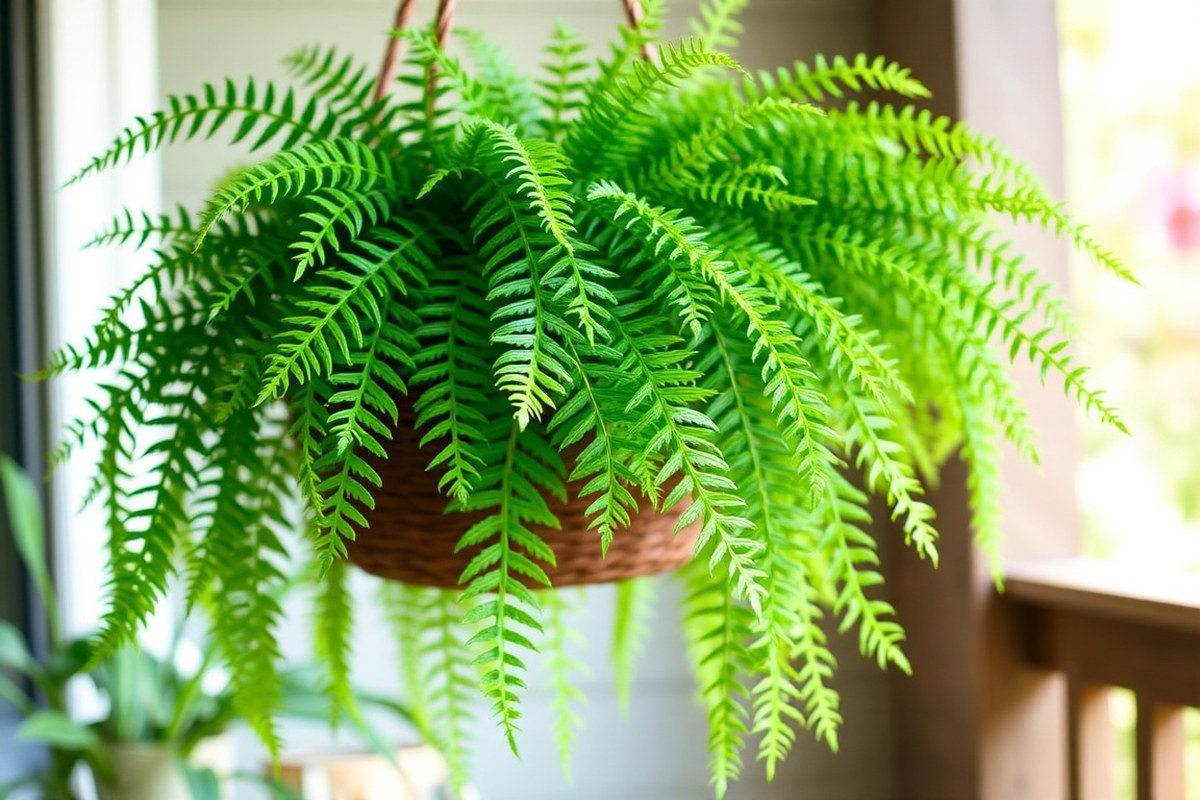
How often to water hanging ferns depends on the season and temperature. In summer, watering every 1 to 2 days keeps them healthy and green. If temperatures go above 75 degrees Fahrenheit, increase watering to prevent drying out.
Indoor ferns in winter need less water, usually every 5 to 7 days. Always check the soil before watering to avoid overwatering. Let the top inch of soil dry out between waterings to keep roots safe.
Using a bottom soak on hanging baskets helps water reach all roots deeply. Submerge the pot in a tray for 5 to 10 minutes to avoid soggy soil. This way, your fern gets even moisture without danger of root rot.
Humidity also affects watering frequency for hanging ferns. In dry indoor air, mist their leaves or place a humidity tray nearby. This prevents leaf browning and keeps your fern vibrant longer.
Key Takeaways
- Water outdoor hanging ferns daily in hot, breezy summer afternoons.
- Reduce watering indoors during winter to about once every 5 to 7 days.
- Check soil moisture before watering to prevent overwatering.
- Submerge hanging basket pots in water for 5 to 10 minutes for deep watering.
- Increase watering frequency if room or outdoor temperatures rise above 75°F.
- Let soil dry to the top inch before watering again to keep roots healthy.
How Often to Water Hanging Ferns in Different Conditions

Hanging ferns need watering based on their location and the season. You water indoor ferns less often in winter, about every 5 to 7 days. Outdoor hanging ferns dry faster, especially in summer when heat and wind increase evaporation.
Temperatures above 75°F (24°C) make ferns thirsty more often. That means you might water indoor ferns every 3 to 4 days during warm spells.
Outdoors, the days get hotter and windier. Then, you should check the soil daily and water every 1 to 2 days as needed.
| Season | Indoor Hanging Ferns | Outdoor Hanging Ferns (Pots, Baskets) | Outdoor In-Ground Ferns |
|---|---|---|---|
| Spring | Every 3, 5 days | Every 2, 3 days | Every 4, 7 days |
| Summer | Every 3, 4 days | Every 1, 2 days | Every 3, 5 days |
| Fall | Every 5, 6 days | Every 3, 5 days | Dependent on rainfall |
| Winter | Every 5, 7 days | Every 4, 6 days | Usually rainfall |
The size of your pot changes how often you water outdoors. Small pots dry faster and may need water daily in hot weather. Larger pots hold moisture longer.
So you can stretch the time to 3 or 4 days. For outdoor ground ferns, heavy rain can replace watering often. But during dry spells, every 3 to 5 days is best.
Humidity matters, too. Low humidity indoors dries soil quicker, so you might water a bit more often. Use a misting spray or humidity tray to keep ferns happy.
Outdoors, windy or sunny spots dry soil fast. Check your fern’s soil every day in summer heat for signs it’s too dry. Water when the top 1 inch of soil feels dry to the touch.
How to Check If Your Hanging Fern Needs Watering

Check soil moisture to know if your hanging fern needs water. Look at the plant’s leaves for signs of dryness or droop. These clues show if watering is necessary.
The soil should be slightly moist, not dry or soggy. Watch for signs like crispy brown edges or drooping fronds, which show the fern needs water.
The Finger Test: How Deep to Check Soil Moisture
Stick your finger about 1 to 2 inches into the soil to check moisture. When the soil at this depth feels dry, your fern needs watering.
For hanging Boston ferns, the top inch dries first. But roots should stay moist deeper down.
Use this method every day or every other day during hot months. It’s the simplest way to avoid both underwatering and overwatering your fern.
Don’t just trust a dry surface; check a bit deeper to avoid stressing roots.
Visual Signs on Leaves and Fronds Indicating Dryness
Look closely at your fern’s fronds for changes. Dry fronds will look crispy or turn brown, especially at the tips. Fronds may start dropping if the soil is too dry for a day or two.
Maidenhair ferns show dryness quickly. Their fine fronds wilt or yellow faster than Boston ferns. Check for any yellowing or unusually thin fronds as early warning signs.
- Crispy brown edges on leaflets
- Wilting or drooping fronds
- Yellowing leaves that shed easily
- Fronds turning pale or thin
- Soil pulling away from pot edges
- Shrinking or wrinkled new shoots
Noticing these signs early helps you water before damage gets worse.
Using a Moisture Meter and When It Helps
Use a moisture meter for an accurate soil wetness check. It helps if you aren’t sure by feeling the soil. This tool makes watering clearer.
These devices cost about $10 to $25 and plug into the soil. Look for a reading showing moist but not wet soil at 1 to 2 inches deep.
This tool works well for dense soils or big hanging baskets. Large pots can dry unevenly, so the meter helps spot dry spots.
It makes care easier. It also works well in low-light or cooler spots where you might overwater by accident.
Follow the meter’s guide carefully to get good results. Don’t leave it too long in soil; it can harm roots. This keeps readings accurate and plants safe.
Proper Techniques for Watering Hanging Fern Baskets
Water hanging fern baskets from the top. Keep watering until water drains out the bottom. You can also use a bottom soak for even moisture.
These methods prevent overwatering and root rot when done right. Adjust your routine based on the fern type and pot size.
Top-Watering: How to Do It Correctly
Top-watering is the most common way to water hanging fern baskets. Use room-temperature water to avoid shocking the roots.
Pour water slowly on the soil surface. Do it gently to avoid runoff.
Stop when water drains from the bottom. This flushes out old salts and evenly moistens the entire root ball.
- Fill a watering can with room-temperature water.
- Hold the fern basket over a sink, tray, or outside area to catch runoff.
- Pour water slowly over the soil surface, aiming for full coverage.
- Stop watering once water drains clearly from the pot’s drainage holes.
- Allow excess water to drain completely before hanging the basket back up.
This method helps you avoid water pooling at the soil surface, which can cause fungus. Frequent checks of the top inch of soil are key before watering again.
Bottom Soaking Method: When and How to Use It
Bottom soaking works well when the soil feels dry but evenly watering is tricky. It lets the roots soak up moisture without wetting the leaves excessively.
Submerge the whole pot in a tray filled with water for 5 to 10 minutes. The soil absorbs moisture through the drainage holes from the bottom.
- Find a basin or bucket large enough to hold the hanging basket pot.
- Fill it with room-temperature water to cover about two-thirds of the pot’s height.
- Place the pot inside, letting it soak evenly for 5 to 10 minutes.
- Remove the pot and let it drain thoroughly before rehanging.
Use bottom soaking to revive ferns that look dry or after several days without water. Avoid soaking too long or too often to prevent root rot.
How Much Water to Give and Ensuring Proper Drainage
Give enough water to moisten the entire root ball. The amount depends on the basket size and soil type.
Usually, use 1 to 2 quarts per watering. This amount keeps the fern moist but not soggy.
Good drainage is essential. Water should drip from the bottom holes within a minute.
This shows the soil is fully soaked. Avoid watering so much that it stays too wet.
Check that no water sits in the bottom tray or caught in the basket liner. Standing water leads to root rot and fungal problems.
Common Watering Mistakes and How to Fix Them
One common mistake is overwatering, which suffocates fern roots and leads to rot. Overwatered ferns have yellowing, limp fronds and a soggy soil surface. Stop watering right away.
Let the soil dry completely. Only water again when dry. Make sure your pot has good drainage to avoid water pooling at the bottom.
Underwatering is another frequent error that causes browning and curling leaf tips. Dry, crumbly soil means your fern needs water.
Soak the soil thoroughly to revive it, then keep a regular check on moisture. You might need to water more often in smaller baskets or hotter, drier spots.
- Use a moisture meter or finger test before watering to avoid guesswork.
- Water hanging ferns deeply until water drains from the bottom.
- Ensure baskets have drainage holes to prevent root rot.
- Mist fine-leafed ferns daily to boost humidity and reduce dry leaf tips.
- Adjust watering frequency based on temperature and season, less in cool weather.
- Place ferns where they can dry between waterings but avoid direct harsh sun.
Ferns in smaller hanging baskets dry out faster, so they need attention more often. Outdoor ferns tend to need water more frequently than those inside. Indoor humidity under 40% can stress ferns.
Mist the fern or use a tray with water and pebbles. Keep humidity at 50% to 70%. This helps the fern stay healthy.
Stop watering an overwatered fern. Let the soil dry for a few days. This helps the fern recover.
Moving it to a warmer spot with good airflow speeds this up. Soak the soil fully when underwatered.
Keep the top soil lightly moist. Watching leaf color and texture daily helps catch problems early.
How Different Fern Species Affect Watering Needs
Different hanging fern species need different amounts of water. Boston ferns and Kimberly Queen ferns use a lot of water as they grow larger. Bird’s Nest ferns need watering less often.
You must avoid water sitting in their crown. That helps prevent problems with the plant.
Knowing your fern type helps you avoid overwatering or underwatering. Bigger Boston and Kimberly Queen ferns may need daily watering in summer. Bird’s Nest ferns need their central crown dry.
Water should go only around the edges. This keeps the plant healthy and happy.
| Fern Species | Watering Frequency | Watering Notes |
|---|---|---|
| Boston Fern | Every 3, 5 days (more in summer) | Keep soil barely moist; never let dry out |
| Kimberly Queen Fern | Similar to Boston, daily in midsummer | Large plants use a lot of water |
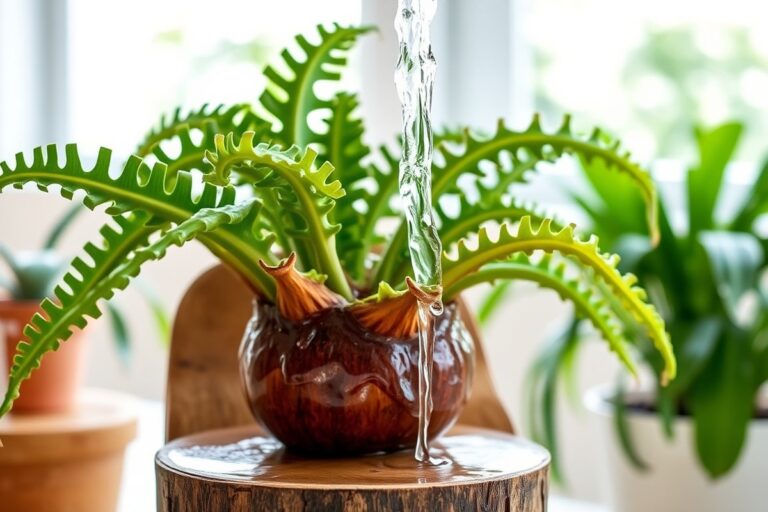
| Bird’s Nest Fern | Less frequent, water around potting mix | Avoid watering the crown to prevent rot |
| Macho Fern | Similar to Boston Fern | Needs ample moisture as it matures |
Boston ferns are more sensitive to drying out. Dropping leaves is a clear sign they need water.
Hanging baskets with large Boston or Kimberly Queen ferns often need watering daily during hot weather. Bird’s Nest ferns tolerate less water but do better when their crown is dry.
Never water the crown of a Bird’s Nest fern; it causes crown rot quickly.
Smaller ferns in terracotta pots dry faster than larger ones in plastic pots. Your watering routine should adjust with pot size and plant size. Warmer air and more sunlight increase water use, especially for Boston ferns.
Seasonal Adjustments for Hanging Fern Watering
Your watering schedule for hanging ferns should change with the seasons. Warmer months need more water because the ferns grow faster and dry out quickly. Cooler months require less water since growth slows down and evaporation decreases.
Increasing Frequency in Spring and Summer
Spring and summer boost your fern’s growth and water needs. During these seasons, watering every few days in spring may shift to daily in summer. Water often to keep all of the root ball moist.
Check soil moisture by feeling the top layer. Water again when the top feels dry to touch.
Ferns outdoors face wind and warmth that speed up drying. You should check them at least once a day in summer. Heavy watering during active growth helps avoid stress and brown leaf tips.
Reducing Watering in Fall and Winter
Fall brings cooler weather, slowing your fern’s growth and water use. Watering can drop to every 5 to 7 days, depending on indoor heat and humidity. Always check the soil’s upper layer before watering again to avoid overwatering.
Winter usually means even less water. Keep the soil just barely moist for indoor ferns. Overwatering at this stage can cause root rot because the plant’s water needs are very low.
Watering Tips When Transitioning Indoor to Outdoor
Moving ferns between indoors and outdoors calls for close attention. Check soil moisture more often during weather changes.
Sun and wind dry outdoor soil faster. Let the top inch of soil dry out before watering again.
Water indoor ferns every few days during summer. Outdoor ferns may need water daily in heat. When moving ferns indoors in late fall, water less often.
Gradually reduce watering as the plant grows slower inside. Avoid letting indoor ferns sit in water to prevent root damage.
How Pot Type and Environment Influence Watering Frequency
Pot type affects how fast soil dries out, changing how often you water. Terracotta pots dry soil faster because they absorb moisture. Plastic pots hold moisture longer, so they need less frequent watering.
Soil type also matters; peat moss soil holds water well. Sandy soil dries quickly.
Sun, wind, and humidity change watering frequency by affecting soil moisture loss. Direct sun heats soil and fronds, drying them out faster. Wind speeds up drying by moving moist air away from the fern.
High humidity slows water loss, so the soil stays moist longer. Low humidity makes ferns use water faster, needing more frequent watering.
| Factor | Effect on Watering Frequency | Tips to Manage |
|---|---|---|
| Terracotta pot | Soil dries quickly | Water more often; keep peat moss moist |
| Plastic pot | Soil stays moist longer | Water less frequently; watch for soggy soil |
| Peat moss soil | Holds moisture well | Check soil before watering; avoid overwatering |
| Direct sun | Increases water loss | Provide shade or move away from direct sun |
| Wind | Speeds drying | Place fern in sheltered spots |
| High humidity | Slows soil drying | Space plants to improve airflow |
| Low humidity | Needs more watering | Mist often or use terracotta spikes |
Boston ferns need constant moisture and tend to brown quickly if dry. Using terracotta pots helps by keeping soil moist and raising humidity near the leaves.
If your fern sits in harsh sun or near heat vents, soil dries very fast. Move it to a shadier, cooler spot and check soil every two days.
In dry climates, mist your fern regularly to add humidity. Watch for water rushing through the soil layer. It means the soil was very dry.
Soak the soil slowly when watering, allowing it to absorb the water well. Trim dead fronds and cover soil with plastic briefly to hold moisture when needed.
Humidity and Other Care Tips to Support Proper Fern Watering
Hanging ferns thrive in higher humidity, ideally between 50% and 70%. Place a shallow tray with water and pebbles under the fern basket. This boosts humidity without over-misting.
It helps your fern stay moist. The water evaporates slowly, moistening the air around the plant without soaking the leaves.
Use a small room humidifier near your hanging fern. This works well in dry indoor spaces. It helps keep the air moist around the plant.
Check your fern every day. Make sure the air isn’t too damp.
Too much moisture can cause fungal problems. Avoid constant misting since it may leave the fronds soggy and prone to disease.
Fertilizer supports healthy growth but don’t overdo it. Feed your hanging fern with balanced, water-soluble fertilizer once a month. Use only half strength.
Do this during spring through early fall. Skip feeding in winter when growth slows down. Regular watering alone doesn’t provide enough nutrients for lush fronds.
Root-bound ferns need special care. When roots crowd the basket, water holds less evenly, and the plant can dry out faster. Repot or refresh the soil every year or two as needed.
Water more often if you can’t repot your fern. Avoid letting the roots sit in water.
Too much humidity or overwatering leads to yellowing fronds and root rot, so balance is key.
Mulching your fern’s soil surface helps keep moisture steady and cool. Use a layer about one inch thick of organic mulch like shredded bark or sphagnum moss.
This reduces watering needs and keeps roots comfortable. Replace mulch once or twice a year to prevent compaction and allow airflow.
Repot hanging ferns when growth slows or roots circle inside the basket tightly. Choose a pot one size larger with fresh, well-draining soil.
This refreshes nutrients, improves water retention, and encourages better root spread. Repotting typically costs $10 to $25 if buying new soil and a basket.
Adding these care steps makes your watering routine more effective. Humidity tricks protect fronds while fertilizer and mulch support steady growth. Repot root-bound ferns to stop drying out or soggy roots.
Adjust watering based on the new pot. This keeps your ferns healthy and green.
Step-by-Step Action Plan for Watering Your Hanging Fern
Follow this plan to keep your hanging fern healthy with the right watering routine. Check your plant’s response at every step.
- Before setup: Choose a pot with good drainage to avoid water buildup. Ensure the soil is loose and well-draining.
- Day 1: Water your fern thoroughly until water runs from the bottom. This sets a good moisture baseline.
- Week 1: Check the soil moisture every 3 days with your finger. Water again only if the top inch feels dry.
- Week 2: Adjust watering based on fern species and environment. Noticed dry fronds? Increase frequency slightly.
- Week 3: Use a moisture meter or the finger test before watering. Aim to keep soil damp but not soggy.
- Month 1: Observe humidity around the fern. If air is dry, mist leaves or use a humidity tray.
- Ongoing: Reduce watering in cooler seasons or when growth slows. Increase in warmer, dryer months.
Frequently Asked Questions
Do Hanging Ferns Like Sun or Shade?
Hanging ferns prefer bright indirect light or filtered shade. Direct sun can scorch their fronds, so avoid placing them in harsh sunlight.
How Long Will Hanging Ferns Last?
Hanging ferns can last all season with proper care and watering. Regular moisture, good light, and humidity help them stay healthy for several months.
How Do I Keep My Hanging Ferns Alive?
Keep your hanging ferns alive by providing consistent moisture and filtered light. High humidity and watering when the top inch of soil feels dry also support their health.
What Do Overwatered Ferns Look Like?
Overwatered ferns show yellowing fronds and soft, mushy spots. The soil may stay soggy, leading to root rot if watering continues without drying out.
Can I Water Hanging Ferns from the Bottom?
Yes, you can bottom soak hanging ferns by submerging the pot for 5, 10 minutes. This helps water soak evenly without soaking the top soil too much.
How Often Should I Mist My Hanging Ferns?
Misting hanging ferns 2 to 3 times a week adds humidity and helps prevent brown edges. Avoid overdoing it to stop fungal issues.
The Bottom Line
Watering frequency changes with your fern’s needs and environment. Watch soil moisture and adjust as needed. Start by checking your fern today and water only if the soil feels dry to touch.