What Is Soil Fertility? A Complete Guide to Understanding and Improving It
Soil fertility is the soil’s ability to supply nutrients and support healthy plant growth. Fertile soil contains a balanced mix of minerals, organic matter, and moisture. These elements feed plants well and help roots grow strong.
Good soil texture and structure also affect fertility. Loamy soil holds water but drains extra moisture to keep roots oxygenated. This balance prevents roots from drowning while providing enough water.
Maintaining fertility means replacing nutrients plants use up. You can add fertilizers or organic materials like manure to supply nitrogen, phosphorus, and potassium. These elements are essential for healthy plants.
The right soil pH, usually between 6 and 7, helps plants absorb nutrients. Adding compost improves soil structure and water retention. Testing soil pH and nutrients tells you what your soil needs.
Key Takeaways
- Maintain soil pH close to 6 to 7 for optimal nutrient availability.
- Add organic matter regularly to improve soil structure and moisture retention.
- Test soil nutrient levels to guide fertilizer or amendment choices.
- The soil must supply 14 essential nutrients along with carbon, oxygen, and hydrogen.
- Organic nitrogen can provide up to 70% of nitrogen needs for crops like corn.
- Soil temperature between 65 to 75°F supports nutrient cycling and root growth.
What Is Soil Fertility and Why Does It Matter for Plants?

Soil fertility means the soil’s ability to supply plants with the nutrients they need. It also involves maintaining the right physical and biological conditions for plant growth. Fertile soil has enough nutrients like nitrogen, phosphorus, and potassium, along with good moisture and structure.
Plants depend on soil fertility to grow strong and healthy. When soil is fertile, plants can absorb nutrients easily through their roots. This leads to better growth, higher yields, and nutritious fruits or vegetables.
Fertile soil holds nutrients and moisture well and supports beneficial microbes. Poor soil often lacks nutrients or has structure problems like compaction that block root growth. It might drain too quickly or keep water too long, which makes plants struggle.
Adding organic matter is one simple way to keep soil fertile. Organic matter comes from decomposed leaves, compost, or manure. It helps soil hold nutrients and water for plants.
It also improves the soil’s structure. This makes it easier for roots to grow.
You can keep soil fertile by reducing tillage, planting cover crops, and adding organic materials. These actions cost little money but need time. You usually see results in one or two seasons.
The benefits take a while to become clear. Healthy, fertile soil gives plants a better start and protects them from stress.
How Soil Physical Properties Influence Fertility and Root Growth

Soil physical properties shape how well plants grow by affecting roots, water, and air flow. Texture, structure, porosity, bulk density, and water holding capacity control these factors. Roots can spread, absorb nutrients, and reach moisture easily.
Understanding Soil Texture and Its Role
Soil texture means the size of particles in soil: sand, silt, and clay. Sand has the largest particles, clay the smallest, and silt falls in between. Texture determines how soil feels and how well it drains or holds water.
Loamy soil, a balanced mix of sand, silt, and clay, usually supports the best plant growth. It holds enough water but drains well.
Sandy soils dry fast and have low nutrient retention. Clay soils hold water but can become compacted and limit root growth.
How Soil Structure Supports Roots
Soil structure is how particles clump into aggregates or clumps. These clumps create spaces for air and water to move through the soil. Well-structured soil helps roots grow deep and access nutrients.
Good soil structure forms from organic matter like compost or cover crops. This organic matter helps soil particles stick together into stable aggregates. Poor structure leads to hard, compacted soil where roots may twist or stop growing.
Bulk Density and Why It Matters
Bulk density measures how tightly packed soil particles are in a given volume. It’s usually grams per cubic centimeter (g/cm³).
Lower bulk density means more pore space, easy for roots and air to move. High bulk density means compacted soil, with less room for roots.
Ideal bulk density for garden soils is below 1.4 g/cm³. Measurements above that can limit growth by restricting root penetration and water movement. Avoid heavy machinery or over-tilling to keep bulk density low.
Water Holding Capacity and Plant Health
Water holding capacity measures the soil’s ability to store and slowly release water to roots. Soils with good capacity provide moisture during dry spells, supporting steady plant growth. Clay and organic matter increase this capacity, while sandy soils hold less water.
Too little water retention means plants dry out quickly. Too much leads to soggy conditions that suffocate roots. Organic matter boosts water retention and improves soil structure at the same time.
Key Physical Soil Factors to Check
It helps to evaluate these factors to manage soil health better. Testing them regularly gives clues on what to fix or improve.
- Texture test by feeling wet soil between fingers to estimate sand, silt, clay.
- Bulk density test by weighing known soil volume samples.
- Check structure by digging and examining soil clumps and pore spaces.
- Observe water drainage after rain to note how fast water moves through soil.
- Look for root growth patterns in plants to detect compaction or poor aeration.
- Add organic matter like compost to improve structure and water holding.
Compacted soil reduces root access to air and water. Avoid working soil when it’s wet to prevent this.
What Chemical Factors Control Nutrient Availability in Fertile Soils?
Soil chemical factors shape nutrient availability and uptake. Key factors include pH, cation exchange capacity (CEC), and essential nutrients. These elements govern how well plants get nutrients from soil minerals and organic matter.
Soil pH and Nutrient Accessibility
Soil pH affects nutrient solubility and uptake by plant roots. A pH range between 5.5 and 7 is considered optimal because most nutrients stay available. Outside this range, some nutrients become locked up or toxic elements may increase.
For example, at low pH, aluminum and manganese toxicity can harm roots. At high pH, phosphorus and micronutrients like iron become less available. Testing your soil’s pH helps you adjust it with lime or sulfur, improving nutrient availability.
Cation Exchange Capacity Explained
CEC measures how well soil particles retain and exchange positively charged nutrient ions. Soils with high CEC hold more nutrients like potassium. They also keep calcium and magnesium.
These nutrients release slowly to plants over time. Clay soils and organic matter usually have higher CEC values.
Low CEC soils, such as sandy soils, need more frequent fertilization because nutrients leach quickly. Adding organic matter raises CEC and improves nutrient retention. Knowing your soil’s CEC helps you plan fertilization and soil amendments more effectively.
Key Essential Macro and Micronutrients
Essential nutrients come from soil minerals and organic matter. Primary macronutrients include nitrogen (N), phosphorus (P), and potassium (K), which plants need in large amounts. Secondary nutrients like sulfur and calcium support plant growth too.
Micronutrients include iron, manganese, zinc, copper, boron, and molybdenum. Plants need only tiny amounts of these. They help keep plants healthy and growing.
Nutrient deficiencies happen when soil lacks these essential minerals. Sometimes pH or CEC stops roots from getting nutrients. Plants then can’t grow well or stay healthy.
Soil mineral composition predicts how well the soil can hold and supply these nutrients. Soil testing tells you what nutrients are missing or off balance.
Then you can add the right fertilizers or organic matter. This helps plants get exactly what they need.
Here is a simple table to check key soil chemical factors against crop needs:
| Factor | Pass | Warn | Fail |
|---|---|---|---|
| PH | Near the crop target range (5.5-7) | Slightly outside target range | Clearly outside target, limiting uptake |
| N-P-K | Adequate levels for intended crop | One nutrient borderline | One or more major nutrients low or imbalanced |
| Organic matter | Present and stable per soil test | Moderate but could decline with heavy use | Very low or declining, weak residue breakdown |
| Visible soil biology | Earthworms and active residue breakdown | Some biological activity but limited | Low soil life, poor residue breakdown |
Check your soil test report for these factors to guide fertilization. Correcting imbalances before planting improves nutrient uptake and yields. Keep in mind that soil chemistry works alongside physical and biological factors for full fertility.
The Role of Soil Biology in Maintaining and improving Fertility
Soil fertility depends a lot on living organisms. Bacteria, fungi, earthworms, and insects work together to keep nutrients cycling in the soil. They break down dead plants and animals, turning them into nutrients that plants can use.
Microbes play a big role in cycling nutrients. They decompose organic matter and release nitrogen, phosphorus, and other minerals back into the soil. These nutrients become available for plant roots to absorb, supporting healthy plant growth.
Some bacteria form partnerships with plants through symbiotic nitrogen fixation. These bacteria live in root nodules on legume plants. They change nitrogen from the air into forms plants use.
This process helps plants get nitrogen naturally. This process can provide up to 80% of nitrogen in some farms.
It lowers the need for synthetic fertilizers a lot. Farmers can save money and reduce chemicals.
Mycorrhizal fungi also form close links with plant roots. These fungi extend thousands of tiny filaments into the soil, increasing the root surface area. This helps plants take in more phosphorus and water, especially in nutrient-poor soils.
Earthworms are another key contributor to biological fertility. They burrow through soil, loosening it and improving aeration. They break down organic material and make humus.
Humus is a dark, rich substance that holds water well. It also keeps nutrients available for plants.
You can encourage soil biology by adding organic matter like compost or cover crops. Avoiding heavy tillage helps too, since it protects fungal networks and earthworm habitats. Using biological soil enhancers like mycorrhizal fungi helps these natural processes.
Earthworm inoculants also improve soil fertility. Over time, soil gets healthier and more fertile.
For example, adding 1 to 2 inches of compost once or twice a year helps. Compost feeds microbes and earthworms in the soil. This boosts soil health and plant growth.
Maintaining a cover crop during the off-season adds roots that support microbes and nitrogen-fixing bacteria. These steps can cost less than synthetic fertilizer and improve soil health long term.
Keep in mind that excess tillage or heavy pesticide use can harm soil organisms. This reduces nutrient cycling, making plants less healthy and lowering yields. Supporting soil biology is important for sustaining fertile soil that feeds your plants naturally and efficiently.
How to Assess Your Soil Fertility: Tests and Indicators
Testing your soil is the best way to know its fertility status. A good soil test shows pH, nutrient levels, organic matter, and CEC (cation exchange capacity). These details help you decide what to add to your soil.
You might add lime to fix pH. Or use fertilizer to replace missing nutrients.
You can send samples to a university lab, typically costing $15 to $30. Collect soil from several spots in your garden. Mix all soil in a clean bucket.
Let it air dry before packaging. Labs usually ask for a pint of dry soil. You get results in one to two weeks.
Fertile soils usually have a pH between 6 and 7, which helps plants absorb nutrients. Nutrients become less available if pH is too low or high. This causes slow growth.
You may see yellow leaves. Organic matter should be at least 3 to 5 percent.
It helps improve water retention. It also boosts nutrient supply.
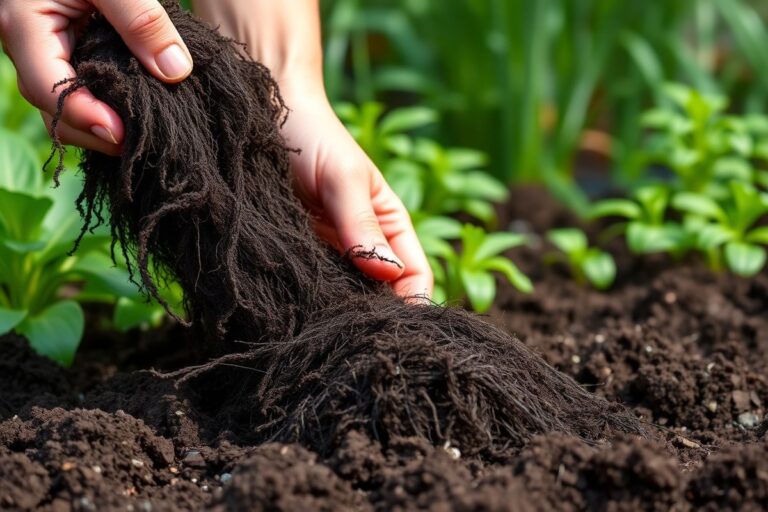
Visual signs also tell you about soil fertility. Look for dark, crumbly soil, which indicates good organic content and structure.
White crust or clumps might point to salt buildup or poor drainage. Stunted plants, yellowing leaves, or patchy growth often mean nutrient problems.
Here is a quick checklist to assess soil fertility:
- Collect soil samples from multiple garden spots 2-6 inches deep.
- Send samples to a trusted lab for pH, nutrients, and organic matter tests.
- Check if soil pH stays near 6 to 7 for the best nutrient access.
- Look for 3, 5% organic matter to ensure good soil health and water holding.
- Spot soil that looks crumbly and dark versus hard, dry, or salty.
- Watch plants for yellow leaves or uneven growth as early fertility clues.
- Repeat tests every 2-3 years, or sooner if plants show stress.
Measuring organic matter helps track fertility long-term since it feeds microbes and holds nutrients. You can also test soil biology by observing earthworms and soil smell, indicating healthy microbial activity. Some gardeners do simple field tests like the jar test.
This test shows soil particle settling. It helps spot texture changes.
Send soil samples in the spring before planting season to guide your fertilizer choices well.
Factors and Conditions That Reduce or Limit Soil Fertility
Soil fertility often drops because of erosion, losing topsoil rich in nutrients. Continuous cropping without replenishing nutrients causes nutrient depletion. Overusing chemical fertilizers can degrade soil by upsetting natural balances and harming beneficial microbes.
Compacted soil shrinks pore space. Roots can’t spread or grow well. This makes it hard for roots to get water.
This slows plant growth and lowers nutrient uptake. Avoid over-tilling, which breaks down soil structure and causes compaction over time.
Soil pH outside the range of 6 to 7.5 can limit nutrient availability. Acidic soils (below 6) make phosphorus less available and release harmful metals like aluminum.
Alkaline soils (above 7.5) cause iron or zinc deficiencies. Adjust soil pH by adding lime to raise it or sulfur to lower it.
Soil temperature impacts nutrient cycling. Below 50°F, microbes slow down digestion of organic matter. Nutrients stay tied up and unavailable to plants.
High soil temperatures above 86°F speed up pests and diseases. Cause plants to lose water faster. Mulching and shading help moderate soil temperature in extreme conditions.
Salinity builds up when salts accumulate from irrigation or poor drainage. High salt levels damage plant roots and reduce water uptake, which lowers fertility. Managing salinity means improving drainage and using salt-tolerant crops if your soil is affected.
Practical Methods to Maintain and Improve Soil Fertility Sustainably
Keeping soil fertile long-term means using methods that promote its health naturally. Adding organic matter, rotating crops, reducing tillage, and nutrient management work well together. These steps improve the soil’s structure, nutrition, and biology for better plant growth.
Adding Organic Matter and Compost
Organic matter improves soil by feeding microbes and improving texture. Compost, manure, and crop residues increase organic levels and help soil hold water. Adding these materials also makes nutrients more available to plants and supports long-term fertility.
Apply compost before planting or as a top dressing during the growing season. Use about 2 to 5 pounds of compost per square foot each year.
Too little won’t build organic matter fast. Too much can cause nutrient imbalances or waste.
Steps to add organic matter:
- Collect or buy well-decomposed compost or manure.
- Spread it evenly over the soil surface before planting.
- Mix compost into the top 4 to 6 inches of soil carefully.
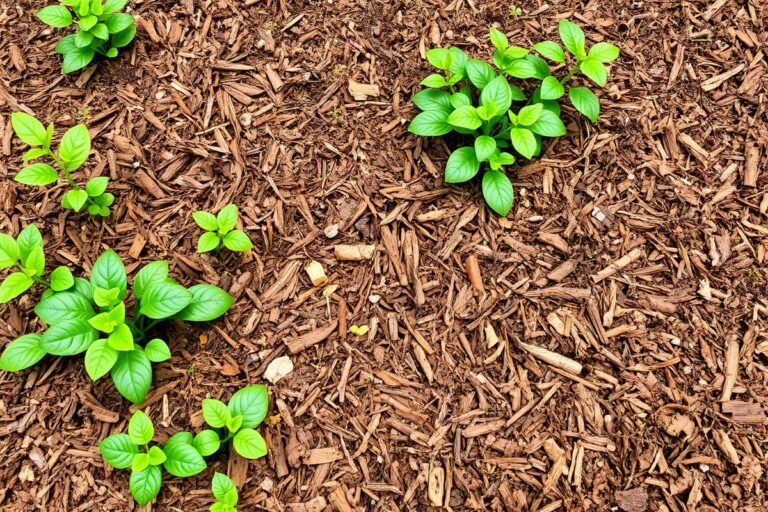
- Keep added organic matter covered with mulch or plants.
- Return crop residues or plant green manures after harvest.
Using Crop Rotation and Cover Crops
Rotating crops helps prevent nutrient depletion and pest build-up. Different plants use and add back varying nutrients, improving soil balance. Cover crops protect soil from erosion, add organic matter, and boost microbial activity.
Plant cover crops in off-seasons to keep soil covered year-round. Legumes like clover add nitrogen naturally. Mix cover crops with cereals for balanced nutrient cycling and good soil structure.
Steps to use crop rotation and cover crops:
- Plan a rotation sequence including legumes, cereals, and root crops.
- After main crops, plant cover crops on fall or winter fallow fields.
- Manage cover crops by mowing or tilling before they set seed.
- Incorporate cover crops into soil as green manures to add nutrients.
- Repeat rotation every 3 to 4 years for best soil health results.
Reducing Tillage and Soil Disturbance
Minimal tillage preserves soil structure and protects organic matter. It also limits disruption to helpful microbes and earthworms. Reducing tillage lowers erosion risks and supports soil water retention for crops.
Avoid deep plowing every year. Use shallow cultivation or no-till when possible. Keeping residue on the soil surface maintains cover and feeds soil life.
Steps to reduce tillage:
- Use no-till or strip-tillage equipment during planting.
- Leave plant residues on fields after harvest to cover soil.
- Limit mechanical soil mixing to once or twice annually.
- Adjust tools to disturb just the top 2 to 4 inches of soil.
- Monitor soil compaction and avoid working when wet to prevent damage.
Applying Fertilizers Wisely and Testing Regularly
Integrated nutrient management mixes organic and inorganic fertilizers for better soil and crop health. Testing soil every 2 to 3 years guides fertilizer choices and prevents over-application. Nutrients applied to match crop needs reduce waste and pollution risks.
Add manure or compost to improve fertility, then apply fertilizers based on test results. Split fertilizer applications during the growing season to boost nutrient uptake. Overuse can harm soil life or cause runoff problems.
Steps for smart fertilizer use:
- Test soil pH and nutrient levels before fertilizing.
- Choose fertilizers that fill specific nutrient gaps.
- Apply organic fertilizers like compost first for steady nutrient release.
- Use synthetic fertilizers in smaller, split doses during growth phases.
- Record fertilizer amounts and timing to track effects on yields.
Common Soil Fertility Mistakes and How to Avoid Them
Overusing fertilizers is a common mistake that harms soil fertility. It can cause nutrient imbalances and acidify the soil, making it harder for plants to grow. To fix this, test your soil regularly, then apply only the nutrients your soil lacks.
Neglecting soil testing means you guess what nutrients your soil needs. This leads to wasted money and poor plant growth.
Collect a soil sample every year or two and send it to a lab. Use the results to choose the right fertilizer types and amounts.
Ignoring soil pH is another serious error. Soil pH affects how plants absorb nutrients. Your soil’s acidity or alkalinity can block nutrient absorption.
You can adjust pH by adding lime to raise it or sulfur to lower it. Testing pH first helps prevent guesswork and crop problems.
Recovering from soil fertility problems starts with stopping over-fertilizing. Next, add organic matter like compost to boost soil life and structure.
This supports better nutrient cycling and water holding. Avoid quick fixes like doubling fertilizer, which may cause more harm than good.
In some cases, farmers use integrated nutrient management (INM) to limit chemical fertilizer use. INM combines organic matter, crop rotation, and precise fertilizer amounts. This approach saves money, improves soil health, and keeps nutrient levels balanced for the long term.
Results from correcting fertility issues usually show within a growing season. Plants grow stronger and yields improve.
Should problems persist, retest soil and change your plan. Remember, soil recovery takes time and careful management to avoid setbacks.
Only add fertilizers based on recent soil tests to avoid nutrient overload and acidification.
Step-by-Step Action Plan to Boost Your Soil Fertility
Follow these steps to check and improve your soil fertility at home or on your farm. Each step helps you see real progress in your soil and plants.
- Before planting: Collect soil samples from several spots and send them for testing. Use the report to know nutrient levels and pH.
- Week 1: Add organic matter like compost to your soil. You’ll see improved texture and moisture after a few weeks.
- Week 2: Adjust soil pH if needed using lime for acidity or sulfur for alkalinity. Test again after one month.
- Month 1: Plant cover crops such as clover or rye. These add nitrogen and protect soil from erosion.
- Month 2: Apply slow-release or balanced fertilizers according to your soil test. Watch for healthy leaf color and growth.
- Month 3: Introduce beneficial soil microbes with inoculants or earthworms. Look for better crumb structure and earthworm activity.
- Ongoing: Crop rotate and avoid over-tilling. This maintains soil life and prevents nutrient depletion.
- Every 6 months: Test soil again to track progress and adjust your care routine.
Frequently Asked Questions
What Are Some Natural Ways to Boost Soil Fertility Without Chemicals?
Adding compost and planting cover crops helps add nutrients naturally. These methods also improve soil structure and support helpful microbes.
Can Soil Fertility Decline Even If You Keep Adding Fertilizers?
Yes, overusing fertilizers can harm soil biology and physical properties. Balance nutrient additions with organic matter to maintain good fertility.
Does Soil Fertility Affect How Much Water Plants Need?
Fertile soil holds water better and delivers nutrients efficiently. This can reduce how often you need to irrigate your plants.
Why Is Earthworm Presence a Good Sign of Soil Fertility?
Earthworms improve soil structure and nutrient cycling by breaking down organic matter. Seeing them means your soil likely has good biological activity.
How Often Should You Retest Soil Fertility for a Home Garden?
Testing every 2 to 3 years is usually enough. This helps track changes and adjust your fertility management as needed.
Can Soil Fertility Levels Change Throughout the Growing Season?
Soil nutrients can fluctuate with plant growth and rainfall. Monitoring key nutrients during the season can guide timely fertilization.
The Bottom Line
Soil fertility affects how strong and healthy your plants grow every season. Keep testing your soil and adding what it needs to stay alive and balanced. Start by collecting a soil sample this week to see where you stand.