How to Care for Monstera: A Complete Guide for Healthy Growth
How to care for Monstera means knowing when and how much to water your plant. You should water your Monstera when the top 1 to 2 inches of soil feel dry. Water the soil every one to two weeks.
Let excess water drain out. Avoid leaving your Monstera sitting in soggy soil.
Monsteras prefer a warm spot with stable temperatures between 15 and 25 degrees Celsius. Keep your plant away from cold drafts or sudden temperature swings to avoid stress. These conditions help your Monstera thrive and grow lush leaves.
Choosing the right soil and pot is also key for Monstera health. Use a well-draining potting mix to prevent roots from sitting in water. Repot your plant with new soil every two to three years.
Do this sooner if your plant grows quickly. Fresh soil helps the roots thrive.
Key Takeaways
- Water your Monstera only after the top inch or two of soil feels dry. This prevents overwatering and root problems. Check the soil with your finger.
- Use a pot with drainage holes to avoid standing water.
- Maintain temperatures between 15 and 25 degrees Celsius for best growth.
- Repot your Monstera every 2-3 years, or when roots outgrow its pot.
- Choose a well-draining potting mix to keep roots healthy.
- Empty collected water from the saucer after 15-30 minutes.
How to Water Your Monstera for Optimal Health
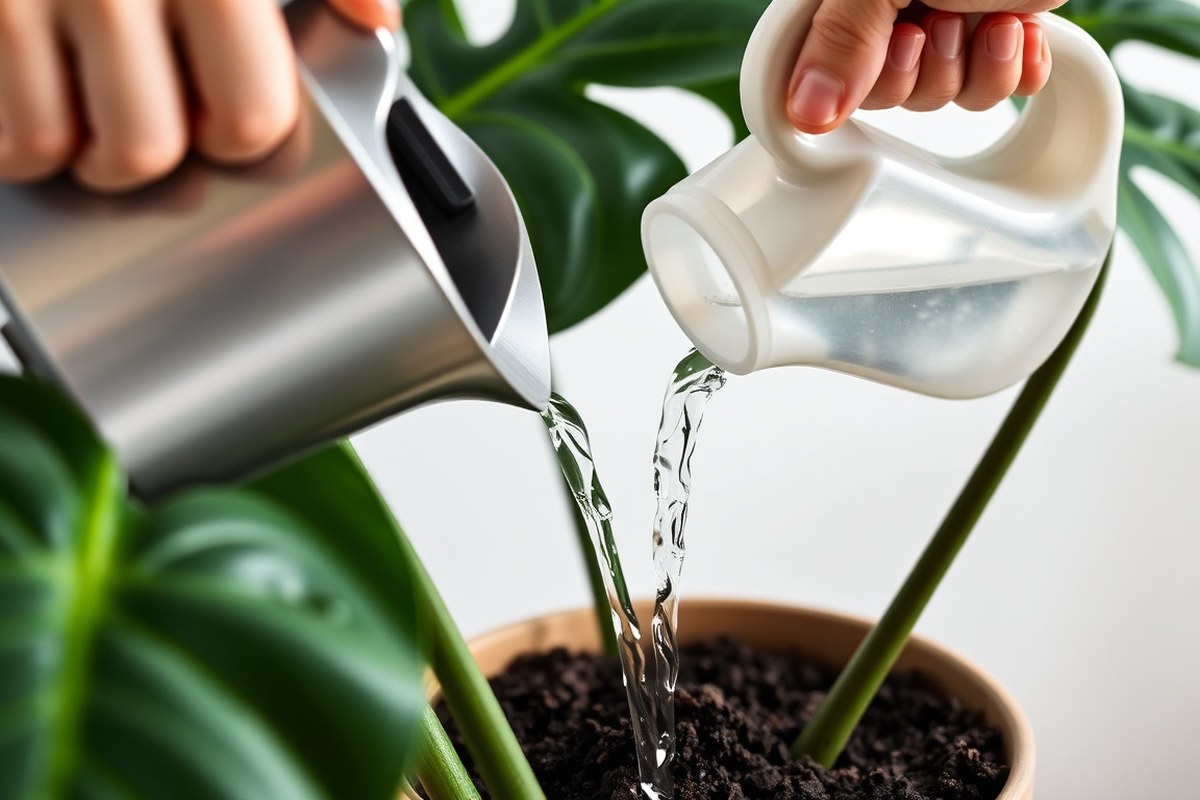
Water your Monstera when the top part of soil feels dry. Check the top 1-2 inches for dryness before watering. You may need to water every 1 to 2 weeks.
But it depends on light and warmth. Warmer rooms or bright spots make your plant use water faster.
Check soil moisture by sticking your finger 2-3 inches into the soil. The soil needs water when the top 1-2 inches feel dry. Never water if the soil still feels wet inside.
Wet soil lets roots stay too soggy and causes root rot. Root rot happens when roots sit in water for too long.
Drainage is key to healthy Monstera roots. Use pots with drainage holes and a well-draining soil mix.
Water fully so it soaks through, then let excess water drain out completely. Never let water sit at the pot’s bottom or on a saucer for days.
- Water when top 1, 2 inches of soil are dry
- Use room temperature water to avoid shock
- Water thoroughly, allowing excess to drain away
- Check soil moisture weekly in warm or bright areas
- Avoid standing water to reduce root rot risk
- In winter, water less frequently due to slower growth
- Misting can help humidity but does not replace watering
Overwatering shows as yellowing leaves starting at the bottom, wet soil, and sometimes a foul smell. Underwatering causes crisp, brown edges and dry soil. Monstera leaves droop and turn yellow if roots are mushy.
This means root rot. Stop watering so often and check root health.
Misting alone doesn’t hydrate the roots but helps if your home is dry. Use a humidifier or pebble tray for better moisture around the plant. Good watering is just one part of plant care.
Use the right soil and pot for the best results. These steps help your Monstera grow strong and healthy.
Choosing the Right Light and Temperature for Monsteras

Monsteras thrive in bright, indirect light. Direct sunlight can burn their leaves, so avoid putting them in harsh sun. Place your Monstera near south-facing windows but 3 to 5 feet back.
Use curtains to filter the light. This protects the leaves from direct sun damage.
These plants tolerate some low light but will grow slower and produce smaller leaves. For steady, healthy growth, a spot by a north- or east-facing window is a solid choice. Keep your Monstera away from drafts and air vents.
Avoid spots near radiators too. Sudden temperature changes can stress the plant.
Ideal temperature ranges from 65 to 85°F (18 to 29°C). Keeping it within this range mimics its tropical home. You can take your Monstera outside during summer months.
But don’t let temperatures drop below 55°F (13°C). During colder seasons, moving the plant indoors prevents chilling damage.
Put your Monstera where temperatures stay steady. A consistent environment helps leaves grow large and healthy. It also supports bright, vibrant growth.
Provide indirect light if your room heats up in summer. Shade your plant during the hottest afternoon hours.
This keeps it from getting too much sun. Cooler winter temperatures slow growth, so avoid drafts and sudden drops below 60°F.
Avoid direct sunlight spots, especially in south-facing windows, to keep your Monstera’s leaves healthy and vibrant.
Best Soil and Potting Mix for Monsteras
Monsteras grow best in a well-draining, airy potting mix that retains some moisture. Choose a pot one or two sizes bigger than the current one. Make sure it has drainage holes for water flow.
This helps prevent root rot. Repot every 2 to 3 years or when roots come out the bottom. Also repot if your plant grows slower than usual.
Soil Mix Options Compared
The best soil holds water but drains fast to avoid root rot. Regular indoor potting mixes work well but adding chunky materials improves air flow.
You can use a soil-less mix if you add some potting soil. The soil helps hold moisture in dry indoor spaces.
Create your own mix with equal parts potting soil, coconut fibers, and perlite for balance. This mimics the natural environment by keeping roots moist but airy. Avoid heavy garden soil or mixes that stay soggy.
| Soil Component | Purpose | Optional/Required |
|---|---|---|
| Potting soil | Base medium, water/nutrient retention | Required |
| Perlite/Pumice | Aeration, drainage | Required |
| Orchid bark | Chunky aeration, mimics natural habitat | Highly recommended |
| Horticultural charcoal | Removes impurities, prevents soil souring | Optional but beneficial |
| Coco coir | Eco-friendly peat alternative, water retention | Optional alternative to peat |
| Worm castings | Natural, slow-release fertilizer | Optional nutrient |
Adding orchid bark helps roots breathe, especially in humid homes. Charcoal keeps soil fresh longer. Adjust your mix depending on your home’s humidity and watering habits.
Repotting Step-by-Step Process
Start by picking a pot with drainage holes. It should be one or two sizes larger than the old pot.
Fill the pot about one-third full with fresh soil before placing your Monstera inside. Position the plant so its root ball sits level with the pot’s rim.
Add soil gently around the roots after repotting. Press lightly to remove air pockets but keep soil loose.
Water lightly after repotting to help settle the soil. Place a moss pole in the pot for climbing support if you use one.
Look for signs you need to repot your plant. Roots sticking out, slower growth, or soil drying fast mean it’s time. Repot every 2 to 3 years, or every 12 to 18 months for fast growers.
Choosing the Correct Pot Size
The pot should be only 1 to 2 sizes larger than the current container. Going too big can keep soil soggy and harm roots. The goal is room for growth without excess space.
You don’t have to increase pot size each time. Sometimes putting your Monstera back in the same pot with fresh soil is perfect. Ensure good drainage by checking or adding holes if needed.
For heavier monsteras, pick a stable pot to prevent tipping. Plastic, ceramic, or terra cotta all work as long as there’s drainage. Avoid pots without holes to stop waterlogging issues.
Pruning and Training Your Monstera for Lush Growth
Pruning your Monstera helps shape the plant and control its size. It also encourages fuller growth and larger, split leaves. Providing support like moss poles lets your Monstera climb and develop healthy aerial roots.
When to Prune Monstera Plants
Prune your Monstera once a year during spring or early summer. That’s when the plant is actively growing and can recover faster. Most people prune to keep the plant manageable and promote bushier growth.
Use clean, sharp scissors or pruning shears to avoid damaging the plant. Cut just above a node, where leaves or aerial roots grow, to help new shoots emerge. Avoid heavy pruning in fall or winter, as growth slows and wounds heal slowly.
- Look for leggy, damaged, or crowded stems on your Monstera.
- Clean your cutting tool with rubbing alcohol to prevent infection.
- Cut just above a leaf node or aerial root using a sharp tool.
- Remove any yellow or dead leaves entirely.
- Trim back excessively tall growth to control size and shape.
- Dispose of cuttings or use them to propagate new plants.
- Monitor new growth for signs of stress or disease.
Techniques for Encouraging Fenestration
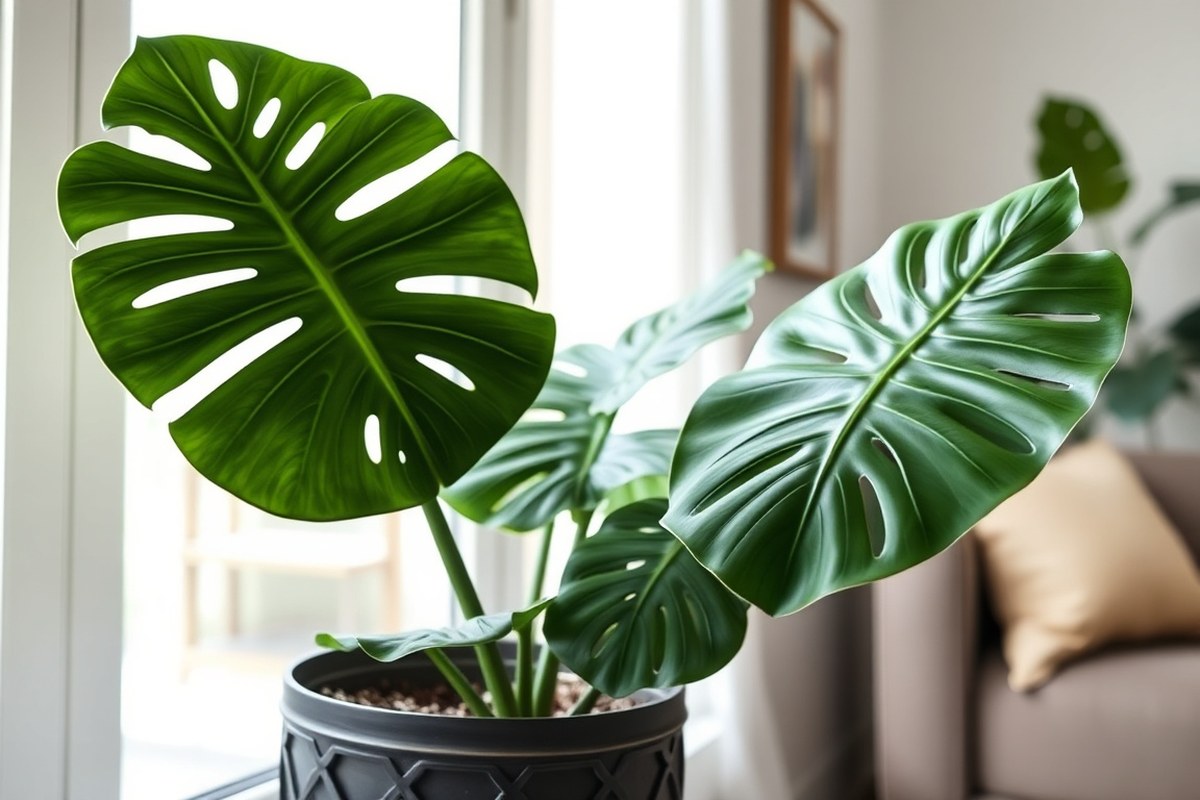
The iconic leaf holes appear when the plant receives bright, indirect light and consistent care. Feeding your Monstera every 4 to 6 weeks with balanced fertilizer supports healthy leaf development. Too much direct sun can harm leaves, but too little slows fenestration.
Encourage fuller growth by rotating your Monstera regularly. Turn the pot a quarter turn weekly to expose all sides to light. This prevents leaning and promotes even leaf size and shape across the plant.
Pruning also helps. Removing some older leaves encourages new, larger leaves to grow with more fenestrations. Keep your Monstera’s environment warm and humid for the best results.
Using Stakes and Moss Poles for Support
Provide your Monstera with structures to climb, like moss poles or trellises. These help the plant grow upward, producing bigger leaves and stronger stems. Moss poles retain moisture and let aerial roots attach securely.
Choose a moss pole curved or straight based on your space and style preferences. Insert the pole deep enough in the pot to keep it stable. Use soft ties or garden clips to gently secure stems to the pole.
Supporting your plant directs its growth and prevents sprawling. It also mimics the Monstera’s natural climbing habit in the rainforest. Allow aerial roots to wrap around the support; they help the plant stay upright.
Propagating Monstera: Step-by-Step Guide to Growing New Plants
Propagating Monstera plants is simple and rewarding. Stem cuttings with at least one node and an aerial root work best. You can root them in water or soil.
Wait for roots to grow 2 to 3 inches long. Then pot the new plants.
Selecting the Right Stem Cutting
Choose a healthy stem with one or two leaves and at least one node. The node is where roots will grow, usually near an aerial root or leaf axil. Avoid cuttings with damaged or yellowing leaves for better success.
Different Monstera varieties root similarly, but variegated types may take longer. A fresh stem cutting with a visible aerial root gives you a head start on rooting.
Rooting Monsteras in Water vs Soil
Water propagation is the easiest and most popular method. Fill a glass with room temperature water and submerge the stem node without covering the leaves. Change the water every few days to prevent bacteria buildup.
Planting cuttings directly in moist soil works, too. Use a well-draining aroid mix and keep the soil consistently moist but never soggy. Roots appear slower in soil, often taking 3 to 6 weeks.
Don’t let any leaves sit underwater; this causes rot and kills the cutting.
Potting and Care for New Plants
Move rooted cuttings to soil once roots reach 2 to 3 inches long. Choose a pot with drainage holes and use the same well-draining soil mix. Plant gently and water lightly to settle the soil around the roots.
Keep new plants in a warm spot between 65°F and 80°F. Avoid direct sunlight during early growth to prevent leaf burn. Maintain humidity around 60% to support healthy root development.
- Cut a stem with one node, one leaf, and an aerial root.
- Place the cutting in water or moist soil, covering the node.
- Change water every 3 to 5 days or keep soil moist but not soggy.
- Watch for roots 2 to 3 inches long. This can take 3 to 6 weeks.
- Prepare a pot with drainage and fill with aroid soil mix.
- Plant the rooted cutting carefully, water lightly, and place in bright indirect light.
- Maintain warm temperatures and humidity around 60% for best growth.
Identifying and Treating Common Monstera Pests and Diseases
Spider mites, mealybugs, and scale bugs are the most common pests on Monstera plants. Spider mites leave tiny webs and tiny yellow spots on leaves.
Mealybugs look like small white cottony clumps on stems and leaf joints. Scale bugs appear as brown or gray bumps that don’t move.
Check your Monstera weekly. Look under leaves and on stems for these signs. Acting fast stops pests from spreading and hurting the plant.
For treatment, spray neem oil directly on all plant surfaces. Here’s what to say: “Spray the plant early in the morning, saturating both sides of leaves. Repeat every 7 days for 3 weeks.”
This has a natural insect-killing effect and is safe for indoor use. Avoid sprays with harsh chemicals that can damage leaves or harm pets.
Even though Monstera plants tolerate pests, keep them away by not overwatering. Overwatered soil invites fungal diseases like leaf spots. Spot dark or yellow leaves?
Gently remove those leaves to help your plant. Improve air circulation by spacing plants apart or using a fan.
Common Monstera diseases include leaf spot fungus and root rot. Leaf spots show up as brown or black patches on leaves. Root rot causes wilting and mushy roots, often from sitting in soggy soil too long.
Take your Monstera out carefully. Trim off the rotten roots. Repot in fresh, well-draining soil.
Keep your Monstera dry where possible. Don’t let water sit on leaves after watering. Make sure the soil dries out somewhat between waterings to prevent disease.
Remember, Monstera plants are toxic to cats and dogs. Keep them out of reach if you have pets. Use gloves when handling the plant and soil to avoid skin irritation.
Common mistakes include waiting too long to notice pests or diseases and overusing pesticides. Neem oil sprays every week for 3 weeks usually clear bugs.
For fungal problems, prune affected leaves and air out the plant. Avoid crowding plants to reduce humidity pockets where fungus thrives.
Maintaining Humidity and Air Quality for Monstera Health
Monsteras grow best with humidity levels between 50 and 60 percent. Low humidity makes their leaves droop and develop dry, brown tips. Use a humidifier to add moisture if room air gets too dry.
Keep humidity above 50 percent for your Monstera. This improves the plant’s health and comfort.
Misting your Monstera helps in dry air or heated homes. Spray water on leaves when winter heating dries the air. This adds moisture the plant needs to stay healthy.
Spray water lightly about once a week. Avoid overdoing it, since too much moisture on the leaves can cause fungus or attract pests.
Using a humidifier works better for steady humidity. Place it near the plant but not so close that it soaks the leaves. Keeping roots and leaves moist stops them from drying out.
This supports better growth and gives shiny, healthy leaves. Your Monstera will look happier and healthier.
Air circulation is important, too. A gentle breeze helps stop pests like spider mites that like dry, warm air. Open windows or use a small fan occasionally to keep fresh air moving around your Monstera.
- Check humidity with a small digital hygrometer near your plant
- Set humidifier for 50-60% humidity levels
- Spray the leaves lightly once a week if no humidifier is used
- Keep room temperature above 60°F to support humidity
- Use a fan or open window to improve air flow
- Watch for crispy brown leaf edges signaling dry air
Poor air quality can stress your Monstera but usually doesn’t cause major damage indoors. Monsteras do filter some pollutants.
But you would need many plants to notice a difference. Keeping air clean and fresh helps keep all your plants happy.
Consistent humidity and good air flow help prevent dry leaf tips. Check your Monstera’s leaves for shine and upright growth. See new leaves every 4 to 6 weeks in spring and summer.
This shows your plant is thriving and growing well. These signs mean you are keeping the right home environment for it to thrive.
Troubleshooting Monstera Growth Problems and Common Mistakes
Leggy or sparse Monstera growth usually means it’s not getting enough light. Move your plant closer to a bright window but avoid direct sun. You can also prune leggy stems with clean scissors to encourage bushier growth.
Yellow or brown tips on leaves often come from too much water. Cut back on watering, letting the top inch of soil dry before the next watering. Brown leaf tips can also signal low humidity or mineral deficiencies, like low nitrogen or phosphorus.
Leaves drooping or falling off points to stress from over or underwatering. Check the soil moisture first. When the soil is soggy, cut back on watering.
When soil is very dry, water the plant more often. Droopy leaves also happen in cold or drafty spots. So keep your Monstera in a warm place above 65°F.
Slow growth can result from improper light, poor soil drainage, or nutrient shortages. Your Monstera should grow at least one new leaf every month when healthy.
Add a balanced fertilizer every 4 to 6 weeks during growing season. Repot if roots crowd the pot, as this limits growth.
Common care mistakes include overwatering, low light, and ignoring pruning. Fix these by adjusting light, watering based on soil feel, and snipping yellow or damaged leaves. Dead leaves invite pests and disease, so remove them promptly.
- Check soil moisture with your finger before watering
- Keep humidity above 40% for healthier leaves
- Trim yellowing and leggy growth regularly
- Use balanced houseplant fertilizer every month in spring and summer
- Place Monstera away from drafts and cold windows
- Repot every 1-2 years to refresh soil and allow root growth
Cut away any yellow or dying leaves immediately to stop spread of stress.
Watch for spider mites that cause tiny brown or yellow specks on leaves. These pests spin fine webs and need prompt treatment with insecticidal soap.
A healthy Monstera will have firm stems, no spots on leaves, and new growth each month. Address problems early to keep it thriving.
Step-by-Step Action Plan for Caring for Your Monstera
Follow these steps to keep your Monstera healthy and growing well right from the start.
- Day 1: Place your Monstera in a bright spot with indirect light. Check its leaves after a week for signs of sunburn or dullness.
- Week 1: Water your Monstera thoroughly when the top inch of soil feels dry. Wait to see if the leaves perk up within a few days.
- Week 2: Use a well-draining potting mix that keeps soil moist but not soggy. Watch for water pooling or wilting as you adjust.
- Week 3: Mist the leaves or use a humidifier to keep air humidity above 50%. Check for leaf edges browning to gauge dryness.
- Month 1: Prune any yellow or damaged leaves. Look for new growth or larger leaves as a sign it’s responding well.
- Month 2: Inspect the plant for pests like spider mites or scale. Treat immediately with insecticidal soap if you spot any.
- Month 3: Train vines by guiding them onto a moss pole or trellis. Notice if it starts growing upward or spreading outward.
- Every 6 months: Repot your Monstera to refresh soil and accommodate growth. Check root health and soil moisture to plan repot timing.
Frequently Asked Questions
How Often Should I Fertilize My Monstera?
Feed your Monstera once a month during spring and summer. Use a balanced, water-soluble fertilizer to support new growth and keep leaves healthy. Avoid fertilizing in the winter since the plant grows slower then.
Can I Use Tap Water for My Monstera?
Yes, you can use tap water if it’s room temperature and low in minerals. Let tap water sit out overnight to reduce chlorine and let it warm up. This helps protect roots from shock and salt buildup.
How Do I Clean Monstera Leaves?
Wipe Monstera leaves gently with a damp cloth to remove dust. Clean leaves help the plant absorb light better and look shiny. Avoid harsh chemicals; just plain water works fine.
When Should I Repot My Monstera?
Repot your Monstera every 1 to 2 years or when roots fill the pot. Choose a pot about 2 inches wider for room to grow. Repotting refreshes soil nutrients and prevents root crowding.
Can Monstera Survive Low Humidity?
Monsteras prefer humidity but can tolerate lower levels if watered properly. Use a humidifier or mist leaves occasionally to boost humidity. This helps prevent browning leaf edges in dry homes.
What Signs Show My Monstera Is Stressed?
Yellowing leaves, droopiness, or slow growth hint at stress in your Monstera. Check light, water, and temperature to spot the issue. Fixing these usually brings the plant back to health fast.
Final Thoughts
Your Monstera will thrive with steady care and attention. Start by watching how your plant reacts to light and watering changes. Give it time, and you’ll enjoy a lush, healthy indoor jungle.