How to Stop Weeds from Growing Through Mulch: 8 Proven Strategies That Work
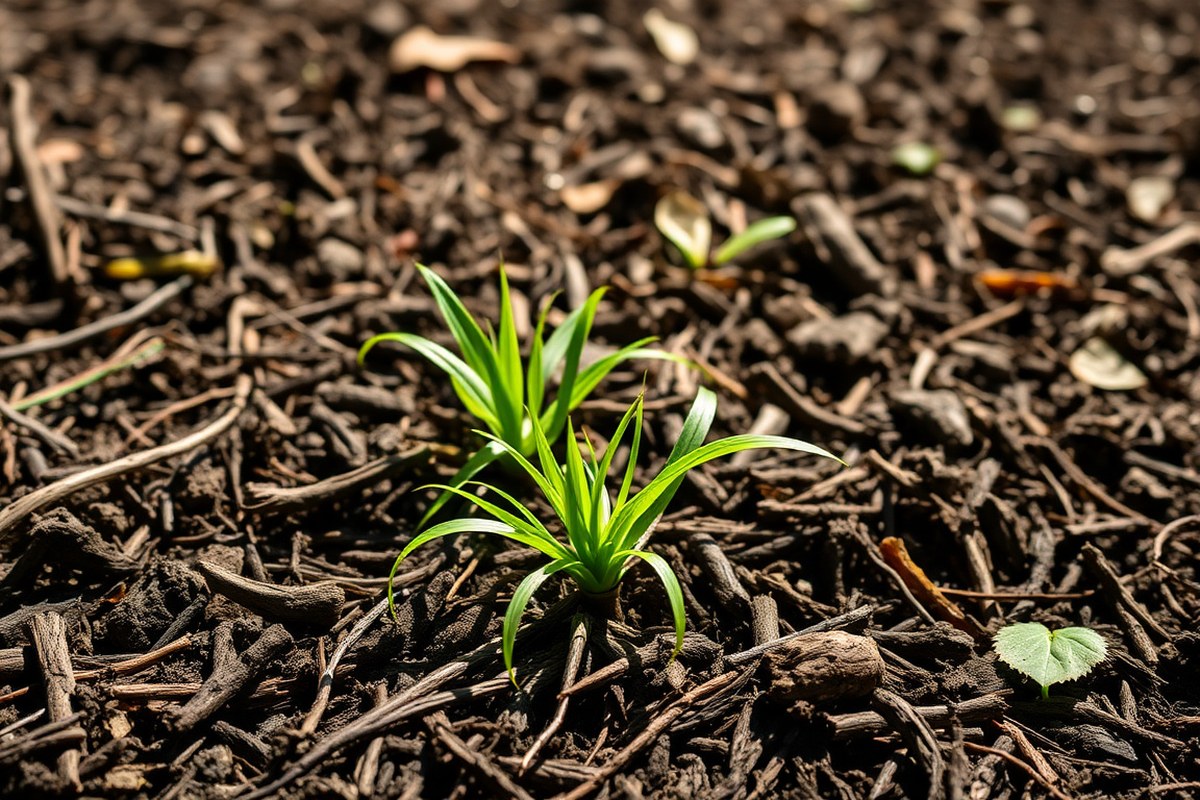
How to stop weeds from growing through mulch starts with blocking light. Mulch needs to be at least 2 to 3 inches thick for good coverage. Thin layers let sunlight through, so weeds get the chance to sprout.
Adding a barrier like several newspaper sheets under the mulch also helps. This stops many weed seeds from reaching light and germinating underground. Avoid using glossy paper or colored ink, as they can harm the soil.
Take time to pull out any existing weeds before mulching. Mulch alone won’t control weeds already growing in your bed. Removing those weeds reduces future growth and keeps beds tidy.
Keep mulch away from plant stems to avoid collar rot. Renew mulch yearly to maintain a strong weed block layer. These simple steps cut the chance of weeds breaking through mulch significantly.
Key Takeaways
- Apply at least 2 to 3 inches of mulch to block sunlight from weeds.
- Start by removing existing weeds thoroughly before laying mulch.
- Place 4 to 6 sheets of newspaper under mulch for extra weed control.
- Keep mulch 1 to 2 inches away from plant stems and tree trunks.
- Renew mulch each year to maintain a weed-blocking layer.
- Thicker mulch (up to 4 inches) helps more in especially weedy areas.
1. How to Stop Weeds from Growing Through Mulch Effectively
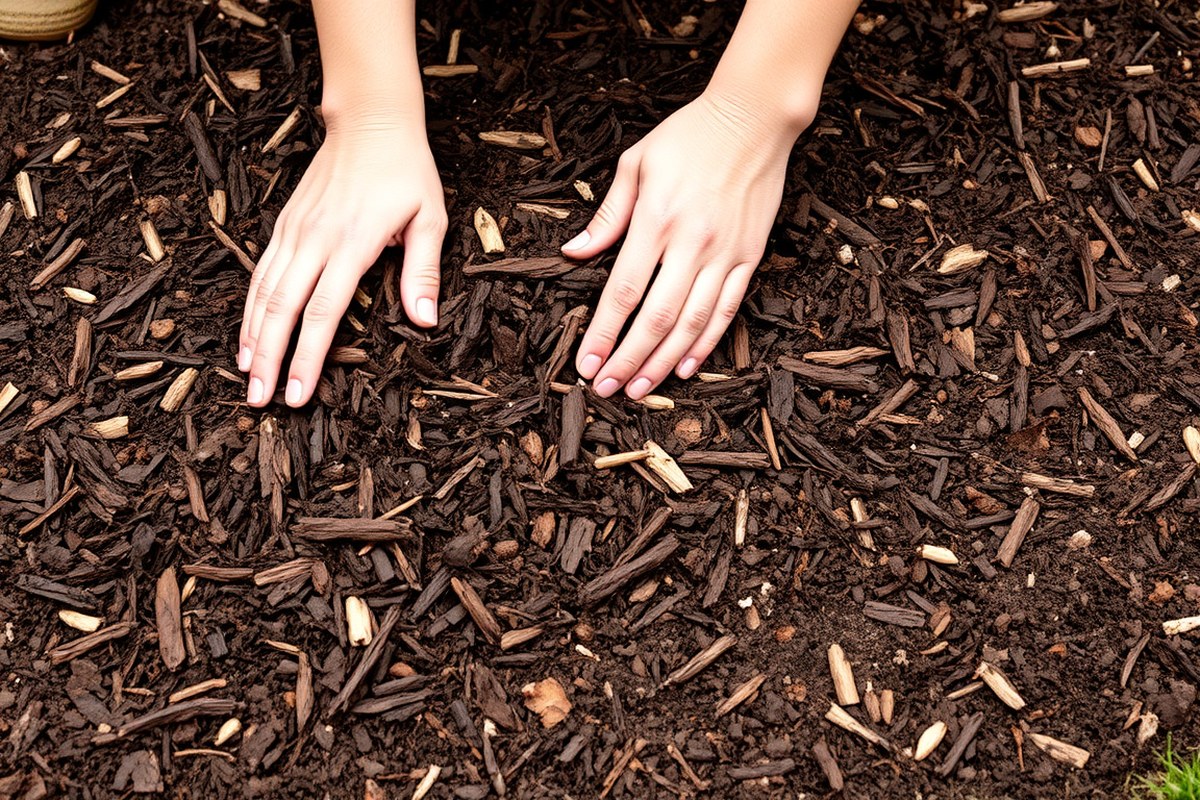
Mulch blocks weed growth mainly by stopping sunlight from reaching weed seeds. Without light, seeds can’t sprout and grow. A thick layer also makes it harder for young weeds to push through the surface.
The mulch needs to be about 2 to 4 inches deep for best weed control. Less than 2 inches lets light sneak through.
More than 4 inches can stop water from reaching plant roots. A good layer keeps soil moist and cool, too, which helps your plants stay healthy.
The timing of mulch application matters. Put mulch down in early spring after removing any weeds.
Doing it before weeds start growing keeps them from getting a foothold. You can also add mulch in fall to block winter weed seeds.
One way to boost mulch’s weed-blocking power is layering newspaper or cardboard underneath. This blocks weeds coming up from old roots and seed in the soil. Mulch on top hides the paper and makes your bed look natural.
Follow these steps to stop weeds from growing through your mulch:
- Clear the area of existing weeds by pulling or hoeing them out.
- Lay down 4 to 6 sheets of newspaper or cardboard over the soil.
- Wet the paper layer lightly to keep it in place.
- Spread a 2 to 4 inch layer of organic mulch on top of the paper.
- Press the mulch gently with your hands or feet to settle it.
- Check and add more mulch every spring and fall as it breaks down.
- Remove any weeds that start growing immediately to keep mulch effective.
The total cost is usually low. Newspapers and cardboard are free or cheap.
Mulch prices vary but often run $30 to $50 per cubic yard. Expect to spend about 2 to 4 hours setting it up for a typical garden bed.
2. Preparing Soil and Removing Existing Weeds Before Mulching

Removing weeds first helps mulch stop new ones from growing. Prep the soil well before you spread mulch. Pulling or killing weeds first eliminates their roots so they won’t push through the mulch.
Clear and smooth the soil to make a firm base. Mulch blocks sunlight and stops seeds from growing.
Manual Weed Removal Techniques
Pulling weeds by hand is the easiest and safest way to clear your bed before mulching. Try to get the root completely out to prevent regrowth. Use a dandelion digger to remove deep roots or hard soil.
This tool helps get all the weed out. For tougher spots, loosening the soil first with a garden fork can help.
Be careful to remove all parts of the weed, including any pieces that could grow back. Collect the pulled weeds so they don’t scatter seeds back into the soil. This method works well for smaller beds or if you catch weeds early in growth.
Using Herbicides Safely Prior to Mulching
For larger areas or tough weeds, a commercial herbicide can speed up clearing. Look for one with glyphosate as the active ingredient that kills the entire plant.
Spray only on dry days with no wind to avoid drift onto other plants. Wait 7 to 14 days after application for weeds to die completely before mulching.
Wear gloves and follow label instructions closely to protect yourself and your garden plants. Avoid herbicide use near edible plants or water sources. Sometimes combining manual removal with herbicide spot treatment gives the best control for stubborn weeds.
Soil Clearing and Smoothing Steps
Once weeds are removed, rake the soil surface to clear away roots, debris, and stones. This makes it easier for mulch to lay flat and block light evenly. Use a metal rake for smooth results, which helps mulch keep its thickness and effectiveness.
The soil should be moist but not wet when you lay mulch. Dry soil tends to blow mulch away and reduces its weed-blocking power.
Press the soil down gently using a rake back or foot. This stops the soil from settling later.
- Clear tough roots and debris with a garden hoe or fork
- Level soil surface for uniform mulch thickness
- Remove rocks that could penetrate landscaping fabric or mulch
- Water lightly to settle dust and loose soil
- Check soil moisture before mulching
Leaving large roots or uneven soil can make weeds grow through mulch more easily later.
3. Choosing Mulch Types That Best Prevent Weeds
Organic mulches like bark and straw usually work best to stop weeds while helping soil. Inorganic mulches, such as landscape fabric, block weeds physically but don’t improve soil. Your choice depends on how much upkeep and soil care you want.
Organic Mulch Options and Weed Control Benefits
Organic mulches include bark chips, shredded leaves, straw, and grass clippings. These materials shade the soil and block light, which slows weed growth. As they break down, they improve soil health by adding nutrients and moisture retention.
You should put a 2-4 inch layer of organic mulch for best results. This thickness blocks most weed seeds from sprouting. Keep the mulch refreshed yearly to maintain coverage and weed protection.
Inorganic Mulch Pros and Cons for Weeds
Inorganic mulches like woven fabric cloth or landscape fabric create a strong barrier against weeds. They stop almost all weeds from growing through if installed correctly. You place fabric under mulch or stones for weed prevention.
Inorganics don’t improve the soil and can cause water drainage issues if not managed well. They may need replacement or maintenance after several years. Using newspaper or cardboard under mulch also blocks weeds and breaks down faster than synthetic fabrics.
Longevity and Breakdown Rates
Organic mulches vary in how long they last. Bark chips can last two or more years. Straw and shredded leaves break down faster, usually within one season.
Landscape fabric lasts longer, often 5 to 10 years, depending on sunlight and wear. It won’t improve soil but offers long-term weed control if left undisturbed. Choosing mulch depends on how long you want weed control before reapplying.
Here is a quick reference table to compare these mulch types:
| Mulch Type | Weed Control | Soil Benefits | Longevity | Typical Layer Thickness |
|---|---|---|---|---|
| Bark Chips (Wood or Hardwood) | Good, Blocks light, suppresses weed seeds | Improves soil by adding organic matter | 2+ years | 2 to 4 inches |
| Shredded Leaves or Straw | Good, Blocks light, slows weed growth | Improves soil, breaks down quickly | 1 season | 2 to 4 inches |
| Landscape Fabric (Woven Cloth) | Excellent, Physical barrier stops weeds | No soil benefit | 5 to 10 years | Covered with 1-3 inches of mulch |
| Newspaper or Cardboard (Under Mulch) | Good, Blocks weeds, breaks down faster than fabric | Adds organic matter as it decomposes | 1 season | Layer to 6 sheets thick, then mulch on top |
Using 2-4 inches of organic mulch helps control weeds while improving soil. Inorganic mulches give longer weed control but don’t feed the soil. Combining fabric or cardboard under mulch often gives the strongest weed barrier and soil benefits.
4. Using Weed Barriers Underneath Mulch for Extra Protection
Using weed barriers underneath mulch adds an extra layer of protection. They block sunlight from reaching weed seeds while letting water and air pass through. This helps your mulch bed stay cleaner and your plants healthier.
Types of Weed Barrier Materials
Landscape fabric is common and made from woven or non-woven materials. It lets water and air through but stops sunlight that weeds need. Plastic sheets block everything, including water and air, which can harm plants.
Other options include newspaper layers, rubber mats, gravel, and pebbles. Newspapers break down fast but are cheap and easy to use.
Rubber mats last longer but don’t let water through. So they work best around non-plant areas.
Step-By-Step Barrier Installation
Proper installation helps barriers work well under mulch. Start with clean soil, free from weeds and debris. Lay down the barrier material, making sure it reaches the edges of your bed.
- Pull out all existing weeds and roots from the soil.
- Rake the soil smooth and level the surface.
- Cut landscape fabric or other barrier material to fit your bed size.
- Secure the edges and overlaps with landscape staples or pins.
- Cut small holes or slits only where plants already exist or will go.
- Cover the barrier layer with 2 to 3 inches of mulch for best results.
- Water the mulch thoroughly after installation to settle it in place.
Fix gaps or holes to prevent weeds from sneaking through. Avoid piling mulch too thick or thin; 2 to 3 inches works best.
Benefits and Drawbacks of Barriers
Barriers greatly reduce weed seeds’ sunlight, cutting new growth under mulch. They also help mulch keep its shape and stop it from mixing with soil. Landscape fabric lets soil breathe, which benefits roots and plants.
On the downside, some barriers can stop water or nutrients if not chosen carefully. Plastic sheeting may cause water to pool and damage plants. Over time, fabrics can break down and need replacing every 5 to 10 years.
Installing barriers takes time and care, but you’ll spend less effort pulling weeds later. They work best if you prep the soil well first.
Choose the right mulch to put on top. Mulch helps keep weeds down and soil moist.
5. Applying Natural and Chemical Weed Controls with Mulch
Pre-emergent herbicides can work well with mulch if timed right. Apply them before spreading mulch to stop weed seeds from sprouting. Once mulch is down, herbicides won’t soak into the soil properly, which weakens their effect.
Natural weed preventers like corn gluten meal can also help. It blocks seed germination without harming your plants.
Sprinkle it lightly before adding mulch or early in spring. Keep mulch at two to three inches thick to let these treatments work.
Reapplying herbicides depends on the product but usually happens every three months. For example, if you apply a pre-emergent in early spring, plan another application in mid-summer. This keeps weeds from appearing through the mulch all growing season.
Remember not to cover existing weeds with fresh mulch. That hides the problem and lets weeds keep growing underneath.
Pull or kill weeds before mulching. This prevents them from pushing through later.
For tougher weed pressure, combine methods. Use a natural suppressant first, add mulch, then spot-treat any weeds with a safe post-emergent herbicide. This layered approach reduces chemical use and protects your soil and plants.
Never apply herbicides over thick mulch layers. They won’t reach weed seeds or roots properly.
6. Common Mistakes That Let Weeds Grow Through Mulch
Weeds still push through mulch because of careless mistakes in applying and maintaining it. Mulch that’s too thin does not block light or temperature changes well enough. This lets weeds grow from seeds or existing roots below, spoiling your beds.
Applying mulch deeper than 3 inches can harm plants by suffocating roots. Yet, not enough depth means weeds easily get through.
Keep mulch between 2 and 3 inches thick to block weeds without hurting your plants. Spread it evenly, avoiding bare patches, so weeds don’t sneak in.
Using the wrong type of mulch and placing it poorly also causes problems. Lightweight mulch like pine needles may blow away, exposing soil.
Mulch piled against plant stems can cause rot, weakening plants and inviting weeds. It’s important to leave a gap of about two inches around stems and trunks.
- Failing to remove all weeds before mulching creates future problems
- Using mulch thinner than 2 inches won’t stop weeds effectively
- Applying mulch thicker than 3 inches harms plants and invites decay
- Choosing mulch that breaks down too quickly allows weed seeds to sprout
- Not placing mulch evenly leaves room for weeds to grow through gaps
- Letting mulch touch plant stems traps moisture and stresses plants
- Ignoring seasonal upkeep lets small weeds grow large and spread seeds
Hand-pulling weeds before and during mulch use keeps beds clean. It’s an inexpensive way to tackle weeds stubborn enough to break through your mulch layer.
Laying a simple plastic weed barrier under mulch also helps stop weeds. This barrier isn’t expensive and can reduce weed growth significantly.
Fix these common errors with careful mulch depth, right type, and placement. Watch your beds regularly and pull out weeds early.
This effort cuts down hours of weed-pulling later, saving your garden plants and your time. Proper mulch application creates a stronger shield against weed invasion in all seasons.
7. Maintaining Weed-Free Mulch Beds During the Growing Season
Replacing or topping off mulch is key to keeping beds weed-free. Aim to add fresh mulch once a year, ideally in early spring. Mulch breaks down over time, thinning out and allowing weeds to sprout through thin spots.
Hand weeding is your best bet for weeds that pop up anyway. Pull them as soon as you notice them before they spread seeds.
The soil moisture under mulch plays a role too. Water encourages weed seeds to sprout, so avoid overwatering.
Mulch helps regulate soil temperature and moisture. This supports your plants and makes it harder for weeds to establish roots.
Keep an eye on mulch thickness, about 2 to 3 inches is ideal. Too thin and weeds grow through; too thick can suffocate your plants.
- Check mulch depth monthly and add fresh mulch to maintain 2 to 3 inches.
- Pull visible weeds by hand promptly to stop spreading.
- Water plants deeply but less often to reduce constant soil moisture.
- Rake mulch lightly to loosen it and expose weeds for removal.
- Remove any old or compacted mulch yearly before adding new layers.
Different situations need different care. In dry climates, mulch can hold soil moisture well.
In wetter zones, it might hold too much water, encouraging weeds. Adjust watering based on your local weather and soil drainage.
Mulching requires yearly attention to stay effective. Mulch can cost between $30 and $50 per cubic yard. This amount usually covers about 100 square feet.
The effort takes less than an hour once a season, with quick hand weeding in between. Well-maintained beds have fewer weeds and healthier plants, saving you time long term.
8. When to Call a Professional for Persistent Weed Problems in Mulch
Call a weed control professional if weeds keep coming back despite your best efforts. Frequent weed regrowth that takes over your mulch beds signals a deeper problem. Call a pro if you see tough weeds you can’t pull out.
These weeds resist common herbicides and hand removal. Getting help stops them from spreading fast. Persistent weed issues may mean soil or mulch layers need expert treatment.
Experts use several methods that your regular tools can’t match. They apply targeted herbicides that only licensed pros can handle safely. Some target weed roots deeply, preventing regrowth for longer than DIY sprays.
Pros can put in or fix weed barriers under your mulch. They use black barriers for better results over time. This work needs exact placement and care.
Mulch maintenance is another service pros offer. They clear out old mulch and weeds first. Then they till the soil to break up weed seeds.
After that, they spread fresh mulch evenly on top. Proper mulch thickness, usually 2 to 3 inches, stops sunlight reaching weed seeds.
Professionals check for damaged barriers and fix or replace them to keep weeds from poking through. Regular visits keep your beds neat and reduce weed chances.
Professional weed control usually costs between $150 and $400 per visit. The price depends on your yard’s size and how bad the weeds are. Keep this range in mind when budgeting.
Treatments usually take under a day but may need a follow-up in weeks. After each visit, you’ll see fewer weeds in your beds. Mulch will be thicker and spread evenly too.
No more thin spots where weeds can peek through. Poor results often come from ignoring signs or delaying expert help too long.
Don’t wait until weeds take over; early professional help stops them from spreading fast.
Step-by-Step Action Plan to Stop Weeds Through Mulch
Follow these steps to keep your mulch beds free of weeds. Each step helps you check if you’re on the right track.
- Before you start: Remove all existing weeds by hand or with a hoe. Your soil should look clean with no visible weed roots or shoots.
- Day 1: Lay down a quality landscape fabric or cardboard layer under the mulch. Check that the entire bed is covered. Make sure the edges overlap well.
- Day 1: Spread mulch 2 to 3 inches deep over the fabric or soil. Thick mulch blocks light, so weeds don’t sprout.
- Week 1: Spot-check mulch beds for new weed sprouts. Pull any young weeds immediately before they root deeply.
- Weeks 2 to 4: Water mulch lightly but avoid soaking. Mulch should stay moist but not wet, which helps plants and reduces weeds.
- Month 1: Add fresh mulch on top if any areas look thin or bare. Thick, even mulch keeps weeds from getting started.
- Monthly: Inspect and remove any weeds you find quickly. Keep mulch loose and fresh to stop weed seeds from taking hold.
- Seasonally: Try a safe weed control spray. Use organic weed killer if weeds keep growing despite good mulch care.
Frequently Asked Questions
How Thick Should Mulch Be to Prevent Weeds Effectively?
Mulch should be 2 to 4 inches thick to smother weeds. This thickness blocks sunlight and keeps soil moist.
It stops weed seeds from sprouting. They can’t grow through the mulch layer.
Can Using Landscape Fabric Under Mulch Cause Drainage Problems?
Landscape fabric can reduce water flow if it’s too dense. Use breathable fabrics to allow rainwater through but block weed roots penetrating from below.
Is It Better to Use Organic or Inorganic Mulch for Weed Control?
Organic mulch breaks down slowly, improving soil while suppressing weeds. Inorganic ones like rubber don’t improve soil but last longer without needing replacement.
Do Certain Weeds Grow Despite Thick Mulch Covering?
Yes, invasive weeds like dandelions can penetrate mulch layers. Their strong roots or underground rhizomes push through mulch.
Some grow from seeds already in soil. This makes weeds hard to control.
How Often Should I Replenish Mulch to Keep Weeds Down?
Add fresh mulch once or twice a year to maintain weed control. Mulch breaks down over time, thinning the layer and exposing soil enough for weeds to sprout.
Can Mulch Cause Weeds If It Contains Seeds or Debris?
Yes, mulch with weed seeds or plant debris can introduce new weeds. Use clean, well-processed mulch bought from trusted sources to avoid this problem.
Key Points to Remember
Mulch works best when you prepare your soil and keep it thick and neat. Start by clearing your bed and laying your mulch right. Check your beds regularly, and weeds won’t get a chance to invade.