Can You Eat Sweet Peas? What to Know Before You Try
Can you eat sweet peas? The short answer is no. Sweet peas (Lathyrus odoratus) are ornamental plants and not safe to eat.
Their pods and peas contain toxins that can make you sick if eaten. These toxins can cause symptoms like nausea, weakness, and even nerve problems in severe cases.
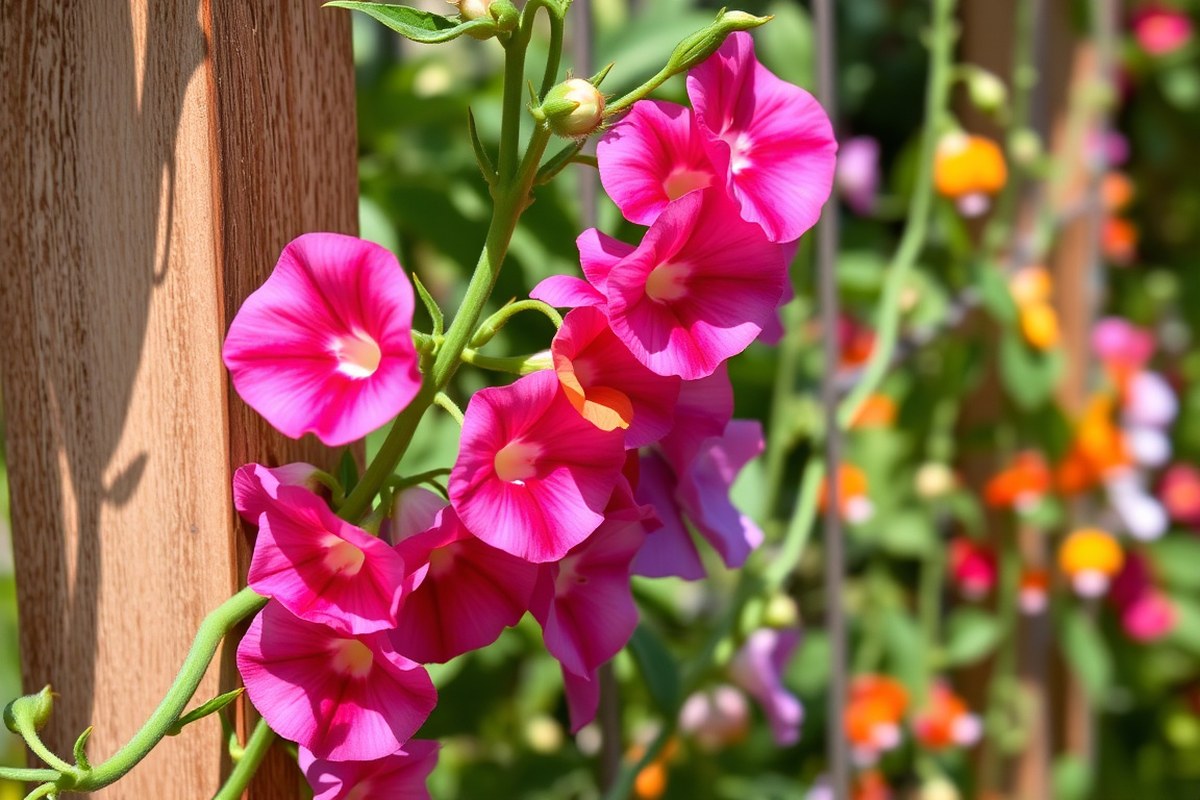
Sweet peas look similar to edible garden peas but serve a different purpose. They grow on climbing vines, with plumper, rounder pods than edible peas. Their flowers are often brightly colored and fragrant, making them popular in gardens, not kitchens.
It’s important to identify your peas carefully before tasting or cooking. Edible peas, like snow peas or sugar snap peas, have tender, edible pods and sweet seeds safe for eating. Avoid eating sweet peas or any wild varieties, as their poisoning risk is real and unpredictable.
Key Takeaways
- Sweet peas are ornamental and contain toxins harmful if eaten.
- They have plumper peas and thicker pods than edible snow peas.
- Do not eat sweet pea pods or peas raw or cooked.
- Choose edible peas like snow peas or sugar snap peas for eating.
- Wild sweet peas belong to Lathyrus and are unsafe to consume.
- Identify pea plants carefully to avoid confusing sweet peas with edible ones.
Can You Eat Sweet Peas or Their Pods?

You should not eat sweet peas or their pods. Sweet peas (Lathyrus odoratus) are grown for their flowers and scent, not as food. Their seeds and flowers contain toxins that can be harmful if eaten.
The pods of sweet peas are also not safe to eat. Garden peas (Pisum sativum) have edible pods and seeds. Sweet pea pods look flat.
Their seeds are toxic. Eating these seeds or pods can cause poisoning.
Sweet pea flowers are not edible either. They have a strong fragrance but hold poisons that make them unsuitable for consumption. Avoid eating the flowers or using them in salads or drinks.
Garden peas are the edible varieties you can find in vegetable patches. Their pods are plump and packed with sweet, tender peas to eat. Snow peas and snap peas belong to this group.
You can eat them fresh or cooked. Both are safe for you.
Choose garden pea types sold as vegetables to enjoy peas safely. Save sweet peas for your garden borders where you can enjoy their scent safely. Never use sweet peas as food, especially the flowers or seeds.
How to Identify Sweet Peas Versus Edible Peas

Sweet peas and edible peas look similar, but important details set them apart. Sweet peas have thicker pods and more fragrance but are not safe to eat. Edible peas have thinner pods, are less scented, and are good for cooking or eating raw.
Flower and Plant Differences
Sweet peas grow on climbing plants that produce colorful, fragrant flowers. Their blossoms often come in shades of pink, purple, and white. Edible garden peas and snow peas climb too.
Their flowers are smaller and less bright than sweet peas. Snow peas have less showy flowers.
Sweet pea plants are mainly grown for their scent and beauty, not food. Edible peas focus on producing the pods and peas for eating. Sweet peas’ plant stems tend to be thicker and more rigid as well.
Pod and Pea Shape Contrasts
Sweet pea pods are thicker, heavier, and usually around 2 to 3 inches long. The peas inside are rounder and plumper. Edible garden peas have thinner, smoother pods and smaller peas inside.
Snow peas and snap peas have flatter pods than garden peas. Snap peas combine traits with edible peas and have crunchy, sweet pods you can eat whole. Sweet peas’ pods are less tender and not made for eating.
| Feature | Sweet Peas | Edible Garden Peas | Snow Peas / Snap Peas |
|---|---|---|---|
| Pod Thickness | Thick, substantial, 2-3 in. Long | Thin, tender, varies | Thin, flat (snow), crunchy (snap) |
| Pea Shape | Rounder, plumper | Smaller, less round | Small, sweet |
| Plant Use | Ornamental, fragrant flowers | Vegetable, edible peas | Vegetable, edible pods and peas |
| Scent | Strong, sweet floral scent | Little to no scent | Little to no scent |
Knowing these differences helps you avoid confusing safe-to-eat peas for toxic sweet peas. Taste and texture also differ sharply between types.
Scent and Usage Differences
Sweet peas have a rich, sweet scent similar to jasmine or honey. Their fragrance makes them popular for bouquets but not edible use. Edible peas usually have a mild or no scent at all.
Sweet peas contain toxins and shouldn’t be eaten, despite their name. Some believe the fresh pods or peas are safe, but that’s a myth. Edible peas are safe raw or cooked and lack those toxins.
Warning: Never eat sweet pea pods or peas to avoid poisoning risks.
What Toxins Do Sweet Peas Contain and Their Effects
Sweet peas do contain toxins that can harm both humans and pets. The main culprit is a compound called beta-aminopropionitrile, which is most concentrated in the seeds. Eating sweet peas can cause symptoms ranging from mild stomach upset to serious nervous system issues.
Lathyrogens and Their Impact
Lathyrogens are the toxins found primarily in sweet pea seeds. These toxins come from a chemical called beta-aminopropionitrile (BAPN), a non-protein amino acid. Its job is to stop animals from eating the plants by causing harm if consumed.
BAPN mainly targets the nervous system and connective tissues in the body. In animals and humans, it disrupts normal nerve signals and can weaken the body’s connective framework. This can lead to muscle weakness and coordination problems over time.
The seeds hold the highest BAPN levels. But the toxin exists in smaller amounts throughout the plant. Tasting the flowers or pods can cause some risk.
Eating larger amounts is more dangerous. You should be cautious with how much you try.
Symptoms in Humans and Animals
After eating sweet peas, symptoms usually involve the stomach and nervous system. Mild cases cause nausea, vomiting, or stomach cramps. These are typical early signs anyone might notice.
In more serious cases, lathyrogen toxins cause muscle weakness and trouble moving. Pets like dogs and cats can get weak if they eat too much. They might lose coordination or even become paralyzed.
Watch your pets around these plants. Long-term exposure can be life-threatening to animals.
Some animals that graze repeatedly show worsening symptoms like difficulty standing or walking. Humans can experience a similar condition called Lathyrism, marked by nerve degeneration. This condition is rare and usually linked to chronic, high-dose consumption.
Toxin Stability and Cooking Effects
The BAPN toxin does not break down when cooked because it is heat-stable. Cooking or steaming sweet peas will not remove the risk. This means you cannot make sweet peas safe to eat just by preparing them differently.
Even cooking at steaming temperatures for 2, 3 minutes leaves toxins intact. That’s why sweet peas are never recommended for eating, unlike edible pea varieties. They simply aren’t safe to ingest, regardless of cooking method.
Keep in mind that even dried sweet pea seeds retain their toxins. Raw, cooked, or dried, these toxins can harm people and pets. They are risky in any form.
Avoid eating or letting pets eat them. Avoid eating any part of the sweet pea plant to prevent poisoning.
Is It Safe to Eat Wild Sweet Peas?
Wild sweet peas are not safe to eat. They contain toxins that can make you sick if consumed. These plants are best admired for their flowers, not their pods or seeds.
Identifying toxic wild sweet pea species starts with knowing what to look for. True sweet peas have delicate, fragrant flowers that come in many colors. Their seed pods look like edible pea pods.
They are usually thinner. These pods dry out early.
Eating wild pea pods can be risky. Several similar plants contain harmful compounds. These compounds include lectins and alkaloids.
These substances can cause nausea, vomiting, or more severe effects. Avoid tasting or gathering any wild peas unless you are absolutely sure they are edible.
Some wild pea relatives grow in fields or along roads and might look tempting. But they often carry toxins. Even if they seem fresh or smell good, their pods can still be poisonous.
Don’t eat wild pea pods without expert ID. Some pods and seeds can be dangerous. It’s best to be sure before eating.
Taking pictures and notes can help identify wild peas before considering consumption. Note flower shape, pod appearance, and growth environment. Learn about local plants from guides or societies.
This helps you avoid toxic plants by mistake. Knowing your plants keeps you safer.
How to Safely Handle Sweet Peas and Prevent Poisoning
Sweet peas contain toxins that can upset the stomach if eaten. Children and pets are especially at risk because they might chew on leaves or flowers. You need to keep sweet peas away from play and pet areas to prevent accidental eating.
Gardeners must clearly label sweet pea plants, especially near edible peas. This helps avoid confusion during harvest or cooking. Keep sweet peas separate from edible pea varieties to prevent mixing them up.
- Place sweet pea plants in spots unreachable by children and pets
- Use garden markers to label sweet pea beds clearly
- Educate family members about sweet pea toxicity risks
- Do not use sweet pea flowers or leaves in kitchen cooking
- Remove wilted or dropped sweet pea flowers promptly
- Consider planting edible peas on a different side of your garden
- Store sweet pea flowers and seed packets well out of reach
Handling sweet pea flowers in bouquets is mostly safe if you avoid eating them. Keep decorations out of reach of young kids or pets who might try to taste them. Wash your hands after handling sweet peas to avoid carrying toxins to your mouth or eyes.
Keep children and pets from chewing any part of the sweet pea. | Sweet peas can cause poisoning if eaten. | Always watch kids and pets around sweet peas.
Wear garden gloves when trimming sweet pea vines to lower skin contact with toxins. After cutting, discard plant waste carefully where pets or wildlife can’t reach. These steps take only minutes but help keep your family and animals safe.
What to Do If You Accidentally Eat Sweet Peas
Accidentally eating sweet peas calls for careful steps to avoid any serious issues. Mild exposure usually doesn’t cause serious poisoning. Watch for symptoms.
Act fast if needed. First, remove any remaining plant material from the mouth and rinse thoroughly with water.
Pay close attention to how you feel over the next few hours. Mild symptoms include nausea, drooling, or slight restlessness. Notice these symptoms?
Call Poison Control right away. They can guide you on what to do next and help monitor the situation.
- Mild nausea or drooling, call Poison Control and keep an eye on symptoms.
- Persistent vomiting or loss of appetite, seek medical help promptly.
- Muscle weakness or trouble walking, go to the emergency room immediately.
- Dizziness, blurred vision, or breathing trouble, call 911 or urgent care now.
- Keep the sweet pea plant packaging or sample for identification if possible.
Symptoms getting worse or you see muscle tremors? Treat as an emergency.
Head to the nearest urgent care or emergency room without delay. Calling Poison Control early helps assess the risk and may prevent worsening.
Don’t ignore symptoms like dizziness or blurred vision after eating sweet peas. These signs could indicate serious poisoning.
Ate a small amount but feel unwell? Get medical advice fast.
Can You Eat Sweet Peas Raw or Do They Need Cooking?
You can eat sweet peas both raw and cooked. They are sweet and tender enough to enjoy straight from the pod. Many people like to snack on them fresh because the flavor is crisp and sweet.
Cooking sweet peas lowers antinutrients, which are higher raw. These can cause digestive problems. Cooking helps reduce these issues.
Boil or steam peas for 2 to 3 minutes. This softens them well.
It also keeps their bright green color. This short cooking time also helps neutralize the antinutrients.
You can sauté sweet peas in olive oil or butter. Cook them for 3 to 4 minutes. This method keeps their flavor.
This adds flavor without overcooking. You can also add them to soups or stir-fries, cooking just until tender. Avoid overcooking as peas get mushy and lose their sweet snap.
The pods of sweet peas are tender enough to eat raw or cooked. You can toss the whole pod in salads or enjoy them steamed as a side dish. Rinse sweet peas well before eating.
This removes dirt and pesticide residue. Do this for raw or cooked peas.
Boiling, steaming, or sautéing sweet peas takes just minutes. They need no special tools to cook. These are easy methods to try.
These ways keep sweet peas tasty and easier to digest. Eating them raw works fine if your stomach tolerates it. But cooking is best to lower digestion issues.
Edible Pea Alternatives to Sweet Peas for Eating
For eating pea pods, choose garden peas or edible varieties like sugar snap or snow peas. These are safe, tasty, and easy to grow or buy. Avoid eating sweet peas from the Lathyrus genus, since most aren’t edible and can be toxic.
Garden Peas (Pisum Sativum)
Garden peas are the classic edible peas you find at grocery stores or farmers markets. Their pods swell as peas grow inside. So you shell the peas and discard the pod.
Garden peas are cool-season crops and frost hardy. So plant them in early spring or fall for best results.
Growing garden peas needs full sun and well-drained soil. They usually take 60 to 70 days to mature. Look for varieties labeled Pisum sativum, as these are safe and nutritious to eat.
Snow Peas and Sugar Snap Peas
Snow peas and sugar snap peas are popular edible pod peas. You can eat the entire pod of these peas. They are sweet and crunchy in taste.
Sugar snap peas have swollen pods filled with peas. Snow peas have flatter, thinner pods. Both are safe and packed with vitamins and fiber.
These peas need cool weather and full sun, similar to garden peas. Sugar snap peas often have stringy seams that you should remove before eating.
You can eat very young pods raw or cook them lightly. Frozen sugar snap peas last about four months in the freezer.
| Pea Type | Pod Description | Edible Pod? | Planting Season | Notes |
|---|---|---|---|---|
| Garden Peas (Pisum sativum) | Swollen, filled with peas | No (pods) | Cool season | Pods are usually discarded, peas shelled |
| Snow Peas | Flat, thin pods | Yes | Cool season | Eat pods whole; mild flavor |
| Sugar Snap Peas | Swollen, edible pods | Yes | Cool season | Remove strings; sweet flavor |
This table shows key differences to spot edible pods easily. Knowing these helps avoid confusing them with sweet peas (Lathyrus odoratus).
Lathyrus Species That Are Edible
Most Lathyrus species, like sweet peas (Lathyrus odoratus), are grown for flowers. They’re not meant for eating due to toxins they contain. Some species, like Lathyrus sativus, are eaten sometimes.
But eating too much can cause health risks. Be careful with these peas.
Grass pea can cause a condition called lathyrism from toxins affecting nerves. It’s safer to stick with common edible peas from Pisum sativum.
Growing Lathyrus plants is mostly about beauty, not food. Keep them out of reach of children and pets.
Always plant edible pea seeds labeled Pisum sativum to avoid health risks from toxic Lathyrus species.
Step-by-Step Action Plan for Handling Sweet Peas Safely
Follow these steps to avoid risks and enjoy peas safely. This plan helps you recognize and handle plants properly.
- Before you pick: Learn to spot edible peas by their round pods and bright green color. Confirm they are not sweet peas by checking flowers and pod shape.
- Day 1: If you have sweet peas growing, keep them away from edible garden peas. This avoids mix-ups when harvesting.
- Day 2: Do not eat any part of sweet peas. Remove pods and flowers carefully using gloves to avoid exposure to toxins.
- Week 1: Plant garden peas or snap peas if you want peas to eat. These types are safe and edible. They are safe and tasty.
- Week 2: Cook edible peas before eating to improve taste and digestion. Raw peas are okay but cooking is better.
- As needed: Watch for stomach pain or dizziness if sweet peas were eaten. Seek help if symptoms appear. Call poison control right away.
- Ongoing: Keep learning about plants in your garden. Knowing plant safety can prevent accidents and keep you healthy.
Frequently Asked Questions
Can You Eat the Pea Pods from Sweet Pea Flowers?
No, the pods of common sweet pea flowers are not safe to eat. They contain toxins, so you should avoid eating them altogether. Instead, only eat pods from edible pea varieties like sugar snap or snow peas.
Can You Eat Sweet Peas Raw?
Yes, you can eat edible sweet pea pods raw, such as sugar snap peas. They are crunchy and sweet when fresh. Avoid raw pods from ornamental sweet peas, which may be toxic.
Is There Any Benefit to Eating Sweet Peas?
Edible sweet peas like garden peas provide fiber, vitamins, and a sweet taste. They make a healthy, low-calorie snack or side dish. However, ornamental sweet peas have no nutritional benefit and can be poisonous.
What Are the Symptoms of Wild Sweet Pea Toxicity?
Symptoms include nausea, vomiting, diarrhea, and weakness after eating toxic sweet pea parts. Severe cases may lead to breathing problems. You should get medical help quickly after eating wild peas and feeling sick.
Can You Eat Sweet Peas?
You can eat edible sweet peas such as garden or sugar snap peas. Ornamental sweet peas are not safe to eat.
The latter has toxic flowers and seeds, so avoid eating them. Stick to varieties sold as food.
Are Sweet Pea Seeds Edible or Poisonous?
Sweet pea seeds are poisonous and should never be eaten. They contain toxins that can cause serious illness. Only eat seeds from edible pea varieties grown for food.
Final Thoughts
Sweet peas are not safe to eat and can cause illness. Focus on growing and eating edible peas instead. Start by learning how to identify peas correctly in your garden.