Do Iris Come Back Every Year? A Complete Guide for Reliable Blooms
Yes, most irises come back every year if you care for them well. Their rhizomes or bulbs store energy during dormancy, allowing regrowth each spring. Providing good conditions helps keep them healthy and prevents overcrowding.
Plant irises where they receive at least six hours of sunlight daily. Too little sun can reduce blooming or stop them from returning. Dividing the clumps every few years prevents fading and root crowding, which keeps plants healthy.
Bearded irises can bloom for 5 to 10 years without issues. Other types may last 2 to 5 years before needing division or replanting. Watching your irises’ growth helps you keep them strong and blooming well.
Avoid overwatering irises because soggy soil causes rot and weak growth. Well-drained soil helps protect rhizomes during winter. Fertilizing in early spring boosts energy for better blooms and sturdy roots.
Key Takeaways
- Iris plants usually come back every year if sunlight is sufficient.
- Give irises at least 6 hours of direct sun each day for best blooms.
- Divide iris clumps every 3 to 5 years to stop overcrowding and foster growth.
- Bearded irises bloom strongly for about 5 to 10 years before slowing down.
- Miniature dwarf irises need lifting and replanting annually in rock gardens.
- Siberian irises can live and bloom up to 12 years with moist, well-drained soil.
Do Irises Naturally Come Back Every Year?
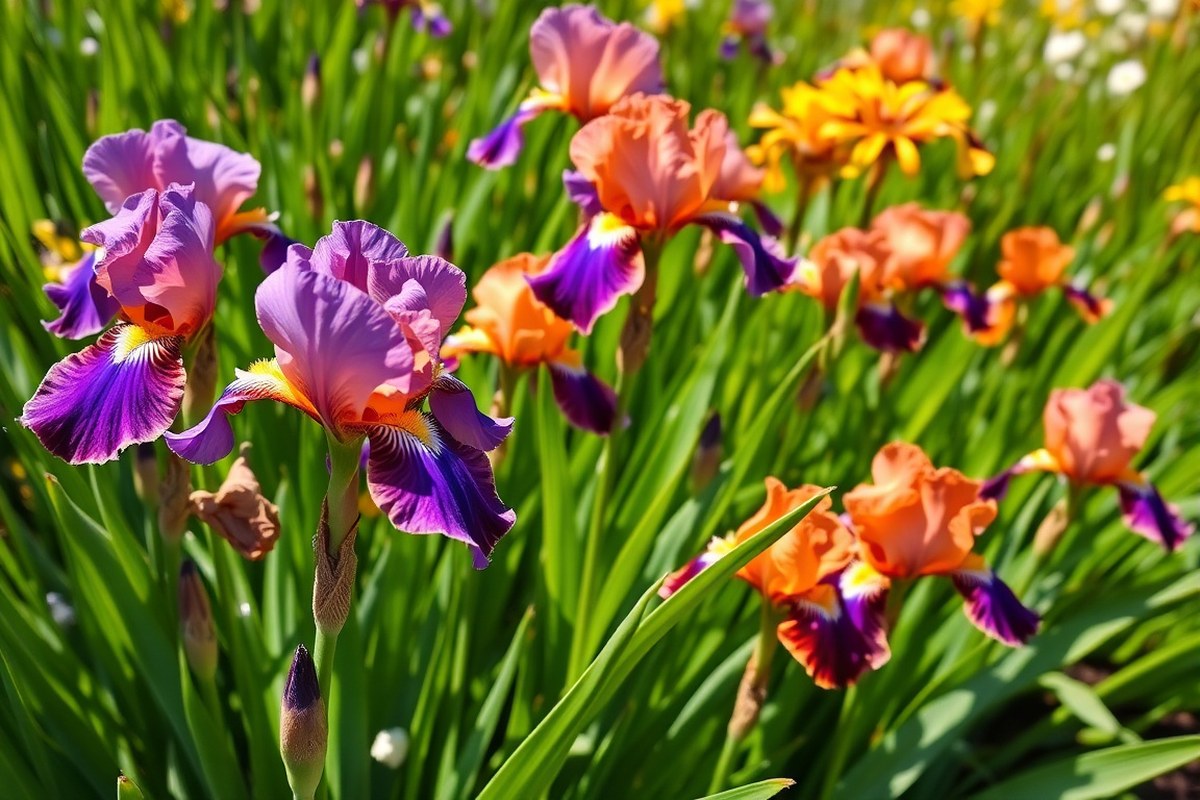
Irises naturally come back every year in most garden settings without you needing to replant them. They are perennial plants. They grow from underground parts like rhizomes or bulbs.
These parts survive the winter. Irises rest in cold months.
They regrow on their own in spring. This happens naturally each year.
Most iris varieties, including popular bearded irises, are perennial and reliable for annual returns. As long as the plant is healthy, it will bloom year after year. You want irises to brighten your garden each spring.
Give them good soil and sunlight. Add some occasional care, too.
How irises survive winter depends on your climate and species. Hardy irises survive freezing by staying dormant underground until temperatures warm up again. Tender types may need mulch or a protected spot to make it through cold months.
Pick the right spot for your irises. Give them some winter protection. This helps them bloom or survive better.
How Iris Rhizomes and Bulbs Support Perennial Growth

Iris plants use underground parts like rhizomes or bulbs to store energy. These parts help the plant regrow and bloom each year. How well your iris blooms depends on the health of these storage organs.
What Are Iris Rhizomes and Bulbs?
Most iris flowers grow from thickened underground stems called rhizomes. They spread horizontally just below the soil surface. Some iris types, like dwarf iris, grow from bulbs, which look like small, round storage organs.
Rhizomes act like energy banks that hold nutrients during the growing season. Bulbs work the same way. They are more common in colder climates.
They also suit rock gardens well. Knowing the difference helps you care for your specific iris variety.
How Rhizomes Store Energy for Next Year
During spring and summer, iris leaves soak up sunlight and send energy down to the rhizomes. This stored energy fuels new growth and flowers the following year. The rhizomes also develop new buds late in the season to prepare for next spring.
Rhizomes don’t store enough energy when they become overcrowded. This makes flowers weak or stops blooming altogether. Dividing rhizomes every three to five years helps them stay healthy and bloom reliably.
Bulbs and Rhizomes: Differences by Iris Type
Bearded and Siberian irises rely on rhizomes. Miniature dwarf iris usually grow from bulbs.
Bulbs often need lifting and replanting every year or two, especially in rock gardens. Rhizomes stay underground and spread naturally but need room to grow.
Japanese iris also grow with rhizomes but require certain care in warmer climates. Knowing your iris type guides how to manage their underground parts and expect their growth cycle.
Signs of Healthy Storage Organs
Look for firm, plump rhizomes with no signs of rot or shriveling. Good rhizomes have fresh roots and a slightly waxy skin. Success means your iris returns with strong foliage and bright flowers every spring.
Overwatering in summer, planting too deep, or ignoring crowded clumps can weaken rhizomes. Weak rhizomes push energy into leaves only, making blooms sparse or absent. Keep rhizomes healthy by proper watering and spacing.
How to Promote Rhizome and Bulb Health
Plant irises in full sun, giving them 6-8 hours of light daily. This powers photosynthesis for energy storage underground. Avoid planting rhizomes too deep.
The top should sit just under the soil. This helps stop rot. It also makes new shoots grow easier.
Divide rhizome clumps every 3-5 years, cutting sections with healthy roots and a fan of leaves. Plant divisions with fresh soil and water moderately. For bulbs, lift and replant every 2-3 years if needed, especially in wet or dense soil.
Plant rhizomes just below the soil surface. Divide them every 3 to 5 years. This keeps the blooms strong.
Typical Lifespan and Bloom Duration of Popular Iris Types
Bearded irises usually bloom reliably for 5 to 10 years. After that, bloom size and frequency often drop.
Siberian and Japanese irises also bloom once a year. But they weaken more slowly and can last longer with good care.
Smaller iris types, especially the bulb-forming ones, tend to need replacements sooner. Regular division every few years helps keep Siberian irises lively. Bearded irises don’t need dividing often.
They do best divided every 3 to 5 years. This helps keep them healthy and blooming.
| Iris Type | Lifespan of Strong Blooming (Years) | Bloom Cycle | Care Notes |
|---|---|---|---|
| Bearded Iris (Iris germanica) | 5, 10 | Once per season | Divide every 3, 5 years, needs full sun |
| Siberian Iris | 10+ | Once per season | Divide every 3, 4 years to maintain vigor |
| Japanese Iris | 8, 10 | Once per season | Requires moist soil, division as needed |
| Bulb-forming Irises (e.g., Dutch Iris) | 3, 5 | Once per season | Often need replacement or frequent care |
Good sunlight and well-draining soil extend flowering years for most irises. Xeric gardens get about 10 inches of rain each year. They also have plenty of sun.
Bearded and Siberian irises grow well in those conditions. Mulching with straw helps protect iris rhizomes during cold winters.
This keeps them alive longer. It also helps them bloom better as perennials.
Leaves usually die back after bloom, signaling rest time for the plant. This downtime helps prepare the iris for the next season’s flowers. Neglecting division or proper soil conditions may cause fewer or smaller blooms as years pass.
Essential Growing Conditions for Yearly Iris Returns
Irises need at least six hours of direct sunlight daily for strong blooms. Less sun leads to weaker flowers and slower growth. Plant them where they won’t be shaded by trees or buildings.
Well-drained soil is essential. The soil must drain excess water within one to two days to avoid rhizome rot. If your soil is heavy clay, mix in sand or organic matter to improve drainage and keep roots healthy.
Watering should keep the top inch of soil moist during growth. Water twice a week in late winter and early spring if rainfall is low. Avoid overwatering, which can cause root diseases and prevent your iris from coming back happily.
- Provide six or more hours of full sun daily
- Use soil that drains water in 48 hours or less
- Amend heavy soils with sand or compost for better drainage
- Water enough to keep the top inch of soil moist during growing
- Limit watering during late summer dormancy
- Fertilize lightly in early spring before blooms appear
- Divide rhizomes every 3 to 5 years to maintain vigor
Fertilize irises with a balanced, low-nitrogen fertilizer in early spring. Excess nitrogen can cause too much leaf growth and fewer flowers. Use fertilizer sparingly to help rhizomes store the nutrients they need for next year.
Providing these conditions lets your ibiscus rhizomes store energy and bloom year after year. Watch for browning leaves or mushy roots, signs your plant needs better soil or less water.
When and How to Divide Irises to Promote Annual Blooms
Dividing irises every three or four years keeps them healthy and blooming well. Overcrowded rhizomes lose vigor and may stop producing flowers. Regular division refreshes the plants and helps you enjoy more blooms each spring.
Why Divide Iris Rhizomes Regularly
Irises spread by rhizomes, and over time, they crowd each other out. Crowding lowers air flow and reduces flowering because the older rhizomes weaken. Dividing them gives each rhizome enough space to grow strong and produce flowers.
Regular division also removes older, less productive parts. This practice keeps your plants young and vigorous. Dividing every three to five years maintains good bloom cycles and overall plant health.
Signs You Should Divide Your Irises
Look out for clumps that stop flowering well or thin out in the middle. Overcrowded clumps get too dense, forcing iris growth upward instead of spreading out.
The rhizomes may start to rot. Leaves might turn yellow or die off early.
If your irises have been in one spot for more than five years, check their spacing. Rhizomes that are less than 12 inches apart need more room to grow. Also, if blooming drops suddenly or plants look weak, it’s likely time to divide.
Step-by-Step Iris Division and Replanting Process
Dividing irises is simple but takes some care to avoid damaging the rhizomes. Follow these steps to split and replant your irises correctly.
- Dig around the base with a garden fork, lifting the whole clump gently.
- Shake or wash off soil to see rhizomes clearly, avoiding damage.
- Cut apart large clumps into smaller pieces, each with roots and leaves.
- Trim leaves to one-third length to reduce moisture loss after planting.
- Inspect rhizomes and discard soft or rotten sections.
- Space new rhizomes 12 to 24 inches apart and no deeper than 4 inches.
- Plant so the rhizome tops are just visible above the soil surface.
- Water well but avoid soaking to prevent rot.
Use a sharp knife or garden tool to avoid bruising rhizomes when dividing.
Best Timing for Division by Climate Zone
Late summer is the best time to divide irises. At this time, blooming is done, and rhizomes can recover before winter. Choose a dry day to reduce the risk of rot.
Hot climates may need earlier division to avoid stresses from heat exceeding 85°F. In cooler zones, late July to early August works well. Avoid dividing irises in spring or during wet periods for best results.
Common Problems That Stop Irises from Returning or Blooming
Irises often fail to bloom or come back because of a few common problems. Overcrowding happens when rhizomes grow too close, cutting off air and nutrients. This makes irises weaker and stops flowers from forming properly.
Planting depth matters a lot for iris health. Rhizomes buried too deep often rot or get stressed, which hurts bloom cycles. Bearded irises need planting with rhizomes just above the soil.
Keep the tops of rhizomes visible, not buried too deep. This helps the plants grow healthy and bloom well.
Rhizome rot is another major issue. It happens when soil stays soggy or drainage is poor.
You can spot it by soft, mushy, and dark patches on the rhizomes. Rotten parts must be cut away with clean tools to save the plant.
- Divide irises every 3 to 5 years to prevent overcrowding.
- Plant rhizomes with tops just barely covered by soil, about 1 inch deep.
- Check rhizomes yearly for rot signs and remove any soft parts.
- Provide full sun, at least 6 hours daily, to boost bloom production.
- Improve soil drainage by adding organic matter or planting on a slight mound.
- Use fungicide if rot is persistent, following label instructions carefully.
- Trim dead leaves and stalks after blooming to reduce pests.
Consistent blooms depend on correcting these issues early. Overcrowding reduces airflow, making rhizomes prone to rot and fewer flowers. Proper planting depth stops rhizome decay and lets roots get the air they need.
Checking rhizomes for rot takes only a few minutes during dividing or transplanting. Cutting away soft spots reduces disease spread.
Try improving sunlight or soil drainage to help struggling irises. Better light and drainage can revive blooms within a season or two.
How Climate and Seasonal Changes Affect Iris Dormancy and Regrowth
Cold winter dormancy plays a big role in iris regrowth. In USDA zone 5 and colder, irises stop growing below 50 °F. They go into rest during the cold months. This is a natural response to winter.
This rest period prepares the plant to bloom again once spring warms up. Rhizomes can get damaged in harsh winters without snow cover.
Exposed rhizomes may not come back in spring. Protecting them helps irises survive cold.
Hot, dry summers can stress iris rhizomes. When the soil dries out too much, the rhizomes may shrink and weaken.
They need some moisture to stay healthy but not soggy soil. Light watering during dry spells helps the plants survive until their fall growth phase.
Protecting irises from extreme weather includes covering exposed rhizomes with mulch before winter. Use straw, shredded leaves, or pine needles to trap moisture and shield from freezing. In summer, ensure the soil drains well to avoid rot while keeping it lightly moist.
Severe heat or drought stresses irises badly. Use a slow-release fertilizer to help them recover. Apply it once conditions improve.
Species also matter. Some irises like bearded types tolerate colder zones better. Siberian irises handle damp, cool summers well.
Knowing your iris type helps you adjust care for the best yearly return. Watch for pale or soft rhizomes as warning signs they might not come back next season.
Practical Care Tips to Ensure Irises Bloom Every Spring
Irises need careful pruning, watering, fertilizing, and health checks to bloom each spring. Proper care keeps their rhizomes healthy and avoids common problems. Follow these clear steps for each task and watch your irises shine.
Proper Pruning Timing and Technique
Wait at least two months after iris blooms fade before pruning the leaves. Pruning too early can slow next year’s growth or reduce bloom size. Count two months from your typical iris bloom time if they didn’t flower.
Cut the leaves down to about 6 inches tall using clean, sharp scissors or pruners. Remove any yellow or damaged leaves to help prevent disease.
Leaving too many leaves makes rhizomes spend energy on leaves. This energy won’t help bloom production.
Watering Guidelines for Healthy Rhizomes
Irises prefer soil that dries out between watering sessions. Overwatering can rot the rhizomes, while underwatering stresses the plants and cuts bloom production. Water deeply one time per week during dry periods.
Make sure soil soaks well. Avoid frequent shallow watering.
Water early in the morning so leaves dry before nightfall. This helps prevent fungus and leaf rot. Apply mulch to stabilize moisture levels around plants.
Keep mulch away from rhizomes. This helps prevent rot.
Choosing and Applying Fertilizers Correctly
Choose a fertilizer balanced but low in nitrogen. This reduces excessive leafy growth. It helps flowers develop better.
A formula like 10-20-10 is good for irises. Apply fertilizer in early spring and again right after blooming ends.
Spread fertilizer evenly around the base of each clump but not directly on rhizomes. Water the area well after spreading fertilizer. Avoid fertilizing in late summer or fall, as this encourages new growth that can freeze back.
Monitoring and Maintaining Iris Vigour Year-Round
Check your iris clumps at least twice a year for signs of decline. Look for soft or mushy rhizomes, yellowing leaves that won’t improve, or slowed growth. These signs often mean rot, pests, or overcrowding.
Immediately remove affected leaves or rhizomes to stop spread. Thin clumps by dividing rhizomes every 3 to 4 years to keep space and nutrients sufficient. Also, clean debris around the plants yearly to reduce disease risk.
- Watch for overcrowded rhizomes competing for nutrients
- Remove dead foliage each fall to block pests and disease
- Thin clumps by dividing rhizomes every few years
- Use sharp tools disinfected between cuts
- Check that soil drains well to avoid waterlogging
- Inspect leaves regularly for pests or fungal spots
- Adjust care if bloom size or number drops over time
Don’t leave mulch touching irises’ rhizomes; it traps moisture and rot risks.
Step-by-Step Action Plan for Yearly Iris Blooms
Follow these steps to help your irises come back and bloom each spring. Watch for strong growth and healthy flowers as signs of success.
- Early Spring: Remove winter mulch and dead leaves to expose iris crowns. Look for new green shoots to confirm growth has started.
- After First Blooms: Deadhead spent flowers to direct energy back to rhizomes. Check that leaves stay green and healthy afterward.
- Late Spring to Early Summer: Stop watering to let rhizomes dry out. Rhizomes that stay firm and dry indicate good health.
- Mid to Late Summer: Dig and divide crowded irises every 3 to 4 years. New divisions with healthy roots show successful separation.
- Early Fall: Replant divided rhizomes in a sunny spot with well-drained soil. Sprouts in the fall or early next spring mean good establishment.
- Fall and Winter: Apply a light mulch after the first hard frost to protect rhizomes. Mulch that stays dry and light prevents rot over winter.
- Throughout Growing Season: Watch for pests or diseases and remove affected leaves promptly. Healthy, pest-free leaves ensure strong blooms next year.
- Anytime: Provide balanced fertilizer in spring, avoiding too much nitrogen. Strong leaf growth and abundant flowers point to proper feeding.
Frequently Asked Questions
Do Irises Grow Back Without Replanting Every Year?
Yes, most iris types naturally return every year from their rhizomes or bulbs. You just need to keep them healthy and in good soil.
Can Iris Flowers Return After Harsh Winters?
Yes, many irises survive cold winters and bloom again in spring. Adding mulch helps protect rhizomes during freeze.
How Often Should I Fertilize Irises for Yearly Blooms?
Fertilize once or twice per year, in early spring and after bloom. Use low-nitrogen fertilizer to encourage flowers, not just leaf growth.
Will Irises Bloom Every Year in Shady Areas?
Irises prefer full sun but some types bloom in light shade. If you see fewer blooms, it might be due to insufficient sunlight.
Do Irises Need Extra Watering to Come Back Each Year?
Irises need moderate watering, especially during dry spells. Too much water can cause rot, so keep soil well-drained for best results.
What Pests or Diseases Stop Iris from Returning Yearly?
Common pests include iris borers, and fungal diseases can damage rhizomes. Watch plants closely and remove affected parts promptly.
Key Points to Remember
Irises can come back every year with the right care and conditions. Start by checking your rhizomes this season. Healthy roots and shoots set the stage for next spring’s blooms.