When Does Iris Flower: A Complete Guide to Bloom Times and Care
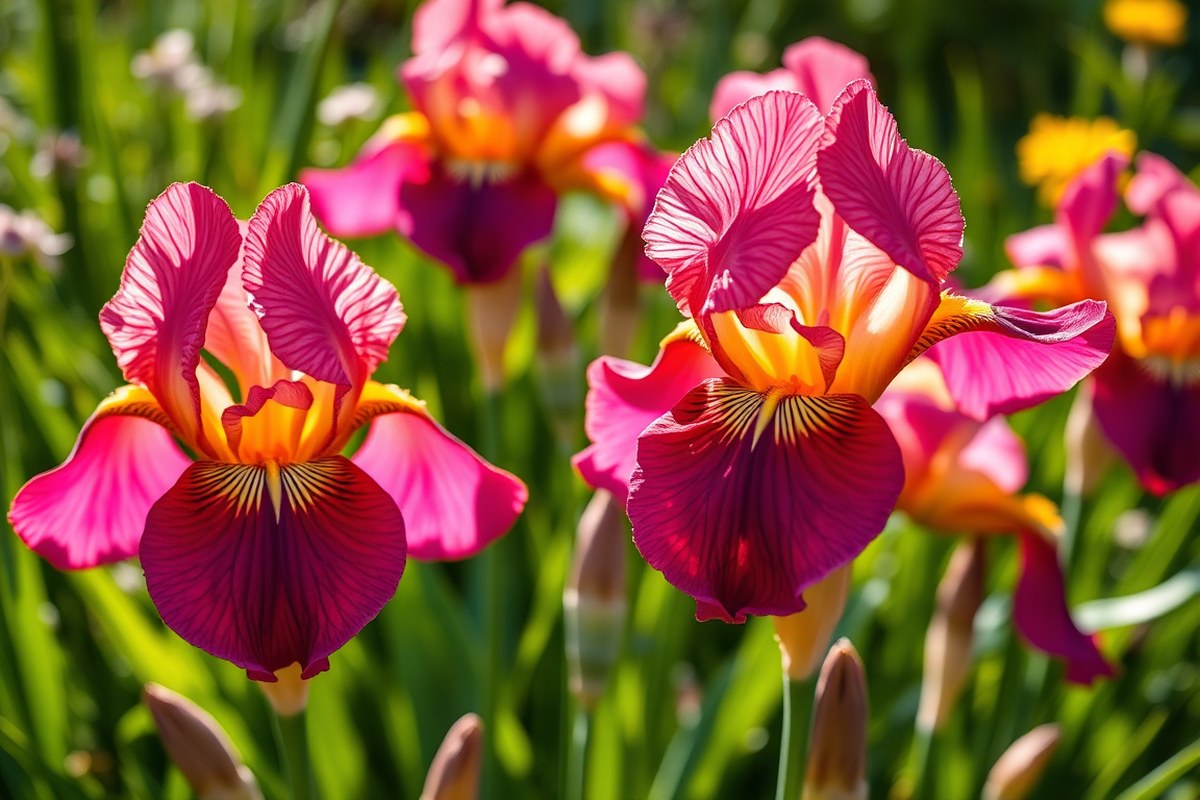
When does iris flower is a common question from gardeners eager for color. Irises usually bloom in spring or early summer, depending on the variety and region. Some types will surprise you with fall blooms if conditions are right.
The typical blooming season for most irises runs about 2 to 3 weeks. Certain irises like the tall bearded can produce large flowers that last longer. To see blooms each year, keep an eye on sunlight and soil quality first.
Starting with well-drained soil and plenty of sun usually boosts flowering. Also, dividing your iris every few years helps its roots stay healthy and strong.
These small steps greatly affect when your iris blooms. They also influence how long the flower lasts.
Key Takeaways
- Tall bearded irises bloom in spring, lasting about 2 to 3 weeks.
- Dutch irises often bloom slightly earlier and show bright multicolored flowers.
- Bearded irises grow from 3 inches to 4 feet, affecting bloom timing.
- Plant irises in well-drained soil with at least 6 hours of sun.
- Divide iris rhizomes every 3 to 5 years to maintain strong blooms.
- Beardless irises can tolerate some shade but prefer direct sun.
When Do Irises Usually Bloom and How Long Lasts the Flowering?
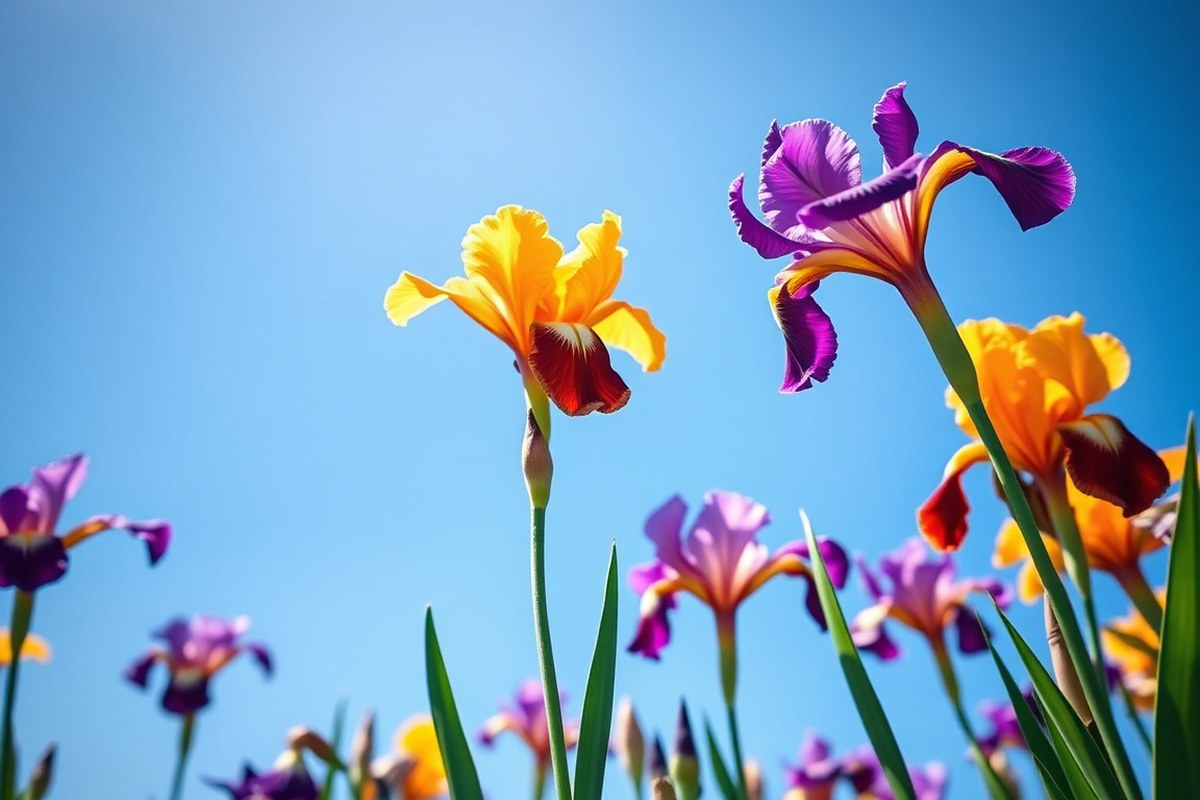
Irises mostly bloom in late spring to early summer. For example, bearded irises usually flower from April through early June.
The exact timing changes with your local weather. So mild winters often cause earlier blooms, while cool springs delay them.
The bloom period for a typical iris lasts about two to three weeks. During this time, you’ll see flowers open over several days, not all at once. Cutting off spent flowers with pruning shears helps the plant focus.
It puts energy into growing strong roots. This also helps new buds grow healthily.
Most iris types bloom once each year. Some irises called remontant or reblooming bloom again after the first time. They flower later in summer or even in fall.
Not all irises have this ability. Algerian irises, for instance, bloom in winter, while the Negev iris blooms after rain. These reblooming types need good care to support multiple flowering cycles.
Which Iris Varieties Bloom When? A Clear Comparison
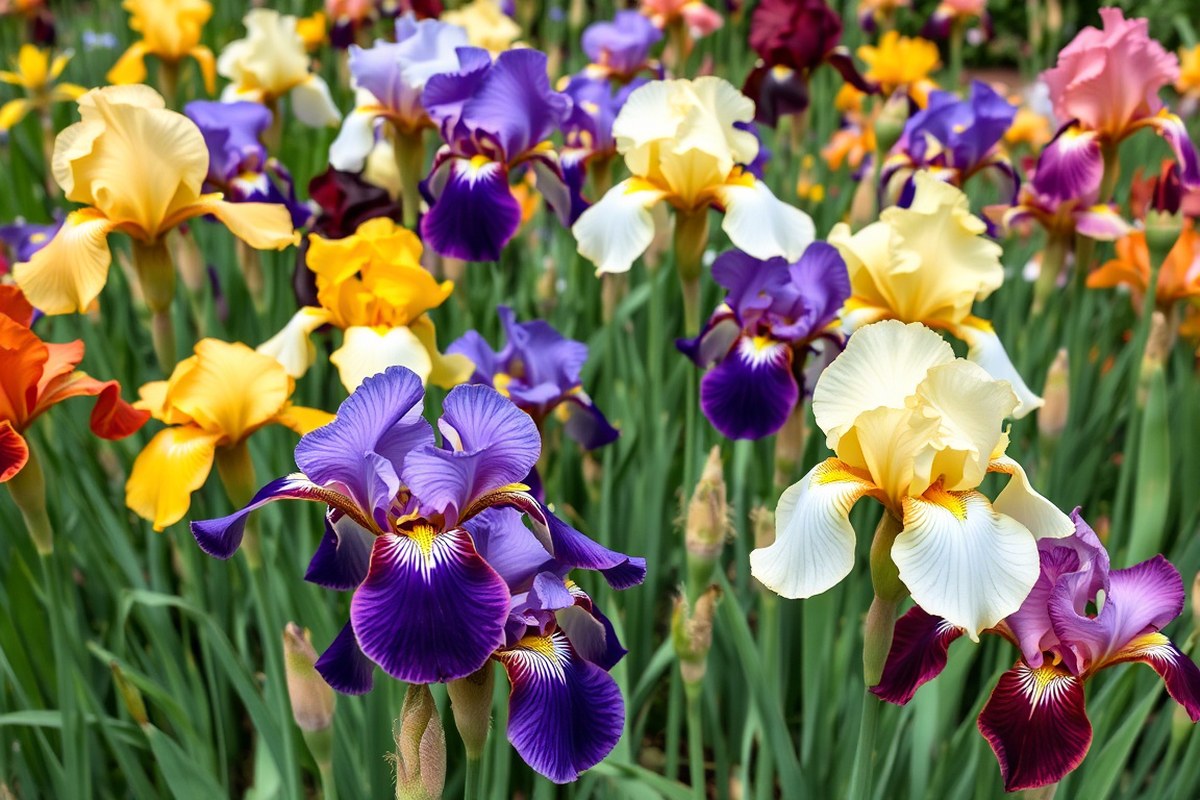
Not all iris varieties bloom at the same time. You can enjoy irises from early spring through fall by choosing different types. Each major variety has its own bloom window, height, and USDA zone preferences.
Bearded Irises Bloom Time and Size
Bearded irises are popular for their large, colorful flowers. They come in dwarf and standard sizes. Dwarf bearded irises bloom earliest, often in March and April, growing 12 to 18 inches tall.
Standard bearded irises bloom later, around April to May. They can reach heights of 24 to 48 inches. These irises prefer full sun and well-drained soil, thriving in USDA zones 3 to 10.
Siberian and Japanese Irises Bloom Characteristics
Siberian irises bloom in late spring, typically May to June. They are hardier, surviving in zones 3 to 8 and growing 24 to 40 inches tall. Their narrower leaves tolerate some shade better than bearded types.
Japanese irises bloom later, in early summer from June to July. They grow tall, around 36 to 48 inches. They grow well in zones 4 to 9.
They like moist, acidic soil. Some types can bloom again in fall.
Reblooming and Bulbous Iris Varieties
Reblooming irises can flower twice, once in spring and again in fall. They usually grow between 24 and 36 inches. This feature adds interest to your garden beyond the typical bloom season.
Bulbous irises, like Dutch irises, bloom in spring but grow from bulbs instead of rhizomes. They are shorter-lived in some climates but add early color. Expect bulbs to cost around $1 to $3 each in garden centers.
| Iris Variety | Bloom Time | Height Range |
|---|---|---|
| Dwarf Bearded | Early Spring (March-April) | 12-18 inches |
| Standard Bearded | Mid Spring (April-May) | 24-48 inches |
| Siberian | Late Spring (May-June) | 24-40 inches |
| Japanese | Early Summer (June-July) | 36-48 inches |
| Reblooming | Spring & Fall | 24-36 inches |
Choosing iris varieties with different bloom times extends your garden’s color display. Taller types can provide a layered look when planted behind shorter irises. Adjust your selection to match your zone and garden conditions for the best results.
Remember to plant bearded irises in full sun for strong blooms and avoid soggy soil. This helps prevent rot and disease.
How Climate and Region Influence Iris Blooming Schedules
Iris blooming times change a lot depending on your local climate and region. Temperature is a key factor: irises usually need a cool period to trigger blooming. Most irises bloom in late spring to early summer.
Nights stay cool while days get warmer. This weather is just right for irises to bloom.
Hardiness zones also shape when irises flower. These zones group places by average winter lows, which affects iris growth cycles. In colder zones, irises bloom later because they stay dormant longer.
In USDA zones 8 to 10, irises bloom earlier. They can start blooming in March there. Warmer weather brings an early bloom.
In mild regions, some iris varieties bloom twice. They flower again in late summer or fall. This gives you extra bloom time.
Irises get ready for winter between September and November. Changes in light and temperature trigger this. They enter a resting phase called dormancy.
This preparation slows flower development until next spring. Flowering during fall or winter happens rarely and mostly in very mild climates.
In southern California or the Pacific Northwest, bearded irises may bloom late. This can happen if temperatures stay above 50°F. Late fall blooms are possible there.
Choosing iris varieties that match your region’s climate extends your blooming season. Some irises bloom early and others late. This variety lets you enjoy flowers longer if you pick the right types.
Divide and replant irises in late summer or early fall. This keeps them healthy. It also helps irises bloom well every year.
Water and light also come into play for your local bloom times. Irises need full sun and moderate moisture to flower well. Too much heat or drought can delay blooming or reduce flower count.
Keep irises healthy by watering during hot spells. Use phosphorus-rich fertilizer for strong blooms. Adjust care based on your local climate.
Optimizing Sunlight, Soil, and Water for Best Iris Blooms
Irises bloom best in loose, well-drained soil with a slightly acidic to neutral pH. Aim for a soil pH between 6.8 and 7.0 to support strong root growth and vibrant flowers. Add 1 to 2 inches of compost to the top 10 inches of soil.
This helps heavier soils drain better. It also feeds your plants.
Sunlight is another key factor. Most iris varieties need at least 6 to 7 hours of direct sun daily.
Beardless irises tolerate a bit of shade but still prefer close to 6 hours of sun. Without enough sunlight, you’ll notice fewer blooms and weaker plants.
Watering right matters too. After planting your irises, water them deeply to settle the soil and keep roots moist. Avoid soggy soil, which can cause rot.
Mulch lightly around plants to keep moisture steady and cut weeds. Keep mulch away from rhizomes. This prevents rot.
- Plant rhizomes 1 to 6 inches deep depending on the variety
- Space plants 12 to 24 inches apart to prevent crowding
- Water deeply once a week in dry periods, less if it rains
- Apply a balanced fertilizer early in spring before growth starts
- Use light mulch like straw, avoiding direct contact with rhizomes
- Divide crowded clumps every 3 to 5 years for better flowering
Planting depth affects flowering and health. Plant rhizomes shallow, just below the soil surface or 1 to 2 inches deep. Shallow planting stops rot.
It also helps blooms grow. Too deep means delayed or no flowers, while too shallow risks drying out. Space plants at least 12 inches apart.
This keeps air flowing to cut disease risk. It also gives plants room to grow.
Fertilizing supports bloom quality. Use a balanced fertilizer with average nitrogen and enough phosphorus to encourage flowers.
Apply fertilizer once a year in early spring before new growth starts. Avoid too much nitrogen, which can cause lush leaves but fewer flowers.
Best Care Practices: Dividing, Fertilizing, and Pruning Irises
Dividing iris plants every 3 to 4 years keeps them healthy and blooming. It stops overcrowding, which steals nutrients and reduces flowers. Routine dividing also helps you grow new plants without extra cost.
Dividing Irises for Maximum Bloom
Overcrowded irises struggle to bloom because they compete for nutrients. You should divide your iris plants every 3 to 4 years to avoid this. Dividing also refreshes the plants and encourages stronger growth and bigger flowers.
Follow these steps to divide and replant irises successfully:
- Dig up the entire clump carefully after blooming ends and leaves begin to yellow.
- Shake off or rinse soil to expose the rhizomes and roots.
- Use a sharp, clean knife to cut the rhizomes apart. Make sure each piece has healthy roots. Each should also have a fan of leaves.
- Discard old, soft, or diseased rhizomes to prevent problems.
- Trim the leaves back to about 6 inches to reduce water loss.
- Replant the divisions in well-drained soil with the top of the rhizome slightly exposed.
- Space new plants 12 to 18 inches apart to prevent future overcrowding.
- Water the newly planted irises lightly to settle soil but avoid soggy conditions.
Dividing irises when the leaves start to yellow helps the plants recover faster.
Pruning and Deadheading Timing
Pruning irises after flowering removes dead blooms and keeps plants tidy. This signals the plant to focus energy on roots and next year’s flowers. For reblooming varieties, deadheading spent flowers can encourage another bloom cycle.
Cut the flower stalks down to the base once the blooms fade. In late fall, trim back the leaves to about 6 inches to reduce disease risk. Avoid heavy pruning in early spring; let new growth emerge naturally.
Fertilizing Irises: What and When
Fertilize irises twice a year for the best results: early spring and fall. Use a low-nitrogen, high-potassium fertilizer to promote strong blooms without excessive leafy growth. Too much nitrogen can cause lush leaves but fewer flowers.
In early spring, apply fertilizer just before new growth begins. In fall, feed again to support root health and encourage early blooming next year. Avoid fertilizing when plants are dormant to prevent root damage.
Common Problems That Prevent Irises from Blooming and How to Fix Them
One common reason irises don’t bloom is overcrowding. When plants grow too close, they compete for nutrients and light. Every 3 to 4 years, take out your irises from the ground.
Leave 12 to 18 inches space when you plant them again. This helps them grow strong and healthy. This spacing helps airflow and reduces pests and diseases.
Pests like iris borers often damage irises, stopping blooms. These larvae tunnel inside the rhizomes and weaken the plant. Look for signs like chewed leaves or black slime on rhizomes.
In early spring, spray your plants with a safe insecticide or use neem oil. Picking borers off by hand works well if you catch them early.
Aphids also bother irises by sucking sap and spreading diseases. You can remove aphids with a strong water spray or by wiping leaves with soapy water. Avoid harsh chemicals that might hurt pollinators visiting your flowers.
Overwatering and bad drainage cause iris leaf spot and root rot. Brown spots on leaves or soft roots signal these problems. Add compost to soil for better drainage and only water when the top inch feels dry.
Cold snaps 6 to 8 weeks before blooming can abort flower buds. Protect plants by covering with frost cloth or bringing potted irises indoors during late freezes. Once the threat ends, remove covers to allow normal growth.
Nutrient deficiencies also reduce blooms. Irises need a balanced fertilizer in early spring with a formula like 10-10-10.
Don’t apply too much nitrogen; it grows leaves but cuts flowers. Fertilize once more after blooming to prepare the rhizomes for next year.
Failing to maintain your irises reduces bloom chances. Dig up and inspect bulbs yearly, clearing any damaged parts.
Throw away diseased sections to stop spread. Keep the bed clean from fallen leaves and debris to discourage pests and fungus.
Growth Cycle Timeline: Iris Stages from Planting to Bloom
Plan your iris planting around how they grow to get blooms on time. They start by growing roots during fall and winter. In spring, they sprout leaves, form buds, and then flower from late spring to early summer.
Some irises bloom again later if cared for well. Taking care of them through each stage keeps them healthy and blooming.
Fall and Winter: Dormancy and Root Establishment
Plant spring-blooming irises in late summer to early fall for better root growth before winter. This timing lets roots grow deep without pushing leaf growth early. Bearded and Siberian irises survive freezes well but freezing leaves or stems damages blooms in spring.
During winter, iris foliage looks mostly dormant. But roots keep growing slowly if the soil stays unfrozen. Avoid heavy watering in this stage.
You can plant potted irises anytime. This lets their roots settle fast. It works even if the season is almost over.
Spring: Leaf Growth and Bud Formation
In early spring, iris leaves grow fast as temperatures rise above 50°F. The plant moves stored energy from roots to form flower buds. Fertilize now to give irises a boost for blooming. Keep an eye on borers, insects that can damage the leaves and rhizomes.
You can prune old foliage before new leaves fully develop. This helps air flow and prevents diseases. Deadheading is not needed until flowers start opening later.
Late Spring to Early Summer: Bloom Time
Irises usually flower for 2 to 3 weeks in late spring through early summer. The flowers show up before the leaves stop growing.
Remove old blooms to keep them neat but leave the leaves alone. These blooms cover the time between spring and summer garden flowers.
Reblooming irises may rest briefly during summer before flowering again in late summer or early fall. This second bloom needs consistent watering and cooler conditions for the best results. Here’s a seasonal timeline with care tasks to match iris growth stages:
| Season | Fertilize | Deadhead Blooms | Divide & Transplant | Cut Back Foliage | Check for Borers |
|---|---|---|---|---|---|
| Spring | ✓ | ✓ | |||
| Summer | ✓ | ✓ | |||
| Fall | ✓ | ✓ | |||
| Winter |
This schedule helps keep irises strong through each phase. Dividing in fall stops overcrowding and promotes healthy blooms next spring. Deadheading after flowering redirects energy back into the plant.
Watch for borers in spring and summer to prevent damage that blocks blooming. Following this rhythm matches iris care to its natural cycle.
Choosing the Right Iris Variety for Your Garden and Bloom Goals
Start by matching iris varieties to your climate zone. Check the USDA hardiness map to pick irises resilient in your area. Some irises tolerate heat better.
Others need cooler zones to thrive and bloom well. Planting a variety that suits local winters and summers saves you trouble later.
Next, consider bloom timing if you want flowers across seasons. Early bloomers like certain Bearded Irises start in late spring. Later types, like Siberian Irises, flower in early summer.
Dwarf Irises bloom in fall, adding color when others fade. Choose a mix to enjoy iris blooms for several months.
Size also matters for garden fit. Some dwarf irises grow only 6 inches tall. Their flowers are small, about 1 to 2 inches wide.
Tall bearded irises can grow up to 4 feet tall. Their blooms measure about 8 to 10 inches wide.
Pick smaller irises for tight spots or container gardens. Leave room for taller irises to avoid blocking other plants.
Planting at the right time supports healthy growth and bloom. Most irises get planted in late summer or early fall. This helps roots grow before winter arrives.
This timing works well for rhizomes and bulbs alike. It requires some planning but pays off with bigger, better flowers the next spring or fall.
Don’t crowd your irises; they need space to spread roots and get enough air.
Step-by-Step Action Plan for Timing Your Iris Blooms
Follow these clear steps to time your iris blooms well and get vibrant flowers. Each step includes how to check that you’re on track.
- Before planting: Choose iris varieties suited to your climate zone. Check seed or plant labels for bloom season info.
- Planting time: Plant rhizomes in late summer to early fall. Ensure they sit at soil level without deep covering.
- Weeks 1, 2 after planting: Water well but avoid soggy soil. Look for firm rhizomes and no rot as signs of good start.
- Early spring: Apply balanced fertilizer and prune dead leaves. New shoots should appear healthy and green.
- Two weeks before expected bloom: Confirm irises get 6+ hours of sunlight daily. Flowers usually start to show color now.
- During bloom: Deadhead spent blooms to encourage more flowers. Check that flowers last about 7 days.
- Post-bloom: Cut back flower stalks but keep leaves intact until they yellow. Healthy leaves feed rhizomes for next season.
- Every 3, 4 years: Divide and replant crowded rhizomes in late summer. New divisions should show fresh growth within weeks.
Frequently Asked Questions
Can Irises Bloom More Than Once a Year?
Most irises bloom once a year, usually in spring or early summer. Some varieties like the reblooming bearded iris can bloom again later in the season. This helps extend your garden’s iris display.
How Deep Should I Plant Iris Rhizomes for Best Flowering?
Plant rhizomes at or just below the soil surface for the best flowering. Planting them too deep can make blooming more difficult. Proper depth also prevents rot and encourages healthy growth.
Do Iris Flowers Attract Pollinators?
Yes, iris flowers attract bees, butterflies, and hummingbirds. Their colorful blooms and sweet nectar serve as an excellent food source. This helps improve garden biodiversity while ensuring pollination.
Why Are Some Iris Flowers Fragrant While Others Are Not?
Iris fragrance depends on the variety. Some bearded irises smell sweet while others have no scent.
Hybrids and species differ in scent production. Choose iris varieties labeled as fragrant when scent is important.
Can Irises Grow in Shady Areas and Still Bloom?
Irises need full or at least partial sun to bloom well. Too much shade can reduce flower production and plant vigor. Choose shade-tolerant varieties like Siberian irises for spots with less sun.
Does Watering Frequency Affect Iris Blooming?
Yes, proper watering helps irises bloom; keep soil moist but not soggy during growth. Overwatering leads to rot and fewer flowers. Adjust water based on rainfall and season.
Before You Go
Irises usually bloom in spring to early summer depending on variety and climate. Choosing the right type and caring for it well helps you enjoy vibrant flowers each year. Start today by checking which iris suits your garden’s sun and soil best.