Do Worms Eat Grass? What Actually Happens Beneath Your Lawn
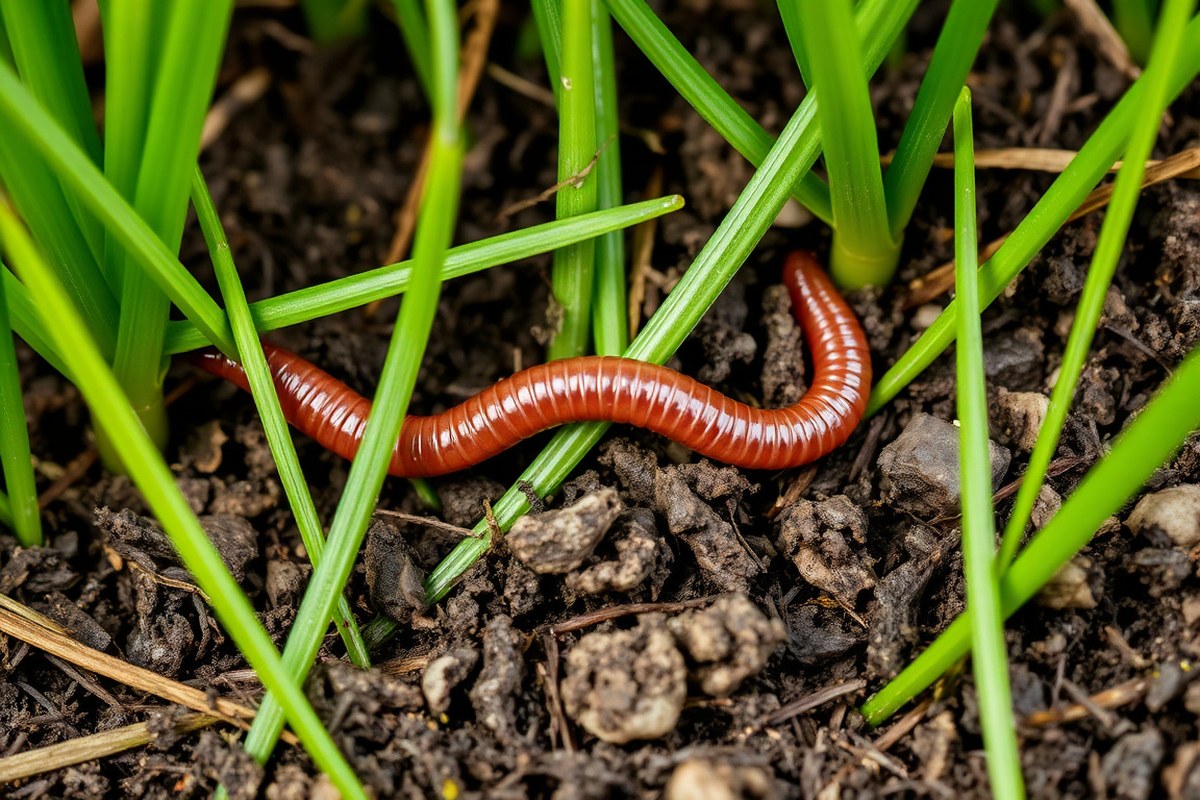
Do worms eat grass? No, they don’t eat living grass blades. They prefer dead grass clippings and other organic matter in the soil.
Worms break down lawn debris and recycle nutrients back into the earth. Their waste enriches your soil naturally. You’ll often find worms a few inches below the lawn’s surface.
Worms like moist, cool soil and come out more during these conditions. Healthy worm activity improves soil structure and strengthens grass roots. Keeping your lawn moist supports this activity.
Avoid overusing harsh chemicals and cut cool-season grass about 3 to 4 inches tall. This helps the grass stay strong and creates a good environment for worms. Strong grass and healthy worms keep your lawn green and healthy.
Key Takeaways
- Worms primarily eat grass clippings, not living grass blades.
- Worm excrement adds important nutrients and improves soil texture.
- Moist, cool soil encourages worm activity and breaks down lawn waste.
- Proper lawn mowing height supports the worms and soil health.
- Worms typically live 4 to 6 inches below the lawn surface.
- Too many worms are rare and usually don’t harm your grass.
Do Worms Eat Grass or Just Grass Clippings?
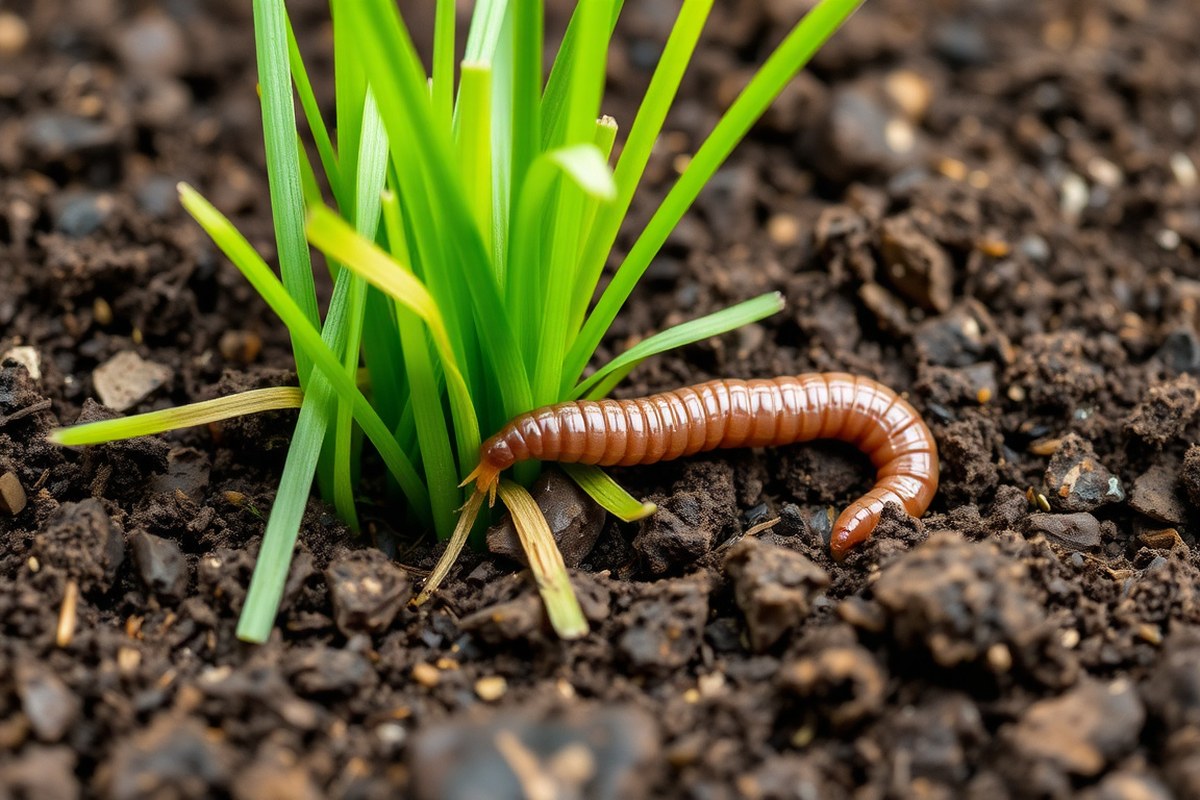
Earthworms do not eat living grass blades or roots. They avoid living grass because it is too tough. It lacks the right nutrients.
It also doesn’t hold enough moisture for them. You might see worms pulling grass blades into their burrows at night. But they are only gathering dead or decaying material.
Worms eat the dead parts of grass, like clippings you leave on your lawn after mowing. These clippings break down over time and become soft, which worms can easily digest.
They eat dead organic stuff like fallen leaves and old roots. This turns into nutrient-rich soil.
Worms can survive and even thrive on a diet mainly made up of grass clippings. Composting worms do well in a backyard composter. Fill it with grass clippings and scraps.
The worms eat the rotting grass and break it down. This helps improve soil quality. It also helps your lawn grow healthier.
Types of Lawn Worms and Their Diets Compared

Several types of worms live in lawns and have different diets related to grass. Most worms don’t eat living grass. They eat organic matter and dead grass.
This happens near the soil surface. Knowing which worms do what helps you understand lawn health and soil quality better.
Nightcrawlers and Their Feeding Habits
Nightcrawlers are large earthworms that burrow deeply into the soil. They feed on organic debris. This includes dead leaves and grass clippings.
These fall on the lawn surface. These worms don’t eat living grass but munch through the thatch layer just above the soil.
They create tunnels that improve soil aeration. Nightcrawler activity mixes organic matter deep into the soil, helping grass roots access nutrients.
Worm castings can make small bumps on your lawn. These bumps can bother your mower sometimes.
Red Worms: Surface Dwellers and Grass Consumers
Red worms live close to the soil surface, often in the top few inches. They focus on decomposing organic matter, including dead grass and leaves. These worms process the surface-level debris, turning it into nutrient-rich material that supports grass growth.
Unlike nightcrawlers, red worms tend to stay near the surface and will not burrow deeply. They do not eat living grass roots but help break down grass clippings. Their activity favors lawns with higher organic matter and slightly acidic to neutral pH.
Endogeic Earthworms: Soil Feeders Versus Grass Feeders
Endogeic earthworms live within the soil, feeding on organic matter mixed with raw soil particles. They swallow soil to extract nutrients from dead plant and animal matter within it. These worms avoid consuming actual grass blades or roots.
Endogeic worms help mix organic material into the soil and improve its texture. They do not damage your lawn while feeding.
Patches of dead grass usually indicate pests like cutworms or grubs are present. Healthy lawns typically contain between 25 and 50 earthworms per square foot in the top 6 inches of soil.
Here’s a table listing common lawn worms and pests. It shows their food habits. It also notes when they are active.
| Worm or Pest | Feeding Habit | Active Season | Visual ID |
|---|---|---|---|
| Nightcrawlers | Feed on organic debris on the surface and in soil | Year-round where soil stays moist | Large, 3-8 inches, thick segmented body |
| Red Worms | Consume dead grass and leaves near soil surface | Spring to Fall | Small, reddish, 2-3 inches long |
| Endogeic Earthworms | Eat organic matter mixed with soil particles | Spring to Fall | Medium sized, pale to pink |
| Cutworms/Armyworms | Feed on living grass blades | Late Spring to Early Fall | 1-2 inch fleshy caterpillars |
| Lawn Grubs | Larvae feed on grass roots | Late Summer to Mid-Fall | White C-shaped larvae with brown heads |
Understanding worm species helps distinguish between beneficial soil creatures and pests that harm grass. Feeding habits show which worms recycle dead grass and which pests damage living grass roots.
Keep your lawn moist but not soaked. Worms like damp soil but can drown in waterlogged areas.
How Worms Help Break Down Grass Clippings
Worms eat and break down grass clippings on your lawn. They pull the clippings into their burrows and digest them. This recycling process releases nutrients that feed your soil and grass.
Step 1: Worm Attraction to Fresh Grass Clippings
Worms are drawn to fresh grass clippings because they are rich in nitrogen. This nutrient makes the clippings a tasty and valuable food source for them. Keeping your lawn moist encourages more worm activity and faster clipping breakdown.
Smaller grass pieces break down faster and are easier for worms. Using a mulching mower helps chop clippings into small bits. These bite-sized pieces suit worms’ feeding and movement in the soil.
Step 2: Microbial Breakdown Facilitated by Worms
Once worms pull clippings into their tunnels, microbes start breaking down the organic matter. Worms help spread these microbes by grinding the clippings in their digestive systems. This speeds decomposition and nutrient release compared to clippings sitting on the surface.
Temperature and moisture affect how fast clippings decompose. Warm and damp conditions let worms and microbes work faster. Cool or dry weather slows the process, sometimes taking weeks instead of days.
Step 3: Production and Benefits of Worm Castings
Worms digest grass clippings and produce castings, or worm poop. These castings are rich in nitrogen, phosphorus, and potassium. Applying castings to soil improves its texture, aeration, and nutrient content for healthier grass.
Soil castings appear as small pellets on the lawn in spring and fall. Breaking up these pellets with a flexible drag mat helps redistribute nutrients evenly. Over a mowing season, worms recycle significant organic matter, boosting lawn health.
Here are steps to help worms break down grass clippings effectively:
- Use a mulching mower to cut grass into small pieces.
- Leave clippings on the lawn surface after mowing.
- Water your lawn consistently to keep soil moist but not soggy.
- Encourage worm activity by avoiding harsh chemicals and excess fertilizers.
- Check soil by digging 4 to 6 inches to see worms and castings.
- Break up dry castings with a drag mat to spread nutrients.
- Repeat mowing and leaving clippings regularly throughout the growing season.
- Consider spreading grass clippings over garden beds to feed worms there.
Why Worms Don’t Damage Living Grass or Roots
Earthworms do not eat live grass or grass roots. They feed mainly on dead plant material and organic matter in the soil. This means they aren’t a threat to the living parts of your lawn.
Sometimes, worm activity causes small bumps or holes in soil. These bumps can make your lawn look uneven and cause concern.
To check, dig a 6-inch hole in a bumpy area. Finding many worms usually means good worm activity, not grass damage.
Many people confuse earthworms with grubs, which are different pests. Grubs are white, C-shaped larvae that do eat live grass roots and cause lawn damage.
When you dig into a damaged patch, you might find worms and grubs together. Worms are actually helping soil health, while grubs cause the damage.
To tell if worms or grubs are the problem, use a two-step check. Dig a small hole in the affected lawn area. Make it 6 inches deep and wide.
Spot C-shaped white larvae near roots? These are grubs that may need treatment.
See mostly worms? That means your lawn is probably healthy.
Understanding this difference helps you avoid unnecessary treatments that can harm good worms. Worms improve soil by breaking down organic matter and making nutrients easier for grass to absorb. So, seeing worms in your lawn usually means better soil, not harm to your grass roots.
How Worm Activity Improves Soil and Grass Health
Worm activity benefits your lawn by improving soil structure and helping nutrient cycling. Their tunnels break up compacted soil, allowing water to reach deeper roots. This better water penetration means your grass can access moisture even during dry spells.
The tunnels also let air reach grass roots along with helpful microorganisms. When oxygen reaches roots, grass grows stronger and resists stress better. Worm castings act like natural fertilizer by slowly releasing nutrients your grass needs over time.
Adding worms or boosting their natural presence can improve soil quality noticeably within months. In warm seasons, worms stay near the surface, creating networks of tunnels a few inches deep. These tunnels help drain excess water while holding moisture when it’s dry, creating balanced soil conditions.
Improved soil structure means less compaction, so your lawn needs fewer chemical fertilizers. Worm castings contain nutrients like nitrogen, phosphorus, and potassium in forms plants can absorb. Using their natural fertilizer reduces costs and risks linked to synthetic products.
Keep your lawn moist to welcome worms. Avoid adding too much lime if your soil is neutral or alkaline. Worms thrive better in these conditions.
Worms thrive best when soil temperatures range between 60 and 90 degrees Fahrenheit. Water right after planting worms to help them settle in the root zone quickly.
Keep the soil moist and avoid harsh chemicals to encourage worm activity in your lawn.
Optimal Lawn Conditions for Beneficial Worm Populations
Worms prefer soil pH between 6.0 and 7.0. This range keeps soil nutrients balanced and easy for worms to digest. You can measure pH using a home test kit that costs around $10 to $20.
Test your soil’s acidity. Use lime or sulfur as directed to fix it.
Moisture is important for worm survival. Worms rely on soil moisture because they breathe through their skin, which needs to stay damp. Too dry soil sends them deeper or out of the area.
You want soil that stays moist but drains well, not soggy or bone dry. Water your lawn during dry spells to keep this balance.
Worms do best when soil contains about 2 to 5 percent organic matter by weight. Adding compost, grass clippings, or leaves raises this level. This keeps worms close to the surface, letting them enrich the soil and maintain 25 to 50 worms per square foot in the upper 6 inches.
- Test soil pH and adjust to 6.0, 7.0 with lime or sulfur.
- Keep soil moist by watering deeply once or twice a week in dry weather.
- Add a thin layer of compost or organic mulch annually.
- Avoid overusing chemical pesticides that harm worms.
- Prevent soil compaction by limiting foot and vehicle traffic.
- Collect and return grass clippings to feed worms naturally.
Perform these steps consistently over 2 to 3 years. Worm activity will increase as organic matter and moisture improve.
Watch for small, moist soil castings on the lawn surface, signs worms are active and healthy. Avoid chronic soil saturation or compacted areas because worms leave these habitats quickly.
Identifying When Worms Become a Lawn Issue
Generally, worms don’t harm grass, but too many can create problems. A healthy lawn has around 25 to 50 worms per square foot in the top 6 inches of soil. When numbers go above 100 per square foot, their burrowing forms small raised piles called worm castings.
These worm castings look like small piles of rich soil on the grass. They cause bumps and rough spots but are not the same as pest damage.
Pest damage often shows as chewed grass blades or brown patches. Worm castings are mostly surface soil shifts that don’t kill grass.
Check your lawn by looking closely at the grass blades and soil surface. Seeing worm castings spread evenly with no brown or wilting grass means worms likely caused the uneven spots. Grass blades that look eaten or have holes point to other pests.
You might have grubs or insects causing the damage. Check carefully to know which pests you have.
Intervention is recommended only if worm activity creates a problem. More than 10 worm casting piles in each square yard can make bumps you can notice. These bumps might make mowing harder or cause uneven grass growth.
Watch for these signs when mowing your lawn. You can gently rake the castings away or water the lawn to help settle the soil.
In cases of very high worm populations, think about why there are so many worms. Worms thrive in moist, organic-rich soil with plenty of dead grass clippings. Overwatering or excess organic matter might be tempting them to multiply too quickly.
Reducing excessive watering can discourage worms bouncing their numbers too high. Try mowing often and bagging clippings to lower organic buildup.
Avoid harsh chemicals that might kill worms. They help soil health but only when their numbers stay balanced.
Worms cause lawn damage mainly when their population goes past a certain limit. Aim to keep worm numbers below 100 per square foot in the top 6 inches of soil.
This helps maintain an even soil surface, smooth grass, and makes lawn care easier. You can monitor worm levels by digging small test holes regularly.
To count worms, use a spade to dig a hole 6 inches deep and 1 square foot wide. Look inside and count all the worms you find there. This method gives a good estimate of worm numbers.
Repeat this in a few spots to get an average. Take action if you see more than 10 worm castings per square yard often. Also act if the soil looks bumpy or uneven because of worms.
Practical Lawn Care Tips to Encourage Helpful Worms
Practical Lawn Care Tips to Encourage Helpful Worms
Worms need a steady supply of organic material and stable conditions to thrive in your yard. By managing grass clippings, watering smartly, and adding organic matter, you can build a worm-friendly lawn. These steps support healthy soil and better grass growth with less work on your part.
Step 1: Leave Grass Clippings on Lawn After Mowing
Keep grass clippings on your lawn to feed worms with decaying organic matter. Clippings supply nutrients as they break down.
But they don’t make a full diet for worms. Adding other organic materials helps attract and sustain them.
Here’s a simple way to manage your cuttings and support worms:
- Mow regularly to keep grass blades short (2-3 inches tall).
- Use a mulching mower or set your mower to a high height to chop clippings finely.
- Leave clippings evenly spread; don’t rake or bag them.
- Avoid piling clippings, which can smother grass and slow decay.
- Adjust mowing frequency so clippings decompose before next cut.
Don’t remove clippings unless your lawn is diseased or overly thick.
Step 2: Maintain Consistent Moisture Without Overwatering
Worms need moist soil to move and feed, but standing water hurts them. Water your lawn deeply once or twice weekly. Do this early in the morning.
Keep the soil damp but not soggy. This fosters worm activity and root growth.
Watch for dry patches or overly wet spots. Adjust irrigation as needed, especially in summer or during heavy rains.
Step 3: Add Organic Matter and Avoid Harsh Chemicals
Adding organic materials like leaves, fruit peels, and eggshells creates better worm habitats. Mix them lightly into soil or your compost pile before spreading on the lawn. This helps worms digest the material and feed well.
Avoid using pesticides and synthetic fertilizers frequently. These can harm worms or reduce their food sources. Choose slow-release or organic fertilizers if nutrients are needed.
Step 4: Test and Adjust Soil pH for Worm Comfort
Worms prefer soil pH near neutral (6.5 to 7). Acidic or alkaline soil can limit worm populations. Test your soil every few years using a DIY kit or local extension service.
Check the soil pH first. Add lime to raise it or sulfur to lower it. Follow package rates carefully and apply before planting season.
Step-by-Step Action Plan for Healthy Worms and Lawn
Use these steps to support worms in your lawn and keep grass strong. This plan helps you learn worm effects and improve soil naturally.
- Day 1: Rake up and mulch grass clippings to feed worms. Check that clippings stay moist but not soggy.
- Week 1: Test soil moisture with a finger. Water lightly if dry to boost worm activity.
- Week 2: Topdress lawn with a thin layer of compost. Look for more worms or worm castings after two weeks.
- Month 1: Avoid heavy pesticides or fertilizers that harm worms. Watch for greener, thicker grass as a good sign.
- Weekly: Aerate lawn every few weeks where soil is compacted. This helps worms breathe and move freely.
- Month 2: Add organic mulch around trees or flower beds nearby. Worms will spread and benefit the whole lawn.
- Seasonal: Check for signs of pest worms damaging grass roots. Use targeted control only if damage appears.
Frequently Asked Questions
Can Worms Survive Eating Only Grass Clippings?
Yes, many worms can survive on mostly grass clippings. They get enough nutrients as the clippings break down and feed soil microbes worms rely on. Adding other organic matter helps them thrive even better.
Do Worms Prefer Fresh Grass or Dead Grass?
Worms prefer dead grass because it is easier to digest. Fresh grass is tougher and holds more moisture than old grass. Worms focus on the thatch layer and decaying stuff below the surface.
They avoid fresh grass and eat dead material instead. This keeps living grass roots safe.
How Deep Do Worms Go in the Lawn Soil?
Worms often burrow 4 to 8 inches deep but sometimes reach over a foot down. Worms stay near the surface when moisture and temperature are good.
This helps air get into the soil around grass roots. They dig tunnels that let oxygen reach the roots.
Does Worm Activity Vary with Lawn Watering?
Yes, worms are more active in well-watered lawns. Dry lawn conditions force worms deeper underground or cause them to die off. Keeping soil moist encourages worms to surface and break down grass clippings more effectively.
Why Do Worms Pull Grass Blades into Their Burrows?
Worms pull grass blades into burrows to break them down as food or to create bedding. Worms don’t harm living grass.
They help recycle nutrients in the soil. This makes the soil structure better around the roots.
Can Worms Overpopulate and Harm My Lawn?
Worms rarely overpopulate in healthy lawns and don’t harm the grass. Too many worm castings can mean your soil is too rich.
Proper lawn care can help keep worm numbers balanced. This prevents problems from having too many worms.
The Bottom Line
Worms don’t eat live grass but help break down clippings and improve soil. You can grow a healthier lawn by encouraging worms the right way. Start by mulching clippings and keeping soil moist for the best worm activity.