What Is Normal Inside Humidity? A Complete Guide to Ideal Levels and Control
What is normal inside humidity? Most homes should aim for 30% to 50% relative humidity.
This range keeps the air comfortable and protects your home from moisture problems. Avoid letting humidity climb above 60% to reduce mold risks and damage.
Humidity below 30% makes the air dry and uncomfortable. It is common during cold winter months when heaters pull moisture from the air. Keeping humidity near 40% during winter helps prevent dry skin, irritated eyes, and respiratory issues.
Maintaining the right humidity also helps prevent condensation on windows and surfaces. High moisture encourages mold growth, wood rot, and peeling paint. Very low humidity increases static shocks and can damage wood furniture or flooring.
Use a hygrometer to check your indoor humidity regularly. Running a humidifier or dehumidifier helps adjust levels when needed. Proper ventilation and sealing leaks also keep humidity balanced and your home safer.
Key Takeaways
- Keep indoor humidity between 30% and 50% for comfort and protection.
- Watch for humidity above 60%, as it raises mold and moisture risks.
- In winter, aim for around 40% humidity to avoid dry air problems.
- Low humidity often causes dry skin, nose irritation, and static shocks.
- Excess humidity leads to condensation and can damage windows or walls.
- Using a reliable hygrometer helps you track and control indoor humidity.
What Is Normal Inside Humidity and Why It Matters
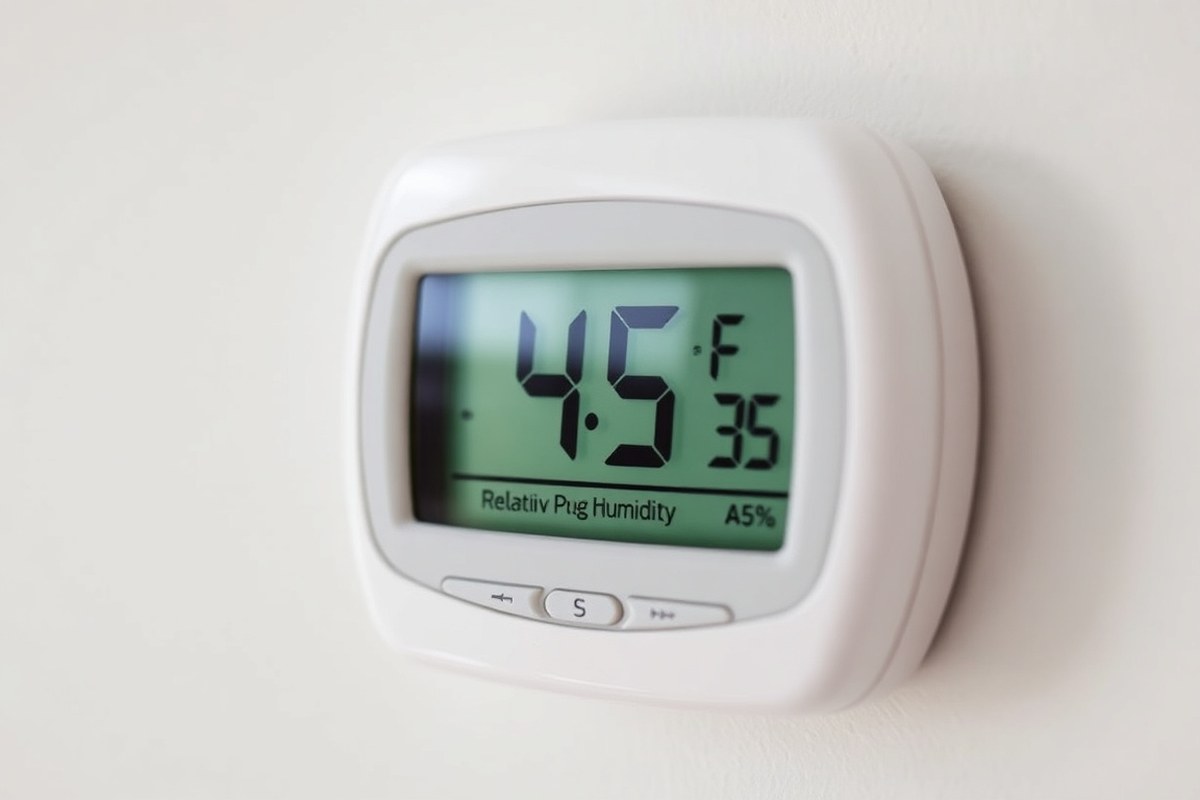
Normal indoor humidity usually falls between 30% and 50% relative humidity. Experts often suggest aiming for 40% to 60%, with a sweet spot around 45% to 55%. Staying within this range keeps you comfortable and helps protect your home from damage.
Humidity affects your health and home in clear ways. Humidity below 40% makes the air feel dry. This dryness can irritate your skin, nose, and throat.
You might notice discomfort after spending some time inside. Dry air also worsens respiratory problems and can make your home feel colder during winter.
On the flip side, humidity over 60% invites moisture buildup. This moisture can promote mold and dust mites, which trigger allergies and breathing issues. Your walls, wood floors, and furniture can also suffer damage from excess dampness.
Keeping humidity balanced means adding moisture when indoor air feels too dry. Using a humidifier in winter costs about $30 to $200 for a decent model. Running one keeps humidity closer to the 40%-50% range, easing dryness and protecting woodwork.
To lower high humidity, a dehumidifier or good ventilation helps. Fans in the kitchen and bathroom push damp air outside. This reduces moisture buildup and keeps your home’s humidity from rising too much.
At night, measuring humidity in your bedroom helps you spot trouble early. Digital hygrometers cost under $20 and show your room’s exact moisture level. Adjust your humidifier or dehumidifier until the number stays near 45% for better sleep and comfort.
How Indoor Humidity Levels Vary by Season and Room
Indoor humidity usually rises in summer because warm air holds more moisture. Summer humidity often hits above 60%, especially in the southern U.S. This makes dehumidifiers handy to keep air comfortable and mold risks low.
Winter brings drier air, dropping indoor humidity to about 30%, 40%. Using a humidifier helps prevent dry skin and cold surfaces inside.
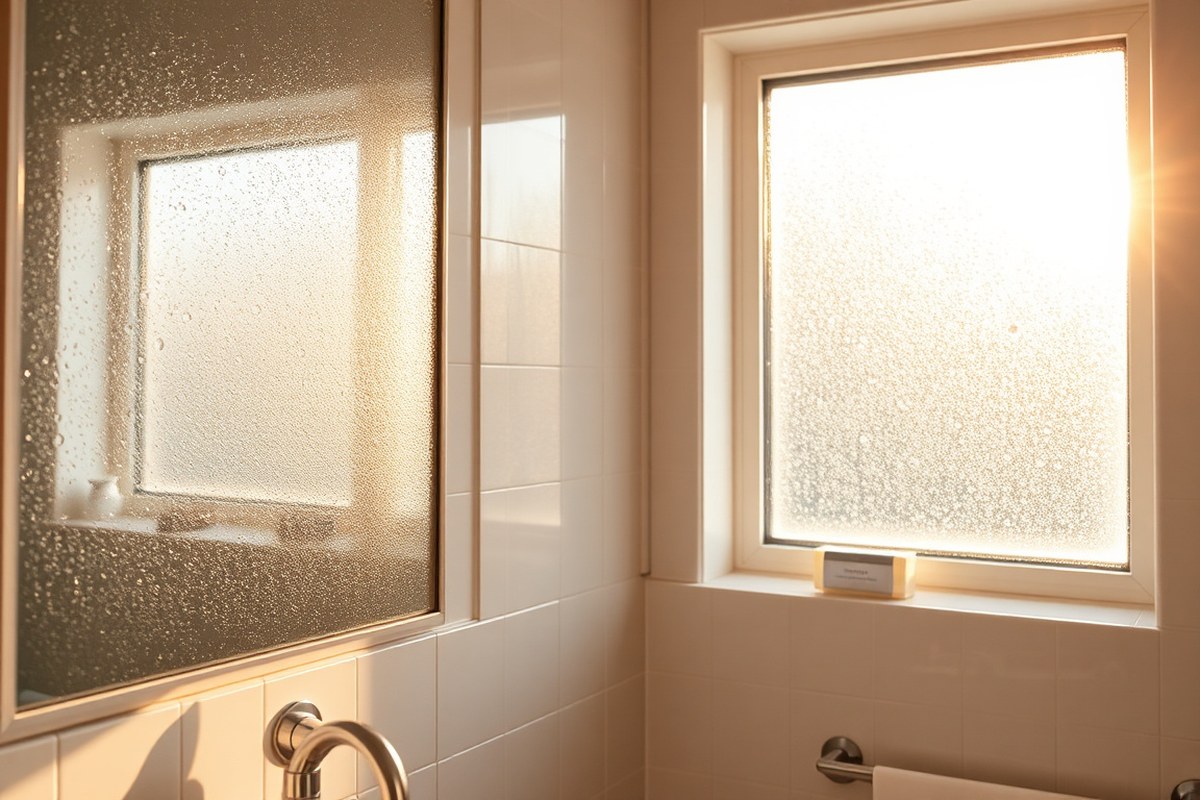
You’ll want to watch winter windows carefully. Too much humidity makes condensation form on them.
Different rooms also show different humidity patterns. Basements often feel damper because they are cooler and closer to ground moisture. Bathrooms have higher humidity after showers, which can push levels above 50% if ventilation is poor.
Bedrooms and living spaces usually keep humidity between 30% and 50%. This happens if your HVAC system works properly. Most homes reach this ideal range with good airflow.
This range helps you feel comfortable and safe from mold. The EPA says humidity should stay under 60%. Keeping it low reduces mold and dust mites.
| Room | Typical Humidity Range | Seasonal Notes |
|---|---|---|
| Bedroom | 30%, 50% | Maintains steady comfort year-round |
| Bathroom | 40%, 60% | Higher after showers, needs ventilation |
| Basement | 40%, 60% | Often more humid; watch for mold risk |
| Living Room | 30%, 50% | Varies with outdoor levels and activity |
Adjusting humidity comes down to small changes like using a humidifier or dehumidifier by season. Running a dehumidifier in summer keeps levels comfortable in sticky weather. In winter, a humidifier adds needed moisture to stop dry air symptoms.
Watch that winter humidity stays below 50% near cold windows to avoid condensation and damage.
Humidity levels change by season and room in your house. This helps you decide if you need extra moisture or dryness. A humidifier adds moisture, a dehumidifier removes it.
Monitoring with a hygrometer lets you check levels in each room and adjust as needed. Keeping control helps your health and protects your home.
How to Measure Indoor Humidity Accurately
Use a digital or analog hygrometer designed for indoor use. Place the device away from direct sunlight and drafts for accurate readings. Let it sit for at least 30 minutes before checking the results.
Choosing the Right Hygrometer
Digital hygrometers offer quick, easy-to-read humidity levels with a small screen. Analog models use a dial and can be less precise, but usually cost less. Choosing between these depends on your budget and preference for display style.
Look for a hygrometer that measures both humidity and temperature. This is helpful because temperature affects humidity and overall comfort. Prices vary from $10 for basic units to over $50 for models with extra features.
Calibration is important. Some digital hygrometers allow manual calibration using a salt test. This ensures the numbers closely match actual room conditions, improving reliability.
Best Locations for Measuring Room Humidity
Place the hygrometer about 3 to 6 feet off the floor to get typical living-air readings. Avoid corners and spots near windows, heating vents, or kitchen and bathroom sources. These areas can give false high or low readings.
Check rooms where you spend most of your time, like bedrooms and living rooms. Kitchens and bathrooms can have spikes from cooking or showers. These spikes make them less useful for general monitoring.
They don’t reflect overall indoor air quality well. Measuring multiple rooms helps if your house has uneven humidity.
- Avoid direct sunlight on the device, this can raise readings.
- Keep away from air conditioners or heaters that affect local moisture.
- Do not place near open windows or doors where outdoor air enters.
- Set it in a central area of the room for even air sampling.
- Keep it off walls and floors where moisture may accumulate.
Try moving the sensor around if you suspect unusual readings. This helps confirm your home’s true humidity levels for better control.
How to Read and Interpret Hygrometer Data
Wait at least 30 minutes after placing the hygrometer before reading it. This time lets the device adjust to the room’s moisture and temperature. Quick readings often misrepresent actual conditions.
Look for relative humidity between 30% and 50% for comfortable indoor air. Levels below 30% feel dry and can damage wood or wallpaper. Readings over 60% risk mold growth and home damage.
Check the device regularly to track how humidity changes with weather and room use. Make notes of times when humidity spikes or drops. This helps you decide when to use humidifiers, dehumidifiers, or ventilation.
Signs and Effects of High Indoor Humidity
High indoor humidity often causes mold and mildew growth. These thrive in damp conditions and can damage walls, ceilings, and furniture. Mold spores also reduce air quality and can trigger allergies and asthma.
You might notice a musty smell or see dark spots on surfaces. Condensation on windows or walls happens when a room is cold. It shows the humidity in that room is too high.
You should check the moisture levels inside. You could also spot peeling paint or warped wood, which happen when moisture seeps into materials.
Excess moisture affects your health too. It can worsen breathing problems and cause irritation of the eyes, nose, and throat. High humidity creates a breeding ground for dust mites, which often cause allergic reactions.
- Persistent damp or moldy odors in rooms
- Visible mold spots on walls, ceilings, or behind furniture
- Window or wall condensation lasting several hours or days
- Sticking doors or peeling paint due to swelling wood
- Increased allergy symptoms, such as sneezing or coughing indoors
- A feeling of clammy or muggy air inside your home
Keeping indoor humidity above 60% encourages these problems. Using a hygrometer helps you track the exact moisture level. Running a dehumidifier or improving ventilation reduces humidity effectively.
High humidity damages property and harms health in a few weeks. Mold removal can cost thousands, and untreated allergies can lower your quality of life. Watch for early signs and act quickly to protect your home and comfort.
Symptoms and Risks of Low Indoor Humidity
Low indoor humidity often leads to health symptoms like a bloody nose and sore throat. You might also notice flu-like symptoms, dry and itchy skin, or chapped lips. These symptoms happen because dry air saps moisture from your body’s surface and respiratory tract.
Besides health, low humidity harms your home. Wood furniture and flooring can crack and peel. Electronics may collect more dust that clogs vents and shortens their lifespan.
Look for these signs that indicate your indoor air is too dry:
- Cracked or peeling paint on wood surfaces
- Dry, itchy skin and irritated eyes
- Nosebleeds or frequent sore throats
- Increased static electricity shocks
- Spider webs or more dust buildup than usual
- Cracked or chapped lips
Air below 30% humidity often causes these issues. Aim to keep indoor humidity between 30% and 50% for comfort and safety.
Check indoor humidity with a digital hygrometer. Adjust your humidifier settings to fix dryness as soon as symptoms start.
Effective Ways to Raise Indoor Humidity Safely
Adding moisture to dry indoor air helps you feel more comfortable and protects your home. You can raise humidity safely with humidifiers or natural tricks. Avoid adding too much moisture, which can cause condensation or mold.
Using Humidifiers and Their Types
Humidifiers safely add moisture to the air by releasing water vapor. You can find models that fit small rooms or entire homes. Choose one with an adjustable humidistat to keep levels between 30% and 50% humidity.
There are three main types: ultrasonic, evaporative, and steam vaporizers. Ultrasonic models use vibrating plates to create cool mist and cost about $30 to $150. Evaporative humidifiers blow air through a wet wick filter.
They stay cleaner but need regular wick changes. Steam vaporizers boil water and release warm mist. They cost more electricity but also kill bacteria in the water.
Run a humidifier on dry days or during winter heating. Empty and clean it daily or weekly to prevent mold and bacteria growth.
Natural Methods to Increase Humidity
You can raise humidity without devices by adding water to your home’s air in simple ways. These methods cost nothing and require less upkeep but work best for small spaces.
- Place bowls of water near heat sources to help it evaporate
- Dry laundry indoors on racks instead of using a dryer
- Keep houseplants that release moisture through leaves
- Leave the bathroom door open after a warm shower
- Simmer water with herbs or citrus on the stove
- Use a wet sponge or cloth in a sunny spot to dry
Warm air holds more moisture, so these methods work well near heat vents. Check humidity levels to ensure you don’t add too much moisture.
Tips for Avoiding Over-Humidification
Too much indoor humidity causes sweating windows and can lead to mold. Monitor humidity with a hygrometer to keep it between 30% and 50%.
Stop adding moisture if you see condensation on windows, walls, or pipes. Excess moisture also feels heavy and muggy and can trigger dust mites. Keep rooms ventilated to balance humidity and prevent trapped moisture.
Be cautious in basements or bathrooms, where moisture builds more easily. You might need a dehumidifier there instead of a humidifier. Always fix water leaks or drainage problems before raising humidity.
How to Lower Excess Indoor Humidity Effectively
Lowering excess indoor humidity means reducing moisture and boosting airflow. Dehumidifiers work best in damp rooms. Proper ventilation helps stop moisture from building up again.
Installing and Using Dehumidifiers
Choose a dehumidifier sized for the room. For a medium room, a 30-pint unit usually works well. Bigger spaces may need a 50-pint model to handle more moisture.
Place the device in an area where moisture collects, like basements or bathrooms. Run it daily until humidity hits 30% to 50%. Keep doors and windows closed during use.
Empty the water tank regularly or use a hose for continuous drainage. Clean the filter once a month to keep it running efficiently. Dehumidifiers typically cost between $150 and $300.
Improving Airflow and Ventilation
Ventilation removes moist air and brings in drier air outside. Use exhaust fans in kitchens and bathrooms to vent humidity outside directly. Running fans during and after showers limits moisture buildup.
Open windows for 5 to 10 minutes a day when outdoor humidity is lower. This exchange helps balance indoor moisture and fresh air. Consider installing air vents or trickle vents to keep air moving consistently.
Check that your HVAC system’s air filters are clean. Dirty filters reduce airflow and allow moisture to stay inside. Professional duct cleaning every few years also helps ventilation perform better.
Routine Steps to Prevent Humidity Build-Up
Moisture sources inside need control to stop excess humidity. Check for leaks under sinks, around windows, or water heaters. Fix any water issues to reduce continuous dampness.
- Use a moisture-proof cover on crawl spaces
- Dry clothes outside or in a vented dryer
- Keep houseplants to a minimum since they release moisture
- Run kitchen and bathroom fans during cooking or bathing
- Keep indoor temperature steady between 68°F and 72°F
- Seal cracks in walls and foundations that let moisture in
- Use absorbent materials like silica gel in storage areas
Regularly monitoring humidity with a hygrometer helps you catch problems early. Aim to keep levels below 50% to avoid mold and dust mites. Immediate action stops damage to your home and helps with allergies.
Common Mistakes and When to Seek Professional Help
Many people keep making the same mistakes that stop indoor humidity from balancing. Overusing humidifiers or dehumidifiers is one of them. Running these devices without stopping can raise humidity too high.
It can also drop humidity too low. Those changes may cause allergies or dry skin.
Ignoring ventilation problems often lets humidity stay out of control. Blocked vents or poor airflow trap moist air inside. Check for hidden leaks regularly.
Look for water damage too. This helps stop mold and mildew from growing.
Knowing when to call a pro is key. See lasting condensation on windows, musty air, or mold spots after basic fixes?
Call a professional for help then. They offer services that can solve hidden issues behind your humidity problems.
- Inspect and fix HVAC or ventilation systems
- Test for hidden leaks or poor insulation
- Install whole-house humidifiers or dehumidifiers
- Seal crawl spaces and basements from moisture
- Recommend specialized air quality and moisture controls
Experts can measure humidity precisely over time and adjust equipment settings. They also spot things you might miss, like damp walls or clogged drainage pipes.
Costs for professional humidity control checks usually start near $200. The price rises for bigger or more complex jobs.
Waiting too long to get professional advice risks serious health effects. Excess moisture causes dust mites and mold, which bring breathing troubles.
Too dry air leads to cracked skin and sore throats. Acting quickly helps keep your home comfy and safe for your family.
Don’t rely only on a simple hygrometer. Professionals use more accurate tools to diagnose hidden humidity issues.
Step-by-Step Action Plan for Maintaining Ideal Indoor Humidity
Use this plan to get and keep your home’s humidity in the right range. Follow the steps below and watch for clear signs of improvement.
- Day 1: Buy a reliable hygrometer. Check your home’s humidity levels in different rooms. Note the readings between 30% and 50% as ideal.
- Week 1: Adjust your humidifier or dehumidifier settings based on your readings. See if humidity moves closer to the ideal range over several days.
- Week 2: Control sources of moisture like leaks or poor ventilation. You’ll notice less musty smells or condensation on windows.
- Week 3: Ventilate your home regularly, especially after showers or cooking. Check humidity readings before and after to confirm changes.
- Month 1: Inspect your HVAC system’s filters and vents. Clean or replace parts as needed to help regulate indoor moisture.
- After 6 Weeks: If your humidity is still too high or low, ask a professional for help. They can offer advice or test your indoor air. Don’t ignore it if the problem continues.
Frequently Asked Questions
What Is the Ideal Indoor Humidity for Comfort?
The ideal indoor humidity usually ranges from 30% to 50%. This range keeps the air comfortable and helps avoid mold or dryness.
Can Indoor Humidity Affect Allergies or Asthma?
Yes, improper humidity can worsen allergies and asthma. Keeping it between 30% and 50% helps reduce irritants and dust mites.
How Does Indoor Humidity Change with Seasons?
Humidity often rises in summer and falls in winter. You might need a humidifier in winter and a dehumidifier in summer.
Is There a Perfect Humidity Level for Every Room?
Different rooms need slightly different humidity levels. For example, bedrooms do well at 35% to 50%. Bathrooms can tolerate short spikes.
Can Too Much Humidity Damage My Home?
Yes, humidity over 60% can cause mold and damage walls or furniture. It’s best to keep it below this level.
How Often Should I Check My Indoor Humidity?
Checking weekly is good during seasonal shifts, more if you notice moisture or dryness. A hygrometer helps track it easily.
Wrapping Up
Normal indoor humidity stays between 30% and 50% for comfort and health. Keep monitoring your home’s moisture levels to avoid problems. Start by measuring humidity today with a good hygrometer.