How to Raise Lavender Plants: A Complete Guide with Proven Care Tips
Pick a location that receives 6 to 8 hours of direct sunlight each day. Use sandy soil that drains well to support lavender growth. Aim for a soil pH ranging from 6.7 to 7.3 for the best results.
Space lavender plants 18 to 24 inches apart to allow air flow and room to grow. Water only when the top 2 inches of soil feel dry, as lavender prefers dry conditions.
Plant lavender in spring after the last frost, or plant established pots in fall for better growth. Regular pruning keeps plants healthy and encourages new blooms.
Lavender can live 15 to 20 years with proper care. This simple routine helps you enjoy its fragrant flowers for many seasons.
Key Takeaways
- Plant lavender after the last spring frost to avoid cold damage.
- Choose a spot with 6 to 8 hours of direct sunlight daily.
- Space plants 18 to 24 inches apart for healthy growth and airflow.
- Choose sandy soil that drains well for growing lavender. The soil should have a pH range from 6.7 to 7.3. This helps keep the roots healthy and happy.
- Water lavender only when the top 2 inches of soil feel dry.
- Prune regularly to encourage long lifespan and more blooms.
How to Plant Lavender for Best Growth

Start planting lavender during spring after the chance of frost ends. Make sure the soil feels warm but not overly hot. Lavender prefers sandy, well-drained soil with a pH level from 6.7 to 7.3.
Don’t plant lavender too close together. Leave 18 to 24 inches between plants to let roots spread and air circulate. For bigger varieties like lavandin, space plants wider than 24 inches.
Heavy or clay soil needs raised beds for planting lavender. This helps the roots stay dry and healthy.
A 8- to 12-inch mound or raised bed improves drainage. Lavender roots don’t do well in soggy soil and may rot or stunt.
- Pick the right spot: Choose a place with 6 to 8 hours of sun. Look for an open area with good air flow.
- Prepare the soil: Add sand or gravel if your soil is heavy. This improves drainage for lavender plants. Raised beds work well too.
- Dig shallow holes: Make holes just as deep as the lavender root ball for seedlings.
- Set spacing: Plant seedlings 18 to 24 inches apart, wider for larger varieties.
- Place seedlings carefully: Dig holes and gently spread the roots. Make sure plants sit no deeper than their original soil line.
- Fill and firm soil: Cover roots and press soil lightly to remove air pockets.
- Water sparingly: Water well at first, then only when top 2 inches of soil dry out.
- Mulch lightly: Cover soil with a thin layer of gravel or sand. This keeps the soil dry and stops weeds from growing.
Planting from seed takes longer and needs patience. Start seeds indoors 8 to 10 weeks before last frost.
Transplant seedlings outside after frost risk passes. Seedlings need the same soil and spacing as young plants bought from a nursery.
Selecting the Best Lavender Varieties for Your Climate

Choosing the right lavender variety depends on your climate and gardening space. English lavender, Lavandula angustifolia, is easiest for cold areas, surviving USDA zones 5 to 8. It grows 1 to 3 feet tall and smells great, making it perfect for harvesting oils.
Lavandin is a hybrid plant. It survives in zones 5 to 9. It grows about 3 feet wide.
It is often used for drying due to its strong scent and flower size. French lavender tends to stay bushier but smaller, with spreading growth and softer colors.
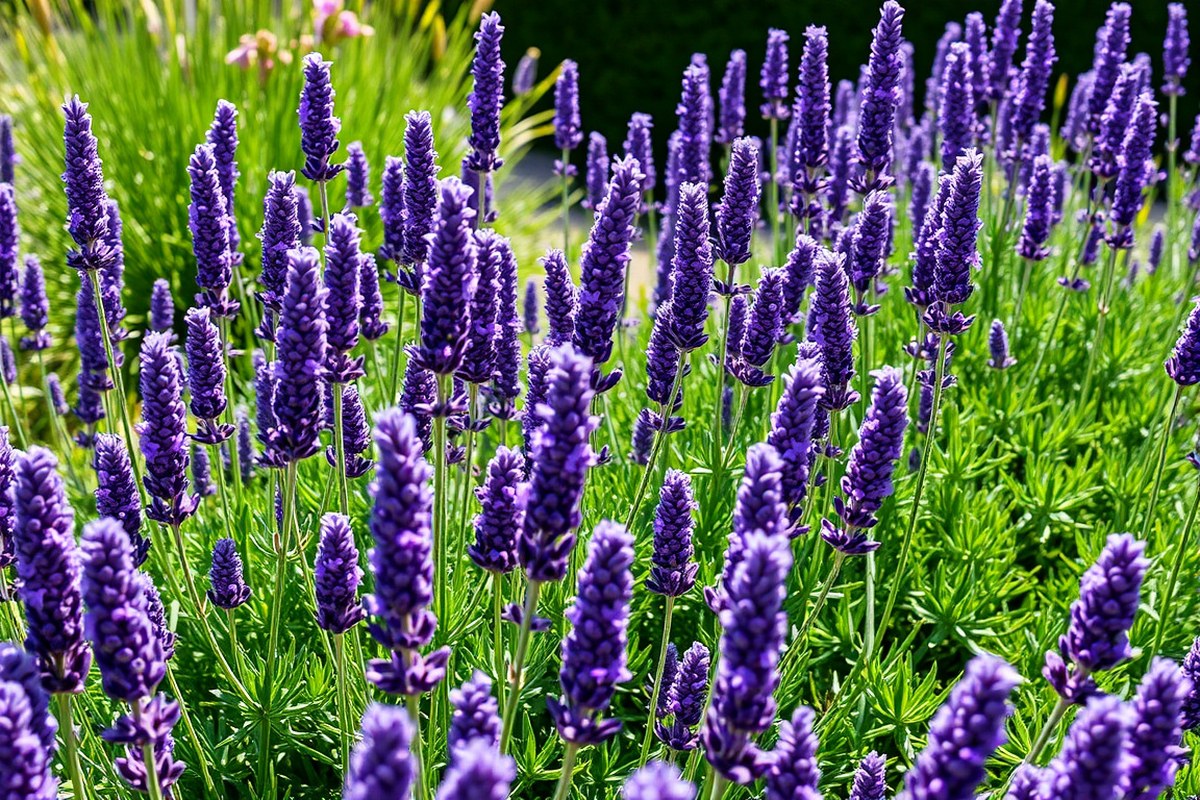
Lavender types differ in flower color and aroma. English lavender typically has deep purple flowers with a classic scent. Lavandin often shows larger flower spikes with varied purple tones and a stronger aroma.
French lavender has lighter flowers, such as mauve or pink. It smells distinctly but less strong. Size matters if you plant in pots or small gardens.
Lavenders usually grow 1 to 3 feet tall and wide. But Lavandin can get large and needs space and pruning.
| Lavender Type | Hardiness Zones | Flower Color | Growth Habit | Mature Size | Best Use |
|---|---|---|---|---|---|
| English Lavender (L. Angustifolia) | 5 to 8 | Deep purple | Upright, compact | 1 – 3 ft tall, 1 – 3 ft wide | Fragrance, oils |
| Lavandin (L. X intermedia) | 5 to 9 | Purple, varying tones | Large, vigorous | Up to 3 ft tall, wide | Drying, large bouquets |
| French Lavender | 6 to 9 (less hardy) | Mauve, pink, white | Bushy, spreading | Usually under 3 ft tall | Ornamental, fresh use |
Picking a lavender that fits your winter zone helps it thrive longer. Lavandin needs less fuss but more space and pruning. English lavender is more compact and highly fragrant, great for small gardens and oil use.
French lavender is less cold-hardy but adds flower and scent variety. All types need sun and well-drained soil to avoid root rot, especially in wet climates.
Check the hardiness zone on your plant label before buying to avoid losing lavender in winter.
Providing Ideal Sunlight, Soil, and Water Conditions
Lavender needs full sun to thrive, aiming for 8 to 10 hours every day. It does best in spots with direct sunlight, not dappled or partial shade. Choose a spot with no tall plants or buildings blocking light.
Less sun makes plants grow slower. It also hurts flowering.
The soil must drain well and lean toward alkaline. Clay or heavy soil hold too much water and harm roots. Add horticultural grit or sand to loosen soil around the root ball.
Plant lavender slightly raised above ground if your soil is heavy or clay-like. Avoid compost additions in the hole since rich, water-retentive soil can stress lavender. A raised bed or mound helps water flow away and reduces soggy roots.
Water young lavender plants weekly until they establish, then decrease frequency slowly. Mature lavender usually needs water only when deep soil feels fully dry. Overwatering is a common error, too much moisture invites root rot.
Check soil often in dry, hot places or pots. Water deeply but not too often. This keeps soil moist without overwatering.
Mulching is generally not recommended because mulch holds moisture and can cause fungal issues. Instead, a thin layer of light-colored pebbles works well. Pebbles bounce sunlight and warm the soil.
They help water drain well too. This matches how lavender likes light, dry soil.
Pruning Lavender to Encourage Growth and Longevity
Prune lavender just after flowering to keep it healthy and full. Cutting back about one-third prevents woody growth and helps new blooms form. Regular pruning extends the plant’s life and keeps it tidy.
Timing Your Lavender Pruning
Prune lavender right after its flowers fade in late summer. Waiting too long, past early September, risks stopping new growth before winter. Repeat light pruning in early spring before new shoots appear to shape the plant.
Annual pruning helps stop lavender from becoming woody at its base. Fall might be too late; spring pruning encourages fresh, bushy growth all season.
Techniques for Different Lavender Types
Hardy lavenders like Lavandula angustifolia handle pruning well. Leave about 6 inches of green growth when you prune. This helps the plant stay healthy.
This encourages thriving new shoots and keeps flowers coming. Less hardy types may need gentler cuts to avoid stress.
For all varieties, avoid cutting into old wood without leaves. It rarely grows back and leaves the plant bare. Trim dead flowers during summer to push more blooms until fall.
Tools Recommended for Pruning
Use sharp garden shears or secateurs for precise, clean cuts. This prevents tearing or damaging stems, which can invite disease. Clean your tools with rubbing alcohol before and after pruning to reduce infection risk.
Wear gloves to protect your hands from the plant’s rough branches. Keep tools handy and disinfected to smoothly maintain your lavender every year. Follow these steps to prune lavender correctly:
- Wait until after the main flowering period ends in late summer.
- Clean your pruning tools to prevent spreading disease.
- Cut back about one-third of the plant’s length, staying above woody stems.
- Leave minimum 6 inches of green stem to allow new growth.
- Remove any dead or damaged branches completely.
- Truncate spent flower stalks during summer to encourage more blooms.
- In early spring, prune lightly above fresh buds to shape the plant.
- Dispose of clippings away from garden beds to avoid fungal issues.
Propagating Lavender from Cuttings and Seeds
Propagating lavender works well from seeds or cuttings. Seeds need patience since they take years to bloom. Cuttings root faster and keep parent plant traits like scent and color.
Seed Germination Process and Timing
Growing lavender from seed requires cool, moist conditions. Seeds usually take several weeks to sprout, but plants need years to flower. You start them indoors in a seed tray with well-draining soil mix.
Keep the soil moist but not soggy. Place the tray in a spot where temperatures stay between 65 and 70°F. Check daily to keep it consistent. Light helps sprouting.
So use a windowsill or a grow light. Let seedlings grow a few inches tall.
Transplant them outside once frost danger is gone. Make sure the soil is warm before planting.
Taking and Rooting Cuttings
Take cuttings from healthy lavender plants between late spring and mid-summer. Choose 4- to 6-inch softwood or semi-ripe stems, just under a leaf node. Take off the bottom leaves of the cuttings.
Dip the ends in rooting hormone. Plant them in sandy, well-draining soil.
Keep cuttings moist and sheltered but avoid overwatering. Roots usually form within 4 to 6 weeks. Once roots form, move them to bigger pots or garden soil.
Do this in fall for better growth. This helps flowers bloom next year.
- Snip 4 to 6 inch stem from a healthy plant below a leaf node.
- Strip leaves off the bottom third of the cutting.
- Dip the cut end in rooting hormone powder or gel.
- Plant the cutting in a mix of sand and potting soil.
- Water lightly and cover with plastic or use a humidity dome.
- Place the pot in bright, indirect light at 65 to 70°F.
- Check moisture daily and mist if soil dries out.
- Once roots form after 4 to 6 weeks, transplant outdoors in fall.
Do not plant young cuttings in winter. Cold, wet soil causes root rot.
Caring for Young Lavender Plants
Water new lavender plants lightly but regularly until established. Avoid overwatering to keep roots healthy. Lavender prefers well-draining soil and lots of sun after transplanting.
Keep an eye on pests and diseases in early growth. Try pruning lightly once plants show new growth to encourage bushiness. Fall-planted lavender tends to flower better the next year than spring-planted.
Identifying and Solving Common Lavender Problems
Pests like aphids, spittlebugs, and whiteflies can attack lavender. You’ll spot aphids clustered on new shoots, sucking plant juices. Spittlebugs leave frothy white patches on stems, while whiteflies swirl around leaves when disturbed.
Control these using insecticidal soap or neem oil. Spray early morning or late evening. This avoids burning the leaves.
Root rot happens from too much water or poor drainage. Leaves droop and turn yellow. Roots become dark and mushy, not white and firm.
Leggy lavender or plants with few flowers usually get too little sun. The plant may be too deep in the soil. Adjust planting to fix this.
Lavender needs at least six hours of full sun for compact growth and flower production. Check if your plant is growing lower than its pot soil line, that can stress roots.
Replant so the root ball’s top sits level with surrounding soil. Trimming back leggy stems after flowering encourages bushiness and more buds.
Fungal diseases like gray mold spread in damp, crowded conditions. Keep lavender 12 to 18 inches apart for plenty of air flow. Avoid overhead watering to keep leaves dry.
Find gray mold? Prune the affected stems right away. Remove any fallen leaves quickly afterward.
Fungicides registered for garden use may help if the problem gets bad. But prevention by keeping roots dry works best.
Lavender keeps dying? Begin with a checklist to find the cause. Is the plant getting full sun?
Water about 1 gallon per plant each week in year one. Is the soil gritty and draining well? Brown, mushy roots or a rotting smell usually mean waterlogged roots.
So stop watering and transplant into better soil. Also, check for pests and remove any damaged leaves. Sometimes it’s best to throw out a hopeless plant.
Try again in a sunnier, drier place. Use a raised container for better drainage.
Harvesting and Drying Lavender for Maximum Scent and Use
Harvest lavender when the buds start showing color but are not fully open. Cut the stems just above new green growth to keep plants healthy. Dry flower bundles in a dark room with good airflow.
Keep the temperature moderate. This helps preserve their scent and color.
Timing Your Lavender Harvest
Pick lavender early in the morning after the dew dries. The temperature is cooler, and oils stay strong in the blooms. The scent and oil content peak just as the first two flowers open on each spike.
Wait until buds show color but avoid fully opened flowers. This timing gives the best fragrance for drying and cooking. Skip harvesting after the heat of the day to protect scent and oils.
Cutting Techniques for Flower Bundles
Use sharp pruning shears or a harvesting knife for clean cuts. Cut about 1/8 to 1/4 inch above new green growth. Avoid cutting into the woody base to help the plant regrow.
Gather stems into small bundles for easier drying and air flow. Handle the flowers gently to prevent bruising the petals. Remove any leaves on the lower part of the stems to reduce moisture.
Drying and Storing Lavender
Hang bundles upside down in a dark, dry, and ventilated spot. Keep the temperature between 60°F and 70°F to preserve color and aroma. Avoid direct sunlight to stop the flowers from fading.
The drying process usually takes about two weeks. Check the flowers every few days to make sure they dry evenly. Store completely dry lavender in airtight containers away from heat and light.
Follow these simple steps to harvest, dry, and store lavender well:
- Check the blooms for the first two open flowers on each spike.
- Cut stems just above fresh green growth with sharp pruners.
- Remove lower leaves to reduce moisture during drying.
- Tie stems into small bundles, securing them loosely.
- Hang bundles upside down in a cool, dark, and ventilated area.
- Let flowers dry for about 14 days, checking for even drying.
- Store dried lavender in airtight containers away from sunlight and heat.
Growing Lavender in Containers and Indoors Successfully
Lavender grows well in pots and indoors if you meet its needs. Choose a pot at least 12 inches wide with drainage holes. Use soil mix with equal parts potting soil, sand, and perlite.
This mix drains well and helps lavender roots stay healthy. Avoid heavy or waterlogged soil types. This mix prevents water from pooling and causing root rot.
Place the pot where lavender gets 6 to 8 hours of direct sunlight daily. A south-facing window or a sunroom works best. Natural light is limited?
Use a full-spectrum grow light for 10 to 12 hours. This helps the plant bloom and stay healthy.
Water potted lavender only when the top 1 to 2 inches of soil feels dry. Water thoroughly but avoid letting the pot sit in water. Excess moisture can kill lavender faster than drought.
Check soil moisture every 3 days in summer. Water less in winter when lavender rests. Monitor soil to prevent overwatering or drying out.
To protect lavender in cold months, place the pot on pot feet. You can also use small bricks to improve drainage. This stops water from pooling around roots.
Move lavender to a sheltered spot away from freezing winds. Or bring it indoors where temperatures stay above 40°F (4°C).
This keeps the plant safe from frost damage. Avoid drafts near heating vents since dry air can stress the plant.
Lavender’s dry origin makes it sensitive to humidity. Indoors, avoid misting the leaves. Using a fan to maintain airflow helps prevent fungal problems.
Winter indoors too moist? Place a humidity absorber nearby. This keeps soil and air moisture balanced, preventing mold and root issues.
Water lavender only when soil is dry. Never let water collect under the pot to prevent root rot.
Step-by-Step Action Plan for Growing Lavender
Start your lavender plants right with these simple steps. Follow them carefully to keep plants healthy and growing strong. You’ll enjoy vibrant lavender with good care.
- Before planting: Choose a sunny spot with well-draining soil. Test soil moisture after rain, water should drain within 30 minutes.
- Day 1: Plant lavender in holes twice as wide as root balls. Firm soil gently and water lightly. Plants should settle evenly.
- Week 1: Water lavender deeply twice a week if no rain falls. Check soil moisture by sticking your finger 1 inch deep. It should feel dry at that depth between waterings.
- Month 1: Watch for new growth near tips of stems. This means your lavender is taking root and doing well.
- Month 3: Prune lavender after flowering by cutting back one-third of the plant. New shoots will appear within 2 weeks.
- Month 4: Harvest lavender buds right before they fully open for best scent. Feel buds, they should be tight and firm.
- Ongoing: Check regularly for pests like aphids or mildew spots. Use natural insecticidal soap if needed and prune any diseased parts.
Frequently Asked Questions
How Deep Should I Plant Lavender Cuttings for Best Rooting?
Plant lavender cuttings about 1 to 2 inches deep in well-drained soil. This depth helps roots develop while keeping cuttings stable and moist enough for growth.
Can I Grow Lavender from Seeds Indoors?
Yes, you can start lavender seeds indoors 8 to 10 weeks before the last frost. Keep the soil warm and moist until seedlings sprout.
What Soil Amendments Improve Heavy Clay for Lavender?
Add sand or organic matter to heavy clay to improve drainage. Lavender roots need well-drained soil to prevent rot and promote healthy growth.
How Often Should I Fertilize Lavender Plants?
Fertilize lavender lightly once a year in early spring. Too much fertilizer can cause poor blooming and weak stems.
Is It Safe to Prune Lavender in Late Fall?
It’s better to prune lavender in early fall or after flowering. Late fall pruning may stress the plant before winter dormancy.
How Do I Protect Lavender Plants from Excessive Winter Moisture?
Plant lavender on a raised bed or slope to drain water away. Avoid wet winter soils to prevent root rot and fungal problems.
Key Points to Remember
Growing lavender takes some attention, but you’ll enjoy its beauty and scent. Start by planting in good soil and full sun. Then watch your lavender thrive as you follow simple care steps.