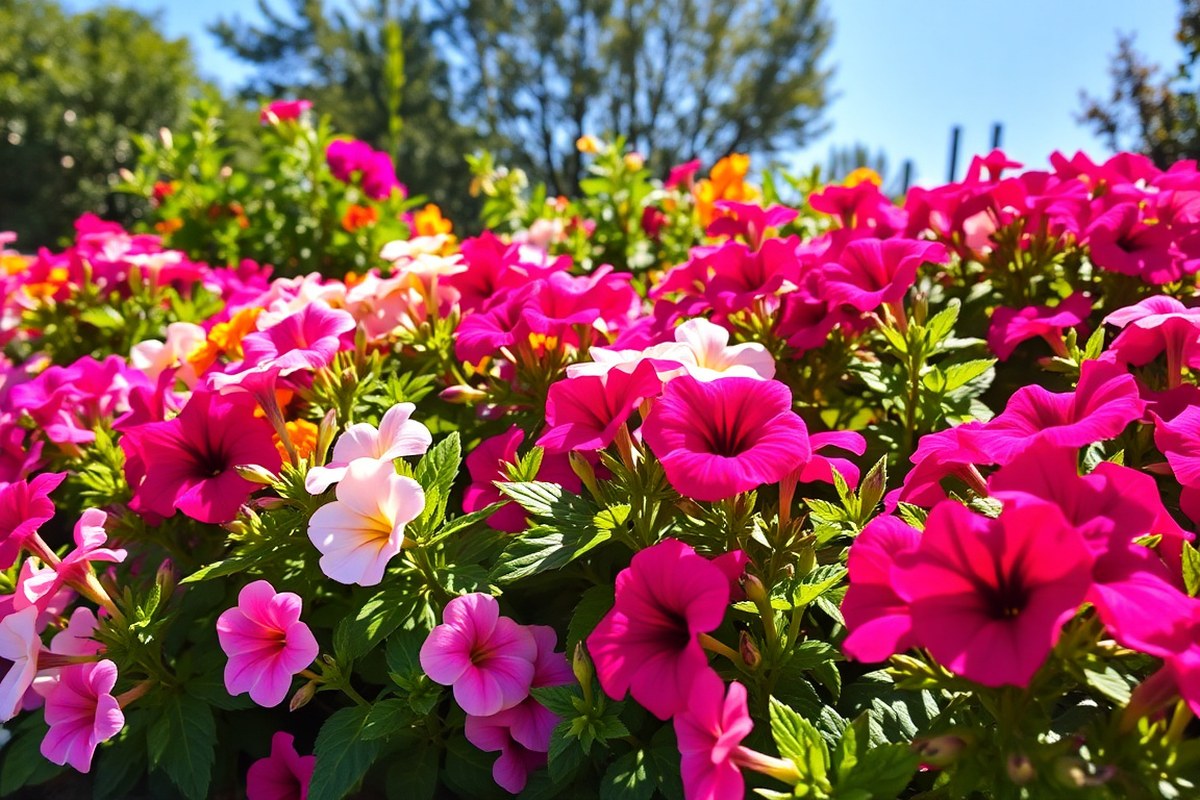
Do Petunias Need Full Sunlight? 8 Essential Tips for Thriving Flowers
Petunias grow best with 5 to 6 hours of direct sun each day. Less sunlight can cause them to stretch out and bloom less. They truly need plenty of sun to stay healthy and full.
Petunias perform best in full sun if temperatures stay below 90 °F. Higher heat can stress them, causing wilt and reduced flowering. Check the daily temperature carefully.
Move potted petunias to shade if it gets too hot. This protects them from heat stress.
Plant petunias where they get morning sun first. Give them some afternoon shade in hot areas. This helps avoid sunburn or wilting in strong heat.
Keep an eye on how much light your petunias get. Adjust the location if they look tired or pale.
Key Takeaways
- Petunias grow well when they get 5 to 6 hours of direct sunlight. This light amount supports strong growth and better flowers. Without it, they might struggle.
- They do best in full sun when temperatures remain below 90 °F.
- Too much heat above 90 °F can stress petunias and reduce blooms.
- Move potted petunias to partial shade during very hot afternoons.
- Plant in areas that provide morning sun and some afternoon shade in hot climates.
- Watch for leggy or pale leaves as signs of insufficient sunlight.
1. Do Petunias Need Full Sunlight to Thrive?

Petunias thrive under full sunlight. They require a minimum of six hours of direct sun daily. Without this, their growth slows and flower production drops.
At a minimum, petunias require between four and six hours of sunlight to survive. But their blooms won’t be as abundant. When petunias get less than four hours of sun, the flowers may not open.
The plants can also grow leggy. In areas with hot afternoon sun, some shade can help protect them from heat stress.
| Sunlight Hours | Growth Impact |
|---|---|
| 6+ hours (full sun) | Abundant, continuous blooms and compact plants |
| 4, 6 hours (partial sun) | Moderate blooms with slightly delayed flowering |
| 2, 3 hours | Few blooms and weak growth; buds often fail to open |
| Less than 2 hours (heavy shade) | Petunias with very little sun will have few flowers. Sometimes, they might not bloom at all. |
South-facing spots usually provide the best light for petunias. You can measure sunlight roughly with a simple light meter if you want to be precise. Busy gardeners should watch petunias closely.
Bright flowers and short stems show enough sun. If the plants look weak, they likely need more light.
Some petunia types, like wave or spreading ones, can do well with as little as four hours of sun. They still grow nicely with this amount.
Grandiflora types need seven to eight hours for the biggest flowers. Knowing your petunia type helps pick the right spot to meet their sun needs.
2. How Too Much Sun and Heat Can Affect Petunias

Petunias can get sunburned or scorched if the temperature climbs above 90 °F for several hours. This intense heat can cause leaf edges to brown and flowers to wilt. You’ll notice leaves curling or dry patches where sunlight hit too hard.
Protect your petunias during heat waves by providing shade during the hottest hours, usually early afternoon. Use shade cloth, garden umbrellas, or move container petunias to spots with dappled sunlight. Water plants deeply in the morning to reduce stress.
Avoid watering them in the direct midday sun. Watering under strong sun can burn the leaves.
Choosing a location with full sun for 6 to 8 hours a day is ideal. But in very hot climates, some afternoon shade helps prevent damage. Avoid spotlights that get more than eight hours of direct sun in scorching temperatures.
Watch for heat stress signs on your plants. Trim damaged leaves to help new growth appear.
Watch the temperature carefully; petunias suffer when it stays above 90 °F for hours.
3. Sunlight Requirements of Petunia Seedlings Versus Mature Plants
Petunia seedlings need light to germinate and grow but require gentler conditions than mature plants. Seedlings thrive under artificial or filtered light for several hours daily. Mature petunias need full sun outdoors to bloom well and stay sturdy.
Light Needs During Seed Germination
Petunia seeds need light to start germinating because they’re photosensitive. You shouldn’t cover the seeds deeply with soil. Instead, scatter them on the surface or barely cover with fine soil.
Use a bright spot or fluorescent light to trigger sprouting. About 12 hours of light daily helps seeds break dormancy.
It encourages them to start growing. This is a good light amount for petunias.
Optimal Indoor Light Duration for Seedlings
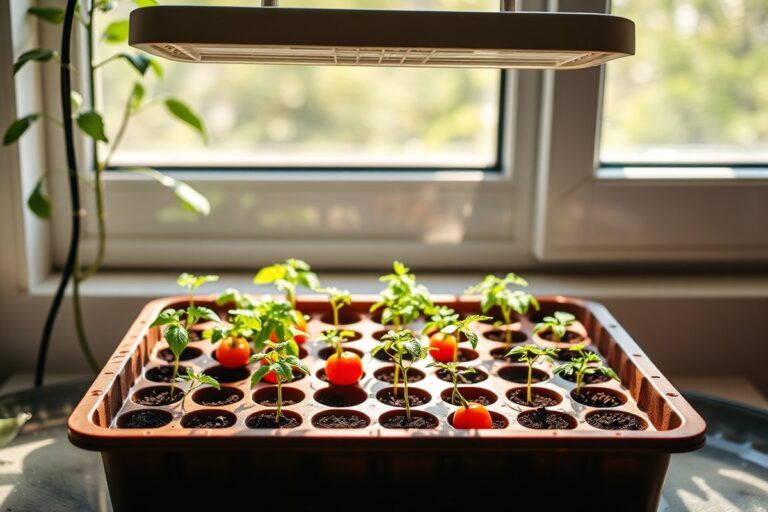
New petunia seedlings need at least 12 hours of light a day indoors. Fluorescent lights placed about 12 inches above seedlings are ideal. Keep the lights on a timer for consistent light exposure.
Running an oscillating fan nearby on a low setting helps airflow and prevents weak stems. Keep the fan about 3 feet away from seedlings.
Run it for 2 to 4 hours daily. This gently strengthens the seedlings.
Transitioning Seedlings to Outdoor Sunlight
Move seedlings outdoors after they grow their second or third set of true leaves. Give young petunias 1 to 2 hours of morning sun at first. Increase sun exposure slowly over 7 to 10 days.
This helps plants adjust safely. This process, called hardening off, helps seedlings adapt to full sun.
Aim for 6 to 8 hours of sunlight daily for young petunias outdoors. This helps roots grow strong. It also promotes bright, healthy blooms.
Avoid harsh midday sun at first to prevent burning or stress. Once acclimated, plant them in full sun for best flowering results.
- Start seeds on the soil surface under strong but indirect light
- Keep seedlings under 12 hours of fluorescent light daily indoors
- Use a low oscillating fan for 2, 4 hours to improve stem strength
- Wait for 2, 3 true leaves before moving seedlings outdoors
- Introduce outdoor sun gradually over 7, 10 days for hardening off
- Aim for 6+ hours of daily sunlight when planting outside
- Avoid strong midday sun at first to prevent seedling shock
4. Choosing the Right Location Based on Sun Pattern and Climate
Pick your petunias’ spot based on sun direction and climate. South-facing locations work best for sun-loving plants. In hot areas, provide some afternoon shade to keep them thriving.
Influence of Compass Direction on Sunlight Exposure
South-facing spots offer the longest, uninterrupted sun, making them ideal for petunias. Placing plants close to a south-facing wall helps trap warmth, boosting growth in cooler months. East-facing areas give strong morning light, which is gentler on petals and leaves.
In west-facing spots, petunias get intense afternoon sun. You can reduce stress by providing windbreaks or some shade in the afternoon. North-facing places usually stay too shady for petunias, except for shade-tolerant types.
Adapting Placement for Different USDA Hardiness Zones
Warmer zones like 9 through 11 suit petunias with morning sun and afternoon shade. This combo extends bloom time until early fall in hot climates. Cooler zones benefit from the full six to eight hours of daily sun for best flowers.
In hot spots such as Florida, petunias grow well with slightly less sunlight. In contrast, colder areas need more direct sun to maintain blooms. Take your zone’s typical summer heat and sun hours into account when choosing the site.
Using Morning Sun and Afternoon Shade Effectively
Morning sun is less harsh and helps petunias start their day healthy. A spot with six hours of sunny morning light and light afternoon shade prevents leaf scorch. Use structures like pergolas with 30% shade cloth to soften the heat on west-facing exposures.
Containers benefit from placing the base in shade while keeping the flowers in full sun. Partial shade reduces water evaporation, so you may water less often without hurting growth. Regular pruning helps if your plants get leggy.
This happens from too little light late in the day. You can keep your plants healthy this way.
5. Varieties That Tolerate Partial Shade or Thrill in Full Sun
Some petunias handle shade better than others. But most want full sun to bloom well.
Certain cultivars bred for lower light can grow in filtered sunlight or light shade. These petunias usually have fewer flowers and longer stems when they don’t get enough sun.
Gardeners with shady spots can try shade-tolerant petunias, but expect fewer flowers. Varieties bred for full sun bloom more with 6 to 8 hours of sunlight. These plants grow stronger with that much direct light each day.
Spacing also changes based on sun exposure. Plants in partial shade can grow leggy and might need more room to spread out.
| Petunia Variety | Shade Tolerance | Flower Production | Recommended Spacing (inches) |
|---|---|---|---|
| Supertunia | Partial shade tolerant | High in full sun, fewer in shade | 10, 12 |
| Tidal Wave | Partial shade tolerant | High in full sun, moderate in shade | 12, 14 |
| Classic Petunia | Low shade tolerance | Best in full sun | 8, 10 |
| Wave Petunia | Moderate shade tolerance | High bloom in full sun | 12, 15 |
Choose petunias that tolerate shade, such as Supertunia or Tidal Wave. These work well if your spot doesn’t get much sun.
They’ll survive better but produce fewer flowers than in full sun. Space them a bit wider to prevent crowding since they stretch more in lower light.
In full sun, varieties like Classic Petunia and Wave Petunia bloom heavily and look fuller. They grow best spaced closer because their stems stay compact. Leaving some space helps with airflow and keeps plants healthy, especially under hot sun.
Even shade-tolerant petunias need at least 4 hours of sunlight to avoid legginess.
6. Watering and Fertilizer Adjustments for Sun-Exposed Petunias
Petunias in full sun dry out faster, so they need more watering. Containers heat up quicker, requiring daily watering in 85°F or hotter weather. In-ground petunias prefer deep, less frequent watering, about 1 to 1.5 inches weekly.
Soil moisture drops quicker under direct sun because of evaporation. Well-draining soil helps avoid soggy roots, as petunias hate wet feet. Always check soil moisture before watering again to prevent overwatering.
Fertilizing petunias in full sun calls for balanced, water-soluble fertilizers. Nitrogen, phosphorus, and potassium in equal parts support blooms and leaf growth. Feeding every two weeks keeps nutrients steady during hot, sunny spells.
- Water containers daily when temps reach 85°F or above
- Give ground-planted petunias 1 to 1.5 inches of water weekly
- Use a balanced 10-10-10 or 20-20-20 fertilizer every two weeks
- Check soil moisture before watering to avoid soggy roots
- Prefer well-draining soil to maintain consistent moisture without flooding
- Reduce fertilizer frequency in partial shade to match slower growth
In partial sun, petunias need watering less often and fewer fertilizer doses. Reflected light from light walls can increase sun exposure but won’t dry soil as fast. Adjust your schedule based on weather and soil conditions for best results.
7. How to Identify and Fix Petunia Problems Linked to Sunlight
Legginess in petunias happens when they don’t get enough sunlight. Their stems stretch out, and plants look tall and weak. This means their energy goes into reaching light instead of blooming well.
Sun scorch shows up as brown, dry patches on leaves. Heat stress often causes wilting during the hottest part of the day. In intense sun above 30,000 lux, petunias struggle and their leaves get damaged easily.
Notice petunias are leggy, scorched, or wilted? Act fast to help them. Moving plants to brighter spots helps if they are too shady.
For sunburn, add shade cloth. Or move plants where afternoon sun is weaker. Hot zones above 95°F need gentler sun for petunias.
- Check if stems stretch more than 8 inches between leaves
- Look for brown spots or crispy leaf edges after midday
- Test soil moisture; wilting with wet soil may mean heat stress
- Provide 4 to 6 hours of direct morning sun if afternoon sun is strong
- Use light, breathable shade cloth during peak heat times
- Adjust watering to avoid soggy or dry soil, especially in shade
- Trim leggy stems back to encourage bushier growth
You may need to reposition containers or garden beds for better sun exposure. Plants need 10,000 to 20,000 lux for healthy growth and blooming. Lower than 5,000 lux invites fungal issues, so avoid dark corners and improve airflow.
Good results mean firm, evenly spaced leaves without brown spots. Petunias should look full and produce many blooms. Problems still there?
Use a light meter to check sunlight. Adjust location or use shading.
8. Positioning Petunias in Containers Versus Garden Beds for Best Sunlight
Place petunias where they receive at least six hours of sun daily. Containers need more attention to light and spacing than garden beds. Adjust placement to make sure plants don’t crowd or shade each other.
Spacing Recommendations by Planting Method
Petunias in containers should have about 6 to 8 inches of space between plants. This space lets airflow circulate and prevents fungal diseases. In garden beds, give petunias 8 to 12 inches apart to fill in nicely without overcrowding.
Containers often hold fewer plants, so they need more frequent watering too. Each petunia needs enough root room to grow well. So avoid packing them tight in pots.
Using Reflectors and Shade Cloths
Reflective surfaces like white walls or light-colored stones can boost light for petunias in shady spots. You can also place mirrors or aluminum foil nearby to direct extra sun toward the plants.
Use shade cloth with about 30 percent coverage during the hottest part of the day. This helps protect petunias from burning without cutting out too much light. Shade cloth on containers can be moved as the sun shifts.
- Position white or light-colored boards behind pots
- Use 30% shade cloth between 11 a.m. And 3 p.m.
- Set mirrors to reflect morning or evening sun
- Move containers periodically to follow sunlight
- Keep reflective surfaces clean for maximum effect
Too much shade lowers blooms severely, so avoid full shade spots.
Positioning Relative to Garden Structures and Walls
Place garden beds or containers south or west of fences and walls for more sunlight. Walls absorb and radiate heat, warming petunias on cooler days. Avoid north-facing spots unless using shade-tolerant varieties.
For balconies or patios, move containers to get direct or dappled sun. Avoid locations where trees or tall buildings cast full shade. You can also increase mulch depth in garden beds to protect roots in sunnier areas.
Your Quick-Start Plan for Growing Healthy Petunias
Use this plan to give your petunias the right light and care for great blooms. Follow each step and watch your plants thrive.
- Before Planting: Choose a spot with at least 5 to 6 hours of sunlight. Check the area across a day to confirm its sun exposure.
- Week 1: Start seedlings indoors with bright, indirect light. They’ll stay healthy without burning or stretching.
- Week 3: Move seedlings outside to a part-shade area for a few hours daily. This hardens them to sun before full exposure.
- Week 4: Plant petunias in soil or containers. Choose full sun or partial shade. The spot depends on your petunia variety. Watch for any leaf scorching.
- Week 5: Water deeply but only when top inch of soil is dry. Petunias in full sun dry faster and need steady moisture.
- Week 6: Feed with a balanced fertilizer once every two weeks. This boosts flowering especially under strong sunlight.
- Week 7: Check petunias daily for signs of sun stress like wilting or faded blooms. Move or shade them if needed.
- After 2 Months: Pinch back leggy stems to encourage new growth and more flowers. Healthy plants show lively leaf color and blooms.
Frequently Asked Questions
Can Petunias Survive in Less Than Six Hours of Sunlight?
Petunias struggle with less than six hours of direct sunlight daily. They’ll grow, but not bloom well or stay compact, making full sun better for vibrant flowers.
Is Afternoon Shade Beneficial for Petunias in Hot Climates?
Afternoon shade can help petunias during hot weather above 90 °F. It prevents heat stress and wilting, keeping flowers healthy in warmer areas.
Can Petunias Grown Indoors Get Enough Sunlight to Bloom?
Most indoor spots don’t provide enough light for blooming petunias. You need a south-facing window or supplemental grow lights for enough sun.
Does the Soil Type Affect How Petunias Respond to Sunlight?
Yes, well-draining soil helps petunias handle full sun better by preventing root rot. Heavy soils can stress plants, especially under intense sun.
Do Petunias Need Different Sunlight Amounts During Blooming Versus Growing Stages?
Petunias require steady six to eight hours of sun throughout all stages. Consistent light supports both growth and flower production equally.
Will Petunias Bloom in Partial Shade If They Receive Extra Fertilizer?
Extra fertilizer won’t fully compensate for low light. Petunias need enough sun to make flowers. So partial shade reduces bloom quantity despite feeding.
Before You Go
Petunias do best with plenty of sunlight but can handle some shade, depending on the type. Pay attention to your local sun conditions and adjust care as needed. Choose the right spot for your petunias first.
Care well for young plants next. Then enjoy their bright, full blooms.