Do Worms Drown? What Happens When They’re Submerged in Water
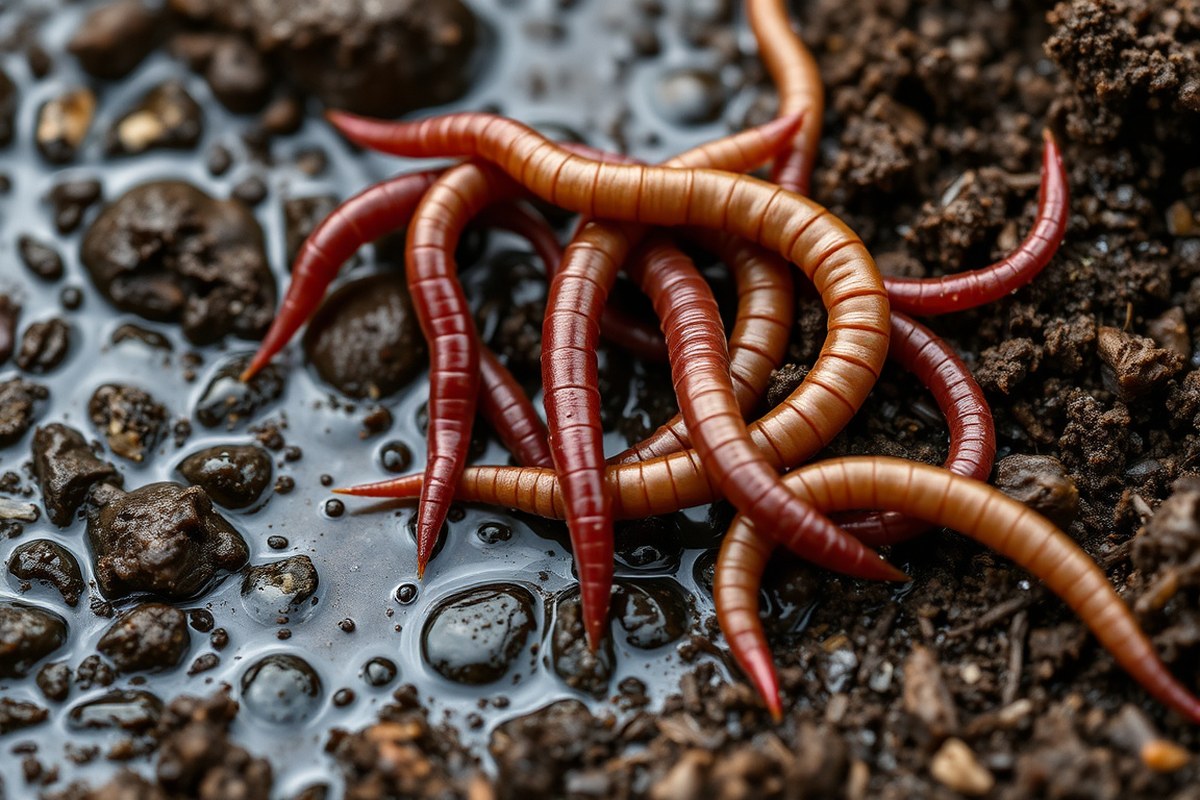
Do worms drown when they’re submerged in water? The simple answer is no, earthworms do not drown like land animals do. They breathe through their skin, which lets them absorb oxygen even underwater.
Worms can live underwater a long time because their skin stays wet. Their skin lets oxygen flow in. This helps them breathe even underwater.
However, they do need at least some oxygen in the water or soil to survive. When water has little oxygen, worms might have a hard time.
Seeing worms on the ground after a big rain doesn’t mean they’re drowning. Worms come up because the soil is soaked or oxygen changes.
The wet soil makes it easier for them to surface. It’s best to leave them undisturbed until the ground dries out.
Key Takeaways
- Earthworms breathe through their moist skin, allowing underwater survival.
- Worms can live for weeks in fully saturated soils without drowning.
- Surfacing after rain is often due to low oxygen in the soil, not drowning fear.
- Worms need oxygen in water or soil to survive long-term underwater exposure.
- Try not to handle worms too much after rain, as they are vulnerable then.
- Different worm species vary in how long they tolerate being submerged.
Can Earthworms Actually Drown Underwater?
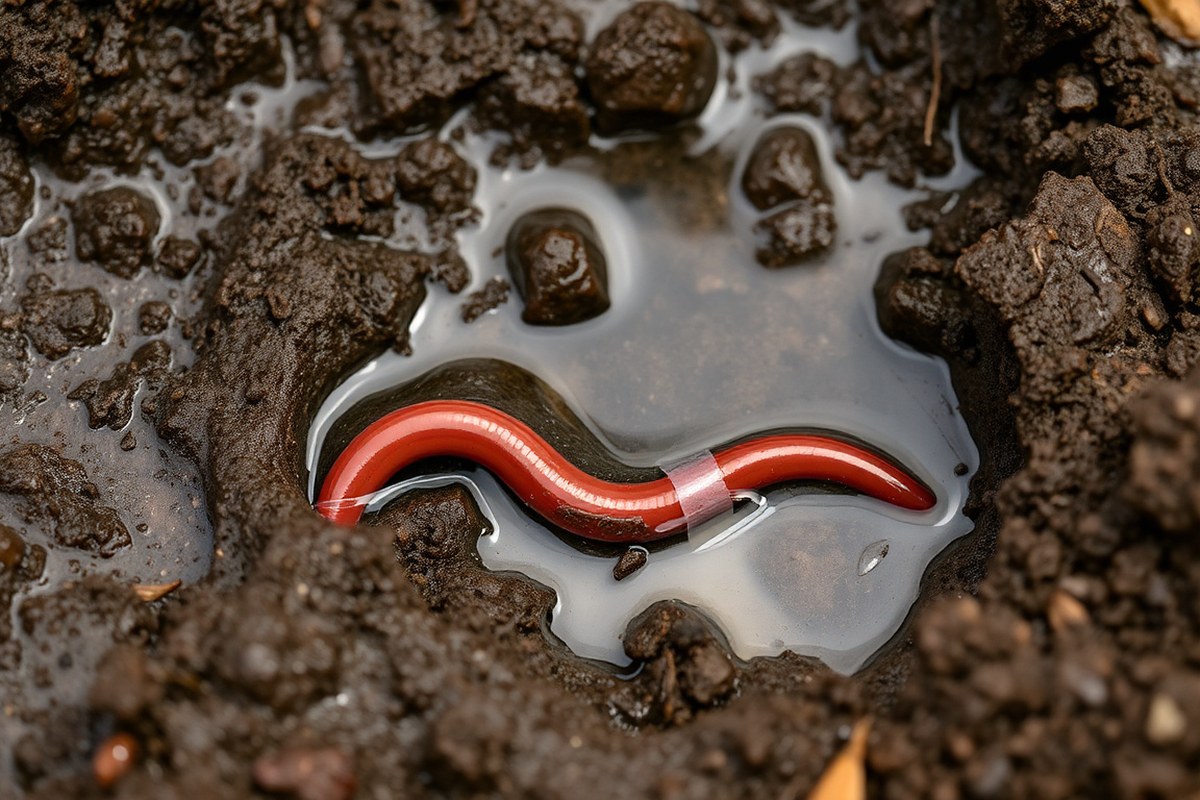
Earthworms cannot drown like humans because they don’t breathe through lungs. Humans drown when water fills their lungs, blocking oxygen intake. Earthworms absorb oxygen through their moist skin instead, which lets them survive underwater.
Oxygen passes directly through an earthworm’s skin into its bloodstream. This requires the skin to stay wet so oxygen can dissolve and diffuse. Worms secrete mucus to keep their skin moist, allowing continuous gas exchange even underwater.
They still need oxygen in the water to live. So if oxygen levels drop too low, worms can suffocate.
This lack of oxygen in water is called anoxia. Worms can survive submerged for days but will struggle without enough dissolved oxygen.
Worms adjust their metabolism when underwater by slowing down. This reduces their oxygen needs and helps them survive longer in watery environments. However, if water lacks oxygen, even lowered metabolism won’t save them indefinitely.
Water temperature also affects their survival time underwater. Cooler water holds more oxygen, so worms can last longer submerged in colder conditions. Warmer water holds less oxygen and may cause quicker oxygen depletion for the worms.
Some earthworm species are more tolerant of low-oxygen water than others. This explains why you sometimes see them surface during heavy rains.
They seek fresher, oxygen-rich air or soil at that time. Still, many worms can stay underwater safely if oxygen remains available.
How Earthworms Breathe Through Their Skin
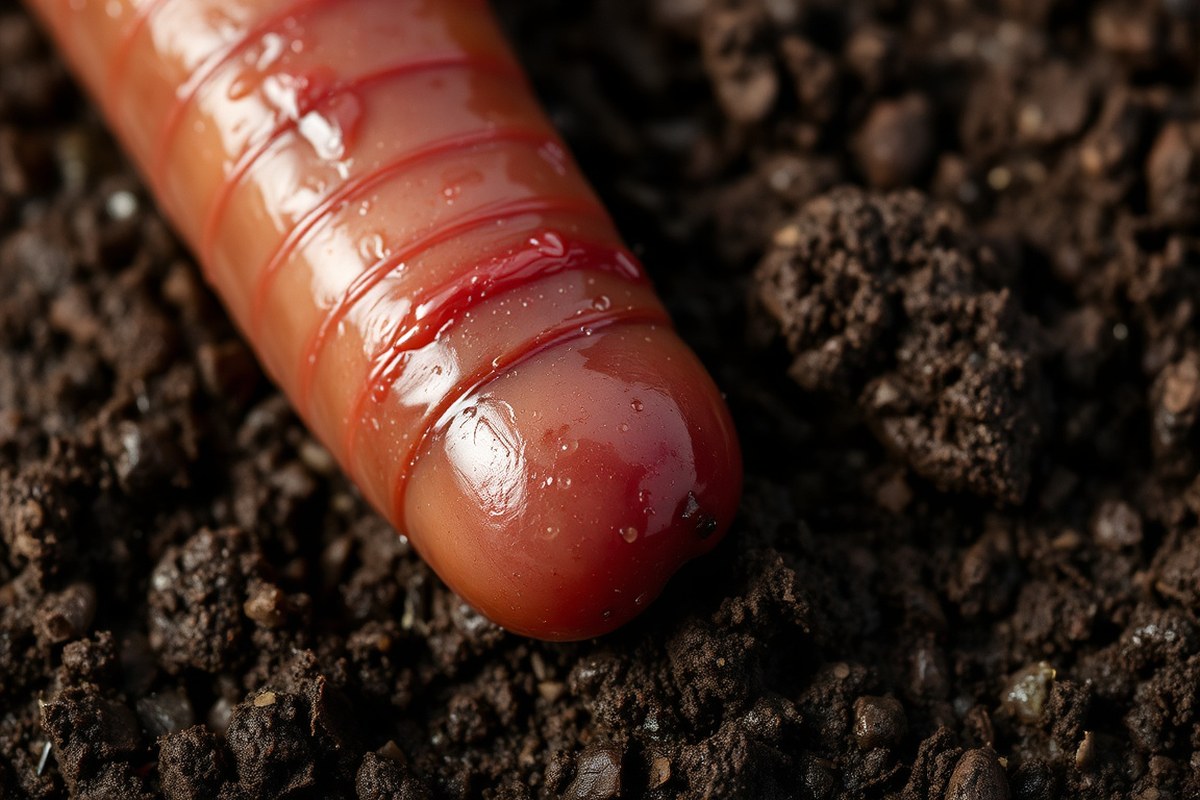
Earthworms don’t have lungs or gills. They breathe through their skin, which must stay moist to let air pass in and out. Moisture on their skin keeps oxygen flowing and helps them survive underground and after rain.
Structure of Earthworm Skin
Earthworm skin is thin and delicate, allowing gases to pass easily. The outer layer is covered with tiny blood vessels near the surface. These vessels help oxygen move from the skin into the worm’s blood.
Since earthworms lack lungs or gills, their entire skin acts as a breathing organ. This makes them very sensitive to dryness. Their skin must stay moist so they can absorb oxygen and breathe.
Role of Mucus in Respiration
A slimy mucus layer covers the earthworm’s skin to keep it moist. This mucus traps water and creates a wet surface for oxygen to dissolve into. Without this moist coating, the oxygen can’t enter their skin properly.
The mucus also protects the skin from drying out, especially when worms surface during wet weather. When the ground dries, worms retreat to moist soil to keep the mucus layer intact. This helps maintain the gas exchange they need to breathe.
Oxygen Transport in Earthworms
Oxygen dissolves into the mucus layer, then crosses the skin to reach tiny blood vessels. Red blood cells carry oxygen throughout the worm’s body.
Carbon dioxide moves from the blood through the skin. This gas then leaves the body.
The process is called cutaneous respiration. It needs moisture for oxygen to dissolve and move well.
The worm cannot breathe well when its skin is dry or water has low oxygen. That’s why earthworms avoid dry or stagnant water with low oxygen.
Keep earthworms in moist soil or bedding to help them breathe and stay healthy. Dry conditions quickly harm their skin and respiration.
Why Earthworms Surface During and After Rain
Earthworms often come to the surface during and after rain for several reasons. They might leave their burrows to find easier ways to travel or escape danger. Different species behave differently, so no single reason fits all cases.
Escape from Low Oxygen Conditions
Earthworms breathe through their skin, which needs to stay moist and have access to oxygen. When burrows fill with water during heavy rains, worms lack oxygen. Oxygen falls below what they need to survive.
This can put worms at risk. Some species cannot tolerate these low oxygen levels and move to the surface to get air.
Not all worms surface after rain because some species tolerate wet, low-oxygen soil better than others. This means only a portion of the population may appear above ground after a storm. Worms trapped underwater risk suffocation if they stay too long.
Response to Rainfall Vibrations
Worms might hear vibrations and rain sounds as predator signals. This is one hypothesis. It explains why they react that way.
For example, moles or other burrowing animals create similar ground vibrations. Worms might come up to avoid these threats, mistaking rain for danger.
Scientists have not found strong experimental proof for this explanation yet. No controlled tests show worms surfacing specifically due to vibrations from rain. Still, this idea remains popular among gardeners and nature enthusiasts.
Mating Behavior and Species Variations
Some earthworm species surface to mate. But that is rare among the 4,400 species known worldwide. Only a few worms come out in one place at once.
They do this to reproduce. This often happens just once a year. So mating is unlikely to explain why many worms are found on sidewalks after rain.
Species differences affect surfacing behavior after rain and how long worms stay above ground. Some worms are more active and willing to move across wet soil. This lets them find food or new habitats more easily after rain.
Avoiding Predators or Soil Saturation
Worms may surface to avoid predators and waterlogged soil. Saturated soil makes life underground hard. Both reasons push them to the surface.
Waterlogged soil disrupts their normal movement and breathing. Getting to the surface can help them find drier, safer places.
Common reasons worms appear on sidewalks and streets after heavy rain include:
- Seeking easier travel routes across wet surfaces
- Escaping low oxygen and flooding in their burrows
- Reacting to vibrations they mistake for predator threats
- Finding mates, but this is less common for most species
- Moving to avoid harmful chemicals released by rainwater in soil
- Responding to temperature shifts and soil moisture changes
Heavy rains create conditions that make surface travel safer and sometimes necessary. This explains why worms often crawl out onto sidewalks and pavement during wet weather. However, their presence there also exposes them to dangers like drying out or predators.
How Long Earthworms Can Survive Submerged in Water
Earthworms can survive underwater for a surprisingly long time, especially when soil is fully saturated. Five earthworm species lived in waterlogged soil for 31 to 50 weeks. This was reported in a study from 1956.
It shows their ability to survive in wet conditions. Most species can stay underwater for at least two weeks.
This shows how they adapt to wet soil. Being submerged this long is not a problem for them.
Despite their ability to survive underwater, earthworms cannot stay submerged indefinitely without harm. Earthworms breathe through their skin, which absorbs oxygen from water. This only works for limited time.
After that, there is not enough oxygen for them. Prolonged submersion or soil saturation reduces oxygen, eventually forcing worms to surface or risk death.
Worms surviving in waterlogged soil depends on oxygen and soil temperature. These factors affect how long they can stay alive. Both oxygen and temperature play a role in their survival.
Cooler, oxygen-rich water helps them last longer. Warmer, stagnant water speeds up oxygen loss, shortening survival time.
| Water Saturation Level | Typical Survival Time |
|---|---|
| Fully saturated soil | 31 to 50 weeks |
| Submerged in water (puddle/container) | 2 weeks or more |
| Waterlogged soil (high moisture, less stagnant) | Several days to weeks |
These survival times hinge on species and environmental conditions. For example, red worms and nightcrawlers often last longer submerged than other types. When soil drains slowly after rain, worms can stay inside and survive until conditions improve.
Extended flooding lowers soil oxygen while increasing harmful compounds, stressing worms. Worms may come to the surface if water stays too long. They do this to reach air and breathe.
Some worms struggle or die in waterlogged soil. Rapid drainage or soil mixing helps worms breathe better and avoid drowning.
Differences Among Worm Species in Water Tolerance
Different earthworm species handle water immersion in different ways. Some need more oxygen at night and struggle underwater. Others maintain lower oxygen use and survive better when submerged.
Oxygen travels through the mucus coating a worm’s skin into its body. Species with low, steady oxygen use can last longer in water. Nighttime oxygen demand affects how well they can cope with being wet.
| Species | Oxygen Consumption Pattern | Water Immersion Tolerance |
|---|---|---|
| Species A | Higher oxygen use at night than day | Poor tolerance to water immersion |
| Species B | Consistent low oxygen use 24 hours | Better tolerance under water |
Metabolism plays a big part in oxygen use and water tolerance. Worms with higher metabolism need more oxygen. This makes surviving underwater harder when oxygen is limited.
Temperature affects oxygen availability too. Colder water holds more oxygen than warmer water. Worms can stay submerged longer in cold water because more oxygen dissolves into it.
Handle worms carefully after rain or flooding. Many worm types don’t handle long water exposure well. They can die or get hurt if soaked too long.
Environmental Factors That Influence Worm Survival Under Wet Conditions
Soil type greatly influences how worms survive when heavy rain saturates the ground. Sandy soils drain quickly, letting air stay near worm tunnels. Clay soils hold water longer, reducing oxygen and making it harder for worms to breathe.
Oxygen levels drop if water fills up worm burrows. Worms breathe through their skin, needing moist but oxygen-rich conditions. When oxygen runs low during flooding, worms risk suffocating if they can’t reach the surface.
Soil temperature also affects how worms handle wet conditions. Cooler soils may hold more oxygen and help worms survive longer. Warmer soils speed up oxygen use, increasing the risk of suffocation during long waterlogging.
- Check soil drainage by digging a small hole and filling it with water. Water that drains in 24 hours keeps oxygen levels higher in soil.
- Look for worm tunnels or casts after rain; visible worm activity suggests healthy conditions.
- Test soil moisture with your fingers; soil too soggy might suffocate worms.
- Note soil temperature with a simple thermometer. 50°F to 70°F is a safer range for worms during wet periods.
- Watch for worm surfacing behavior at night or after light rain, indicating oxygen stress.
After rain, check soil drainage speed by pouring water into a hole about 6 inches deep. Water lasting more than 24 hours usually means the soil is waterlogged. This means worms may not get enough oxygen and could leave their burrows or suffocate.
Healthy soils show worm casts or tunnels near or on the surface. No signs suggest many worms might have moved away or drowned.
Feel the soil; it should be damp but not muddy thick. Thick mud signals low oxygen and high risk for worms.
Common Myths and Misconceptions About Worms and Water
Many people think worms drown when they get wet, but this is not true. Worms breathe through their skin, which needs moisture to absorb oxygen. They don’t drown like humans because water helps them breathe instead of hurting them.
People often believe worms come to the surface only because rain annoys them. The truth is, worms surface because heavy rain causes their underground homes to fill with water. They escape to avoid drowning in waterlogged soil, not because they dislike rain itself.
Another common myth says worms surface to avoid predators like moles or birds. Worms might sense vibrations similar to moles’ movement and react by moving upward. However, this is more about escaping a threat underground than escaping surface predators.
- Myth: Worms drown underwater like humans. Fact: Their skin breathes through moisture, preventing drowning.
- Myth: Worms surface just to avoid getting wet from rain. Fact: They move up to escape flooded soil, not rain.
- Myth: Worms surface primarily to avoid predators like birds. Fact: Vibrations from rain mimic mole activity, prompting escape from underground threats.
- Myth: Worms are forced to the surface by rain vibrations only. Fact: They also respond to electrical signals or soil chemicals.
- Myth: Worms die quickly on the surface after rain. Fact: They can survive outside briefly, but risk drying out or predators.
These myths matter because knowing the real reasons can help gardeners protect worms better. Avoid stepping on surfaced worms after rain and don’t try to move them unnecessarily. Understanding their survival strategies helps you care for soil health and garden life.
Worms surfacing after rain is just their way to survive flooding underground. They won’t drown on wet soil but need air through their skin. If you see worms on pavement after rain, they’re avoiding drowning by finding breathable space.
How to Handle and Protect Worms After Heavy Rain or Flooding
Handling worms safely after heavy rain helps protect them and their soil homes. Use gentle methods and avoid harmful chemicals to keep worms healthy. Restoring their habitat supports their survival after flooding or washed-out soil.
Proper Handling Techniques
Worms are fragile and breathe through their skin, so handle them with care. Pick worms up with moist hands or use a soft tool to gently lift them. Avoid squeezing, as pressure can injure their bodies or dry out their skin.
Keep worms in cool, damp places while you work with them. Avoid leaving them exposed to direct sunlight or dry surfaces longer than a few minutes. Moist soil or a shallow container with damp leaves is best for temporary holding.
- Use wet hands or a soft brush to pick up worms.
- Keep worms moist during handling to prevent drying.
- Do not squeeze or apply pressure on the worms.
- Avoid exposing worms to sun or dry air for long.
- Return worms to soil quickly after handling.
Handling worms gently helps keep them alive and breathing normally. Rough treatment reduces their chance of survival after rain or flooding.
Avoiding Harmful Chemicals
Raise worms safely by avoiding soaps, insecticides, and garden chemicals. Many common substances used for worm-catching can harm them or the soil environment. Use natural materials and organic garden practices to minimize risks.
Water from puddles or containers may contain pollutants after storms. Avoid placing worms into water with fertilizers or chemicals. Use only fresh, clean water if you must moisten soil or containers where worms rest.
Many store-bought worm-catching baits or sprays harm worms. Opt for gentle, chemical-free alternatives.
Protecting worms from poisons supports their role in healthy soil. Chemicals can disrupt worm behavior and breathing through their skin.
Restoring Worm Habitats
After flooding, worms need moist soil with plenty of organic matter. Adding compost, shredded leaves, or mulch helps provide food and shelter. This supports their recovery and reproduction after rain washes away topsoil.
Rebuild worm habitat gradually to avoid sudden changes. Keep soil damp but well-drained, as standing water harms worms long term. Creating small mounds or raised beds can give worms dry refuge during wet periods.
- Add compost and leaf mulch to soil after flooding.
- Keep soil moist but avoid waterlogging for worm health.
- Use raised beds or mounds to improve drainage.
- Avoid heavy tilling that damages worm tunnels and eggs.
- Plant cover crops to protect soil and feed worms.
Restoring soil quality helps worms re-establish in your garden. A healthy worm population improves soil aeration and fertility long term.
Quick-Start Action Plan: Protecting Worms After Rain or Flooding
Follow these steps to help worms survive wet conditions and improve their soil role.
- Immediately after heavy rain: Avoid digging or disturbing wet soil where worms appear. Watch for worms on the surface to stay safe.
- Within 24 hours: Gently move any stranded worms back into moist soil. A soft hand protects their skin and breathing.
- Next 2 days: Keep soil moist but not waterlogged by watering lightly if needed. Good moisture helps worms recover and breathe.
- Within a week: Add mulch or organic matter on top of soil to improve air circulation. This lowers drowning risk during future rains.
- After 2 weeks: Check soil drainage and fix puddles to reduce standing water. Well-drained soil helps worms breathe underground.
- Ongoing: Avoid harmful chemicals and pesticides near worm habitats. These can stress worms and weaken their breathing ability.
Frequently Asked Questions
Why Do Earthworms Come to the Surface After Rain If They Don’t Drown?
Earthworms come up mainly because the soil gets saturated and hard to breathe in. They also might avoid underground predators scared by the rain sounds. They aren’t escaping drowning but seeking oxygen and safety.
Can Earthworms Sense Vibrations Like Rain to Decide When to Surface?
Yes, earthworms respond to vibrations in the soil, which rain creates. This might trick them into thinking a predator is near, pushing them to surface. They use this to avoid threats, not just wet soil.
What Kind of Container Size Is Best for Raising Worms at Home?
A 5-gallon (about 20 liters) bucket is ideal for starting worm composting. It’s big enough for worms to thrive but small enough to manage moisture and feeding easily. Avoid bigger containers without ventilation.
Do Worms Form Groups for Protection or Other Reasons?
Worms sometimes cluster, possibly to protect themselves or because of favorable conditions. Scientists are still studying this.
But this “herding” may help them survive during bad weather. It’s not well understood yet.
Can Worms Survive Drought Conditions and How?
Worms struggle during drought because they need moist soil to breathe. They may burrow deeper to find moisture or enter a dormant state until rains return. Your garden worms depend heavily on soil moisture.
Are Worms Attracted to Light and How Does This Affect Them?
Some worms are drawn to light, which can cause them to move towards it unexpectedly. This might explain why worms come to camera flashes or streetlights. Avoid bright lights on damp soil to keep worms underground.
Final Thoughts
Worms don’t drown easily but need moist soil to breathe through their skin. They surface after rain mostly to avoid low oxygen underground. You can help worms thrive by keeping their soil healthy and well-drained.