How to Keep Squirrels from Digging Up Bulbs: 8 Effective Strategies That Work
How to keep squirrels from digging up bulbs is a common gardening worry. The best way is planting bulbs deeper than squirrels usually dig.
Squirrels mostly dig only 2 to 3 inches deep. So placing bulbs 6 to 8 inches underground keeps them safe.
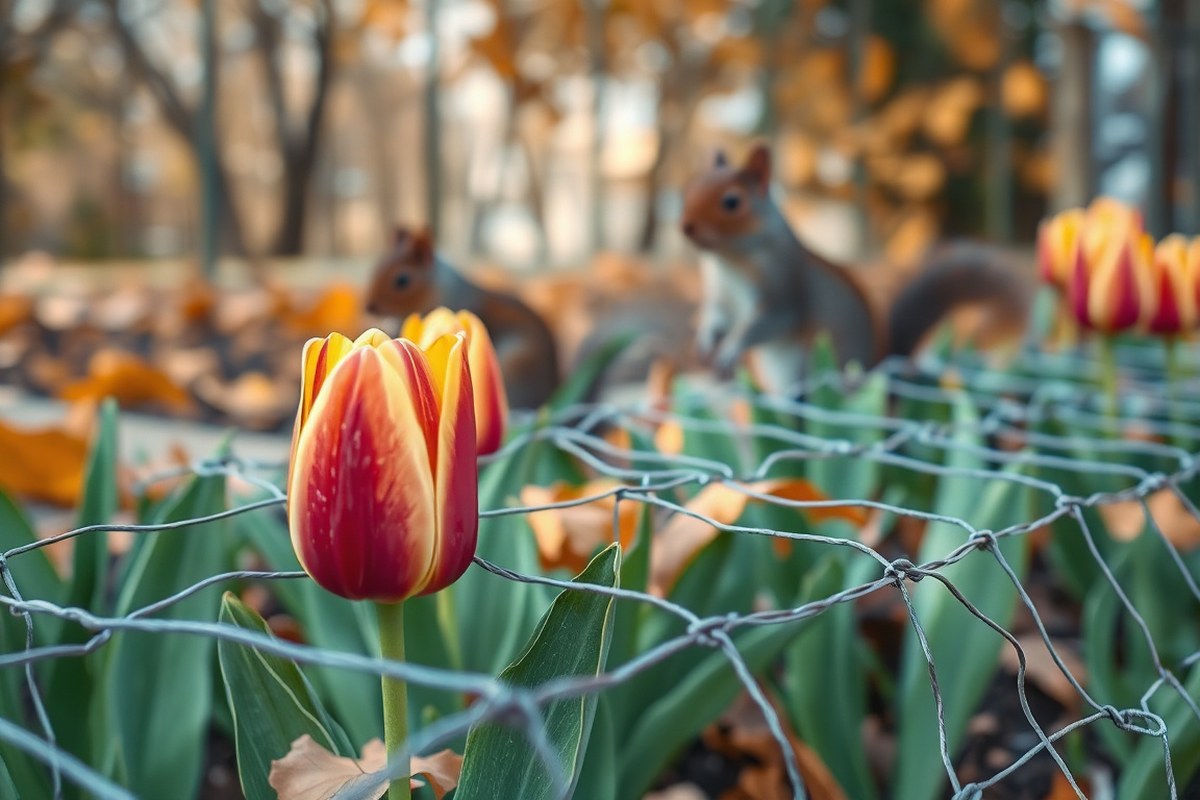
Using physical barriers like wire mesh right after planting also stops squirrels. Peg the mesh flat over the soil and lift it early in spring before shoots grow. This simple step blocks squirrels from reaching the bulbs but lets plants grow freely.
Start by planting bulbs when the soil is cooler to reduce squirrel interest. Avoid strong-smelling soil covers that attract squirrels too. These basics cut bulb digging problems and keep your garden looking great.
Key Takeaways
- Plant tulip bulbs at a depth of 6 to 8 inches to protect them from rabbits.
- Place wire mesh with 2.5 cm holes flat over bulbs right after planting.
- Lift wire mesh in February before shoots can get tangled in it.
- Squirrels rarely dig deeper than the top 3 inches of soil.
- Plant bulb varieties like crocuses 3 to 4 inches deep when suitable.
- Avoid soil toppers with strong smells that may attract squirrels.
1. How to Stop Squirrels from Digging Up Bulbs Effectively

The easiest way to stop squirrels from digging up bulbs is to block their access. Use wire mesh with holes about 2.5 cm across. Peg it flat over the bed right after planting.
Lift it in late winter. Do this before shoots start growing.
This method works because squirrels can’t reach the bulbs underground. Early placement also stops their digging before it starts.
A roll of mesh costs about $10 to $20. It covers a small garden bed.
In addition to mesh, try these simple methods to protect your bulbs:
- Plant bulbs 6 to 8 inches deep to make digging harder.
- Mix crushed oyster shells or gravel on top of the soil. Squirrels dislike sharp textures.
- Cover beds with chicken wire or bird netting to create a physical barrier.
- Use commercial squirrel repellents sprayed on the soil surface.
- Plant bulbs together with daffodils, which squirrels tend to avoid.
For potted bulbs, set wire cages around the pots or place pots on raised shelves. Squirrels can jump, so barriers need to be secure and tight. Reapply repellents after rain, since they wear off.
Good results show fewer fresh holes dug and bulbs left untouched all season. Without any barrier, squirrels can dig up most bulbs within days after planting. Consistent use of physical barriers is the most proven long-term solution.
2. Why Squirrels Dig Up Bulbs but Often Don’t Eat Them

Squirrels dig up bulbs mostly because they are storing food for winter. They bury nuts and other snacks, then dig them up later when food is scarce. Bulbs can look like good food treasures, even if squirrels don’t always eat them.
Squirrels focus on bulbs like tulips and crocuses. These bulbs smell like nuts or seeds they like. That’s why they dig for them.
Squirrels are busy creatures wired to hunt and hide food in the soil every fall. Their digging is about survival, not mischief or dislike for your garden.
Even when squirrels don’t eat the bulbs, they might carry them away to bury elsewhere. This behavior spreads bulbs but messes up your neat planting. Squirrels test bulbs to see if they are good to eat.
This causes some bulbs to be half-chewed or missing. They try different bulbs to find food.
Plant bulbs at least 6 to 8 inches deep underground. Squirrels rarely dig deeper than a few inches. This helps protect bulbs from being dug up.
Squirrels stop digging where the soil is firm or hard. Tough soil makes digging too difficult for them. That is why they avoid certain areas.
Rough mulch or gravel can discourage them because their paws feel uncomfortable. Give squirrels another easy food source away from bulbs.
This can help reduce digging in your garden beds. It distracts them from your bulbs.
Knowing what motivates squirrels helps you work smarter in your garden. They are not out to ruin your plants on purpose.
They’re just acting on instinct to store food and survive the winter chills. Planning your garden with this in mind can save time and plants.
3. How Deep Should You Plant Bulbs to Avoid Squirrel Digging?
Plant bulbs deep enough to keep them out of reach from squirrels’ usual digging. Different bulb types need different depths for best protection. For example, tulips that squirrels love require deeper planting than daffodils squirrels usually avoid.
Recommended Depths for Common Bulbs
Here’s a quick guide showing how deep to plant popular bulbs to reduce squirrel trouble. Planting bulbs at these depths helps keep them below where squirrels often dig.
| Bulb Type | Planting Depth |
|---|---|
| Tulip | 6, 8 inches |
| Daffodil | 4, 6 inches |
| Allium | 4, 6 inches |
| Hyacinth | 5, 7 inches |
| Crocus | 3, 4 inches |
| Snowdrop | 2, 3 inches |
| Bearded Iris | 1, 2 inches |
Following these depths helps protect bulbs while letting them grow properly. Plant stronger bulbs like tulips and daffodils a bit deeper than smaller or more delicate types.
Why Deeper Planting Deters Squirrels
Squirrels dig mostly in the top few inches of soil. Planting bulbs deeper than 6 inches puts them beyond the squirrels’ usual reach. This extra depth discourages digging and limits damage.
Squirrels often dig shallowly because deeper digging takes more energy and risks exposure. Bulbs planted deeper feel less like an easy meal or treasure. It can reduce how often squirrels find your bulbs.
Exceptions and Limits to Planting Deep
Not all bulbs do well if planted too deep. Bulbs like bearded iris or snowdrops grow best near the surface. Planting these bulbs deeper than recommended can stunt growth or delay blooming.
Large bulbs like tulips and daffodils tolerate deeper planting but only up to a point. Digging holes deeper than 8 inches may slow sprouting or cause bulbs to rot. Follow the depth guide and match soil conditions.
Also, very rocky or compact soil can limit how deep you plant. In these cases, use physical barriers or deterrents instead of relying only on depth. That way, bulbs stay safe and healthy.
4. Using Physical Barriers to Protect Bulbs from Squirrels
Wire mesh like hardware cloth and chicken wire can protect bulbs well. You lay the mesh flat over the soil and pin it down tightly. Seasonal removal helps avoid damage once shoots start growing.
Choosing the Right Mesh or Cage Materials
Galvanized steel hardware cloth lasts longer than chicken wire. It resists rust for 10 to 15 years. This makes it a more durable option.
Hardware cloth has smaller ½-inch openings, which block squirrels better than chicken wire’s larger gaps. Plastic mesh works temporarily but usually degrades faster outdoors.
For high-value bulbs or raised beds, using wire cages underground provides very high protection. Avoid standard chicken wire when possible since it’s less durable and less secure against squirrels.
Step-by-Step Barrier Installation Guide
Install wire mesh or cages right after planting bulbs deeply to block squirrels immediately. Pin or stake the mesh flat around the bed edges to stop animals from slipping underneath.
- Choose ½-inch galvanized hardware cloth or sturdy chicken wire.
- Cut mesh to size, covering whole bulb area plus a few inches extra.
- Lay mesh flat over the freshly planted bulbs before backfilling.
- Pin down edges securely with U-shaped garden staples or landscape pins.
- Cover mesh lightly with mulch but keep wire visible to keep it tight.
- Check barrier in late winter for any loose spots and re-secure if needed.
When and How to Remove Barriers Safely
Squirrels stop digging once the ground freezes, so remove barriers only after frost sets. Removing too soon can disrupt emerging shoots or expose bulbs to damage. When sprouts appear, gently lift the mesh without pulling or bending young plants.
Store wire mesh in a dry place for reuse next season. Rake mulch aside before lifting the mesh. This prevents tearing plants and blocking light.
5. Natural Deterrents and Companion Plants to Discourage Squirrels
Squirrels dislike certain bulbs and plants, making them natural protectors for your garden. Using chili powder or natural sprays also keeps squirrels away without chemicals. Companion planting combines these tactics, making your bulbs less tempting and harder to reach.
Bulbs and Plants Squirrels Avoid
Daffodils, alliums, and snowdrops contain chemicals squirrels find bitter or toxic. These bulbs usually stay untouched because their taste or smell drives squirrels away. Planting these bulbs will reduce the risk of squirrels digging in your garden.
Grape hyacinths and Fritillaria imperialis also repel squirrels thanks to their strong scent. These bulbs add color and protection. You can mix them with your vulnerable bulbs to cut down on squirrel damage.
- Daffodils
- Alliums (ornamental onions)
- Snowdrops
- Grape hyacinths
- Fritillaria imperialis
Gravel or small stones placed around bulbs help deter digging by making the soil less attractive. This method works well for both flower beds and container plants.
How to Use Chili Powder and Natural Sprays
Chili powder works as a spicy deterrent that squirrels avoid. Sprinkle a thin layer of chili powder around planted bulbs right after planting. This creates a scent barrier that keeps squirrels away without harming plants.
Natural sprays with ingredients like garlic or blood meal also discourage squirrels without chemicals. Spray every two weeks during the digging season to maintain effectiveness. Avoid spraying directly on bulbs to prevent damage.
- Sprinkle chili powder around the soil surface
- Use garlic- or blood meal-based natural sprays
- Spray every 1 to 2 weeks
- Apply in dry weather for best results
- Reapply after rain or heavy watering
Clear away any leftover bulb pieces after planting to avoid attracting squirrels.
Companion Planting Combinations for Maximum Effect
Planting onions, leeks, scallions, or garlic near your bulbs can mask their scent. These pungent plants naturally repel squirrels and reduce digging. Place them in groups around more tempting bulbs to form a protective barrier.
Use a mix of repellent plants with the bulbs you want to protect. For example, plant daffodils with garlic and scatter gravel around the bed. This combination creates multiple layers of defense that squirrels dislike.
- Onions, leeks, and scallions planted near bulbs
- Garlic clustered around vulnerable flowers
- Daffodils paired with pungent herbs or onion family plants
- Gravel or stones around planting areas
- Natural spray applications alongside companion plants
Keep your companion plants well-watered and healthy so their smell stays strong. This helps maintain the barrier effect and keeps squirrels guessing.
6. Timing and Planting Strategies to Outsmart Squirrels
Plant your bulbs in mid-to-late October to avoid squirrel digging. In USDA zones 5 to 8, this timing helps bulbs develop roots early. Bulbs get six to eight weeks of growth before the cold sets in.
Delaying planting helps because squirrels sense loose soil as a food buffet. Freshly dug earth invites them to check for bulbs. Let the soil settle for a day or two before planting to lower this risk.
Loose soil also makes bulbs easy to toss aside. Firm the soil around bulbs to stop them from being lifted. Mulch on top can hide the scent and texture that attract squirrels.
- Let freshly dug soil settle for 1 to 2 days before planting bulbs. This reduces fresh digging clues squirrels follow.
- Plant bulbs in mid-to-late October for zones 5, 8. This timing helps bulbs root before cold hits.
- Press bulbs firmly into soil to prevent squirrels from tossing them aside easily.
- Cover planted areas with mulch. Mulch hides scent and texture and adds nutrients to the soil.
- Optionally, use a flat wire mesh over soil after planting to physically block squirrels.
- Ask neighbors to protect bulbs at the same time. This starves squirrels of local bulb food sources.
- Keep soil moist but not soft so the soil stays firm and less inviting for digging.
Following these steps can take extra days but lowers squirrel damage. Waiting to plant and firm soil costs little but saves bulbs. Bulbs that root well by freeze time also grow stronger in spring.
7. Protecting Bulbs in Pots and Raised Beds from Squirrel Damage
Bulbs in pots need extra care since squirrels often find containers easier to dig. Cover the soil surface with chicken wire or hardware cloth. Secure the wire so it doesn’t shift when squirrels try to dig under it.
Placing pots on stands or tables about 2 to 3 feet high can also help. Squirrels have a harder time reaching improve containers. Grouping pots tightly reduces space for squirrels to jump around them.
In raised beds, use a wire mesh under the soil before planting bulbs. This mesh should have holes no bigger than 1 inch to block squirrels’ paws. Adding a layer of mulch above the mesh hides it and keeps the bed looking natural.
A thin layer of coarse gravel covers the soil surface. It helps stop digging in pots and raised beds. This layer makes it harder for animals to dig.
Gravel makes it uncomfortable for squirrels to scratch around the bulbs. About 1 to 2 inches of gravel works well and lets water drain properly.
For pots, planting bulbs deeply, around 6 inches depending on the variety, reduces squirrel interest. You can also mix in bulb varieties squirrels dislike. Crocus and daffodils are less attractive to squirrels when planted alongside tulips.
Check pots and raised beds regularly for new holes or disturbed soil. Repair damaged wire or move pots if squirrels keep trying.
Protecting bulbs might take effort. But the bulbs stay safe and your garden looks great.
8. Common Mistakes and Maintenance Tips for Bulb Protection
One common mistake gardeners make is planting bulbs too shallow. This leaves bulbs easy for squirrels to dig up. Plant bulbs at least 6 inches deep to protect them.
This helps reduce damage risk. It also encourages stronger root growth.
Another error is leaving barriers loose or poorly secured. Use wire mesh cages that fit snugly around bulbs. Make sure the cages cover bulbs completely.
This keeps squirrels away effectively. Loose cages let squirrels slip beneath and disturb your bulbs.
Maintenance is key. Check physical barriers regularly, especially after storms or windy days.
Tighten or reposition mesh and cages as needed. Make sure mulch or soil hasn’t shifted and exposed any bulbs.
- Plant bulbs at least 6 inches deep for squirrel safety.
- Use snug bulb cages or wire mesh to block digging.
- Inspect barriers every 4 weeks during growing season.
- Cover soil firmly after planting and after any digging.
- Remove any damaged bulbs quickly to prevent rot.
- Keep mulch layer consistent to hide bulb locations.
- Note bulb locations with markers for easy monitoring.
Bulb cages work well for protecting smaller groups or individual bulbs. They cost about $10 to $15 each and save you from replanting bulbs every year.
Make sure you leave about an inch of space above bulbs inside the cage. This lets bulbs grow without being crushed while keeping squirrels out.
Regularly checking and tightening cages prevents squirrels from finding weak spots to dig.
In pots and raised beds, check soil moisture too. Dry soil can crack, creating openings for squirrels.
Water bulbs as recommended but avoid overwatering, which causes rot. Tight soil with steady moisture helps protect bulbs naturally.
Step-by-Step Action Plan to Protect Your Bulbs from Squirrels
Follow these steps to stop squirrels from digging up your bulbs. Watch for less digging activity as your sign of success.
- Before Planting: Choose deep planting holes at least 6 inches deep. This makes bulbs harder for squirrels to reach.
- Day 1: Mix natural deterrents like cayenne pepper or garlic powder with soil around bulbs. Squirrels dislike the smell and taste.
- Week 1: Install wire mesh or hardware cloth under the soil where you plant bulbs. Check that the barrier is secure and covers the entire bed.
- Week 2: Plant companion plants such as daffodils nearby. These flowers deter squirrels naturally without chemicals.
- Ongoing: Apply a light layer of mulch after planting. Mulch hides bulbs and helps hold in natural deterrents.
- After 3 Weeks: Observe your garden for signs of digging. Squirrels keep coming? Change the barriers or try new deterrents.
- Monthly: Cover the soil surface in potted bulbs with stones. Add wire mesh inside the pot rim for extra protection. This stops squirrels from reaching bulbs easily.
Frequently Asked Questions
Can Sprinkling Cayenne Pepper Stop Squirrels from Digging Up Bulbs?
Yes, cayenne pepper may deter squirrels because it irritates them. Sprinkle it lightly around bulbs but reapply after rain to keep it effective.
Will Squirrel-Proof Bulbs Completely Stop Digging?
No bulb is completely squirrel-proof, but some are less appealing. Daffodils, for example, tend to be ignored by squirrels due to their taste.
Can Squirrels Dig Up Bulbs in Heavy Clay Soil?
Yes, squirrels can dig through heavy clay soil but it’s harder. Digging takes more effort, so they might avoid deeply planted bulbs in dense soil.
Is It Better to Remove Squirrel Nests Near Bulb Beds?
Removing nests may reduce squirrel activity nearby but won’t stop digging. Squirrels travel far to find bulbs, so nests don’t guarantee protection.
Can Motion-Activated Sprinklers Help Keep Squirrels Away from Bulbs?
Yes, motion-activated sprinklers scare squirrels and reduce digging. Place them near bulb beds to startle squirrels when they come close.
Will Giving Squirrels an Alternative Food Source Stop Them from Digging Bulbs?
Feeding squirrels may distract them but won’t stop digging entirely. They still dig bulbs as a natural behavior and for caching food.
Wrapping Up
Keeping squirrels from damaging your bulbs takes consistent effort but steady results. Start with deep planting and a solid barrier. Once you see less digging, maintain your sprinkling of deterrents for ongoing protection.