How Much Room Do Tomatoes Need: Complete Spacing Guide for Best Growth
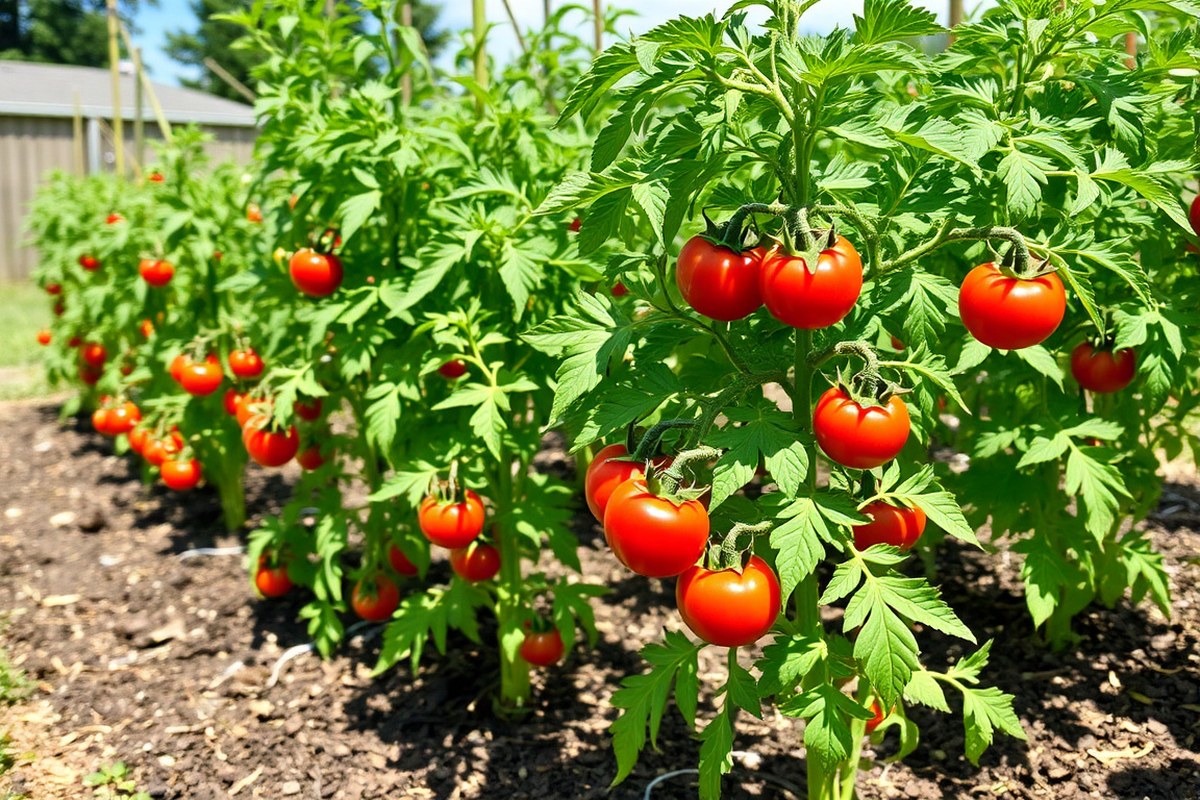
Most tomatoes need 18 to 24 inches between plants to grow well. Space rows about 3 to 4 feet apart to allow good air movement. This also makes caring for plants easier.
Indeterminate tomatoes grow taller and spread more. So give them 2 to 3 feet of space.
Leave 6 feet between rows to help them grow better. Determinate types stay compact and need only 1.5 to 2 feet between plants.
When growing tomatoes in containers, use at least a 5-gallon pot for each full-size plant. Smaller container tomatoes need about 2 feet of space to avoid crowding. This helps roots spread and plants produce well.
Proper spacing prevents disease by improving airflow. It also makes pruning and harvesting easier. Giving your tomatoes enough room leads to healthier growth and better yields.
Key Takeaways
- Space tomatoes 18 to 24 inches apart in-ground for most varieties.
- Leave 3 to 4 feet between rows to improve air circulation and access.
- Give indeterminate plants 24 to 36 inches between them for better airflow.
- Plant determinate tomatoes 1.5 to 2 feet apart since they grow compactly.
- Use 5-gallon containers or larger for full-sized tomato plants indoors.
- Compact tomato varieties can produce well with about 2 feet of space.
How Much Space Should You Leave Between Tomato Plants?

Space tomato plants 18 to 24 inches apart for determinate types. These plants have a fixed height and bushy form that fits well in less space. Give them about 1.5 to 2 feet between plants to avoid crowding.
Indeterminate tomatoes need more room, from 24 to 36 inches apart. These keep growing taller and wider through the season. Use cages spaced about 2 feet apart for best results.5 to 3 feet apart so the plants have room to spread out.
Staking or caging affects spacing too. Staked or trellised tomatoes should have at least 2 feet between plants. This spacing lets air flow well and makes it easier to prune and harvest.
Without supports, leave more space between rows. Give up to 6 feet. This allows easy walking and better plant control.
What’s the Ideal Distance Between Tomato Rows and Why?

Rows of tomato plants should be spaced about 3 to 4 feet apart. This distance lets air flow well between rows, reducing the risks of diseases like blight. Good airflow dries leaves faster after watering or rain.
This helps stop fungal infections. Dry leaves are less likely to get sick.
Space between rows also makes it easier to reach your plants for watering, pruning, and harvesting. Narrow rows can make you bend or squeeze awkwardly, which tires you out quickly. A 4-foot gap usually fits garden tools and your steps comfortably, making maintenance simpler.
For single-row tomato gardens, 3 feet might work if you have limited space. But keep plants spaced within the row properly. Plant rows with 4 feet of space between them.
This avoids crowding and helps plants grow. Each row gets enough sunlight and air. Crowded rows block light and trap humidity, which slows growth and invites pests.
Don’t skip measuring row spacing, even if you space plants well inside each row. Without enough space between rows, your garden can get too tight and unhealthy fast.
How Tomato Variety and Growth Habit Affect Space Needs
Tomato spacing depends on the type and how it grows. Determinate, indeterminate, and compact varieties need different amounts of room. Knowing their growth habits helps you give them enough space.
Determinate vs Indeterminate Plant Spacing
Determinate tomatoes grow to a bushy, fixed size and then stop. They usually need 18 to 24 inches of space between plants. This tighter spacing fits well in small gardens or containers.
Indeterminate tomatoes keep growing taller and longer throughout the season. They can sprawl or vine extensively, needing 24 to 36 inches or more between plants. This extra room helps prevent crowding and disease.
Indeterminate plants spread out more than others. They need 3 to 4 square feet per plant.
This space helps them grow well and healthy. Determinate types take less overall space since their growth is limited and bush-like.
Compact and Patio Variety Space Needs
Compact or patio tomatoes are smaller determinate types made for tight spaces. They usually need only 18 to 24 inches of space per plant. These varieties still produce 10 to 15 pounds of fruit in small garden spots.
You can grow compact tomatoes in containers or small raised beds without sacrificing yield. Choosing compact types helps when garden space is limited but you still want fresh tomatoes. They require less support and spread less than indeterminate tomatoes.
Standard slicing or heirloom tomatoes often need more room than compact varieties. Plan on giving them about 24 to 36 inches apart to allow full growth and airflow.
Adjusting for Extra Vigorous or Sprawling Types
Some indeterminate tomatoes can grow more aggressively or sprawl wider than average. These types may need 3 feet or more between plants to avoid crowding. Leaving adequate space helps prevent broken stems and disease from poor airflow.
You should stake or trellis these big plants. Give them extra room for height and spread. Add 1 to 2 square feet of space for each extra 1 to 2 feet in length.
This helps plants have enough room to grow comfortably. This keeps them healthy and easy to manage.
For sprawling ground varieties, wider spacing helps you prune and harvest without damage. Crowded plants can slow growth and reduce overall fruit quality. So leave enough room to walk between plants.
How to Space Tomato Plants in Containers and Raised Beds
Tomatoes in containers need space to grow strong roots and leaves. Roots must spread enough to support healthy plants. You need room for the tomato foliage to grow well.
Choose container sizes based on the tomato variety and space them wide enough to avoid crowding. Raised beds give more room for tomatoes to grow.
But you still need good spacing to let air flow. Proper gaps also help tomatoes get enough nutrients.
Minimum Container Sizes for Tomatoes
Containers should be at least 12 inches deep to support most tomato roots. Smaller containers limit growth and can cause water stress quickly.
For determinate (bush) varieties, a 5-gallon container usually works well. Indeterminate (vining) types need larger containers, around 10 gallons or more.
Use containers with drainage holes to prevent waterlogging. Clay, plastic, or fabric pots all work.
But make sure they hold enough soil volume. More soil means more nutrients and consistent moisture, which tomatoes need to thrive.
Spacing Guidelines for Container-Grown Tomatoes
Allow 18 to 24 inches between containers to give each plant enough air and sunlight. Crowding plants closer leads to poor airflow and a higher risk of disease. Growing tomatoes with cages or stakes works best at 18 inches apart.
This spacing lets plants grow up without crowding each other. Adjust distance a bit based on plant size. But avoid closer than that.
Make sure to rotate containers occasionally for even sun exposure. Group plants on trays or saucers to catch drips, helping you water efficiently. Avoid putting containers where heat can build up excessively, which can stress tomatoes.
Raised Bed Planting and Spacing Recommendations
Raised beds typically follow the same spacing as in-ground planting. Space plants around 18 to 24 inches apart to prevent a dense, tangled growth. Rows should be about 3 feet apart to allow easy access and good airflow.
Because raised beds warm faster and drain better, tomatoes may grow more vigorously there. Keep soil deep and rich, at least 12 inches, to support roots fully. Avoid overcrowding to reduce disease risk and make harvest easier.
How to Plan Vertical and Support-Based Tomato Spacing
Staking, caging, and trellising affect how you space tomato plants horizontally and vertically. Staked tomatoes need less horizontal space but require vertical room to grow tall. Caged and trellised plants spread wider and need more room.
Give space between plants for airflow. Also, leave room for easy maintenance.
Spacing Requirements for Staked Tomatoes
Tomatoes staked with a single tall stake need 18 to 24 inches spacing. This helps plants grow well. It keeps them from crowding.
This reduced distance works because the stake keeps the plant upright and contained. Leave 2 to 3 feet space between rows of staked tomatoes.
This space helps you access plants easily. It also promotes good air circulation.
Staking limits horizontal spread, making your garden denser without hurting growth. Tie the plant stem loosely to the stake. Adjust ties as the plant grows taller.
This prevents damage to the stem. This support method is especially good for indeterminate varieties needing vertical guidance.
How Caging Changes Horizontal Space Needs
Tomato cages allow plants to grow both upward and outwards. So they need more horizontal space.
Space caged indeterminate plants about 2.5 to 3 feet apart. This room helps the foliage spread without overlapping, reducing disease risk from poor airflow.
Cages cost more initially but reduce plant damage during wind or rain. They also make pruning and harvesting easier because the plant shape stays organized. Avoid crowding cages close together since tangled vines limit light and airflow.
Vertical Clearance for Trellised Plants
Trellising trains tomato vines to grow vertically on a sturdy frame or fence. Allow 6 to 8 feet of vertical space for tall tomatoes. This is key for indeterminate types.
They keep growing all season long. Providing this clearance prevents vines from bending or breaking under their weight.
With vertical supports, space plants 18 to 24 inches apart. This spacing lets you prune and harvest easily.
It keeps vines manageable. Use proper pruning and training to limit sideways growth and encourage healthy airflow through the canopy.
Use a tape measure or marker to check plant spacing. Avoid crowding, which cuts yields. Crowded plants also increase disease risk.
Understanding Tomato Root Space and Soil Preparation
Tomato roots need lots of room to spread underground. They often grow 18 to 24 inches from the stem. Give roots enough space to grow well.
A deep, loose soil bed 12 to 18 inches deep helps roots grow well. Compact or heavy soil limits root spread. So it’s better to loosen it and mix in organic matter before planting.
Well-draining soil with a pH between 6.0 and 6.8 supports healthy root growth. Adding compost or aged manure improves fertility and moisture retention without causing waterlogging. Heavy or wet soils may keep water too long.
Mound soil 4 to 6 inches high for better drainage. This also gives roots more air to breathe.
Poor soil makes roots compete for nutrients and oxygen, effectively reducing space for each plant. This stunts growth and lowers yields. Before planting, test your soil’s drainage by digging a hole 12 inches deep.
Fill it with water. Check your soil drainage by seeing if water drains in 2 hours. Draining this fast means soil is good enough.
Use raised beds or containers with five gallons of soil per plant. This helps stop root crowding in poorly draining soil.
For potted tomatoes, 12 to 18 inches in diameter lets roots grow comfortably. Containers need a similar soil mix to garden beds for drainage and fertility.
Lack of sunlight, even with good soil, limits root and plant growth. So aim for at least eight hours of direct sun daily.
Root space also ties to how you train and prune plants. Pruned plants direct energy to fewer branches and roots, letting each get more nutrients.
A simple step to protect roots is mulching around plants. This keeps soil temperature steady and maintains moisture, both key to efficient space use below ground.
Common Tomato Spacing Mistakes and How to Fix Them
Tomato plants grown too close together often show signs like leggy growth and fewer fruits. Overcrowded plants release more ethylene gas, which stunts fruit size and reduces yields. You might also notice leaves touching each other, keeping air movement low and trapping moisture.
Poor spacing encourages fungal diseases and blights by limiting airflow and raising humidity. When leaves stay wet for longer periods, pathogens thrive and spread quickly. Soil contact is another risk, especially when sprawling tomato types crowd each other and the ground.
You can fix overcrowding mid-season by carefully pruning crowded branches and removing suckers. Thin the plants by cutting back weaker stems to improve sunlight and air flow. Adding stakes or cages helps your plants grow up.
This frees up space below. The fruit also stays off damp soil this way.
Plants that get too cramped need more room to grow. You can transplant some gently to a new spot. Make sure not to disturb the roots too much.
When spacing out plants, aim for at least 18 to 24 inches apart for most tomatoes. This spacing lowers disease chances while allowing stronger plant growth.
Vertical supports work well when garden space is tight, improving air circulation and simplifying harvest. They help keep leaves dry and reduce pest hiding spots. Overcrowded plants left unmanaged may produce fewer fruits, have shorter harvests, and face ongoing health problems.
Regular pruning and tying vines to supports cost little but take consistent effort. This effort pays off by lowering disease risk and improving tomato quality. Trying to squeeze in more plants often backfires, causing lower crop success and more plant diseases.
Measuring and Preparing Your Garden for Optimal Tomato Spacing
Start measuring your garden space with a tape measure or a yardstick. Mark the spots for each tomato plant using small stakes or garden markers. A string line can help you keep rows straight and evenly spaced.
Layout matters more when growing different tomato varieties in one area. Place taller varieties on the north side to avoid shading shorter plants.
Use your tape measure to keep at least 18 to 24 inches between plants. But check the seed packet for specific spacing needs.
Before planting, clear the area of weeds and loosen the soil to promote root growth. Mix in compost or aged manure to improve soil nutrients and moisture retention. Remove rocks or debris that could interfere with root spread or irrigation.
Map out your garden on paper first. Draw each row and plot plant locations according to spacing recommendations for each type. If slicers need 24 inches apart, give them that space.
Cherry tomatoes need just 18 inches. Plan your space to avoid crowding each plant.
Space optimization also means considering companion plants like basil or marigolds. These can fit between tomato plants and reduce pests while improving growth. Give extra room if you use cages or stakes.
This helps prevent damage during care. Space plants so you can reach them easily.
Always double-check your measurements before planting to prevent overcrowded or uneven rows.
After planting, keep an eye on tomato growth. Adjust your supports and prune any first that crowd the space. Good spacing improves airflow and helps prevent disease, making a healthier, more productive tomato patch.
Step-by-Step Action Plan for Tomato Plant Spacing
Follow these steps to give your tomatoes enough space for the best growth and fruit. Check each stage before moving on.
- Before planting: Choose your tomato variety and decide on staking or caging. This sets your spacing needs.
- Day 1: Measure your garden or container space. Mark rows at least 24 inches apart for standard plants.
- Day 1: Space tomato plants approximately 18 to 24 inches apart in rows. Adjust if using determinate or indeterminate types.
- Week 2: Check spacing as seedlings grow. Ensure good airflow and room to walk between rows.
- Month 1: Install supports or trellises for vertical growing. Space plants according to support size and method.
- Throughout the season: Remove crowded or unhealthy leaves to improve airflow. Watch for signs of disease or slow growth.
- Harvest time: Use your space to manage fruit picking easily without damaging plants.
Frequently Asked Questions
Can Tomato Plants Be Spaced Closer in Rich, Fertile Soil?
Yes, fertile soil can allow plants to be closer. It helps roots compete less for nutrients and water. If your soil is very good, you can reduce spacing by a few inches.
Do Tomato Plants Need More Space in Hot Climates?
Tomatoes often need more space in hot areas to prevent disease. Spacing them out improves air flow and reduces humidity around leaves. This helps keep plants healthy in warm weather.
How Much Space Do Tomato Plants Need When Using Drip Irrigation?
Tomato plants can be spaced a bit closer with drip irrigation. Moisture goes right to roots, reducing water waste. But still allow 18 to 24 inches to avoid crowding leaves.
Can Tomato Plants Share Space with Other Vegetables?
Yes, tomatoes can grow next to compatible vegetables like basil or carrots. But avoid overcrowding to reduce disease risks. Keep at least a foot distance from big feeders like corn.
Do Tomatoes Need Extra Space If Grown in Raised Beds?
Tomatoes in raised beds still need normal spacing, about 18 to 24 inches. Raised beds improve drainage and warmth. But roots still need room, so don’t plant too tightly.
Is There a Minimum Pot Size for Healthy Tomato Roots?
A 5-gallon container is the smallest practical size for full-sized tomatoes. Larger pots hold more moisture and nutrients, supporting better growth. Small pots can stunt root development and reduce harvest.
Key Points to Remember
Tomato plants need at least 18 to 24 inches apart to grow well and avoid disease. Start by spacing seedlings thoughtfully in your garden or containers. Watch your plants and adjust if the space feels tight or airflow is poor.