Do Tomatoes Need Cages? Complete Support Guide for Healthy Plants
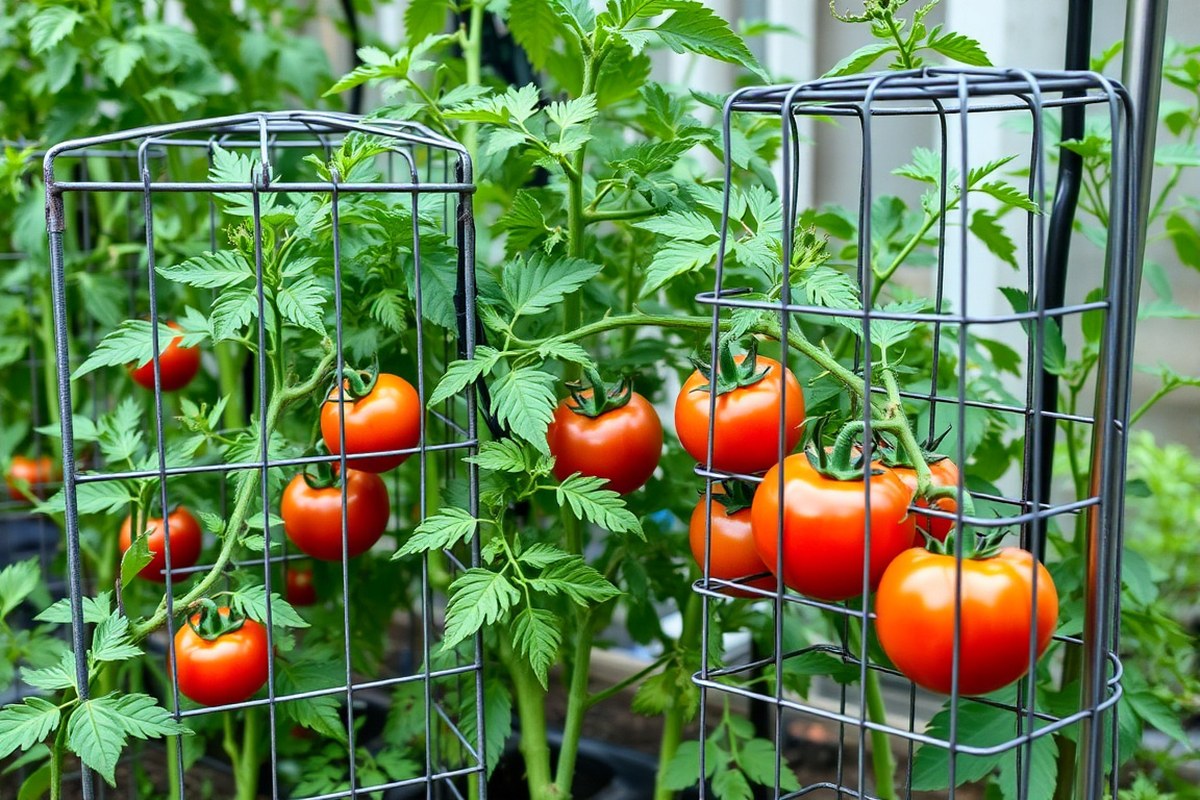
Do tomatoes need cages? Yes, they do if you want healthy, supported plants.
Cages keep vines off the ground and prevent fruit rotting. They also make harvesting easier and reduce pest problems.
Tomato cages especially help indeterminate varieties that grow continuously and get tall. For smaller determinate types, smaller cages work fine since they stop growing early. Set up cages when plants reach 6 inches tall.
Do this early to avoid root damage. Cages protect roots and help plants grow strong.
Starting with sturdy cages about 5 feet tall helps support heavy, fruit-laden vines. Space cages according to tomato size and type to ensure room for growth. Remember, well-placed cages encourage good airflow and sunlight, keeping plants strong.
Key Takeaways
- Install tomato cages when plants reach 6 to 12 inches tall for best results.
- Use cages at least 5 feet tall for indeterminate tomato varieties.
- Determinate tomatoes need smaller cages around 3 feet tall and wide.
- Space cages about 4 feet apart, based on your tomato variety’s size.
- Choose sturdy cages with a wider diameter to support heavy, fruit-laden vines.
- Keep plants off the ground to reduce pests and fruit rotting.
Do Tomatoes Need Cages for Best Growth?

Not all tomato varieties need cages, but most benefit from some support. Determinate tomatoes grow about 3 feet tall. They are called bush varieties.
They do well with small cages or stakes. Their compact size means heavy-duty cages aren’t necessary. But even these need some support to keep fruit off the ground and branches from snapping.
Indeterminate tomatoes grow taller, sometimes over 6 feet, and demand large, sturdy cages. These plants keep growing throughout the season and produce fruit along long vines. The plant can sprawl on the ground without a cage.
This causes more disease risk. It also can damage fruit. A well-built cage also helps keep the plant upright during storms and heavy fruit loads.
Cages work best when installed early, as soon as seedlings reach 6 to 12 inches tall. Placing the cage too late might break the stems or stress the plant. Indeterminate tomatoes need a cage at least 5 feet tall.
The cage must be wide for thick growth. This keeps the plant supported. Set cages about 4 feet apart to give each plant room to expand without crowding.
In some cases, cages are optional. Very small or dwarf tomato varieties grow well in containers. They sometimes do fine with light or no support.
These types don’t need big cages. Also, gardeners who prefer staking or trellising may skip cages on indeterminate tomatoes. Cages help stop sprawling and keep fruit clean.
Using cages means less daily work for you. They make care simpler overall.
Using cages prevents problems like broken branches and disease caused by contact with soil. Cages also improve air circulation around the leaves, reducing mildew and blight. Without cages or support, plants often sprawl everywhere.
This makes management and harvest harder. It also lowers fruit quality.
Which Tomato Varieties Require Different Cage Sizes?

Tomato varieties split into two main groups: determinate and indeterminate. Determinate tomatoes grow in a bushy shape and stop growing once fruit sets. Indeterminate tomatoes keep climbing all season and need taller, stronger cages.
Determinate Tomatoes and Compact Cage Needs
Determinate tomatoes grow to a fixed height, about 3 to 4 feet. They have a thick, bushy shape.
These tomatoes ripen all their fruit at once. A cage 42 to 48 inches tall and 18 to 24 inches wide works well for them.
Smaller cages that are lightweight also work fine for patio or micro determinate types. These need cages roughly 24 to 36 inches tall and 12 to 18 inches wide. A short cone cage anchored firmly to the soil usually does the trick.
Don’t use large, heavy cages on determinate varieties. They can topple easily and waste space.
Indeterminate Tomatoes and Taller, Stronger Cages
Indeterminate tomatoes grow as vines and can reach 6 to 8 feet tall or more. They keep growing and producing fruit until frost. Their cages need to be 54 to 68 inches tall.
The base should cover 24 to 36 inches wide. This size supports their growth properly. Sometimes taller cages or trellises work better.
For heavy fruit loads, add a strong center stake inside cone cages. Aggressive cherry tomato vines climb higher than others. Their cages should be over 68 inches tall.
Use wider supports about 30 inches across for stability. Florida weave or panel trellises by midsummer handle their size well.
Set up tall cages early before roots spread wide to avoid disturbing plants later.
Varieties That Benefit from Minimal or No Support
Some determinate tomatoes like Tiny Tim and Micro Tom grow compact enough to need no cage. Their bush form and smaller size often handle wind and fruit weight by themselves. Container growers often pick these to avoid tall stakes or cages.
Still, removing any ground-level leaves and occasional tying of branches helps keep these tidy and healthy. Small or patio tomatoes don’t need heavy cages.
Short cones or light cages are fine extras. You can skip cages if space is tight.
Even compact tomatoes benefit from clean ground space to reduce disease risk.
Comparing Tomato Cages, Stakes, and Trellises
Tomato cages hold plants by surrounding them. Stakes keep plants upright with one post. Trellises give plants a flat climbing surface.
Cages give 360-degree support, so branches stay open for better air and fruit ripening. Stakes need tying each stem, which takes more work but use less material.
For easier harvesting and healthier plants, cages often win. They reduce the risk of broken stems and keep fruit off the ground.
But staking suits gardeners who want a sleek look and are ok with more pruning. Trellises work well for smaller cherry tomatoes that climb naturally.
| Support Type | Support Style | Plant Size Best For | Effort to Install | Durability | Typical Cost | Harvest Ease |
|---|---|---|---|---|---|---|
| Tomato Cages | 360-degree wire frame | Indeterminate & large plants | Moderate | Heavy-duty metal lasts years | $10-$25 each | High; branches well supported |
| Stakes | Single wooden/metal post | Determinate & smaller plants | Low to moderate tying | Wood or metal, may need replacement | $2-$5 each | Moderate; requires regular tying |
| Trellises | Flat or angled framework | Cherry & climbing varieties | Variable; more setup time | Wood or metal, often durable | $20-$50+ (varies by size) | High; plants trained upright |
Push stakes or cage legs 6 to 12 inches deep into firm soil for steady support. Set stakes 2 to 4 feet apart, based on your variety’s size.
Large indeterminate tomatoes can grow over 6 feet tall. So heavy-duty cages help prevent breakage.
Cherry tomatoes with light fruit usually do fine with stakes. Trellises also work well for them. You should tie stems gently to avoid damage.
Determinate types with thick stems may not need full cages. Cost matters when choosing plant supports.
Stakes cost less but need more care during the season. Cages and trellises usually cost more upfront.
How to Choose and Install the Right Tomato Cage
Choose a tomato cage 3 to 4 feet tall. Pick one 2 to 3 feet in diameter.
Install the cage right after transplanting seedlings into your garden. Pick cages made from sturdy, weather-resistant material for long-lasting use.
Timing and Placement of Tomato Cages
Put tomato cages around your plants as soon as you move seedlings into the garden. This timing keeps plants supported from early growth stages. Delaying installation risks damaging roots or misshaping the plant later.
Push the cage firmly into the ground, burying legs a few inches deep. Position it so the plant’s stem is centered inside. This prevents damage and offers balanced support as the plant grows tall.
Essential Features of a Good Tomato Cage
Opt for a cage at least 3 to 4 feet tall. The diameter should be around 2 to 3 feet to allow room for the branches. This size helps keep plants upright and prevents crowding from heavier fruit loads.
Look for cages with these features:
- A strong, welded metal frame to hold heavy branches
- Rust-resistant coating for durability in all weather
- Open design allowing air flow and light penetration
- Wide base for stability against wind or rain
- Easy to install and remove without stressing plants
Cages not meeting these can collapse or damage plants. Avoid flimsy cages that bend or break quickly.
DIY vs. Store-Bought Cage Material Options
Store-bought tomato cages are often made of galvanized steel or heavy wire. They resist rust and last many seasons but can cost $10 to $30 each. These cages come ready to use and save time.
DIY cages made from livestock fencing or concrete remesh also work well. These materials are sturdy and can be taller or wider than store-bought ones. The tradeoff is more effort to build and heavier weight to handle.
The best cage material depends on your budget and how many plants you support. Galvanized wire suits most home gardens. Remesh offers extra strength for heavy yields or large varieties.
Proper Pruning and Tying Techniques for Caged Tomatoes
Pruning tomato plants inside cages helps them grow well and stay healthy. You should remove lower leaves and suckers to improve airflow and reduce disease. Tie the main stems gently to the cage to support heavy branches and fruit.
Pruning Suckers and Lower Leaves for Airflow
Prune suckers once they are 2 to 4 inches long. Use your fingers or sterilized scissors to pinch or cut them off. This controls growth and keeps the plant focused on fruit production.
Remove any leaves touching the soil and those growing outside the cage. This reduces the chance of fungal diseases and improves air circulation around the plant. Determinate tomatoes need less pruning: mainly remove lower leaves and occasional suckers low on the plant.
Step-by-Step Guide to Tying Tomato Stems
Start by pulling the main stem gently through the cage wires as the plant grows. Use soft garden twine or plant ties to avoid damaging the stems. Tie just loosely enough to hold the stem, so it can still expand.
Tie the stem at intervals to support the plant as it grows taller. You should check and add ties every few days in strong-growing plants. Keep heavy fruit clusters supported to prevent stem breakage or drooping.
- Choose soft, flexible ties like cotton twine or velcro strips
- Anchor ties to the cage wires, not the soil or stake
- Tie gently to avoid squeezing the stem
- Support branches with heavy fruit, too
- Remove or replace ties if they cut into stems
- Prune and tie regularly during the growing season
Remove any shoots or leaves growing outside the cage to keep the plant contained. This avoids tangled growth and easier harvesting. Check tied areas often for wear or tightness.
Maintaining Tie Spacing as Plants Grow
Space ties about every 8 to 12 inches along the main stem. This spacing provides good support without constricting the plant’s natural growth. For branches carrying heavy fruit, add extra ties at joints or near clusters.
Ties placed too close together may damage stems. Very wide spacing can let branches bend or break.
Adjust tie positions as the plant grows and adds weight. Always keep the stem supported above the last tie to prevent sagging.
Check ties weekly and loosen or move them as the stem thickens and grows longer.
Common Mistakes with Tomato Cages and How to Fix Them
Tilted, weak, or collapsing cages usually come from poor installation or flimsy materials. Heavy tomato plants push the cage down or sideways during strong wind. Use a sturdy metal or wooden cage for your tomato plant.
The cage should stand 6 to 8 feet tall. This height gives your plant good support.
Setting the cage too close to stems can choke your plant. Tomatoes need space to grow upward without being squeezed. Put the cage 3 to 4 inches from the plant’s base.
Don’t tie branches too tightly to the cage. This helps branches grow well and prevents damage. Let stems grow naturally, supporting them every 8 to 12 inches.
- Use heavy-gauge metal cages or thick wooden stakes for support
- Insert cages deeply, about 6 to 12 inches into the soil, to secure firmly
- Keep the cage or stake 3 to 4 inches away from the base. This spacing protects the roots from damage. It helps your plant stay healthy.
- Check ties often; loosen or add new ones when growth pushes branches out
- Cut larger cage openings for easier access to tomatoes and less stem damage
- Replace rusty or bent cages each season to avoid collapse
- Allow plants to dry before removing cages to prevent stem breakage
Regularly check cages during the growing season. Tighten loose supports and reposition cages if wind shifts them. Replacing damaged ties with soft cloth strips stops stem injury.
Clean cages and store them indoors in winter. This stops rust and extends cage life for 3 to 5 years, depending on material quality.
Alternatives to Tomato Cages and When to Use Them
Stakes work better than cages when you grow determinate tomato varieties. Those types usually have one main stem and stop growing after fruit sets. Drive a sturdy stake about 12 to 18 inches deep next to the plant.
Tie the main stem to the stake loosely every 8 to 12 inches. Use soft garden twine for this.
This keeps the plant supported without damage. Stakes cost less than cages but don’t support side branches well.
Sprawling tomatoes can succeed without cages if space and soil allow it. Choose a sunny spot with loose, rich soil. Lay the vines on the ground and mulch heavily to keep fruit off dirt.
This method suits cherry tomatoes if you don’t mind their vines spreading widely. Regular watering and weeding help prevent disease and damage. Keep an eye on rotting fruit or pests under tomato leaves.
Sprawling plants have less airflow compared to supported ones. Good airflow helps reduce these problems.
Hog wire fencing offers a solid middle ground between staking and cages. It handles indeterminate tomatoes well by supporting heavy vines and improving airflow. Use galvanized fencing with 4- to 6-inch woven squares.
Take a 6-foot length of wire and roll it into a cylinder. Make the cylinder about 2 feet wide. Set it around your tomato plant for support.
For longer rows, install a panel upright and plant tomatoes 1.5 feet apart in a zigzag pattern on both sides. This set-up reduces tying and keeps plants upright, allowing you to prune less. Hog wire fencing costs more at first than other options.
It lasts many seasons and requires less work. You can expect better tomato yields with it.
Spacing and Placement Guidelines for Tomato Cages
Space tomato cages about 18 to 24 inches apart to allow enough room for growth. Position the cage so the legs are roughly 3 to 4 inches from the main stem. This distance gives roots space without crowding while letting the plant spread inside the cage.
Good spacing lets air flow well between cages, which helps prevent diseases like blight. When air doesn’t move through the plants, humidity builds up and encourages fungal problems. Using wider cages gives the plant more room but requires slightly more space between plants.
Place cages right after planting to avoid disturbing roots later. Angle the legs so they catch the plant’s base without bending or lifting soil. For container tomatoes, set cages inside pots carefully to fit without touching the rim.
- Keep 18 to 24 inches between cages for medium-sized tomato varieties
- Set cage legs 3 to 4 inches away from the plant’s stem
- Plant tomatoes in a zig-zag or staggered row for better airflow
- Use sturdier, larger cages for bigger or vining varieties
- Place cages right after planting to avoid root damage
- Check that cages don’t block pathways or make harvesting tricky
Check spacing by visualizing how big your tomato will get. If cages feel cramped now, the plants will crowd and suffer later.
Closer plants look lush but boost disease risk and reduce airflow. Properly spaced cages help you prune easier and pick fruit without struggling.
Set cages soon after planting to avoid disturbing roots and keep plants stable.
Step-by-Step Action Plan for Supporting Tomatoes with Cages
Follow these steps to set up tomato cages and keep your plants healthy and productive.
- Before planting: Choose cages sized for your tomato variety. Make sure cages stand at least 5 feet tall for indeterminate types. This helps prevent overcrowding and damage.
- Day 1, planting day: Place the cages firmly in the ground near each tomato spot. Push stakes or cage legs deep to hold steady. The cages should be ready before the plants grow big.
- Week 2 after planting: Begin pruning lower leaves and suckers. Tie the main stem loosely to the cage with soft ties. Check that ties are not too tight to avoid cutting the stem.
- Week 4: Continue tying new growth to the cage as needed. Remove any branches that crowd the center. This improves airflow and keeps leaves dry.
- Mid-season (about 6 weeks): Watch for any sagging or leaning. Add extra support stakes or adjust ties if the cage wobbles. Strong support keeps fruit off the ground.
- Harvest time: Gently remove ripe tomatoes without pulling on stems. Keep the cage intact for late-season growth and fruit production.
- After season: Clean and store cages to avoid rust or damage. Inspect for bends or breaks to fix before next year.
Frequently Asked Questions
Can You Use Tomato Cages for Container-Grown Tomatoes?
Yes, but pick cages that fit your pot size to support plants well. Container tomatoes need space to spread roots without tipping over.
Do Tomato Cages Prevent Diseases on Tomato Plants?
Cages improve air flow, which reduces disease risk on tomatoes. Good airflow helps leaves dry faster, limiting fungal growth.
Is It Necessary to Remove Tomato Cages After Harvest?
No, leaving cages can protect soil from erosion and pests in winter. You can clean and store cages for next season, too.
How Early Should You Place Cages Around Tomato Seedlings?
Place cages when plants reach 6 to 12 inches tall for best support. Install cages early to avoid root disturbance later on.
Can Tomato Cages Be Reused Year After Year?
Yes, good quality cages usually last several seasons if cleaned properly. Wash cages after season to prevent disease spread each year.
Do Cages Improve the Taste or Quality of Tomatoes?
Cages don’t change tomato taste but promote healthier, better fruit development. Healthy plants produce more flavorful and evenly ripened tomatoes.
Final Thoughts
Tomatoes do best with cages that fit their size and growth habits. Proper cage use helps reduce disease and improves fruit quality. Start by selecting the right cage now and get your plants off to a strong start.