Why Raised Beds Improve Gardening: 8 Key Benefits and Expert Tips
Wondering why raised beds work so well for gardening? Raised beds improve soil warmth, drainage, and aeration. This helps plants grow stronger and healthier compared to traditional in-ground gardens.
They let you fill with top-quality soil and compost, avoiding poor native soil problems. Plus, raised beds reduce soil compaction since you don’t step on the dirt. This means roots can spread easily and take up more nutrients.
Start by choosing the right depth for your plants. For most vegetables like tomatoes or peppers, aim for 12 to 24 inches deep.
Also, keep the beds narrow enough, around 3 to 4 feet wide. So you can tend the plants without stepping inside.
Key Takeaways
- Fill raised beds with quality soil and compost for better plant health.
- Build beds at least 12 inches deep for most vegetables, deeper for root crops.
- Keeps soil loose and aerated by preventing foot traffic inside beds.
- Raised beds warm faster in spring, allowing earlier planting.
- Limit bed width to 4 feet for easy access without stepping on soil.
- Use mulch on top to retain moisture and suppress weeds.
1. What Are Raised Beds and How They Work

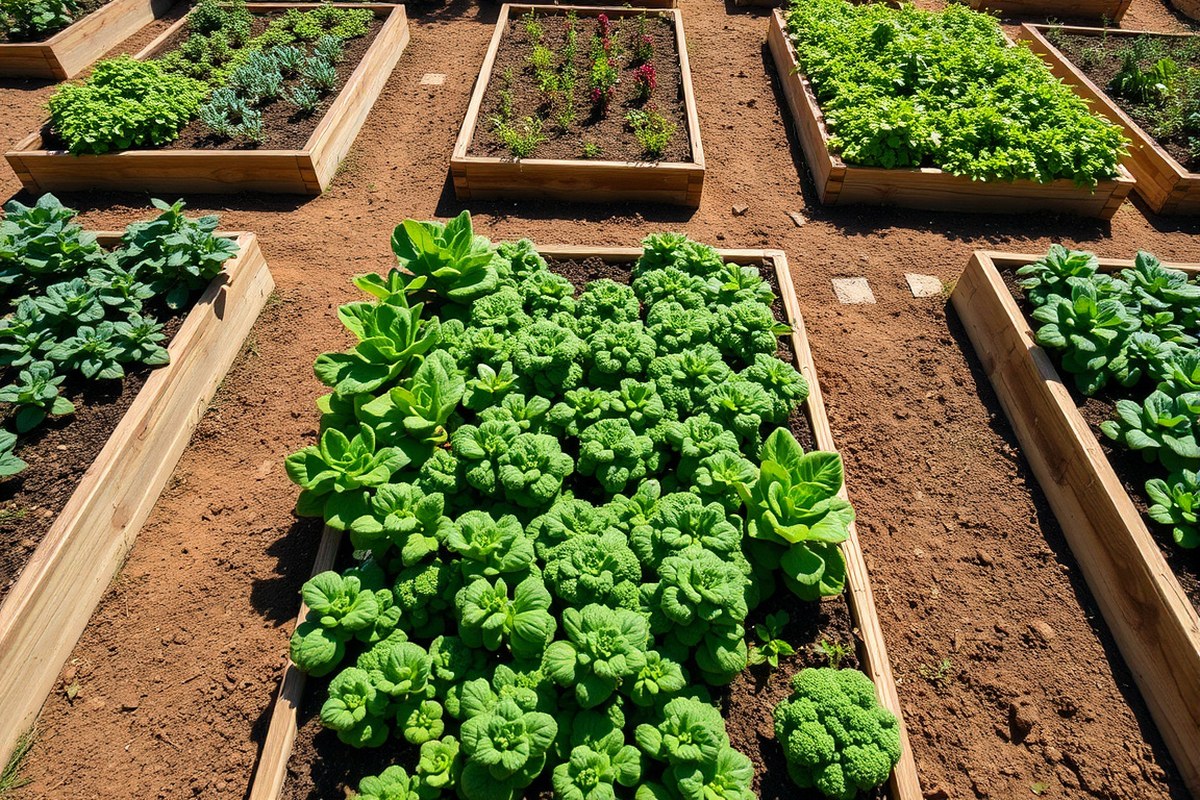
A raised bed is a garden area filled with soil and set above ground level. It often has sides made from wood, metal, or stone that hold in the soil. These beds are usually 3 to 4 feet wide.
This width lets you reach the middle easily. You don’t need to step on the soil.
The depth varies depending on what you want to grow. For crops like leafy greens, beans, and cucumbers, 8 inches deep is enough. You want to plant peppers, tomatoes, or squash.
Use a depth of 12 to 24 inches. This helps support their roots well.
Raised beds on soil let plant roots grow into the ground below. Beds on hard surfaces or with bottom liners must be deeper. Usually, this means 18 to 24 inches deep.
This extra depth helps plants grow better. This prevents roots from getting cramped and helps with drainage and water retention.
Raised beds warm up faster in spring than ground planting. They drain water better than planting in native soil. You can fill them with good soil for better control.
Materials for building raised beds vary a lot. Wood is common and affordable but can rot in a few years unless treated. Metal and stone last longer but cost more and can be harder to install.
Some gardeners use old bricks or concrete blocks too. These materials add both character and stability to the beds. This gives a sturdy, unique look.
The width and height also depend on your space and abilities. You have trouble bending or limited space. Keep beds no wider than 4 feet.
Raise them to waist height for easier gardening. For bigger gardens or commercial use, in-ground planting works best.
Raised beds don’t work well beyond small to medium plots. They are hard to scale up.
2. How Raised Beds Improve Soil Quality and Drainage

Raised beds help soil by stopping it from getting squished. They let air reach roots better. You can also choose what soil mix to use.
They help water drain quickly and avoid pooling, which keeps roots healthy. This makes your garden easier to manage and gives plants a better chance to thrive.
Preventing Soil Compaction and Boosting Aeration
Raised beds limit foot traffic on soil, which stops it from getting packed down. Loose soil has more air pockets, which roots need to breathe. Without compaction, there’s less need to till or break up soil each year.
This improves root growth because roots can easily spread and take up water and nutrients. Good aeration also supports beneficial microbes that help plants grow strong. You won’t find these benefits as easily in ground-level soil that’s stepped on or heavy.
Controlling Soil Composition with Raised Beds
You get to pick exactly what goes into your raised bed soil. You get to make the best soil mix for your plants. This beats using whatever soil is already there.
A good soil mix has equal parts compost, topsoil, and coconut coir or peat moss. These hold water well.
Adding sand or perlite helps if your soil tends to stay wet or dense. Use this approach in wetter climates to improve drainage.
Add compost on top each year to refresh your soil. This keeps nutrients high and soil healthy.
In dry areas, adding organic matter like compost and coconut coir improves moisture holding without waterlogging. Tailoring the mix to your climate and plant choices improves growth and reduces stress on plants.
How Raised Beds Improve Water Drainage
Raised beds sit above ground level, so water drains more freely and quickly. This keeps soil from becoming soggy and keeps air around roots, preventing root rot risks. Good drainage means watering your plants less often compared to heavy ground soils that trap water.
Raised beds keep water from puddling if your garden has heavy clay or tight soil. Water moves down and away instead of sitting on top. This helps plants thrive, especially after heavy rains or in spring as soils thaw.
Best Soil Mixes for Raised Beds
Use one-third compost, one-third good topsoil, and one-third coconut coir or peat moss in your soil mix. This balances nutrients, moisture, and aeration. Add one part coarse sand or perlite if you have wet soil or bad drainage in your bed.
Refill yearly with compost to keep soil fresh and rich. Buying bulk compost and topsoil from local suppliers reduces cost.
Avoid soil that is too sandy or heavy clay. Adjust the recipe based on your plants’ needs, like extra organic matter for vegetables.
Don’t step inside your raised bed. Stepping compacts soil and reduces aeration and drainage benefits.
3. How Raised Beds Help Reduce Weeds and Pest Problems
Raised beds keep weeds and pests out. They create a controlled growing space. This space has fewer places for invaders to enter.
Raised beds help stop weeds from coming up. They also block pests like rodents and soil insects.
This works better than garden beds in the ground. Careful setup and maintenance boost these natural advantages.
Setting Up Weed Barriers
Laying a weed barrier under your raised bed limits weed growth from the soil below. It blocks weed seeds and roots from creeping into your planting area. This step is a basic but powerful way to reduce weed problems.
Prepare the site before building the bed to get the best results. Use a natural material like cardboard or thick newspaper as a base. You want to smother existing vegetation and stop new weeds from growing.
- Clear existing weeds and roots from the ground where you’ll place the bed.
- Lay down a thick layer of cardboard or 10-20 sheets of newspaper.
- Overlap pieces to cover the entire area completely, with no gaps.
- Wet the cardboard or newspaper to help it stay in place and start decomposing.
- Build your raised bed frame directly on top of this barrier.
- Fill the bed with your prepared soil mix and compost.
- Add mulch on top of the soil to further block weed seeds from the air.
Leave the barrier intact for 8 to 12 weeks if you can, before planting. The decomposing layer improves soil health naturally. Avoid plastic weed barriers; they prevent moisture and soil organisms you need.
Using Mulch and Pathway Management
Mulch on top of raised beds slows weed seed germination and retains soil moisture. A 2-3 inch layer of organic mulch like straw, wood chips, or leaves works best. Mulch also keeps soil cooler in summer and warmer in winter.
Keep pathways around beds clean and clear to reduce weed spread. Cover walkways with cardboard, newspaper, or a commercial weed mat to smother weeds. This extra step cuts weed seeds moving from paths into your raised bed.
Removing vegetation in paths prevents weeds from setting seed near your plants. Changing the path around the bed helps stop weeds.
Use gravel or stepping stones for the path. These materials make it hard for unwanted plants to grow.
Physical Pest Controls in Raised Beds
Raised beds form a barrier against many soil-borne pests like gophers, voles, and some insects. You can add pest barriers under the soil. Use hardware cloth or garden fabric for this.
They stop animals that dig and burrow. This prevents damage to roots and plants.
Fencing around raised beds can keep out larger pests like rabbits or deer. Planting close together in square foot gardens helps a lot.
It leaves less space for weeds to grow. It also stops pests from having room to spread.
Inspect your beds regularly to handpick insects or pests early. Raised beds make this easier because plants are more visible and accessible than in ground gardens. You can also use natural pest sprays more efficiently here.
4. How Raised Beds Extend the Growing Season
Raised beds warm up faster in spring because they sit above ground level. The soil in them gets more sunlight and air circulation. This helps the soil dry out faster.
It warms up earlier than ground soil. Soil at ground level stays cold and soggy longer.
You can usually plant about 1 to 3 weeks earlier in raised beds. The exact time depends on your climate and how high the beds are. In cooler northern climates, this extra time helps a lot.
Short growing seasons make warmth important for crops. It really improves growth.
Soil in raised beds can get 5 to 10 degrees hotter. This is warmer than soil at ground level. It helps plants grow better.
This warmer soil speeds up seed germination and root growth. It also means seedlings get a jump start. So you harvest crops sooner and can keep harvesting later into fall.
Raised beds not only warm earlier but cool faster in fall. Raised bed soil loses heat faster at night or cold spells. Air surrounds the soil on all sides.
This cools it quicker than ground soil. To extend your harvest, use frost cloth or row covers on raised beds. Cold frames also help protect crops and keep soil warmer.
Here’s a simple timeline for using raised beds. It helps extend the season in moderate climates. Follow these steps to get started.
| Task | Raised Bed | Ground Soil |
|---|---|---|
| Soil Thaws | Late March | Early April |
| Planting Starts | Early April | Mid April |
| First Harvest | Mid June | Late June |
| Last Planting | Early August | Mid August |
| Final Harvest | Late October | Mid October |
In warmer climates, raised beds still start warming soil earlier. But the difference may be just a few days. In cold or variable climates, raised beds help a lot.
They let you use your garden as soon as the soil is workable. That can add weeks of growing time each year.
Building and filling raised beds costs about $20 to $50 per square foot. Price depends on materials and soil quality. This is the typical range.
The investment is worth it if you want earlier crops or a longer harvest. Use wood frames at least 8 to 12 inches tall.
Choose good quality soil for warmth and drainage. These help your plants do well.
5. Raised Beds for Easier Access and Ergonomic Gardening
Raised beds help you avoid constant bending and kneeling while gardening. They’re built up, which lifts the soil surface to a more comfortable level. This setup lowers strain on your back and knees.
It makes gardening easier. You can tend plants longer without pain.
For gardeners with limited mobility, raised beds about 24 to 36 inches high work best. This height allows you to reach plants while standing or sitting in a chair. Keep your bed width between 3 and 4 feet.
This lets you reach the center from either side. It helps you avoid overreaching and strain.
Raised beds also make planting, weeding, and harvesting more efficient. You don’t need to stretch far or crouch low.
So it saves time and energy. With smaller, well-defined beds, keeping track of your garden’s progress becomes simpler and quicker.
Place raised beds close to your main walking paths to reduce extra movement during gardening tasks.
Modular raised beds have metal or wooden sides. You can change their size and height. This fits what you need.
For limited mobility, choose sturdy materials that won’t wobble as you lean on the bed. This stability makes working easier and safer.
Improve beds also control soil conditions better. So you spend less effort fixing drainage or soil problems while standing upright. Raised beds use less water and fertilizer because they are small.
This means carrying fewer tools and supplies. It reduces heavy lifting. This approach suits seniors, those with back injuries, or anyone wanting less physical stress.
6. Common Materials and Building Tips for Raised Beds
Raised beds come in a few common materials: wood, metal, and composite. Each type has its own cost, durability, and care needs. Picking the right bed depends on your budget and style.
Think about how long you want your beds to last, too. These factors will help you decide.
Wood Options and Longevity
Wood is a popular choice because it’s easy to find and work with. Cedar and redwood last longer than pine or fir. They often last 10 to 15 years.
Plus, they don’t need treatment often. Cheaper woods may rot within 3 to 5 years.
This happens if they touch soil and stay damp. Avoid this to keep beds lasting longer.
Pressure-treated wood is affordable and lasts longer. But some gardeners avoid it due to chemicals.
Untreated wood will need occasional sealing or replacing. Build raised beds with at least 2×6-inch boards for good stability and to hold soil well.
To keep wood beds strong, screw corners tightly with galvanized screws. Line the inside with landscape fabric if you want to reduce soil contact. This keeps wood drier and extends life.
Metal Beds Pros and Cons
Galvanized steel or aluminum beds last much longer than wood, often over 20 years. They resist rot, insects, and warping, which means less upkeep. Metal beds usually cost a bit more upfront but pay off with durability.
Metal can heat up quickly in full sun, which might stress plant roots. Adding a wooden or composite top edge can make the bed safer to handle. Rust is unlikely with galvanized steel but check your local climate first.
Metal beds usually come ready-made and need less building skill. You can find modular options for easy setup and different shapes, like round beds.
Composite and Alternative Materials
Composite boards combine wood fibers and plastic, making them fade-resistant and long-lasting. They cost more than basic wood and might not have the natural feel some gardeners want. Composite won’t rot or split, which means little maintenance.
Stone, brick, or concrete give a permanent raised bed with great visual appeal. Building with these takes more work and sometimes professional help. These options cost more and usually aren’t moveable once set.
For a cheap, quick bed, some gardeners use logs or fabric containers. These last only a few years and may not hold soil shape well. But they make good temporary options.
Here’s a simple comparison for most common raised bed materials:
| Material | Approximate Cost per Bed | Typical Lifespan | Strength for Soil Hold | Maintenance |
|---|---|---|---|---|
| Cedar or Redwood Wood | $80 – $150 | 10 – 15 years | Good | Occasional sealing |
| Pressure-Treated Wood | $60 – $120 | 5 – 10 years | Good | Minimal, chemical concerns |
| Galvanized Metal | $120 – $200 | 20+ years | Very good | Low |
| Composite | $150 – $250 | 15+ years | Good | Very low |
| Stone, Brick, Concrete | $200+ | Decades | Very good | None |
Choosing the right material means balancing your budget and how much work you want to do. Wood beds cost less and allow DIY builds but need upkeep. Metal and composite beds last longer and require less care but cost more.
7. Maintenance and Watering Strategies for Raised Beds
Raised beds generally need watering more often than in-ground gardens. The soil drains well, but it can dry out faster, especially in warm weather.
Check soil moisture by sticking your finger an inch or two deep. When the soil feels dry, you should water the bed.
Overwatering shows as soggy soil or yellowing leaves. Underwatering causes wilting or dry, crumbly soil.
Water more in hot, dry months. Water less when it rains or cools.
Maintaining raised beds involves simple steps to keep soil healthy and disease-free. Mulch helps retain moisture and blocks weeds. Also, avoid walking on beds to prevent soil compaction and root damage.
- Water early in the morning to reduce evaporation.
- Use drip irrigation or soaker hoses for steady moisture.
- Remove dead plants and debris each season to stop disease.
- Test soil pH yearly; keep it between 6.8 and 7.2 for most veggies.
- Add compost or organic matter each spring for nutrients.
- Loosen soil surface gently to improve air flow and drainage.
Seasonal care includes cleaning out old roots and adding fresh compost in spring. Choose mulch that won’t mat down, such as straw or shredded leaves. Check plants often for signs of stress to catch watering problems early.
8. Drawbacks and When Raised Beds May Not Be Ideal
Raised beds can dry out faster than in-ground gardens, especially in hot weather. This means you’ll need to water them more often to keep plants healthy.
The faster drying is due to better drainage and exposure above ground. Missing watering for a day or two can make your plants wilt fast.
Building raised beds also means an upfront cost for materials like wood, soil, and hardware. A typical 4-foot by 8-foot bed can cost between $50 to $200 depending on the materials. You need to fill raised beds with quality soil or compost.
This task adds to your start-up effort. It also costs money. Raised beds aren’t free and need planning before planting.
The most common raised beds are about 11 inches deep. But this depth limits what roots can grow well. Deep-rooting plants like carrots or parsnips might need taller beds or direct in-ground planting.
Raised beds usually don’t work well for large shrubs or trees. In-ground gardens allow deeper root spread and more space.
Sometimes, ground conditions mean raised beds aren’t the best option. Heavy clay soil holds water and can make raised beds dry out fast. This means you’ll need to water constantly.
When you have lots of space and great soil, in-ground gardening can cost less and be easier. Raised beds really shine where soil is poor, hard to dig, or during cold seasons.
To handle faster drying, mulch your raised beds with straw or wood chips. Mulch keeps moisture in longer, so you don’t water as often. Adding drip irrigation or soaker hoses also helps keep moisture steady.
You can line the bed bottom with landscape fabric to reduce weeds. But skip materials that trap water and cause root rot.
Plan your watering schedule carefully, especially in hot months, to avoid drying out your raised beds.
Pick raised beds if you want easier access, better soil control, or have poor native soil. Choose in-ground gardening if you have great soil, limited budget, or grow deep-rooted crops.
Raised beds are not good if you can’t water often or need to grow deep root crops. The choice depends on your garden goals, soil, and how much work you want.
Step-by-Step Action Plan for Starting with Raised Beds
Follow these steps to set up your first raised bed garden effectively. This plan helps you see progress quickly and keeps your garden healthy.
- Before you start: Choose a sunny spot with good access to water. Check the soil drains well by digging a small hole and filling it with water. It should drain within a few hours.
- Day 1: Build your raised bed frame using untreated wood or another safe material. Make sure the bed is at least 6 to 12 inches tall. It should feel sturdy and level.
- Day 2: Fill the bed with a mix of topsoil, compost, and organic matter. The soil should look dark and crumbly and hold its shape when squeezed.
- Week 1: Plant seeds or seedlings suitable for the season. Keep the soil moist but not soggy. Seeds should begin sprouting within the expected time frame on the seed packet.
- Week 2: Install a simple drip irrigation or soaker hose system for consistent watering. Check that water reaches all parts of the bed without puddling.
- Week 3: Start adding mulch around your plants to reduce weeds and conserve moisture. Look for at least 2 inches of mulch covering bare soil.
- Ongoing: Monitor for pests and pull weeds as needed. Healthy plants with minimal damage show this step is working.
Frequently Asked Questions
Why Do Raised Beds Warm Up the Soil Faster in Spring?
Raised beds have better drainage and less soil compaction. This lets soil warm up earlier, helping you plant sooner and grow longer in cool climates.
Can I Use Raised Beds on Concrete or Patios?
Yes, but make the beds at least 18 to 24 inches deep. This gives enough soil volume for healthy roots and plant growth above the hard surface.
How Deep Should Raised Beds Be for Root Vegetables?
Raised beds for root veggies need at least 12 to 24 inches deep soil. This depth lets roots grow well without hitting hard ground underneath.
Will Raised Beds Dry Out Soil Faster?
Yes, raised beds drain better but dry out quicker. You’ll likely need to water 1 to 2 times a week in hot weather.
What Width Is Best for Easy Access to All Plants?
Beds no wider than 4 feet let you reach plants easily. This is ideal if you have limited mobility or back issues.
Do Raised Beds Prevent Soil Erosion During Heavy Rain?
Raised beds reduce soil erosion by holding soil in place. Their structure protects plant roots better than flat garden rows.
Wrapping Up
Raised beds give you better control over your garden soil and make planting easier. You can start simple with a small bed to fit your space. Grab some wood and soil mix to build your first raised bed this weekend.