Do Earthworms Have Teeth? A Complete Guide to How They Eat and Digest
Do earthworms have teeth? The short answer is no.
Earthworms do not have any teeth in their mouths. Their mouths are simple openings used to ingest soil and organic matter.
Without teeth, earthworms rely on another method to break down food. They swallow soil that contains small particles and organic matter. Inside, their gizzard grinds the material thoroughly, much like a bird’s stomach.
This grinding process helps earthworms extract nutrients more efficiently. Their digestive system then absorbs these nutrients to support their growth and activity. The gizzard uses small stones or sand particles the worm swallows to aid in grinding.
Knowing earthworms lack teeth means you don’t need to worry about them biting. Some other worm species do have tiny teeth for scraping food, but earthworms don’t. They remain harmless and helpful creatures in your garden soil.
Key Takeaways
- Earthworms have no teeth, only a mouth to swallow soil and scraps.
- Their gizzard acts as a natural grinder to break down food particles.
- Earthworms swallow soil that helps mechanically crush organic matter internally.
- No teeth means earthworms cannot bite or harm humans or pets.
- Other worm species may have teeth, but earthworms do not share this trait.
- Focus on providing moist, rich organic material to feed earthworms effectively.
Do Earthworms Have Teeth? The Definitive Answer
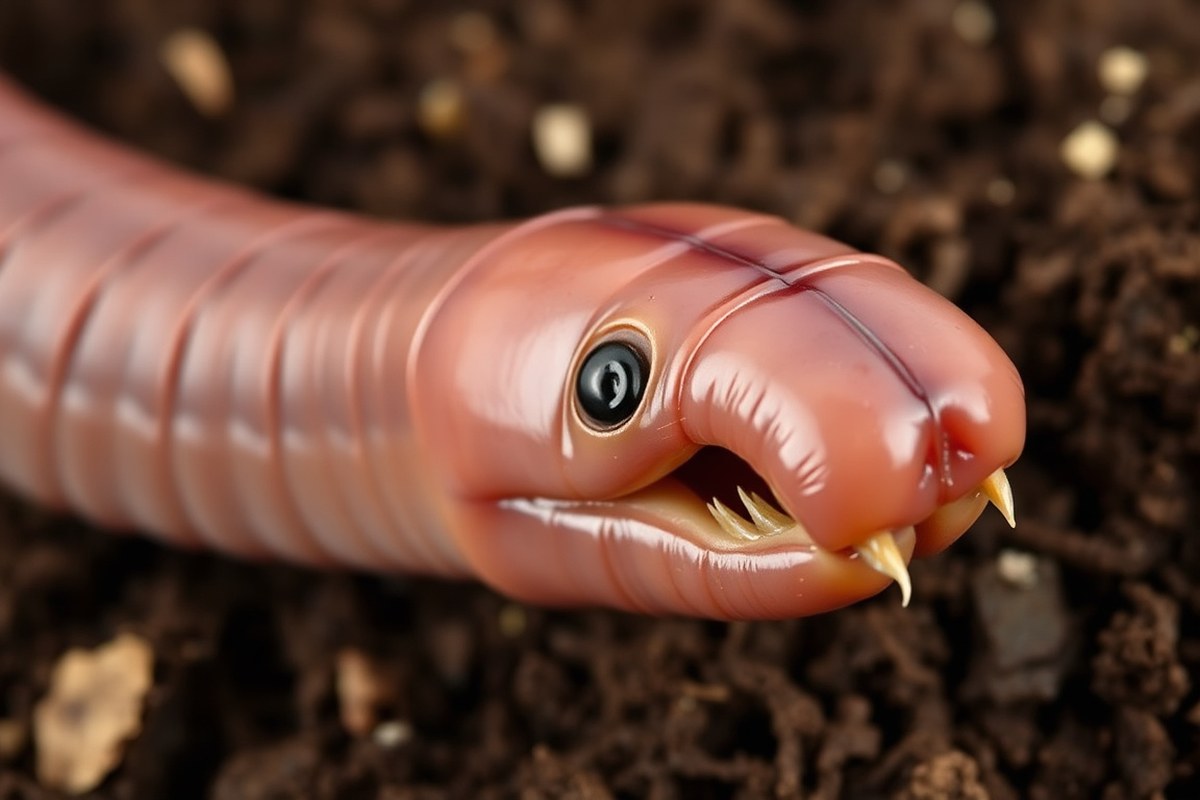
No, earthworms do not have teeth, not even tiny ones. People often think they do because of their mouths and how they eat. This mix-up comes from how earthworms chew and digest soil and organic matter.
Earthworms have a mouth, but it’s only a simple opening without any teeth. They take in soil and plant material.
But they do not bite or chew with teeth. Instead, earthworms swallow their food whole and rely on other parts to grind it down.
Many think earthworms have tiny teeth because of bits around their mouths. Those bits are actually soil or organic material stuck there. Earthworms do not have teeth to chew food.
This might look like tiny teeth marks but is actually just their way of moving soil. Their bodies are soft and smooth, with no bony or tooth-like structures.
Some worm species, like certain predatory worms, do have teeth or sharp mouthparts. Earthworms, including red wigglers and nightcrawlers, do not. Their gentle nature and feeding habits make teeth unnecessary and even a disadvantage for soil health.
Since earthworms lack teeth, they do not bite. This means they won’t harm you or other creatures by biting. Earthworms eat organic material and break it down inside their bodies.
They grind soil and waste without using any teeth. This helps improve soil quality as the material passes through.
How Earthworms Eat and Break Down Food Without Teeth
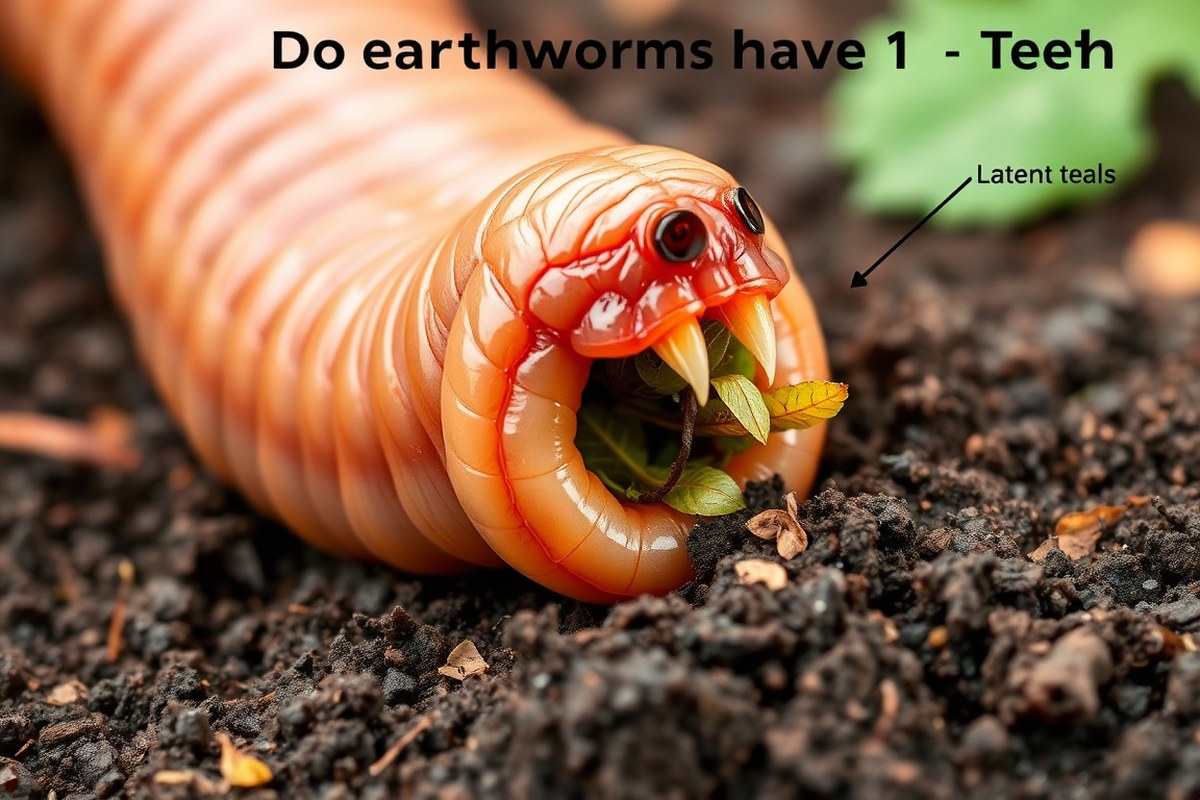
Earthworms don’t have teeth to bite or chew their food. Instead, their mouths pull food in with strong muscles.
They use a lobe called the prostomium above their mouth. This helps them sense food and guide it inside.
Once food enters the mouth, earthworms don’t swallow it whole right away. Pulsating muscles inside the mouth and pharynx gradually push the food down. This slow process helps prepare the food for further grinding later on.
Because earthworms lack teeth, they rely on their gizzard to break down food. The gizzard contains sand and grit that the worm swallows, acting like tiny grinding stones. This method is more energy-efficient than chewing and helps earthworms process tough organic matter.
Worms mainly eat decaying plants and soft organic material. They wait for microbes to soften tough material before they start feeding. This slow breakdown ensures the food is easier to digest once swallowed.
The mouth area doesn’t have typical parts like a tongue or cutting teeth. Instead, it has small bristles and a couple of tiny claw-shaped teeth at the back.
But these don’t help chew. The muscles handle all the work pulling food in and pushing it down.
Don’t expect earthworms to chew scraps like you do. They rely on microbes and grit to soften and grind their food.
The Gizzard: Earthworms’ Natural Grinding Mill
The gizzard is a strong, muscular part right after the crop in earthworms. It works like a mill, squeezing food with tough muscles. Tiny hard bits inside, mostly soil sand, help grind the food down.
The worm swallows soil and dead plants. These first go into the crop. The crop is a soft place that holds the material.
Then it moves to the gizzard, where muscular contractions press the food repeatedly against the grit. The gizzard crushes the food into tiny bits.
Smaller pieces make digestion easier. Nutrients get absorbed better in the intestines.
Without grit, the gizzard cannot function well. When earthworms don’t have enough hard particles to grind food, their digestion weakens. You might notice weaker worm castings and slower breakdown of compost.
Earthworms need soil in their diet. The grit there helps the gizzard grind food. This process keeps digestion working well.
Are There Worm Species with Teeth? Comparing Earthworms to Others
Only a few worm species have actual teeth, unlike earthworms. Earthworms rely on other mouth parts and swallowing soil to eat. Some marine worms like the Bobbit worm have strong teeth for hunting.
Common Earthworms Without Teeth
Earthworms like Red Wigglers and European Nightcrawlers have no teeth. Their mouths are soft, with powerful muscles to suck and swallow soil. They don’t bite or chew with teeth.
These worms eat decomposing plant matter mixed with soil, using their gizzard to grind food. This system works well for composting and gardening because it breaks down material efficiently.
Teeth-Bearing Predatory Worms
Some marine worms have teeth-like structures. The Bobbit worm (Eunice aphroditois) is one example with strong jaws and sharp teeth. It burrows beneath ocean sand and strikes prey quickly.
Unlike earthworms, these predatory worms use teeth for hunting rather than feeding on soil and plants. Their teeth help catch small fish and other animals in their habitat.
| Worm Species | Tooth Presence | Feeding Behavior | Mouth Anatomy |
|---|---|---|---|
| Red Wiggler | No teeth | Feeds on decomposing matter and soil | Soft mouth with muscular pharynx |
| European Nightcrawler | No teeth | Consumes organic soil material | Soft mouth, no teeth |
| Bobbit worm (Eunice aphroditois) | Strong teeth | Predatory, strikes prey beneath sand | Jaws with sharp teeth |
This table shows major differences in worm mouth types and feeding. Earthworms can’t bite with teeth but have strong muscular mouths for soil. Predatory worms like Bobbit use teeth for catching prey.
Biting Behavior and Human Safety
Earthworms do not bite or harm humans. They lack teeth and do not attack people or plants. Your garden plants remain safe from earthworm feeding.
The Bobbit worm can bite when provoked. But it is rare and usually not dangerous.
Its teeth can cause minor injuries but aren’t life-threatening. Most worms pose no risk to people handling them.
Understanding Earthworm Mouth Anatomy and Related Structures
The earthworm’s mouth is a simple opening on its first body segment. It sits just below a small fleshy flap called the prostomium. Several parts around the mouth help the worm feed and move soil efficiently.
Prostomium as a Sensory Guide
The prostomium is a soft lobe that hangs over the mouth opening. It acts like a sensor, helping the worm detect chemicals in the soil. This way, the worm can find food and dig safely without sharp teeth or jaws.
When the worm moves, the prostomium pushes into the soil first. This pushing guides food and soil particles toward the mouth below. It works like a tiny funnel, making sure the worm swallows soil that contains organic matter.
Muscular Buccal Cavity Functions
Behind the mouth lies the buccal cavity, a strong muscular chamber. It helps the worm suck in soil and organic bits by tightening and relaxing. Instead of biting, the worm uses this cavity to pull food inside.
A muscular throat called the pharynx follows the buccal cavity. It pumps like a small pump, coating the swallowed material with saliva. This action starts breaking down the food chemically before it moves deeper into the digestive system.
Crop as Temporary Food Storage
After the esophagus, the food reaches the crop. This acts like a temporary storage pouch where food waits before digestion. It gives the worm a place to hold food, helping regulate digestion speed.
The crop allows the earthworm to eat steadily without overloading its digestive organs. From the crop, food passes into the gizzard to grind down before the intestine absorbs nutrients. This sequence is key to turning soil and organic matter into nutrients.
Check that your worm composting bin has moist, loose soil for easy feeding. Hard or dry soil can block the prostomium and buccal cavity from working well.
Common Myths About Earthworm Teeth and Biting Debunked
Earthworms do not have teeth, so they can’t bite humans or pets. Their mouths are soft. They pull in soil and decaying matter.
They do not chew or cut. This means you won’t feel any bite if you handle earthworms gently.
People often think earthworms damage plants by biting roots or leaves. That’s not true.
Earthworms actually help plants by loosening the soil and improving its nutrients through their digestion. Any damage seen around plant roots usually comes from other critters, not worms.
Sometimes gardeners see holes or bite marks on plants and blame earthworms by mistake. Other animals like slugs, insects, or rodents often make those marks.
Earthworms move underground mostly. They feed on dead material, not fresh leaves or live roots.
Worms swallowing soil to process organic matter can look strange. But they don’t attack living plants. They grind bits they find in dirt with their gizzard.
This gizzard acts like teeth. It helps break down food. So even though they eat, they do it without any biting.
An earthworm biting may be stressed or trying to protect itself. It often wriggles when this happens.
Many people confuse this movement for a bite. In reality, you don’t have to worry about earthworms biting or harming anyone in your garden.
Understanding these facts helps avoid wrong assumptions about earthworms. They help improve soil health and compost. They are not pests to fear or fight.
They are harmless helpers. Talk to experienced worm suppliers for advice on composting or worm care. They can answer your questions fast.
Why Earthworms Swallow Soil and How It Affects Digestion
Earthworms swallow soil along with organic matter because the soil contains valuable decaying material and microbes. Their mouths, though toothless, can open and close rhythmically to ingest this mixture efficiently. Soil also helps earthworms explore their environment to find more food sources.
The soil acts like grit inside the gizzard, a strong muscular organ where grinding happens. As earthworms swallow soil particles, these tiny bits rub against each other. This action breaks down tough bits of leaves and plants.
It chops them into smaller pieces. Smaller pieces help with digestion.
After grinding, the mixed soil and organic matter move into the intestine. Here, enzymes break down the organic material, allowing the earthworm to absorb nutrients.
The leftover soil then passes through, eventually exiting the worm’s body in the form of castings. These castings enrich the soil, helping plants grow better.
Different earthworm species might swallow slightly different amounts of soil depending on their habitats. Surface dwellers consume more leaf litter mixed with soil.
Deep burrowers eat soil with decayed material found below. Both types contribute to soil health by aerating it and recycling nutrients through their digestion process.
How Earthworm Feeding Behavior Affects Composting and Gardening
Earthworms need soft, partially broken-down food since they lack teeth. Feeding the right materials and giving worms enough time to digest is key for great compost. Mistakes like overfeeding or giving tough scraps slow down composting and harm worm health.
Best Foods for Earthworm Consumption
Earthworms prefer soft food that breaks down easily inside their gut. You should feed them cooked vegetable scraps, crushed leaves, and fruit peels. Avoid feeding worms raw wood chips, thick stems, or dry stuff.
Worms can’t chew or bite into hard materials. These can block their eating process.
Adding bedding like shredded paper or cardboard helps balance moisture and texture. A good start is mixing about 25% green waste with 75% browns by volume. This mix keeps the environment soft and attractive for the worms to eat and digest easily.
Feeding Frequency and Digestion Rates
Feed your worms small amounts every three to four days. Red wigglers and nightcrawlers typically take two to three weeks to fully digest food. Giving them time prevents uneaten food from rotting and producing bad smells in the bin.
Watch for signs like the bin smelling sour or worms moving away from food. These mean feeding is too fast.
Slow down to one feeding per week until existing scraps break down. Patience improves compost quality and worm health.
Common Feeding Mistakes and Fixes
Overfeeding is the top error. Too much fresh food leads to mold and harmful bacteria.
Stop feeding worms when uneaten scraps pile up. Remove all scraps to keep the bin clean.
Avoid feeding meat, dairy, oily foods, or acidic citrus as they upset the worm’s digestive system. Also, don’t add shiny or colored paper because chemicals can harm earthworms. Stick to natural, kitchen-friendly scraps and safe bedding.
Only feed worms scraps soft enough for them to suck in without teeth or chewing.
Your First Steps: Understanding Earthworm Feeding
Follow this simple plan to observe and learn how earthworms eat without teeth. You’ll see their natural behavior up close in just a few weeks.
- Day 1: Find a healthy earthworm in moist soil. Watch how it moves and explore the soil surface.
- Week 1: Offer small bits of vegetable scraps or leaves. Check if the worm pulls pieces into its mouth carefully.
- Week 2: Add some fine soil to the worm’s container. Notice how it swallows the soil along with food.
- Week 3: Observe after feeding to see the gritty mix in the worm’s casts. This shows the grinding process in the gizzard.
- Week 4: Try different types of organic matter like decomposed leaves. Watch how the worm handles tougher or softer food.
- After 1 Month: Think about how the worm eats without teeth. It still breaks down food well. This shows its unique feeding method. You’ll notice the role the soil plays.
Frequently Asked Questions
Do Earthworms Have Teeth?
Earthworms lack teeth completely. They grind food using a gizzard with grit.
Can Earthworms Bite Humans?
Earthworms cannot bite humans since they lack teeth and jaws. They are gentle and harmless creatures.
Do Any Worms Have Teeth?
Some worm species have teeth, but earthworms do not. Those species use teeth differently based on their diet.
How Do Earthworms Grind Food Without Teeth?
Earthworms use a gizzard filled with small stones to crush food. This grinding replaces the need for teeth in digestion.
Can Earthworm Mouthparts Harm Plants?
No, earthworm mouthparts do not harm plants. They ingest decomposing matter and soil, benefiting plant health.
Why Don’t Earthworms Need Teeth?
Earthworms eat soft organic matter. They do not need teeth. Instead, a gizzard helps grind the food.
Final Thoughts
Earthworms do not have teeth, but their gizzard grinds food effectively. Watching how they swallow soil and organic matter shows the full process in action. Start by feeding your worm scraps and see this natural system work right before your eyes.