How to Plant Cherry Tomatoes in a Pot: A Complete Guide for Best Results
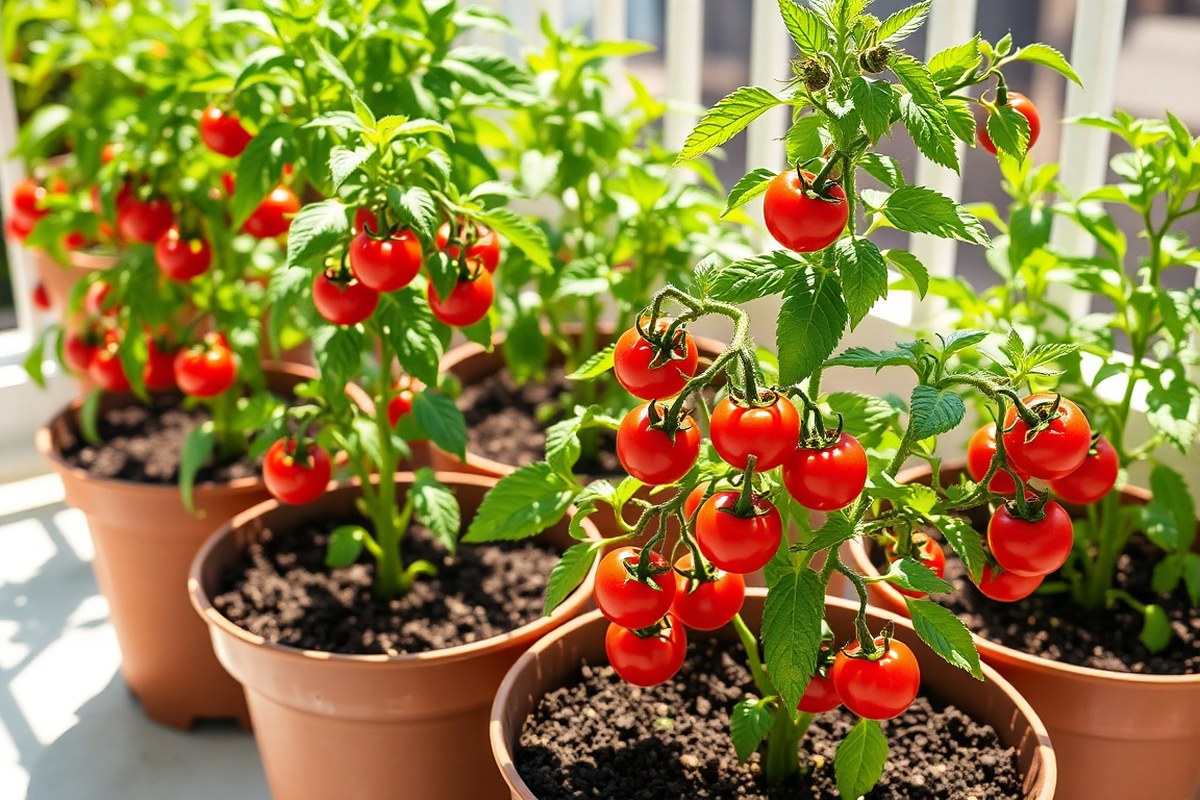
Start planting cherry tomatoes in a pot by choosing the right size container. The pot should be at least 15 inches in height. It also needs a width of about 14 inches.
This size holds enough soil and roots comfortably. This size helps keep the plant healthy and gives it room to grow well.
Use fertile, well-draining potting soil to fill your container. Fertilize every two to three weeks to keep nutrients steady. Proper soil and feeding encourage strong plants and lots of tasty tomatoes.
Place your pot where it gets at least six hours of direct sunlight daily. More sunlight, up to eight hours, produces the best fruit. Watch for spots that stay warm and sunny to boost growth.
Key Takeaways
- Pick a pot 15 inches tall and 14 inches wide for best root growth.
- Fill pots with well-draining, organic potting soil for healthy plants.
- Fertilize every 2 to 3 weeks to supply steady nutrients to the plant.
- Place your container where the sun shines on it for 6 to 8 hours each day. More sun usually helps cherry tomatoes grow better. Choose a bright spot outdoors with full sun exposure.
- Use stakes to support taller cherry tomato plants as they grow.
- Choose fast-maturing cherry tomato varieties for quicker harvests in short seasons.
How to Plant Cherry Tomatoes in a Pot Step-by-Step

Planting cherry tomatoes in pots requires careful soil prep and correct seed or seedling placement. Use a pot that holds at least 5 gallons of soil to give roots enough room. Make sure your soil is moist and drains well before you plant.
Sowing seeds directly in pots is doable if the soil stays consistently moist. Sow seeds about 1/4 inch deep, lightly cover with soil, and water gently. Space seeds or seedlings so each plant has its own pot to avoid crowding.
- Fill the pot with soil, leaving 1 inch below the rim. This space lets you add mulch for moisture later.
- Moisten the soil until damp but not soaked. Water before or right after planting to settle the soil around the seed or roots.
- Sow seeds about 1/4 inch deep or transplant seedlings deeply. Plant seedlings deep enough to cover the lower stem; this helps strong root growth.
- Place one seedling or seed per pot. One plant per pot avoids competition and helps disease prevention.
- Keep soil temperature above 55°F before planting outside. Cooler temps can stunt growth or stress young plants.
- Space pots to give each plant six or more hours of sunlight daily. Good light makes healthier, more productive plants.
- Water immediately and keep soil evenly moist. Avoid letting soil dry out or stay soggy to prevent stress or root problems.
- Add a thin layer of mulch after planting if desired. Mulch keeps soil moist and reduces watering needs.
Cherry tomato pots need at least 12 inches of soil depth for stable roots. Use containers 14 inches or wider with good drainage holes. Seedlings grow better when transplanted a bit deeper than their nursery pots, encouraging stronger root systems.
Remember, growing cherry tomatoes in pots works best with one plant per container. Crowding plants can lead to poor airflow and more pests or diseases. Proper planting and soil moisture help your plants thrive and produce well all season.
Choosing the Best Container and Pot Size for Cherry Tomatoes
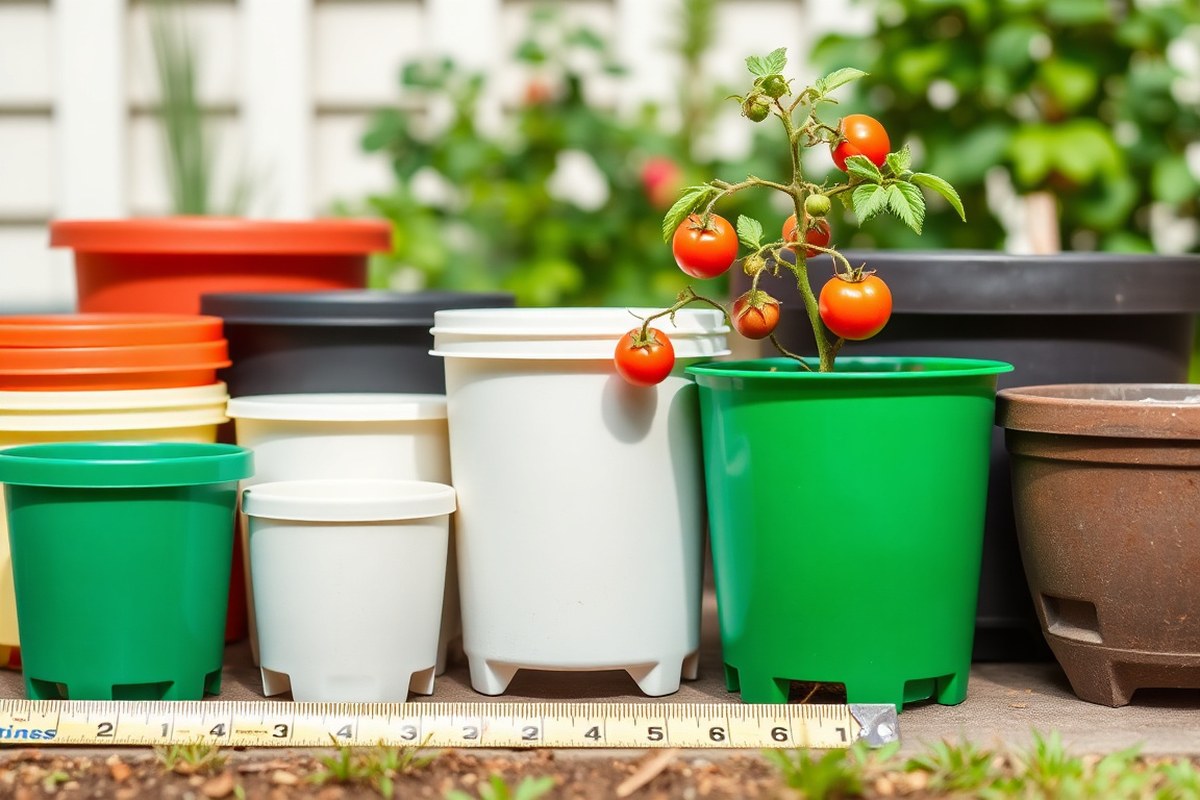
Picking the right container matters a lot when growing cherry tomatoes. The pot needs enough space for roots and good drainage to prevent waterlogging. Use a container about 14 inches wide for one cherry tomato plant.
Smaller pots won’t give the roots enough room to grow. This size helps the plant stay healthy and strong.
Containers between 3 and 5 gallons work well for most cherry tomato plants. The size gives roots room to spread and holds enough soil moisture. Bigger pots make it easier to keep stakes or cages steady.
Plants need support as they get taller. Larger containers help hold the support in place.
How many plants per pot depends mainly on pot size and tomato type. Determinate (bushy) varieties usually handle more than one plant in a pot. Indeterminate (vining) types spread a lot and need bigger pots or one plant per pot.
| Pot Size (Gallons) | Diameter (Inches) | Tomato Type | Plants per Pot |
|---|---|---|---|
| 3 | 12 | Determinate (Bush) | 1-2 |
| 5 | 14 | Indeterminate (Vining) | 1 |
| 7+ | 18-24 | Indeterminate (Vining) | 1 |
| 3 | 12 | Dwarf Varieties (Tiny Tim, Maskotka) | 1-2 |
| 5 | 14 | Patio Princess (Compact) | 1-2 |
Plastic, ceramic, or terra cotta pots all work fine if they have drainage holes. Terra cotta pots dry out faster, so you must check soil moisture often.
Plastic pots hold moisture longer and are lighter to move. Avoid containers without drainage at all costs to stop root rot.
Use pots with drainage holes and always add a layer of mulch to keep soil moist.
For one indeterminate cherry tomato, choose a 5-gallon pot. The pot should be at least 14 inches wide and deep. This size allows roots enough space to grow well.
Determinate or dwarf cherry tomatoes can grow in smaller pots. You can fit one or two plants comfortably in them.
These pots save space but still support healthy growth. Larger pots, like 18 to 24 inches wide, support bigger, vining plants and boost fruit production.
Match pot size and plant number to the tomato variety you choose. This helps your plants grow strong roots and stay healthy. Proper planning makes a big difference in your harvest.
Too many plants in a small pot compete for water and nutrients. This leads to weaker plants and smaller fruit size.
Giving each plant enough space is important for good growth. Giving each tomato plant enough room is key to a healthy, productive container garden.
Selecting the Right Cherry Tomato Varieties for Container Growth
Choosing the right cherry tomato variety is key for growing in pots. Determinate types grow to a set size. They then stop growing.
This makes them easier to manage in small containers. Indeterminate types grow continuously and can become large, needing more room and staking.
Determinate tomatoes tend to fruit earlier, usually within 55 to 70 days after transplanting. Indeterminate varieties produce fruit all season until frost but might overgrow your pot. Patio cherry types are compact and bred specifically for containers or small spaces.
Below is a table comparing popular cherry tomato types for container growth. It shows growth habit, fruiting time, and container suitability. This helps you pick what fits your space and patience level best.
| Variety | Growth Type | Fruit Time (days) | Container Suitability |
|---|---|---|---|
| Tiny Tim | Determinate | 55-65 | Excellent for small pots |
| Gold Nugget | Determinate | 60-70 | Great for containers |
| Little Bing | Determinate | 60-70 | Compact, ideal for pots |
| Bush Early Girl | Determinate (small-medium fruit) | 55-70 | Good for larger containers |
| Patio | Determinate | 60-70 | Designed for pots |
| Standard Cherry Tomato | Indeterminate | 60-70 | Needs staking, larger pots |
For beginners, determinate types like Tiny Tim and Gold Nugget are easier to grow. They stay small and fruit sooner, so you see results faster. Patio types also work well for you.
They give you a tidy plant. These fit on balconies or small porches.
Choose an indeterminate type to get tomatoes all season. But be ready for bigger plants.
These need sturdy stakes and bigger pots, often 10 gallons or more. Keep pruning to control size and encourage more fruit.
Picking varieties that resist disease can save time and trouble. Look for those labeled container-friendly at your nursery or seed catalog.
This helps you succeed with cherry tomatoes in pots. It works for any space size or experience level.
Preparing and Using the Right Soil and Potting Mix
Importance of Fertile and Well-Draining Soil
Cherry tomatoes need soil that holds nutrients but drains well. This balance prevents root rot and supports healthy growth. Potting mix is better than garden soil in containers.
It lets air flow around roots. This helps plants grow strong and healthy.
Good drainage helps avoid waterlogged soil, which tomato roots dislike. Fertile soil ensures the plants get enough nutrients to produce sweet, juicy fruit. Without this, tomatoes may grow slowly or produce less fruit.
Choosing or Preparing the Right Potting Mix
The best soil for potted cherry tomatoes blends nutrient-rich compost with fluffy potting soil. A good rule is using 1 part compost to 2 parts potting soil. This mix holds moisture and provides essential minerals.
You can add worm castings to boost nutrients naturally. This creates a richer environment for your tomato plants. Avoid plain garden soil since it can compact and drain poorly in pots.
How to Add Fertilizer to Potting Mix
Tomatoes grown in compost-rich potting mixes usually don’t need extra fertilizer at planting. Add a slow-release fertilizer made for vegetables.
Use it when your soil lacks compost. Use about 2 tablespoons per gallon of soil to avoid burning roots.
After planting, you’ll want to feed the plants with a liquid fertilizer every two weeks. Look for fertilizer higher in phosphorus and potassium than nitrogen. This supports fruit development over leafy growth.
Ensuring Good Drainage in Your Container
Drainage holes at the pot’s bottom are a must. Without them, water can pool and drown roots. Put small stones or pottery shards at the pot’s bottom.
Do this before adding the soil. It helps water drain better. This layer helps water flow out more freely.
Choose potting mix with perlite or vermiculite. This improves drainage and keeps soil light. Plants do better with good drainage.
Avoid mixes that hold too much water or compact easily. Check water drainage by pouring some in and timing how fast it leaves.
Soil Composition Checklist for Cherry Tomatoes
Here are key soil features to look for or create:
- Part compost (nutrient-rich, organic matter)
- Two parts commercial potting soil (light and airy)
- Optional worm castings for extra nutrients
- Good drainage with perlite or vermiculite added
- Slightly acidic pH around 6.0 to 6.8
- Slow-release fertilizer if compost is missing
- Plenty of drainage holes in the pot
Following these steps helps your cherry tomato plants get the nutrients and water they need. Too heavy or wet soil can cause yellow leaves and stunted growth. Well-prepared soil keeps roots healthy and plants productive.
Finding and Setting the Optimal Spot and Sunlight Conditions
Cherry tomatoes need at least six hours of direct sunlight daily. Choose the sunniest spot you can find, indoors or outside, for your pot.
Keep temperatures between 68°F and 80°F for best growth. Good airflow helps prevent diseases and keeps the plant happy.
Amount of Sunlight Needed
Your cherry tomato pot should get 6 to 8 hours of direct sunlight each day. Morning sun works well because it warms the plant early.
Avoid shady spots or places that only get filtered light. Without enough sun, the plant grows leggy and produces fewer tomatoes.
South-facing balconies, decks, or patios usually offer the best spots. Check your chosen place throughout the day to see how much sun it gets. Move the pot if shadows block the light for long periods.
Choosing the Ideal Outdoor Location
Look for a spot that stays warm and sunny most of the day. Raised areas or spots on a driveway or balcony often get more sun.
Place pots on bricks or plant caddies to improve drainage and airflow under the pot. Good drainage prevents root rot and soggy soil.
Keep your pots away from tall trees or buildings that cast shadows. Also, avoid windy corners where strong gusts can damage the plants. A light breeze, however, helps reduce pests and diseases by drying leaves.
Indoor Growing and Lighting Options
Growing cherry tomatoes indoors requires bright light for at least 6 hours. A south-facing window usually works best. Your spot needs more sunshine?
Use grow lights made for veggies. LED grow lights provide the right spectrum without getting too hot.
Put the light 12 to 18 inches above your plant. Keep it on for 14 to 16 hours each day.
Adjust the brightness and timer as needed. Don’t crowd the plant, fresh air and space matter indoors, too.
Managing Temperature and Airflow
Cherry tomatoes grow best between 68°F and 80°F (20°C to 27°C). Lower temperatures stunt growth and reduce fruit set.
High heat over 85°F can make flowers drop and slow fruit ripening. Keep pots in a spot where temperatures stay steady throughout the day.
Good airflow helps keep leaves dry and prevents fungal diseases. Use a small fan indoors if the air feels still.
Outdoors, avoid tightly packed pot clusters that block air movement. Covering pots with clear plastic can raise soil temperature but avoid too much heat buildup.
Tips for Spot Selection and Care
- Check daily sunlight hours on your chosen spot before planting
- Use bricks or plant caddies to lift pots for better drainage
- Rotate pots occasionally to expose all sides evenly to the sun
- Provide grow lights indoors if natural light is under six hours
- Keep the temperature between 68°F and 80°F for steady growth
- Ensure gentle airflow to avoid damp leaves and disease
- Avoid windy or overly shaded locations that stress the plants
Place your tomato pot where it catches full morning sun. Keep a fan nearby indoors to boost airflow gently.
Watering and Feeding Schedule for Container Cherry Tomatoes
Cherry tomato plants in pots need water every day during warm weather. Check the soil by sticking your finger about an inch deep. Water your cherry tomato plants when the soil feels dry to touch.
You want the soil moist but not soggy to avoid root rot. Morning watering helps leaves dry faster and reduces disease risk.
Smaller pots dry out faster, so they need more frequent watering. Larger pots hold moisture longer but still require steady watering during heat waves.
Using a watering can or garden hose with a gentle spray works well. Water deeply until it drains from the pot’s bottom to soak roots fully.
Fertilizing container cherry tomatoes is important since nutrients wash out with frequent watering. Choose a balanced, water-soluble fertilizer with equal parts nitrogen, phosphorus, and potassium like 10-10-10. Start feeding every two weeks once plants grow their first true leaves.
Switch to a tomato-specific fertilizer higher in potassium (like 5-10-10) when flowers appear. This helps fruit develop better.
- Water deeply every morning or when the top inch of soil is dry
- Use a balanced fertilizer (10-10-10) every two weeks early in growth
- Switch to a high-potassium fertilizer (5-10-10) once flowers form
- Avoid overwatering; let soil dry slightly between watering
- Watch for yellow leaves indicating overwatering or nutrient issues
- Leaf curling or fruit drop can mean underwatering or heat stress
Signs of under-watering include dry, crispy leaves and small, dropping fruit. Leaves wilting in the day but firm at night usually means watering is okay. Yellow, soft leaves suggest overwatering or poor drainage.
Root-bound plants in a too-small pot also show stress. So check pot size if problems persist.
Watering and feeding on a regular schedule keeps cherry tomato plants productive. Adjust based on weather, pot size, and plant growth. Arrange your pots where you can reach them easily.
You need to water daily in warm months. Feeding helps replace nutrients lost through frequent watering to support sweet, juicy fruit.
Providing Support: Staking, Pruning, and Maintenance Tips
Cherry tomatoes grown in pots definitely need some support. Without staking, the plants sprawl, and heavy fruit can cause branches to break. Pruning also helps keep the plants healthy by improving airflow and boosting fruit production.
Types of Supports for Container Tomatoes
Tomato plants get heavy as they grow, so putting in support early is best. You can use cages, stakes, or trellises, depending on your space and preference. Insert the support right after planting to avoid hurting the roots later.
Cages are common and easy to use. They support the plant to keep it upright. These supports take up more space.
That could be tricky on small patios. Staking with bamboo or metal stakes works well for compact spaces. A trellis lets vines climb but needs secure attachment inside the pot.
When and How to Prune Cherry Tomatoes
Prune cherry tomato plants to remove crowded leaves and suckers, which are small shoots between stems. Pruning improves airflow and reduces disease risk. Do this every 1 to 2 weeks during active growth.
Focus on cutting back lower leaves and any that block sunlight from reaching fruits. Also, pinch off suckers that grow between the main stem and branches. Use sharp, clean scissors or pinch with fingers for small shoots.
- Identify suckers growing at branch junctions.
- Pinch or cut suckers when they’re 1 to 2 inches long.
- Remove yellowing or damaged leaves near the bottom.
- Check the plant every week and prune regularly.
- Stop heavy pruning when flowers start to fruit.
Routine Maintenance Tasks for Pot Plants
Regular care keeps your cherry tomatoes healthy and productive. Check for pests and diseases once a week and remove any infested leaves. Keep soil consistently moist but not waterlogged to prevent root problems.
Feed plants with balanced liquid fertilizer every two weeks during the growing season. Keep support structures stable and adjust ties as the plant grows. This prevents damage and keeps stems secure when fruit gets heavy.
Common Problems Growing Cherry Tomatoes in Pots and How to Fix Them
Yellowing leaves, brown spots, or wilt usually signal common problems in cherry tomato pots. Overwatering often causes root rot, which makes leaves droop and turn yellow.
Check soil moisture before watering. The top inch should dry out between waterings to keep roots healthy.
Pests like aphids, whiteflies, and spider mites can also invade container tomatoes. Look for tiny bugs on leaves or sticky residue. Removing pests early stops serious damage.
Use insecticidal soap or neem oil spray every 7 to 10 days as a natural treatment. For heavier infestations, a stronger pesticide might be necessary but follow label instructions strictly.
Diseases such as blight or fungal infections often show as dark lesions on leaves or stems. Wet leaves promote fungi, so water at the soil level only. Prune low branches to improve airflow and reduce wetness.
Removing affected leaves promptly limits spread. Avoid reusing old soil because some pathogens survive in it.
- Check soil moisture with your finger before watering.
- Inspect leaves weekly for bugs or discoloration.
- Use neem oil spray to control mild pest problems.
- Water early in the day at soil level only.
- Remove dead or diseased leaves immediately.
- Plant one tomato per 5-gallon pot for root space.
- Use fresh potting mix each season to reduce disease risk.
Yellow leaves might also mean nutrient deficiencies like lack of nitrogen or magnesium. Feed tomatoes with a balanced fertilizer containing micronutrients every two weeks.
Look for leaf curling or pale edges as other signs. Healthy plants have dark green leaves, firm stems, and steady fruit growth.
Wet leaves often cause fungal problems; avoid overhead watering to keep them dry.
A quick daily check helps spot problems early. This lets you act before pests or diseases harm your crop. Keeping plants supported with cages reduces stress and improves airflow, further reducing risks.
Harvesting Cherry Tomatoes: When and How to Pick for Best Flavor
Cherry tomatoes usually take about 10 to 12 weeks from planting to harvest in pots. They are ready to pick when their color is deep red. The color should be even and cover the whole tomato.
It must reach all the way to the stem. The tomatoes should feel slightly soft when you gently squeeze them, showing they’re ripe and juicy.
Picking tomatoes often helps the plant shift energy to growing new fruit. Letting tomatoes sit too long on the vine can make the plant slow down its harvest. You want to check your plants every two or three days once fruits start coloring up.
Use these tips to choose and harvest ripe cherry tomatoes properly:
- Look for a bright, even red color with no green spots near the stem.
- Gently squeeze to check for softness without bruising the fruit.
- Cut the stem just above the tomato using clean scissors or pinch it off softly.
- Harvest in the morning for the best flavor and freshness.
- Pick every few days to keep fruits from becoming overripe or rotting.
Picking every few days encourages your plant to keep producing later in the season. Ripe tomatoes that stay on the plant too long lose flavor and spoil faster. Use scissors or pinch tomatoes when you harvest.
This avoids damage to the stem. The stem helps other fruits keep growing strong.
Store your harvested cherry tomatoes at room temperature away from direct sunlight. Avoid putting them in the refrigerator unless they’re fully ripe and you can’t eat them soon.
Softer fruit can lose taste in the fridge and become mealy. Use or preserve them within a week for the best flavor and texture.
End of Season Care and Preparing Pots for Next Year
Cleaning up your cherry tomato pots at the end of the season helps keep diseases away. Remove all old plants because leftover roots and foliage can harbor pests.
It’s better to start fresh with new soil next year to avoid blight fungus. This fungus can survive in used soil and attack new plants.
Refreshing the soil means you get rid of old nutrients and pathogens. Buying new potting mix costs about $10 to $20 for a 2-cubic-foot bag. It covers two or three containers.
This suits most home gardeners. Store empty pots upside down.
Keep them in a cool, dry place. This prevents frost damage and cracks.
Protecting pots during the winter prevents damage from freezing temps. Frost can crack ceramic or plastic pots if left outside unprotected. Group pots together to create warmth or move them to a garage or shed.
You must leave pots outside, wrap them in burlap or bubble wrap. It adds insulation.
Follow these steps to clean and prep your cherry tomato pots for next year:
- Remove all old tomato plants and roots from your pots.
- Dispose of the used soil, do not save it for next year.
- Rinse pots with water, then scrub with diluted bleach (1 part bleach to 9 parts water).
- Rinse pots well again and let them dry completely in the sun.
- Store pots upside down in a sheltered space if you won’t plant immediately.
- Buy fresh potting soil when ready to plant next season.
- Expect frost? Wrap pots or move them inside a garage or shed.
Step-by-Step Action Plan for Growing Cherry Tomatoes in Pots
Follow these clear steps to start and maintain your cherry tomato plants in pots. Track your progress by checking the plant’s health and fruit development.
- Before planting: Choose a container at least 12 inches deep and wide with drainage holes. Test by watering; water should flow out easily.
- Day 1: Fill the pot with well-draining potting mix rich in organic matter. The soil should be loose and moist but not soggy.
- Planting day: Plant one cherry tomato seedling or transplant. Bury it up to the first leaf set. Press soil gently around the stem. Firm the soil gently around the stem.
- Week 1: Place the pot where it gets 6 to 8 hours of direct sunlight. Leaves should look bright and healthy by the end of the week.
- Weeks 2-4: Water deeply when the top inch of soil feels dry. Feed every 10 days with a balanced liquid fertilizer. Watch for steady growth and no drooping.
- Week 4 onward: Add a stake or tomato cage for support. Prune any suckers below the first flower cluster. Keep the plant tidy and strong. The plant should grow upright with fewer side shoots.
- Harvest season (about 60 days): Pick ripe tomatoes when they turn bright red. They should feel slightly soft when touched. Check plants every few days for ripe fruit. Regular harvesting encourages more fruit.
- End of season: Remove dead leaves and stems, and empty the container. Store or compost old soil and clean the pot for next use.
Frequently Asked Questions
How Many Cherry Tomatoes Can You Plant in One Pot?
Plant only one cherry tomato per pot to avoid crowding. This ensures enough room for roots and better fruit production.
Do Cherry Tomatoes Grow Well in Pots?
Yes, cherry tomatoes grow well in pots with proper care and space. Picking the right variety and good soil makes a big difference.
What Month Should I Plant Cherry Tomatoes?
Plant cherry tomatoes after the last frost date in your area. This normally means starting seeds indoors 6 to 8 weeks before moving plants outside.
What Are the Most Common Mistakes When Growing Tomatoes?
Overwatering and using too small a pot are common tomato mistakes. Also, not enough sun or poor soil can hurt growth.
Can Cherry Tomatoes Be Grown Indoors Year-Round?
Yes, with enough light and proper watering, cherry tomatoes grow indoors year-round. Use grow lights if natural sun is not strong enough.
Do Cherry Tomato Plants Need Staking in Pots?
Yes, staking helps support heavy tomato branches and keeps fruit off the soil. It also improves air circulation and reduces disease risk.
Final Thoughts
Growing cherry tomatoes in pots is rewarding and does not require much space. Start with a healthy seedling and good soil to see fast results. Grab a pot and some seeds, and get your garden started today.