How Long Do Tulips Stay in Bloom: A Complete Guide to Maximize Bloom Time
How long do tulips stay in bloom depends mostly on variety and weather. Most tulips bloom for about 1 to 3 weeks once their flowers open. Cooler temperatures around 45-55°F help the blooms last toward the longer side of this range.
Warm weather will shorten tulip blooms to just a few days. Tulips in containers usually bloom for 15 to 30 days. They need full sun and enough water to last that long.
This helps the flowers stay healthy and bright. Watering regularly and placing pots in sunny spots can keep flowers fresh longer.
Soil quality and planting depth matter too. Plant bulbs 6 to 8 inches deep in the fall.
Do this after the soil cools below 60°F. This timing helps you get blooms at the right time. Good soil and proper planting help tulips bloom fully and last their best.
Key Takeaways
- Tulip blooms typically last between one and three weeks.
- Cool spring temperatures extend tulip flower life significantly.
- Warm weather accelerates blooming but shortens flower duration.
- Plant bulbs 6 to 8 inches deep for optimal bloom timing.
- Container tulips need consistent watering to avoid drying out.
- Plant bulbs in fall after soil drops below 60°F.
How Long Do Tulips Stay in Bloom in Your Garden?
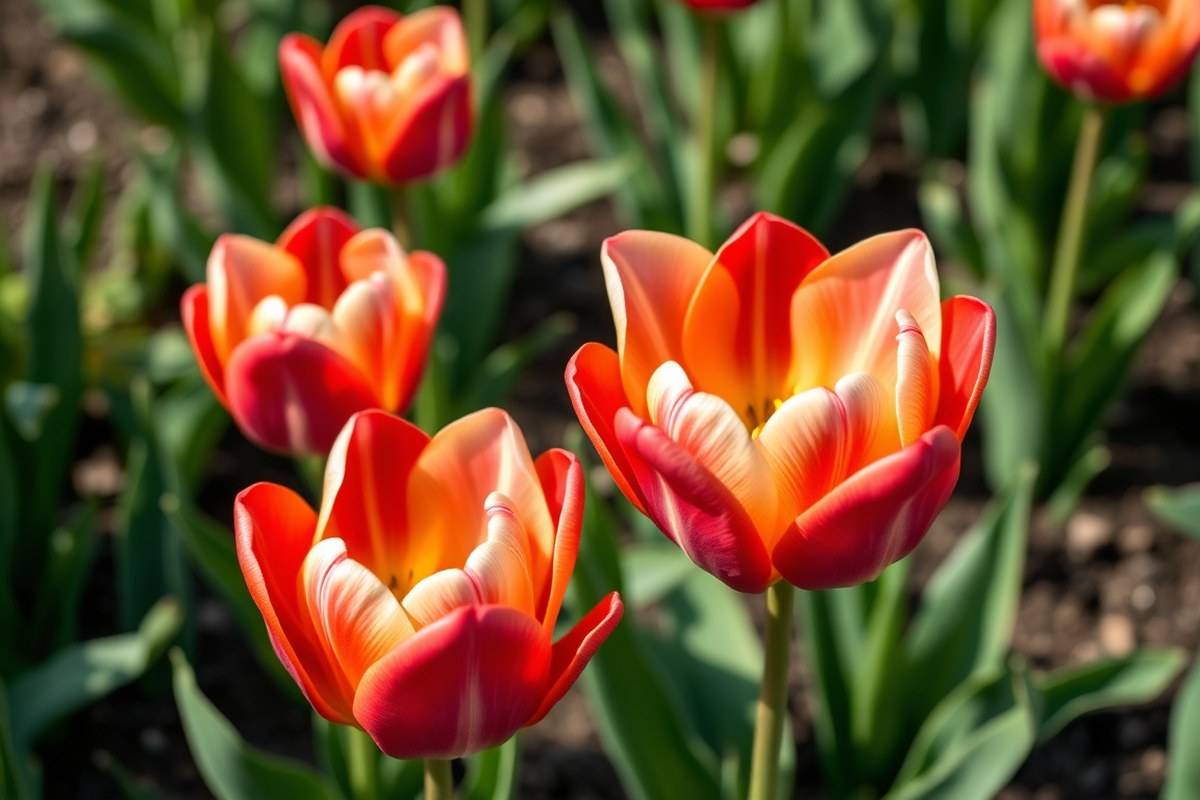
Tulips in your garden usually bloom for about one to three weeks. The exact length depends on the tulip variety and the weather that season.
Cooler temperatures around 45 to 55 degrees Fahrenheit can help flowers last closer to two weeks. Warmer conditions may shorten bloom time to just a few days.
Different types of tulips show variation in bloom length. Early-blooming varieties often open in early spring but may finish blooming sooner.
Late-blooming tulips tend to hold their flowers longer, sometimes up to three weeks in good weather. Mixing different varieties allows you to enjoy tulips over a longer period during the spring.
Weather affects how long tulips stay fresh once they open. Mild spring temperatures between 50 and 59 degrees help blooms last. This weather keeps them fresh for two to four weeks.
Cooler days slow down their aging process. On the other hand, heat, strong winds, or heavy rain can make flowers wilt faster. Watch your local weather closely to plan your bulb planting.
Choose bulbs that suit your climate well. This helps you enjoy vibrant blooms longer.
What Different Tulip Varieties Mean for Bloom Length
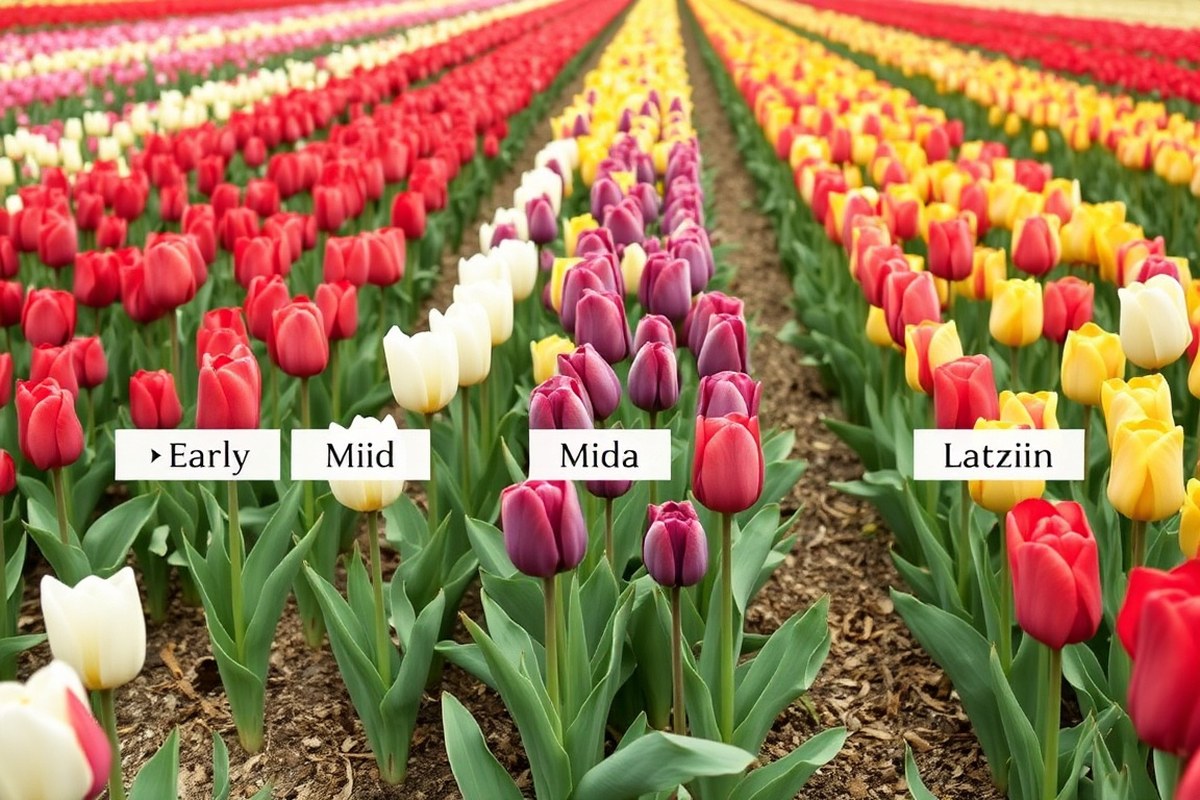
Tulip varieties fall into early, mid-season, and late bloomers. Early types bloom around March and early April. Mid and late types follow through May, extending your garden’s color.
Early-Blooming Tulip Varieties
Early-blooming tulips start showing flowers in late March to early April. They often finish blooming by mid-April. These include many miniature tulips that add bright early spring colour.
They bloom quickly, usually 12 to 14 weeks after planting. Early bloomers brighten the garden after winter’s end. But their bloom is typically shorter, lasting about one to two weeks.
Mid-Season Tulip Varieties
Mid-season tulips bloom from mid-April to early May. These types include Darwin tulips, known for bigger flowers and sturdier stems. Their blooming period often lasts slightly longer than early types.
They thrive in moderate spring temperatures and bridge the gap between early and late bloomers. Mid-season varieties bring consistent colour when early tulips fade.
Late-Blooming Tulip Varieties
Late-blooming tulips flower from late April into May. Parrot tulips are a common late variety, with flamboyant petals and rich colours. These tulips can tolerate warmer spring weather better than early types.
Late bloomers extend your garden’s tulip season, sometimes lasting into early summer. They bloom later because their bulbs take longer to develop after planting.
Planning for Continuous Bloom
Planting a variety mix helps keep tulips blooming for six to eight weeks. Select early, mid-season, and late types to cover March through May. This staggered bloom plan fills your garden with colour for longer.
Check bulb packaging for bloom times before buying to create your sequence. Position bulb groups in clusters based on bud times for smooth transitions. This plan takes a little upfront effort but rewarding results.
| Variety Group | Bloom Window | Typical Bloom Duration | Example Varieties | Robustness |
|---|---|---|---|---|
| Early | Late March to Early April | 1 to 2 weeks | Miniature Tulips | Less heat tolerant |
| Mid-Season | Mid-April to Early May | 1.5 to 2 weeks | Darwin Tulips | Moderate heat tolerance |
| Late | Late April to May | 1 to 2 weeks | Parrot Tulips | Best heat tolerant |
A mix of early, mid, and late tulips lets you enjoy blooms over a longer season. This plan works well in most US climates where spring lasts several months. Your garden can look lively from March through May with a smart choice of bulbs.
Don’t plant all tulips of one bloom time together; that shortens your flower show.
How Weather and Climate Affect Tulip Bloom Duration
Tulip bloom duration depends a lot on the weather, especially temperature, sunlight, and rainfall. Cool temperatures tend to slow down the aging of petals and keep the flowers fresh longer. Harsh heat or strong sunlight speeds up wilting and color fading, cutting the bloom time short.
How Cool Temperatures Extend Bloom Time
Tulips start blooming once soil warms to about 55°F. Temperatures between 50°F and 60°F during bloom keep the petals firm and vibrant. Cool air slows down the flower’s metabolism, which delays wilting and petal drop.
Nighttime temperatures near 40°F extend bloom time by allowing flowers to rest. Nights above 60°F often make tulip blooms age faster.
Gardeners in cooler places often see tulips bloom longer. Cooler weather helps keep the blooms fresh for two weeks or more.
Impact of Heat Waves on Tulip Flowers
When temperatures climb above 75°F during peak bloom, tulips stress quickly. Heat causes petals to lose moisture faster, making them shrivel and fade. A heat wave lasting several days can reduce bloom time to less than a week.
To protect tulips during hot spells, water the soil regularly to keep moisture steady. Mulching around plants can help keep roots cooler.
Try to give your tulips some afternoon shade. Use garden fabric or tall plants nearby to block strong sun.
Sunlight’s Role in Bloom Duration
Tulips need full sun for at least six hours a day to develop strong, colorful flowers. Sunlight fuels the plant’s energy, helping buds open fully. Without enough light, flowers may remain closed or weak.
Too much direct sun, especially on warm days, speeds up petal fading and wilting. Bright mid-afternoon sun can dry out blooms quickly. Try planting tulips where they get morning sun and some afternoon shade to extend bloom life.
How Rainfall Affects Tulip Blooms
Regular rainfall keeps the soil moist and supports healthy petals that last longer. Tulips don’t like soggy soil, so well-drained beds are best to prevent root rot. In dry spring weather, watering the soil every few days helps maintain bloom quality.
Heavy rain or storms can batter petals, causing them to tear or bruise. This damage shortens bloom time and reduces the display’s beauty.
Protect your tulips from spring storms with windbreaks. Place them in safe spots in your garden to avoid damage.
Planting and Soil Tips to Maximize Tulip Flowers’ Lifespan
Tulip bulbs should be planted about 6 to 8 inches deep. This depth protects bulbs from temperature swings and pests. Planting too shallow risks freezing, while too deep delays leaf growth and blooming.
Plant in fall when soil temperatures drop below 60°F. This timing gives bulbs time to root before winter. In colder climates, aim for mid-September to early November. Warmer regions can plant later but avoid spring planting to prevent poor blooms.
Soil quality impacts how long tulip blooms last. Well-draining soil keeps bulbs healthy by preventing root rot and nutrient lockup. Heavy clay or waterlogged soil suffocates roots and weakens blooms.
You can improve soil by adding organic matter like compost or well-rotted manure. This boosts nutrients and keeps soil loose.
- Choose a sunny spot with protection from strong winds
- Mix 2 to 4 inches of compost or manure into soil. Work it into the top 6 to 8 inches of soil. This helps improve soil for tulips.
- In heavy clay areas, add grit or sand for better drainage
- Plant bulbs with the pointed end facing up. Set them 6 to 8 inches deep in the soil. Space bulbs 4 to 6 inches apart.
- Water bulbs well after planting to settle soil and start root growth
Good drainage often means planting in raised beds or mounded rows. This helps excess water escape during rain.
Healthy soil encourages deep roots that feed flowers longer. Signs of poor results include soggy soil, bulbs that rot, or blooms that fade quickly.
Tulips also benefit from soil that balances moisture and oxygen. You want soil to hold water without becoming compacted.
This allows roots to breathe and absorb nutrients. Adjust soil prep based on your garden’s natural soil type for best results.
How to Care for Tulips During Their Blooming Phase
Tulips need steady care while blooming to stay vibrant and healthy. Keep the soil moist, feed them right, give proper sun, and shield from strong wind. These steps help the flowers last from one to three weeks.
Watering Best Practices
Tulips need consistent watering during growth and bloom. The soil should be moist but not soaked to prevent root rot and stress.
Watering once or twice a week is usually enough, depending on rainfall and temperature. Aim for about 1 inch of water weekly, adjusting if the weather is hot or dry.
Check soil moisture by sticking a finger 1 to 2 inches deep. When dry, you should water the tulips again.
- Water early in the day to allow soil drying before evening.
- Soak the soil deeply around the base without wetting the leaves.
- Skip watering after heavy rain to prevent overwatering.
- Use drip irrigation or soaker hoses to deliver water evenly.
- Adjust frequency in hot, dry weather to keep soil moist.
Overwatering can drown roots and shorten bloom life; check soil before adding water.
Fertilizing for Flower Longevity
Tulips benefit from feeding that supports strong blooms and bulb health. Use balanced bulb fertilizers with equal nitrogen, phosphorus, and potassium.
Apply fertilizer once when shoots emerge in early spring. Avoid heavy feeding once flowers appear, which won’t help the current bloom.
For best results, sprinkle fertilizer around the base. Avoid the leaves or petals. Water in the fertilizer lightly afterward.
- Choose a 10-10-10 or 5-10-5 fertilizer made for bulbs.
- Apply about 1 tablespoon per square foot around the plants.
- Scatter the fertilizer evenly, avoiding direct contact with stems.
- Water thoroughly after fertilizing to help nutrients reach roots.
- Skip additional feeding during bloom to avoid stressing flowers.
Too much fertilizer can harm tulips; stick to recommended amounts for bulbs.
Sunlight and Shelter Recommendations
Tulips need 6 to 8 hours of sunlight daily for bright, long-lasting blooms. Morning sun is best, especially in warm climates where afternoon light can fade flowers.
Provide some afternoon shade in warmer USDA Zones 7 and 8 to keep blooms from wilting. Use a tall plant or garden structure for light shelter.
Wind can damage stems and cause blooms to drop early. Plant tulips near shrubs or garden walls to block strong winds.
- Plant tulips in a spot with full morning sun and partial afternoon shade.
- Use nearby plants, fences, or netting as windbreaks.
- Check for any shade patterns during the day and adjust location if needed.
- In hot regions, water in the morning to cool the root zone.
Too much afternoon sun in warm areas fades colors and shortens bloom time.
How Long Do Cut Tulips Last and How to Extend Vase Life
Cut tulips usually stay fresh in a vase for about five days. You can keep tulips fresh for ten days by staying very cool.
Change their water daily to help them last longer. Cold water slows down wilting and keeps stems firm, making the flowers last longer.
Trimming the stems by 2 to 3 centimeters every other day helps tulips absorb water better. The stems keep growing even after cutting. So fresh cuts let water flow freely into the flowers.
When the water gets cloudy, bacteria might be blocking the stems. So switch to clean water and rinse the vase.
- Use a clean vase to reduce bacteria growth
- Fill the vase with cold, fresh water daily
- Trim stems by 2 to 3 cm every two days
- Keep tulips in a cool room, away from direct sunlight
- Remove leaves below the water line to prevent rot
- Avoid placing near fruit, which emits ethylene gas
Keeping tulips cool, ideally below 65°F, slows their aging process. Direct sunlight or heat sources make them wilt fast. Change the water every day.
Cut the stems every other day. This is free but takes some time. Good care makes your tulips hold their vibrant look and shape nearly twice as long.
Post-Bloom Care: What to Do After Tulips Finish Flowering
Cut off spent tulip flowers right after they fade. This stops the bulbs from wasting energy on seed production. The plant can focus on restoring its strength for next year.
Don’t cut the leaves. Let the foliage turn yellow and die back on its own.
Leaves keep photosynthesizing, sending food to the bulb’s reserves. Cutting leaves too soon weakens the bulbs and may reduce next season’s bloom.
Feeding your tulips twice per season boosts bulb health. Apply a balanced bulb fertilizer when shoots first emerge in early spring. Feed again right after flowers fade to replenish nutrients in the bulbs.
- Deadhead spent flowers immediately to prevent seed formation.
- Allow leaves to remain until fully yellow or brown before removing.
- Apply bulb fertilizer in early spring and post-bloom for best results.
- Dig up bulbs only if you have hot summers or poor soil drainage.
- Plan fall bulb planting around current bulb locations for naturalizing.
- Store dug bulbs in a cool, dry place over summer if removed.
Most gardeners can leave bulbs in the ground after blooming. Perennial types like Darwin Hybrids survive well when cared for properly.
However, in areas with hot summers, dig up bulbs once leaves die back. Store them in a dry, cool spot until fall replanting.
Failing to let leaves die back naturally or removing bulbs yearly can hurt your tulips. The bulbs won’t store enough energy, leading to weaker flowers or no bloom at all. Proper post-bloom care takes patience but pays off with brighter, longer-lasting tulips next year.
Common Mistakes That Shorten Tulip Bloom Time and How to Avoid Them
Dropping petals too soon often happens because the tulip doesn’t get the right water. Overwatering makes the bulbs rot and weakens the stems. Underwatering, especially during bloom, leads petals to wilt and fall off quickly.
Planting tulips too shallow or in poor soil also shortens bloom time. Bulbs need well-drained soil and about 6 inches deep planting to develop strong roots. Shallow planting can expose bulbs to temperature swings or dry out roots fast.
Pests like aphids or slugs munching on leaves and buds can damage flowers early. Sudden frost or quick cold spells during bloom also stress tulips. This shock often causes petals to drop and flowers to fade prematurely.
| Symptom | Likely Cause | How to Fix or Prevent |
|---|---|---|
| Petals wilting and dropping quickly | Underwatering during bloom | Water deeply once a week when soil feels dry |
| Weak or bending stems | Overwatering causing bulb rot | Ensure soil drains well; avoid watering more than once a week |
| Petals dropping after cold snap | Sudden frost damages blooms | Cover plants with cloth when frost is predicted overnight |
| Chewed leaves or buds | Pest damage (aphids, slugs) | Use companion plants like chives or marigolds to repel pests |
| Flowers fading fast after opening | Shallow planting or poor soil | Plant bulbs 6 inches deep in loose, rich soil |
Planting tulips alongside herbs like chives or flowers such as marigolds helps keep pests away. Checking soil moisture often keeps you from over- or underwatering. If you notice wilting or drooping stems, adjust watering immediately.
Sudden freezing is hard to predict. But covering the blooms at night with lightweight cloth can protect them.
Damage from freezes shows up quickly as brown, wilted petals. Removing these damaged blooms helps the plant focus energy on any remaining flowers.
Water tulips only when the top 2 inches of soil feel dry. This controls rot and keeps flowers healthy.
Step-by-Step Action Plan to Extend Tulip Bloom Time
To enjoy longer tulip blooms, follow these steps every season. Do this both in your garden and at home. Keep up with these tips for better tulip flowers.
- Before Planting: Choose late-blooming tulip varieties for extended garden color. Check the bulb packet for bloom time.
- Planting Time: Plant tulips in well-drained, neutral to slightly acidic soil. Raised beds help prevent soggy roots.
- During Early Growth: Water bulbs moderately once a week, avoiding waterlogging. Watch for steady leaf growth as a sign of good moisture.
- Before Blooming: Add a slow-release fertilizer with balanced nutrients. Healthy, green foliage means the tulip is ready to bloom well.
- Blooming Phase: Pinch off spent flowers to keep energy in the bulb, not in seed production. Look for no new seed pods forming.
- Cut Flower Use: Cut tulips early morning and place them in fresh, cool water. Change water daily to keep flowers fresh longer.
- Post-Bloom: Let foliage die down naturally before removing it. Yellowing leaves show the bulb is storing energy for next year.
- Late Season: Dig and dry bulbs if the soil is wet or soil freezes. Store bulbs in a cool, dry place until next planting.
Frequently Asked Questions
Can Tulip Bloom Time Be Extended with Plant Food?
Tulip bloom time may extend slightly using balanced plant food. Feeding supports healthy growth but won’t stop natural flower aging.
How Does Soil pH Affect Tulip Blooming Length?
Soil pH affects nutrient uptake but doesn’t change bloom length much. Tulips prefer slightly acidic to neutral soil, around 6.0 to 7.0 pH.
Do Tulips Bloom Longer in Partial Shade?
Tulips in partial shade may bloom a bit longer due to cooler temps. Too much shade reduces flower size and color vibrancy, though.
Can Pruning Tulip Leaves Affect Bloom Duration?
Pruning leaves during bloom doesn’t extend flower life and can harm the plant. Leaves help build energy for next year’s growth.
Does Planting Depth Change Tulip Bloom Time?
Planting deeper bulbs can protect from temperature swings but won’t affect bloom length much. Follow depth guidelines for healthy blooms instead.
Are Early or Late Tulip Bloomers Longer-Lasting?
Early bloomers usually last shorter, about 1 week; late bloomers can last 2-3 weeks. Timing varies by variety and local climate conditions.
Final Thoughts
Tulips generally stay in bloom for about one to two weeks. But you can help them last longer. Focus on proper planting, watering, and cutting flower care to get the most from each bloom.
Start by picking the right variety for your climate. Enjoy vibrant tulips for many seasons.