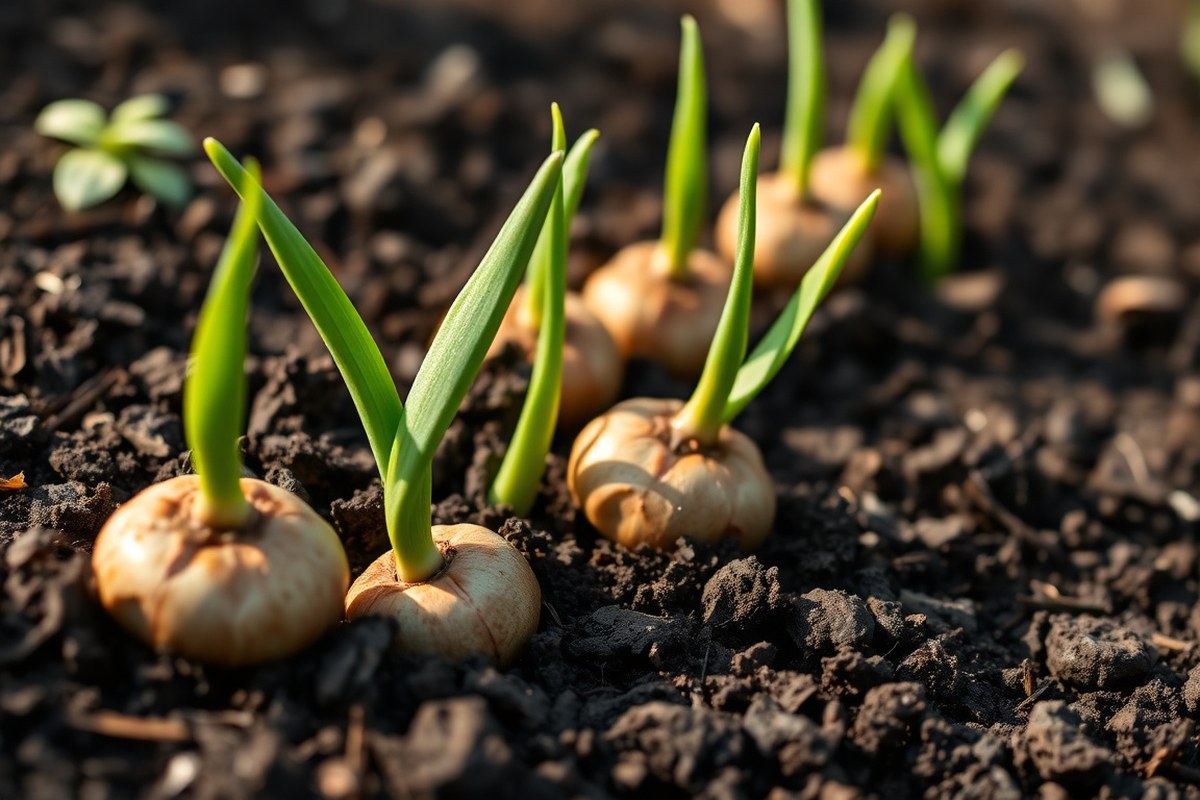
How Long Does a Tulip Take to Grow? A Complete Guide for Gardeners
Tulips take about 10 to 16 weeks to grow from seed to flowering stage. If you start with bulbs, flowers usually appear 15 to 30 days after roots have formed. Growing tulips from seeds is slower but rewarding for those who want a challenge.
Plant your tulip bulbs at the right time for best results. Most gardeners plant in October or November, when soil temperature falls near 60°F. This timing helps bulbs settle before winter.
Bury bulbs 6 to 8 inches deep to keep them safe from temperature changes. Deep planting encourages roots to anchor well and access moisture. This depth also limits frost damage during cold months.
Water bulbs after planting, but don’t soak the soil. Tulips prefer moist but not soggy conditions. Good drainage prevents rot and supports healthy growth through spring.
Key Takeaways
- Tulips can take 10 to 16 weeks from seed to flowering bloom.
- Plant bulbs in fall when soil cools to roughly 60°F for best results.
- Dig holes 6 to 8 inches deep, three times the bulb’s diameter.
- Tulip bulbs need 4 to 6 weeks to grow roots before sprouting.
- Bulbs planted deeper will take a few extra days to break ground.
- Larger bulbs around 4.5 inches wide tend to produce better blooms.
How Long Does It Take for Tulips to Grow from Planting to Bloom?
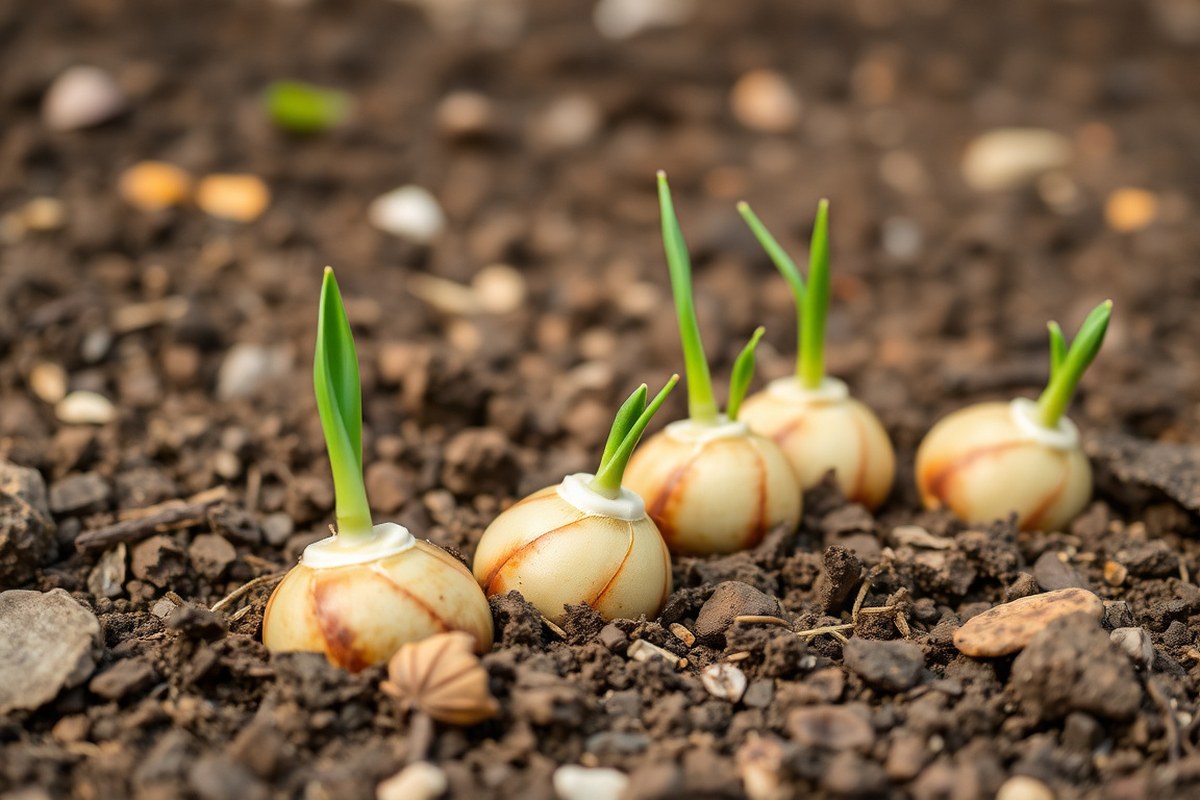
Tulips take 18 to 22 weeks from planting to blooming. Plant bulbs in the fall when soil is below 60°F. This cold period helps roots and shoots start growing.
The first growth stage lasts 12 to 16 weeks. During winter, bulbs stay mostly underground. They prepare quietly for spring.
In this time, roots grow and energy builds inside the bulb. Shoots break the surface 2 to 3 weeks before flowers show.
This marks the end of dormancy. You see green sprouting above the soil.
Once shoots appear, tulips need another 2 to 4 weeks to develop flowers. This blooming phase typically lasts 1 to 2 weeks, depending on weather conditions and variety. Cool, overcast weather can extend bloom life up to 14 days while warmth shortens it.
For most gardeners, planting bulbs in October or November results in blooms between March and May. Bulbs planted later still bloom but might take longer to show shoots in spring. The entire cycle from planting to flower usually takes 4 to 5 months.
Good results require planting bulbs 6 to 8 inches deep in well-draining soil. This depth avoids frost heave and promotes healthy root growth. Planting too shallow or deep delays shoot emergence and can reduce flower quality.
Tulips grown indoors or in pots under controlled conditions can bloom faster. Bulbs brought indoors with cold treatment bloom in 8 to 12 weeks. This method can speed up flowering time.
It works well for forced bulbs. However, outdoor planted tulips rely heavily on natural temperature cycles for timing.
Tulip Growth Stages and Their Durations

Tulip growth happens in four key phases. Start planting and rooting bulbs in early fall. Bulbs then need cold chilling during winter.
This helps them grow well in spring. Next, shoots appear as temperatures rise and foliage grows. Finally, the tulip flowers bloom in spring for a few weeks.
Phase 1: Planting and Rooting (Early Fall)
Plant tulip bulbs in early fall. Soil should still be warm enough for roots. Warm soil helps roots grow before winter.
This rooting phase takes about two to four weeks before cold weather sets in. Strong roots anchor the bulb and gather nutrients needed for winter dormancy and spring growth.
Good rooting means firm bulbs and some visible root tips when you check in late fall. Without this early root growth, tulips may bloom late or weakly the next spring. Water the soil after planting to help roots form well.
Phase 2: The Cold Chilling Period (Winter)
Tulip bulbs need 12 to 16 weeks of cold. This breaks dormancy and gets them ready to bloom. Keep bulbs cold to ensure flowers appear.
This chilling period happens naturally outdoors in cool climates or indoors in warm zones requiring refrigeration. The soil temperature needs to stay below 55°F during this phase.
This cold time signals bulbs to develop their flowers and shoot buds underground. For zones 8 and 9, refrigerate bulbs at 34°F to 40°F. Keep them cold for 10 to 14 weeks.
This mimics the winter chill they need. Without enough chill, tulips won’t bloom properly or bloom later than expected.
Don’t plant bulbs too early in warm climates; cold chill might not fully develop.
Phase 3: Sprouting and Foliage Growth (Early to Mid-Spring)
As soil warms past 50°F in early spring, tulip shoots push through the ground. This sprouting usually starts four to six months after planting. Leaf growth supports flower development by capturing sunlight for energy.
Foliage grows for about four to six weeks before flowers open. Keep soil moist during this time, as dry soil can stunt leaf and flower growth. Healthy green leaves indicate the tulip is ready to bloom soon.
Phase 4: Blooming and Flowering Duration (Spring)
Tulip flowers typically last two to three weeks in spring after fully opening. The blooming period depends on weather and watering, with cooler, moist conditions extending flower life. Outdoor tulips often bloom in April or May, depending on your zone.
After flowering, the leaves continue to feed the bulb before dying back. This helps bulbs store energy for next year’s growth. Avoid cutting leaves too soon to ensure strong future blooms.
How Temperature and Planting Conditions Affect Tulip Growth Time
Tulip bulbs start growing when soil temperature reaches 55 to 60°F. You should plant bulbs in October or November for best root growth. In warm places where soil stays over 60°F, chill bulbs in the fridge for 12 to 14 weeks. This cold treatment helps bulbs bloom properly later.
Planting depth affects how quickly tulips push through soil. Bulbs should go about 6 to 8 inches deep. Planting bulbs less than 6 inches deep leads to damage from temperature changes.
Shallow bulbs can have delayed growth or hurt roots. Planting bulbs deeper than 8 inches slows their growth slightly. The bulbs take extra days to break the soil surface.
This delay is normal but usually short. Staying in the middle range helps balance protection with timely growth.
Spacing matters as well. Bulbs placed 4 to 6 inches apart get enough room for root growth and proper airflow.
Crowded bulbs may produce weaker blooms or take longer to flower due to competition for nutrients. Tulips planted too close also risk more fungal problems in damp soil.
Warm climates slow tulip development because they don’t provide enough natural cold. Bulbs there often need refrigeration to meet chilling requirements. In colder areas, soil stays below 45°F for 12 to 16 weeks naturally.
This chilly period helps bulbs develop strong stems. It also supports even blooming in spring.
Without enough cold, flowers may delay or fail to open and leaves could appear without buds. This chilling period is important for tulips to bloom on time in spring.
Planting Bulbs for Best Results: Depth, Spacing, and Timing
Tulip bulbs need to be planted at the right depth and spacing to grow well. Plant them 6 to 8 inches deep, which is about three times the bulb’s diameter. This depth protects bulbs from frost and gives roots enough space to grow strong before winter.
Space bulbs 4 to 6 inches apart to avoid crowding. Close spacing helps tulips grow straight stems and fills your garden bed nicely.
Always plant bulbs with the pointy end facing up. This helps the shoot grow easily toward the surface.
Plant in fall, ideally in October or November, before the ground freezes. This timing allows bulbs to start their cold period, necessary for blooming in spring. Missed the fall planting window?
Plant as soon as soil can be worked. Make sure the soil isn’t frozen.
Follow these steps to plant your tulip bulbs properly:
- Dig a hole 6 to 8 inches deep and loosen the soil at the bottom.
- Place the bulb with the pointed end facing up in the hole.
- Space each bulb about 4 to 6 inches apart for healthy growth.
- Cover bulbs with soil and gently firm it to remove air pockets.
- Water the area to help settle the soil and start root growth.
- Mulch the bed to protect bulbs from temperature swings and keep moisture consistent.
- Plant before the ground freezes solid, preferably in mid to late October.
Indoor Tulip Growth: How Long and What Changes?
Indoor tulips usually bloom faster than outdoor ones because you control their environment. They need about 12 weeks of cold treatment indoors. Then give 6 to 8 weeks to grow and flower.
Keep them in warmer conditions during that time. This forcing method speeds up blooming compared to natural outdoor growth cycles.
Chilling Requirements Indoors
Tulip bulbs need a chilling period of about 12 weeks indoors before they bloom. This mimics cold winter conditions that trigger flower development. Without the cold phase, bulbs won’t bloom well or may fail to flower entirely.
You can chill bulbs in a refrigerator set between 35°F and 48°F. Keep bulbs away from fruits like apples that release ethylene gas and harm growth. After chilling, bring bulbs to room temperature to start indoor growth.
Optimal Indoor Growing Conditions
Tulips grow best indoors in bright, indirect sunlight. Placing pots on a sunny windowsill helps bulbs develop healthy leaves and strong stems. Keep the soil moist but not wet to avoid bulb rot.
Temperatures between 60°F and 68°F promote steady growth after chilling. Avoid hot or drafty spots like near heaters or air conditioners. Good drainage in pots is essential to prevent waterlogging.
Typical Indoor Growth Timeline
Once chilling is complete, tulips take 6 to 8 weeks indoors to bloom. You’ll see sprouts within a couple of weeks. The flowering period indoors lasts about 1 to 2 weeks depending on temperature and light.
Outdoor tulips bloom in spring after winter’s natural cold. Forced tulips indoors bloom several months before that. This makes them flower earlier than outdoor ones.
This lets you enjoy flowers in winter or early spring inside your home. Plan your chilling and warming stages carefully for best timing.
Here is a comparison table to show typical indoor versus outdoor tulip growth times and conditions.
| Growth Aspect | Indoor Tulip Growing | Outdoor Tulip Growing |
|---|---|---|
| Chilling Period | About 12 weeks artificially cooled | Natural cold winter period (varies by region) |
| Warming Period (After Chilling) | 6 to 8 weeks at 60°F to 68°F | Spring warming outdoors, varies with weather |
| Light Conditions | Bright, indirect sunlight indoors | Full sun to partial shade outside |
| Watering Needs | Keep soil moist but well-drained | Depends on rainfall and soil type |
| Bloom Time | 6 to 8 weeks after chilling indoors | Spring, after natural cold period |
Check bulbs regularly for mold during chilling and avoid overwatering indoors.
Common Problems That Slow Tulip Growth and How to Fix Them
Slow sprouting or blooming in tulips often comes from planting problems or weather. Tulips need a cold period of 12 to 14 weeks to bloom well.
When winters are too warm or short, you might get only leaves or small flowers. Planting bulbs too shallow in cold areas also risks frost damage, which slows growth.
Water plays a big role. Too much water causes bulb rot and fungal diseases like tulip fire.
Too little water prevents the bulb from waking up and growing strong. Good drainage and consistent moisture without soaking the soil work best to avoid delays.
Here’s a quick way to troubleshoot and fix common tulip growth issues:
- Confirm your area’s cold period matches tulip needs, add mulch for extra cold if needed.
- Check soil drainage; amend with sand or compost if clay holds water.
- Plant bulbs 6 to 8 inches deep to avoid frost in cold regions.
- Water about 1 inch per week but avoid puddles around bulbs.
- Remove any bulbs showing fungal spots; clean soil before replanting.
- Avoid planting too early in fall to prevent early sprouting in warm spells.
- Inspect shoots for damage if blooms are unusually short or delayed.
Tulip growers often miss that spring’s cold delays sprouting too. A longer cold spring slows shoots, pushing back bloom time. Adjust planting dates based on local weather trends to keep blooms in time for garden plans.
Following these steps means healthier bulbs and blooms closer to expected dates. You’ll spot problems faster and avoid most delays by checking soil, water, and timing.
Tulips need the right cold and water to bloom well. They usually flower 3 to 4 weeks after sprouting.
How Long Do Tulips Bloom and What Extends Flower Life?
Tulip blooms outdoors generally last about one to two weeks. The exact length depends on weather, with cooler temperatures extending the flowering. Hot or windy weather can shorten how long the petals stay fresh.
In the garden, the flowering period begins when the flower fully opens. After peak bloom, the tulip petals usually drop within 7 to 14 days.
The bloom cycle usually lasts about two weeks. This happens under good growing conditions.
For cut tulips, expect flowers to last 7 to 10 days in a vase. To keep tulips fresh, change water every two days.
Trim the stems a little each time. Place the vase away from direct sunlight, heaters, or drafts to avoid early wilting.
Before cutting tulips for display, make sure the flower buds are just starting to open. Cutting too early or too late reduces the vase life.
Harvest tulips at the right stage for longest vase life. Then the flowers stay vibrant longer.
Watering tulips in the garden well but not excessively helps extend their bloom life. The soil should be moist but drain well to avoid bulb rot.
Planting tulips in partial shade helps in hot regions. It slows wilting and keeps flowers fresh longer.
Plant bulbs 5 to 7 inches deep for cut tulips. Space them close, but not touching each other.
This allows the stems to grow strong and straight, which improves their vase life after cutting. Cooler storage of bulbs before planting also helps develop better blooms.
Inside, tulips in a vase like cool temperatures between 50°F and 65°F to last longer. Avoid placing them near ripening fruit, which emits ethylene gas that speeds up flower aging.
Cutting the tulips fresh every two days helps. Use fresh water to keep them good up to 10 days.
Preparing Tulip Bulbs for Next Year After Blooming
Tulip bulbs can come back every year if you care for them after blooming. Let the leaves die back naturally so the bulbs gather energy. You can leave tulip bulbs in the garden.
Or dig them up and store them for next fall. Then plant them again when the time is right.
Bulb Removal and Cleaning
After the flowers fade and leaves turn yellow, it’s time to think about the bulbs. Leaving the foliage until it completely dies back helps bulbs store energy for next year’s bloom. But if you want to store bulbs or move them, you should lift them carefully.
Follow these steps to remove and clean your tulip bulbs safely:
- Wait until the leaves are brown and dry, usually 6 to 8 weeks after blooming.
- Gently loosen soil around each bulb with a garden fork or trowel.
- Lift the bulb carefully to avoid bruising or cutting it.
- Brush off excess soil without washing the bulbs, which can cause rot.
- Cut off the dried leaves about 1 inch above the bulb.
- Check bulbs for signs of mold, rot, or damage; discard any unhealthy ones.
- Set the healthy bulbs aside in a cool, dry place to cure for a few days.
Don’t cut the green leaves before they fully yellow; it weakens next year’s bloom.
Proper Storage Conditions
Decide to store tulip bulbs for replanting? Keep them in the right conditions.
Bulbs need a cool, dry, and dark spot with good airflow to prevent molding. Heat or damp spots will cause them to rot.
Hold bulbs at about 65 to 68°F (18 to 20°C) until fall. Use paper bags, mesh sacks, or open trays for storage. Avoid plastic bags, as they trap moisture.
Timing for Replanting
Plan to plant tulip bulbs in the fall when soil temperatures drop below 55°F (13°C). This timing encourages root growth before winter freezes. Plant bulbs 6 to 8 inches deep, with the pointy end up.
Count back about six months from your target bloom date to pick the right planting time. For example, if you want blooms in April, plant bulbs in October or November. This schedule helps bulbs wake up in spring, ensuring strong growth and bright flowers.
Step-by-Step Action Plan for Growing Tulips Successfully
Follow these steps to plant and care for tulips so you get strong blooms. Each step includes what to do and how to check that it worked.
- Before planting (Fall, 6-8 weeks before frost): Pick healthy bulbs to plant in the fall. Plant bulbs 6-8 inches deep. Do this 6-8 weeks before the first frost. Bulbs that feel firm and have no mold will grow well.
- Planting day: Space bulbs 4-6 inches apart in well-draining soil. Check that soil feels loose, not soggy, to avoid rot.
- Weeks 1-4 after planting: Water bulbs lightly once a week if there’s no rain. Look for small green shoots to confirm growth beginning.
- Late winter to early spring (10-14 weeks later): Watch for shoots appearing above ground. Healthy shoots will be bright green and strong.
- Bloom time (spring, about 14-16 weeks after planting): Tulips should flower for 1-2 weeks. Flowers that open fully and stand upright show good growth.
- During bloom: Water tulips once a week and remove faded flowers. This helps extend bloom life up to two weeks.
- After blooming (late spring): Let leaves yellow and die back naturally before cutting. This lets bulbs store energy for next year’s growth.
- Post-season care (summer to early fall): Dig up bulbs if you plan to store them. You can also dig them to divide. Do this from summer to early fall. Store bulbs in a cool, dry place until fall planting.
Frequently Asked Questions
Do Tulips Only Bloom Once a Year?
Yes, tulips usually bloom just once a year in spring. After blooming, let the foliage die back naturally.
This helps the bulb store energy. Energy stored supports growth next year.
What Helps Tulips Bloom Faster?
Tulips bloom faster with proper cold exposure before planting. A chilly period of 12 to 16 weeks triggers flower development.
Do I Water My Tulips Every Day?
No, watering tulips every day can cause bulb rot. Water them moderately, keeping soil moist but not soggy.
Do Tulips Grow Easily?
Tulips are relatively easy to grow with good soil and proper planting. They need well-drained soil and a cold dormancy period.
How Long Does It Take for Tulips to Bloom After Sprouting?
Tulips generally bloom about 15 to 30 days after the first sprout appears. Timing depends on temperature and variety.
Can Tulip Bulbs Be Reused for Multiple Seasons?
Tulip bulbs can be reused but often lose vigor after 2 to 3 years. Replanting fresh bulbs ensures better blooms.
Wrapping Up
Tulips usually take about 4 to 5 months from planting to bloom. To get the best results, plant healthy bulbs deeply in fall with proper watering. Now pick your bulbs and prepare your soil so you can start your tulip garden soon.