What to Plant with Potato: 8 Top Companion Plants for Better Yields
Wondering what to plant with potato to get better yields? Plant beans, corn, and borage near your potatoes for healthy growth. These plants help improve soil and keep pests away naturally.
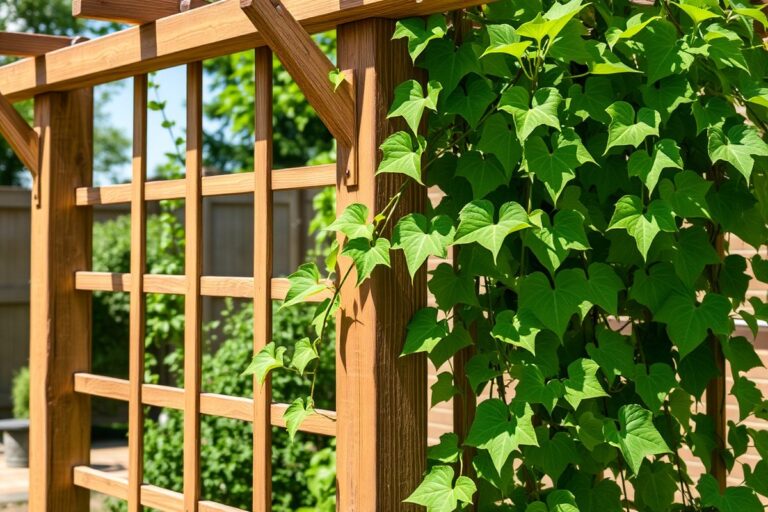
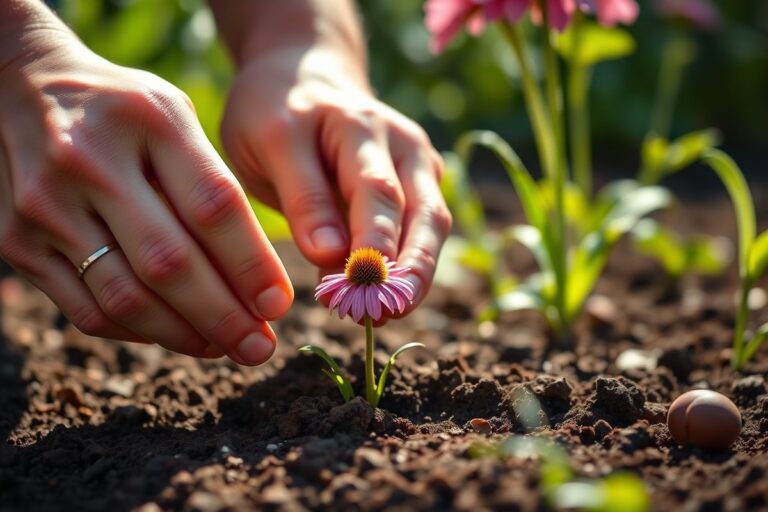
Plant seed potatoes about 6 inches deep in well-tilled soil. Sow beans between potato mounds, spacing them about 8 inches apart to reduce pests and make care simpler.
Corn grows fine next to potatoes. Keep 1 to 2 feet between rows to allow room for hilling.
Borage grows up to 3 feet tall. So place it at the patch edges or corners.
It attracts pollinators that help your potatoes produce more tubers. Keep your soil warm, above 45 degrees Fahrenheit, to get potatoes off to a good start.
Key Takeaways
- Plant potatoes 6 inches deep in loose, warm soil for best growth.
- Sow bean seeds 1 inch deep and 8 inches apart between potato hills.
- Space corn 1-2 feet away from potatoes to allow for mounding soil.
- Put borage on patch edges; it grows tall and attracts helpful insects.
- Start planting potatoes after soil reaches 45 degrees Fahrenheit.
- Beans improve nitrogen in soil that benefits potato plants.
Best Plants to Grow with Potatoes for Healthy Crops

Some plants help potatoes grow better by keeping pests away and improving soil. Beans fix nitrogen in the soil, which potatoes need to grow well. Herbs like cilantro attract beneficial insects such as ladybugs and wasps that control harmful bugs.
Horseradish is another strong companion. It releases chemicals that boost potato plants’ disease resistance. Marigolds protect the soil from nematodes even before potatoes go in.
Plant corn 1-2 feet away from potatoes in a row. Corn grows tall. It helps you hill soil around the potatoes easily.
| Companion Plant | Benefit for Potatoes | Planting Tips |
|---|---|---|
| Beans | Fix nitrogen to improve soil quality | Plant seeds 1 inch deep, 8 inches apart between potato hills |
| Cilantro | Attracts beneficial insects like ladybugs and hoverflies | Grow near potatoes to draw helpful insects |
| Horseradish | Improves disease resistance via pest-repelling chemicals | Plant close to potatoes but give space for growth |
| Marigolds | Protect soil from nematodes before planting potatoes | Plant between potato crops or along rows |
| Corn | Supports mounding and adds shade to protect potatoes | Plant in rows 1-2 feet beside potatoes |
| Nasturtiums | Trap pests like aphids and Colorado potato beetles | Grow around or between potatoes to lure pests away |
| Dead Nettles | Repel some pests and may boost potato vigor | Plant nearby so leaves can fall, adding nutrients |
In warmer climates, peas can shade potatoes and reduce soil moisture loss. Lettuce also works well.
It grows low and doesn’t compete for nutrients. Yarrow, with deep roots, loosens soil, helping potatoes form bigger, better tubers.
Plant seed potatoes in soil warmed to 45 °F or higher. Corn should be spaced to avoid blocking hills.
Beans fit well between potato mounds. Nasturtiums act as natural pest traps, cutting your pest control work.
Plants to Avoid Planting Near Potatoes
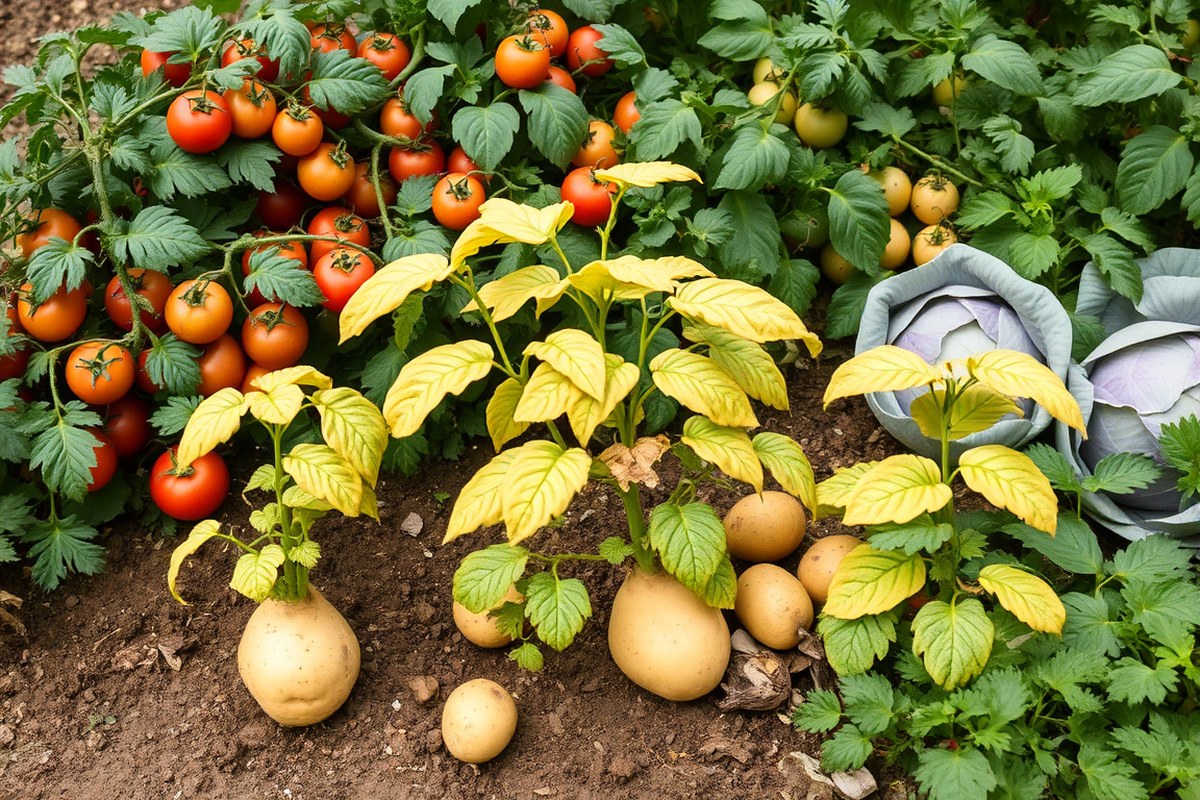
Some plants cause problems when grown near potatoes. They compete for water and nutrients, making your potato plants weaker. Others can bring pests and diseases that spread easily to potatoes.
Nightshades like tomatoes, peppers, and eggplants are the main offenders. They share many diseases with potatoes, such as blight. Planting nightshades too close increases disease risk and can cut your potato harvest.
Root vegetables like carrots and beets also tie up nutrients and space near potatoes. Avoid overcrowding to let potatoes grow deep and strong. Beans and peas don’t compete much but avoid planting heavy feeders near potatoes.
- Tomatoes, peppers, and eggplants (nightshades) – risk of disease and pest spread
- Carrots, beets, and other root crops – compete for nutrients and space
- Corn – competes heavily for nutrients and water
- Cabbage family (broccoli, cauliflower) – attracts similar pests and can stunt growth
- Sunflowers – drain soil nutrients quickly and shade potatoes
- Fennel – releases chemicals harmful to potato growth
Follow crop rotation rules and avoid planting potatoes near nightshades for at least three years. Keep potatoes at least 12 inches apart from incompatible plants to reduce risk. Ensuring proper spacing improves airflow and lowers disease chances.
Plant potatoes at least 12 inches away from nightshades. Keep them clear of root crops too. This helps avoid disease and nutrient competition.
Monitor soil pH to keep it slightly acidic, around 5.8 to 6.5, for healthy potato roots. Dry and alkaline soils can stress potatoes, especially if antagonistic plants are nearby. You’ll get better yields by avoiding problem plants near potatoes.
Pests will be fewer in your garden too. Keep potatoes away for the best results.
How Companion Plants Protect Potatoes from Pests and Diseases
Companion plants protect potatoes by masking scent and confusing pests. Basil’s strong smell repels Colorado potato beetles and thrips effectively. You can plant basil close to your potatoes to cut down on these harmful bugs.
Flowers like alyssum, calendula, and cosmos attract beneficial insects that prey on potato pests. Ladybugs, hoverflies, and lacewings hunt aphids and other threats. Scatter these flowers around your potato patch to keep pest populations low naturally.
Herbs such as mint and cilantro also help. Mint repels whiteflies, ants, and even mice while drawing bees and butterflies.
Cilantro’s flowers attract wasps and other insects that feast on potato pests. Plant mint on the edge and sprinkle cilantro among potato plants.
Horseradish placed at the corners of your potato bed can deter Colorado potato beetles too. Its distinct aroma is a natural pest barrier. Adding parsley nearby traps harmful insects away from your potatoes.
It also attracts more helpful insects to the area. Parsley improves pest control naturally.
Creating ground cover with leafy companions like spinach or lettuce reduces soil moisture loss. This stress reduction makes potatoes less vulnerable to diseases. When planting companions, space them to let air flow between plants, which lowers fungal risks.
Plant different herbs and flowers near potatoes to keep pests away. They give off smells that bugs dislike. They also bring in insects that eat harmful pests.
Start with basil, mint, alyssum, and calendula. Adjust depending on your garden’s size and sunlight. Watching your potato leaves for pests weekly helps catch problems early before they spread.
When and How to Plant Potato Companions Together
Plant companion crops with potatoes carefully by timing and spacing them well. Potatoes need room for tubers to grow without competition. Proper depth and spacing help both potatoes and companions thrive together.
Preparing Seed Potatoes and Companions
Start with certified seed potatoes that are disease-free for the best yield. Cut large seed potatoes into pieces with at least one or two eyes each. Let the cut pieces dry for a couple of days before planting.
Start companion plants like bush beans or peas as seedlings. You can also sow them directly near potatoes. This helps them grow well together.
This helps them establish quickly and support potato growth during the same season. Avoid planting companions that germinate much faster or slower than potatoes.
To plant both together, place seed potatoes in soil about 4 inches deep. Then plant companion seeds or seedlings around them according to their needs. This ensures both sets of plants get adequate water, light, and nutrients.
Spacing Guidelines for Different Companion Types
Plant potato seed pieces about 12 inches apart in a row. Leave 30 to 36 inches between each row. This spacing helps potatoes grow healthy and strong.
For most companions, keep at least 8 to 12 inches apart from potatoes to avoid crowding. This gives potatoes room to develop tubers underground without root competition.
Legumes like bush beans and peas need spacing like potatoes. They grow without shading the potato roots. Keep rows and plants spaced to avoid crowding.
Plant taller companions like marigolds every few feet along the potato rows to protect against pests. Avoid crowded plantings because that increases disease risk.
For onion or garlic companions, space them about 4 to 6 inches from potato rows. These plants help prevent pest problems and do not compete strongly for nutrients. Maintaining these recommended distances helps companions work well without hurting potato growth.
Planting Timing for Best Results
Plant seed potatoes and companion plants at roughly the same time in spring. Plant potatoes in soil once it warms to about 45°F. Make sure the chance of frost is very low.
This protects young potatoes from cold damage. Companion plants like bush beans should be planted after the soil has warmed similarly.
Plant marigolds along potato rows when you bury the seed potatoes for immediate pest protection. For some legumes, you can start seeds indoors two to three weeks before planting them out. This gives them a head start and matches their growth with potatoes.
Avoid planting companions far earlier or later than potatoes. When companions grow too fast or slow, they may crowd or leave potatoes unprotected. Coordinated timing favors healthy, balanced gardens and good yields.
Watering and Soil Preparation Tips
Prepare soil by loosening it to a depth of about 8 inches before planting. Potatoes grow best in well-drained, loose soil rich in organic matter. You can mix compost into the soil to boost nutrients for potatoes and companions.
Water planted potatoes and companions thoroughly after planting to settle the soil around them. Keep the soil consistently moist throughout the growing season but avoid waterlogging. Overly wet soil can cause rot in potato tubers.
Applying mulch around plants helps keep moisture steady and controls weeds. This creates a better growing environment for potatoes and their companion plants. Watch soil moisture regularly and adjust watering based on weather and soil type.
- Choose certified seed potatoes and healthy companion seeds or seedlings.
- Cut seed potatoes into eye pieces and let them dry for 1-2 days.
- Prepare soil by loosening and mixing in compost before planting.
- Plant seed potatoes 4 inches deep, spaced 12 inches apart in rows 30 inches apart.
- Plant companion seeds or seedlings 8 to 12 inches from potatoes, adjusting by type.
- Water well after planting and apply mulch to retain soil moisture.
- Monitor soil moisture, watering regularly to keep soil moist but not soggy.
- Stagger planting timing so companions and potatoes grow together harmoniously.
Using Flowers to Attract Beneficial Insects in Potato Gardens
Planting flowers near potatoes can improve pest control and boost yields. Flowers attract pollinators like bees and butterflies, which help potato flowers set more tubers. They also bring beneficial insects that prey on common potato pests such as aphids and beetles.
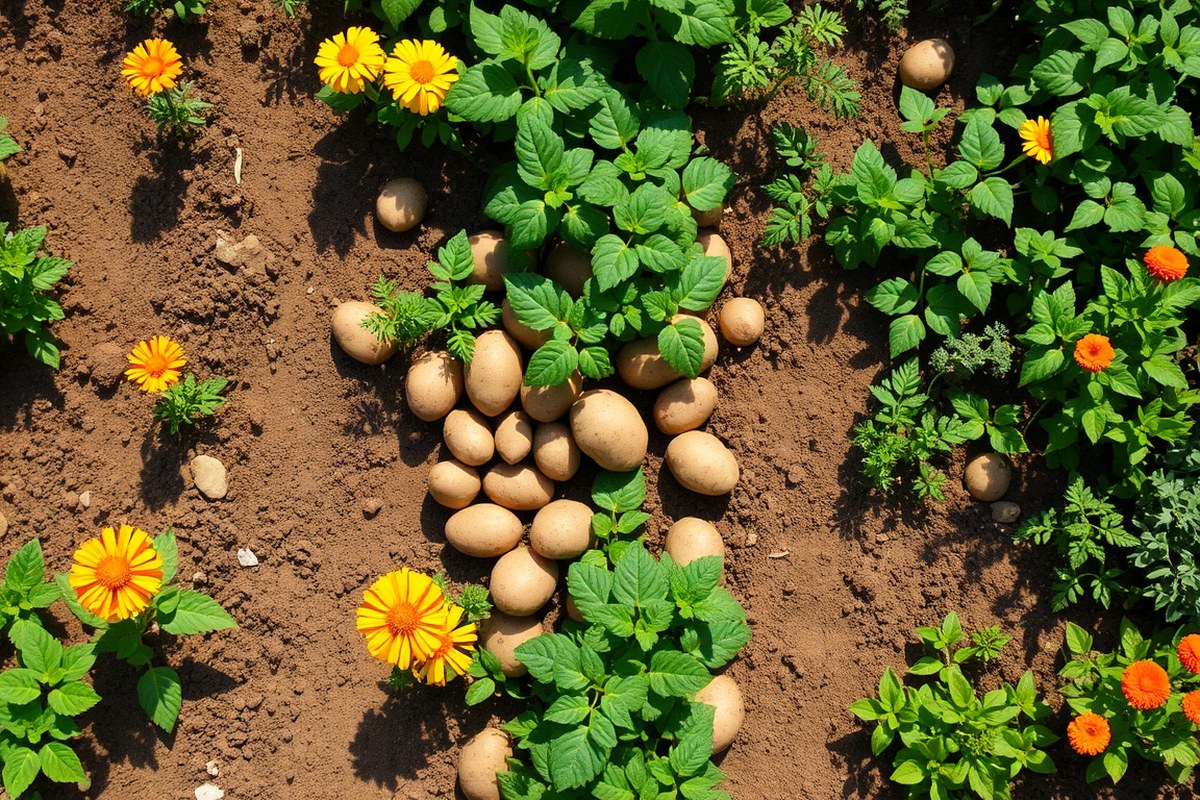
Nasturtiums stand out because they lure harmful insects away from potatoes, acting as a trap crop. Marigolds repel nematodes that attack potato roots and draw in ladybugs to control aphids. Flax adds bonus growth benefits and may improve potato flavor.
- Nasturtiums attract pests away and welcome helpful insects.
- Marigolds release natural compounds to deter root nematodes.
- Flax can improve growth and improve tuber taste.
- Plant flowers close to but not crowding potatoes for airflow.
- Choose varieties that bloom throughout your potato growing season.
- Flower colors help attract a range of beneficial pollinators.
Plant flowers at the same time or a few weeks before potatoes start growing. Check spacing so you don’t block sunlight or stunt tuber development. Flowers that bloom early and late help keep beneficial insects around all season.
Plant nasturtiums and marigolds near potatoes early in spring. This helps protect against pests. It also attracts pollinators to your garden.
When flowers thrive, potatoes have fewer pests and better pollination. This reduces the need for pesticides and can increase the potato harvest.
Avoid planting flowers that attract pests harmful to potatoes or take too much water. Keep soil moist and well-drained for both potatoes and companion flowers.
Planning Companion Plant Layouts for Small and Large Gardens
Companion planting layouts should fit your garden size and goals. Small gardens use tight spacing and layered plants to save room. Large gardens plan rows and edges for pest control and better yield.
Layout for Small Backyard Gardens
In small gardens, plant potatoes in the center of a raised bed or container. Space seed potatoes about 12 inches apart to allow enough room for tuber growth. Between potato rows, plant fast-growing runners beans, which use less soil depth and grow upward.
Grow borage along the edges of your potato bed to deter pests. It reaches about 3 feet in height and spreads 2 feet wide. Surrounding the area with garlic can repel potato beetles due to its pungent scent.
Companion Planting in Larger Rows or Beds
For large gardens, plant potatoes in rows spaced 2 to 3 feet apart. This space lets potato plants spread while giving room to companions like alfalfa or broccoli. Alfalfa grows between potato rows and lasts for many years.
It does not take many nutrients from the soil. This makes it a good choice for planting with potatoes.
Alternate rows of potatoes with nitrogen-fixing crops, such as beans or peas, to boost soil fertility. Run runner beans between potato rows early in the season. Harvest beans before potatoes need all the space and nutrients.
This lets you use the ground efficiently. Beans make a good early crop with potatoes.
Larger spaces allow you to rotate potatoes with other crops, helping avoid disease buildup. Plant broccoli in wooden boxes every other season to reduce soil pests.
Rotating crops helps keep your plants healthy. This method works well in small spaces.
Using Borders for Pest Control and Yield
Planting garlic and flowers like petunias as borders around potatoes helps repel pests. Garlic’s strong scent confuses pests trying to find potatoes and protects the whole patch. Petunias attract beneficial insects that eat harmful bugs.
Use borage plants as borders too, since they grow large and don’t compete with potatoes. Their flowers attract pollinators and beneficial insects. Keeping these plants along edges creates a natural pest barrier without taking space from potatoes.
Borders also simplify maintenance and harvesting. You can reach potatoes without stepping into the bed, avoiding soil compaction. Garden borders keep your space neat and organized.
They can include herbs or flowers that control pests. This way, your garden stays productive and tidy at once.
Common Mistakes and How to Fix Potato Companion Planting
One common mistake is overcrowding your potato bed. Planting too many companions close together reduces airflow and sun exposure. This stresses potatoes and can lead to disease or low yields.
Choosing the wrong plants is another frequent error. Some companions, like cucumbers and squash, compete with potatoes for nutrients.
They also increase risks of blight, which damages foliage and tubers. Avoid members of the cucurbit family near potatoes to keep disease risks low.
Timing can cause trouble too. Planting companions either too early or too late can lead to competition or missed benefits. Beans fix nitrogen in the soil.
This helps potatoes grow better. Plant both about the same time for best results. Plant beans a week before or when potatoes sprout to make the most of this.
- Space companions at least 12 inches from potato plants to reduce crowding.
- Select nitrogen-fixing plants like beans to feed potatoes naturally.
- Do not plant cucumbers or other cucurbits near potatoes to avoid nutrient competition and blight.
- Plant companion seeds one to two weeks before or with potatoes for better growth timing.
- Watch soil moisture. Too much water can cause root problems for both potatoes and companions.
Overcrowding leads to weak plants because they fight for nutrients and water. Spacing helps both potatoes and companions grow strong. You can tell companion planting works by healthier leaves.
Bigger tubers show it too. You will also see fewer pests. Yellowing or wilting can mean overcrowding or poor pairing with companions.
Check plants weekly during the growing season. Fast-growing companions that overshadow potatoes need trimming or transplanting. That prevents shade and ensures potatoes get sunlight.
Use companion planting to reduce weeds naturally. Weeds often compete more than companion plants do.
Adjusting Companion Planting by Season and Soil Conditions
Companion planting for potatoes depends a lot on season, soil pH, and moisture. You adjust your choices based on your climate and soil conditions. That helps potatoes stay healthy and grow well through the year.
Seasonal Planting Adjustments
Warm climates with hot summers call for shade plants like peas to grow alongside potatoes. Peas help reduce heat stress and keep soil from drying out quickly. Cooler seasons allow planting quick-growing herbs or leafy greens that don’t compete much for nutrients.
Late spring or early fall suit root crops near potatoes. Carrots and radishes work well because they like similar weather. This helps them grow better side by side.
In colder zones, stick to short-season companions to finish before frost hits. Timing your planting keeps both crops thriving without one blocking sunlight or space.
Plant companions that fit your growing season to avoid stunted growth or poor yields.
Soil pH and Nutrient Needs
Potatoes do best in slightly acidic soil with pH between 5.0 and 6.0. Companion plants should tolerate this range to avoid soil imbalance. Legumes like clover help by fixing nitrogen, improving soil fertility without raising pH too much.
Avoid planting heavy feeders next to potatoes since they compete for nutrients. Use medium to low feeders to balance the soil. Mixing in clover or peas helps potato growth a lot.
These plants also lower the need for added fertilizer. You get healthier potatoes with fewer chemicals.
Testing soil pH yearly ensures your companion choices stay effective. Adjust soil with lime or sulfur if pH drifts outside 5.0 to 6.0. That keeps nutrients available for potatoes and their neighbors.
Watering Practices for Mixed Crops
Potatoes need consistent moisture without soggy soil to prevent rot. Companion plants that prefer similar watering make care simpler and avoid overwatering. For example, peas and clover thrive with the same watering schedule as potatoes.
Mulching helps retain soil moisture and keeps temperatures stable. It also reduces weeds competing for water. Check soil moisture regularly, especially in hot or dry periods, to keep all plants healthy.
Adjust water needs if companions require less wetness. Stop watering early when potato tubers start to mature to avoid rot. Balanced watering means fewer diseases and better harvests for all plants.
Step-by-Step Action Plan for Planting Potato Companions
Follow these practical steps to start companion planting with potatoes that boost growth and cut pests.
- Before planting: Test your soil pH. Potatoes grow best in slightly acidic soil (pH 5.0 to 6.0). Adjust by adding sulfur or lime if needed to hit this range.
- Day 1: Choose companion plants like beans, cabbage, or marigolds. Place taller plants to the north or east to avoid shading potatoes.
- Planting time: Plant potatoes and companions together in alternating rows or clusters. Check for at least 12 inches spacing to prevent crowding.
- Week 2: Mulch around plants with straw or shredded leaves. Mulch helps keep soil moist and attracts beneficial insects like ladybugs.
- Week 4: Inspect leaves for pest damage weekly. Seeing fewer pests means companion plants are working. Add more flowers like nasturtiums if pests increase.
- Mid-season: Thin out crowded plants to improve air circulation. Good airflow lowers risks of fungal disease on your potato haul.
- Harvest time: Pull up potato plants but leave companion flowers for longer. They keep attracting helpful bugs into your garden for the next crop.
Frequently Asked Questions
What Vegetables Grow Well with Potatoes?
Beans, corn, and lettuce grow well with potatoes because they don’t compete much. Beans help fix nitrogen in the soil, which potatoes need.
Can Planting Flowers with Potatoes Improve the Crop?
Yes, flowers like marigolds and nasturtiums repel pests around potatoes. They attract beneficial insects that eat harmful bugs.
How Does Horseradish Help When Planted with Potatoes?
Horseradish deters Colorado potato beetles and other pests effectively. It grows well near potatoes and adds flavor to your garden harvest.
Should Potato Plants Be Spaced Differently When Companion Planting?
Keep about 12 inches between potato plants and companion seeds. This spacing prevents overcrowding and ensures good air flow around them.
Why Avoid Planting Tomatoes Near Potatoes?
Tomatoes and potatoes share diseases, which can spread and harm both crops. Avoid planting them close to reduce disease risk.
Can Cilantro Really Protect Potatoes from Pests?
Yes, cilantro repels potato beetles when planted near or between potato beds. It also attracts beneficial insects to your garden.
Wrapping Up
Planting the right companions improves potato health and cuts pests naturally. Try adding marigolds or beans to your next patch. Watch your garden closely and enjoy bigger, healthier potatoes.