How to Start a Peach Seed: A Complete Guide for Successful Growth
Knowing how to start a peach seed helps you grow your own peach tree at home. You can start a peach tree from seed by soaking it first. Then chill the seed before planting it indoors.
Later, move the seedling outside when it grows. The key is cold stratifying the seed to break its dormancy for good germination.
Begin by soaking the seed in water for 24 hours to jumpstart the sprouting. Keep the seed wet and cold in the fridge for a few months. Use a zip-top bag with peat moss or a damp towel.
This keeps the seed moist during chilling. This mimics winter conditions and wakes the seed up.
Put your seed in soil about 1 to 2 inches deep. Make sure the pointy end faces down in the container. Keep it near a sunny window or grow lights to help it sprout.
Key Takeaways
- Soak peach seeds in water for 24 hours before any planting steps.
- Cold stratify seeds in the refrigerator between 34-42°F for 2 to 3 months.
- Use a moist medium like peat moss or a wet towel during stratification.
- Sow the seed about 1 to 2 inches deep in soil. Position the pointed end downward before covering it. This helps the seed grow properly in the ground.
- Keep seedlings near bright light for 12 to 16 hours daily indoors.
- Use containers 10 to 12 inches wide filled with light potting mix.
Can You Grow a Peach Tree from a Seed?
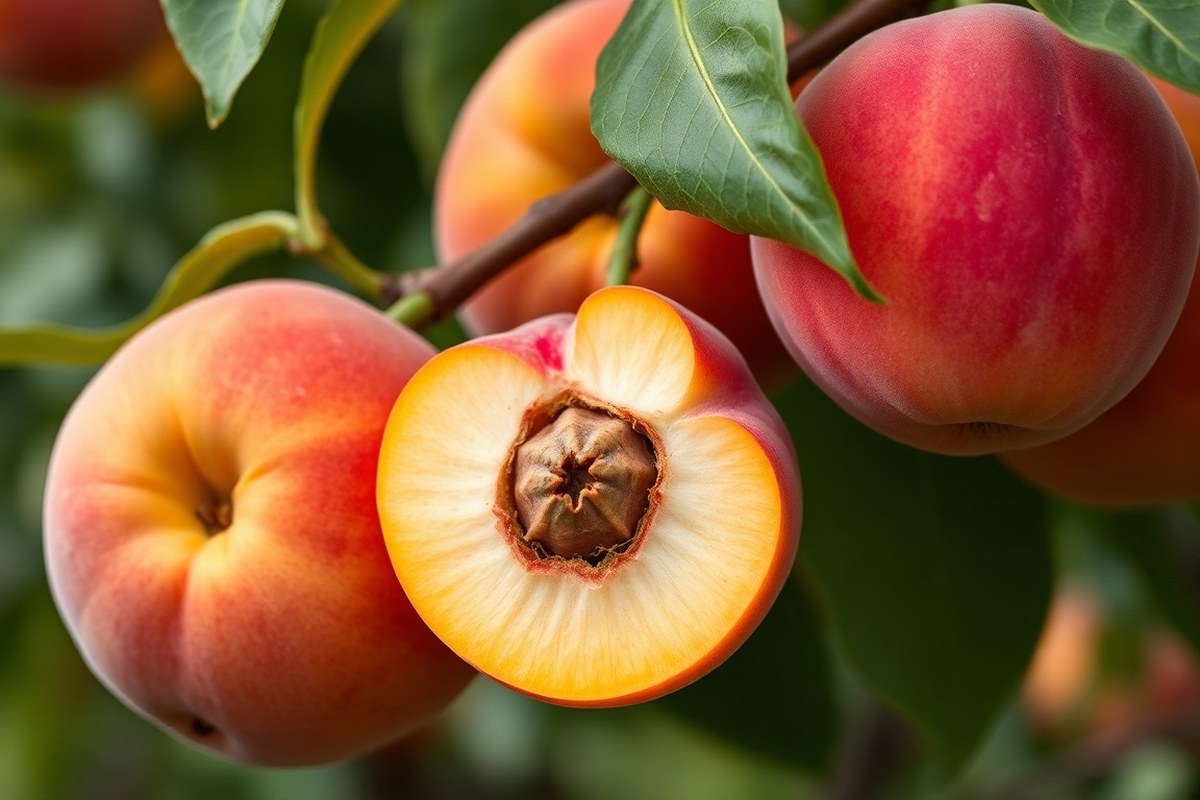
Yes, you can grow a peach tree from a seed. The seed, or pit, can grow into a healthy tree.
You just need to give it the right care. It takes patience, as this is a slow process needing a few years of commitment.
Peach trees grown from a seed usually take about three to four years to produce fruit. This is longer than grafted trees, which often fruit in two to three years.
The extra time is because seed-grown trees must develop fully. Sometimes their fruit quality differs.
The fruit from a seed-grown peach tree might taste different. It may not be like the peach your seed came from.
Commercial peach trees are grafted to ensure good flavor and reliable fruit. Seed-grown trees vary widely, so expect surprises, both good and bad.
Peach trees need cold weather during dormancy. Usually, about 800 chill hours below 45°F are needed. This helps them bloom and fruit well.
This means growing peaches from seed suits areas with cold winters. Without enough chill hours, fruiting can be uncertain or delayed.
Growing a peach tree from seed turns simple leftovers into a potential long-lasting fruit source. Growing a tree from seed teaches you gardening skills. It also teaches patience.
You get to enjoy a tree you raised. Care for the young tree carefully in the first years.
This improves its chance to produce fruit. Take your time and watch it grow.
Extracting and Preparing Your Peach Seed for Planting

You start by picking ripe peaches and carefully extracting their seeds. Cleaning and drying the seeds properly is key to healthy sprouting. Preparing the seeds this way readies them for cold stratification or direct planting.
Choosing the Right Peach Fruit
Select peaches that are ripe and fresh from a reliable source. Look for fruits free of rot, bruises, or mold to ensure the seed inside is healthy. Healthy peaches give seeds the best chance for successful growth.
Choose peaches that taste good and show no decay around the pit. Picking seeds from several peaches reduces the risk of germination failure. Seeds from hybrid peaches may grow trees unlike the parent fruit.
Removing the Seed from the Pit Safely
The peach seed lies inside the hard pit. So you need tools to open it.
Use pliers or a nutcracker to crack open the pit gently, avoiding crushing the seed. Some people plant the whole pit but cracking it speeds germination.
Follow these steps to remove the seed:
- Hold the pit firmly in your hand or on a sturdy surface.
- Use pliers or a nutcracker to apply gentle pressure to the pit.
- Crack the pit carefully without smashing the seed inside.
- Separate the seed (kernel) from the broken pit pieces.
- Discard the outer shell pieces safely away from your planting area.
Wear gloves to protect your hands when cracking the pit to avoid injury.
Cleaning and Drying the Peach Seed
Remove any remaining fruit flesh from the seed by rinsing it under cool water. Use a soft brush or your fingers to clean off stubborn bits. This prevents mold during drying and storage.
Dry the seed on a paper towel for 24 to 48 hours. Keep it in a warm, dry spot. Make sure it stays flat and uncovered.
Once dry, store it in a paper bag or breathable container if not planting immediately. Avoid sealing seeds in plastic without ventilation to prevent rot.
How to Cold Stratify Peach Seeds for Best Germination
Cold stratification breaks peach seed dormancy by simulating winter cold. Chill the seed 2 to 3 months at about 34 to 41°F (1 to 5°C). This step helps peach seeds sprout reliably once planted.
Why Cold Stratification Is Necessary
Peach seeds naturally experience cold temperatures during winter. This cold period stops dormancy and triggers the seed to sprout in spring. Without stratification, seeds often fail to germinate or take much longer.
Cold stratification mimics natural winter chill inside the seed. It allows enzymes to activate and the embryo to develop properly. This process increases the chance of seedling survival and healthy growth.
Step-by-Step Refrigeration Method
Use your fridge to cold stratify peach seeds in a moist environment. Keep seeds cool and damp without letting them dry out or rot. Place the seeds in a zip-top bag or wrap them before refrigerating.
- Soak the peach seed in water at room temperature for 24 hours to soften the shell.
- Wrap the soaked seed in damp peat moss or a wet paper towel.
- Put the wrapped seed into a zip-top plastic bag, seal it partially for airflow.
- Place the bag in your refrigerator, away from fruits that release ethylene gas.
- Keep the seed in the fridge at 34 to 41°F (1 to 5°C). Store it there for 8 to 12 weeks.
- Check the moss once a week to keep it moist. Watch for any sprouting signs.
- After 2 months, start examining the seed closely for a small sprout or root tip.
- Once sprouted, plant the seed in soil to continue growth.
Keep your refrigerator stable and avoid freezing the seed. Ethylene gas near apples or bananas can reduce germination rates. Maintaining moisture without soaking the seed prevents mold and rot.
Stratification Alternatives for Warm Climates
Living in a warm place with mild winters? Use the fridge method to mimic cold months.
Cold stratifying indoors tricks the seed into thinking it went through winter chill. This step is important because outdoor cold may be too short or warm for peach seeds.
In moderate climates, store seeds outdoors in a sheltered spot inside moist peat moss. Protect them from drying or extreme temperature swings. Check moisture often and start indoor sprouting if outdoor conditions vary greatly.
| Climate | Stratification Method | Duration | Temperature |
|---|---|---|---|
| Cold winter | Natural outdoor chilling | 8-12 weeks | 32-45°F (0-7°C) |
| Warm winter | Refrigerator stratification | 8-12 weeks | 34-41°F (1-5°C) |
| Moderate winter | Outdoor sheltered storage or fridge | 8-12 weeks | 30-45°F (−1-7°C) |
Follow the method best suited for your area to ensure peach seeds sprout strong. Keep moisture steady and watch for early signs of sprouting to time planting well.
Step-by-Step Germination and Indoor Starting Guide
Start by soaking your peach seed, then plant it about 3 to 4 inches deep. Use a well-draining soil mix in a container with good drainage holes. Keep the soil moist and maintain temperatures between 65°F and 75°F for best germination results.
Soaking the Seed Before Planting
Soak your peach seed in room temperature water for 2 to 4 hours or overnight. This softens the hard outer shell and helps speed up germination. Avoid soaking it longer than 24 hours to prevent rotting.
After soaking, dry the seed lightly and prepare for planting right away. This simple step makes a big difference in whether your seed sprouts successfully.
Choosing Soil and Containers
Use a container that is 10 to 12 inches in diameter with drainage holes. This size provides enough space for root growth without drowning the seedling. Choose ceramic or plastic pots depending on what you have.
Fill the pot halfway with potting soil. Add compost to fill the rest.
This mix gives nutrients and drains well. The soil should be loose and moist but not soggy to prevent mold and root rot.
Plant the seed with the pointed end facing down, about 3 to 4 inches deep. Planting twice as deep as the seed’s length supports stable root development and helps retain moisture.
Watering and Light Requirements During Germination
After planting, water the soil lightly so it’s evenly moist but not wet. Check soil moisture every day and water whenever the top inch feels dry. Avoid overwatering, which can cause the seed to rot instead of sprouting.
Place the container in an area where it can receive bright, indirect sunlight indoors. Temperatures between 65°F and 75°F encourage steady germination. Too cold or too hot slows the process and can stress the seed.
After the seedling sprouts, keep watering it the same way. Slowly give it more light every day. This helps it get ready to go outside.
- Soak the seed in room temperature water for 2 to 4 hours or overnight.
- Fill a 10-12 inch container with half potting soil and half compost mix.
- Plant the seed 3 to 4 inches deep with the pointed end facing down.
- Water lightly to moisten the soil without making it soggy.
- Place the container in bright, indirect sunlight at 65°F to 75°F.
- Check soil moisture daily and water when the top inch is dry.
- After sprouting, keep watering regularly and increase light exposure gradually.
When and How to Transplant Peach Seedlings Outdoors
Transplant your peach seedling outdoors after the last frost date in your area. Soil should be warm enough, ideally above 60°F, to encourage root growth. This usually happens in spring or early summer, depending on your region.
Before planting outside, harden off your seedlings for about one to two weeks. This means gradually exposing them to outdoor weather, starting with a few hours in shade. Increase their time outside daily while reducing protection from wind and sun.
Choose a sunny spot with well-drained soil for planting your peach tree. Amend the soil by mixing equal parts garden soil, compost, and perlite or vermiculite. This improves drainage and moisture retention, which peach trees need to thrive.
- Start hardening off by placing seedlings outdoors in morning shade for 2-3 hours.
- Gradually increase outdoor time by 1-2 hours each day over 10-14 days.
- Prepare the planting hole about twice the size of your seedling’s root ball.
- Mix equal parts garden soil, compost, and perlite or vermiculite for soil.
- Plant seedlings 20 feet apart from other plants or structures for space.
- Plant the seedling at the same depth it grew in its container.
- Water seedlings immediately after planting to settle the soil around the roots.
- Add a light layer of mulch to keep moisture and prevent weeds but avoid trunk contact.
Space seedlings at least 20 feet apart to prevent competition and allow air circulation. Plant them at the depth they grew in their pots to avoid stem rot. Avoid over-fertilizing young trees; use a balanced fertilizer sparingly after growth begins.
Keep soil steadily moist but not waterlogged during the first few weeks. Watch seedlings for signs of stress such as wilted leaves or yellowing. Adjust watering and provide shade if sunny spots are too harsh during early transplant days.
Hardening off too quickly can shock your seedlings and stunt their growth, so take your time.
How Long Does It Take for a Peach Tree to Grow and Fruiting Timeline
Peach trees grown from seed usually start growing slowly at first. You can expect your tree to reach a few feet tall after the first year. It usually takes 3 to 4 years for your tree to fruit.
Some gardeners see blossoms by the second year. This means you might get fruit earlier sometimes.
Several things affect how quickly your peach tree grows and fruits. Consistent watering during dry spells is key to steady growth.
Pruning helps shape the tree and encourages more branches for flowers and fruit. Thinning out fruit early makes the remaining peaches larger and healthier.
Temperature also matters. Peaches need cold winter dormancy but warm springs and summers to grow well.
Planting in full sun speeds up growth compared to shaded areas. Soil with good drainage and moderate fertility supports better root development and fruiting.
Common Mistakes and How to Fix Them When Growing from Seed
Improper stratification often stops peach seeds from sprouting. Seeds need cold, moist conditions around 6 to 8 weeks to signal spring is coming. Skipping this cold treatment or keeping seeds too warm prevents germination.
To fix this, place seeds in damp peat moss inside a sealed bag. Store them in the refrigerator at about 40°F for at least 6 weeks before planting.
Overwatering is another common problem that kills peach seedlings. Waterlogged soil suffocates roots and invites damping off, a fungal disease causing seedlings to collapse.
Keep soil moist but let the surface dry slightly between waterings. Use containers with drainage holes to avoid standing water, and avoid misting leaves excessively.
Poor lighting slows seedling growth and leads to weak, leggy plants. Peach seedlings want bright, indirect sunlight for 10 to 14 hours daily. Without enough light, stems stretch toward the source, becoming tall and floppy.
Use a south-facing window for the best light. Put grow lights 6 to 12 inches above seedlings. This helps your peach seeds grow strong and healthy.
- Place seeds in moist, cold fridge for 6-8 weeks before planting.
- Water seedlings lightly, letting soil dry between sessions to avoid rot.
- Provide 10-14 hours of bright, indirect sunlight or use grow lights.
- Use containers with holes for good drainage and airflow.
- Remove any seedlings showing spots or soft stems to prevent spread of disease.
- Plant peach seeds in fresh, sterile soil to reduce fungal risks.
- Start with multiple seeds to replace any that fail to sprout or grow.
Seedlings with damping off often look weak, spindly, or wilt before falling over. Quickly separate affected seedlings and improve air circulation around plants.
You can apply a natural fungicide safe for young plants if infections appear. Weak growth usually means low light or overwatering, so adjust these immediately.
Sometimes, starting over with fresh seeds works best. Poor germination might mean the seed is old or not viable. Keep seeds in cool, dry places before stratifying to keep them healthy.
These steps help you avoid frustration. They also improve your peach tree’s survival chance. Your seedling will grow better into a young tree.
Caring for Young Peach Trees After Planting
Young peach trees need regular watering to stay healthy. Water deeply once or twice a week, giving about 1 inch of water each time. Avoid overwatering, as soggy soil can lead to root rot and poor growth.
Fertilize your tree with a balanced fertilizer in early spring. A 10-10-10 mix works well for young peaches. Spread it around the tree’s drip line.
Use about 1 cup for each year of the tree’s age. Water it in well afterward.
Prune your peach tree in late winter before buds open. Cut back weak or crossing branches to help shape a strong framework. Removing the top third of last year’s growth encourages better fruiting and airflow.
- Look under leaves weekly for pests like aphids and scale.
- Spray horticultural oil or insecticidal soap if you spot small bugs.
- Watch for curled or discoloured leaves, which signal peach leaf curl.
- Apply fungicide in late fall or early spring to prevent fungal infections.
- Use tree wrap on the trunk to stop borers from laying eggs.
- Place young trees where winds don’t blast but air still moves well.
Check your peach tree weekly for pests or diseases to catch problems early.
In colder climates, protect young peach trees during winter. Use burlap, tree guards, or wrap trunks to prevent frost cracks and sunscald.
Mulch around the base with 2 to 4 inches of straw or wood chips. This helps keep the roots warm.
Good care means your peach tree grows strong with fewer pests and better fruit later on. Avoid neglecting pruning or watering.
Those mistakes can stunt the tree’s growth. They also let insects or fungus settle on branches and leaves.
Step-by-Step Action Plan for Starting Your Peach Seed
Follow these steps to get your peach seed growing strong. Check each step to make sure it worked before moving on.
- Before you start: Extract the seed from a ripe peach and clean off all fruit bits. The seed should look dry and hard.
- Day 1: Use a nutcracker or hammer to crack the shell. Do this gently. Don’t hurt the seed inside. You’ll see the inner seed after cracking.
- Week 1: Place the seed in a plastic bag with moist peat or paper towel. Keep it in the fridge at 34, 40°F for 6 to 8 weeks. Check weekly for mold or drying out.
- Week 7 or 8: After stratifying, plant the seed 1 to 2 inches deep. Use potting mix that drains well. Keep it indoors. Soil should be moist but not soggy.
- Weeks 9 to 12: Keep the pot in a sunny windowsill or under grow lights. Water lightly when top inch of soil is dry. Look for sprouting.
- After sprouting: Thin to the strongest seedling if more than one grows. Keep feeding once a month with diluted balanced fertilizer.
- When outdoor temps stay above 50°F: Start hardening off seedlings slowly. Put them outside a few hours daily. Do this for two weeks. This prevents shock.
- After hardening off: Transplant seedlings to fertile, sunny spot outdoors. Water regularly and mulch to keep roots cool and moist.
Frequently Asked Questions
How Do You Tell If a Peach Seed Is Good for Planting?
A good peach seed comes from a ripe and healthy peach. It should be fully matured and free from cracks or mold to increase chances of germination.
How Much Water Should You Use During Cold Stratification?
Keep the medium moist but not soaked during cold stratification. Too much water can cause rot.
Check your soil regularly. Add only enough water to keep it damp.
What Type of Soil Is Best for Planting a Germinated Peach Seed?
Use well-draining, loose soil rich in organic matter for planting. This helps roots develop without waterlogging or compacting, which can harm young seedlings.
Can I Start a Peach Seed Directly in the Ground?
Starting directly outdoors is risky because seeds need cold stratification. Indoor germination gives better control over temperature and moisture for success.
Should I Remove the Seed Coat Before Planting the Peach Seed?
It’s better to leave the seed coat intact to protect the seed. The coat naturally softens during stratification, making it easier for the sprout to emerge.
How Do You Know When to Stop Cold Stratification?
Stop cold stratification when you see the seed split or a small root appears. This usually happens after 2 to 3 months in the fridge.
Final Thoughts
Growing a peach tree from seed takes patience but it’s worth it. Start by preparing and cold-stratifying your seed properly. Plant your seed today and watch your tree grow over time.