How Often to Water Seedlings Indoors: A Complete Guide for Healthy Growth
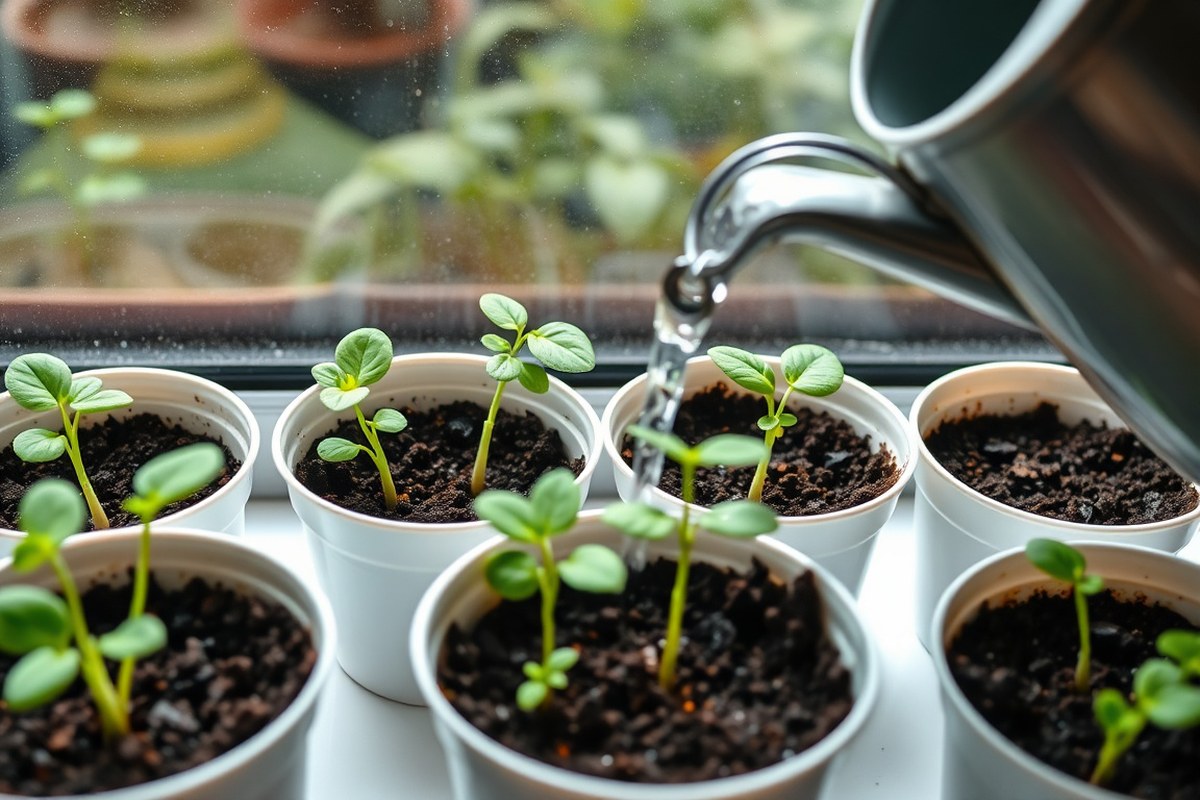
How often to water seedlings indoors depends on your environment and seed type. Most seedlings need water every 1 to 3 days to stay healthy. Check the top inch of soil for dryness before watering again.
Avoid watering on a strict daily schedule since overwatering can harm the roots. The bottom tray method helps seedlings absorb water evenly. Fill a tray with 1 to 2 inches of warm water, about 68 to 77°F.
Place pots in the tray and let them soak for 2 to 10 minutes. Remove them only when the top soil feels damp to avoid soggy soil. Room temperature and humidity affect how quickly soil dries.
Cooler rooms and higher humidity keep soil moist longer, so water less often. Adjust watering depending on your seedling’s growth and environment to prevent stress.
Key Takeaways
- Water seedlings indoors every 1 to 3 days based on soil dryness.
- Check the top inch of soil before watering to prevent overwatering.
- Use warm water between 68 and 77°F for best seedling growth.
- Bottom water by soaking pots for 2 to 10 minutes until soil feels damp.
- Adjust watering frequency based on room temperature and humidity levels.
- Remove pots from water trays only after the top soil is moist.
How Often Should You Water Seedlings Indoors?

Water indoor seedlings every 2 to 3 days on average. Check the soil first by touching its top inch. When this layer feels dry, it’s time to water your plants.
Temperature and humidity change how fast soil dries. Warm rooms may need daily watering. Cooler or more humid spots let you wait longer between waterings.
To track moisture, push your finger gently into the soil. This takes only a few seconds. When the soil sticks to your finger or feels moist, wait before watering.
Seedlings younger than two weeks usually need more frequent checks. They have smaller roots and dry out faster. After they grow true leaves, water less often, check the top half-inch of soil instead.
Some indoor environments dry soil quicker than others. Using a heater or grow light means watering every day or two. Rooms with steady temperatures and less airflow let you water every 3 days.
Following the soil dryness rule helps avoid overwatering. Too much water can drown roots and cause mold. Too little water slows growth and wilts the seedlings.
Recognizing When Your Seedlings Need Water
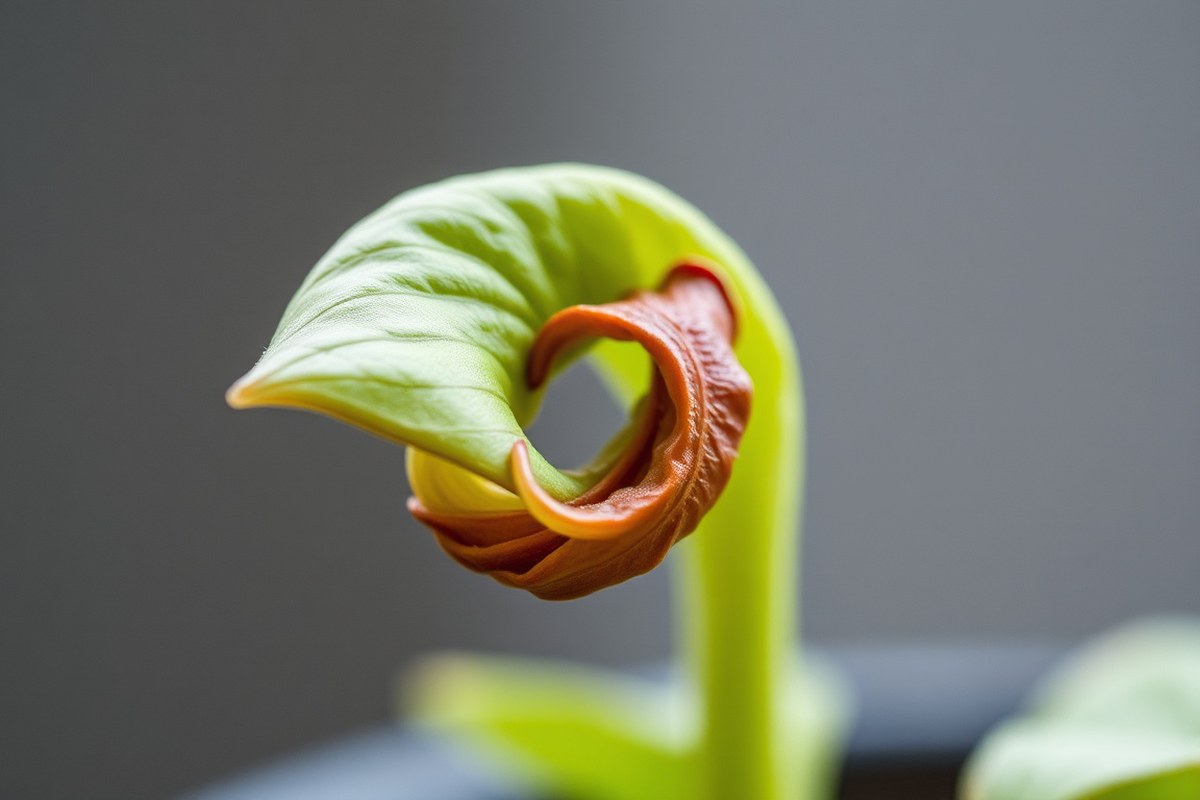
Seedlings show clear signs when they need water. But these signs can differ based on underwatering or overwatering. Wilting is common, but it’s not always caused by underwatering.
Overwatered seedlings often have yellow leaves and soil that feels soggy or smells musty. Underwatered ones usually have dry, cracked soil that pulls away from the container edges.
Feel the soil to check moisture levels. If it’s dry an inch down, your seedlings need water. Look for leaf changes: crispy, brown edges indicate underwatering.
Soft or yellow leaves hint at too much water. Drooping leaves can mean either problem. So use the soil check along with what the leaves look like.
- Yellowing leaves and moldy soil suggest overwatering
- Crispy, brown leaf edges and dry soil indicate underwatering
- Soil pulling away from container sides signals dryness
- Wilting leaves alone can’t tell if it’s over- or underwatering
- Check soil moisture about an inch deep to confirm watering needs
- Use a spray bottle for gentle watering if soil is just a bit dry
Seedlings under bright indoor light dry faster and may need watering more often. Cooler rooms slow drying but can raise overwatering risk.
Watch for soil texture and leaf color changes daily. Early intervention prevents root damage or mold growth, which can kill seedlings fast.
Always check soil moisture before watering, seeing droopy leaves isn’t enough to decide.
Best Methods to Water Seedlings Indoors
Each watering method has its place for indoor seedlings. Bottom watering helps develop deep roots by encouraging seedlings to reach for water.
Misting keeps fine seeds damp without washing them away. Top watering provides easy control over moisture but risks disturbing delicate seedlings.
How to Bottom Water Seedlings
This method lets seedlings drink from the bottom, keeping the soil evenly moist. It works well for larger seeds or when the soil surface dries quickly. You’ll need a shallow tray or container for the seedling pots.
Follow these steps to bottom water your seedlings effectively:
- Fill a shallow tray with 1 to 2 inches of lukewarm water.
- Set the seedling pots gently into the tray.
- Allow the soil to absorb water for 5 to 15 minutes until the surface feels moist.
- Remove the pots from the tray and let excess water drain out completely.
- Put the pots back in their usual place to avoid soggy roots.
Don’t soak the soil entirely while bottom watering. The top soil should feel slightly moist, not soaked. This method helps roots grow stronger by making them reach down for water.
Top Watering and Misting Techniques
Top watering lets you target the soil directly and flush out salts built up from fertilizers. For young seedlings, use a gentle stream to water them. A watering can with a narrow spout works well.
This avoids disturbing the seedlings. Water slowly until the top half-inch of soil feels moist.
Misting sprays a fine layer of moisture over delicate seedlings. It’s best for very small seeds like lettuce or basil before their first true leaves appear. Use a spray bottle on a fine mist setting.
Hold it about 6 to 8 inches away. Spray evenly over the seedlings.
To mist seedlings properly, follow these steps:
- Check if the soil surface is dry to the touch.
- Fill a spray bottle with room temperature water.
- Hold the bottle 6 to 8 inches above seedlings.
- Spray a light mist evenly over the soil and seedling leaves.
- Repeat misting every 12 to 24 hours or when the surface feels dry.
Choosing the Right Method for Your Setup
Bottom watering is best after seedlings sprout and for plants in larger pots. It encourages deep roots and keeps seedlings stable. Mist fine seeds before they start to germinate.
Do this when seedlings are fragile, too. This keeps the surface moist and avoids flooding.
Top watering works well to gently water seedlings that have developed leaves. It also helps flush excess salts from fertilizers. Always water slowly to avoid splashing soil or knocking over seedlings.
| Method | Pros | Cons |
|---|---|---|
| Bottom Watering | Encourages strong root growth; reduces soil surface disturbance | Requires trays; risk of overwatering if left too long |
| Top Watering | Flushes salts; easy visual control of water amount | May disturb delicate seedlings; risk of compacting soil |
| Misting | Gentle for fine, delicate seeds; keeps surface moist | Needs frequent application; does not hydrate deep roots |
Choose your method by seed size, growth stage, and how often you check seedlings. Avoid overwatering by waiting until the top layer feels dry. Gentle watering protects roots and keeps seedlings healthy.
Environmental Factors That Affect Watering Frequency
Temperature directly affects how fast soil dries out for your seedlings. At warmer temps, like 75 to 85°F, soil moisture vanishes quickly. Seedlings may need watering every day or even twice if the air is dry.
Cooler rooms around 60 to 70°F slow evaporation. You water less often. Every 2 to 3 days might work.
Humidity levels play a big role too. Low humidity, below 40%, speeds up soil drying, so watering might be daily. Higher humidity above 60% helps soil keep moisture longer.
A quick mist once a day can be enough. Check the room’s humidity with a basic hygrometer to track these conditions and adjust watering.
Airflow inside your growing space also matters. Gentle air circulation dries soil faster, raising how often you water. Fans or open windows increase evaporation, especially in warm conditions.
Still air keeps moisture longer but risks mold or damping-off disease. Aim for light airflow and watch for signs of drying soil to balance this.
Lighting affects soil temperature and moisture too. Strong LED lights close to seedlings generate heat, raising evaporation rates. You may need to water daily in setups with intense light and small containers.
Lower light or fluorescent bulbs produce less heat. So soil stays moist longer and watering can happen less often.
Container size dictates watering frequency clearly. Small seed trays or cell modules dry out fastest because of less soil volume. These often need watering every day under warm and dry conditions.
Larger pots hold more moisture and dry slower. You can water every 2 to 3 days. This depends on your environment.
To adjust, monitor your seedlings daily. Feel the soil’s top half inch; if dry, water lightly. Keep a simple log of room temperature and humidity.
For example, in a 75°F room with 30% humidity, using small trays and strong light, check moisture twice daily. In a 65°F room with 60% humidity and medium pots, watering every 2 days may be enough.
Adjusting Watering Throughout Seedling Growth Stages
Adjusting Watering Throughout Seedling Growth Stages
Seedlings need more water right after they germinate to build roots. Watering frequency goes down as seedlings grow bigger and develop true leaves. Changing your watering method helps keep plants healthy until they’re ready to move outdoors.
Watering Newly Germinated Seeds
Right after seeds sprout, water the soil until it’s moist but not soggy. Newly germinated seeds need plenty of moisture to develop strong roots fast. Keep misting from above for a few days if some seeds haven’t popped up yet.
Heat mats can dry soil quickly. So turn them off or lower the temperature to below 68°F. This avoids fast evaporation and keeps moisture steady.
Use a gentle spray or mist to avoid disturbing tiny seedlings. Water lightly but often during this first week.
Care During Seedling Development
Once seedlings have a few leaves, switch to bottom watering to protect fragile stems. Set seedling trays in shallow water for 2 to 10 minutes, letting soil soak from below. Repeat this every one to three days depending on soil dryness.
Adjust watering frequency if leaves look wilted or soil feels dry an inch below the surface. Seedlings that dry out too much slow their growth or die. Don’t let water stand in trays for more than 30 minutes to prevent root rot.
Check soil moisture daily during this stage; seedlings are vulnerable to drying out fast.
Preparing for Transplant with Watering
When seedlings grow their first true leaves, cut back on misting. Keep the soil moist but not too wet. Check soil often to avoid overwatering.
This stage lasts about 2 to 4 weeks after germination. Start watering less often but give more water each time.
Before transplanting, water seedlings well so roots stay hydrated and recover quickly from shock. Avoid soaking soil right before moving plants. Watering every two to four days usually works, depending on your room’s humidity and temperature.
Watch for firm leaves and sturdy stems, signs seedlings are ready to move. Proper watering helps seedlings grow tough and healthy for their next step.
- Keep soil moist but not soggy during germination.
- Use misting spray from above to gently water new sprouts.
- Stop or lower heating mats to keep soil from drying too fast.
- Switch to bottom watering once leaves appear, soaking trays 2, 10 minutes.
- Adjust watering frequency based on soil dryness and seedling appearance.
- Reduce misting and increase water volume when true leaves develop.
- Water well a day before transplant to prepare seedlings for moving.
Avoiding and Recovering from Overwatering or Underwatering
Overwatering seedlings can cause root rot and stunt growth. The roots stay too wet and lack oxygen. This leads to droopy leaves, yellowing, and a slimy stem base.
Underwatering dries seedling soil too fast. Seedlings wilt, their leaves curl or brown. Roots struggle to absorb water if the soil is bone dry.
Signs help you spot what’s wrong before lasting damage happens. Look for these symptoms to tell overwatering and underwatering apart:
- Overwatering: soggy soil, yellow or translucent leaves, stem base feels soft
- Overwatering: slow growth or seedlings falling over easily
- Underwatering: dry, crumbly soil surface
- Underwatering: wilted, crispy, or curling leaves
- Underwatering: soil pulls away from container edges
- Both can cause seedlings to look weak or pale
If you spot overwatering early, stop watering for a day or two. Remove standing water and improve air circulation.
Shift seedlings to fresh, well-draining soil if the roots show damage. Then, water only when the top half inch of soil feels dry.
Underwatered seedlings bounce back with good care. Soak the soil thoroughly to revitalize roots, but avoid flooding the container.
Increase watering frequency gradually, daily or every other day. Check soil moisture often as seedlings grow taller and need more water.
Always check soil moisture by sticking your finger about a half inch deep. Dry soil needs watering, moist soil does not. Good ventilation and proper drainage lower the risk of overwatering problems like fungal growth.
Using Soil and Container Type to Guide Watering Frequency
Soil type strongly affects how often you water seedlings indoors. Sandy soil drains quickly and needs watering more often. Clay holds water longer.
It can dry unevenly. Some roots dry out while others stay wet.
Peat plugs and other soilless media hold less water than soil. They dry faster because they are lighter and less dense. They weigh about 10 pounds per cubic foot.
Soil weighs around 75 pounds per cubic foot. This means peat plugs need more frequent checks to avoid drying out.
Container size and material also change watering needs. Smaller containers dry out quicker because they hold less moisture. The container material affects water retention a lot, plastic holds moisture better than porous materials.
Here’s a quick comparison of soil types and peat plugs. Also, container factors affect watering frequency. This helps you decide how often to water.
| Material | Weight (lbs/cu ft) | Water Retention | Drying Speed | Watering Frequency |
|---|---|---|---|---|
| Regular Potting Soil | ~75 | High | Moderate | Every 2, 3 days |
| Soilless Mix (Peat Plugs) | ~10 | Moderate | Fast | Daily or every other day |
| Sandy Soil | Varies | Low | Fast | Daily |
| Clay Soil | Varies | Very High | Uneven | Every 3, 4 days |
| Small Plastic Cell Tray | N/A | Retains moisture well | Moderate | Every 1, 2 days |
| Large Ceramic Pot | N/A | Dries faster (porous) | Fast | Every 2 days |
For seedlings in small cells or plugs, check moisture every day. The soil or plugs dry fast since they hold less water.
Larger containers with dense soil keep moisture a few days longer. It’s best to feel the soil before watering to avoid watering on a fixed schedule.
Plastic trays work well because they hold moisture but can still allow some air flow. Ceramic or clay pots are porous and lose water faster. So they need watering more often.
For better moisture control, choose heavier soil in larger plastic containers. This reduces the risk of roots drying out or drowning.
Practical Tips for Watering Seedlings Without Overdoing It
Water seedlings carefully with lukewarm, soft water in small amounts. Use gentle watering tools and watch for moisture signs to avoid hurting young plants. Adjust your routine based on how your seedlings look and the container type.
Using Proper Water Temperature
Water should feel slightly warmer than room temperature, around 77 to 86°F (25 to 30°C). Cold water shocks roots and slows growth. Avoid using tap water that is too hard or full of chemicals.
Soft water from rain or a good filter is best. Let tap water sit overnight to lose chlorine, which may harm delicate seedlings. Lukewarm, soft water keeps seedlings happy without stress.
Gentle Watering Techniques
A void pouring water directly and forcefully onto seedlings. Use a small watering can, squeeze bottle, or turkey baster. These tools help you control water flow easily.
They prevent overwatering your indoor plants. This stops soil from washing away or seedlings from bending and breaking.
Slow, small amounts let the soil absorb water without flooding. Place containers in a shallow tray for bottom watering. This method stops leaves from getting wet.
It helps keep plants healthy indoors. Keep seedlings spaced properly to reduce crowded roots and competition.
- Use lukewarm, soft water at about 77, 86°F (25, 30°C)
- Pour water slowly and carefully onto soil, not foliage
- Try bottom-watering with trays to keep leaves dry
- Use a turkey baster or squeeze bottle for precise control
- Water enough to moisten soil but avoid standing water
- Leave space between seedlings to reduce root tangling
- Keep a journal to track watering times and amounts
Too much water kills seedlings faster than too little. Only water when soil feels dry to a finger’s touch near the surface.
Signs You May Be Overwatering or Underwatering
Wilting, yellow leaves, or mold on the soil surface can mean you overwatered. Soil that stays soggy for days suffocates roots. Always check soil moisture before watering again.
On the other hand, drooping with dry soil means underwatering. Seedlings will look limp, and soil might pull away from container edges. Adjust your watering if you spot these signs early.
Step-by-Step Action Plan for Watering Seedlings Indoors
Follow these clear steps to keep your seedlings well-watered and healthy. Check each step’s signs to see if your watering is right.
- Day 1: Water the soil until damp but not soaked before planting seeds. The soil should feel moist but not puddled.
- Days 2, 5: Mist seedlings lightly once a day or when soil surface dries. Seedlings stay bright and firm, not droopy.
- Week 2: Increase watering to when the top half-inch of soil feels dry. Seedlings look upright and leaves are perky.
- Week 3 and after: Water more deeply to encourage root growth. But let soil dry between watering. Soil won’t stay soggy; roots avoid rot.
- After thinning: Check watering needs daily as remaining seedlings need space; water accordingly. Seedlings remain spritely with no yellowing leaves.
- When using trays: Pour water into the tray once the soil feels dry. Let the soil soak from the bottom to draw up moisture. Soil wicks moisture and seedlings never get overwatered.
- Adjust for conditions: Water more if the room is warm or dry. Water less if it is cool or humid. Notice soil dryness before watering again.
- Before transplanting: Water seedlings thoroughly a few hours before removing from containers. Soil holds moisture to prevent shock once planted.
Frequently Asked Questions
How Often Should I Water Seedlings If My Indoor Air Is Very Dry?
Water seedlings every day or as soon as the soil feels dry. Dry air speeds up moisture loss. So check soil moisture more often to avoid drying out.
Can I Water Seedlings by Spraying Water on Them Instead of Pouring?
Yes, misting seedlings is fine but does not replace thorough watering. It helps keep leaves moist but soil needs to be watered enough to reach the roots.
Does Seedling Size Affect How Much Water They Need Indoors?
Yes, larger seedlings need more water than tiny ones. Their roots grow bigger and use more moisture, so adjust watering as seedlings develop.
How Does the Type of Grow Light Affect Seedling Watering?
Stronger lights dry soil faster, needing more frequent watering. LED or fluorescent grow lights can create heat that speeds water loss in the container.
Should I Use Room Temperature Water or Can I Use Cold Water on Seedlings?
Use room temperature water to avoid shocking the roots. Cold water can cause stress and slow seedling growth indoors.
What’s the Best Time of Day to Water Seedlings Indoors?
Water seedlings in the morning to let soil dry during the day. This helps prevent mold or root disease by avoiding constant dampness overnight.
The Bottom Line
Watering seedlings indoors right means watching soil and plant signals well. Start with small amounts and adjust as seedlings grow. Check soil moisture daily to keep your seedlings thriving.