How Deep to Plant Tomatoes in Pots: A Complete Guide for Healthy Growth
How deep to plant tomatoes in pots matters a lot for healthy growth. You want to bury two-thirds of the tomato plant underground. This deep planting lets roots grow along the stem, giving your tomato a stronger root system.
Most tomatoes need planting 6 to 12 inches deep depending on the plant size. If the plant is 10 inches tall, bury everything but the top 3 to 4 inches. This method helps the plant absorb more water and nutrients early on.
Choose a pot at least 12 inches deep for determinate tomatoes. Indeterminate tomatoes will need bigger pots, at least 18 inches deep, to grow well. Make sure soil stays warm and drains well for the best results.
Key Takeaways
- Plant tomatoes deep enough to cover most of the stem, about 6, 12 inches.
- Bury two-thirds of a tomato seedling to encourage strong root growth.
- Use pots 12, 18 inches deep for determinate tomato varieties.
- Indeterminate tomatoes need larger pots, 18 inches or deeper, for root space.
- Wait for soil temperatures above 60°F before planting tomatoes in pots.
- Keep soil loose and well-draining to avoid root rot in deep plantings.
How Deep Should You Plant Tomatoes in Pots and Why
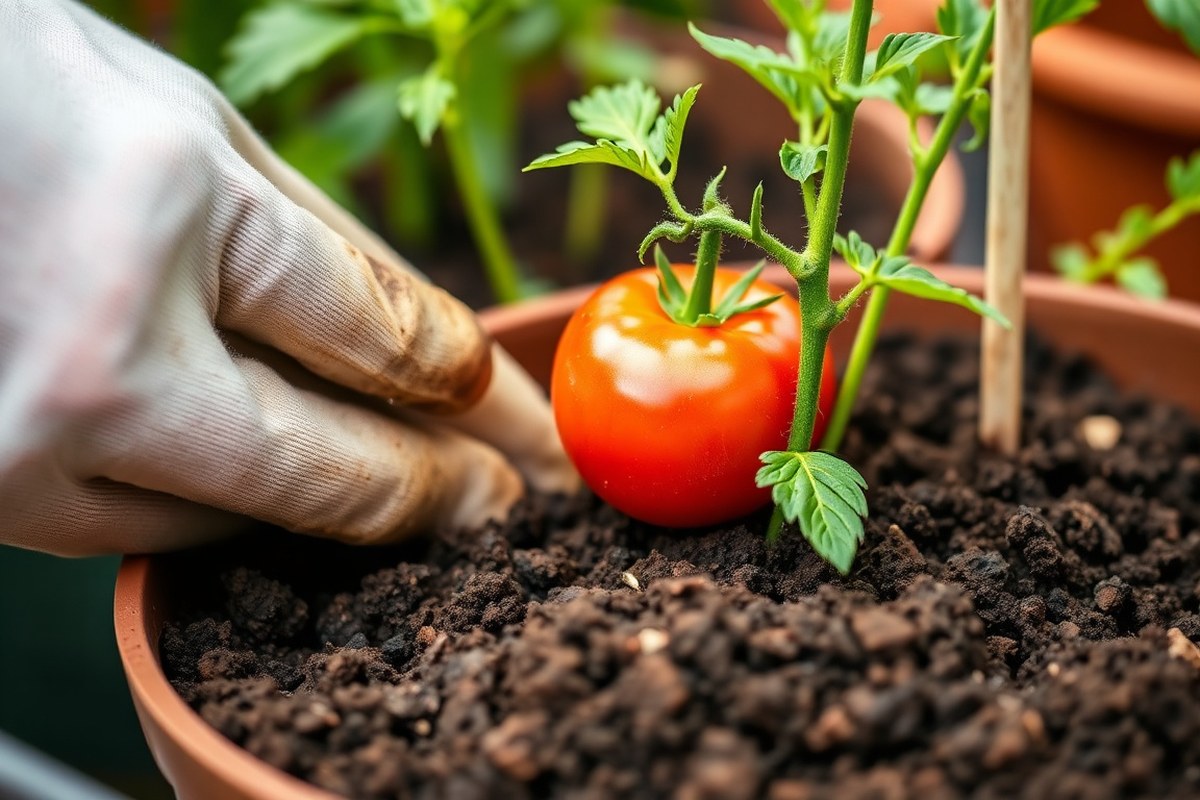
Your tomato seedling should be planted so about two-thirds of it is below the soil. Usually, this means burying 6 to 12 inches of the stem, depending on the plant size. Smaller seedlings need about 6 inches of soil depth.
Bigger plants require closer to 12 inches deep. The container must be deep enough to allow this.
Planting this deep encourages roots to sprout all along the buried stem. These extra roots help your tomato plant absorb water and nutrients better. It holds the plant tightly in place.
This supports heavy fruit as it grows. This support is even more important in pots.
For containers, the pot must be deep enough to hold the roots comfortably. Indeterminate tomatoes need at least 18 inches of soil depth. Use pots that hold 10 to 15 gallons or more.
They need this space to grow well. Shallow or small containers cause roots to crowd.
The plant may struggle to stand or grow well. It won’t thrive in tight spaces.
Starting early by burying a leggy seedling deep lets it develop a stronger root system quickly. That means better drought resistance and healthier growth. Planting deep keeps soil moist for longer.
This is key for container plants. They lose water very quickly in pots.
Buried stems will sprout roots unless the soil is waterlogged or compacted. Avoid pots without good drainage or very dense soil. Well-draining soil helps roots grow strong.
A deep enough pot allows roots to spread well. This setup gives the best growing space.
Container Size and Depth Needed for Different Tomato Varieties
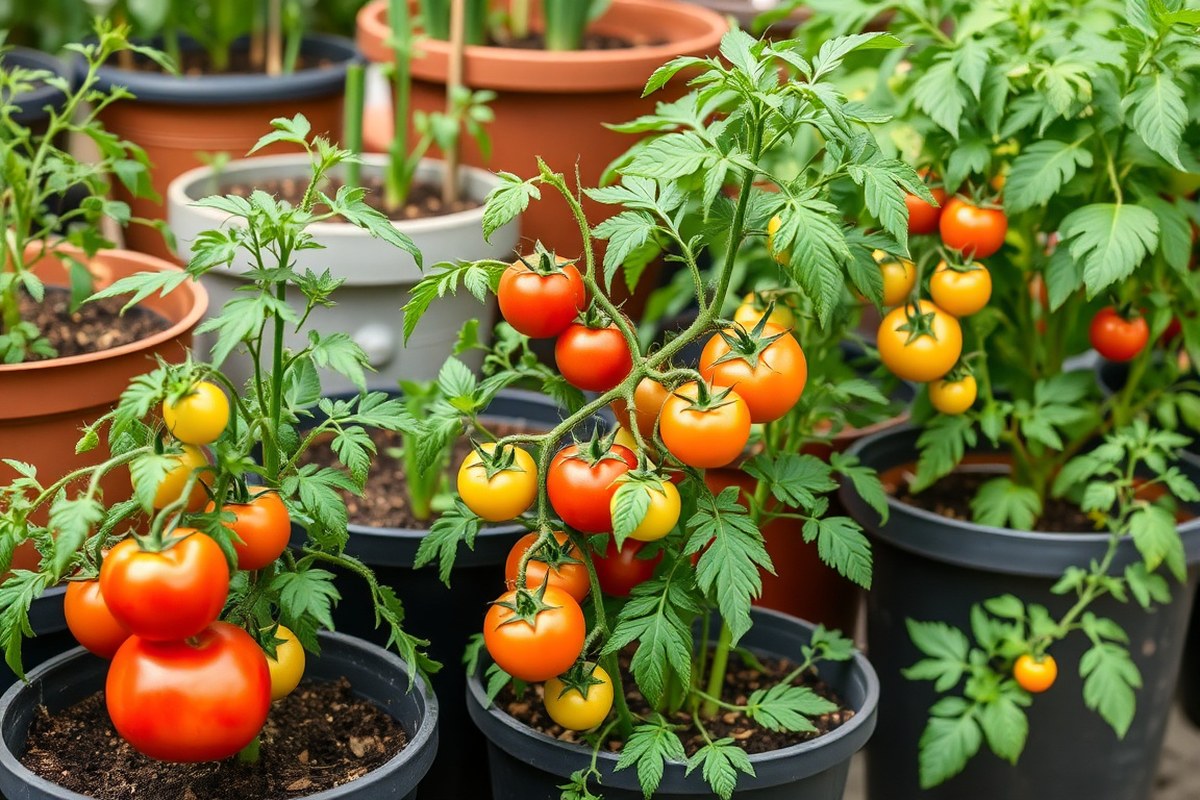
Choose the right container size based on the tomato type. Depth matters too, especially for bigger plants. Match container size to your tomato variety’s needs.
Smaller tomato varieties like patio or dwarf types need less space than large, vining indeterminate tomatoes. Matching your pot to the plant’s growth habit helps your tomato thrive and produce well.
The table below shows recommended pot volume and depth for different tomato varieties. It also includes how deep you should bury the stem when planting.
| Tomato Variety | Minimum Pot Volume (Gallons) | Recommended Pot Depth (Inches) | Stem Burial Depth (Inches) |
|---|---|---|---|
| Determinate (Bush Type) | 5 | 12 | 6, 8 |
| Indeterminate (Vining Type) | 10, 15 | 18+ | 8, 12 |
| Cherry Tomatoes | 5, 7 | 14 | 6, 9 |
| Dwarf/Patio Varieties | 3, 5 | 10, 12 | 4, 6 |
Determinate tomatoes grow to a fixed size and fruit all at once. They do fine in pots holding 5 gallons or more and about 12 inches deep. These containers give enough room for roots and keep soil moist without drying out fast.
Indeterminate tomatoes keep growing and producing fruit all season long. They need larger pots, between 10 and 15 gallons, and containers deeper than 18 inches. Deep containers help support their long roots and keep the plant stable as it grows tall.
Cherry tomatoes sit in between. They can grow well in 5 to 7 gallon pots that are about 14 inches deep. Patio and dwarf types need the smallest pots.
Compact tomatoes do well in 3 to 5 gallon pots. These containers should be 10 to 12 inches deep. This size suits small tomato plants perfectly.
Don’t use shallow pots for indeterminate tomatoes. They need deep soil to avoid root stress. Shallow pots mean more frequent watering.
Choose a pot size based on your tomato’s mature size. For indeterminate types, pick a large container to avoid stunted growth and weak plants. Smaller, bushier varieties are ready for smaller pots, saving space on patios or balconies.
Plant the tomato so that the buried stem length matches these depth guidelines. This encourages strong root development along the stem. It also stabilizes the plant against wind and helps it absorb more water and nutrients.
Step-by-Step Guide to Planting Leggy Tomato Seedlings Deeply in Pots
Planting leggy tomato seedlings deeply in pots helps them grow strong roots along buried stems. You should remove the lower leaves before burying up to two-thirds of the stem. This method supports sturdier plants suited for container growing.
Preparing the Seedling
Choose a seedling with 2 to 3 sets of true leaves and a sturdy stem. Remove any lower leaves that will sit below the soil line to prevent rotting. Leave 4 to 6 healthy leaf sets above the stem for photosynthesis.
Handle your seedling gently to avoid damaging fragile roots. Check the stem for any weak spots or bends that might break during planting. Strong stems ensure better survival and growth after transplanting.
Digging the Planting Hole
Select a pot deep enough to accommodate the plant’s buried stem comfortably. Use a premium potting mix, such as Miracle-Gro® Potting Mix, for loose and well-draining soil. Dig a hole that can bury at least one-third to two-thirds of the leggy stem.
The hole should be deep enough so the top leaves stay above soil surface. For tall seedlings, bury up to two-thirds of the stem. This helps roots grow from the buried part.
It makes the plant stronger. Avoid planting too shallow, which leads to weak roots and unstable plants.
Planting and Covering the Stem
Place the seedling in the hole so the bare stem is fully covered with soil. Gently refill soil around the stem, pressing lightly to remove air pockets. Avoid compacting the soil too much, as roots need airflow and water drainage.
Do not bury the top leaves. Keep them above the soil line for light and air. For ultra tall seedlings, plant them at an angle.
This lets you bury more of the stem underground. Be careful not to break it. Ensure the plant stands upright and steady in the pot.
Aftercare and Watering Tips
Water the newly planted tomato deeply to help soil settle and nourish roots. Keep the soil moist but not soggy, watering when the top 1 inch feels dry. Consistent moisture supports root growth around the buried stem.
Place the pot where tomato plants get at least six hours of direct sunlight daily. Avoid windy spots that stress young plants and may cause stem damage. Monitor seedlings for signs of stress like drooping or discoloration to adjust care.
- Remove lower leaves from the seedling, leaving 4 to 6 sets of leaves.
- Fill your pot with a light, premium potting mix for drainage.
- Dig a hole deep enough to bury one-third to two-thirds of the stem.
- Set the seedling in the hole with top leaves above soil level.
- Gently cover the stem with soil, pressing lightly to remove air pockets.
- Water the plant deeply to settle the soil around roots.
- Place the pot where it receives at least six hours of sunlight daily.
How Planting Depth Affects Tomato Root Development and Growth
How Root Depth Boosts Plant Stability and Growth
Taller and wider roots make tomato plants more stable in pots. Roots growing deeper access water and nutrients that surface soil can’t reach. This helps the plant survive dry spells and stay healthy over time.
Adequate planting depth encourages roots to spread and anchor firmly. For example, placing tomato seedlings so their stems are buried halfway underground promotes stronger root development. That supports both the plant’s weight and its nutrient uptake.
Risks of Planting Tomatoes Too Deep
Burying the stem too deep can cause stem rot or poor airflow around the plant base. This creates spots where moisture lingers, inviting fungal diseases. It also limits light to the above-ground leaves, reducing photosynthesis.
Tomato stems aren’t designed to stay underground fully. Planting only half the seedling stem deep avoids these problems. It helps roots grow without suffocating the plant or encouraging rot in the soil-filled stem.
Balancing Depth for Healthy Root Systems
Plant tomatoes deep enough to bury about half their stem, no more. This balance lets roots develop along the buried stem parts and avoids soggy spots. Use a well-draining potting mix to keep moisture from pooling around the stem.
Check the soil moisture regularly. Water deeply but avoid overwatering, which can hurt roots. Mulching the soil surface helps retain moisture below ground and keeps the environment stable for roots.
How Root Development Affects Nutrient and Water Uptake
Deeper roots reach nutrients and water stored lower in the potting mix. This reduces stress during dry or hot periods by drawing from deeper reserves. A shallow root system makes tomatoes rely only on topsoil moisture, which dries quickly.
Tomato varieties differ in root growth habits, so container depth should suit the plant. Larger determinate and indeterminate types need deeper pots to house their extensive root systems. Lack of depth limits how much nutrients roots can access over the season.
Adjusting Depth for Your Tomato Varieties and Conditions
Compact cherry tomatoes can do well in shallower pots but still need half the stem buried. Larger varieties benefit from deeper containers and slightly deeper planting within those pots. This encourages root spread while keeping the stem healthy.
Climate and soil moisture also influence ideal depth. In hot or dry conditions, deeper planting and mulching help roots stay cool and moist longer. In cooler or wetter regions, avoid burying the stem too deep to prevent rot.
Soil, Watering, and Drainage Considerations for Deep-Planted Container Tomatoes
For deep-planted tomatoes in pots, use a well-draining potting mix rich in nutrients. The soil needs to hold moisture but not stay soggy to avoid root rot. Pots should have enough holes or built-in drainage to prevent water from sitting at the bottom.
Container tomatoes usually need watering every 1 to 2 days during warm weather. Water deeply so moisture reaches the roots, encouraging them to grow downwards. Avoid frequent shallow watering that keeps roots near the surface and stresses the plant.
- Use a potting mix with peat moss or coconut coir for moisture retention
- Add perlite or vermiculite for better aeration and drainage
- Include slow-release fertilizer or compost for steady nutrients
- Check pot drainage holes before planting and clear any blockages
- Water until you see it draining from the bottom holes
- Feel the top inch of soil before watering; water if dry
Shallow planting in containers often leads to quick drying and weak roots. This can cause stunted growth and poor fruit production. Deep planting in large enough pots helps keep the soil moist longer and protects roots.
Never let container soil stay soggy; it invites root rot and kills plants.
Maintaining proper moisture means watching soil surface and watering deeply when dry. Using a potting mix that drains well stops waterlogging even with deep planting. These steps reduce stress and keep tomato plants healthy in pots.
Signs Your Tomato Plant Needs a Bigger, Deeper Container
Tiny pots can quickly stop tomato roots from growing well. When roots run out of room, your tomato can struggle to absorb water and nutrients. This makes the plant look weak, even if you keep watering and feeding it.
Look for these warning signs your tomato needs a bigger container:
- Plants stop growing or slow down a lot
- Leaves turn yellow or brown around edges
- Wilting appears even after watering well
- Roots start to poke out of drainage holes
- Soil dries out very fast and often
- Tomatoes stay small or drop off early
If your tomato shows any of these, it’s time to upgrade to a deeper pot. Tomatoes usually need pots at least 12 inches deep for healthy root growth.
Bigger varieties benefit from 18 inches or more in depth. A wider pot also helps roots spread wide and keep the plant stable.
Make sure the new container has good drainage holes. Use fresh potting soil designed for vegetables. Be gentle when moving the plant to avoid breaking roots.
For best results, water the tomato thoroughly after transplanting. It usually takes a week or two before you see improved growth.
Overcrowded or shallow pots restrict root length and volume. This stresses the plant, causing poor fruit and leaf health.
Upgrading to a bigger, deeper container gives roots room to explore. That means stronger growth, better drought tolerance, and tastier tomatoes.
Common Mistakes and Fixes When Planting Tomatoes Deep in Pots
Planting tomatoes too deep can stress young plants. But slight depth usually helps root growth. Many gardeners plant seedlings deeply to support strong roots.
But burying too much stem can cause rot. The pot should be 12 to 18 inches deep at least.
This holds moist soil without suffocating roots. The depth helps roots grow well and stay healthy.
Drainage often gets overlooked. Without it, excess water pools at the bottom and drowns roots. Always use pots with holes and place a tray or saucer underneath to catch runoff.
Water lingering harms roots. It causes decay and weak plants. This leads to fewer tomatoes.
The pot size also affects your success. Too small containers dry out fast and limit root spread.
Choose a wide pot when possible since tomatoes grow better with room. Small pots means constant watering and stressed plants that drop flowers or fruit.
- Plant tomato seedlings with the bottom leaves removed and bury the stem up to those leaves.
- Use pots at least 12 inches deep with drainage holes and a catch tray underneath.
- Pick containers at least 12 inches wide to give roots room to spread.
- Avoid planting too deep, don’t cover leaves or stems that can rot easily.
- Check soil moisture regularly; keep soil damp but never soggy.
- Use light, well-draining potting soil designed for vegetables.
- Lift and repot if roots circle bottom or soil dries quickly.
Fixing these issues means your tomatoes can grow straight and strong. Roots will get oxygen and space they need to thrive. Water won’t drown them.
Watch for droopy leaves or yellowing stems; they often mean drainage or watering problems. Choosing the right pot size takes some effort.
Planting at the right depth matters too. Doing this helps avoid common tomato problems.
Adjusting Planting Depth and Container Choice by Tomato Type and Season
Tomato type, growth habit, and planting season all matter. These factors affect pot depth and how deep you plant. Consider each one to get the best results.
Match your pot size and planting depth to these factors. This helps keep roots healthy.
It also supports better tomato growth. Different tomatoes and seasons call for different soil depths and timing.
Determinate Varieties
Determinate tomatoes are bushy and grow to a set height. They need less root space than indeterminate types. Use a pot about 12 inches deep for these compact plants.
Plant the tomato seedling slightly deeper than it grew in its original container. This helps develop extra roots along the buried stem.
Keep the soil moist but not soggy to support the limited root system. Too deep a plant in a shallow pot can cause rotting.
Indeterminate Varieties
Indeterminate tomatoes grow tall and keep producing fruit through the season. They need deeper pots, at least 18 inches deep. More depth lets roots spread out.
Plant seedlings very deep, burying up to the first set of true leaves. This encourages stronger roots to form along the stem.
Use stakes or cages because these plants will get heavy and tall. A deep container reduces stress during hot weather or dry spells.
Seasonal Soil Temperature Guidelines
Tomato seedlings root best when soil is about 60°F or warmer. Cool soil slows root growth and can cause poor starts in pots. Use a soil thermometer to check.
Plant tomatoes outdoors in containers after the danger of frost passes. This usually means mid to late spring for many U.S. Zones. Protect young plants from a cold snap by moving pots inside or cover them.
Late summer tomatoes need warmer soil to grow well. Use deeper pots to keep moisture and cool roots. This helps during hot weather.
| Tomato Type | Recommended Pot Depth | Planting Depth (Stem Burial) | Planting Season Soil Temp |
|---|---|---|---|
| Determinate | 12 inches (30 cm) | Bury root ball + 1, 2 inches (2.5, 5 cm) | ≥ 60°F (16°C) |
| Indeterminate | 18 inches (45 cm) or more | Up to first true leaves, 6, 8 inches (15, 20 cm) | ≥ 60°F (16°C) |
| Early/late season plantings | Adjust depth for moisture and cool soil | Deeper in pots during hotter months | Exact timing depends on local frost dates |
Matching tomato type and planting depth helps your plant thrive. Deeper pots prevent dry-out, especially in hot weather. Seasonal soil temperature guides ensure your plants start with steady root growth.
Check soil temperature before planting. Putting tomatoes in cold soil slows growth and can harm roots.
Step-by-Step Action Plan for Planting Tomatoes Deep in Pots
Use this plan to plant tomatoes deeply in pots and grow strong, healthy plants.
- Before planting: Pick a tomato type you want. Get a pot that’s at least 12 inches deep. Most tomatoes grow well in that size. Confirm your pot has drainage holes to avoid waterlogging.
- Day 1: Fill the pot with quality potting soil up to the middle. Set your leggy seedling in the soil, burying it up to its bottom leaves. This promotes extra root growth.
- After planting: Water thoroughly until water drains at the bottom. This settles soil around roots and stops air pockets.
- Week 1: Keep soil evenly moist but not soggy. Check soil moisture daily by feeling the top 1 to 2 inches.
- Week 2: If you see leaves drooping or yellowing, check the pot size. Upgrade to a bigger pot if roots are crowded or showing out of drainage holes.
- Month 1: Fertilize with a balanced, water-soluble fertilizer every 2 weeks. Watch for steady growth and new flowers as a success sign.
- Throughout growing season: Adjust watering based on weather. Tomatoes need more water in hot weather but less if soil stays soggy.
Frequently Asked Questions
Can You Plant Tomato Seedlings Too Deep in Pots?
Yes, planting too deep can cause stem rot if the soil is too wet. Make sure the soil drains well to avoid soggy conditions around buried stems.
Is It Okay to Bury Tomato Seedlings Sideways in a Pot?
You can bury seedlings sideways if the potting mix is about 6 inches deep. This method helps roots grow along the stem and stabilizes the plant.
What Type of Soil Works Best for Deep-Planted Tomato Pots?
Use loose, well-drained potting soil to prevent root rot. Heavy or compacted soil can suffocate roots planted deep in pots.
How Often Should I Water Tomatoes Planted Deeply in Containers?
Deep-planted tomatoes need regular water but avoid soggy soil. Water when the top inch feels dry to keep roots healthy.
Can You Reuse the Same Pot for Tomatoes Every Year?
Reusing pots is fine if you clean them well and refresh the soil. Old soil can harbor diseases that harm new tomato plants.
Should I Fertilize Tomatoes Right After Planting Them Deep in Pots?
Wait about two weeks before fertilizing to avoid burning young roots. Start with a balanced, slow-release fertilizer for steady growth.
Before You Go
Plant your tomatoes deeply in pots at least 12 inches deep for best root health. Use good potting soil and keep watering steady. Start today by picking the right pot and planting your seedlings deeply.