Are Snake Plants Low Light? What Actually Works for Healthy Growth
Are snake plants low light? Yes, they can survive in low light, but they don’t thrive there.
They need at least 5 to 6 hours of indirect daylight daily for healthy growth. Without enough light, growth slows down and the risk of root rot grows.
Aim to give your snake plant 8 to 10 hours of bright, indirect light each day. Avoid direct sunlight over 5 to 6 hours, which can damage the leaves. Put your plant close to a window with partial sun.
Use a grow light to add more light if needed. This helps your snake plant stay healthy indoors.
Snake plants tolerate low light by slowing their metabolism. But they still need some light to grow.
Keep an eye out for pale or droopy leaves, which usually mean light is too low. Adjust your plant’s location or add a grow light if needed.
Key Takeaways
- Snake plants need at least 5 to 6 hours of indirect light daily to survive.
- For best growth, provide 8 to 10 hours of bright, indirect sunlight.
- Avoid exposing snake plants to more than 5 to 6 hours of direct sunlight.
- Place snake plants near windows with partial sunlight for natural light.
- Use artificial grow lights 12 to 18 inches above plants for 6 to 8 hours.
- Watch for pale, droopy, or curled leaves as signs of low light stress.
Can Snake Plants Truly Thrive in Low Light Conditions?

Low light for a snake plant means about 25 to 50 foot-candles of indirect light. This level happens in rooms with north-facing windows. Lamps are usually on.
It’s common in spots 3 to 10 feet from a window. Snake plants can survive at this light level.
They usually grow very slowly. Some leaf colors may fade.
Snake plants can live in low light but don’t truly thrive there. Growth nearly stops below 50 foot-candles. Their metabolism slows down, making them more vulnerable to issues like root rot.
Leaves may droop in very dim places. The bright green and yellow can fade. You might see color loss on leaves.
Saying a snake plant is a “low light plant” is a bit misleading. It can tolerate dim spaces, but it prefers bright, indirect light to grow well. In rooms with no natural sunlight at all, snake plants won’t die immediately.
But survival beyond a few months gets tough. Without any light, they can’t photosynthesize enough to stay healthy long term.
You can expect a snake plant to survive for several months in very low light. But it won’t look its best. Leaves may grow slow or stop growing altogether.
To help your plant grow, check light with a foot-candle meter. You can also use a smartphone app. Aim for at least 50 foot-candles.
Move the plant closer to indirect light if the meter reads lower. Adding a small grow light also helps.
How Much Light Do Snake Plants Need Daily for Healthy Growth?
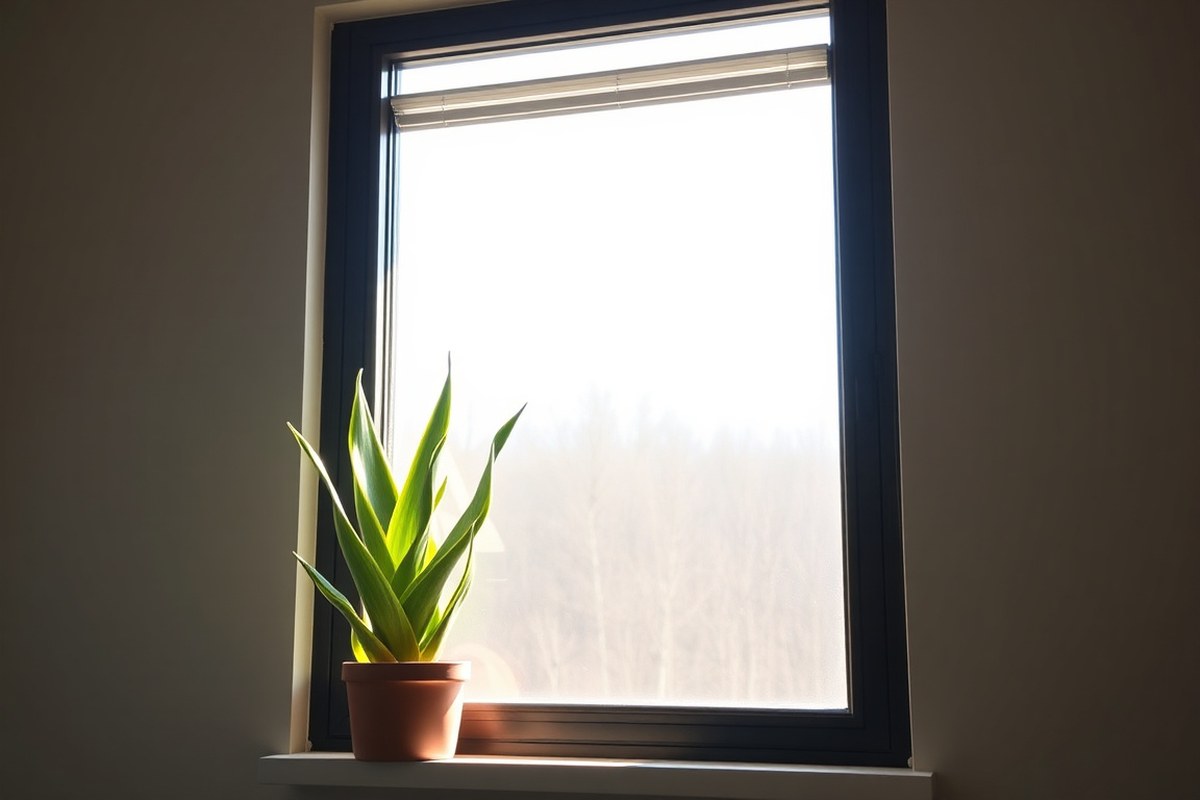
Snake plants do best with 8 to 10 hours of light daily. This level of light helps the leaves stay firm and upright. Less light lets them survive but slows growth significantly.
More light usually speeds up growth, especially in spring and summer. Expect quicker production of new leaves and offshoots. But too much direct sun can scorch the leaves, causing brown spots or faded colors.
To keep your snake plant happy, aim for moderate indirect light most of the day. Limit direct sunlight exposure to under 5 to 6 hours to avoid leaf damage. Rotate the plant occasionally if it sits in lower light to balance growth and prevent leaning.
Protect snake plants from harsh midday sun. They tolerate some direct light, but too much causes leaf burn.
Snake plants evolving from tropical regions handle bright light well but indoors prefer filtered sunlight. In dimmer spots, expect slower growth and less frequent watering. Adjust your care to match the light intensity to avoid overfeeding and keep your plant healthy.
Signs Your Snake Plant Isn’t Getting Enough or Too Much Light
Snake plants show clear signs if they don’t get enough light. Leaves may grow slower or stop growing altogether. You might also see the leaves turn darker green or develop a stretched, leggy look.
Under low light, textures can change too. Leaves become softer and lose some firmness. Colors may fade, especially in variegated types that need more light to keep their stripes bright.
Too much sunlight is risky. It causes leaf burn, visible as brown, dry patches or scorched edges. Keep your snake plant 3 to 4 feet from south or west windows.
That’s where sunlight is strongest in summer. This prevents leaf damage from too much sun.
- Check for no new growth after several months
- Look for dark green, stretched or limp leaves
- Notice faded or dull leaf colors, especially variegated types
- Watch for brown patches or crispy leaf tips
- Move plant farther from direct sun if leaves scorch
- Try shifting closer to windows in winter for about 5 hours of daylight
- Remove damaged leaves to help overall health
Diagnose light problems by tracking changes monthly. In low light, move plants closer to bright windows for several hours daily. During intense sun, move snake plants farther back or use sheer curtains to reduce intensity.
Leaves staying dark and soft after changing light needs a water check. Overwatering can look like low light harm. Check your soil’s moisture status too.
Handling your snake plant this way helps you spot problems early. A healthy snake plant stands firm and upright. It may grow new leaves or shoots.
This happens even in lower light areas. Brown edges or limp leaves mean it’s time to tweak light or care. Moving your plant slightly closer to a window helps balance light.
Pruning burnt leaves also helps. These steps avoid stressing your snake plant.
Best Natural Lighting Spots for Snake Plants in Your Home
Choose the best spot based on your window direction. Consider how much light you get there. That decides where your snake plant will grow best.
Put the plant 3 to 5 feet away from strong sun. This helps prevent leaf burns. Keep it away from windows with harsh sunlight.
Seasonal changes affect light strength. So adjusting its location a few times a year helps it stay healthy.
East-Facing Window Benefits and Limits
East-facing windows give gentle morning sun, which suits snake plants well. The light is bright but not harsh.
So you can put the plant close to the window without worry. Avoid placing it right on the sill during summer, as direct sun can burn the leaves.
Morning light encourages growth by giving enough energy without stress. Move the plant back 3 feet if morning sun feels harsh. Look for yellow tips as a sign to move it.
Adjust placement for healthier leaves. This spot offers a good balance of light throughout the day.
South and West-Facing Window Best Practices
South and west windows bring strong, direct sunlight. Too close can burn your snake plant. Give it some space to avoid damage.
West-facing windows get hot afternoon sun, posing more risk in summer months. You should keep your plant at least 3 to 5 feet away from these windows.
Use sheer curtains to diffuse the sunlight if you want to keep the plant closer. This softens the rays and prevents leaf damage. Check the leaves regularly for browning or curling tips, symptoms of too much light.
Low Light and North-Facing Window Placement
North-facing windows get the least sunlight. These work well for snake plants in low light. They provide gentle, safe lighting.
Your plant can sit near the window or a few feet back and still survive. Offices with just ceiling lights also work, as snake plants handle low light well.
This location reduces risk of sunburn and keeps the plant safe from cold drafts. Snake plants in such spots grow slowly but stay healthy for years. Your space might be very dark.
Use artificial light to help your plant grow. This adds needed light when natural is low.
Seasonal Adjustments for Home Snake Plants
Light levels change through the year, more in winter and less in summer for most homes. Move your snake plant closer to windows in winter to catch whatever light is available. Around 1 to 2 feet closer improves light exposure without risking burns.
In summer, back it away or use a filter curtain to protect from harsh sun. Watch your plant’s leaves for stress signs, like weak growth or brown edges. Rotate the plant occasionally to ensure even light on all sides.
Here’s a table with window directions, light info, and care tips for snake plants indoors:
| Window Direction | Light Characteristics | Recommended Distance | Care Tips |
|---|---|---|---|
| East | Bright morning sun, gentle | 0 to 3 ft from window | Move away if leaf tips burn |
| South | Strong all-day sun, intense | 3 to 5 ft away or filtered | Use sheer curtain to diffuse |
| West | Strong afternoon sun, hot | 3 to 5 ft away or filtered | Watch for leaf browning |
| North | Low, indirect light | Near window or several feet back | May grow slowly, supplement if dark |
| Indoor low light | Office lighting, no direct sun | Anywhere in room | Artificial light can help growth |
Start with these distances based on your window’s direction. Adjust seasonally by moving the plant closer to windows in fall and winter when light fades. North windows or shaded spots prevent burns on your plant.
Introduce artificial light slowly to avoid shock. Keep your snake plant safe while adjusting light.
Using Artificial Grow Lights for Low Light Snake Plants
Using artificial grow lights can help your snake plant thrive in low light areas. They provide the right light spectrum for photosynthesis when natural light is scarce. You can use them alone or alongside natural light to boost growth.
Choosing the Right Type of Grow Light
LED grow lights are the best option for snake plants. They give off the necessary light spectrum without wasting energy or producing excess heat. Fluorescent lights also work but are less efficient and may need replacing more often.
Look for full-spectrum LED lights that mimic natural sunlight. These provide balanced light wavelengths, including blue and red, that plants use for healthy growth. Avoid regular household bulbs, they don’t meet a plant’s needs.
Low-cost LED grow lights usually range from $20 to $60. Higher-end models with adjustable settings cost more but may last longer and cover a larger area.
Setting Grow Light Duration and Schedule
Your snake plant should get about 10 hours of grow light daily to mimic natural conditions. Use a timer to keep the schedule consistent, helping the plant maintain its growth cycles.
Keep the lights on during the day. Turn them off at night. This helps the plant keep its natural rhythm.
Too much light can stress your snake plant. So avoid running the lights more than 12 hours daily.
In dark rooms with no natural light, provide 10 hours of steady light. This helps the plant make food through photosynthesis.
Proper Positioning and Distance of Lights
Place the grow light roughly 12 to 18 inches above your snake plant. This distance provides enough brightness without burning the leaves. Adjust placement if your light is very strong or very weak.
Rotate your snake plant weekly so all sides receive equal light. This practice prevents uneven growth and keeps your plant balanced. Use a gentle touch to avoid damaging leaves during rotation.
Keep the area around your plant free from shadows caused by nearby objects. Shadows reduce the effective light your snake plant receives.
Using Grow Lights in Combination with Natural Light
In spots with some natural light, use grow lights to supplement your snake plant’s light needs. This helps if windows only provide weak or indirect sunlight. Supplementing prevents slow growth and encourages offsets.
Turn off grow lights during bright daylight hours to avoid excess light energy. Let natural sunlight take the lead whenever possible, saving electricity. Use grow lights mainly to fill gaps in natural light.
Your room has no windows. You can use grow lights as the only light source.
Set a timer for about 10 hours each day. Watch your plant’s leaf color and growth closely.
- Pick a full-spectrum LED grow light designed for indoor plants.
- Position the light 12 to 18 inches above your snake plant.
- Set a timer so the light runs about 10 hours per day.
- Rotate the plant weekly to ensure even light exposure.
- Supplement natural light, turning off grow lights during sunny parts of the day.
- Check your plant weekly for signs of too much or too little light.
- Adjust light distance or duration based on your plant’s response.
Never place grow lights closer than 12 inches to avoid leaf burns or fading colors.
Adjusting Watering and Care for Snake Plants in Low Light
Adjusting Watering and Care for Snake Plants in Low Light
Snake plants need much less water in low light because the soil stays wet longer. Overwatering is the main cause of root rot, the most common problem for snake plants. Let the soil dry out fully before watering again.
This may mean watering every 3-4 weeks in darker areas. Check the soil to see if it feels dry before watering.
Choose soil that drains well and allows air flow. Avoid thick or water-retaining soils that keep moisture longer. Use little fertilizer in low light, feed once or twice during growth.
- Water only when the top 2 inches of soil feel dry.
- Use a pot with drainage holes to prevent water buildup.
- Choose a sandy or cactus potting mix for better drainage.
- Feed with diluted fertilizer once every 6 to 8 weeks in spring and summer.
- Hold off on fertilizer in fall and winter when growth slows.
- Check leaves for signs of softness or mushiness indicating too much water.
- Repot only every 2 to 3 years or when roots outgrow the pot.
Repotting less often is fine because snake plants grow slowly in low light. Frequent repotting can stress the roots when growth slows.
Keep an eye on root health instead. Dark brown, slimy roots are a sign to repot with fresh soil and a cleaner pot.
Adjusting these care steps helps your snake plant stay healthy when sunlight is limited. Keep an eye on soil moisture to prevent root rot.
Also, avoid overfeeding your snake plant. This helps it grow well even in low light.
Snake Plant Varieties and Their Tolerance for Low Light
Not all snake plant varieties tolerate low light the same way. Some hold color better, while others fade in dimmer spots. Choosing the right type matters if you want a lively plant in dark corners.
Sansevieria Trifasciata and Common Types
Sansevieria trifasciata is the familiar snake plant with tall, sturdy leaves. Varieties like Laurentii and Zeylanica often withstand low light well. Their thick leaves store water, helping the plant survive dimmer rooms.
The Hahnii type is shorter and more compact. It also adapts nicely to low light but may grow slower than taller varieties. Still, it remains a popular choice for tabletops and shelves.
Variegated vs Non-Variegated Low Light Performance
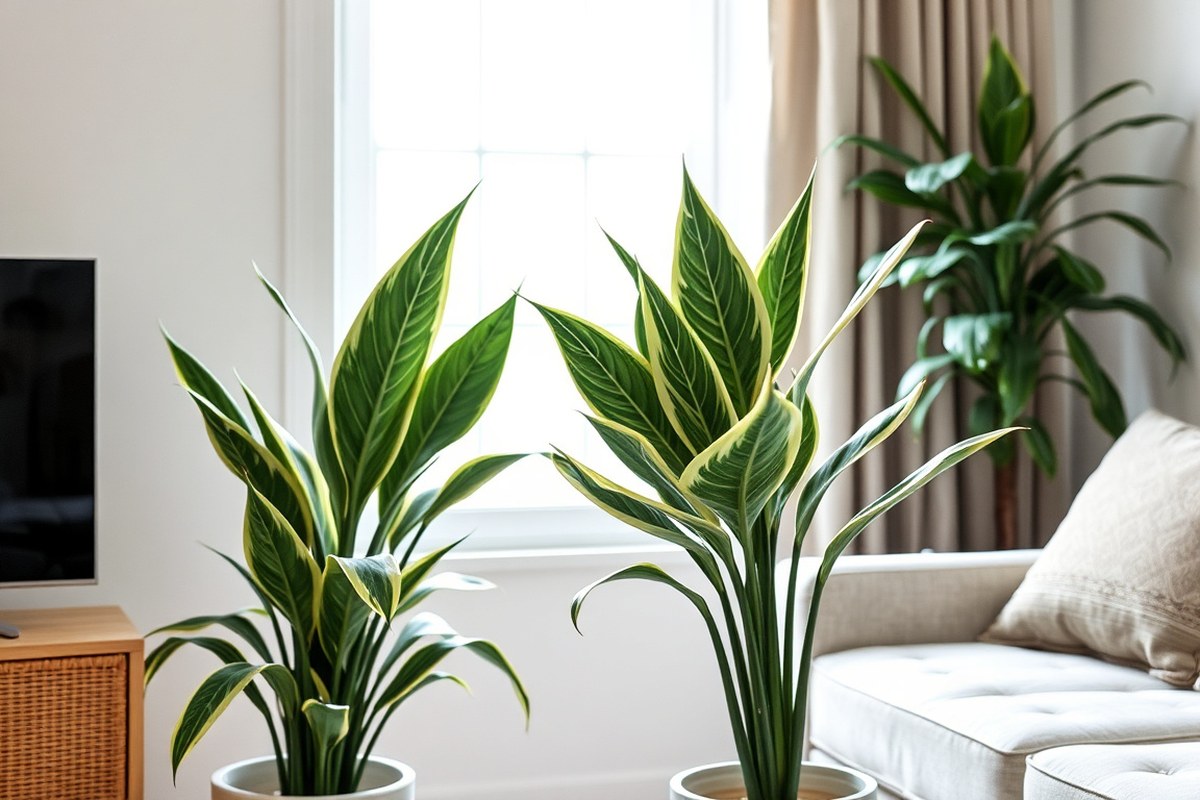
Plants with variegated leaves have yellow or white patterns, like Laurentii. These patterns tend to fade when light is low for too long. Their leaves may turn mostly green after a few months in dim areas.
Non-variegated types keep their deep green color even in low light. That means less noticeable fading and a consistently lush look. Yet, all snake plants need some light to avoid stress and stunted growth.
Rare Varieties Adapted to Shade
Beyond the common picks, some rare snake plants adapt better to shade. These include smaller, darker-leaved varieties that grow slowly but steadily. They may cost more, often $30 to $50 for a starter pot.
These rare types fit well in very dim rooms or hallways. They still won’t thrive in complete darkness. A few hours of indirect light daily helps them stay healthy and upright.
Recommendations for Beginners
For easy care in low light, pick strong varieties like Laurentii or Zeylanica. They handle neglect better and tolerate less light than many houseplants. Hahnii suits smaller spaces and still shows charm as it slowly grows.
Avoid variegated types if you want to keep leaf colors bright indoors. Also, don’t expect snake plants to grow fast or flower in dim light. They survive with little, but they do better in moderate indirect light.
Here’s a quick comparison of popular snake plant types and their low light tolerance:
| Variety | Leaf Pattern | Low Light Tolerance | Color Fade Risk | Size |
|---|---|---|---|---|
| Laurentii | Green with yellow edges | High (tolerates low but prefers indirect light) | High (variegation fades in low light) | Large (3-4 ft tall) |
| Zeylanica | Dark green with light green bands | High (very hardy in low light) | Low (non-variegated) | Medium (2-3 ft tall) |
| Hahnii | Green with light stripes | Moderate (adapts well to low light) | Moderate (may fade over time) | Small (6-12 in tall) |
| Rare Dark Varieties | Mostly dark green | Moderate to High (shade adapted) | Low | Variable (usually small) |
This comparison helps you pick the best snake plant for your lighting. Larger variegated ones show fading but survive in low light. Smaller or non-variegated plants usually hold up better.
Common Low Light Care Mistakes and How to Fix Them
Overwatering is the biggest mistake you can make with a snake plant in low light. These plants use less water when light is limited. Overwatering leaves roots in soggy soil, causing them to rot.
To avoid this, water only when the top 2 inches of soil feel dry. This usually means watering about every 3 to 4 weeks in low light.
Poor placement is another common issue. Snake plants still need some indirect light to thrive. Putting them in a dark corner with almost no light can weaken them over time.
Watch for stretched or pale leaves. It means your plant needs more light. Move it closer to a window or under a grow light.
Rotating your snake plant does help in low light. It ensures all sides receive equal light and grow evenly.
Turn your plant about a quarter turn once every two weeks. This keeps the leaves healthy and prevents them from leaning too much toward one side.
- Check soil moisture before watering; avoid letting soil stay soggy
- Place snake plant near bright, indirect light instead of dark corners
- Turn the plant one-quarter turn every two weeks for even growth
- Look for yellow or mushy leaves as signs of overwatering or rot
- Move to brighter light if leaves become weak or pale
- Use well-draining soil designed for succulents to reduce rot risk
Root rot shows up as soft, dark roots and leaves that turn yellow or black. Spot those signs? Stop watering immediately.
Gently remove any rotten roots you find. Repot the plant in dry, fresh cactus mix soil.
Let it sit in a bright spot for a few weeks before resuming normal care. You can follow a step-by-step rescue guide for rotting snake plants to help recover yours safely.
Move your snake plant when leaves fade or growth slows. Brighten its spot to help it recover. Plants under too little light will look less firm.
Putting them in better light usually brings back sturdier leaves and better color. Just don’t place them in direct sun, as that can burn the leaves.
Only water your snake plant after checking the soil. Overwatering in low light leads quickly to root rot.
Step-by-Step Action Plan for Growing Snake Plants in Low Light
Follow these steps to keep your snake plant healthy in low light. Check its growth and leaves to see progress.
- Before you start: Pick a snake plant that handles low light well. Sansevieria trifasciata ‘Moonshine’ is a good choice. It should look vibrant with firm leaves.
- Day 1: Place the plant in the brightest spot you have without direct sunlight. The leaves stay upright and hold color.
- Week 1: Water your snake plant every 2-3 weeks. Let the soil dry completely before watering again. Keep this schedule steady. No soggy soil or yellowing leaves.
- Week 2: Watch for signs like drooping or pale leaves. Move your plant closer to natural light or add a grow light spot. This helps when light is poor.
- Week 3: Clean leaves gently to remove dust. Your snake plant will absorb more light and look healthier.
- Month 1: Check for slow but steady growth. New leaf growth means your plant is healthy and conditions suit it.
- After 6 weeks: Adjust watering or light if leaves wrinkle or get brown tips. Try a brighter spot or reduce water.
- Ongoing: Rotate the plant monthly to keep all sides getting some light. The plant stays full and balanced.
Frequently Asked Questions
Can Snake Plants Survive in Complete Darkness?
Snake plants cannot survive in complete darkness. They need at least some indirect light to perform photosynthesis and stay healthy. Without light, they will weaken and eventually die.
How Often Should You Fertilize a Snake Plant in Low Light?
Fertilize snake plants sparingly in low light, about once every 2 to 3 months. Excess fertilizer can harm slow-growing plants in low light. Use a balanced, diluted houseplant fertilizer.
Does Low Light Affect Snake Plant Leaf Color?
Yes, low light can dull snake plant leaf colors, making them less vibrant. Bright, indirect light helps maintain their typical green and yellow tones. But low light won’t kill the color immediately.
Can Snake Plants Adapt to Changing Light Levels?
Snake plants can adapt slowly to changing light levels by adjusting their growth. Gradual changes reduce shock and keep the plant healthier. Sudden shifts can cause leaf damage or stress.
Is It Better to Underwater or Overwater a Snake Plant in Low Light?
It’s better to underwater than overwater snake plants in low light. Their slowed metabolism means they use water slowly, so overwatering can cause root rot. Always let soil dry fully before watering again.
Do Snake Plants Need Pruning When Grown in Low Light?
Snake plants rarely need pruning in low light because they grow slowly. Remove dead or damaged leaves to keep them tidy. Pruning can help improve air circulation around the plant.
The Bottom Line
Snake plants can thrive in low light with the right care. Start by picking the best spot and watching your plant closely. Take one step today to help your snake plant grow happy indoors.