Do Peace Lilies Need a Lot of Light? A Complete Guide for Healthy Growth
Do peace lilies need a lot of light? Not exactly.
They thrive best in bright, indirect light for about 2 to 4 hours a day. Too much direct sun can actually harm their leaves and stunt growth.
These plants naturally grow in shaded forest floors. So harsh light is not their thing.
Placing them near a north or east-facing window often works well. Watch their leaves for signs of stress to adjust their spot.
Using artificial light can really help if your home lacks enough daylight. Keep the lights 12 to 18 inches above your peace lily. Run the lights for 10 to 12 hours every day.
This distance and timing help your plant grow well. This mimics their natural light needs without causing damage.
Key Takeaways
- Peace lilies do best with 2 to 4 hours of bright, indirect light each day. Avoid direct sunlight since it can harm the leaves. Use a spot near a north or east-facing window for good light.
- Avoid direct sunlight; it causes leaf burn and inhibits blooming.
- Use artificial lights 12-18 inches above for 10-12 hours if natural light is low.
- Monitor leaf color and texture to detect light stress early.
- East or north-facing windows usually offer ideal light conditions indoors.
- Keeps room temperature between 65°F and 85°F to support healthy growth.
How Much Light Do Peace Lilies Actually Need?

Peace lilies do not need a lot of light. But they do need bright, indirect light to thrive. They prefer about 6 to 8 hours of this light daily for healthy growth and blooming.
Too little light slows growth and reduces flowers. Direct sunlight can burn their leaves.
Bright, indirect light means the plant gets plenty of light without harsh rays hitting it directly. Place your peace lily 3 to 6 feet from a window. Use filtered sunlight or a bright room.
Keep it away from direct sun beams. Bright indoor light is usually 500 to 1,000 foot-candles.
This amount helps your peace lily grow well. It won’t cause damage.
You can use artificial lights if natural light is low. Give your peace lily 10 to 12 hours of light daily. Keep the light source close, about a foot away, to mimic bright indirect sunlight.
Keeping the right light helps your peace lily grow well. It produces lush leaves and elegant white blooms. This balance is key for healthy plants.
Identifying Signs of Too Little or Too Much Light on Peace Lilies
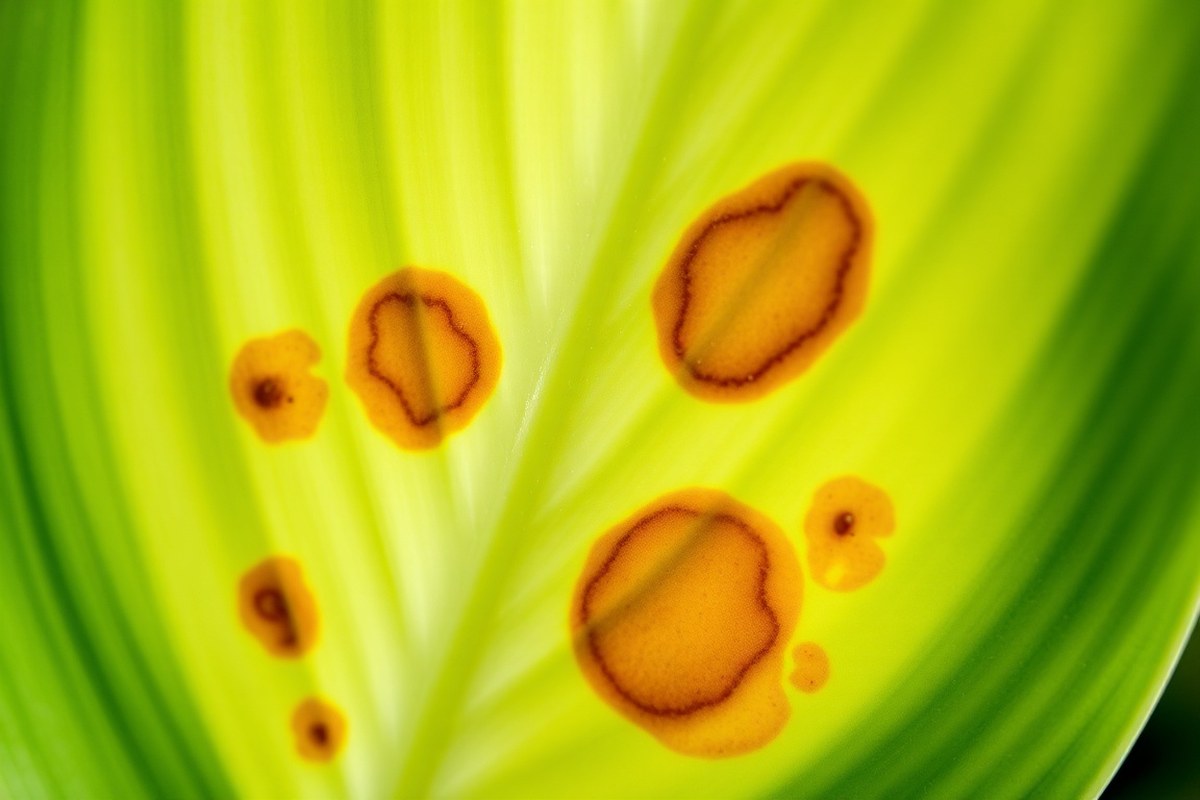
Peace lilies show clear signs when they don’t get enough light. They may develop dark green but lifeless leaves and stop blooming. The plant might grow slower or lean toward the window, trying to find more light.
Too much light causes different issues. Leaves can get yellow or develop brown scorch marks.
These spots are usually dry and crispy to touch. Extended exposure to direct sunlight burns peace lily leaves quickly.
- Low light: dull dark leaves, no flowers, leggy growth
- Too much light: yellowing, brown dry patches, curled leaf edges
- Leaves leaning toward light source
- Slow or stunted growth
- Brown leaf tips due to light stress or dry air
If your peace lily looks dull with no blooms, move it closer to bright, indirect light. You can try a north or east window that offers soft morning sun. Avoid direct afternoon sun as it burns easily.
On the flip side, yellow or scorched leaves mean cut back on light. Move your plant away from windows with harsh sun or use sheer curtains to filter rays. This keeps the light gentler and prevents burns.
Direct sunlight often scorches peace lily leaves within minutes. Avoid placing it in full sun to keep it healthy and green.
Best Indoor Locations and Window Placements for Peace Lilies
Placing a peace lily near a north or east-facing window gives it the best light. These spots provide bright, indirect light without harsh rays. Avoid direct sun or very dim corners to keep leaves healthy and blooms vibrant.
East-Facing Windows for Peace Lilies
East-facing windows offer gentle morning sun and soft indirect light throughout the day. This suits peace lilies perfectly because they get enough brightness without risk of scorched leaves. Putting your peace lily here lets it grow well and show off its glossy green leaves.
Place the plant about 1 to 3 feet from the window. This prevents direct sun from hitting the leaves while giving enough filtered light. Rotate the plant every week so all sides get even light.
South-Facing Windows with Filtered Light
South-facing windows bring intense midday sun, which is too strong for peace lilies on its own. Filtering the light with sheer curtains or blinds softens the rays. This keeps the plant safe from leaf burn while providing plenty of brightness.
Keep your peace lily 3 to 5 feet from the south window behind the filter. Check leaves for signs of light stress.
Move the plant further away if it looks bleached. Use a heavier curtain to block strong light.
Low-Light Tolerant Spots in Homes
Peace lilies tolerate low light but won’t bloom as much in dim spots. North-facing windows suit peace lilies well. Keep them 5 to 8 feet from any window.
These spots work for just foliage. This is a good option if your home lacks bright windows.
Put your peace lily near a north window. Or place it on a shelf within 8 feet of a window.
Avoid corners with no natural light. Keep leaves clean so they can absorb what little light arrives.
| Window Direction | Light Characteristics | Suitability for Peace Lilies |
|---|---|---|
| East-facing | Mild morning sun, soft indirect light | Ideal |
| North-facing | Low light | Acceptable for foliage only |
| South-facing | Strong light, especially midday | Use sheer curtains for filtering |
| West-facing | Hot afternoon sun | Conditionally suitable with diffusion |
Keep peace lilies within 8 feet of a window to provide enough light. Choose spots with moderate to bright indirect light from lamps.
Avoid ideal windows if you don’t have them. Watch the leaves for clues and adjust the placement gradually for the best results.
Using Artificial and Grow Lights Effectively for Peace Lilies
You can grow and bloom peace lilies well under artificial grow lights. Use bright, indirect light from LED or fluorescent bulbs to mimic their natural habitat. Place the light between 6 and 12 inches from the plant.
Keep the light on for 12 to 16 hours each day. This setup gives the best results.
Choosing the Right Spectrum and Wattage
Pick a full spectrum or daylight LED bulb with color temperatures around 5000 to 6500 Kelvin. This suits peace lilies because it mimics natural sunlight closely. Fluorescent lights also work but usually consume more energy than LEDs.
Wattage depends on your room size and how many plants you have. A 15 to 30-watt LED light is often enough for one peace lily. Make sure your light can cover the plant’s leaves evenly without hot spots or shadows.
| Light Type | Spectrum | Typical Wattage | Distance from Plant | Duration (hours/day) |
|---|---|---|---|---|
| LED Full Spectrum | 5000-6500 K | 15-30 W | 6-12 inches | 12-16 |
| Fluorescent Tube | Daylight | 20-40 W | 6-12 inches | 12-16 |
| Standard LED Bulb | Warm White (not ideal) | 10-20 W | 2-3 feet | 10-12 |
Test bulbs labeled “full spectrum” or “daylight” to see how your peace lily reacts. Avoid standard warm white bulbs, which provide less useful light for growth.
Optimal Grow Light Height and Duration
Hang the grow light about 6 to 12 inches above the plant’s top leaves. This distance gives enough brightness without overheating the foliage. Lights positioned 2 to 3 feet away may require longer daily use.
Run the grow light for 12 to 16 hours daily. This matches the natural daylight your plant needs. Keep a consistent schedule each day.
Peace lilies bloom better with longer lighting periods, as their flowering responds to day length. Use a timer to keep the schedule steady.
Using Timers and Monitoring Plant Response
A timer helps automate your light schedule, ensuring consistent hours daily. Set the light on for 12 to 16 hours. Turn it off for 8 to 12 hours.
This copies normal outdoor light cycles. Consistency supports healthy growth and blooming.
Watch your peace lily closely for signs of light stress like leggy stems or no blooms. Check stems and flowers for signs of trouble. Stretching stems or no flowers mean more light is needed.
Increase light intensity or time slightly. Watch out for yellow or scorched leaves.
These signs mean the light is too close. Move the light farther from the plant.
Adjusting Light Levels for Seasonal Changes and Indoor Conditions
Peace lilies don’t need more light in winter but they do need stable, bright indirect light. Winter sunlight is weaker and lasts fewer hours. So moving your plant closer to windows helps.
Keep your peace lily in indirect light between 1,000 and 2,000 foot-candles. This light level should stay consistent year-round. It’s best for healthy growth and blooms.
Seasonal light changes affect how much your plant can photosynthesize and bloom. In winter, lower light can slow growth and reduce flowers. Move your peace lily closer to a light source in colder months.
This helps encourage more flowers to bloom. It also keeps the leaves healthy and strong.
- Move peace lilies closer to a south- or east-facing window during winter
- Keep plants at least 3 feet away from direct sun to avoid leaf burn
- Turn the pot a quarter turn each week to keep growth even
- Use a grow light if natural winter light is insufficient
- Maintain room temperatures between 65°F and 80°F to support growth
- Watch for leaf yellowing, which may signal too little light
- Shift plants back to their usual spot as days lengthen in spring
Temperature affects peace lilies as much as light does. Cold drafts near windows can stress your plant when it’s closer for winter light. Keep them away from chilly spots below 60°F to prevent leaf damage and slow growth.
Check light levels monthly and adjust your peace lily’s position as daylight changes.
Move your peace lily closer to the window as daylight shrinks but avoid direct sunlight. When spring arrives, move it back slowly to the original spot to avoid sudden light shock. These small shifts help your plant stay healthy and blooming through the year.
How to Measure and Monitor Light Intensity for Peace Lilies
Measuring light intensity helps you know if your peace lily’s lighting is enough. Too little or too much light can slow growth or cause damage. Light meters and phone apps give clear numbers to decide where to place your plant.
Light meters cost around $20 to $100 and read light in foot-candles or lux. Apps use your phone’s camera to estimate light but can be less accurate. Peace lilies like 50 to 200 foot-candles of light.
That means about 500 to 2,000 lux. They do best with bright but indirect light. Natural and artificial lights both can reach this range but differ in consistency and timing.
Use a light meter or app by checking several spots around your plant’s area. Compare readings to the typical ranges for peace lilies. Aim for readings around 100 foot-candles or 1,000 lux for best health.
Avoid 0 to 30 foot-candles because it’s too dim. Over 500 foot-candles may risk leaf burn.
- Turn on the light meter or app and hold it at the peace lily’s leaf height.
- Point the sensor or phone camera facing the main light source that reaches the plant.
- Record the light reading shown in foot-candles or lux.
- Move to different spots near the plant, repeat measurements for best average.
- Compare readings with the 50, 200 foot-candles (500, 2,000 lux) target range.
- Adjust the plant’s location if readings are too low or too high.
- Use a timer or app reminders to maintain 12, 14 hours of light daily.
Checking light this way takes minutes and can save you from guesswork. Recheck every few weeks or if you move your plant. The right light helps your peace lily grow well indoors.
It even blooms in spots with less natural light. This keeps your plant healthy.
Common Light-Related Mistakes and How to Fix Them
One common mistake is placing peace lilies in direct sunlight. This causes leaf burn, which looks like brown, crispy edges. Move the plant to a bright spot with filtered light.
Keep it at least 12 inches from the window. This prevents leaf scorching.
Another error is keeping the plant in too dark a spot. Peace lilies won’t bloom or grow well in low light. Move them closer to a window with indirect light.
You can use fluorescent bulbs 6 to 12 inches above. This helps during winter. This helps them thrive and flower.
- Direct sun exposure causes leaf burn; relocate to indirect light.
- Too little light stunts growth and stops blooming. Improve light by moving or adding artificial lights.
- Placing plants too close to windows risks temperature shock. Keep 12 inches away from glass.
- Not adjusting light for seasonal changes can stress the plant. Move or add light sources as sunlight dims.
- Ignoring water needs with changing light can lead to drooping. Water promptly when leaves droop.
- Using strong artificial lights too close may heat leaves. Hang bulbs 6-12 inches above the plant.
- Failing to monitor light intensity regularly causes unnoticed damage. Check light levels with a meter or shadow test.
Keep peace lilies at a stable distance from light sources to avoid shock. Shift the plant gradually if relocating.
Check leaves weekly for signs of too much or too little light. Adjust the plant’s spot before damage happens.
Light changes with the seasons. In winter, boost artificial lighting with fluorescent bulbs placed carefully overhead.
In summer, move your lily away from bright windows to prevent burning. Doing this takes a little time but keeps your plant healthy and happy.
How Light Affects Peace Lily Growth, Blooming, and Watering
Peace lilies rely on light to perform photosynthesis, the process that fuels their growth. This process converts light, water, and carbon dioxide into energy.
Without enough light, photosynthesis slows. So your peace lily directs energy to survival instead of growing or blooming.
Bright, indirect light triggers blooming by signaling the plant to flower. When light is low, peace lilies usually stop producing their delicate white spathes. They will keep their leaves green but won’t show off blooms until light levels improve.
Light intensity also influences how quickly a peace lily grows. In lower light, growth slows, and leaves may look smaller or paler. Higher indirect light helps your peace lily grow faster.
It also boosts flowering. Avoid direct sunlight because it can burn the leaves.
Watering needs tie closely to light levels and photosynthesis rates. Plants need more water during active photosynthesis. A peace lily in bright light drinks more water.
It also dries out faster and needs watering soon. In low light, the soil stays wet longer because the plant uses less water.
Adjust watering based on how much light your peace lily gets. Check soil moisture often by touching the top inch.
Water only when this layer feels dry. Overwatering in low light can cause root rot because the soil isn’t drying out quickly.
Peace lilies have growth phases determined partly by light cycles. Spring and summer months usually bring faster growth and blooming under brighter light. In fall and winter, they slow down and need less water because photosynthesis naturally decreases.
Keep the soil just barely moist if light is low. Water a bit more when your peace lily gets extra sunlight. This prevents the soil from drying out.
Matching Peace Lily Varieties and Sizes to Your Light Environment
Not all peace lilies need the same amount of light. Some varieties do better in low light, while others want brighter indirect light. Matching your peace lily’s size and type to the light helps it grow.
Pick a spot with the right light for your plant type. This will boost blooming and keep it healthy.
Compact Varieties for Low to Medium Light
Smaller peace lilies usually adapt better to dimmer spots. They can survive low light but might bloom less often. These compact plants are great for desks, shelves, or spots with filtered light.
Take care not to place them in total darkness. A little indirect light helps their leaves stay healthy and green. You’ll find these smaller types around 8 to 12 inches tall.
Large-Leaf Types Needing Brighter Indirect Light
Bigger peace lilies with large leaves need more light to do well. They show their full size and bloom best with bright, indirect sunlight. These plants may reach up to 48 inches in height.
Place them near windows with filtered morning sun or in well-lit rooms. Watch they don’t get direct midday sun, which can burn their leaves. Their size also means they need more space and moisture.
Variegated Cultivars and Their Light Sensitivity
Variegated peace lilies have leaves with white or cream patterns. They usually need brighter light than solid green types. Without enough light, their variegation may fade and their growth slow down.
Treat variegated plants like the larger types and place them in bright, indirect light. They’re less tolerant of low light and can appear dull in dark rooms. Use a grow light if natural light is weak or inconsistent.
Here’s a table comparing popular peace lily varieties by light preference and size:
| Variety | Typical Height | Light Preference | Blooming |
|---|---|---|---|
| ‘Petite’ Compact | 8, 12 inches | Low to medium indirect light | Rare in low light |
| ‘Mauna Loa Supreme’ Large-leaf | 36, 48 inches | Bright, indirect light | Frequent blooms with good light |
| ‘Clevelandii’ Variegated | 18, 24 inches | Bright, indirect light | Moderate blooms, needs light |
| Standard (Classic) Peace Lily | 20, 30 inches | Medium indirect light | Bloom with good indirect light |
Choosing the right size peace lily also depends on your available space. Smaller plants fit better in tight corners or on desks.
Larger plants need room to spread and good airflow. When light is limited, pick a compact or low-light tolerant type for the best results.
Step-by-Step Action Plan for Lighting Your Peace Lily
Follow these steps to give your peace lily the right light and check its response. Adjustments help it grow well and bloom.
- Before you start: Put your peace lily near a north- or east-facing window. It needs bright, indirect light to grow well. Avoid putting it in direct sunlight. Monitor leaves for brightness or burn signs.
- Day 3: Check for yellow or brown leaf tips. See brown leaf tips or yellow leaves? Move the plant away from direct sun. Add a thin sheer curtain to soften the light.
- Week 1: Use a light meter or app to check light levels. Aim for between 100 and 250 foot-candles of light. This helps your peace lily get the right amount. Light level is below 100 foot-candles? Try moving your plant to a brighter spot. Make sure the light stays indirect to avoid leaf burn.
- Week 2: Adjust watering based on light. More light means more water, less light means less water. Pay attention to soil dryness.
- Week 3: If blooms are weak or missing, increase light slightly. Try a south-facing window with sheer curtains or a grow light 12, 18 inches above.
- Week 4: Rotate your peace lily 90 degrees each week. This ensures even light and balanced growth.
- After 6 weeks: Check leaves and flowers. Healthy, green leaves and regular blooms mean your light setup works well.
- Seasonal review: Light drops during winter. Use a grow light or move your plant closer to windows. This keeps your peace lily healthy through the darker months.
Frequently Asked Questions
Do Peace Lilies Need a Lot of Light to Bloom?
Yes, they need bright, indirect light for about 6 or more hours daily to bloom well. Low light may keep them alive but usually stops flowers from forming.
Can Peace Lilies Survive in a North-Facing Room with Little Sunlight?
Peace lilies can survive in low light but may grow slower and bloom less. Consider supplementing with grow lights to boost their light exposure.
Is Direct Sunlight Harmful to Peace Lilies?
Direct sunlight can burn peace lily leaves, causing brown spots. It’s best to place them in a spot with filtered or indirect light.
How Long Can Peace Lilies Go Without Light?
They can handle low light for short times. They still need 6-8 hours of bright, indirect light daily.
This helps them grow healthy. Prolonged darkness will weaken them.
Can Peace Lilies Adjust If I Move Them to a Sunnier Spot?
Yes, they adapt to new light conditions but do it gradually to avoid leaf burn. Watch for signs of stress like yellowing or drooping leaves.
Do Peace Lilies Need Different Light Amounts in Winter?
Yes, shorter days mean less natural light. You may need to move them closer to bright spots. Using artificial lights can help keep them healthy too.
Wrapping Up
Peace lilies need bright, indirect light to thrive, but not harsh sun. Start with a good spot and adjust based on the plant’s leaf and bloom health. Check your peace lily today and make small light tweaks to keep it happy and growing.