How to Grow a Coleus Plant: Simple Steps for Vibrant, Healthy Foliage
How to grow a coleus plant starts with choosing the right time and place. Plant coleus outdoors only after the last frost, when soil temperatures reach at least 50°F. These plants need evening temperatures above 60°F to avoid damage or stress.
Choose a spot that gets three to six hours of sunlight daily with partial shade. Too much direct sun can cause sunscald on coleus leaves. They prefer warmth between 70 and 100°F but need protection from harsh midday sun.
Space your plants about 12 inches apart to allow good air flow and growth. Harden off young coleus outdoors for a week to help them adjust slowly. Water when the top two inches of soil feel dry to keep leaves healthy and colorful.
Key Takeaways
- Plant coleus outdoors only after the last frost and soil warms past 50°F.
- Provide three to six hours of morning sun and afternoon shade for best growth.
- Space plants 12 inches apart to prevent crowding and promote bushy growth.
- Harden off young plants outdoors for 7 to 10 days before planting.
- Keep soil moist but let the top 1, 2 inches dry out between waterings.
- Avoid full afternoon sun to prevent leaf damage from sunscald.
How to Grow a Coleus Plant from Start to Finish

Growing coleus is fairly simple whether you choose seed or cuttings. Starting indoors lets you protect young plants from cold and pests. Outdoors works well after the last frost, usually in April or May.
Coleus grows fast. It reaches maturity 8 to 10 weeks from seed. Cuttings take about 4 to 6 weeks.
They like evening temperatures above 60°F (16°C) to thrive. Watch for healthy leaves. Steady growth shows your plant is doing well.
Follow these steps to grow coleus successfully:
- Start seeds indoors 8 to 10 weeks before the last frost. Use a seed tray filled with moist potting mix.
- Keep soil warm at about 70°F (21°C). Seedlings should appear in 7 to 14 days.
- For cuttings, cut 4 to 6 inches from a mature coleus. Remove the lower leaves before planting.
- Plant seedlings or cuttings after frost risk ends. Soil should be at least 50°F (10°C).
- Space plants about 8 to 12 inches apart to give them room to grow.
- Place coleus in bright locations but protect from harsh afternoon sun if outdoors.
- Water regularly to keep soil moist but not soggy, especially during hot weather.
- Pinch back growing tips occasionally to encourage bushy growth and vibrant leaves.
Patience helps; you’ll see coleus develop full foliage and bright colors over several weeks. Large varieties may grow over 30 inches tall, especially in wide containers or garden beds. Protect plants from cold by bringing container-grown coleus indoors if temperatures go below 50°F (10°C).
Choosing the Best Location and Light for Coleus Plants

Coleus plants do best in part shade with morning sun and afternoon shade. This light level helps prevent leaf scorch and keeps colors vivid. Full sun usually causes leaf burn, except for certain sun-tolerant varieties that need careful watering.
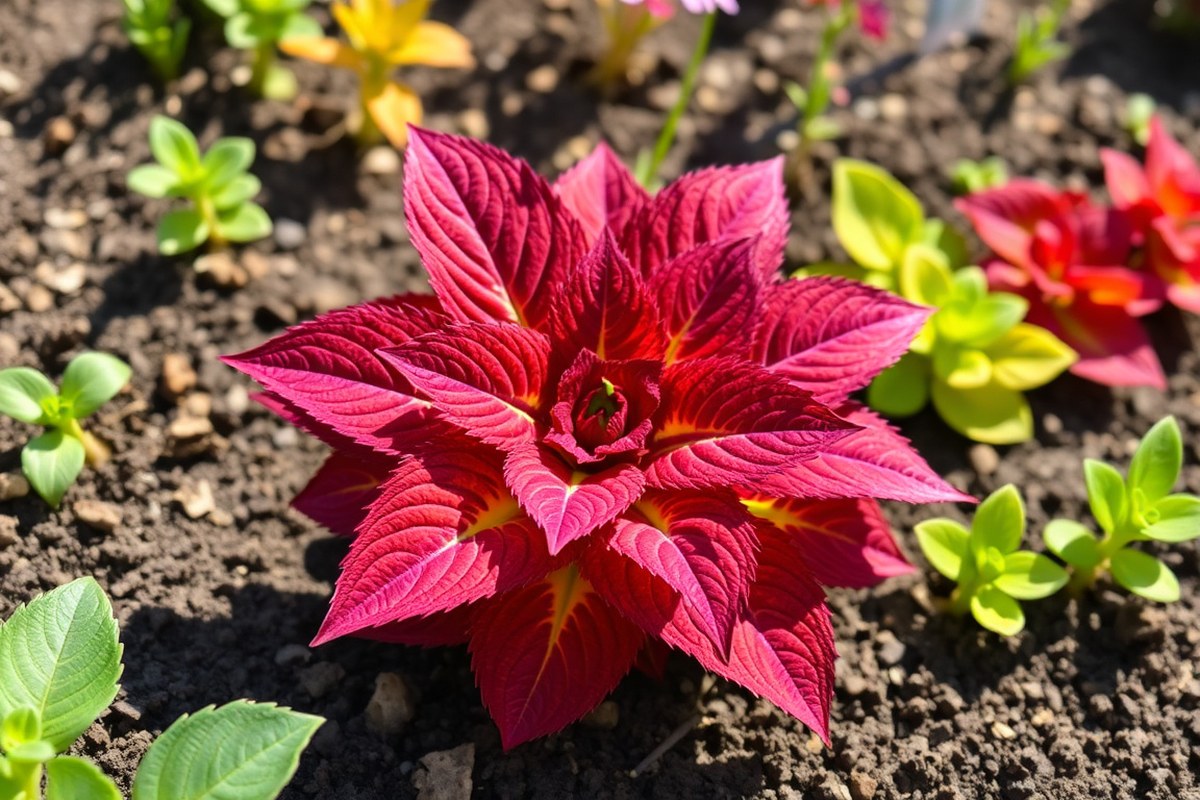
The right light affects coleus leaves a lot. Lighter leaf colors need more shade to stay bright. Darker or red-orange leaves can take more sun.
A little direct morning sun helps color show well. Aim for 3 to 6 hours. This usually won’t stress the plant.
Indoors, place coleus where it gets bright, indirect light. A spot near a north or east-facing window often works well. Turn the plant every few days.
This lets all sides get light. It keeps shape balanced and leaves bright.
| Light Exposure | Leaf Color Suitability | Plant Health Notes |
|---|---|---|
| Full Shade | Lighter colors (yellow, lime) | Good for leaf health, colors less intense |
| Part Sun / Part Shade (3-6 hrs morning sun) | Most colors, vivid variegation | Best overall growth and color |
| Full Sun | Dark red, orange, and burgundy | Tolerates sun but watch for dryness and scorch |
| Bright Indirect (indoors) | All colors | Rotate regularly, avoid direct noon sun |
You can grow coleus almost anywhere if you pick the right spot. Outside, look for filtered shade or somewhere protected from harsh afternoon rays. Indoors, avoid windows that face west or south if glass gets hot.
Coleus grow as perennials in USDA zones 10 to 11. In cooler places, treat them like annuals. They won’t survive winters there.
Some coleus, like ColorBlaze and Stained Glassworks, handle more sun. They need careful watering too. Watch soil moisture closely.
Pinch off blooms if needed. This keeps the plant’s energy on leaf growth.
Light helps the colors show better. Give your plant space to breathe, keeping 6 to 12 inches apart depending on type.
Turn indoor coleus plants every few days to prevent lopsided growth and fading.
Soil, Watering, and Fertilizing Requirements for Healthy Growth
Coleus grows best in well-draining potting soil that stays light and fluffy. Use a mix intended for containers or garden beds that lets oxygen flow to the roots.
Avoid heavy soils that hold water and can cause root rot. Adding compost to garden soil improves fertility and drainage for outdoor coleus planted after frost danger.
Water coleus thoroughly right after planting to soak the soil down about six inches. Keep the soil evenly moist, not soggy, for the first seven to 10 days. Deep watering is key: for pots, water until moisture runs out of drainage holes.
Check soil moisture every day or two, especially when temperatures climb above 70°F. Indoor coleus may need watering once or twice a week. But warm, dry outdoor spots require more frequent watering.
Coleus needs regular feeding to stay vibrant and grow well. For garden plants in rich soil, use a light fertilizer. Apply water-soluble fertilizer once a month.
Do this during the growing season. Container plants need feeding more often because watering can wash nutrients out quickly. Feed potted coleus with balanced liquid fertilizer every two weeks.
Start feeding three to four weeks after planting. Keep this schedule while plants grow. Stop fertilizing in fall or when growth slows down indoors to avoid buildup.
How to Propagate Coleus Easily with Seeds and Cuttings
Propagating coleus plants is simple and rewarding. You can use seeds or stem cuttings to grow new plants. Both methods work well, but they differ in speed and care.
Starting Coleus Seeds Indoors
Start coleus seeds indoors about eight to ten weeks before your last frost date. Use seed starter trays with a light, well-draining seed mix. The seeds are tiny, so handle them carefully and keep the soil moist.
- Fill seed trays with a loose seed-starting mix.
- Sprinkle seeds thinly on the surface, do not cover with soil.
- Lightly mist seeds with water to keep them moist.
- Cover trays with clear plastic to retain humidity.
- Place trays in a warm spot around 70°F (21°C).
- Check daily to keep soil moist but not soggy.
- Remove cover once seedlings appear in 10 to 20 days.
- Thin seedlings to prevent crowding as they grow.
After seedlings develop two sets of leaves, you can transplant them into individual pots. Keep them indoors until outside temperatures stay above 50°F (10°C). Using pelleted seeds helps spread them evenly when sowing.
Taking and Rooting Stem Cuttings
Stem cuttings are a fast way to clone a favorite coleus plant. Take cuttings in summer from healthy stems about 3 to 5 inches long. Rooting in water works well and lets you watch roots develop.
- Use clean scissors to cut healthy non-flowering stems below a leaf node.
- Remove lower leaves, leaving two or three sets on the top.
- Place cuttings in a glass of water, ensuring nodes are submerged.
- Position the glass in indirect light, avoiding hot sun.
- Change water every few days to prevent mold.
- Watch for roots to develop, usually within 7 to 14 days.
- Once roots reach 1 to 2 inches, transfer cuttings to potting soil.
- Keep soil moist and shaded until plants establish.
Rooted cuttings grow quickly and often flower in three to four months. You can also root cuttings directly in moist potting soil if you prefer.
Comparing Seeds vs Cuttings Propagation
Starting coleus from seeds takes longer, usually 10 to 20 days to germinate. Seedlings take a few months to reach mature size. Seeds offer variety if you want many plants with different colors.
Stem cuttings grow faster and produce exact copies of the parent plant. Rooting cuttings takes about 1 to 2 weeks. Cuttings suit gardeners who want to quickly multiply a favorite plant or save a specimen.
Choose seeds if you enjoy watching the full growth cycle and want many plants. Pick cuttings when speed and preserving color patterns matter most. Both methods cost little and use common garden supplies.
Pruning Techniques to Encourage Bushy Growth and Vibrant Foliage
To keep your coleus plant full and colorful, prune regularly. Pinch off the growing tips once the plant is about six inches tall. This stops legginess and boosts branching for bushier growth and richer leaf colors.
Timing Your First Pinch
Wait for your coleus to have six sets of true leaves. It should also be about six inches tall. Only then proceed to the next step.
Pinching too early, especially on seedlings, can reduce leaf size and delay growth. Start pinching the tips gently to encourage new stems and fuller foliage.
After that initial pinch, continue to remove the top growth regularly. This prevents the plant from flowering and keeps its shape compact. Pinching at the right time extends the plant’s life and improves its leaf color contrast.
Pruning Methods for Shape and Size
Use your fingers or clean scissors to pinch the tips. Cut back the growing tips of your coleus. This helps the plant grow bushier.
Snip just above a leaf node where new branches can grow. This helps the plant produce side shoots, creating a dense, bushy look.
You can also prune larger stems to shape your plant or slow its growth. Save trimmed stems by rooting them to start new plants. Outdoor coleus may not need pruning, but pinching encourages a fuller, neater form.
- Pinch top 1/4 inch of new growth at six inches tall
- Trim flower buds promptly to stop legginess
- Remove any stems that look weak or sparse
- Shape plants to your desired size or style
- Root cut branches for more plants
- Pinch regularly to maintain bushiness
Pruning changes the plant’s size and branch density. It also affects leaf color by keeping the foliage younger and more vibrant. Taller plants tend to lose some leaf brightness.
Tips to Maintain Vibrant Foliage
Bright indirect light helps coleus show its best colors. After pruning, the new leaves often look deeper and more contrasting. Avoid stressing the plant by pruning too hard or too often.
Pinch off flowers as soon as you see them. Flowering draws energy away from leaves and causes legginess. Keep soil moist and feed lightly to support vigorous leaf growth and color intensity.
Never pinch coleus seedlings before six sets of true leaves; it delays leaf growth.
Choosing the Right Coleus Varieties for Your Garden or Containers
Coleus plants come in many varieties with different sizes and colors. Picking the right one depends on your space and light conditions. Some grow tall, while others spread wide or stay compact for containers.
Colors range from deep reds to bright greens and even multicolored leaves. Shade-loving varieties thrive indoors or in shady garden spots.
Taller types add height and drama outdoors. But smaller types fit well in pots or window sills.
| Variety | Height (inches) | Spread (inches) | Color/Traits | Best Use |
|---|---|---|---|---|
| ‘Kong’ | 20-22 | 18-22 | Vibrant reds and greens, mounding habit | Garden beds, large containers |
| ‘Rainbow Mix’ | 12-15 | 12-15 | Multicolor leaves, compact growth | Small containers, indoor spots |
| ‘Shine Bright’ | 10-12 | 10-12 | Bright chartreuse, shade tolerant | Shady gardens, indoor pots |
| ‘Color Blaze’ | 14-18 | 14-16 | Deep reds and purples, upright habit | Mixed borders, containers |
For containers, choose compact types like ‘Rainbow Mix’ or ‘Shine Bright’. They fit small spaces and don’t outgrow pots quickly.
Pick shade specialists if your spot gets little sun. Those plants keep their bold colors without too much direct light.
Tall varieties like ‘Kong’ bring color and height to garden beds. They also work in large containers but need room to spread.
Trim flowers to keep leaves full and bright on any variety. That focuses the plant’s energy on foliage, not blooms, and keeps color strong longer.
Identifying and Managing Common Pests and Diseases in Coleus
Coleus plants rarely face serious pest or disease issues. Still, indoor and greenhouse plants might attract spider mites, aphids, and mealybugs. These pests suck sap and weaken your coleus, causing leaf spots and yellowing.
Check your plants weekly, especially under leaves. Look for tiny webs (spider mites), white cottony patches (mealybugs), or small green bugs (aphids). Early detection helps you act fast and limits damage.
- Spray water on leaves to remove light pest infestations.
- Use insecticidal soap or neem oil for persistent bugs.
- Prune heavily infested leaves or stems to stop spread.
- Keep plants well spaced to improve air flow and lower humidity.
- Use sticky traps to catch flying whiteflies if indoors.
- Quarantine new plants before adding them to your coleus collection.
- Always follow label directions for any chemical treatments.
Disease is uncommon outside. Stem rot and root rot often cause problems indoors. They usually start from overwatering or poor drainage.
Both issues harm your plants quickly. Use clean scissors to cut brown, mushy parts.
Then, water less to let the soil dry slightly. Wait before watering again to prevent rot.
Professional help is wise if pests spread fast or fungicides are needed beyond your reach. Contact a local extension agent or nursery for advice. This is important when using chemicals indoors.
Keep kids and pets safe around these products. Handling disease early prevents losing your coleus.
Transplanting, Winter Care, and Troubleshooting Coleus Problems
Transplant coleus seedlings outdoors after the last frost when temperatures stay above 50°F. Protect coleus from frost by covering plants or bringing them indoors if cold weather approaches. Watch for drooping leaves and leaf burn caused by sun or moisture issues. Fix these by adjusting water and light exposure.
Step-By-Step Transplanting Guide
Wait until the final frost date has passed and night temperatures stay above 50°F. Before moving seedlings outdoors, harden them off first. Put them outside in a protected spot for one hour each day.
Do this for several days before planting outside. Gradually increase exposure over 7 to 10 days to help plants adjust to outdoor conditions.
Choose a shaded or partly shaded location with well-draining soil. Dig holes slightly larger than the seedling pots and space plants 12 to 18 inches apart. Remove seedlings gently to keep roots safe.
Plant them at the same depth as in their pots. Avoid disturbing the roots while transplanting.
Water the plants thoroughly after transplanting to settle the soil around roots. Keep soil moist but not soggy for the first two weeks while plants establish. Avoid exposing them to full midday sun at first to prevent leaf burn.
Winter Care and Bringing Plants Indoors
Coleus plants can’t survive freezing temperatures. So plan to bring them indoors before the first frost.
Cover coleus at night if temperatures fall below 45°F. This protects the plant from cold damage. Remove covers during the day to allow sunlight and airflow.
Indoor coleus need bright, indirect light and consistent moisture. Place plants near a sunny window but out of direct sun to prevent leaf scorch.
Water when the top inch of soil feels dry. Avoid letting pots sit in water.
Check plants regularly for signs of stress indoors. Dry indoor air may cause leaves to dry or drop.
So mist leaves or use a humidifier if needed. Moving coleus between indoors and outdoors should happen gradually to prevent shock.
Troubleshooting Leaf and Growth Problems
Leaf burn looks like brown or crispy edges. It happens from too much sun or not enough water. Check sun exposure and watering habits to help prevent it.
Move plants to a spot with filtered light and keep soil evenly moist to fix this. Avoid waterlogged soil, which can cause root rot and drooping leaves.
Drooping leaves indicate stress, usually from inconsistent watering or sudden temperature changes. Water deeply when soil feels dry and avoid letting plants dry out completely. Ensure adequate warmth and protection from cold drafts to help leaves recover.
Yellowing or fading leaves may point to too much sun or poor soil drainage. Adjust the light environment and check that soil drains well. Use a balanced fertilizer every few weeks during growing season to maintain healthy growth.
Always harden off seedlings before transplanting to avoid shock and poor growth.
Your Step-by-Step Action Plan for Growing Coleus
Follow these clear steps to start and care for your coleus plants successfully. Each phase tells you what to do and how to tell it’s working.
- Before You Start: Choose a healthy coleus variety and get quality potting soil with good drainage. You’re ready when the soil feels loose and not packed.
- Day 1: Plant seeds or root cuttings in moist soil. Place them in bright, indirect light. Seeds should sprout in about 7 to 14 days.
- Week 1: Water gently as needed, keeping soil moist but not soggy. Leaves will look fresh, not wilted or yellow.
- After 2 Weeks: Start feeding with a diluted balanced fertilizer every 2 weeks. You’ll see steady new growth within a few weeks.
- Week 4: Begin pruning the tops to encourage bushy, fuller plants. You’ll notice more side shoots growing after a week.
- Month 2: Transplant to bigger containers or garden beds with partial shade. The plant looks healthy with no signs of stress.
- Ongoing Care: Watch for pests like aphids and treat promptly with soapy water sprays. Healthy leaves should stay colorful without spots or holes.
Frequently Asked Questions
How Tall Can Coleus Plants Grow in Containers?
Coleus plants in large containers can reach up to 3 feet tall. Providing good drainage and enough space helps them develop fully indoors or on patios.
When Is the Best Time to Plant Coleus Outdoors?
Plant coleus after the last frost when evening temperatures stay above 60°F. Soil should be warm enough to prevent shock and encourage strong growth.
Can I Use Tap Water for My Indoor Coleus Plant?
Tap water with chlorine or fluoride may harm coleus. Use bottled or filtered water to keep your plant healthy and growing well.
Do Coleus Plants Tolerate Cold Weather?
Coleus doesn’t tolerate cold or cold soil well and prefers temperatures above 70°F. Avoid planting outdoors too early in spring to prevent frost damage.
How Quickly Does Coleus Grow from a Cutting?
A tiny coleus cutting can grow into a full plant fairly quickly. With proper moisture and light, you can see new growth in a couple of weeks.
Is It Better to Grow Coleus Indoors or Outdoors?
Coleus grows well both indoors and outdoors if you provide proper light. Indoors, choose a bright spot with some direct sunlight to keep colors vibrant.
Before You Go
Growing coleus plants gives you bright, colorful foliage all season long. Check your new plants daily at first to catch any problems early. Start by picking your favorite coleus variety and planting it this week.